

Plant Features
- Size: Typically 3–6 m (10–20 ft) as a garden shrub; in ideal conditions it may mature into a small tree around 10–15 m (33–49 ft).
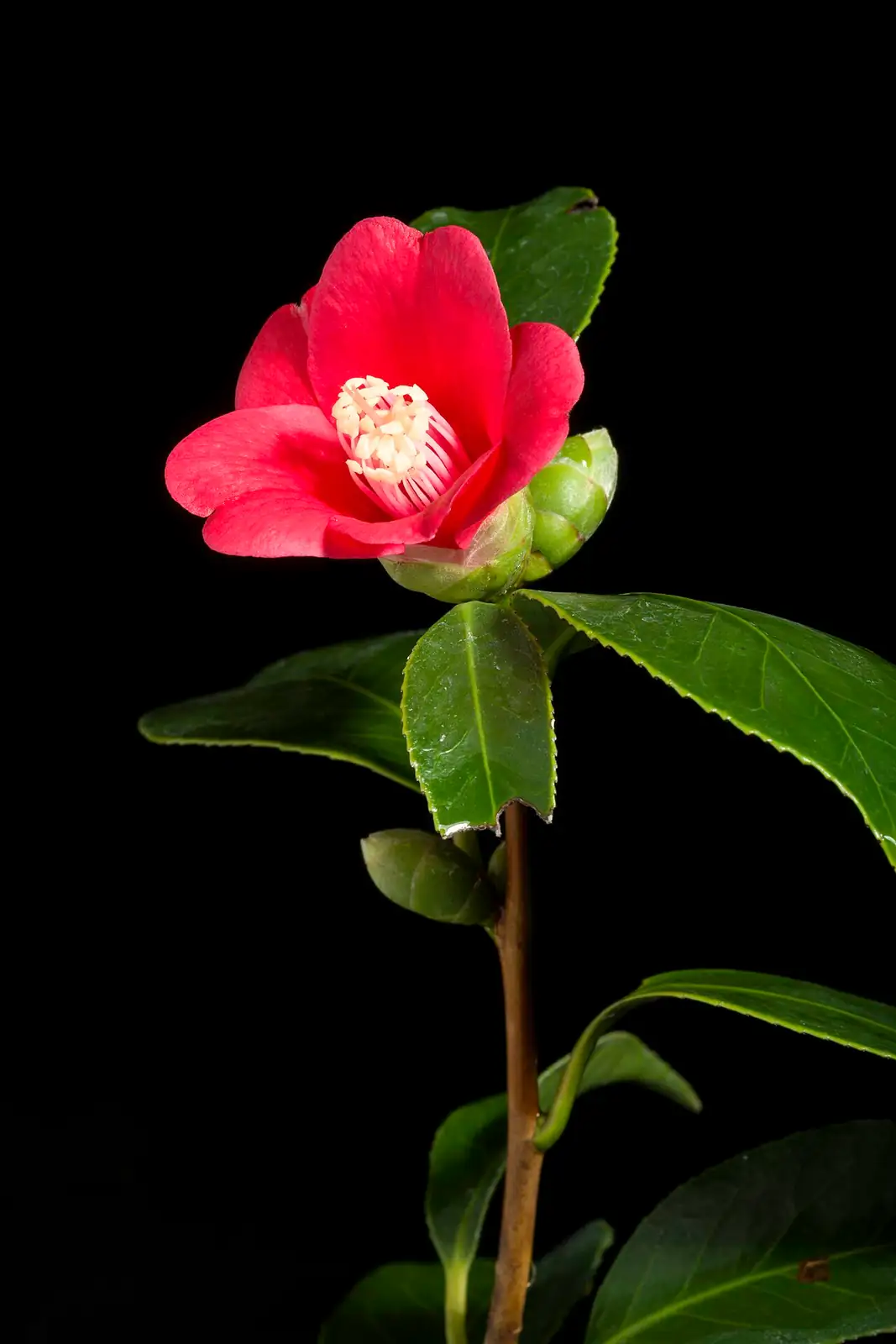
- Foliage: Evergreen, alternate leaves that are oval to elliptic with fine serrations; thick, leathery, and notably glossy. New growth and young twigs can show light green to purplish-green tones.
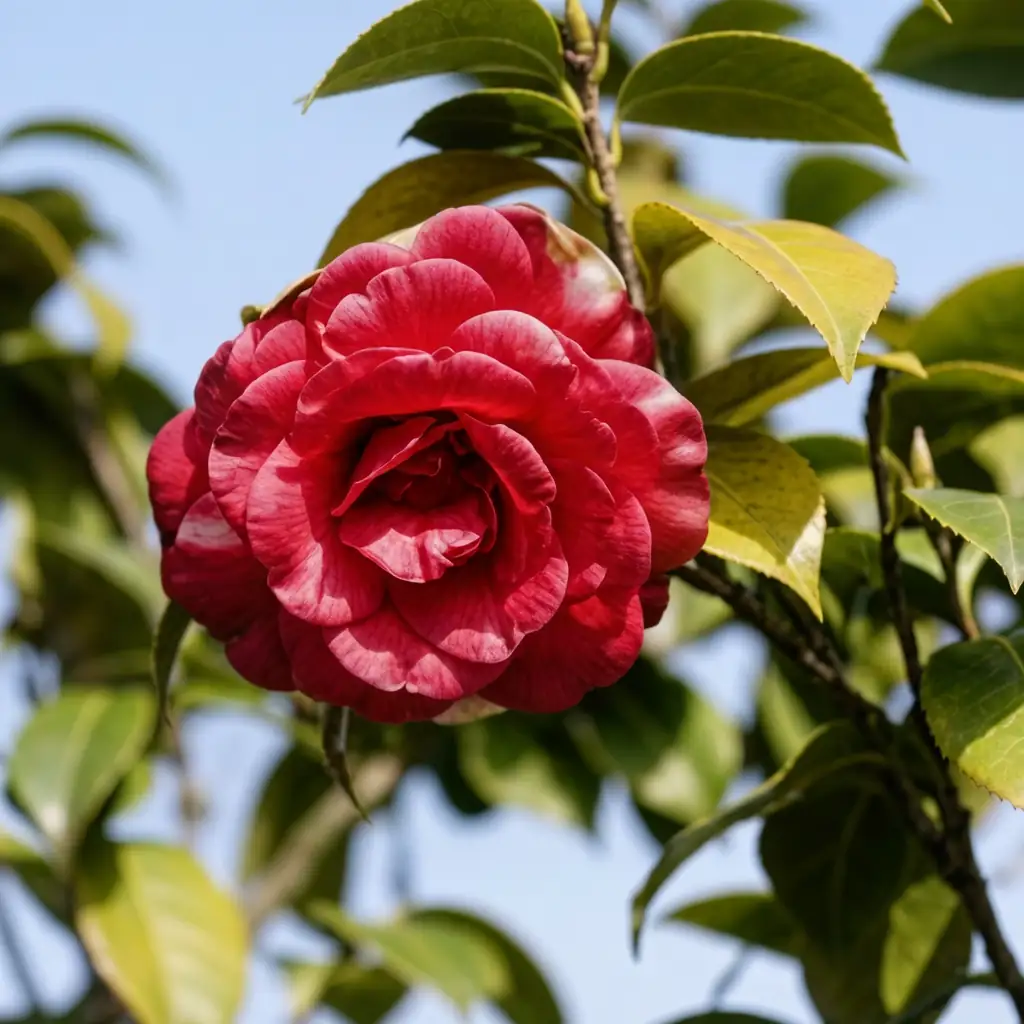
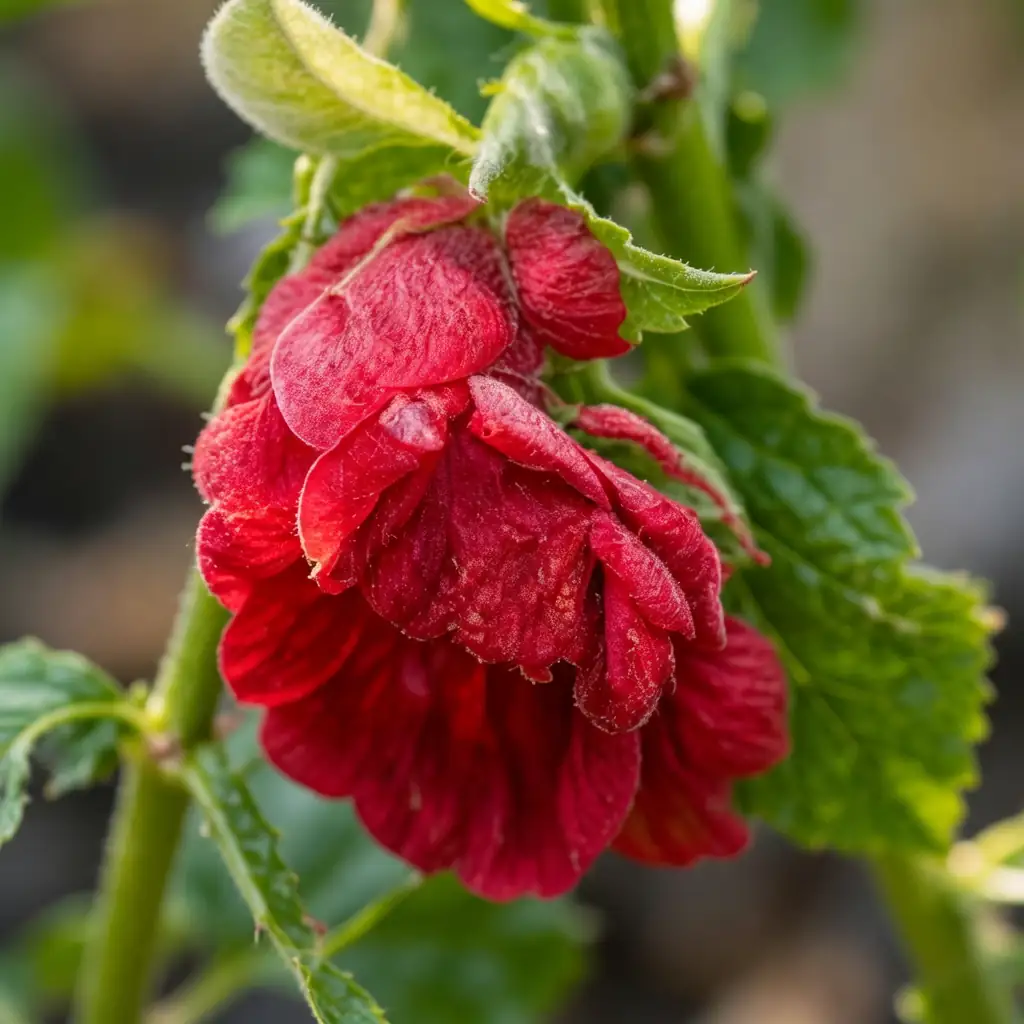
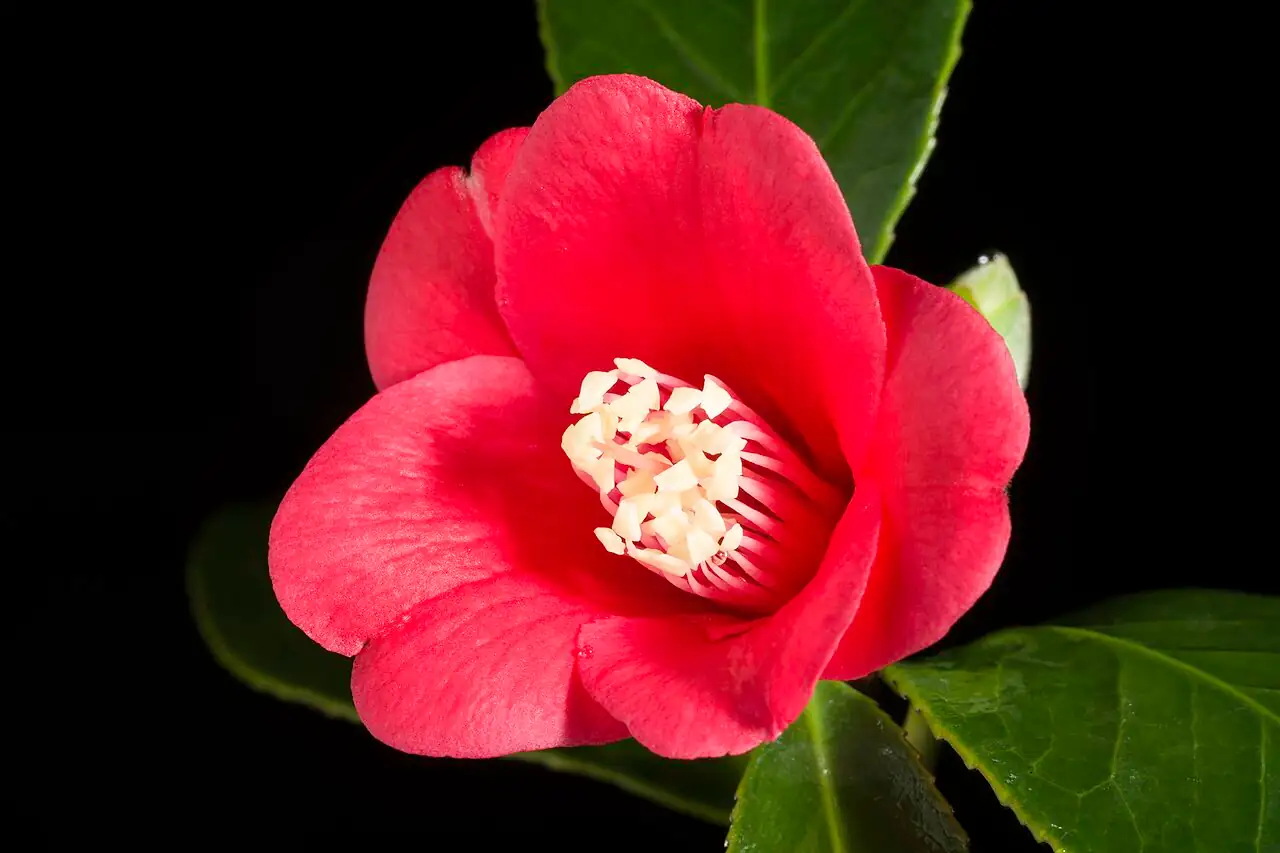
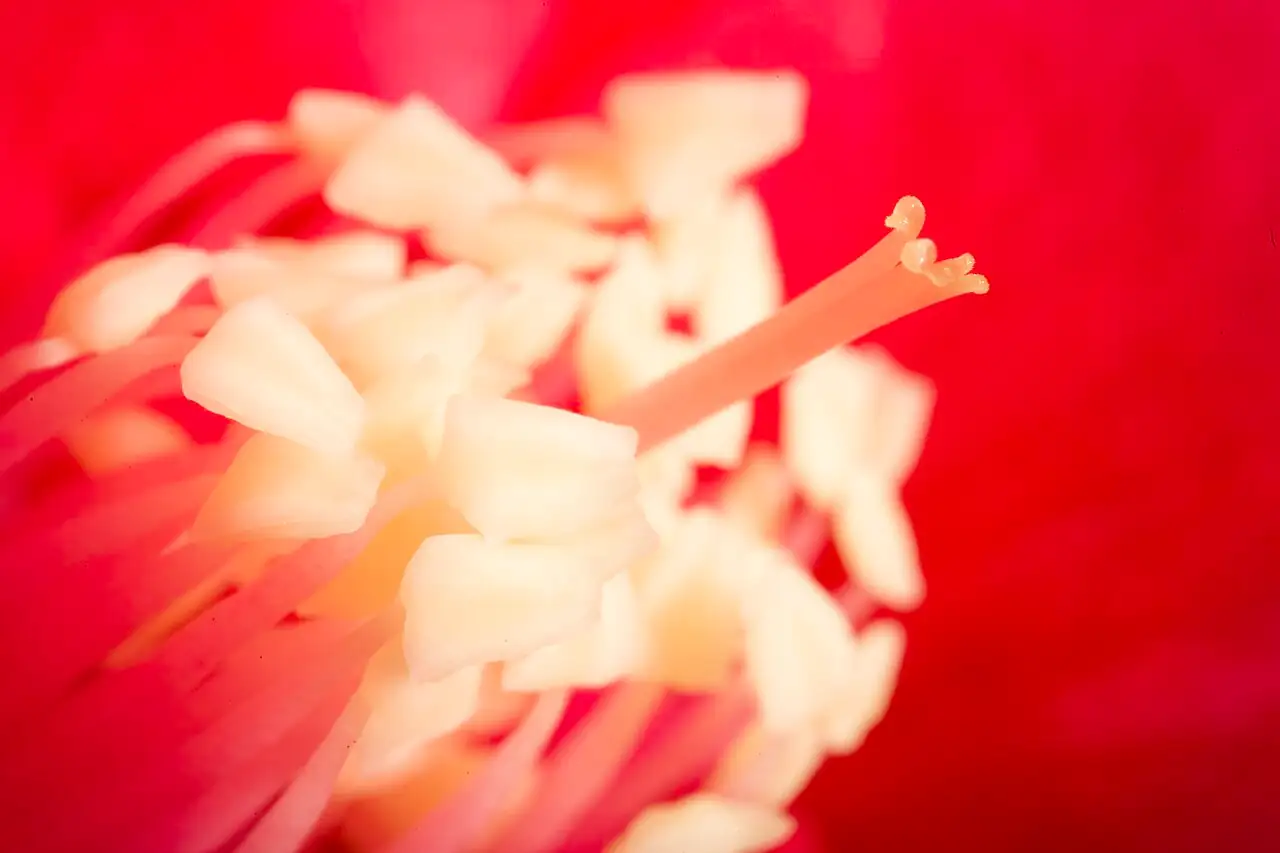
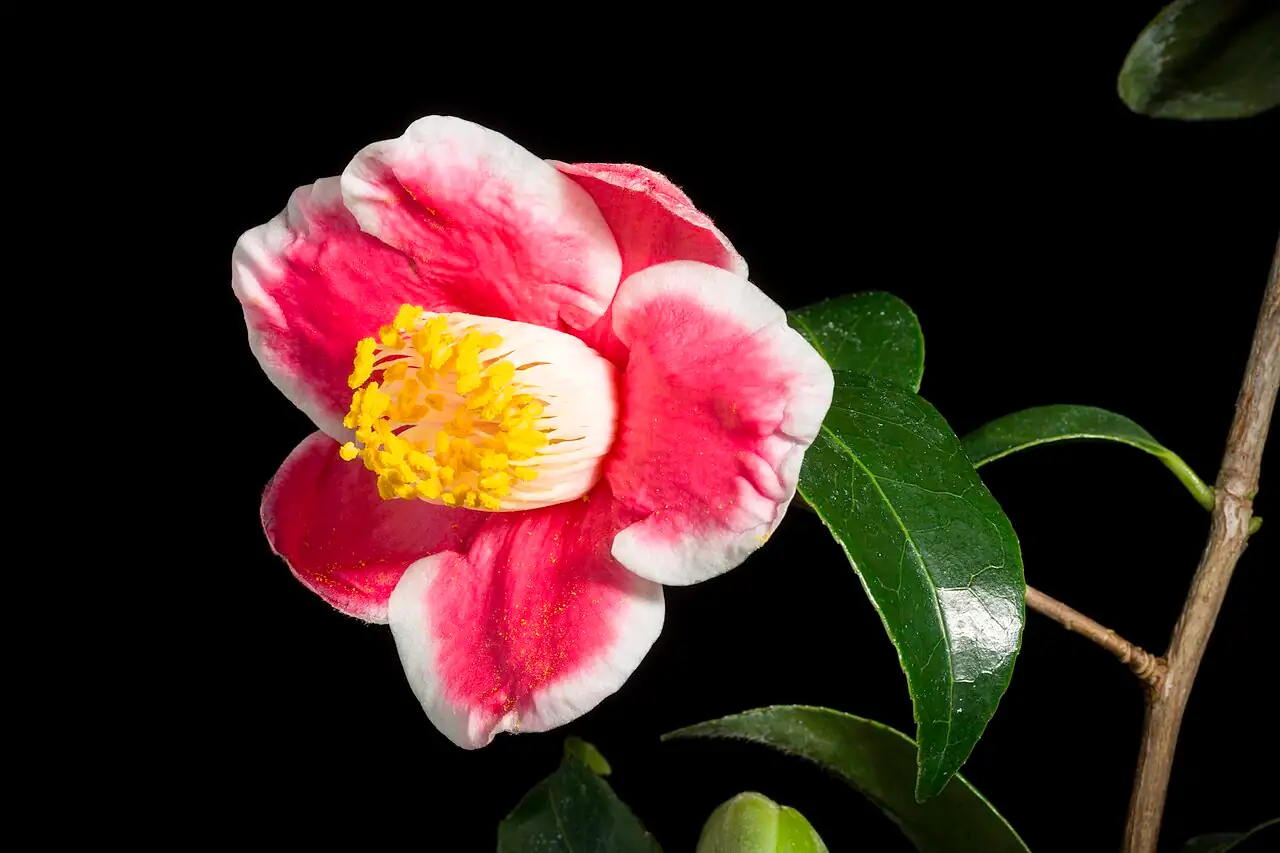
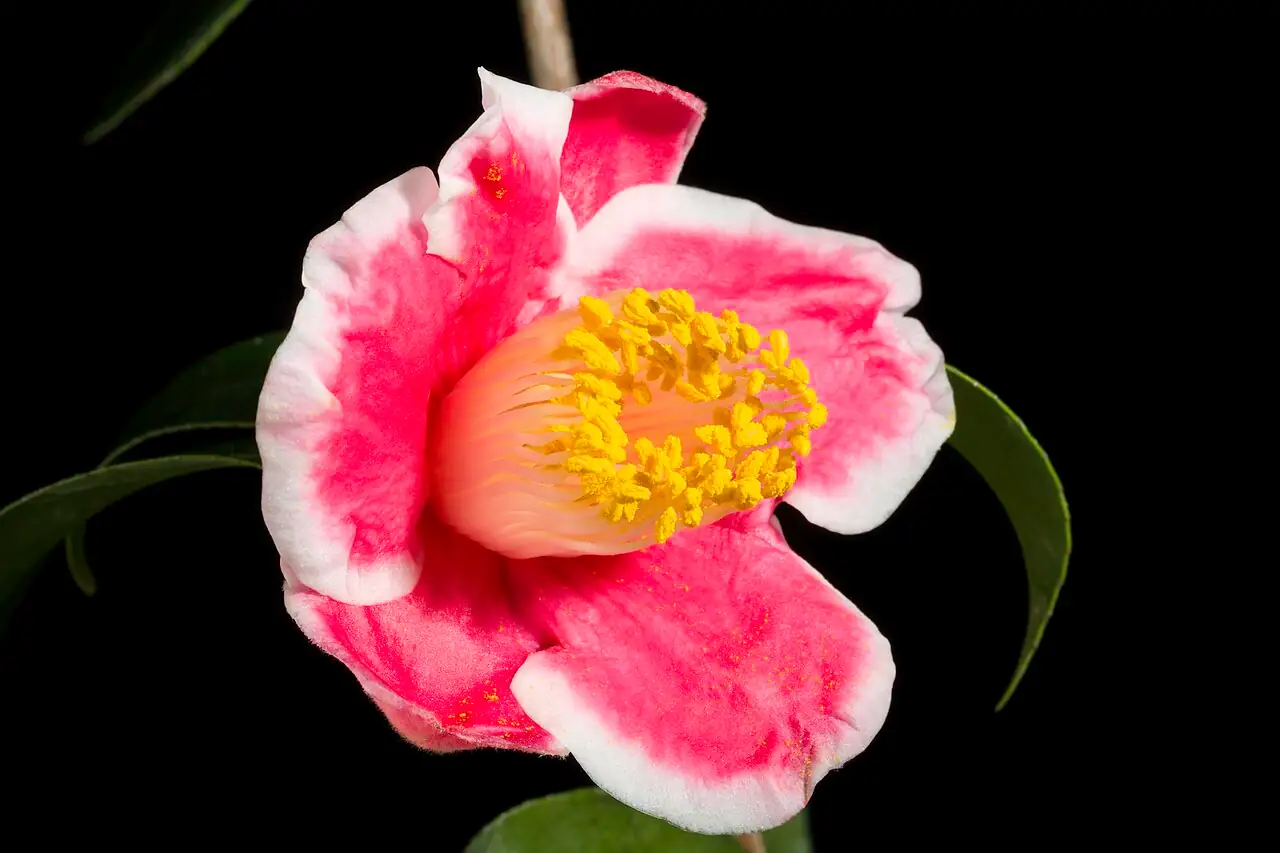
- Flower: Large, usually solitary flowers appear in the leaf axils or at shoot tips. Depending on cultivar, blooms can be single, semi-double, or very double, often with showy stamens that may be fused at the base. After flowering, it can form a rounded capsule fruit containing several seeds.
- Flowering Season: Late winter to spring, roughly February–April.
- Growth Habit: Evergreen shrub to small tree; upright, branching, and gradually forming a dense framework over time.
Environment
Sunlight
Bright filtered light or partial shade is ideal. Morning sun with afternoon shade suits it best; avoid harsh, hot afternoon sun that can scorch leaves and stress buds.
Temperature
Prefers mild temperatures, growing best around 10–24°C (50–75°F). Protect from prolonged heat above about 30°C (86°F) and from drying winds; sudden swings can contribute to bud drop.
Humidity
Enjoys humid air (about 70–80% relative humidity) and can struggle in dry conditions. In hot/dry spells, keep watering consistent and boost ambient humidity (e.g., humidity tray); avoid wet foliage in cool weather to reduce disease risk.
Soil
Deep, fertile, moisture-retentive yet well-drained soil. Slightly acidic soil is key (pH about 5–6). In pots, use an acidic, free-draining mix (often leaf-mold/ericaceous-based). Avoid alkaline soils, which can trigger yellowing and poor performance.
Placement
Best outdoors in a sheltered, lightly shaded spot—woodland margins, beside rocks, or a protected courtyard corner. Indoors, it’s better treated as a short-term display plant in a cool, bright area rather than a permanent houseplant.
Hardiness
Generally suitable for USDA Zone 7–9 (varies by cultivar and microclimate). Not fond of extreme heat or drought. Good drainage is essential, especially in long wet periods, to prevent root problems.
Care Guide
Difficulty
Moderate. It becomes quite dependable once established, as long as it has acidic soil, steady moisture, and protection from hot sun and drying stress.
Buying Guide
Pick plants with glossy, deep-green leaves (no yellowing, spotting, or sticky residue). Inspect leaf undersides for scale. Choose buds that look firm and healthy rather than browned. Avoid severely pot-bound plants with circling roots.
Watering
Aim for evenly moist soil—never bone-dry, never soggy. Water deeply during hot, dry summer and early autumn (a crucial time for next season’s buds). During rainy seasons, prioritize drainage to prevent waterlogging and root rot.
Fertilization
Feed in spring after flowering using an acid-forming fertilizer (camellia/azalea/rhododendron type). A light follow-up in early summer can help if growth is weak. Avoid heavy feeding from late summer into autumn, which can disrupt bud development and hardening-off.
Pruning
Prune lightly right after flowering to shape and remove dead, weak, or crossing branches. Avoid pruning later in the season, because it can remove developing flower buds for the next bloom cycle.
Propagation
Typically propagated via semi-hardwood cuttings in summer, air-layering, or grafting (especially for named cultivars). Seed propagation is possible, but seedlings may not match the parent plant’s flower form or color.
Repotting
Repot container plants every 2–3 years after flowering, stepping up only one pot size. Use an acidic, free-draining mix and disturb roots as little as possible to reduce setback.
📅 Seasonal Care Calendar
Late winter–spring: enjoy blooms; after flowering, feed and prune lightly. Summer: keep moisture steady, mulch to cool roots, and protect from heat. Autumn: water consistently as buds swell; avoid high nitrogen. Wet/rainy stretches: ensure excellent drainage to prevent root rot.
Pests, Diseases & Safety
Common Pests & Diseases
Watch for scale insects, aphids, and tea mites; sooty mold often follows sap-sucking pests. Root rot can occur if soil stays waterlogged—excellent drainage and careful watering are the best prevention.
Toxicity
Generally considered low-toxicity for people and pets. If chewed or eaten in quantity, it may cause mild stomach upset—discourage pets from nibbling.
Culture & Symbolism
Symbolism: Commonly linked with admiration, devotion, and refined beauty—an elegant, “quiet luxury” kind of plant in the garden.
History & Legends: Grown and cherished for centuries in East Asia, Japanese camellia has been selected into countless cultivars with varied colors and flower forms, and it holds a special place in traditional garden aesthetics.
Uses: Primarily ornamental—used as a specimen shrub, a structural evergreen in mixed plantings, and a highlight for winter-to-spring color. Particularly effective in filtered-light gardens, courtyards, and woodland-style landscapes.
FAQ
Why are my camellia buds turning brown and dropping?
This is usually stress-related: uneven watering (too dry then too wet), hot sun or drying winds, sudden temperature swings, or root stress from poor drainage. Keep moisture consistent, give partial shade, and make sure the soil drains well.
Can I grow Japanese camellia in a pot?
Yes. Use an acidic, well-drained potting mix, keep the root ball evenly moist, and place it in bright filtered light outdoors. Repot every 2–3 years after flowering, and don’t let it dry out completely.
Fun Facts
- Given time and the right conditions, it can grow into a small tree about 10–15 m (33–49 ft) tall.
- It typically flowers from late winter through spring (around February–April), while its seed capsules mature later in the year (often around November–December).
- Many camellias show stamens fused at the base into a short tube—one of those small botanical details that helps with identification.
- It’s a classic choice for “filtered-light” garden scenes, especially woodland edges and rock-accented plantings.


