

Plant Features
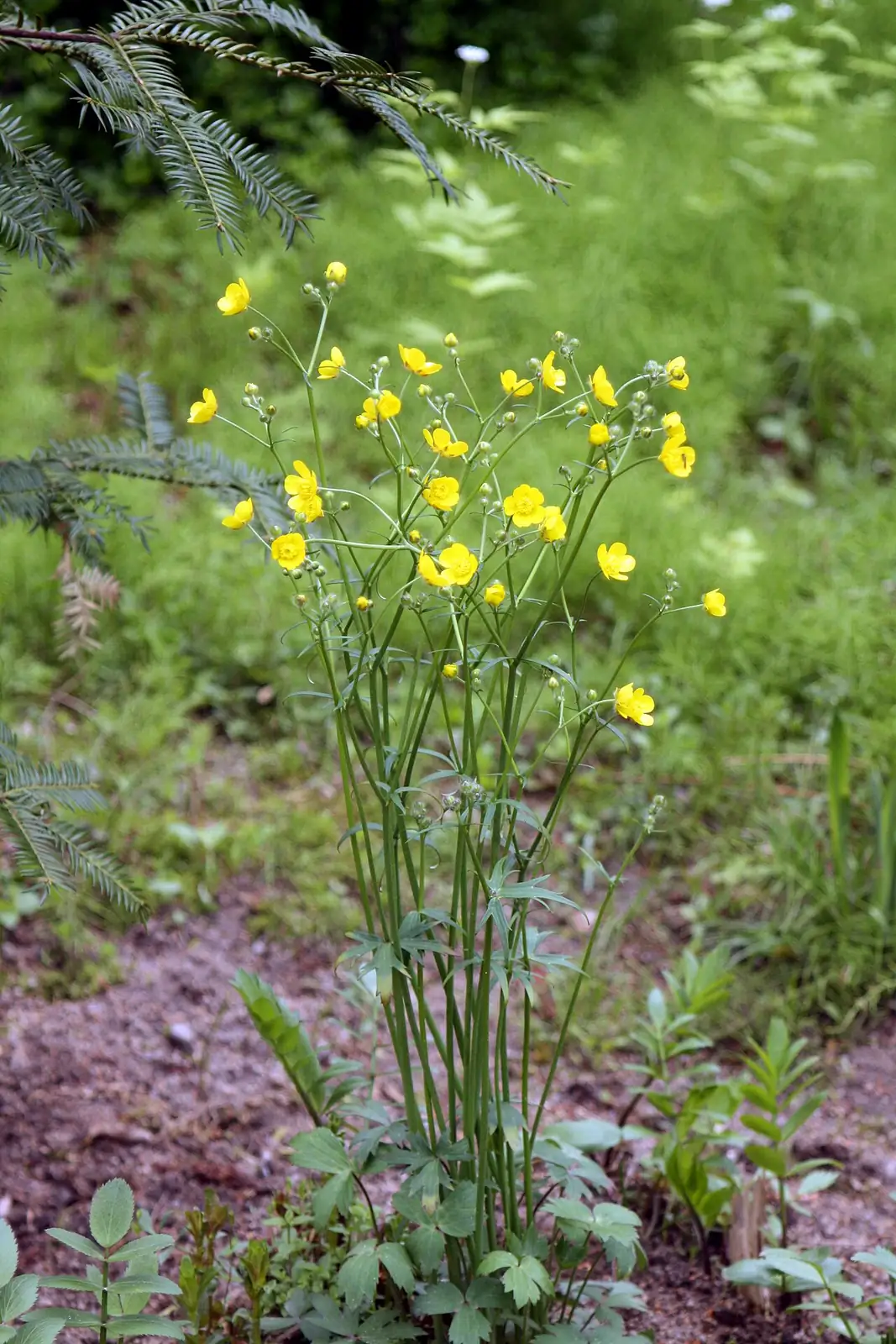
- Size: Up to about 70 cm (28 in) tall.
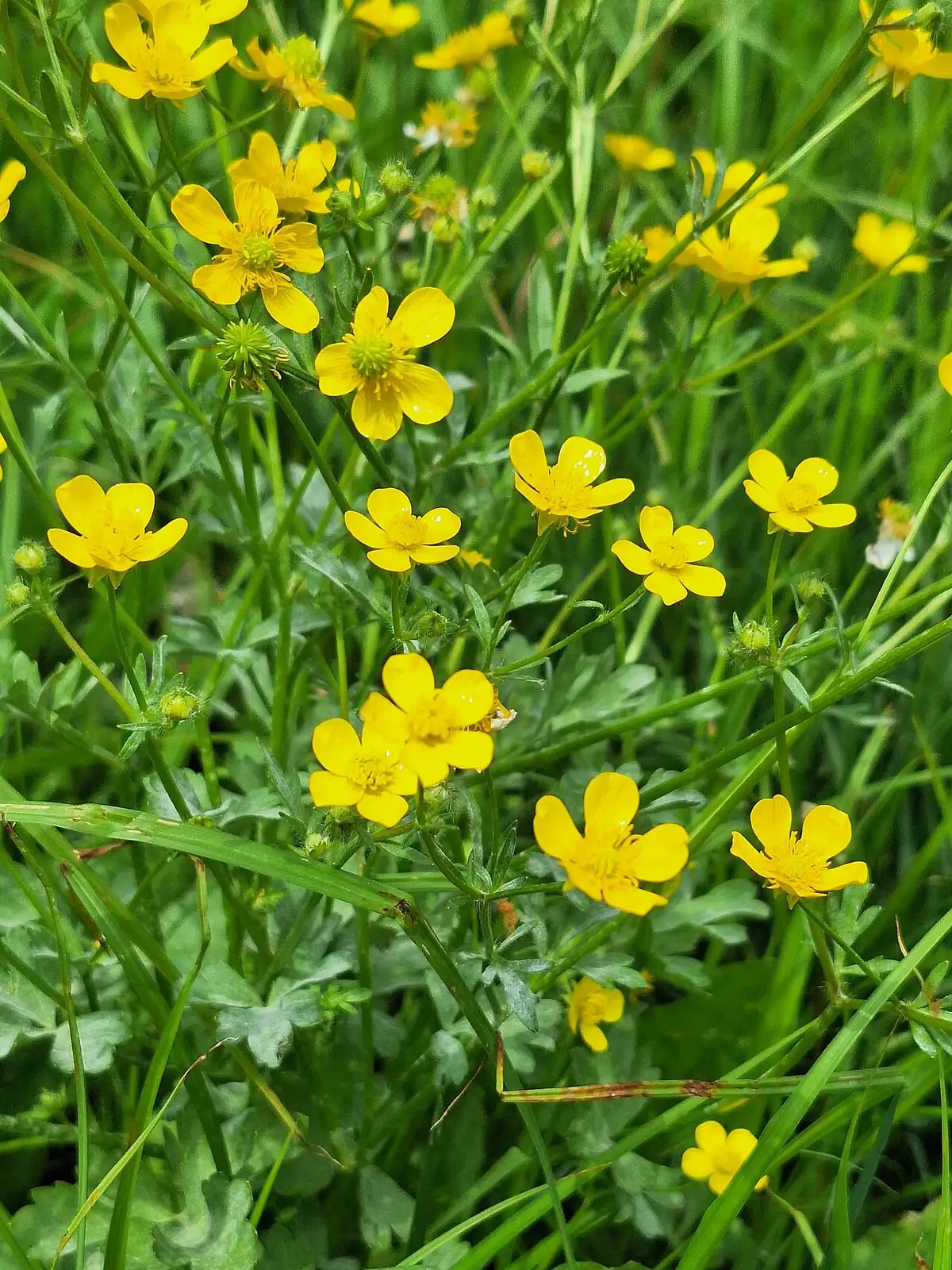
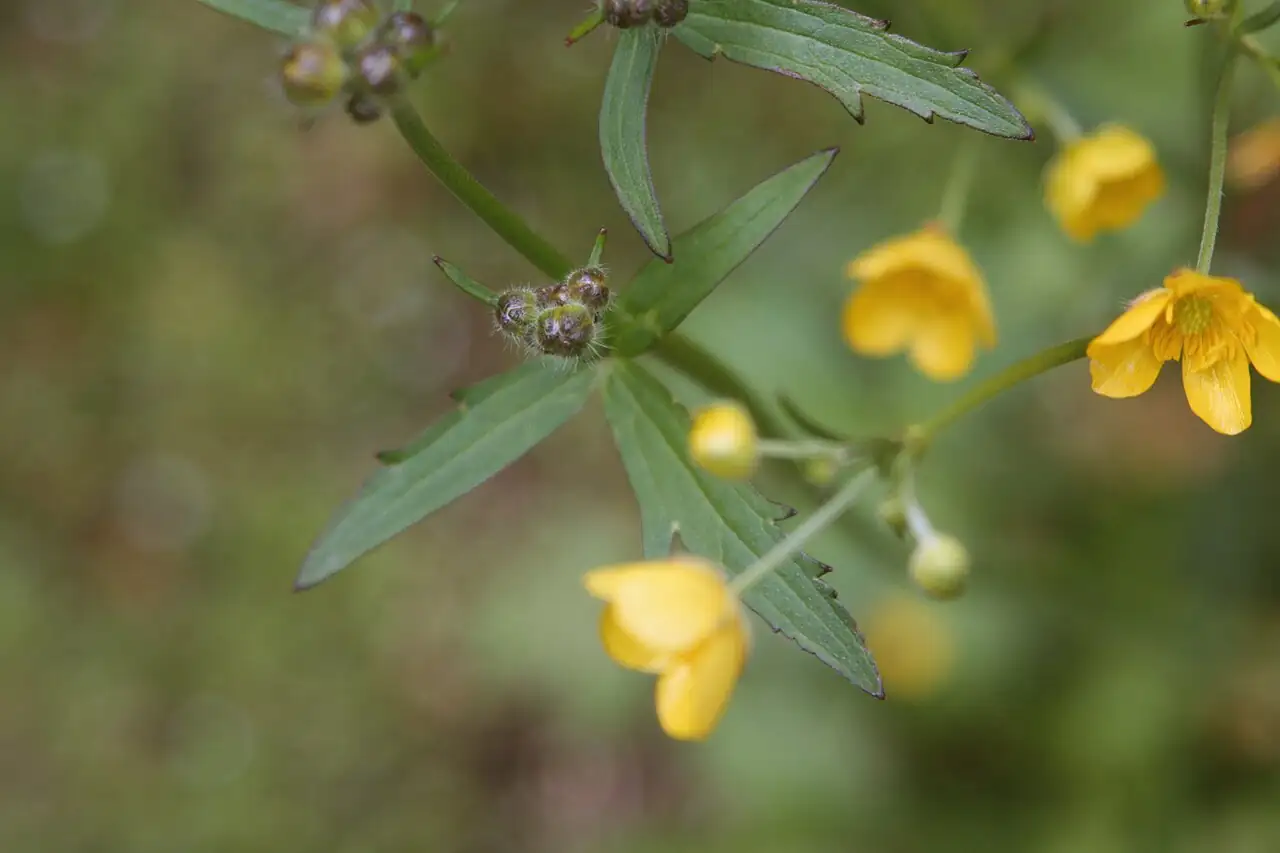
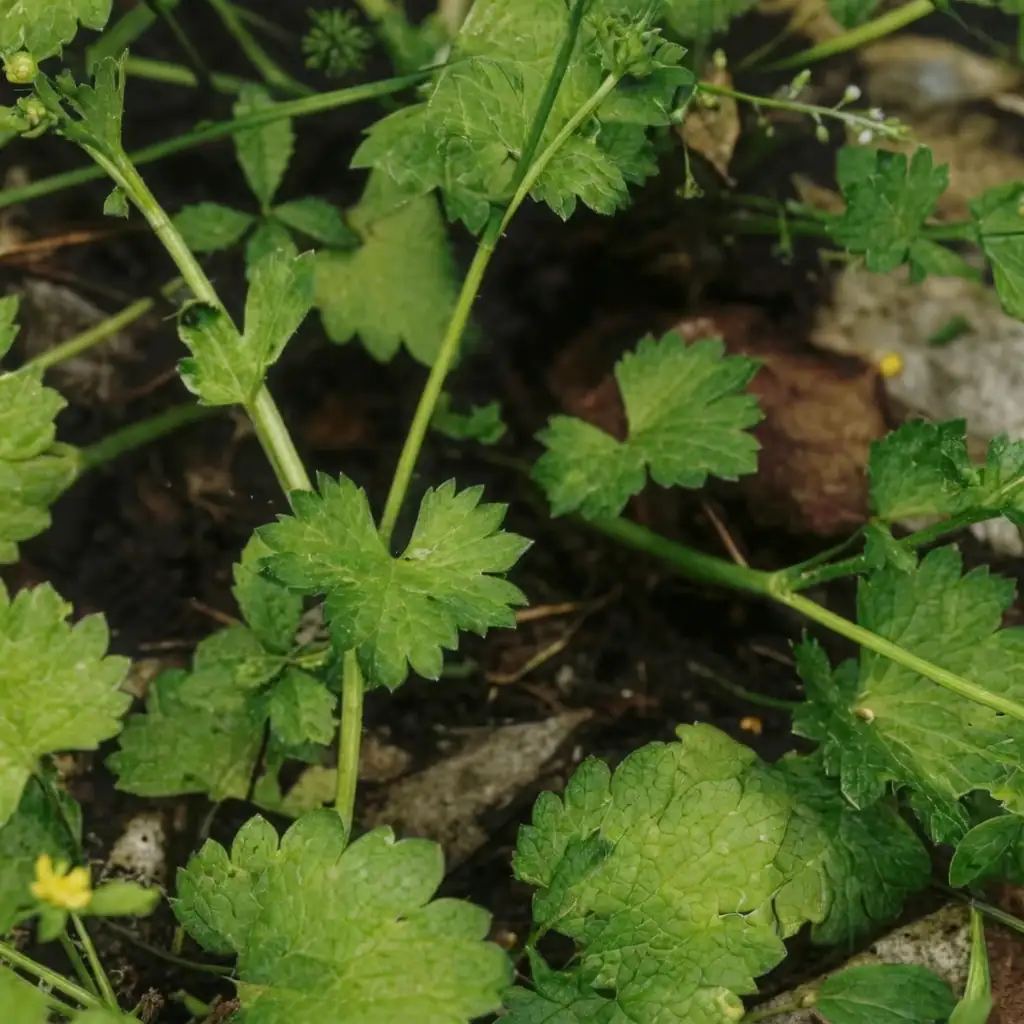
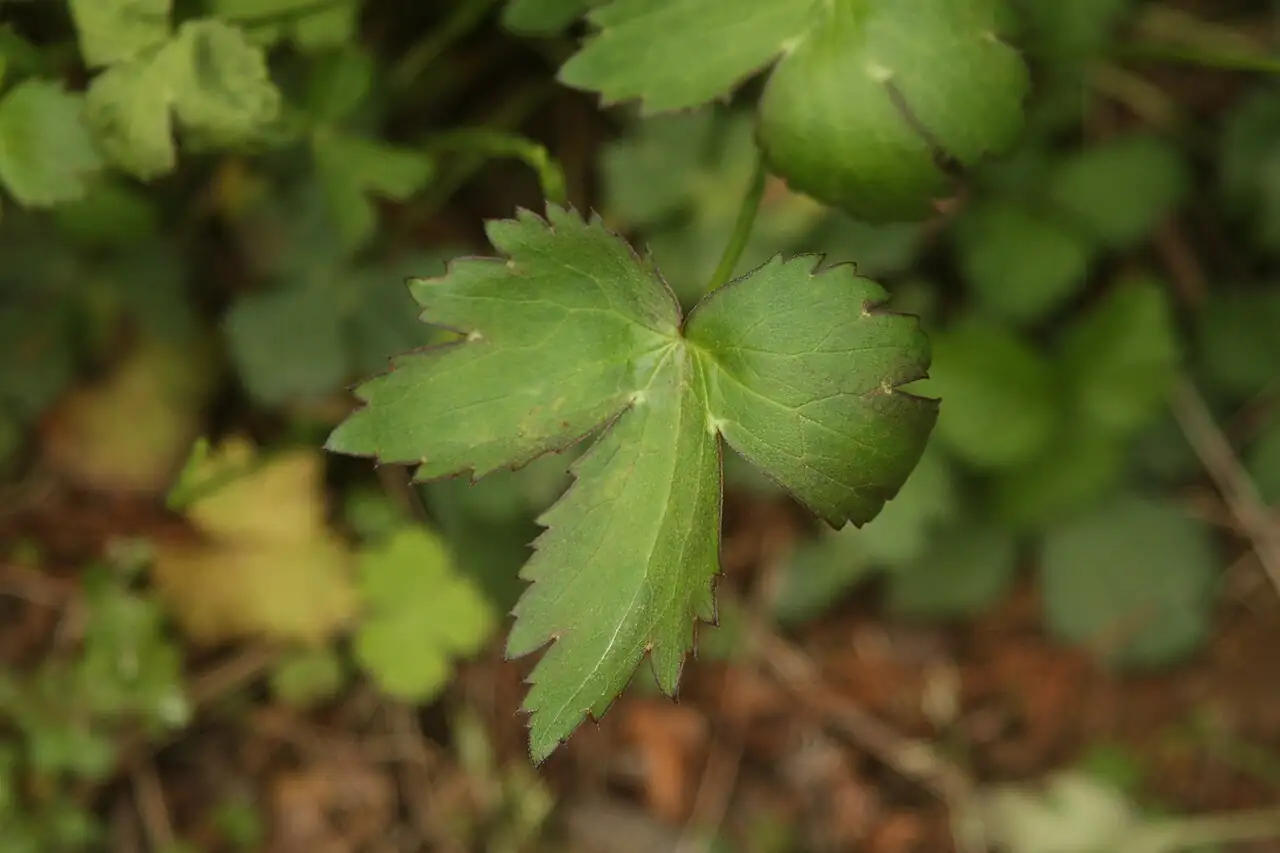
- Foliage: Forms several basal leaves. Leaf blades are round heart-shaped to five-angled, often with a heart-shaped or truncate base. The leaf surfaces and petioles are covered in soft hairs, giving the plant a gently fuzzy, slightly velvety texture.
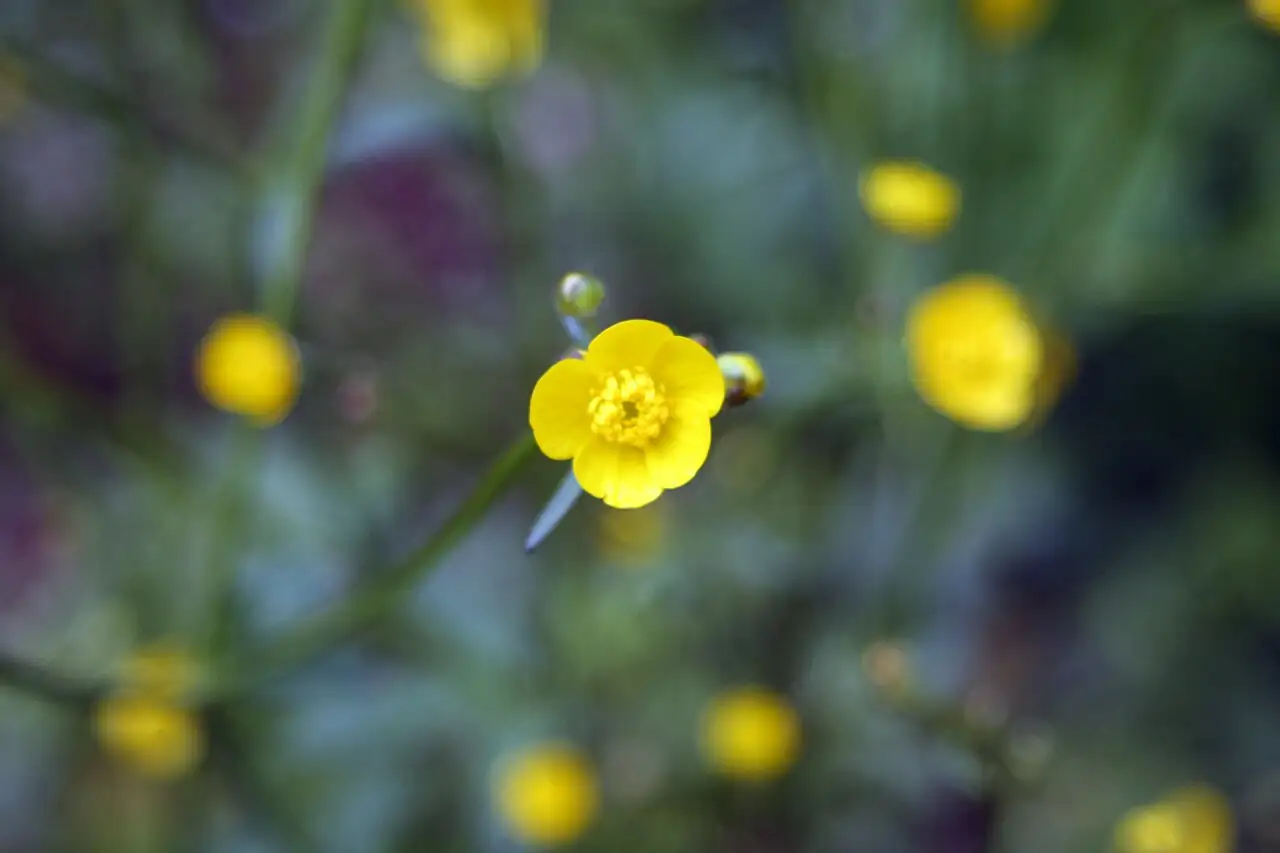
- Flower: Produces many small buttercup-type flowers in a loose, branched, corymb-like cluster. Sepals are softly hairy; petals are rounded to obovate. After flowering, it develops a nearly spherical cluster of fruits made of many flattened achenes (the typical buttercup “seed head”).
- Flowering Season: April–September
- Growth Habit: Upright, clump-forming perennial herb with many fibrous roots.
Environment
Sunlight
Full sun to partial shade; bright light supports best flowering. In hotter climates, light afternoon shade can help prevent stress as long as the soil remains moist.
Temperature
Best growth around 25°C (77°F). Generally suited to mild to cool-temperate outdoor conditions.
Humidity
Prefers moist, humid conditions; performs best where the soil stays evenly damp.
Soil
Moist, well-drained but water-retentive soil. Keep consistently damp; avoid letting it dry out. Not recommended for heavy, sticky clay soils, especially if they stay waterlogged and airless.
Placement
Outdoors in consistently moist spots—pond edges, swales/ditches, damp field-margin style beds, or woodland margins; also fits beautifully into a moist meadow planting.
Hardiness
Temperate to cool-temperate species; generally cold-hardy in many regions, though exact USDA zone can vary by local provenance. Protect container plants from severe freeze–thaw cycles.
Care Guide
Difficulty
Moderate: easy and rewarding in the right place (evenly moist soil), but it can decline quickly if it’s allowed to dry out.
Buying Guide
Choose plants with firm crowns and healthy, evenly green leaves. Avoid pots that are bone-dry or plants with wilted foliage—this species can be sensitive to drought stress and may take time to recover.
Watering
Keep soil evenly moist at all times. Never let the root zone dry out; water more often in warm weather or when grown in containers. Aim for consistent moisture rather than extreme wet/dry swings.
Fertilization
Often unnecessary in decent garden soil. In containers or lean soils, feed lightly in spring with a balanced fertilizer at half strength. Avoid overfeeding, which can cause soft, floppy growth.
Pruning
Deadhead spent flowers and remove yellowing leaves to keep the clump tidy and reduce disease risk. If foliage becomes messy later in the season, a gentle cutback can encourage a cleaner flush of growth.
Propagation
Most reliably propagated by dividing clumps in early spring or autumn. Seed is also possible if plants set viable seed, though seedlings may vary.
Repotting
If grown in pots, repot in early spring as growth resumes, using a moisture-retentive yet well-aerated mix. Ensure the container never dries out completely.
📅 Seasonal Care Calendar
Spring: resume regular watering; divide clumps if needed; light feeding if grown in pots. Summer: keep moisture constant; offer afternoon shade in hot areas and maintain airflow. Autumn: reduce watering slightly as growth slows, but do not allow drying. Winter: keep crowns cool and just moist; protect containers from extreme freeze–thaw.
Pests, Diseases & Safety
Common Pests & Diseases
May attract aphids, slugs, and snails. Leaf spot or powdery mildew can appear in crowded, poorly ventilated conditions. Improve airflow, remove affected leaves, and avoid late-day overhead watering to reduce fungal issues.
Toxicity
Like many Ranunculus (buttercup) species, fresh tissues can contain irritating compounds (including protoanemonin). Sap may irritate skin, and ingestion may upset pets or livestock. Treat as mildly toxic/irritant—wear gloves if you’re sensitive and keep out of reach of children and pets.
Culture & Symbolism
Symbolism: Often associated with bright, rustic meadow charm—one of those little wildflowers that signals the easy happiness of spring and early summer.
Uses: A lovely choice for naturalistic, moist-site planting (ditch edges, pond margins, damp meadows). It is also referenced in traditional medicinal contexts in parts of its range, but it should only be used with expert guidance due to potential skin and digestive irritation.
FAQ
When does it flower?
Typically April–September, depending on local climate.
When does it fruit?
Fruiting commonly overlaps the flowering period, often from April–September, as the spherical fruit heads form after blooms fade.
How tall does it grow?
Up to about 70 cm (28 in) tall.
What family and genus is it in?
Family Ranunculaceae; genus Ranunculus.
Where does it grow naturally?
Across temperate to cool-temperate regions, especially in moist grasslands, wet ditches, field margins, and woodland edges; widely distributed in China (reported from most regions except Tibet).
What growing conditions does it prefer?
Sun to part shade, mild-to-warm temperatures (best around 25°C / 77°F), and consistently moist soil—avoid drought and avoid heavy, sticky clay.
Fun Facts
- Its fruit forms a nearly spherical “head” made of many flattened achenes—a classic buttercup hallmark.
- The soft hairs on its leaves and sepals can make it look faintly velvety up close.
- It naturally favors damp edges—ditches and woodland margins—more than dry open ground.
- Like many buttercups, fresh plant tissues can be irritating, which is why careful handling is a good idea.


