

Plant Features
- Size: Herbaceous climbing vine; overall length varies widely depending on support and habitat (often not consistently documented).
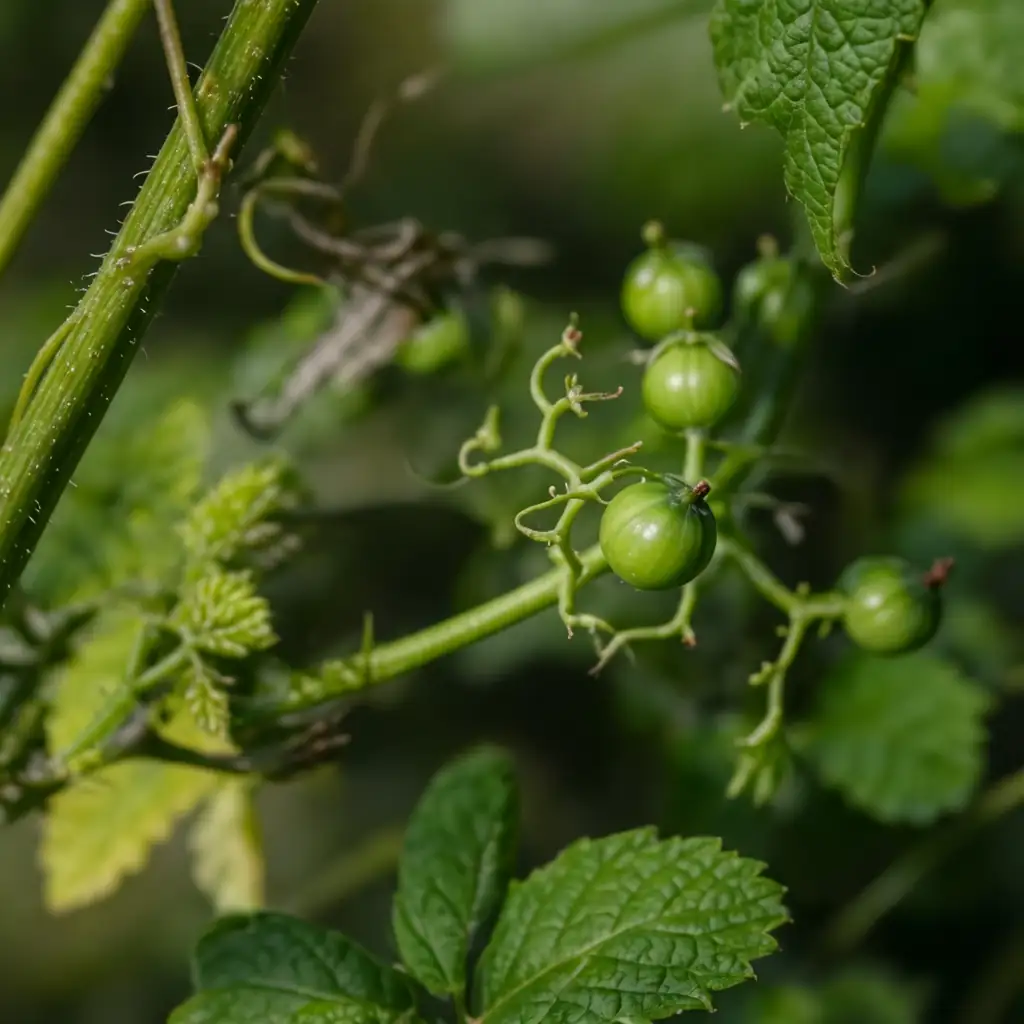
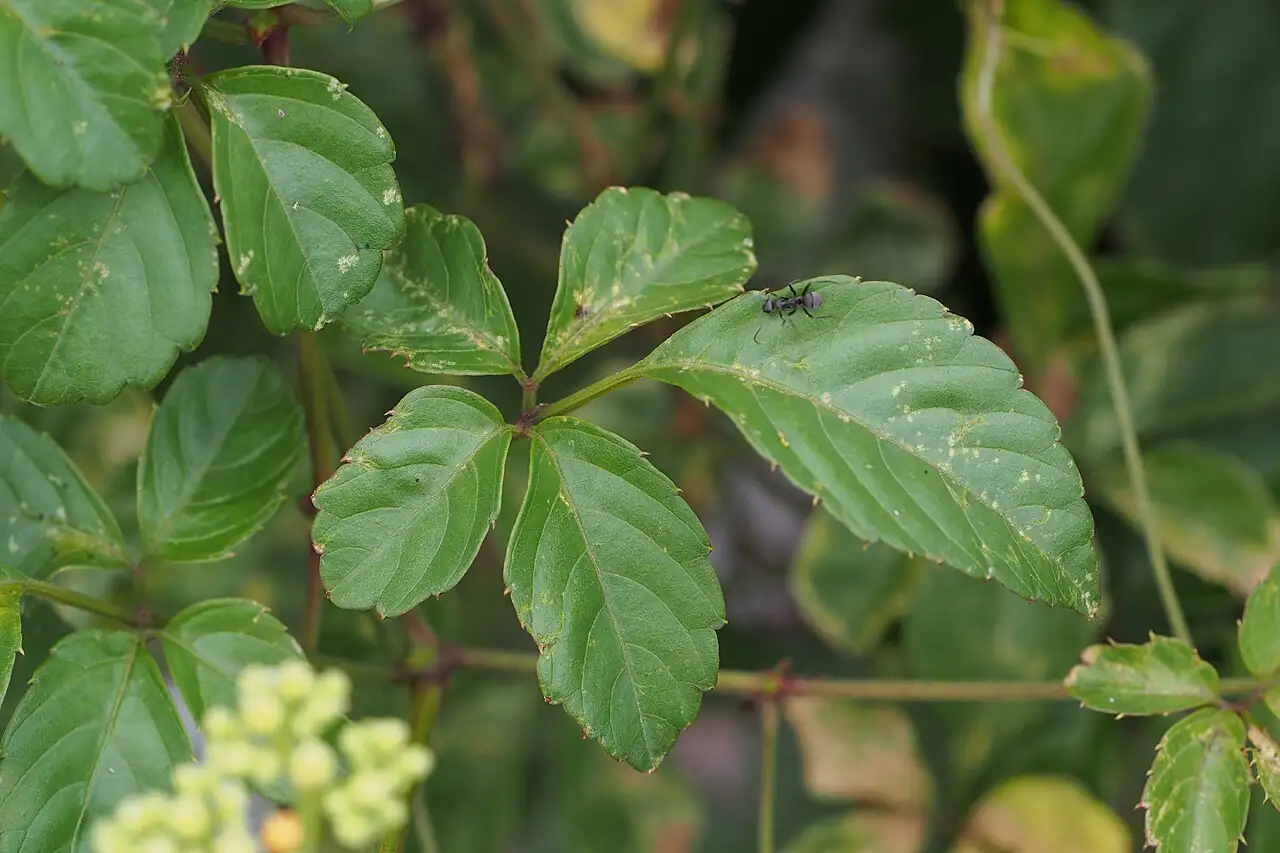
- Foliage: Leaf details weren’t provided in the source; stems/young branchlets are cylindrical with longitudinal ridges, hairless or sparsely softly hairy. Tendrils typically fork into 2–3 branches to help the plant grip and climb.
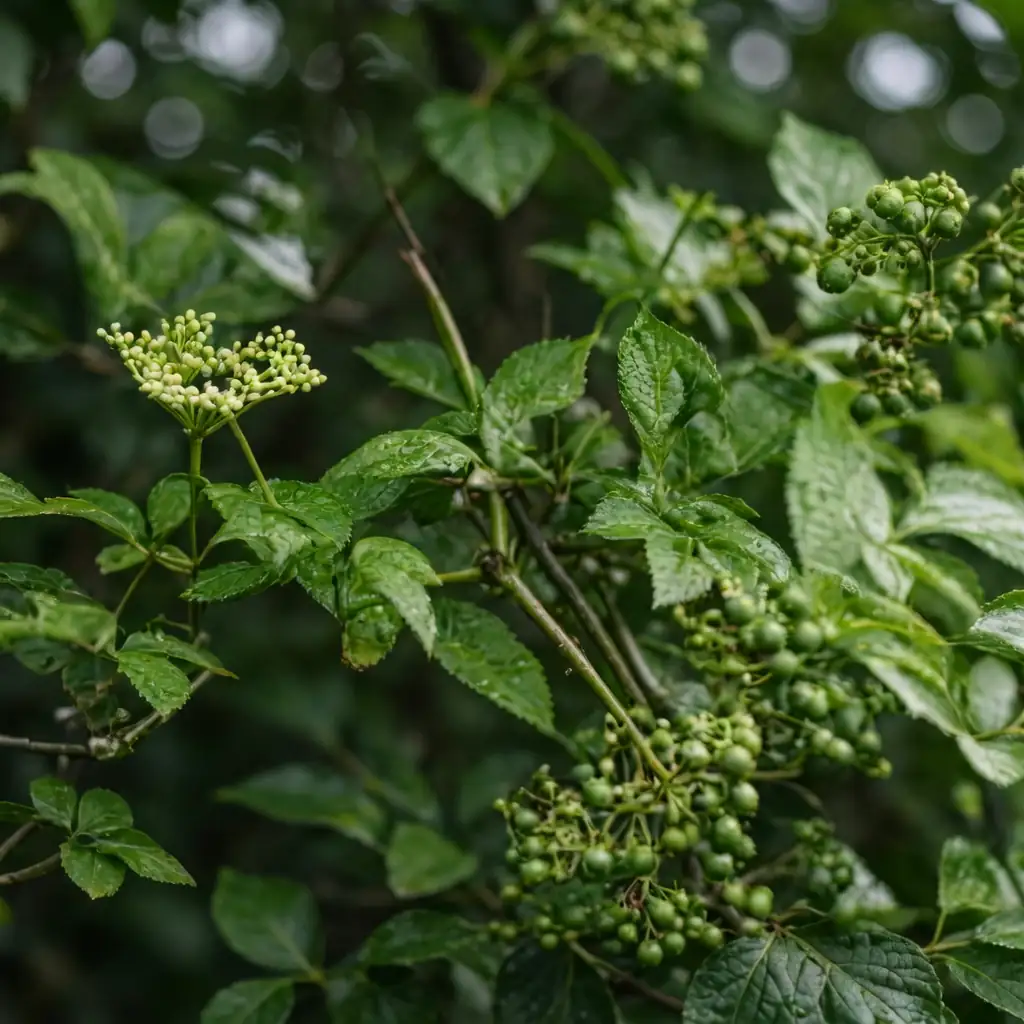
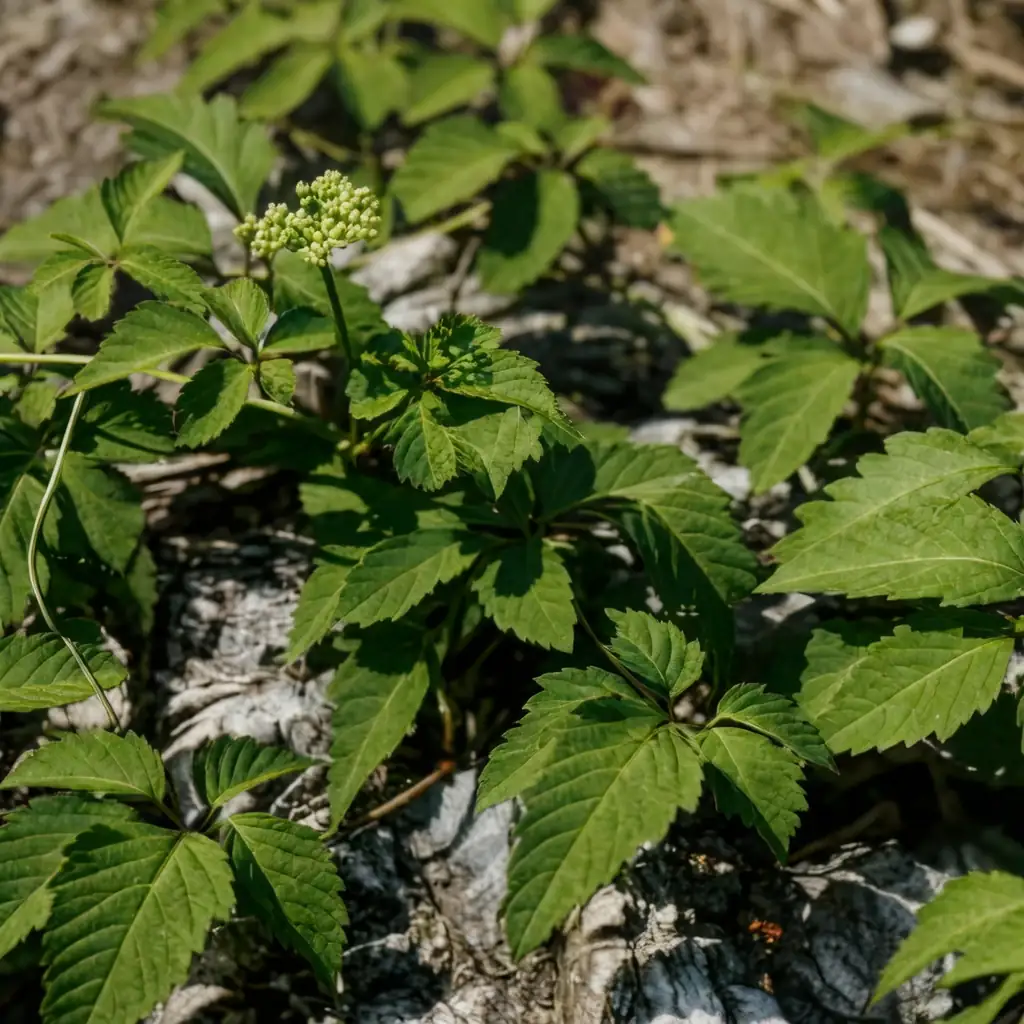
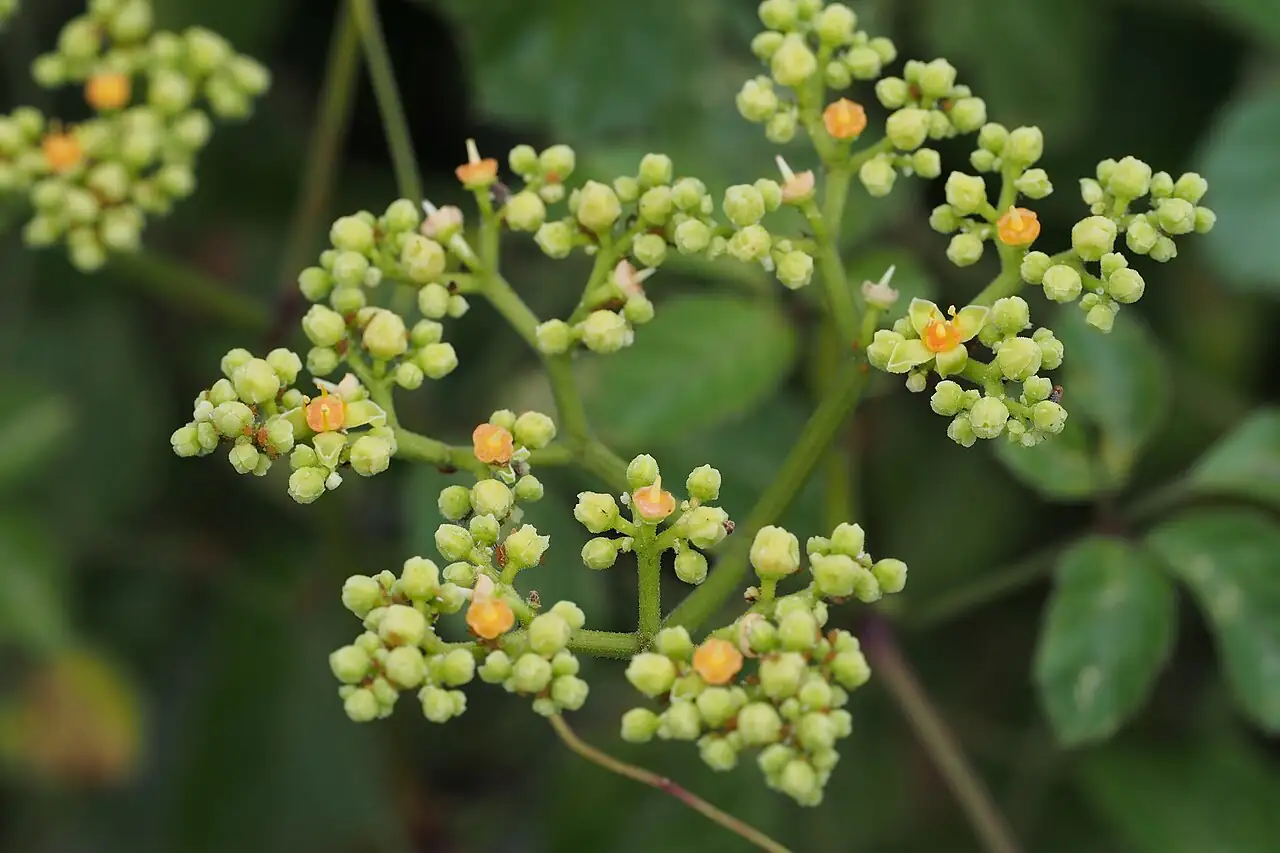
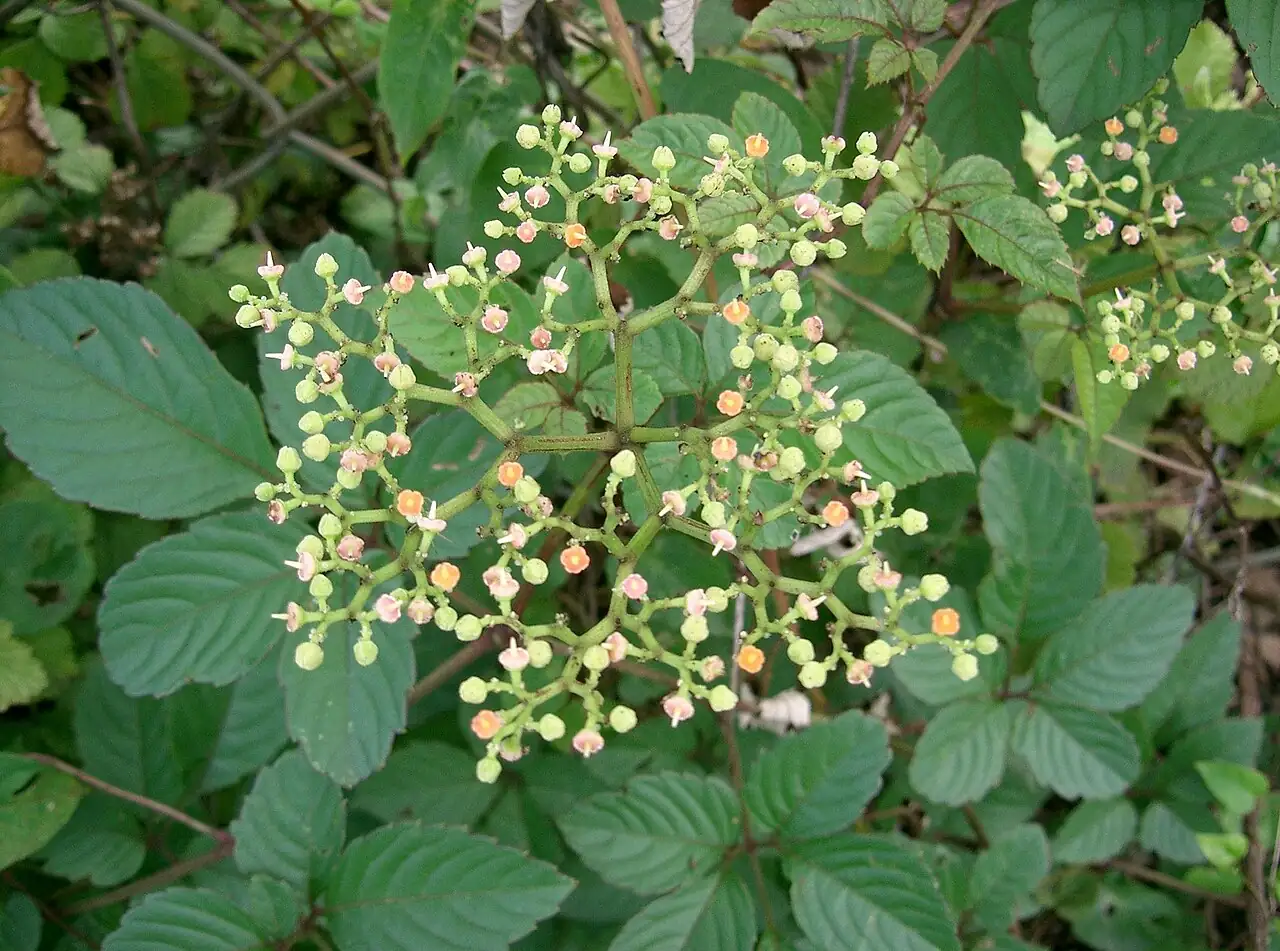
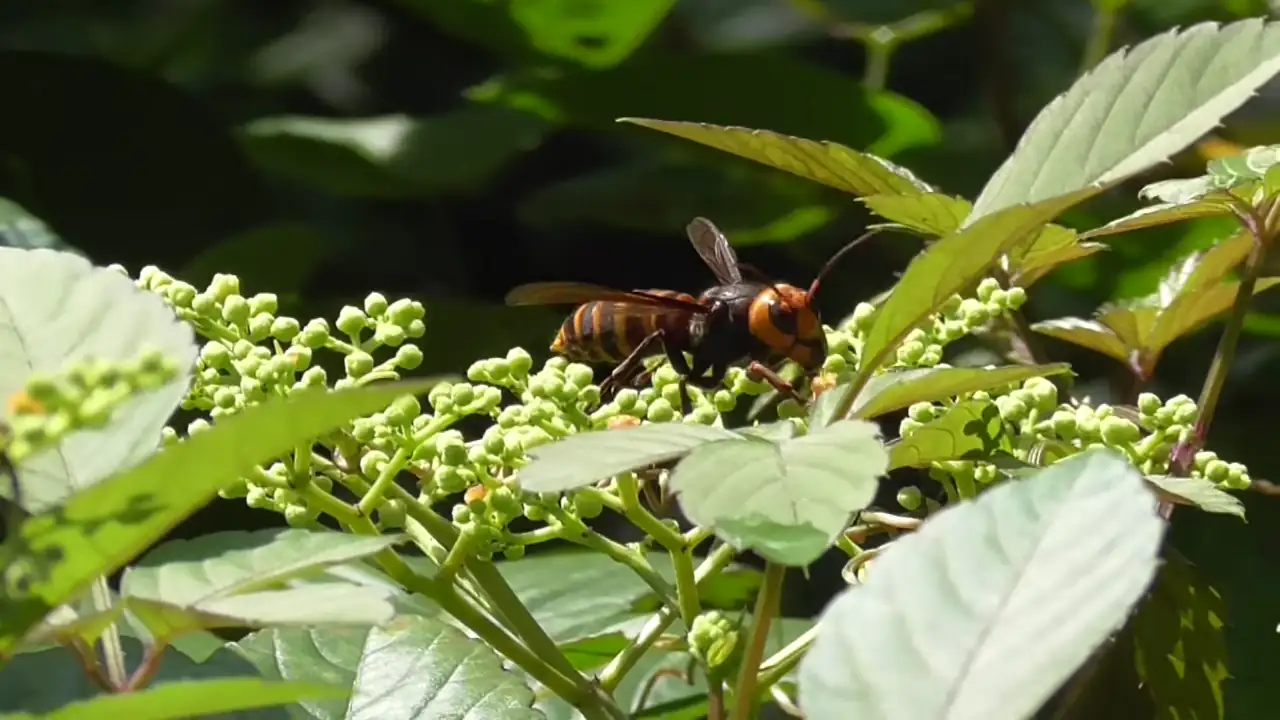
- Flower: Small flowers are borne in axillary, compound dichasial cymes. Inflorescence stalks are about 1–13 cm (0.4–5.1 in), hairless or slightly hairy.
- Flowering Season: March–August
- Growth Habit: Herbaceous twining/scrambling climber that anchors itself with 2–3-branched tendrils.
Environment
Sunlight
Full sun to partial shade. More sun generally encourages stronger growth and better flowering/fruiting.
Temperature
Warm-growing and not reliably cold-hardy; protect from frost and prolonged cold. For best growth, keep above about 10°C (50°F).
Humidity
Prefers evenly moist conditions; once established it can handle short dry spells, but prolonged drought reduces vigor.
Soil
Well-drained soil is key. Adapts well to fertile loam in the ground; avoid waterlogged sites that can stress roots.
Placement
Outdoors on a trellis, fence, or hedge in a warm bright spot. In colder-winter climates, grow in a container so it can be overwintered frost-free.
Hardiness
Frost-tender; best treated as a warm-temperate to subtropical vine in cultivation (exact USDA zone can vary with local microclimate).
Care Guide
Difficulty
Moderate where winters are mild; more challenging in cold climates because it’s frost-tender and may need winter protection or indoor overwintering.
Buying Guide
Pick a plant with vigorous new growth, clean stems, and no signs of mites, scale, or leaf spotting. If buying bare-root or field-dug plants, look for firm, healthy roots and a living crown.
Watering
Water deeply during establishment. Afterward, keep soil lightly moist during active growth, letting the top layer dry slightly between waterings. Reduce watering in cool weather, and avoid waterlogging at all times.
Fertilization
Feed in spring and early summer with a balanced fertilizer (follow label rates). In rich garden soil, a light compost top-dress may be enough.
Pruning
Prune to manage spread and remove tangled, weak, or overly dense growth. Cut back after fruiting or during dormancy in mild climates; avoid heavy pruning while it’s actively flowering if you want berries.
Propagation
Stem cuttings and layering are common and reliable; seed propagation is also possible when ripe fruit is available.
Repotting
For container plants, repot every 1–2 years in spring, moving up one pot size and refreshing with a free-draining mix.
📅 Seasonal Care Calendar
Spring: restart watering/feeding and provide support. Summer: train new shoots, water during heat, monitor pests. Autumn: enjoy berries; ease off feeding and gradually reduce watering. Winter: protect from frost; keep a bit drier and avoid cold, soggy soil.
Pests, Diseases & Safety
Common Pests & Diseases
Can attract aphids, spider mites, and scale, especially when stressed. Fungal leaf spots may appear in crowded, humid conditions. Improve airflow, avoid late-day overhead watering, and treat outbreaks early with appropriate horticultural controls.
Toxicity
Toxicity for people/pets is not reliably documented here. As a precaution, treat wild vine berries as potentially unsafe to ingest and keep out of reach of children and pets unless locally confirmed as edible and correctly identified.
Culture & Symbolism
Uses: Often seen as a wild, weedy vine in its native habitats, but the whole plant is also used in traditional herbal medicine within its native range.
FAQ
Will Japanese bush grape survive winter outdoors?
It’s generally frost-tender. In mild-winter areas it may overwinter outside, but in colder regions it’s best grown in a container and kept frost-free through winter.
How can I encourage more berries?
Give it brighter light (full sun to light shade), steady moisture during the growing season, and avoid heavy pruning while it’s flowering. Training it onto a support with good airflow also helps.
Fun Facts
- Flowers are produced from March–August.
- Fruits typically ripen from August–November.
- The berries are nearly spherical, about 1 cm (0.4 in) in diameter, usually containing 2–4 seeds.
- Its tendrils commonly fork into 2–3 branches, helping it cling and climb.
- It is widespread across many provinces/regions of China, including Taiwan.


