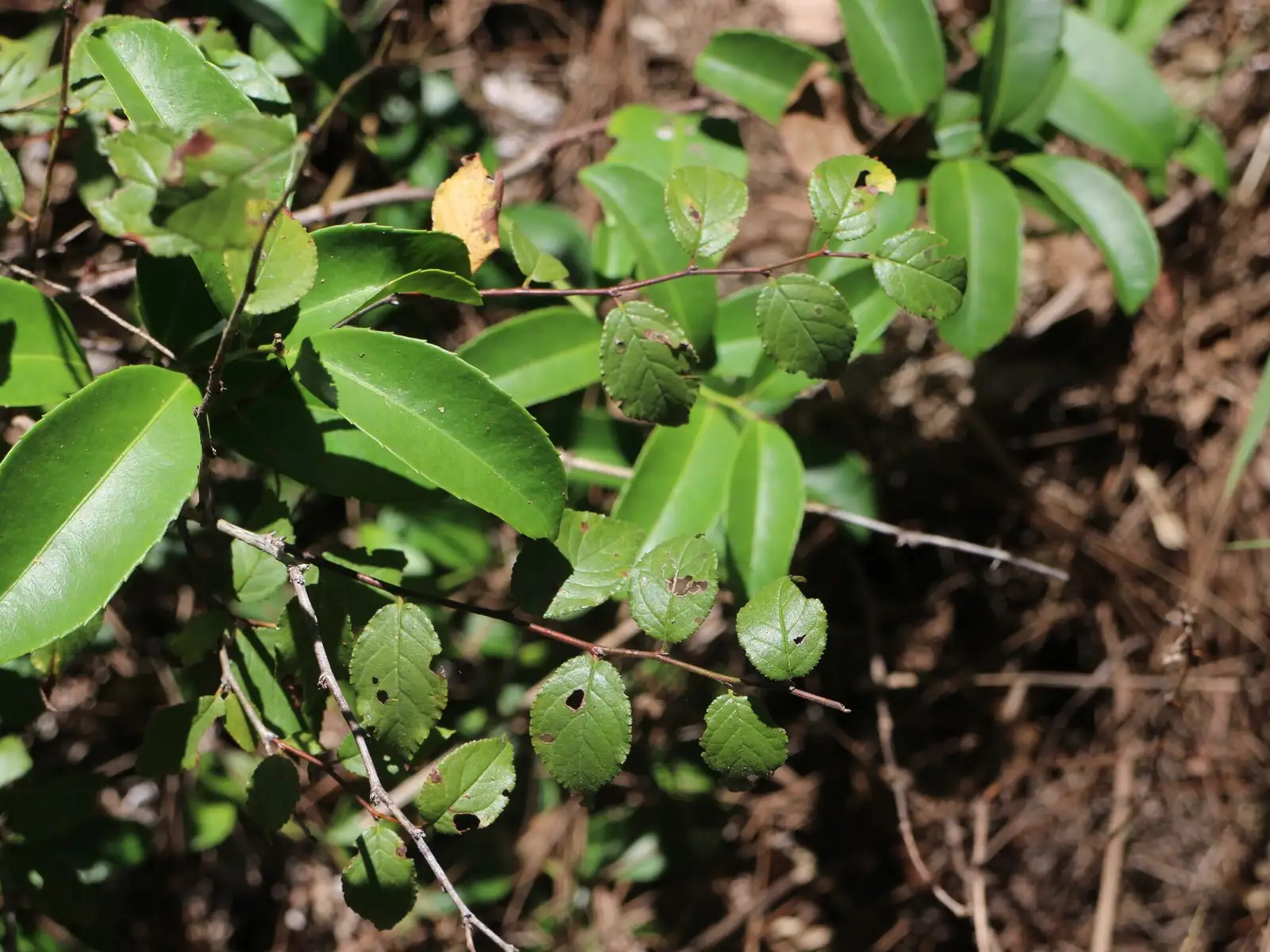
Plant Features
- Size: Typically 1.0–1.6 m tall (3.3–5.2 ft), forming a dense, twiggy shrub
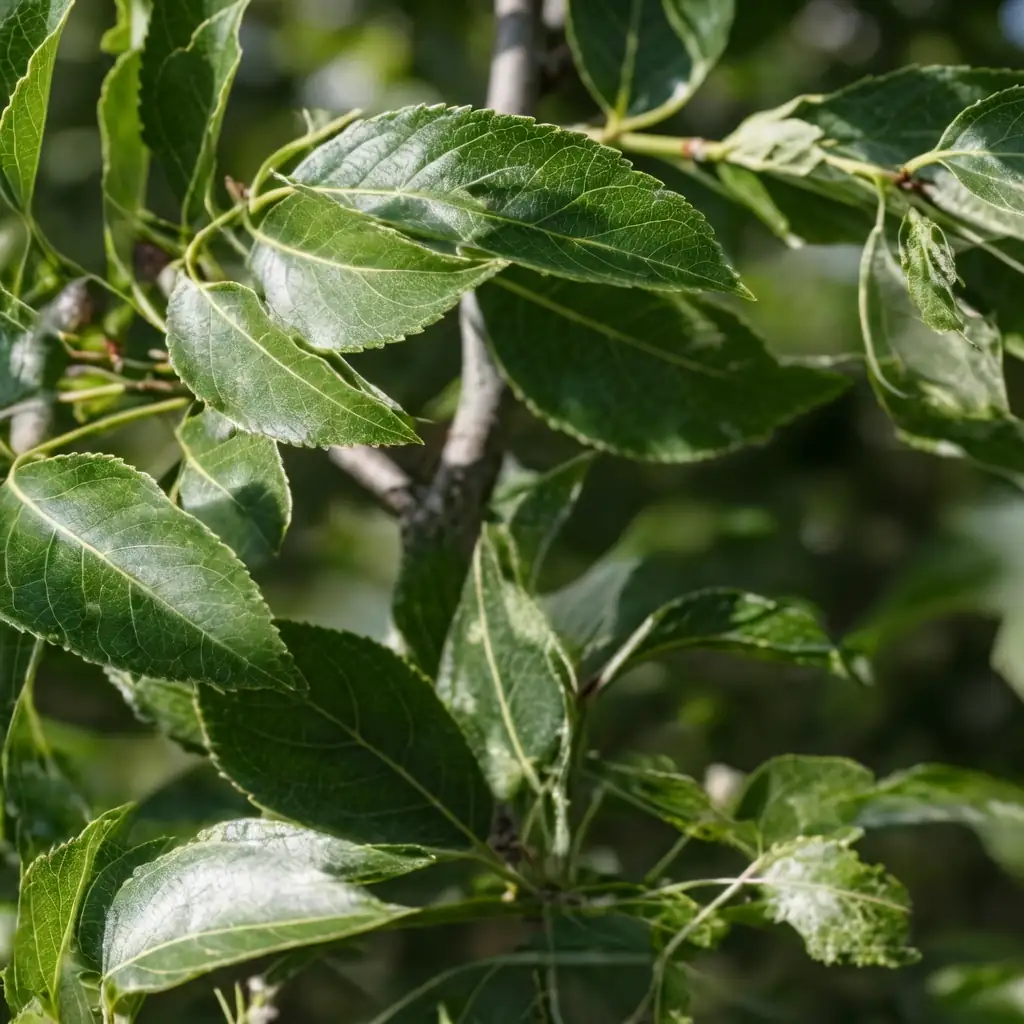
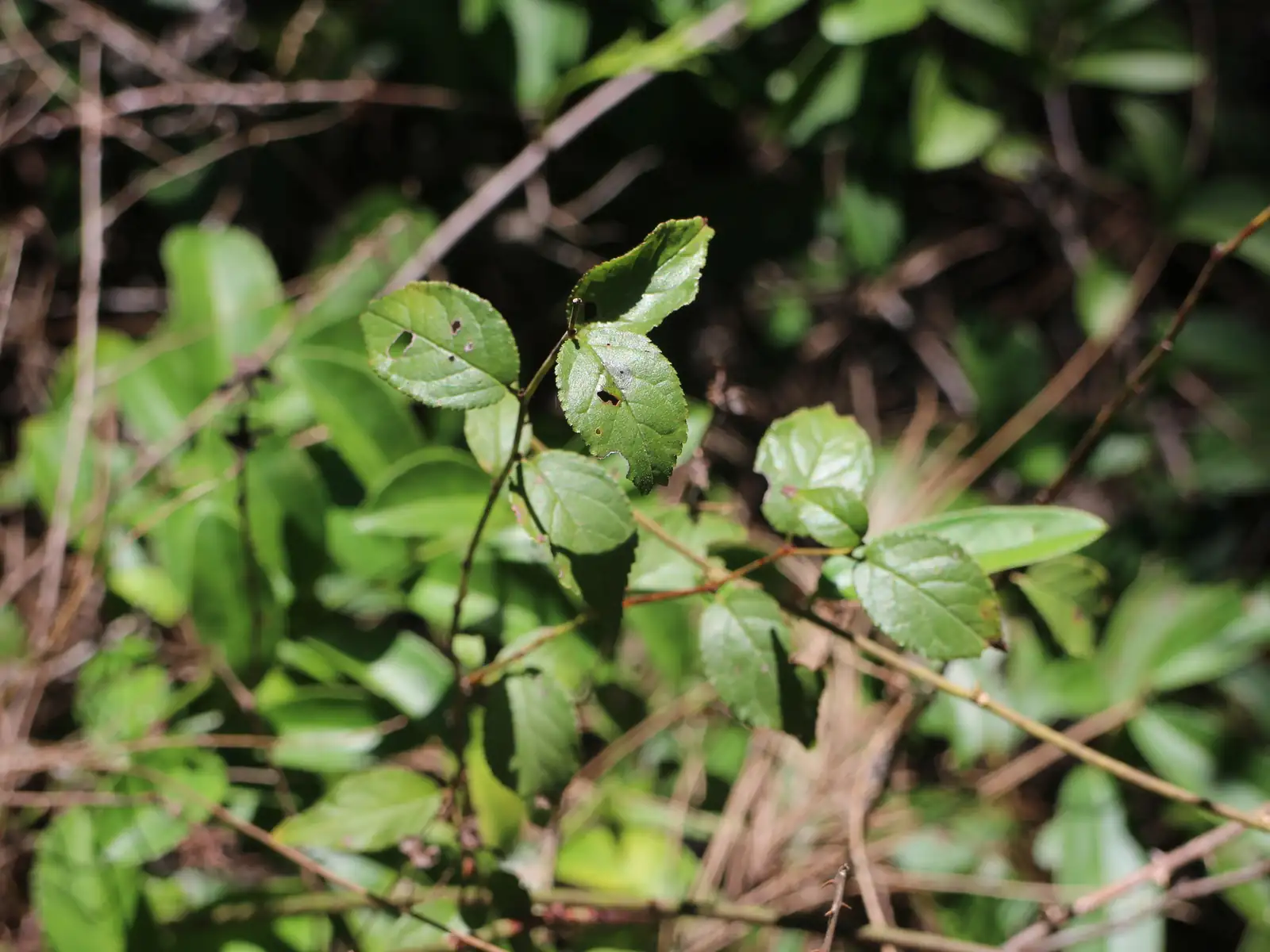
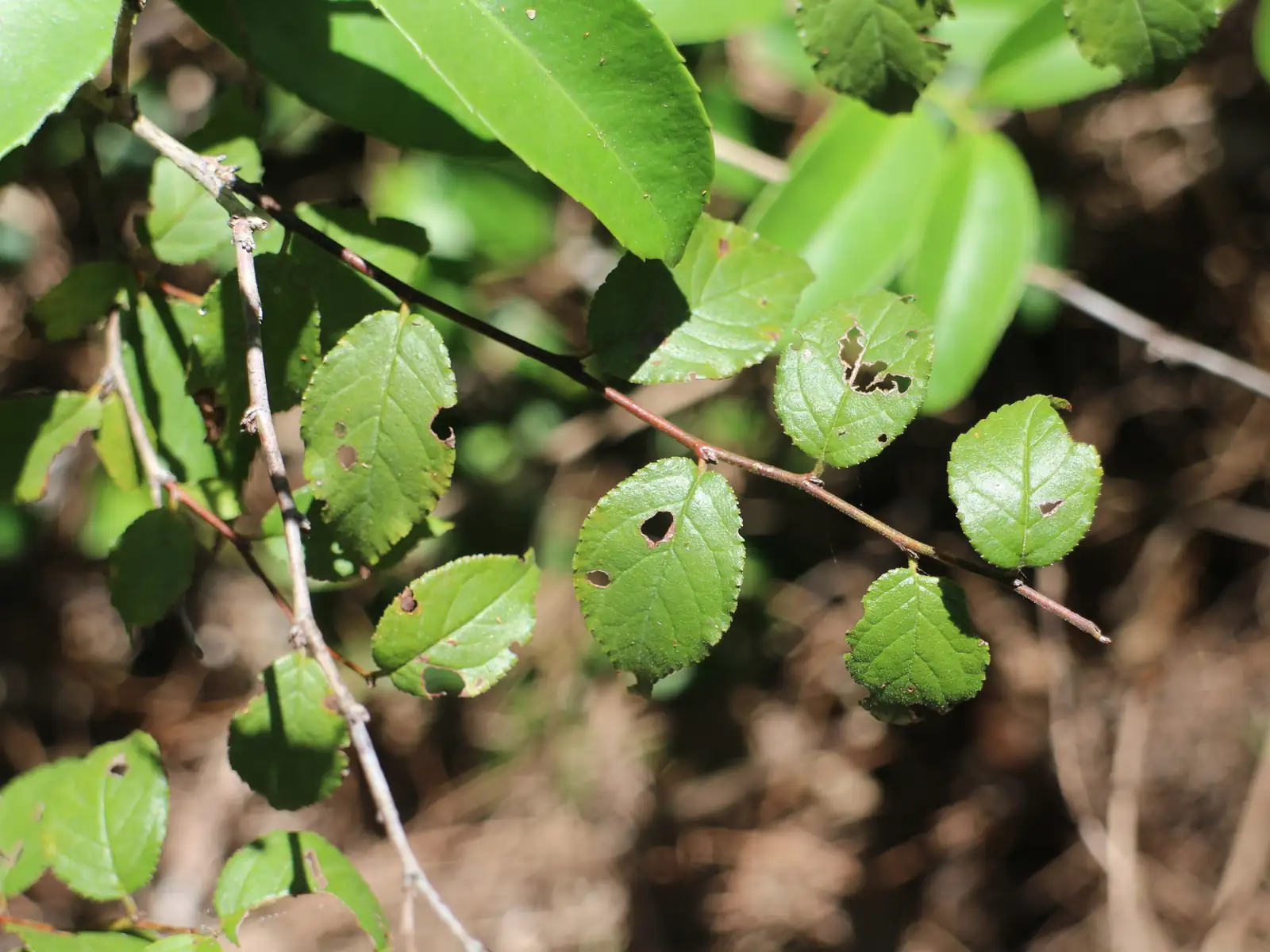
- Foliage: Leaves are oval to ovate–lanceolate with a rounded base and clearly double-serrated margins. Branching is fine and densely arranged, giving the plant a compact look; buds are smooth (hairless).
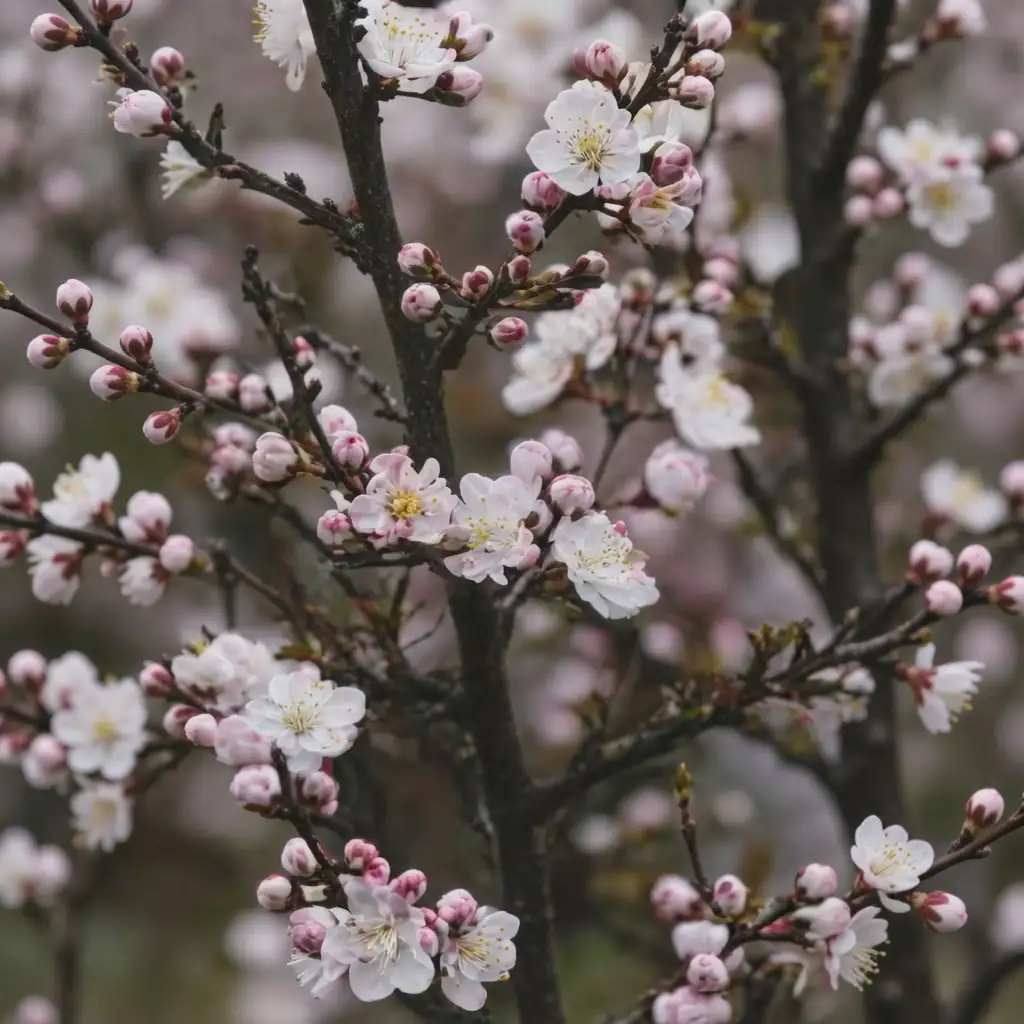
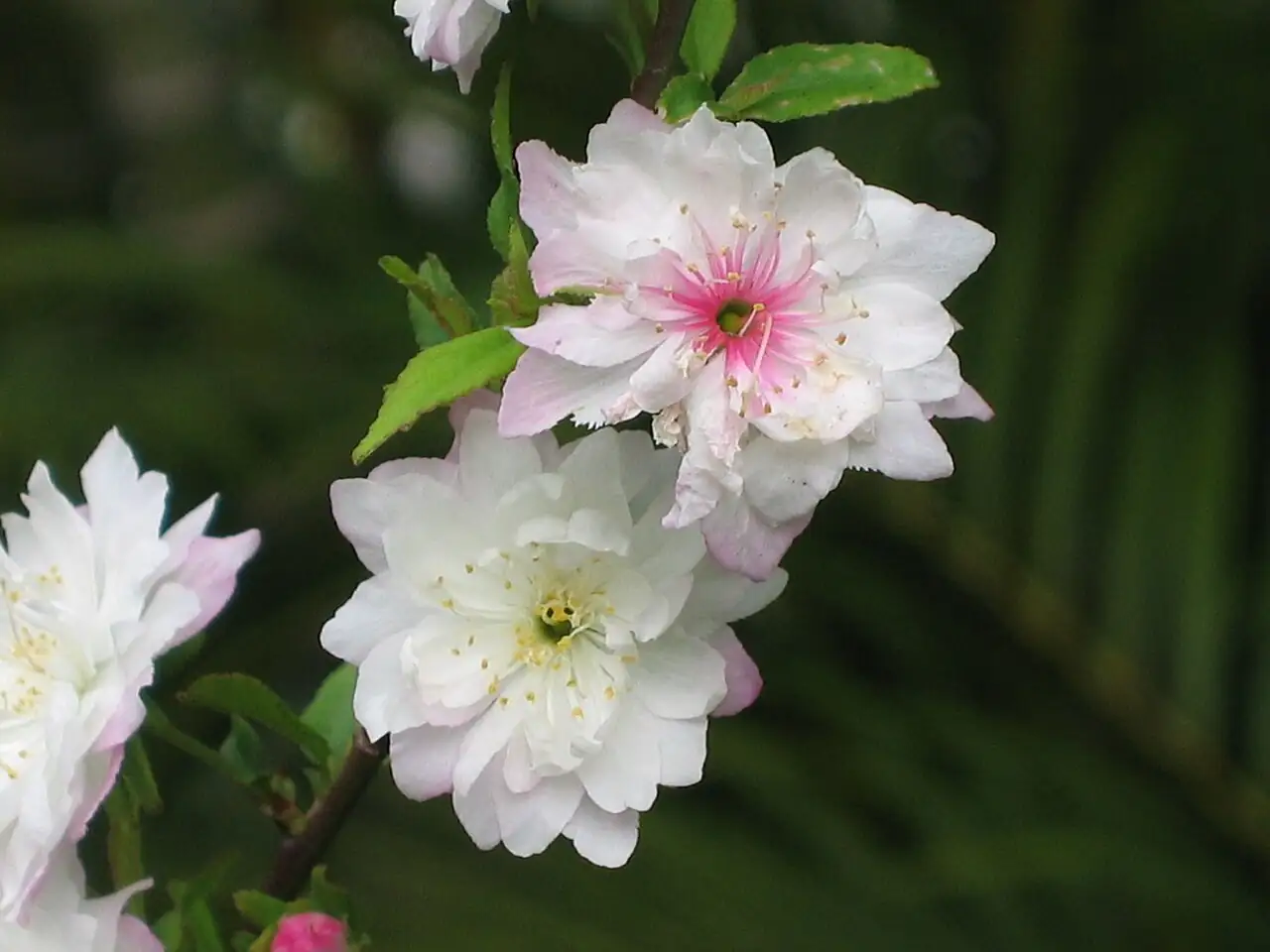
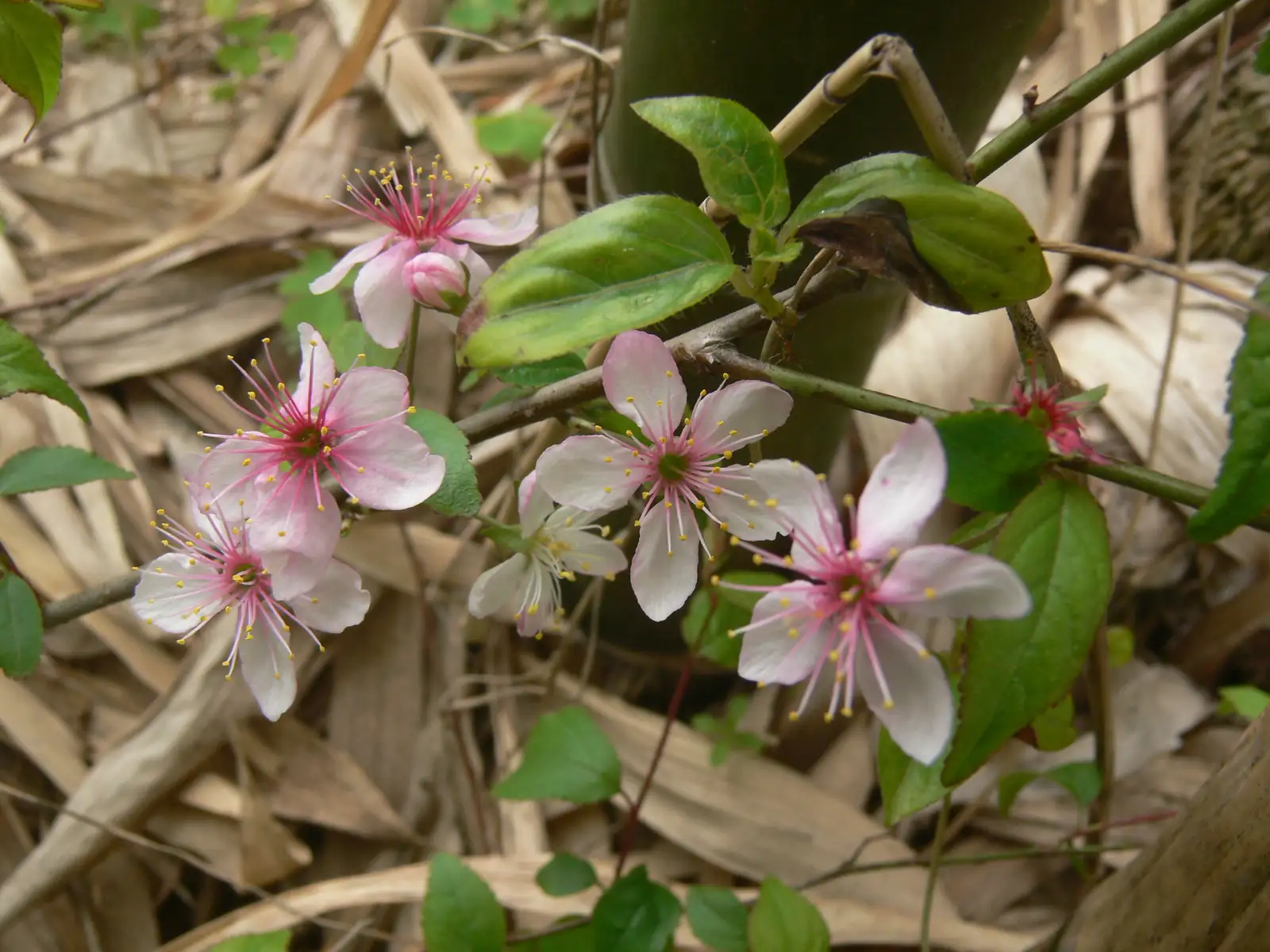
- Flower: Flowers appear singly or in small clusters of 2–3. Blooms are usually pink or white, about 1.5–2.0 cm across (0.6–0.8 in), held on short stalks 5–10 mm long (0.2–0.4 in).
- Flowering Season: April–May
- Growth Habit: Deciduous, multi-stemmed shrub with dense fine branchlets and a well-developed root system.
Environment
Sunlight
Full sun for best flowering; tolerates light shade
Temperature
Prefers warm conditions but is quite cold-hardy; established plants can overwinter to about -15°C (5°F)
Humidity
Adaptable; prefers warm, moderately moist conditions but tolerates humidity and urban dust/air pollution
Soil
Adaptable and not fussy—does well in most well-drained soils and can tolerate relatively poor soils; avoid waterlogged ground
Placement
Outdoors in sunny borders, along roadsides, at woodland edges, on lawns, and as flowering hedges or in mixed spring shrub plantings.
Hardiness
Cold hardy to around -15°C (5°F); generally suitable for USDA Zone 5–8 (approx.) depending on local conditions
Care Guide
Difficulty
Easy outdoors. Give it plenty of sun and reasonably well-drained soil. Once established it tolerates heat, short dry spells, humidity, and urban conditions. It is also fairly cold-hardy, withstanding winter lows around -15°C (5°F).
Buying Guide
Choose plants with multiple healthy stems and no dieback. In season, look for firm buds. Avoid pot-bound shrubs with circling roots, and check leaves for cleanliness (no spotting) and stems for pests such as scale.
Watering
Water regularly during the first growing season to establish roots. After establishment, water during prolonged dry spells. Aim for evenly moist soil (not soggy); deep watering is better than frequent light sprinkling.
Fertilization
In early spring, use a balanced slow-release fertilizer or add compost. Avoid heavy nitrogen feeding, which can lead to lots of leaves but fewer flowers.
Pruning
Prune right after flowering to shape the shrub and remove dead, damaged, or crossing stems. Avoid late winter/early spring hard pruning, which can reduce that year’s bloom.
Propagation
Propagate by semi-hardwood cuttings in summer, hardwood cuttings in winter, or by seed (note that seed-grown plants may vary). If basal suckers occur, they can sometimes be separated and replanted.
Repotting
Usually grown in the ground. For container plants, repot every 2–3 years in early spring into a fresh, well-drained mix; move up only one pot size and ensure excellent drainage.
📅 Seasonal Care Calendar
Spring: enjoy the bloom; feed lightly and water if dry. Early summer: prune after flowering; monitor for pests. Summer: water in heat/drought; avoid excess nitrogen. Autumn: reduce feeding; tidy fallen leaves. Winter: protect young plants in very cold/windy sites; avoid pruning until after bloom.
Pests, Diseases & Safety
Common Pests & Diseases
Can be bothered by aphids, scale insects, spider mites, and caterpillars. Possible diseases include leaf spot, powdery mildew, and canker on stressed plants. Improve airflow, avoid overhead watering, prune out infected wood, and use horticultural oil/soap for pests when appropriate.
Toxicity
Like many cherry relatives (Prunus/Cerasus), the seeds/pits may contain cyanogenic compounds if chewed or crushed. The fruit flesh is generally low risk, but keep pits away from children and pets and avoid ingestion of large quantities of crushed seeds.
Culture & Symbolism
Symbolism: A classic “spring renewal” plant—its early blossoms are often associated with fresh starts and delicate beauty.
Uses: Primarily grown as an ornamental shrub for spring flowers and later fruit. Especially useful for flowering hedges, borders, mixed shrub plantings, mass plantings, and tough urban roadside landscapes.
FAQ
Why is my Japanese bush cherry not flowering well?
Most often it’s too much shade, pruning at the wrong time (before it blooms), or overfeeding with nitrogen. Move it to sunnier conditions if possible, prune only right after flowering, and keep fertilizer balanced.
Is it suitable for urban roadside planting?
Yes. It tolerates dust and typical city stress well, so it’s commonly used in streetside and public landscape plantings.
Fun Facts
- It’s native to parts of northeastern and eastern China and is also widely cultivated.
- It typically flowers in April–May and often sets fruit in June–July.
- It stays pleasantly compact—usually about 1.0–1.6 m (3.3–5.2 ft) tall—making it easy to fit into smaller gardens.
- It’s notably tolerant of urban dust and is frequently used in city landscaping.
- Established plants can survive winter lows around -15°C (5°F).