

Plant Features
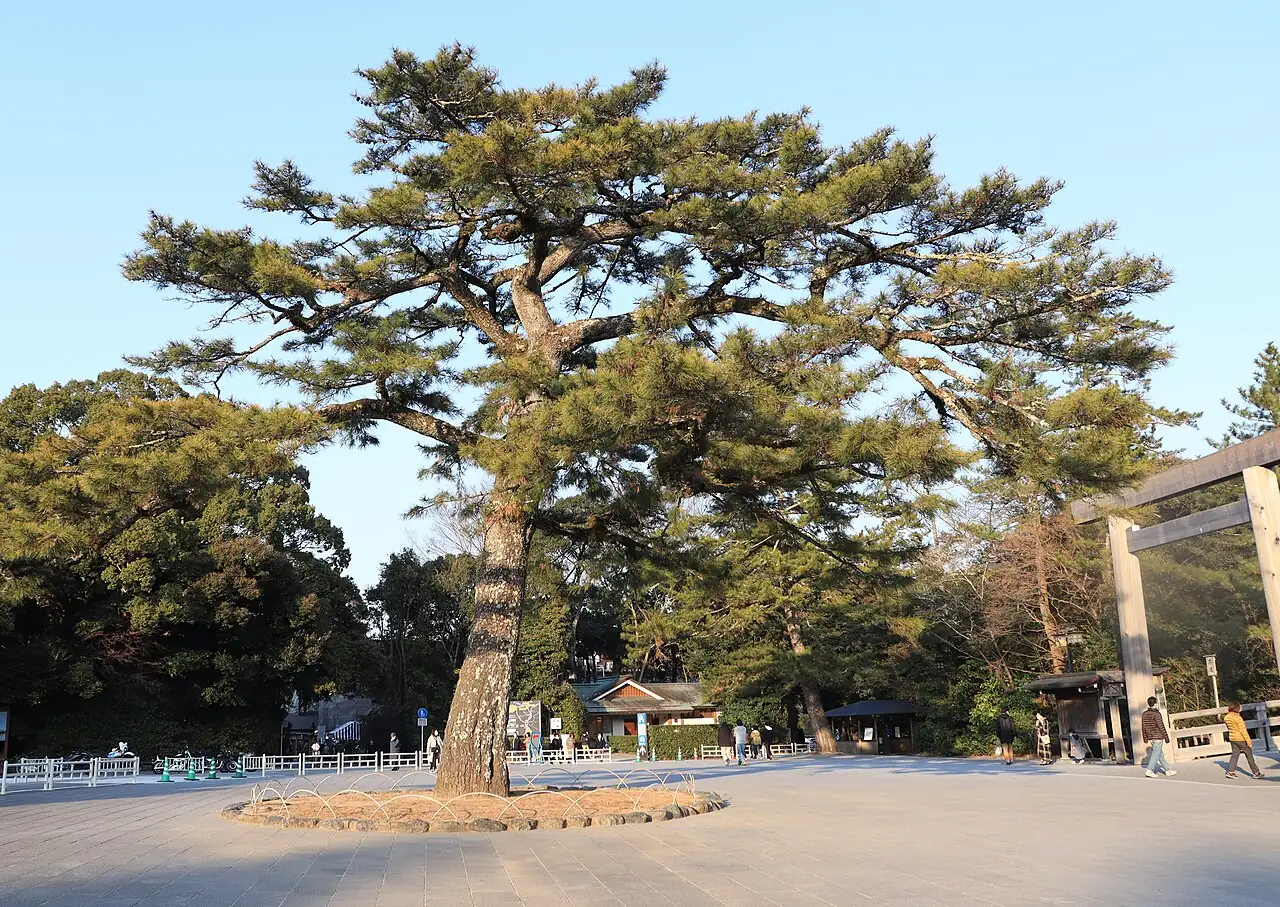
- Size: Up to 30 m (98 ft) tall; crown becomes broad and often umbrella-like with age.
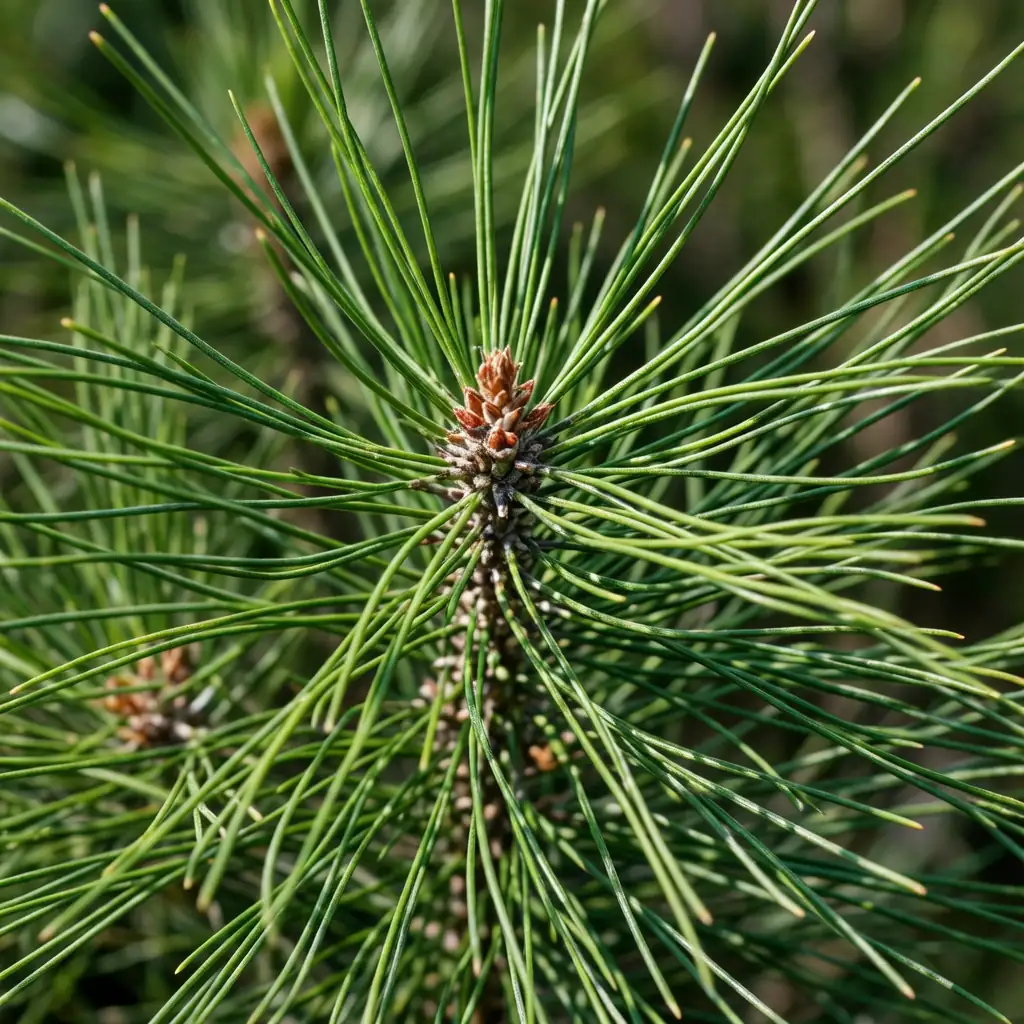
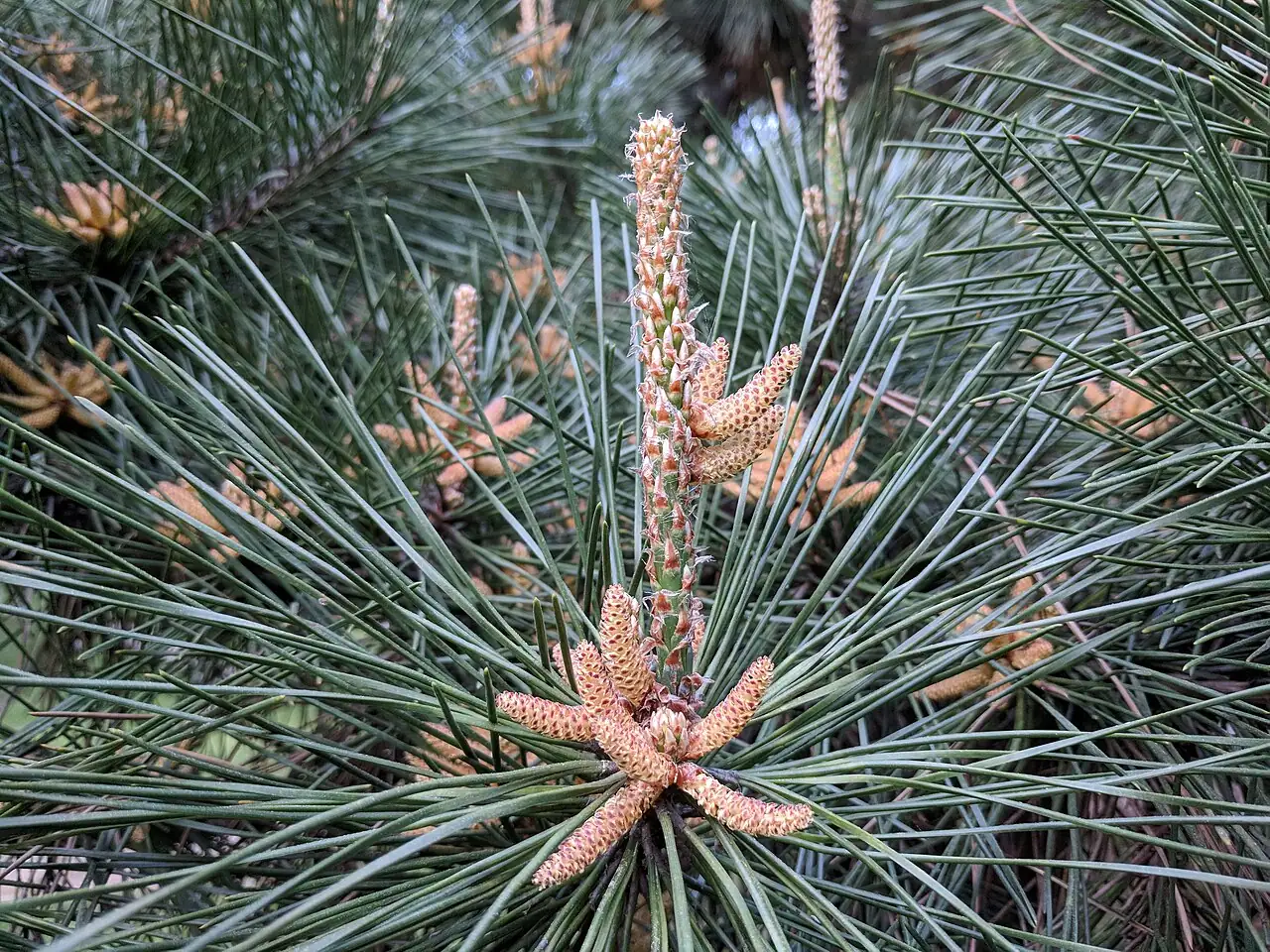
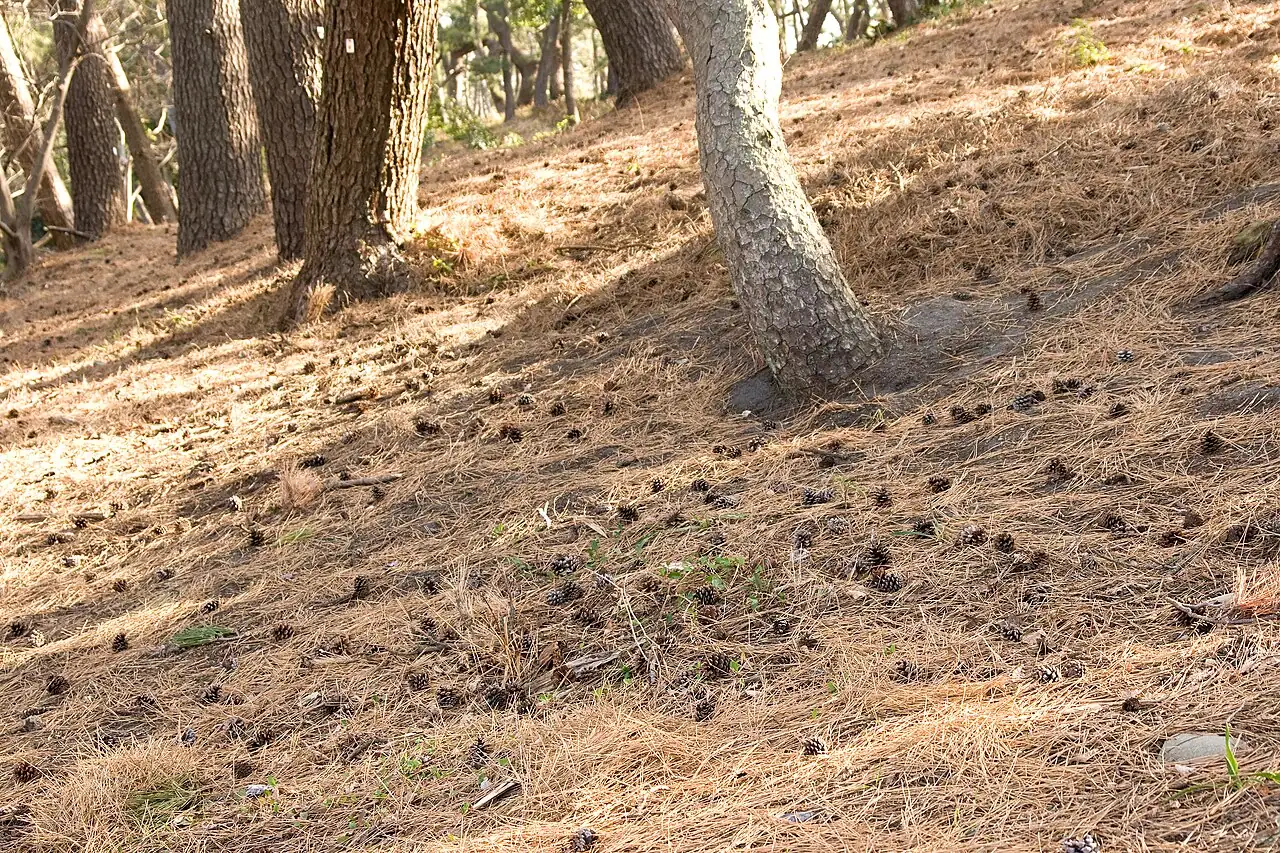
- Foliage: Needles are borne in bundles of two and are thick, stiff, dark green, and often slightly curved, with persistent needle sheaths. Winter buds are conical and yellow-brown. Bark is gray to dark gray-black. Branches spread outward; on older trees, heavier limbs may droop slightly, adding to the mature, windswept look.
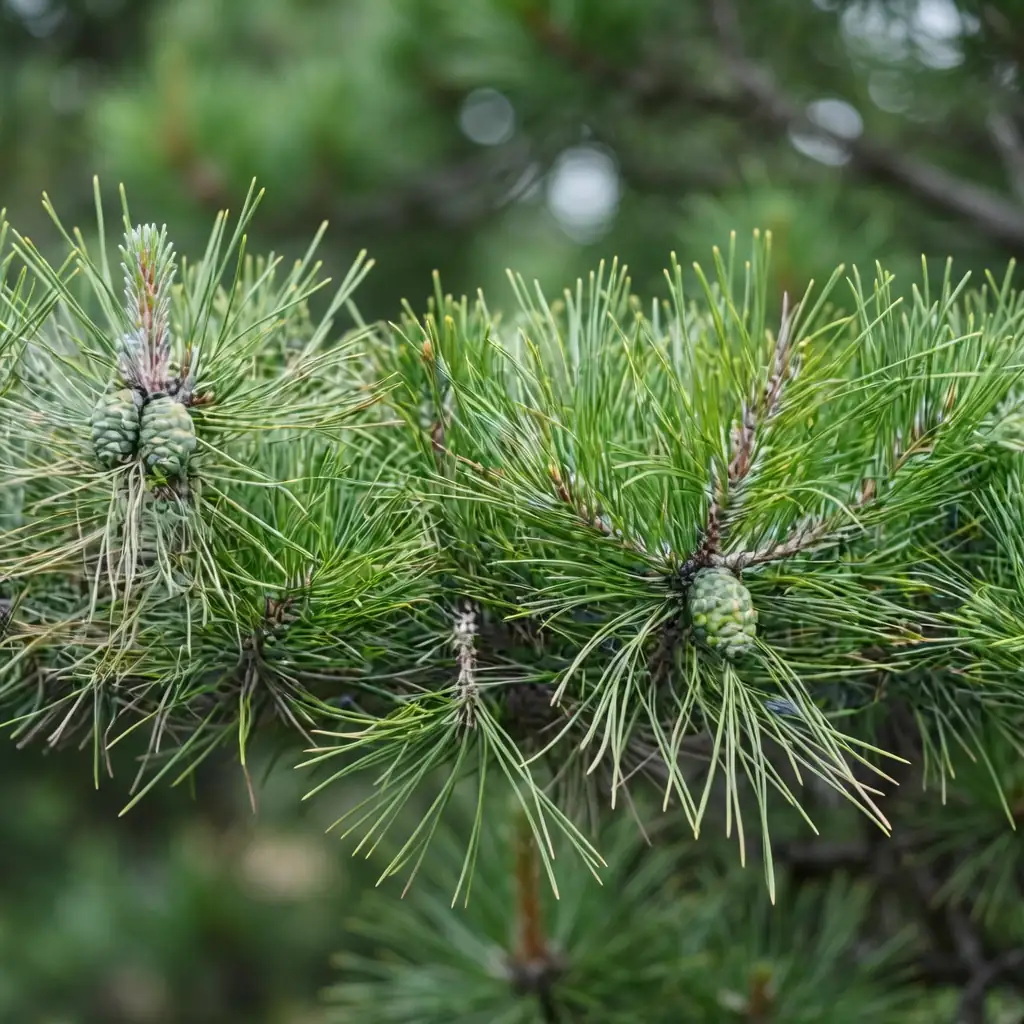
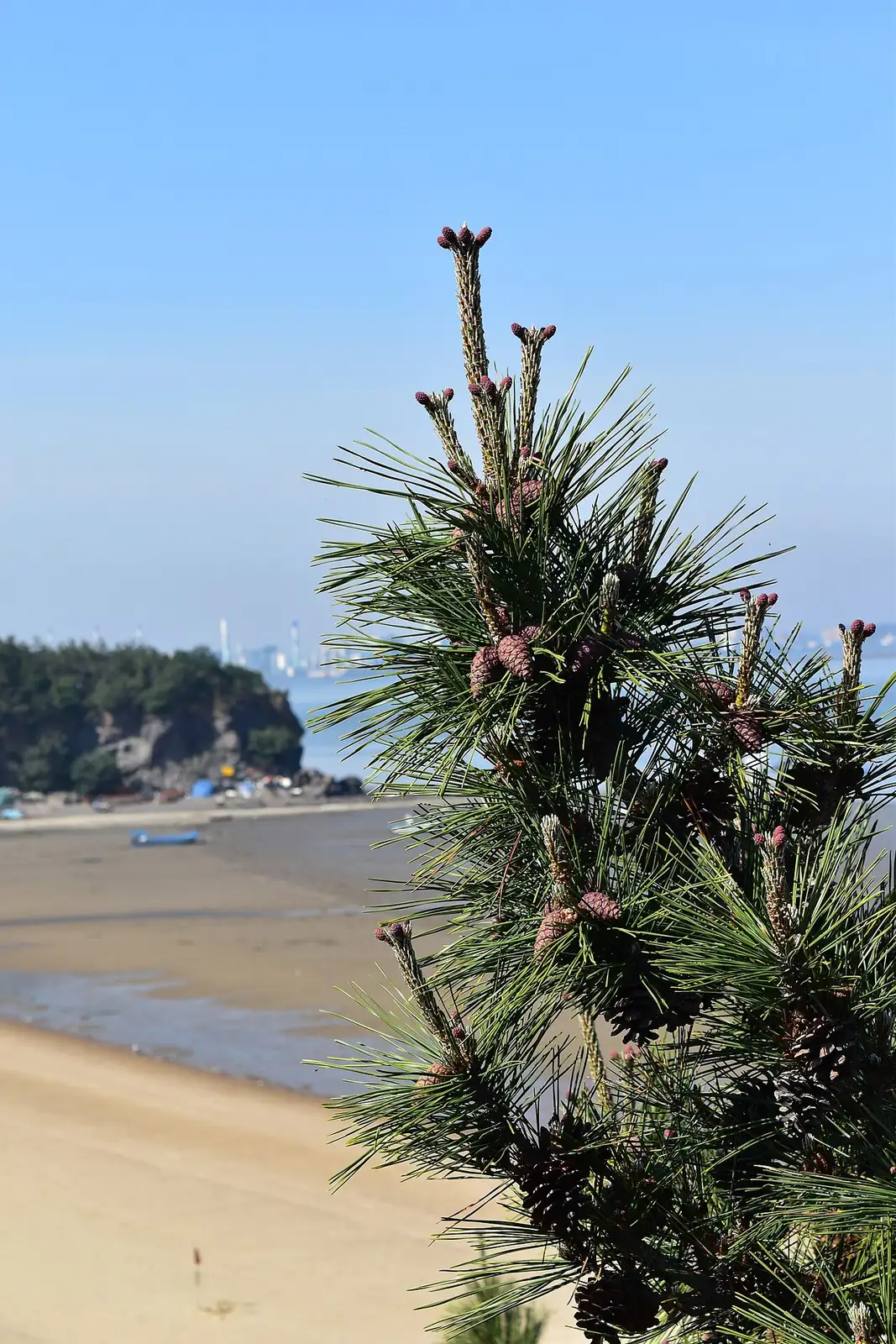
- Flower: Male and female cones appear in spring. Seed cones are oval to egg-shaped and short-stalked; cone scales are slightly depressed with a small prickle. Seeds are obovate and winged. Cones typically mature the following autumn.
- Flowering Season: March–May
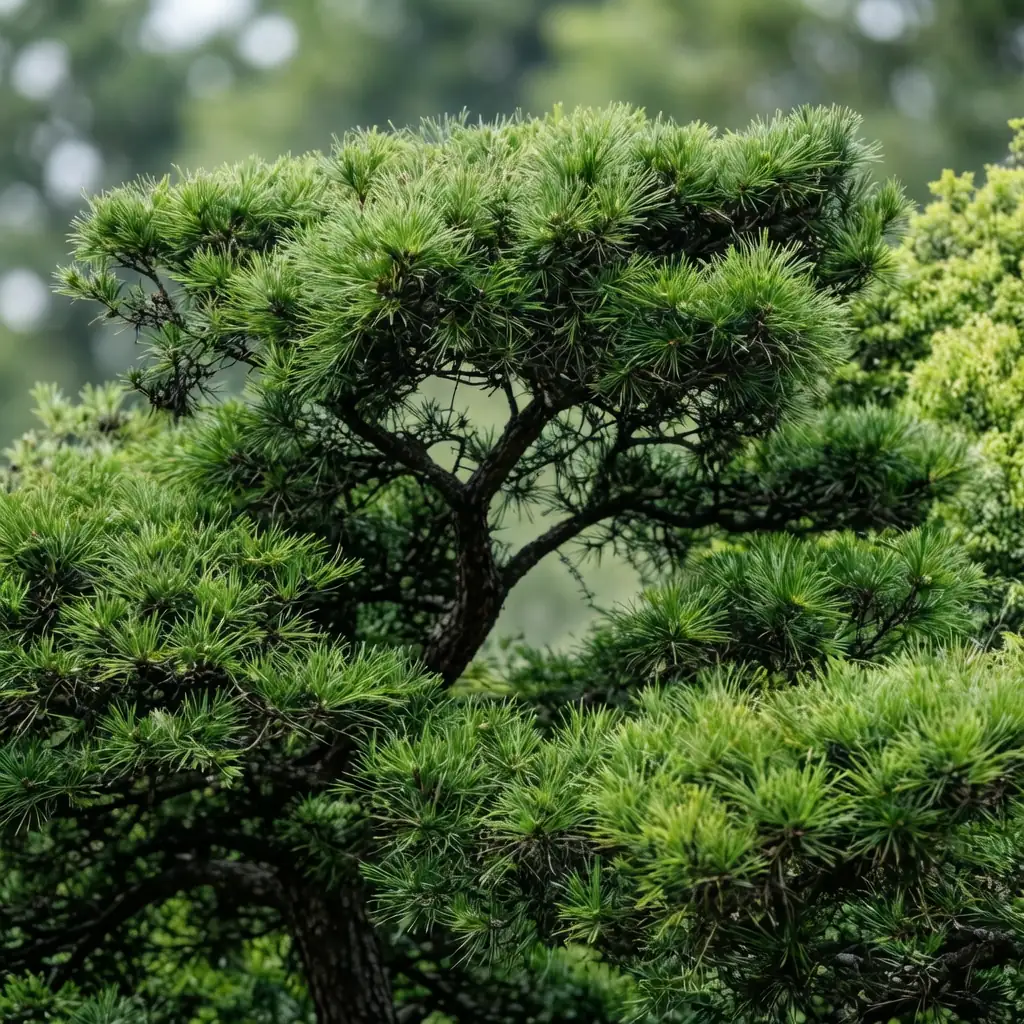
- Growth Habit: Evergreen tree; narrowly conical when young, becoming broad, flat-topped, and umbrella-shaped with age; branches spreading.
Environment
Sunlight
Full sun for best density and strength; young plants tolerate light shade.
Temperature
Best in mild to warm maritime climates; once established it tolerates winter cold (roughly USDA Zone 5–8).
Humidity
Naturally suited to humid coastal air, but adaptable; tolerates sea fog and salt-laden winds.
Soil
Adaptable, but happiest in well-drained sandy loam. Tolerates nutrient-poor and somewhat alkaline soils; avoid persistently waterlogged ground.
Placement
Excellent for coastal shelterbelts, windbreaks, dunes, and seaside landscapes; also suitable as a park or large-garden shade tree and (with space) a street tree.
Hardiness
Highly tolerant of salt spray, sea winds, drought, and infertile soils; poor tolerance of soggy, poorly drained sites.
Care Guide
Difficulty
Easy to moderate outdoors: very tough once established, but it strongly prefers sun and drainage. The main mistake is overwatering or planting in heavy, waterlogged soil.
Buying Guide
Pick plants with dense, healthy green needles and no tip browning. Check for a sound root system—avoid pot-bound trees with circling roots. For windy coastal sites, choose sturdy, well-rooted saplings; stake only if truly needed, since good anchoring roots matter more than tight staking.
Watering
Water regularly during the first 1–2 growing seasons to establish deep roots. After that, water deeply during prolonged drought, letting the soil dry slightly between waterings. Avoid constant moisture and waterlogging.
Fertilization
Light feeder. In spring, use a slow-release balanced fertilizer only if growth is weak, or top-dress with compost. Avoid heavy nitrogen, which can push soft, weak growth.
Pruning
Minimal pruning is best. Remove dead, damaged, or crossing branches in late winter to early spring. For ornamental training, candle pinching in late spring helps control size and encourages denser growth.
Propagation
Species plants are grown from seed. It is also widely used as a grafting rootstock for Japanese white pine (Pinus parviflora) and other ornamental pines; grafting is typically done in late winter to early spring under controlled conditions.
Repotting
For container plants, repot every 2–3 years in early spring into a free-draining mix. In bonsai culture, root pruning and repotting are commonly done in early spring, followed by careful aftercare to prevent drying.
📅 Seasonal Care Calendar
Spring: plant, lightly feed if needed, and pinch candles on trained trees. Summer: watch for drought stress and water deeply during heatwaves. Autumn: reduce feeding; collect mature cones if growing from seed. Winter: structural pruning and pest checks; protect young plants from severe, drying winds in exposed inland sites.
Pests, Diseases & Safety
Common Pests & Diseases
Potential issues include pine needle scale, aphids, spider mites in hot/dry weather, and caterpillars. Needle cast diseases and tip blight can show up where airflow is poor or needles stay wet—improve spacing and avoid overhead watering. In some regions, pine wilt nematode is a serious threat; follow local guidance and use resistant stock when available.
Toxicity
Generally low toxicity for people and pets, but needles and resin can cause mild stomach upset if eaten and may irritate sensitive skin.
Culture & Symbolism
Symbolism: A classic symbol of resilience, longevity, and steadfastness—perfectly matched to its ability to stand strong in salty wind and harsh coastal weather.
History & Legends: Long cultivated in East Asia for both practical coastal protection and ornamental training. It’s a signature tree in Japanese garden tradition and pine-shaping arts, admired for its strong character and age-with-grace form.
Uses: One of the best choices for coastal greening: shelterbelts, windbreaks, salt-spray buffers, and dune/sand stabilization. Also used as a park and large-garden tree, and sometimes as a street tree where space allows. It has forestry value as timber and is especially prized as a grafting rootstock for ornamental pines.
FAQ
Can Japanese black pine handle salty seaside winds?
Yes—this is one of its superpowers. It’s among the most salt- and wind-tolerant pines and is widely planted in coastal shelterbelts.
Does it need full sun?
Full sun gives the strongest growth and densest needles. Young trees can handle light shade, but too little light leads to sparse, weaker growth.
When do the cones mature?
Cones develop in spring and typically mature the following autumn (often around October, depending on climate).
Fun Facts
- It’s naturally from Japan and the Korean Peninsula, yet it has become a staple tree in coastal planting across parts of China.
- Sea fog and salt spray—two things that stress many plants—are conditions Japanese black pine can tolerate remarkably well.
- Its needles grow in pairs and feel noticeably thicker and stiffer than many other pines.
- The cones carry winged seeds designed for wind dispersal.
- In good conditions it can reach about 30 m (98 ft) tall and develop an impressive, umbrella-like mature crown.


