Plant Features
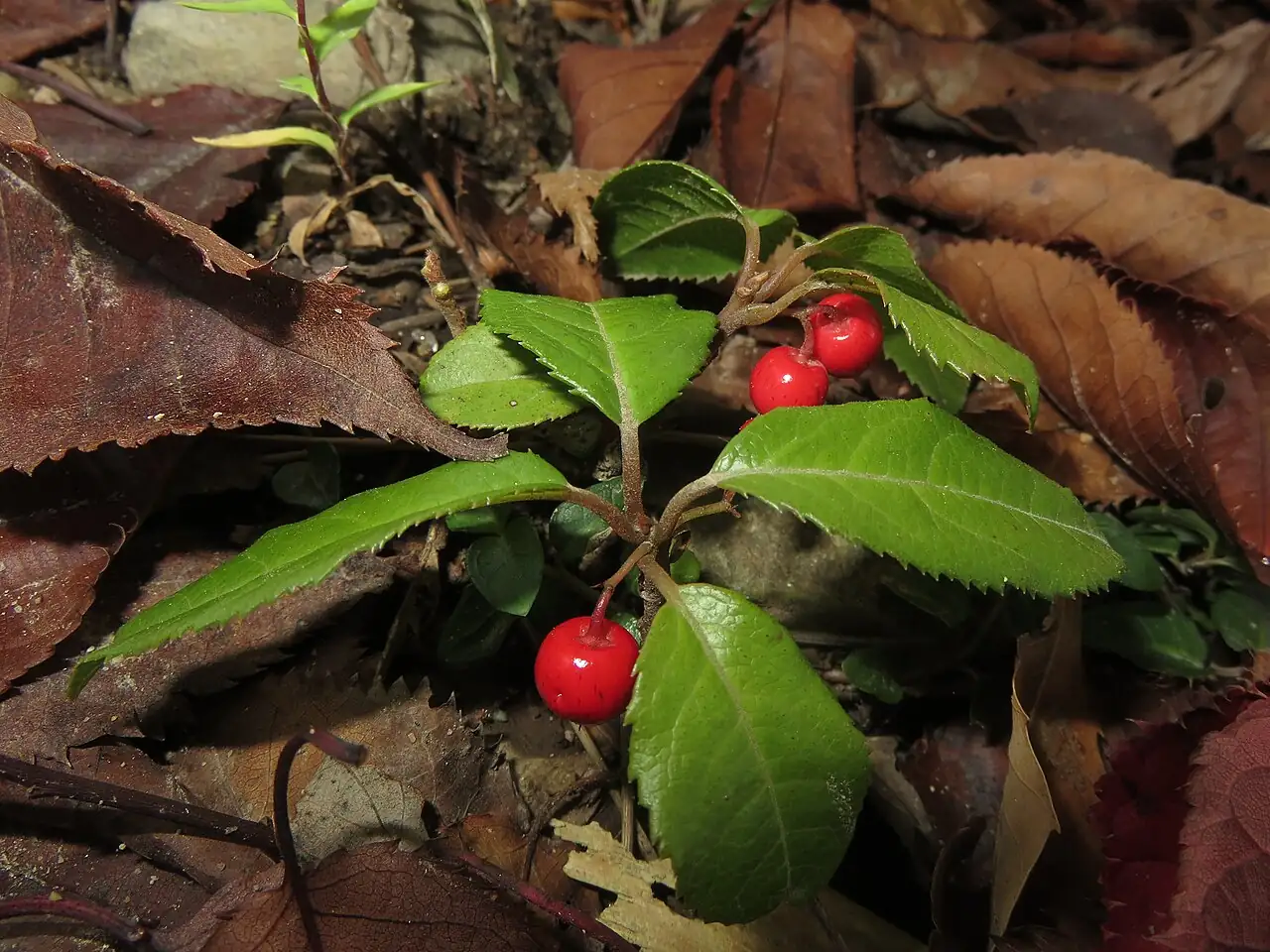
- Size: Typically 10–30 cm (4–12 in) tall; slowly spreads to form low, mat-like groundcover over time.
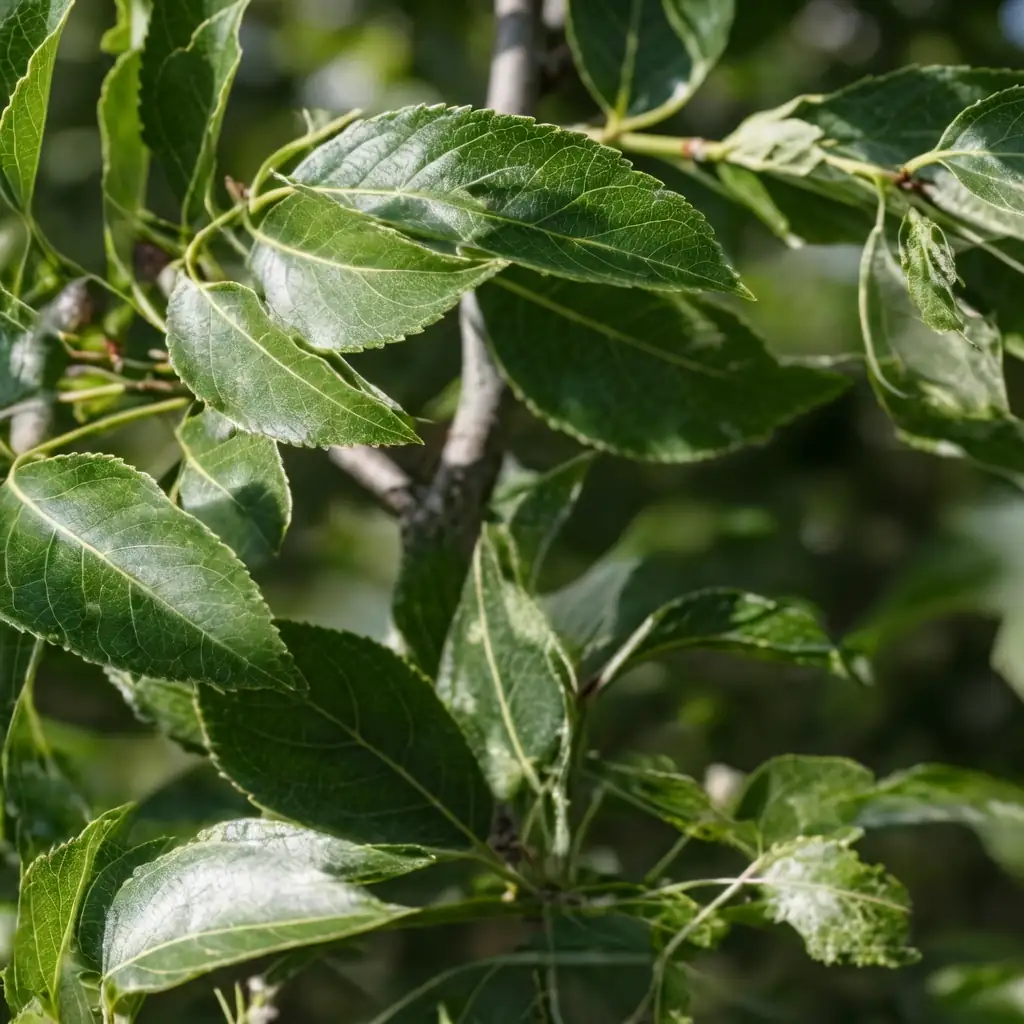
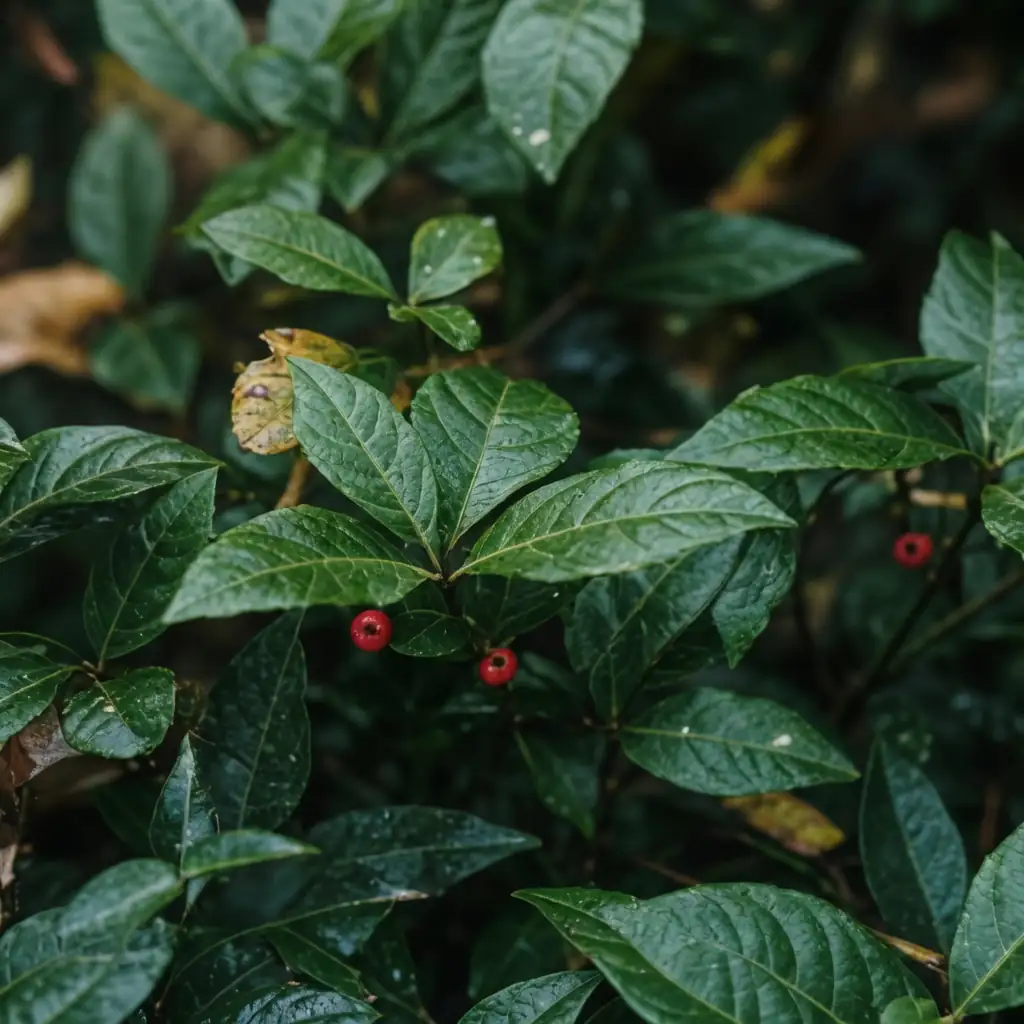
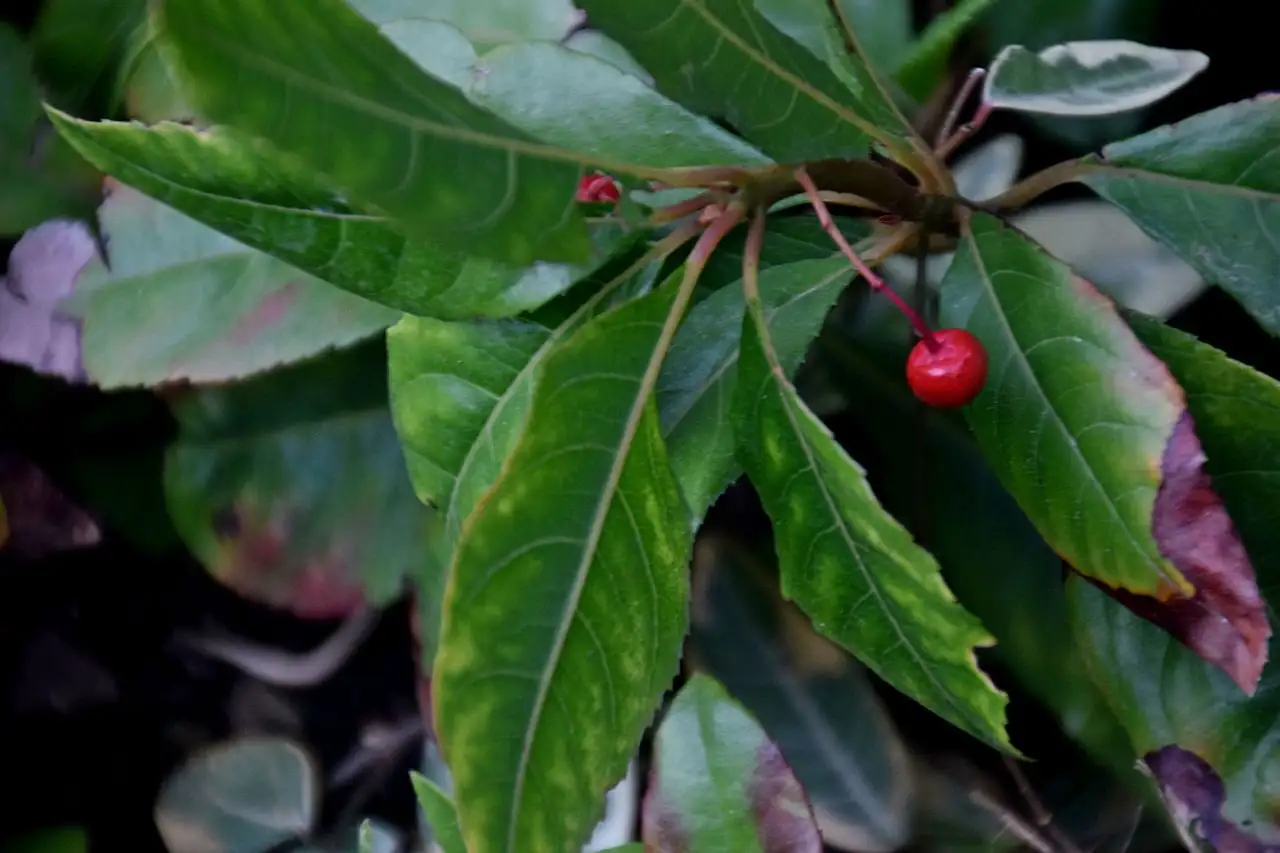
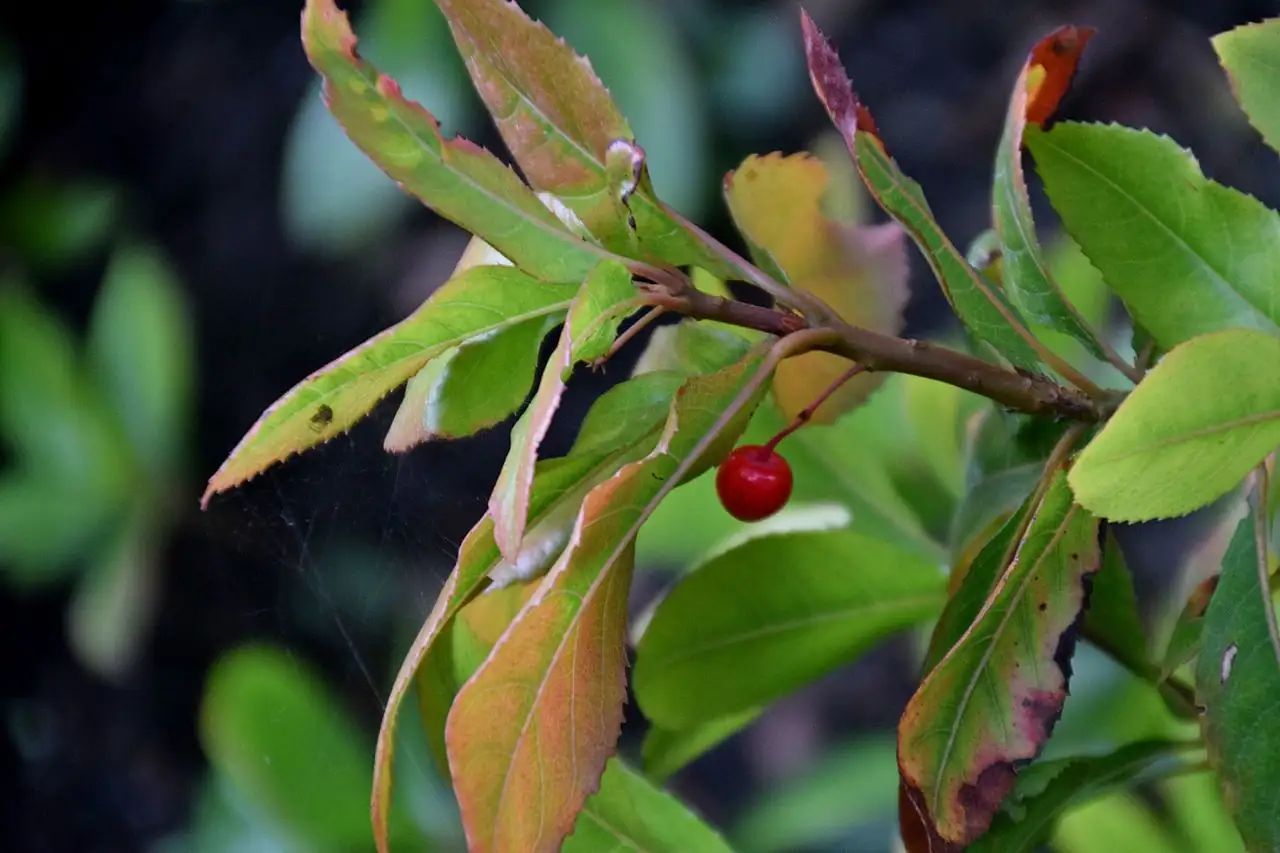
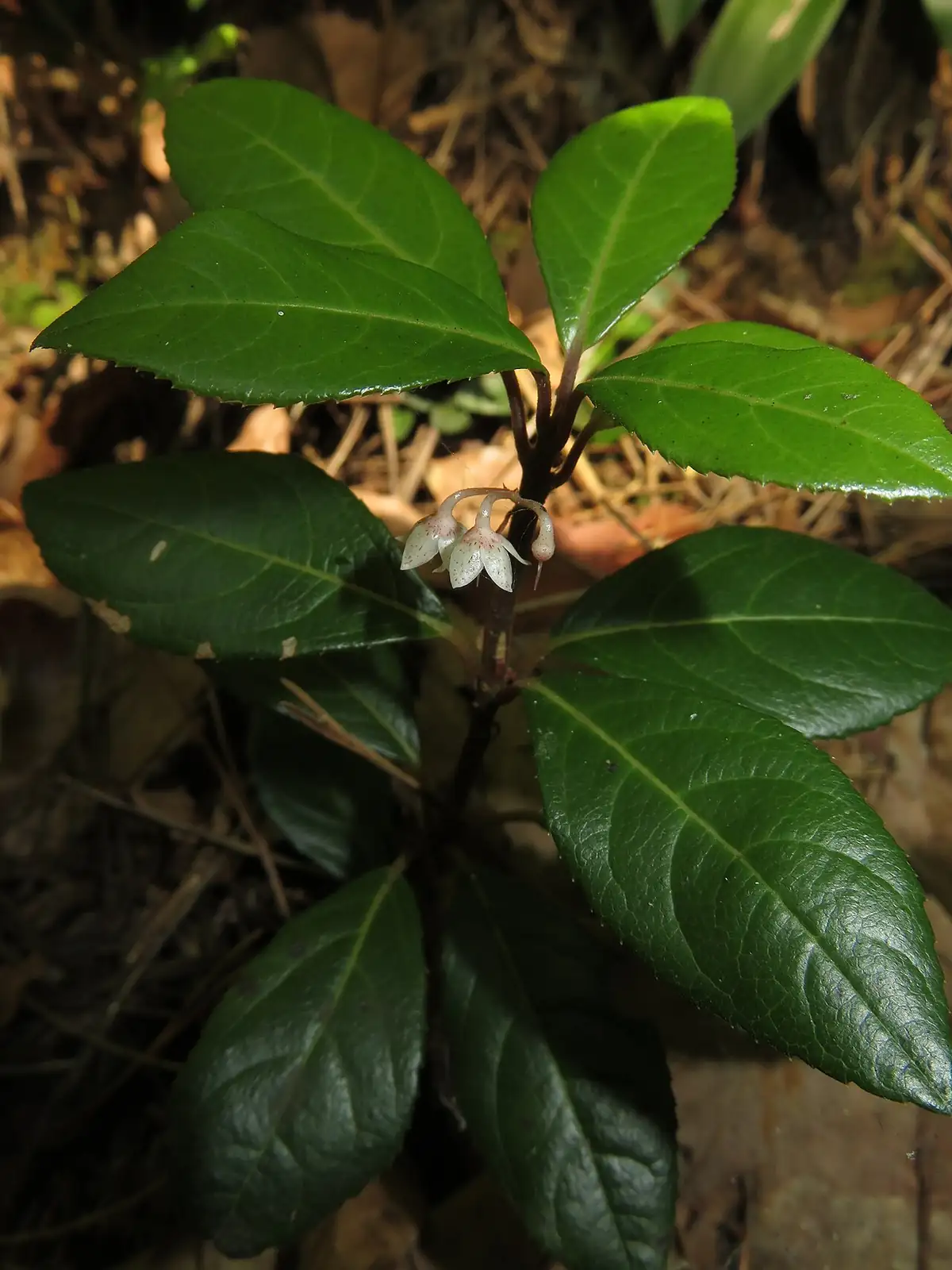
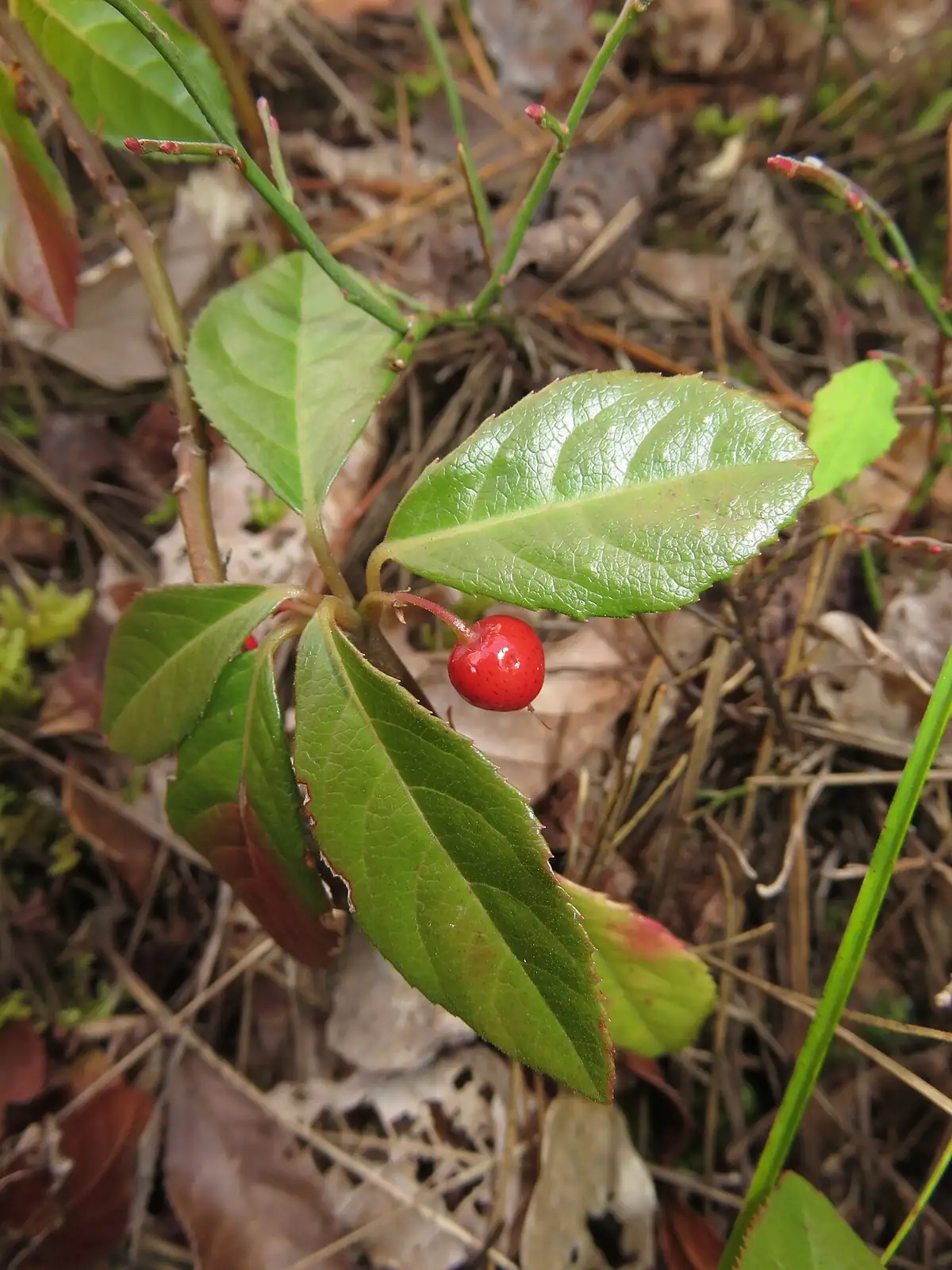
- Foliage: Evergreen leaves held in opposite pairs or appearing nearly whorled; elliptic to obovate-elliptic with a firm, slightly leathery feel and a clean, glossy “woodland” look.
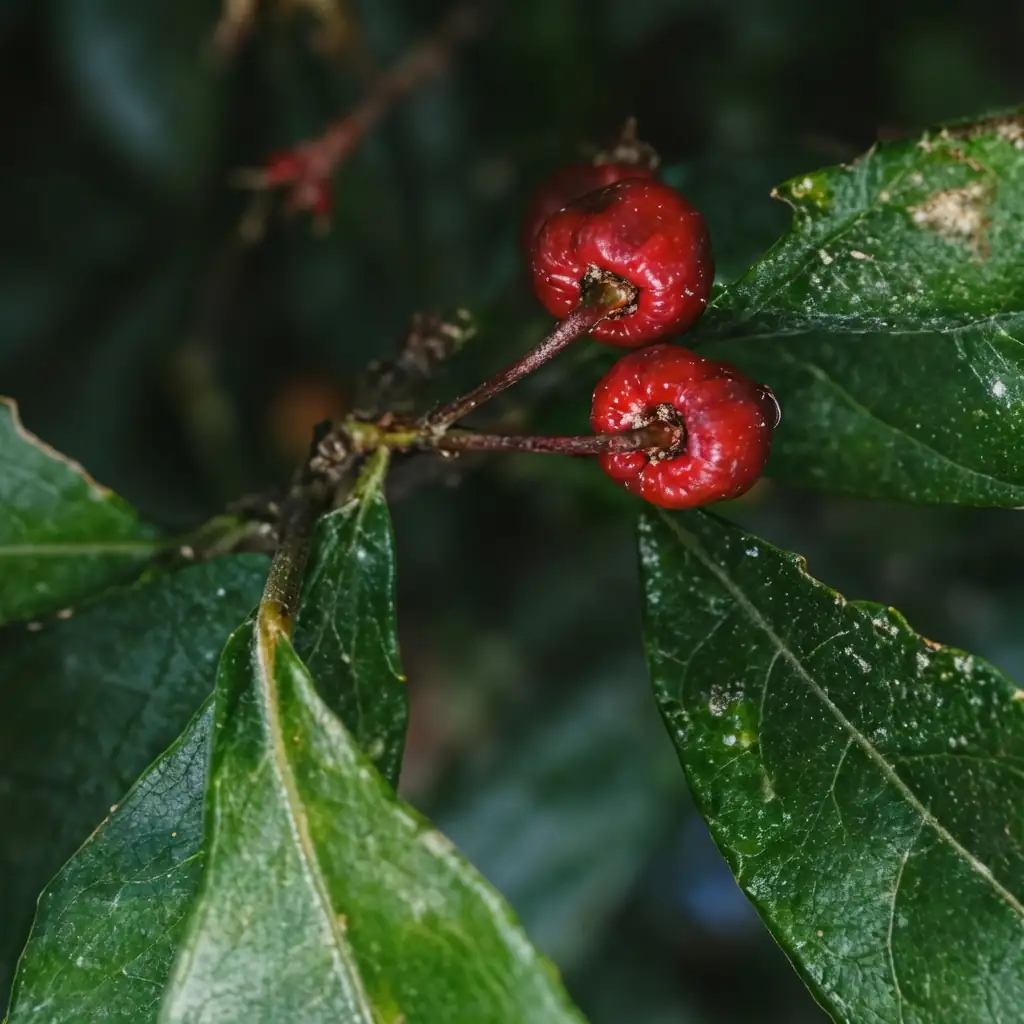
- Flower: Produces small, star-shaped flowers in short clusters, usually pale pink to white. Flowers are followed by showy red berries that can persist from autumn into winter (and sometimes longer in mild conditions).
- Flowering Season: May–June
- Growth Habit: Low, creeping evergreen subshrub; spreads by rooting stems and rhizomes, making it well suited to shaded woodland understories.
Environment
Sunlight
Shade to bright, indirect light. Avoid strong direct sun—especially hot midday sun—which can scorch leaves and stress the plant.
Temperature
Grows best in mild to warm conditions, around 15–25°C (59–77°F). In containers, protect from hard freezes and winter waterlogging.
Humidity
Prefers moderate to high humidity; indoors, aim for about 50%+ where possible.
Soil
Humus-rich, moisture-retentive yet well-drained soil. A woodland-style mix (leaf mold/compost plus drainage materials) helps prevent rot while keeping roots comfortably moist.
Placement
Outdoors: shaded beds under trees, woodland gardens, bamboo groves, north-facing courtyards, and other cool, protected shade. Indoors: near an east- or north-facing window, or set a few feet back from brighter windows to avoid harsh sun.
Hardiness
Roughly USDA Zone 7–9, depending on winter lows and site protection; more reliable in sheltered, shaded microclimates.
Care Guide
Difficulty
Easy to moderate: very dependable in shade if the soil is kept evenly moist and the roots are not left sitting in stagnant water.
Buying Guide
Pick plants with dense, healthy evergreen foliage and firm stems. Avoid pots that smell sour or feel waterlogged (a common sign of poor drainage), and skip plants with widespread yellowing. If you want berries for seasonal display, shop in autumn and choose plants already setting fruit.
Watering
Keep evenly moist, not soggy. Water when the top 1–2 cm (0.4–0.8 in) begins to dry. In winter, water a bit less, but don’t let the root zone dry out completely—consistent moisture is key, especially in containers.
Fertilization
Feed lightly in spring and summer with a balanced fertilizer at half strength every 4–6 weeks, or top-dress with compost/leaf mold. Avoid heavy feeding, which can push softer growth and reduce the plant’s naturally compact habit.
Pruning
Trim after flowering or after the main berry season to keep the mat low and tidy. Remove damaged, weak, or stray stems whenever you notice them.
Propagation
Very easy by division of rooted runners/rhizomes, stem cuttings, or simple layering (pin a creeping stem down until it roots, then separate).
Repotting
Repot in spring every 1–2 years, or when crowded. Use a humus-rich but well-draining mix and always choose pots with drainage holes.
📅 Seasonal Care Calendar
Spring: refresh soil/top-dress, restart light feeding, and maintain even moisture. Early summer (May–June): flowering time—don’t let it dry out. Autumn: berries develop; keep in bright shade and steady moisture. Winter: reduce watering slightly, protect from hard frost, and avoid waterlogged soil.
Pests, Diseases & Safety
Common Pests & Diseases
Usually trouble-free outdoors in good woodland conditions. In pots/indoors, watch for scale insects, mealybugs, and spider mites. Root rot is the main issue when drainage is poor or the mix stays constantly waterlogged—improve drainage and never leave the pot standing in water.
Toxicity
Toxicity is not consistently documented for this species. As a sensible precaution, do not eat the berries or leaves, and keep the plant out of reach of children and pets.
Culture & Symbolism
Symbolism: Often associated with enduring greenery and cheerful seasonal color—evergreen leaves paired with long-lasting winter berries.
History & Legends: A familiar East Asian understory plant long appreciated for shaded gardens and for small container displays, including rock-style mini landscapes where its creeping habit looks naturally “wild.”
Uses: Ornamental evergreen groundcover for shade, especially woodland-style plantings. Popular in containers for its compact form and for autumn-to-winter berries, and useful for shaded urban greening under taller plantings or structures.
Fun Facts
- It stays green year-round, and its red berries can remain decorative well into late autumn and winter.
- Berries are often most noticeable in November–December, but can sometimes persist into late spring or early summer in mild weather.
- Its creeping, self-rooting stems and rhizomes make it a natural, low-maintenance woodland-style groundcover.
- In China it is recorded from Shaanxi and much of the Yangtze River basin southward, and it has not been recorded from Hainan.