

Plant Features
- Size: Typically 100–150 cm (39–59 in) tall; clumps can spread 45–90 cm (18–35 in) wide.
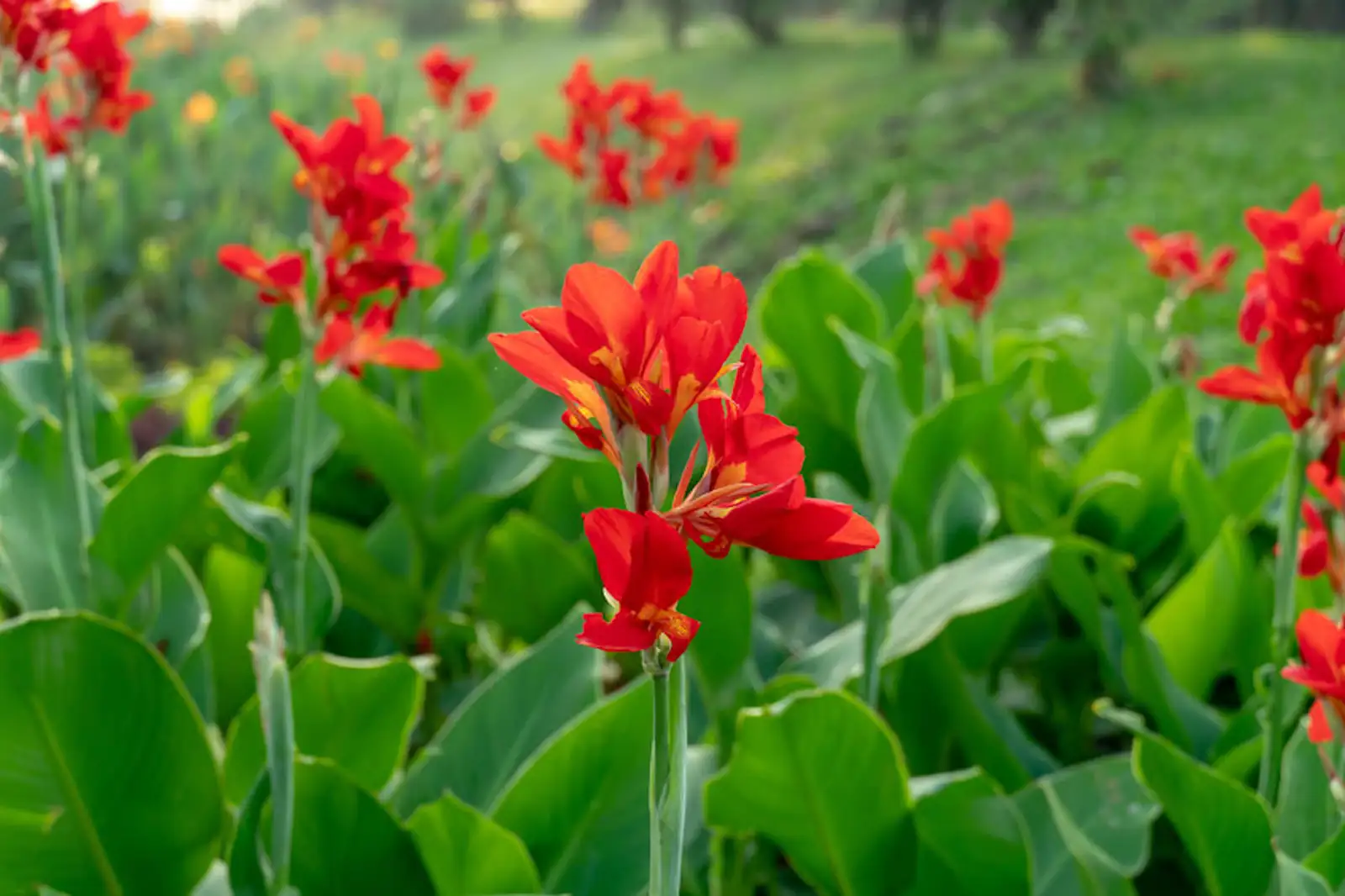
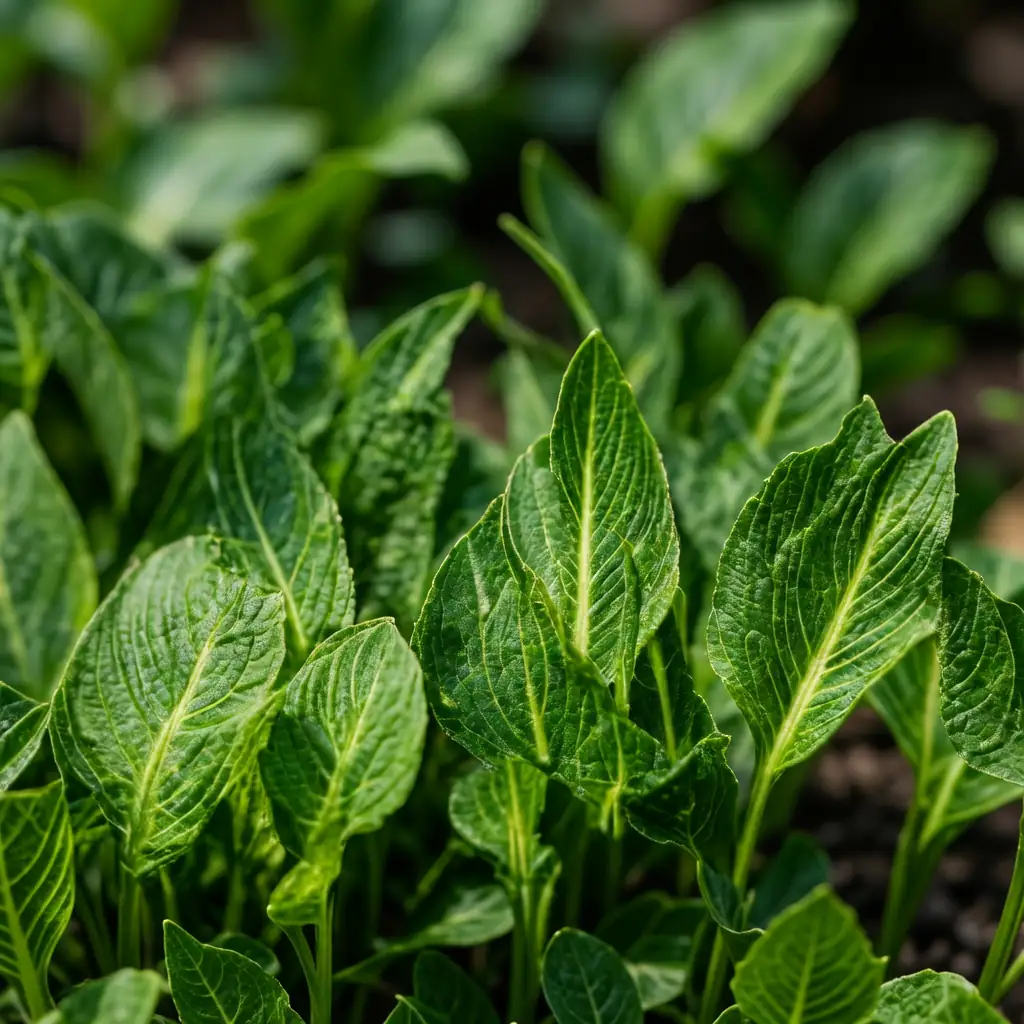
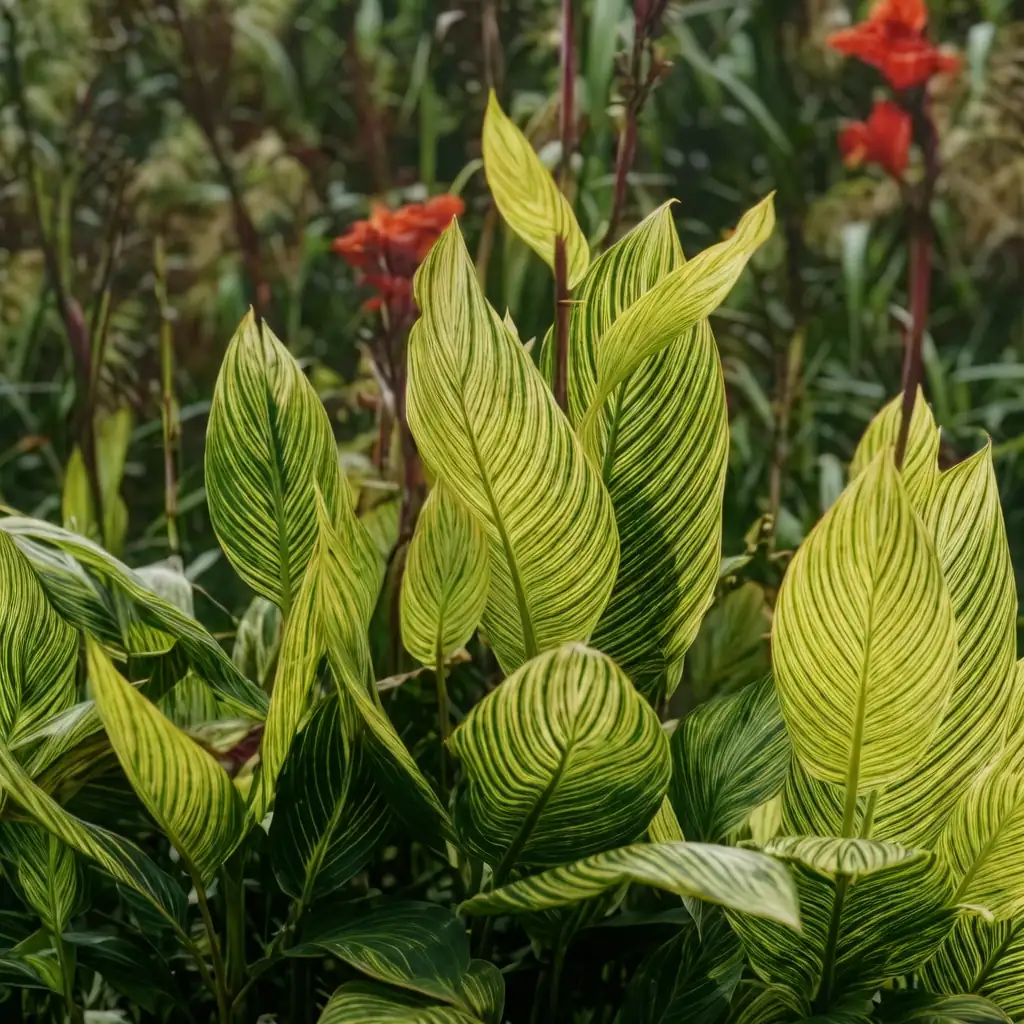
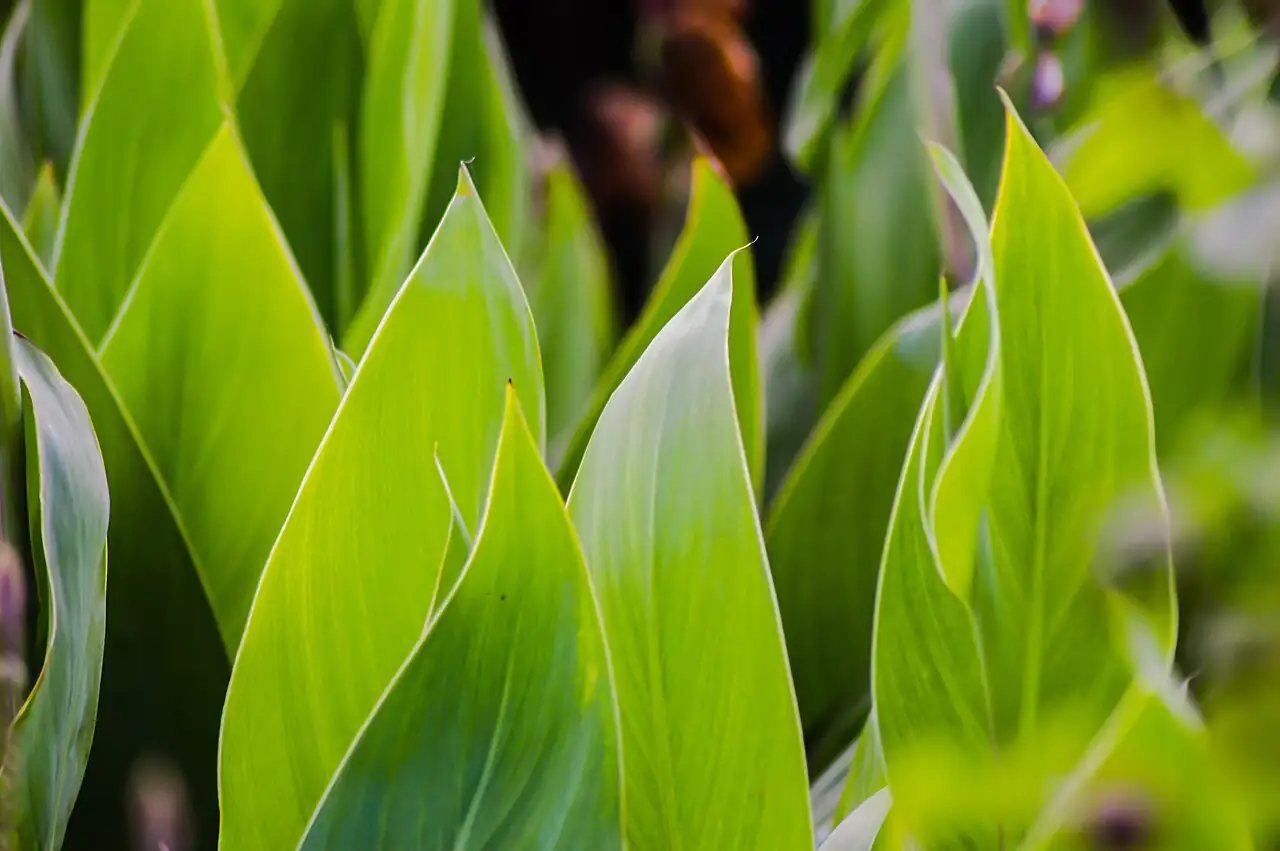
- Foliage: Large, long-oval to paddle-shaped leaves with a smooth, green surface; carried on green, upright stems that create a lush, vertical, tropical silhouette.
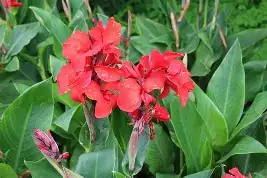
- Flower: Loose, upright flower spikes with relatively small but intensely colored canna blooms. Flowers are commonly bright red, often with an orange-yellow lip and red spotting; the showy, petal-like structures typical of cannas give the flowers their distinctive flamboyant look.
- Flowering Season: March–December (in warm climates; typically summer to autumn elsewhere)
- Growth Habit: Clump-forming, upright, rhizomatous perennial; new shoots arise from underground rhizomes and gradually widen into a bold stand.
Environment
Sunlight
Full sun to light shade; best flowering in full sun (at least 6–8 hours/day).
Temperature
Prefers warmth; strongest growth around 20–30°C (68–86°F). Frost tender—top growth is typically killed at about 0°C (32°F) and below.
Humidity
Average to high humidity; performs well in typical summer humidity as long as soil moisture is steady.
Soil
Rich, fertile, moisture-retentive but well-drained soil (a good loam is ideal). Keep evenly moist during active growth, but avoid cold, waterlogged conditions that can stress rhizomes.
Placement
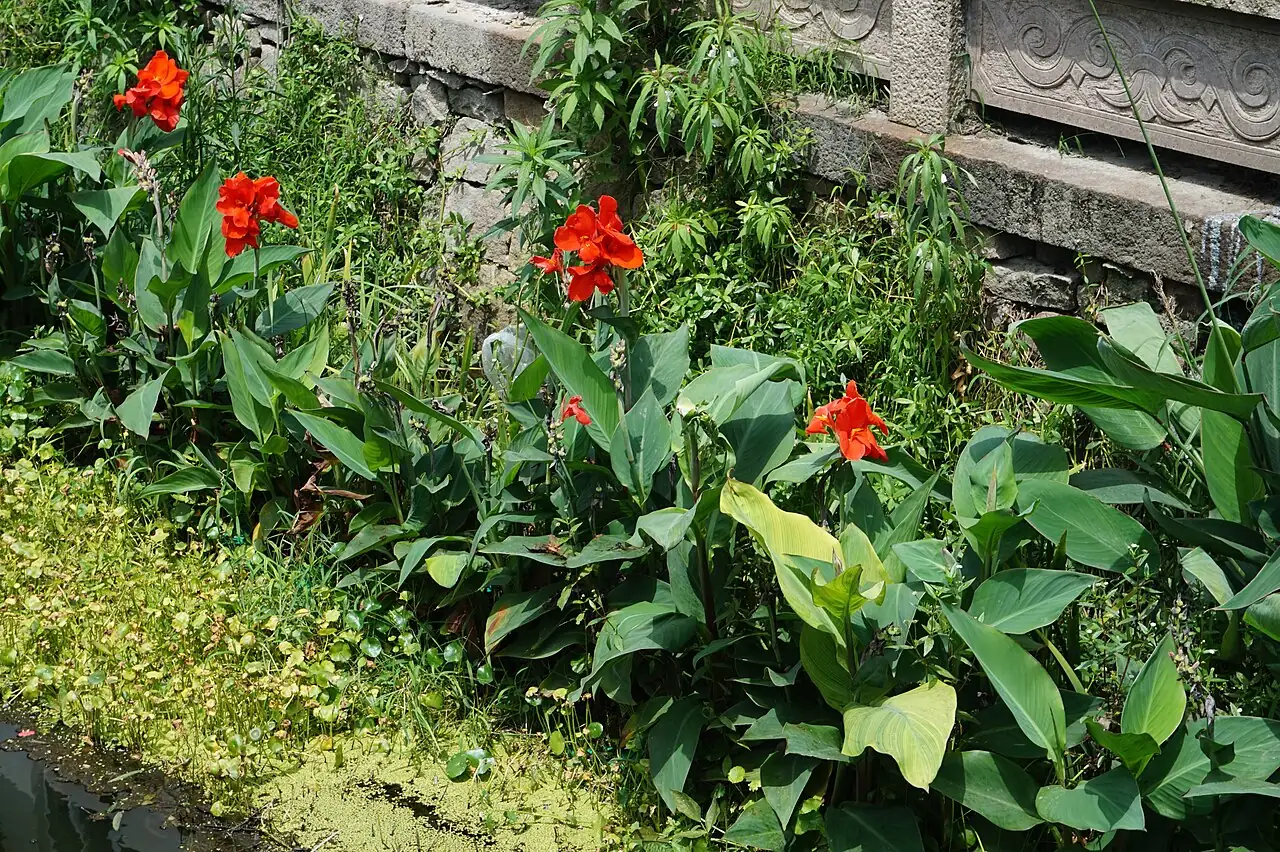
Sunny beds and borders, mass plantings, and as a statement plant in large patio/balcony containers.
Hardiness
USDA Zone 8–11 as a tender perennial; not frost hardy. In colder zones, treat as a lift-and-store rhizome plant over winter.
Care Guide
Difficulty
Easy to moderate: very generous in summer warmth, but it appreciates regular watering and needs protection from frost in cold regions.
Buying Guide
Pick firm, plump rhizomes with visible buds (“eyes”) and no soft spots, rot, or mold. For potted plants, choose sturdy, upright shoots and clean leaves without spotting, chewed edges, or visible pests.
Watering
Water regularly through the growing season to keep soil evenly moist but not soggy. In containers, water when the top 2–3 cm (about 1 in) dries out. Reduce watering in cool weather and during dormancy.
Fertilization
Feed in spring and summer with a balanced fertilizer about every 2–4 weeks to support leafy growth and flowering. Don’t overdo nitrogen—too much can mean lots of leaves and fewer blooms.
Pruning
Deadhead spent flowers to keep it neat and encourage continued blooming. After frost, cut stems back to about 5–10 cm (2–4 in) above the soil.
Propagation
Divide rhizomes in spring: cut into pieces with at least one healthy bud and plant 5–10 cm (2–4 in) deep. Can also be grown from seed, though seedlings may not match named forms.
Repotting
For container plants, repot and/or divide every 1–2 years in spring. Use a large, stable pot and refresh with a nutrient-rich, moisture-holding but well-drained mix.
📅 Seasonal Care Calendar
In warm regions it may flower and set seed from March to December. After frost, top growth collapses; in colder climates, lift rhizomes after the first frost, let them dry briefly, and store at 4–10°C (39–50°F) until replanting in spring.
Pests, Diseases & Safety
Common Pests & Diseases
Common pests include canna leaf roller/caterpillars, aphids, spider mites, and slugs/snails. In humid conditions, leaf spot and rust can appear—improve airflow, avoid late-day overhead watering, and remove and dispose of infected leaves.
Toxicity
Generally considered non-toxic to people and pets, though chewing or eating large amounts of any plant material may cause mild stomach upset.
Culture & Symbolism
Symbolism: Often linked with boldness, confidence, and vibrant vitality—fitting for a plant that looks like it belongs in a tropical resort garden.
History & Legends: Grown worldwide in tropical and subtropical gardens. The name “Indian shot” comes from its very hard, round seeds, which were historically compared to small shot pellets.
Uses: Primarily ornamental: valued for its lush foliage, strong clumping habit, and long-lasting, high-color flower spikes. Great for brightening borders and beds, creating bold mass plantings, or anchoring large containers on patios and balconies.
FAQ
Why did my Indian shot die back suddenly?
It’s frost tender. When temperatures drop to around 0°C (32°F), the foliage and flowers can collapse. Cut it back, and in colder climates lift and store the rhizomes indoors until spring.
Does Indian shot need full sun?
Full sun gives the best flowering (6–8+ hours/day). It can handle light shade, but you’ll usually see fewer blooms and a looser habit.
Fun Facts
- “Indian shot” refers to its famously hard, bead-like seeds.
- In warm climates it can bloom for many months, sometimes with flowers and seed pods present from March to December.
- At about 100–150 cm (39–59 in) tall, it’s tall enough to act as a dramatic backdrop in mixed plantings.
- Canna flowers aren’t typical “petals”—their showy parts are modified structures (including a prominent lip), which is part of their exotic look.


