Plant Features
- Size:50–150 cm (20–59 in) tall
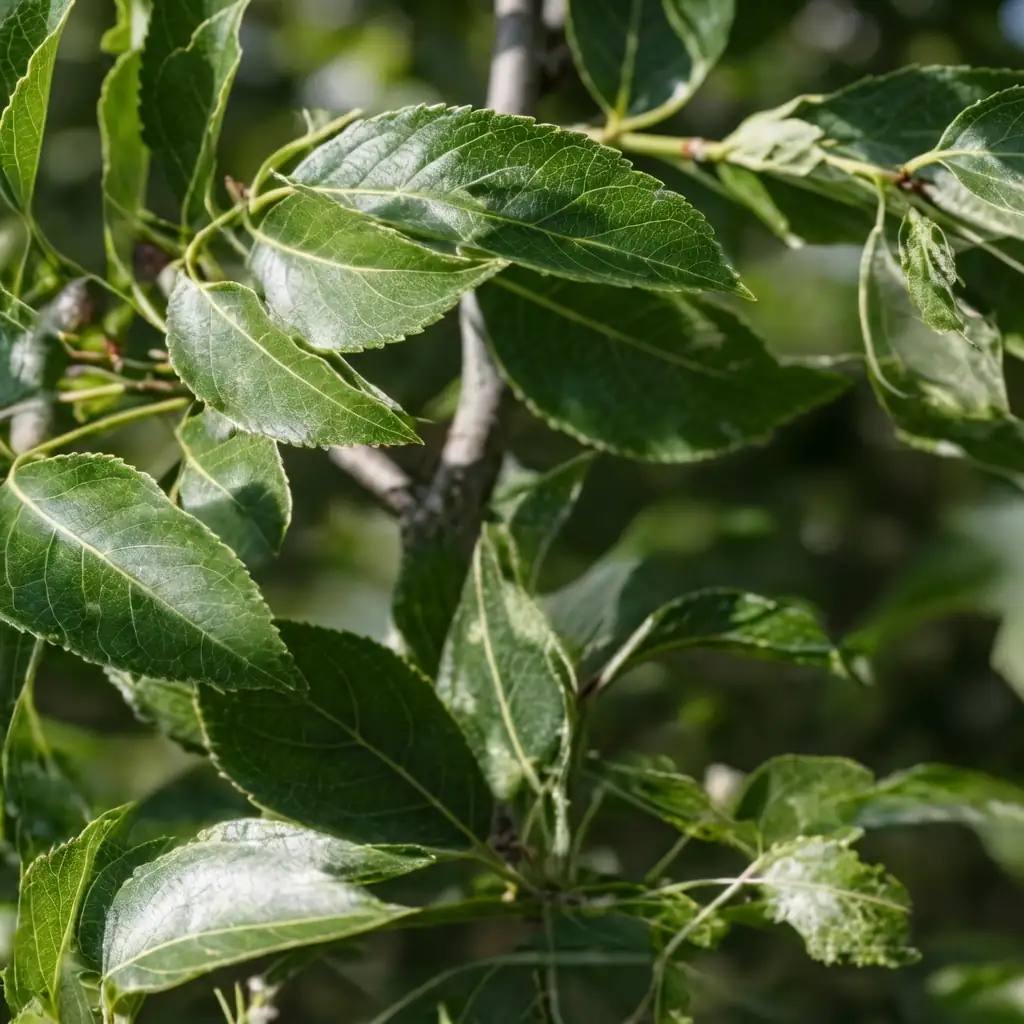
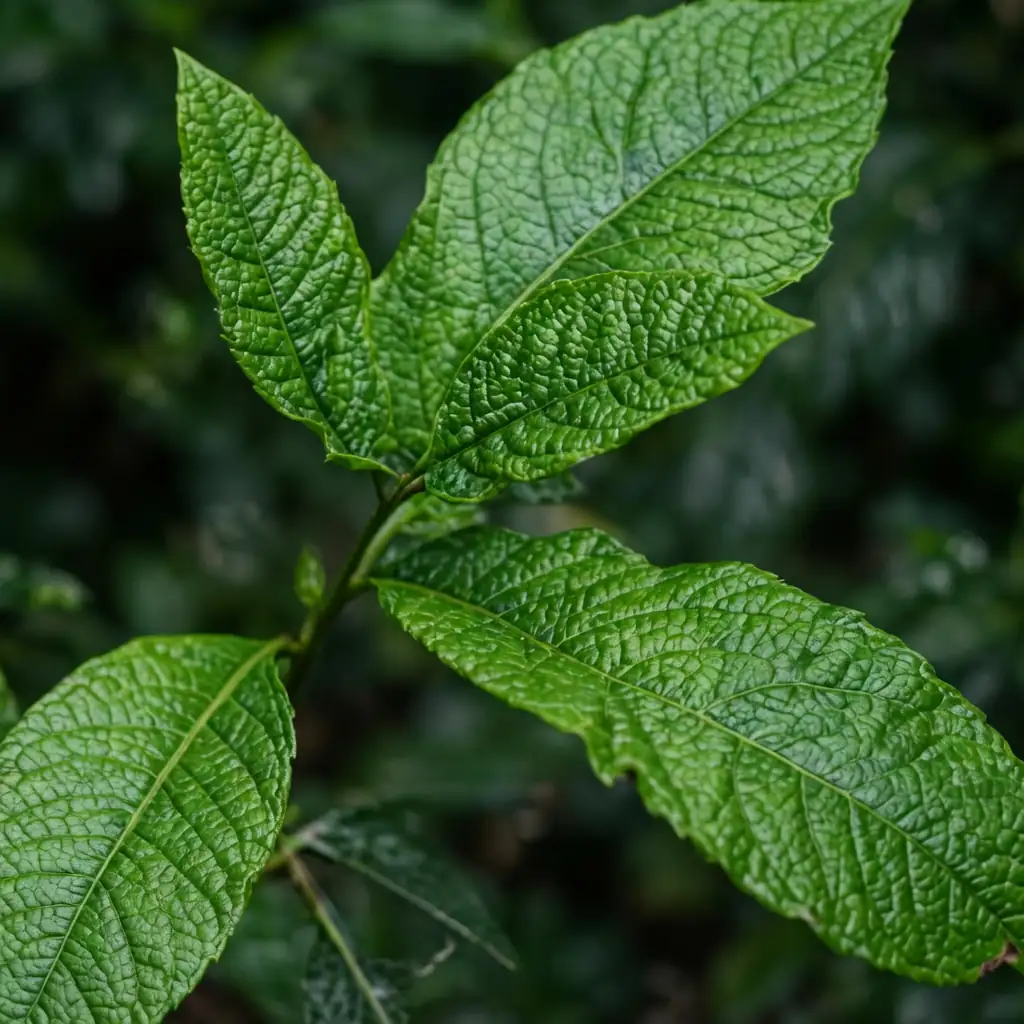
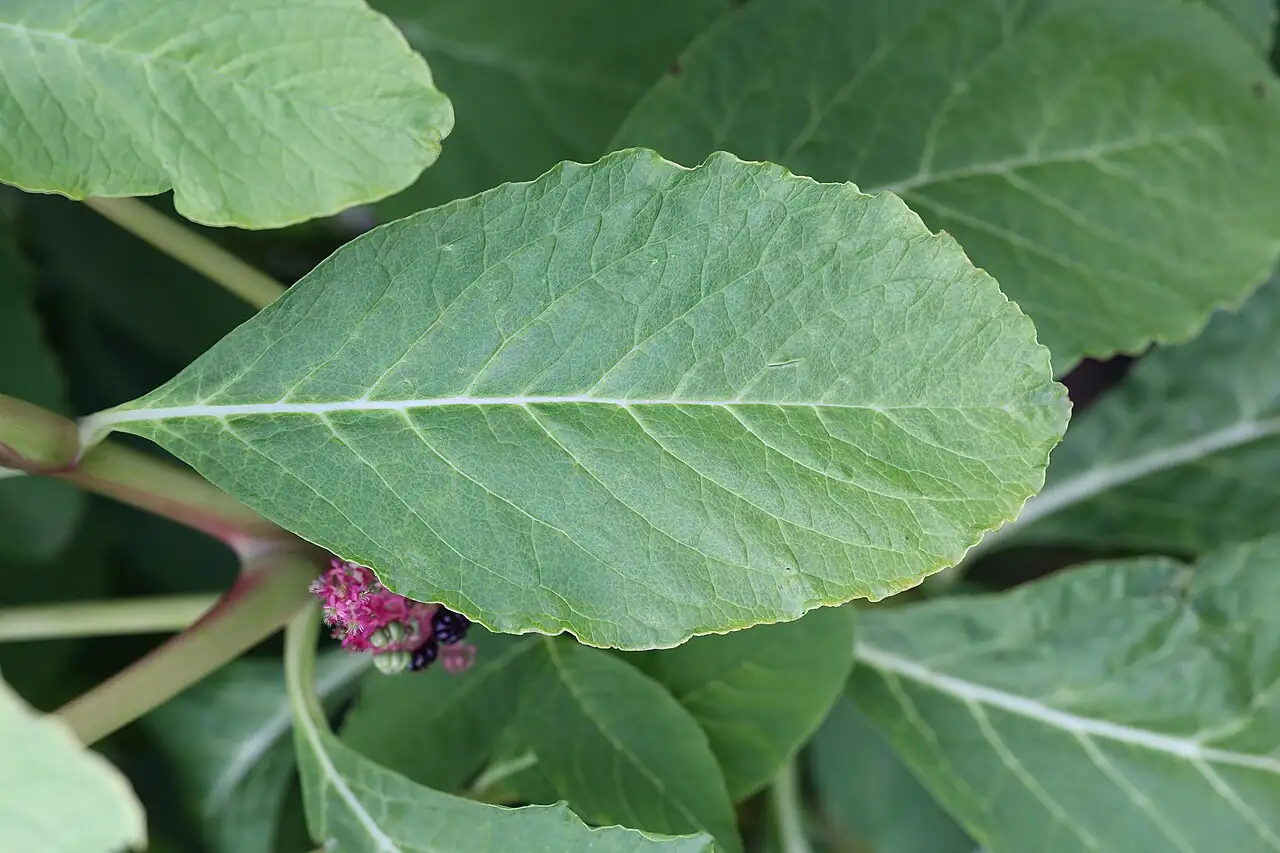
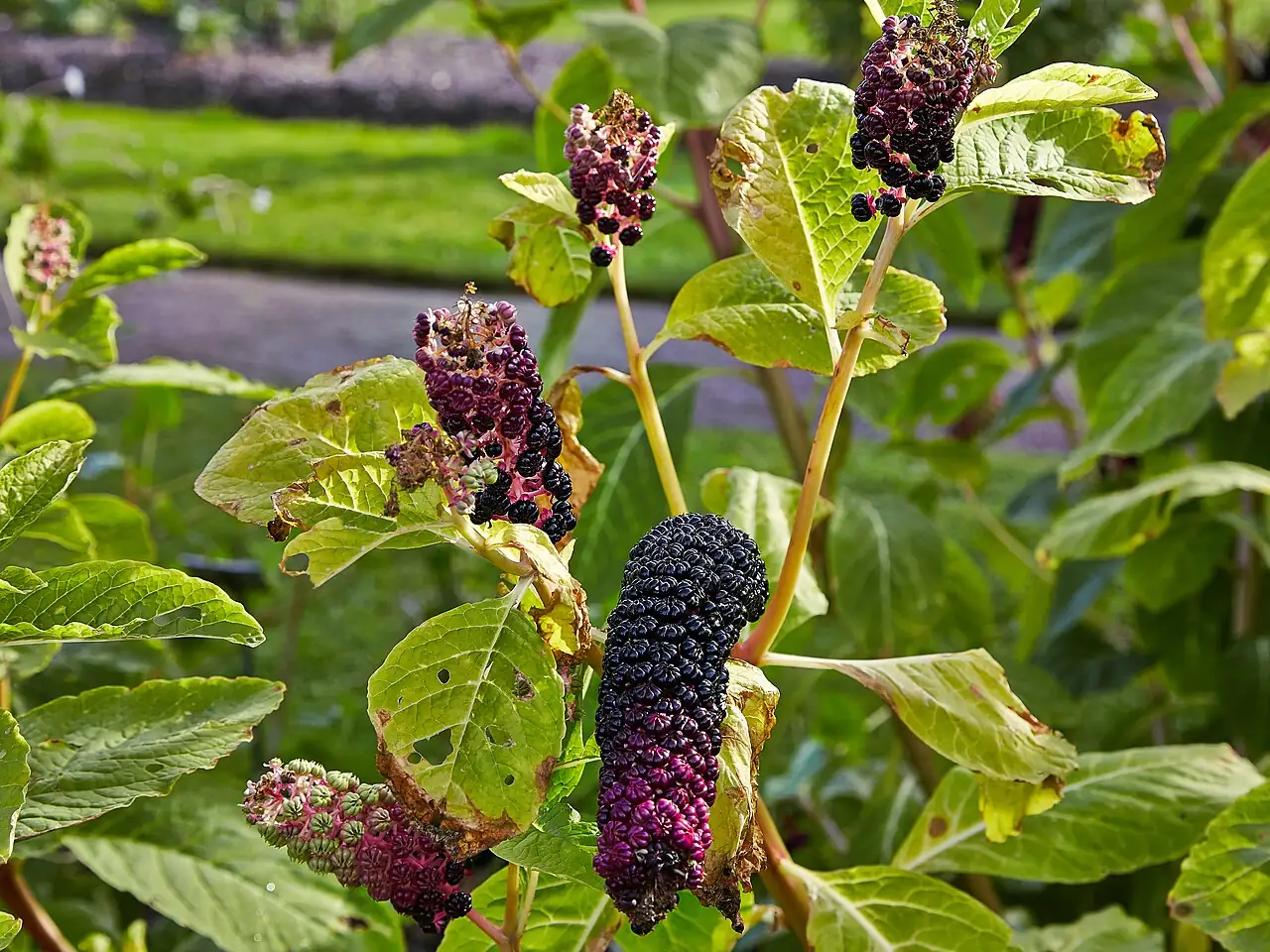
- Foliage: Leaves are thin and papery, elliptic to lance-elliptic with a pointed tip and a wedge-shaped, narrowing base. Tiny pale speckles may be visible on the blade; the midrib is prominent beneath. Petioles are stout and slightly broadened at the base.
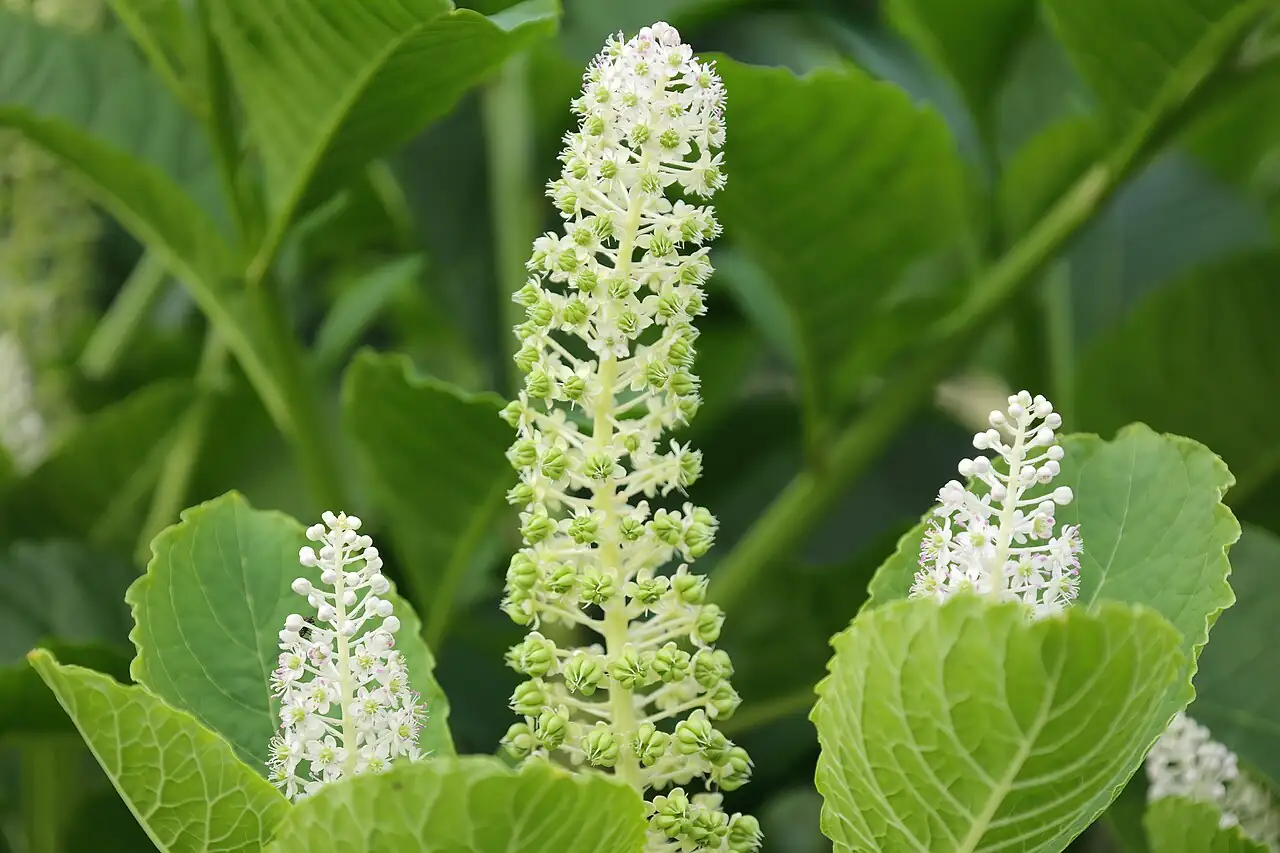
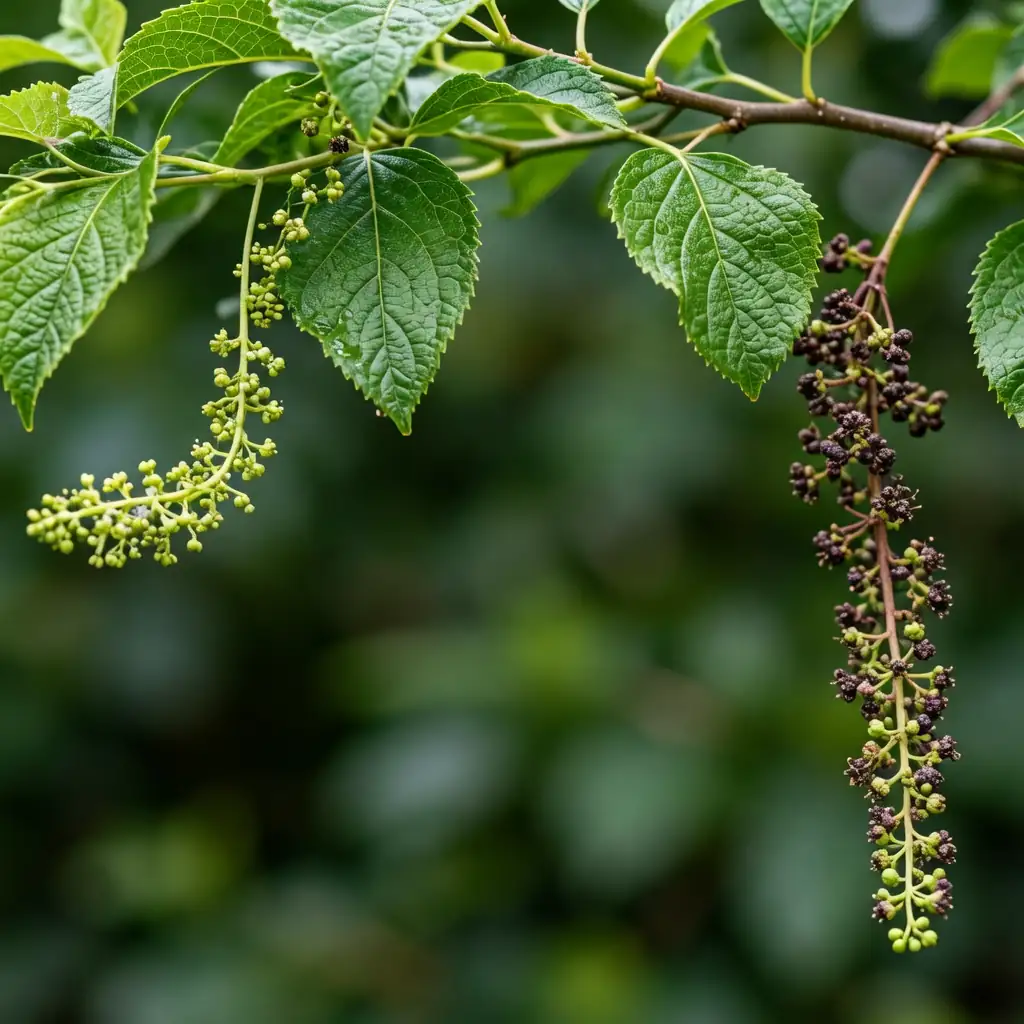
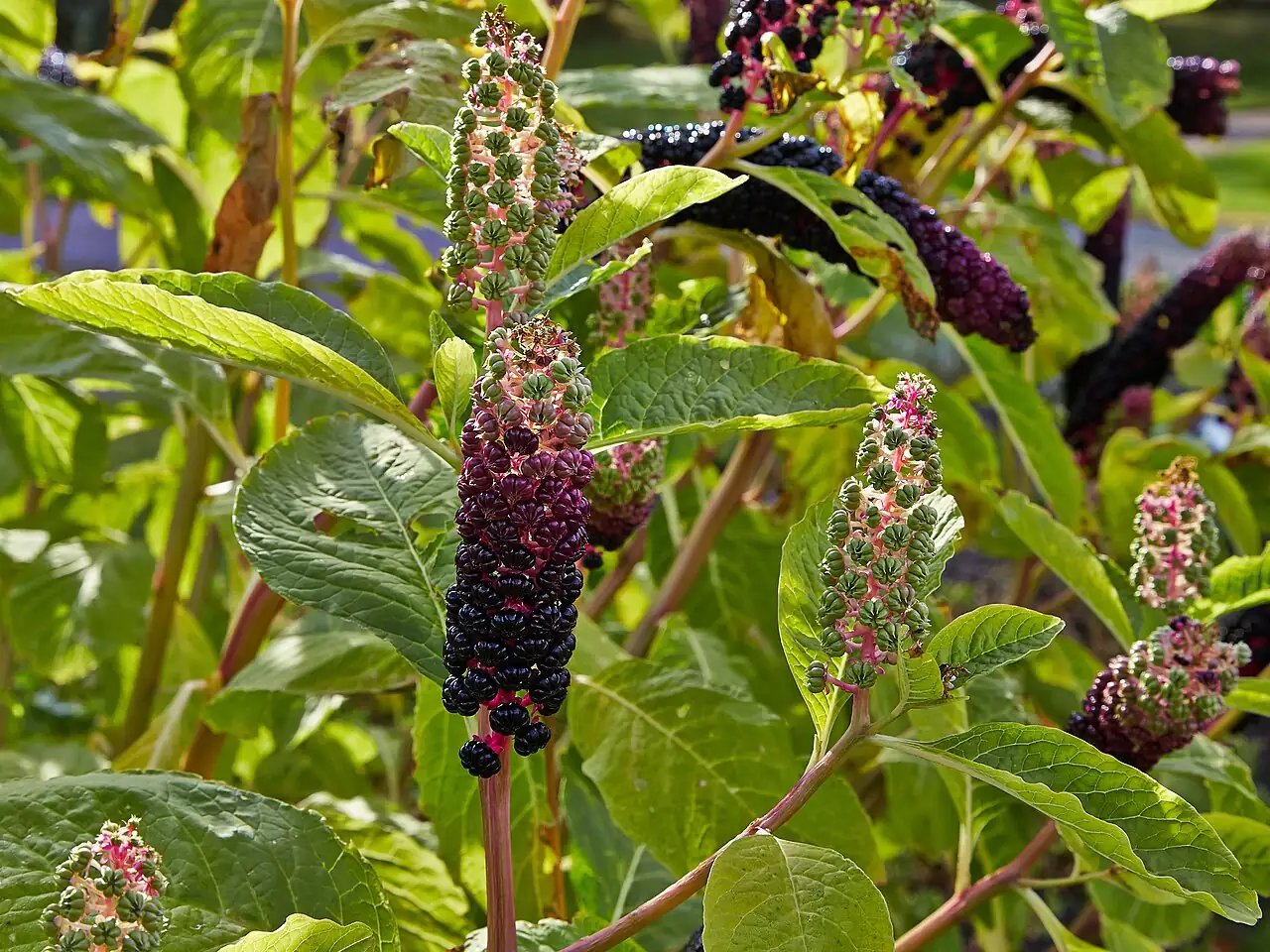
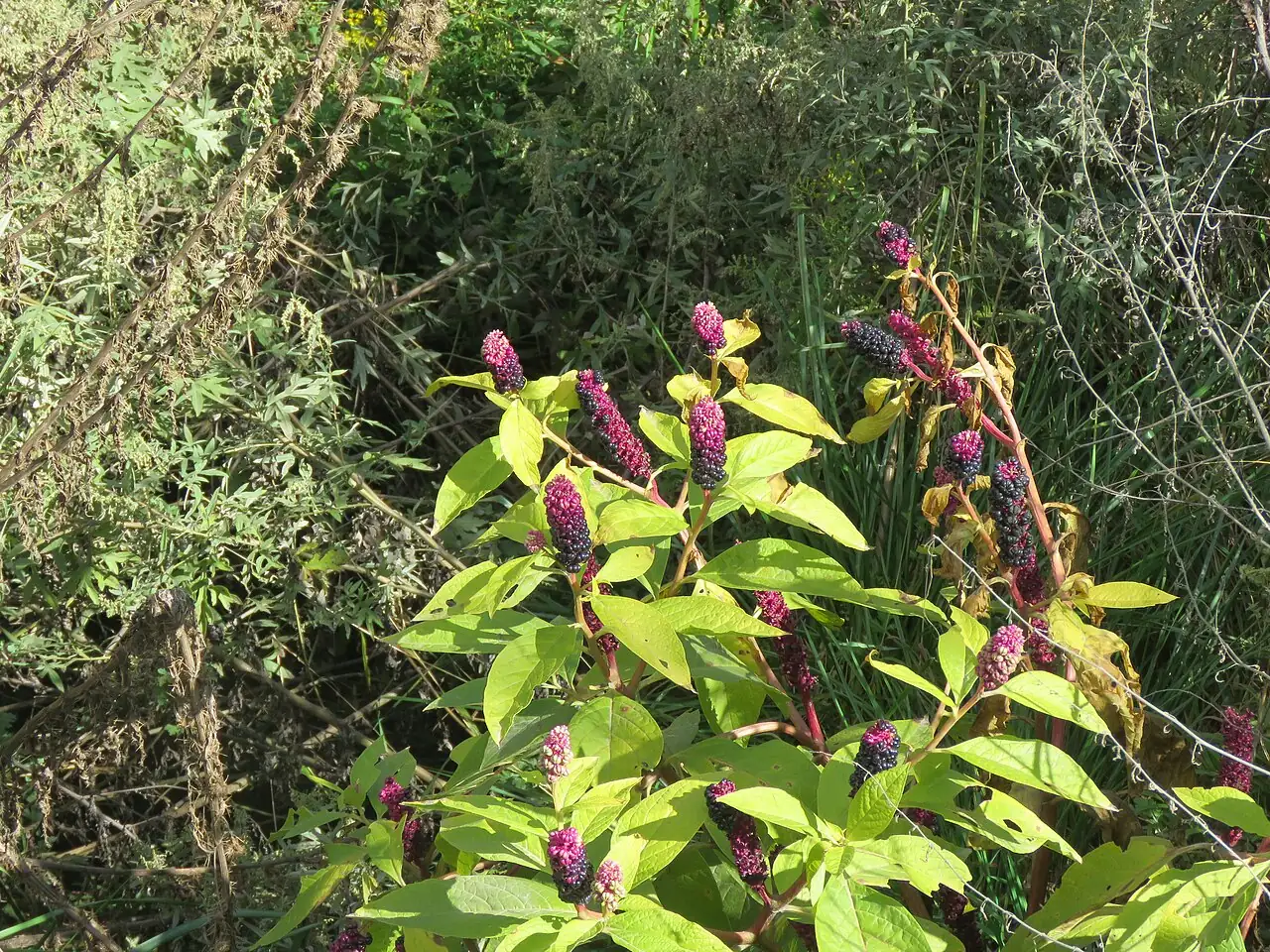
- Flower: Small white flowers are borne densely on upright, cylindrical racemes (flower spikes) at the stem tip or opposite a leaf. Fruit clusters remain upright; berries are slightly flattened-globose and turn black when ripe. Seeds are kidney-shaped, black, and distinctly angled.
- Flowering Season: May–August
- Growth Habit: Upright, clump-forming perennial herb. Above-ground parts die back in autumn/winter, while the thick root persists and resprouts in spring.
Environment
Sunlight
Full sun to partial shade (best flowering and fruiting with at least 4–6 hours of sun per day)
Temperature
Active growth about 14–30°C (57–86°F). The underground root can survive down to about -15°C (5°F) when dormant.
Humidity
Prefers a warm, moderately humid climate; tolerates average outdoor humidity if soil moisture is steady (but not waterlogged).
Soil
Adaptable to many soils, but performs best in fertile, well-drained loam. Avoid waterlogged or poorly drained sites.
Placement
Naturalistic plantings, woodland edges, hedgerows, and wild areas. Use caution near paths or gardens where self-seeding could be undesirable.
Hardiness
Cold-hardy perennial; roughly equivalent to USDA Zone 5–9 (root hardy to about -15°C / 5°F). Not tolerant of standing water.
Care Guide
Difficulty
Easy and very vigorous; can behave weedy where conditions suit it.
Buying Guide
Choose plants with firm, healthy stems and leaves free of spotting or distortion. Avoid pots with sour-smelling, waterlogged soil. If buying for a garden, confirm local regulations and consider whether you can prevent unwanted self-seeding.
Watering
Keep evenly moist during active growth, then reduce as growth slows. Do not let the plant sit in water; consistently soggy soil can cause root problems. In the ground, water deeply when the top 2–5 cm (1–2 in) of soil dries.
Fertilization
Usually not necessary in average garden soil. If growth is weak, apply a balanced fertilizer at half strength in spring and again in early summer (follow label rates). Avoid excess nitrogen, which can encourage lush, floppy growth.
Pruning
Remove spent flower/fruit spikes if you want to limit self-seeding. After frost, cut back dead stems to 5–10 cm (2–4 in) above the soil.
Propagation
Primarily by seed (berries contain many seeds). It can also be increased by dividing the root crown in early spring before strong growth starts; handle carefully and replant divisions promptly.
Repotting
Not commonly grown long-term in pots due to its size and strong root. If container-grown, repot in spring into a larger pot with a free-draining mix; ensure drainage holes and avoid waterlogging.
📅 Seasonal Care Calendar
Flowers May–August; fruits June–October. Top growth naturally dies back in autumn/winter; the root overwinters and resprouts in spring.
Pests, Diseases & Safety
Common Pests & Diseases
Generally trouble-free. In wet, poorly drained conditions it may suffer root or crown rot. Dense growth can also attract aphids; manage with improved airflow and targeted washing or horticultural soap as needed.
Toxicity
Toxic if ingested (especially berries and roots). Keep away from children and pets, and wear gloves if you have sensitive skin. Seek local medical/veterinary advice immediately if ingestion is suspected.
Culture & Symbolism
Uses: Sometimes used in ecological plantings for ground cover effect and soil stabilization (helping retain moisture and reduce erosion) in suitable, managed settings.
FAQ
Why does it die back in winter?
This is normal for a perennial herb. The above-ground stems die after frost, while the fleshy root survives underground and resprouts in spring.
Can it handle cold winters?
Yes. While the stems are not frost-hardy, the underground root can survive to about -15°C (5°F) when dormant, provided the soil is not waterlogged.
How do I stop it from spreading?
Remove flower/fruit spikes before berries ripen and dispose of them securely. Monitor for seedlings and pull them early.
Fun Facts
- The plant’s thick, fleshy root can overwinter even when temperatures drop to about -15°C (5°F).
- It produces upright spikes of white flowers followed by shiny black berries later in the season.
- Its natural range spans large parts of East Asia and extends into the Indian subcontinent.
- It commonly appears in disturbed places such as roadsides and woodland margins because it is highly vigorous.
- In appropriate settings it can help with soil moisture retention and erosion reduction.