

Plant Features
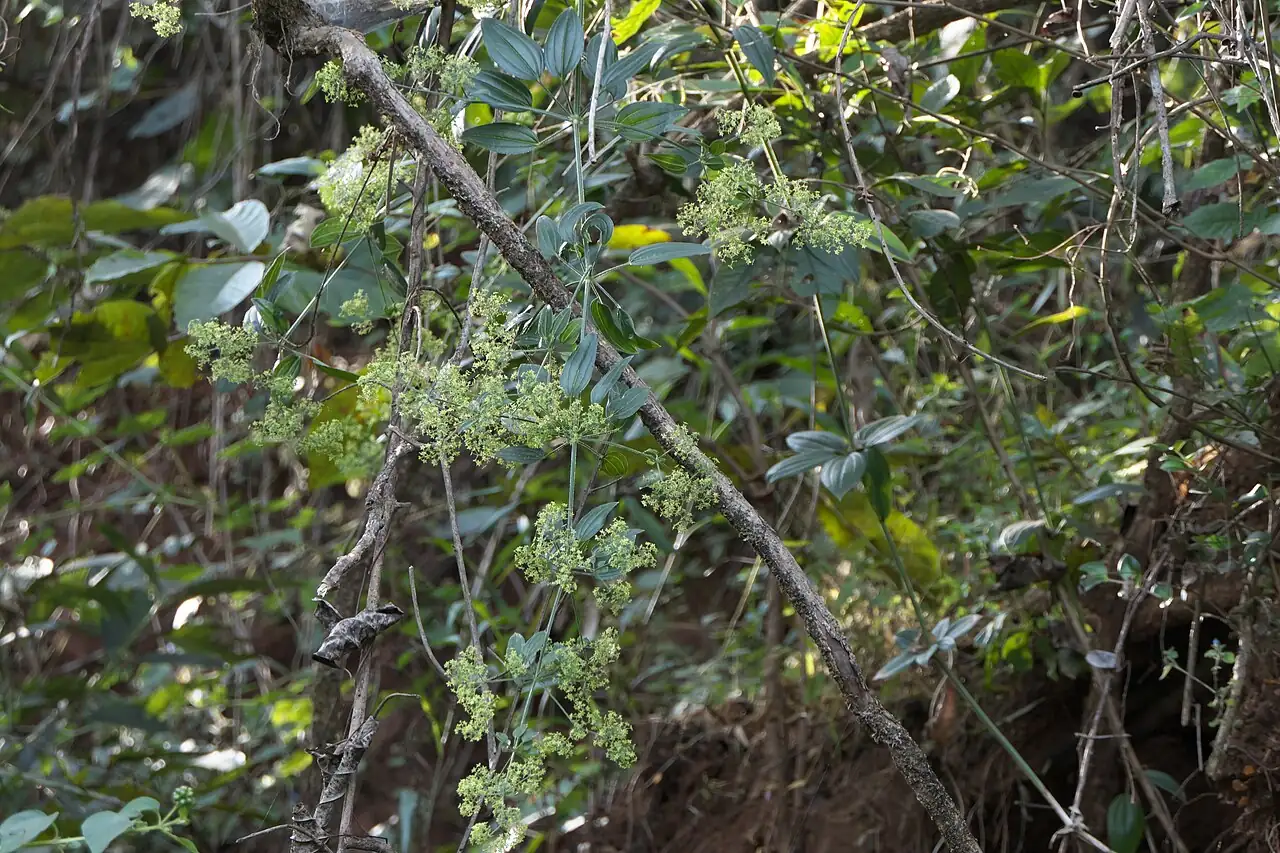
- Size: Climbing/scrambling perennial; stems often reach about 1–3 m (3–10 ft) with support (size varies widely by habitat).
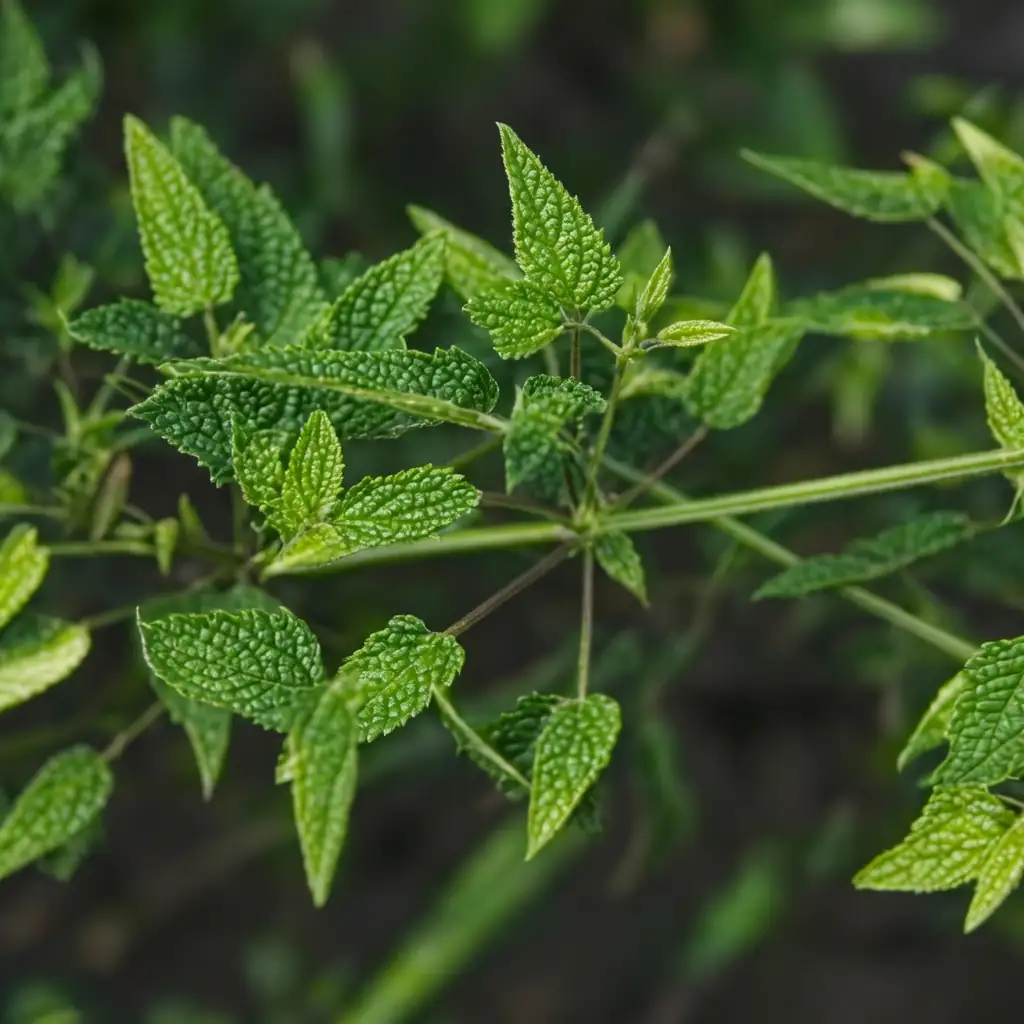
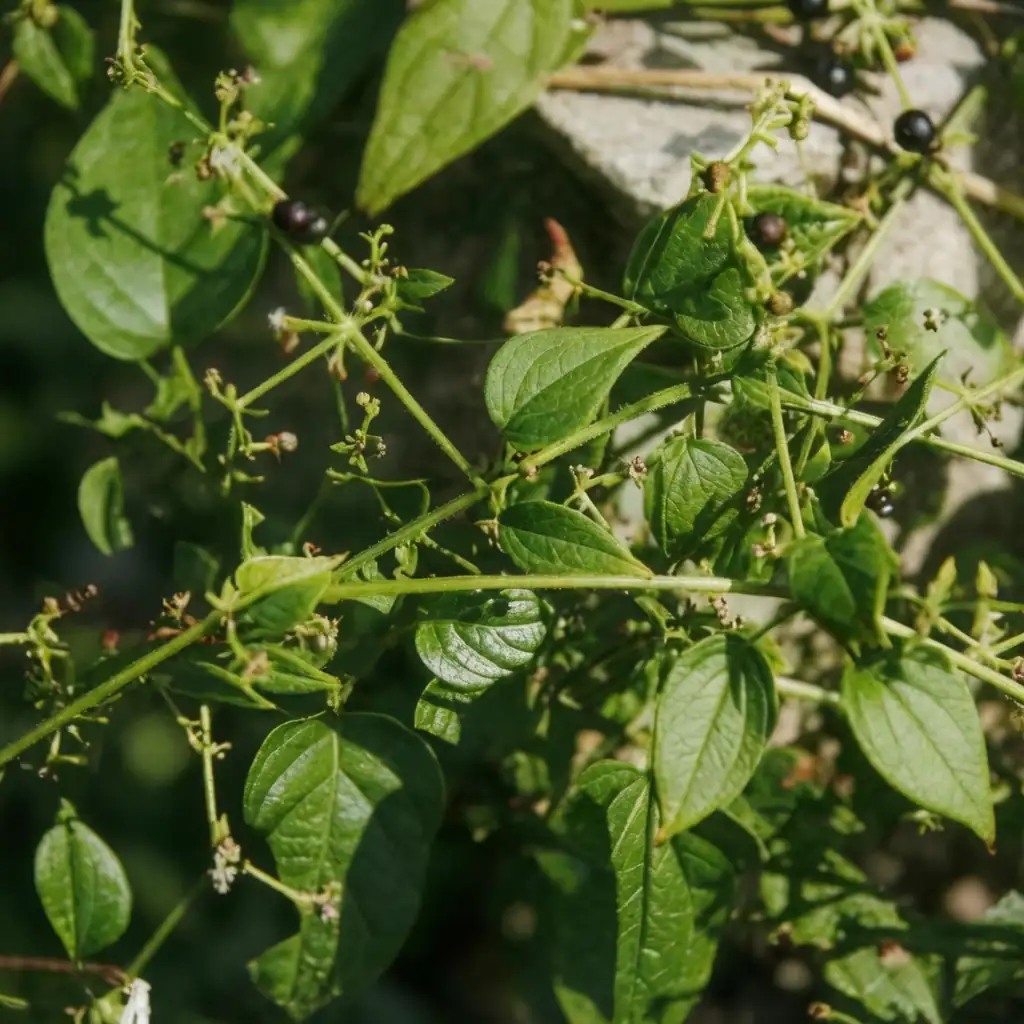
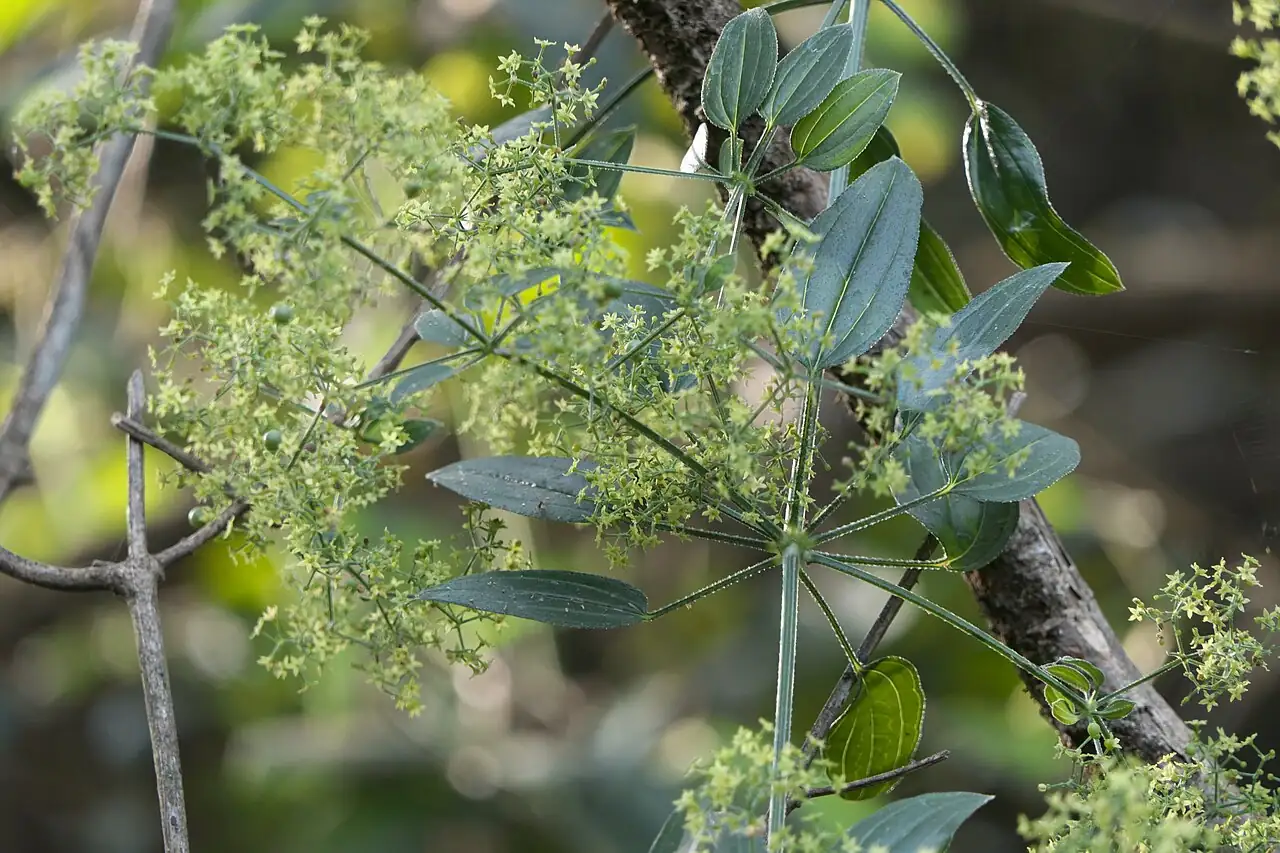
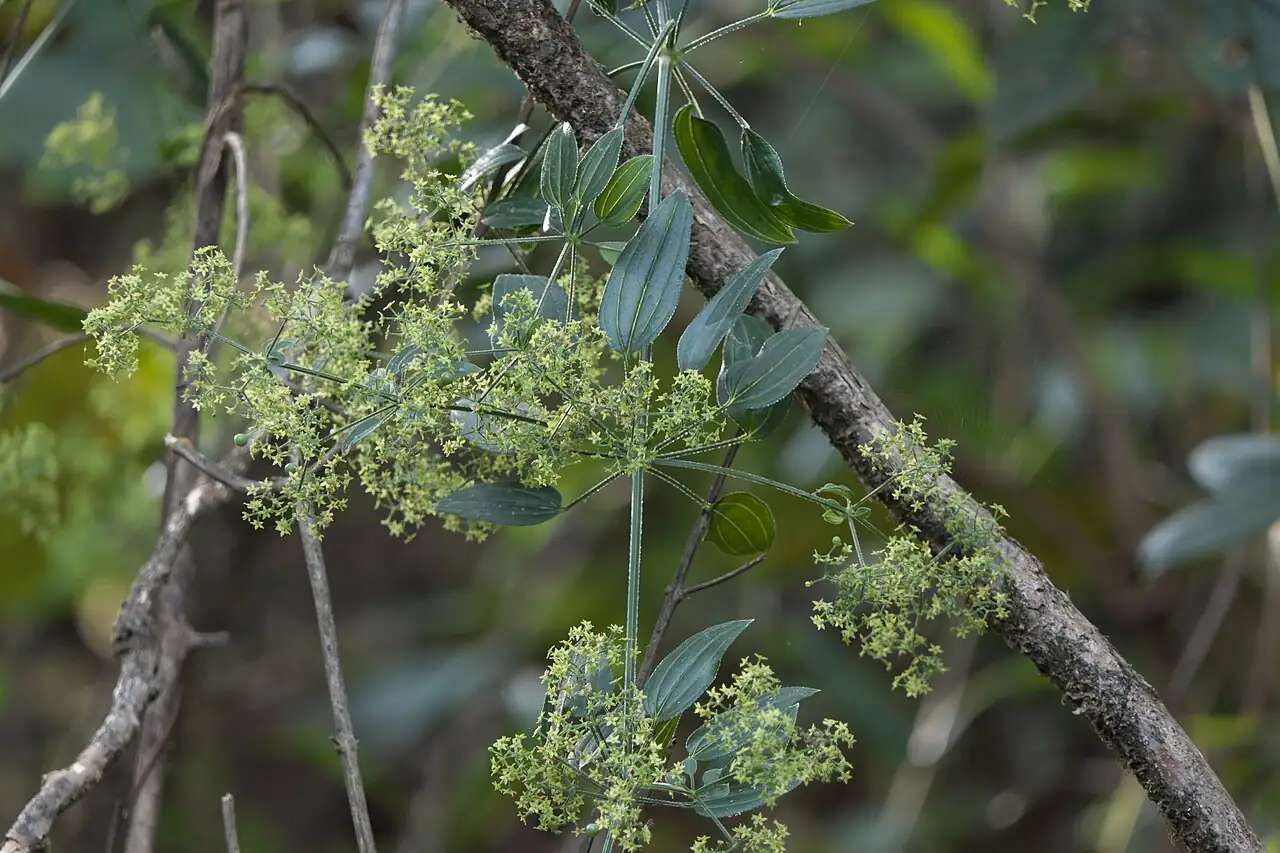
- Foliage: Leaves are arranged in whorls, papery to thinly leathery, and feel rough on both sides. The stems carry backward-pointing hooked prickles that help the plant cling and climb. Rhizomes and many fibrous roots are characteristically red.
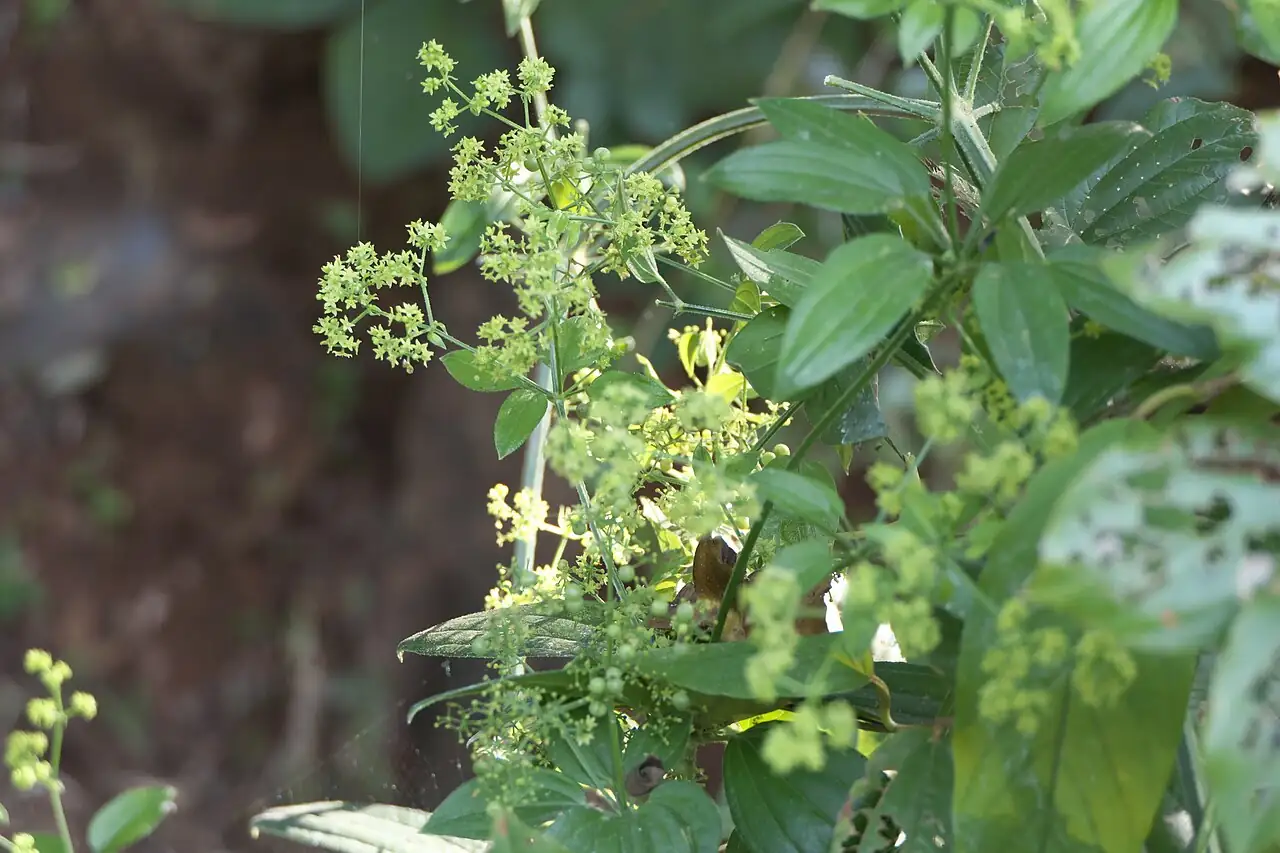
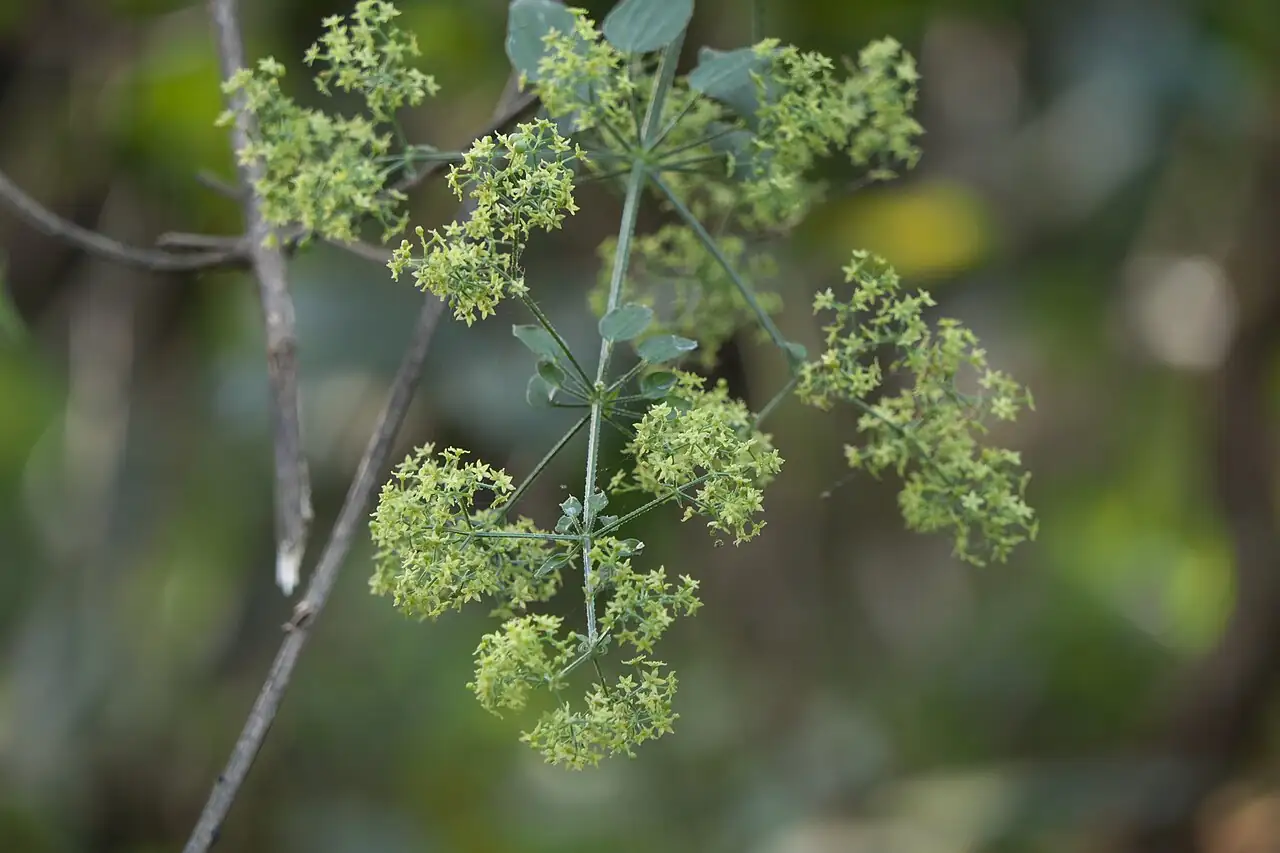
- Flower: Produces many small flowers in slender branched clusters (axillary and terminal). Flowers are pale yellow. The fruit is a spherical berry that ripens orange to yellow-orange.
- Flowering Season: August–September
- Growth Habit: Perennial herbaceous climber/scrambler.
Environment
Sunlight
Full sun to partial shade; strongest growth and best flowering usually happen with at least 4–6 hours of sun per day.
Temperature
Cold-tolerant once established; prefers cool to warm growing conditions around 10–25°C (50–77°F). Avoid winter wet and waterlogged soil, especially in cold weather.
Humidity
Likes evenly moist soil and does well in average outdoor humidity as long as moisture is reliable at the roots.
Soil
Loose, fertile, organic-rich sandy loam that drains well. Keep consistently moist, but never waterlogged.
Placement
Outdoors in borders, woodland edges, hedgerows, or naturalistic plantings. Provide a trellis, fence, or nearby shrubs for support so it can scramble and climb.
Hardiness
Hardy in temperate climates; commonly grown outdoors in USDA Zones 5–9 (approx. -29 to -7°C / -20 to 20°F), with success strongly affected by winter wet and drainage.
Care Guide
Difficulty
Moderate. Straightforward outdoors in suitable climates, but it can be slow to establish and is very sensitive to soggy, poorly drained soil.
Buying Guide
Choose plants with firm, healthy stems and no blackening or soft spots near the crown. Avoid pots that smell sour or stay constantly wet (a common sign of poor drainage or early rot). If growing for dye/root harvest, start with well-established plants or vigorous rhizome divisions.
Watering
Aim for consistently moist soil. Let the top 2–5 cm (1–2 in) dry slightly, then water deeply. Avoid standing water and do not let the planting site become waterlogged.
Fertilization
In spring, top-dress with compost or use a balanced slow-release fertilizer. In containers, feed lightly every 4–6 weeks during active growth. Avoid excessive nitrogen, which can push leafy growth at the expense of root quality.
Pruning
Remove dead, weak, or tangled stems as needed. Cut back in late fall or early spring to tidy the plant and encourage fresh shoots.
Propagation
Most reliable by dividing rhizomes in spring or autumn. Stem cuttings can root in warm conditions. Seed propagation is possible but typically slower and less uniform.
Repotting
If grown in a container, repot every 1–2 years in spring. Use a deep pot to accommodate developing roots and refresh with a well-draining, organic-rich mix.
📅 Seasonal Care Calendar
Spring: plant/divide, add compost, set up support. Summer: keep evenly moist and guide stems onto their support. Late summer: flowering and fruiting. Autumn: reduce watering as growth slows; cut back if needed. Winter: protect from prolonged waterlogging; mulch in colder areas.
Pests, Diseases & Safety
Common Pests & Diseases
Usually resilient. Aphids may appear on tender growth; spider mites can show up during hot, dry stress. The main serious problem is root/crown rot in poorly drained or waterlogged soils. Improve drainage and airflow, avoid overwatering, and use insecticidal soap for aphids if needed.
Toxicity
Not commonly considered a highly toxic ornamental, but internal use is specialized and should not be attempted without professional guidance. Keep plant material away from children and pets; accidental ingestion may cause stomach upset.
Culture & Symbolism
Symbolism: Closely tied to the color red—often associated with warmth, vitality, and protection—thanks to its long history as a red dye plant.
History & Legends: Madder plants (Rubia species) have a long global history as sources of durable red textile dyes. Rubia cordifolia is especially renowned in Asia, where its red roots have also been used in traditional herbal systems for centuries.
Uses: A traditional source of red dye from the roots/rhizomes. Also used in traditional herbal medicine; commonly described in traditional terms as supporting ‘cooling the blood,’ helping stop bleeding, and promoting circulation.
FAQ
Why are my Indian madder stems flopping instead of climbing?
It’s naturally a scrambler—those tiny hooks help it grab onto supports, but it still needs something to lean on. Add a trellis, fence, or nearby shrub, and gently guide young stems until they catch.
What’s the biggest mistake people make with Indian madder?
Keeping it too wet in a poorly draining spot. It likes steady moisture, but waterlogged soil (especially in cool weather) can quickly lead to root or crown rot.
Fun Facts
- Its roots and rhizomes naturally contain red pigments that have been used to dye fabrics for centuries.
- The stems have tiny backward-facing hooks that let the plant cling and climb through surrounding vegetation.
- After pale yellow flowers, it produces round berries that turn orange to yellow-orange as they ripen.
- It enjoys moisture but strongly dislikes waterlogged soil—good drainage is the secret to success.
- The vivid red underground parts are the main reason it’s cultivated for dye and traditional uses.


