

Plant Features
- Size:25–100 cm (10–39 in) tall; spread varies with site conditions and competition
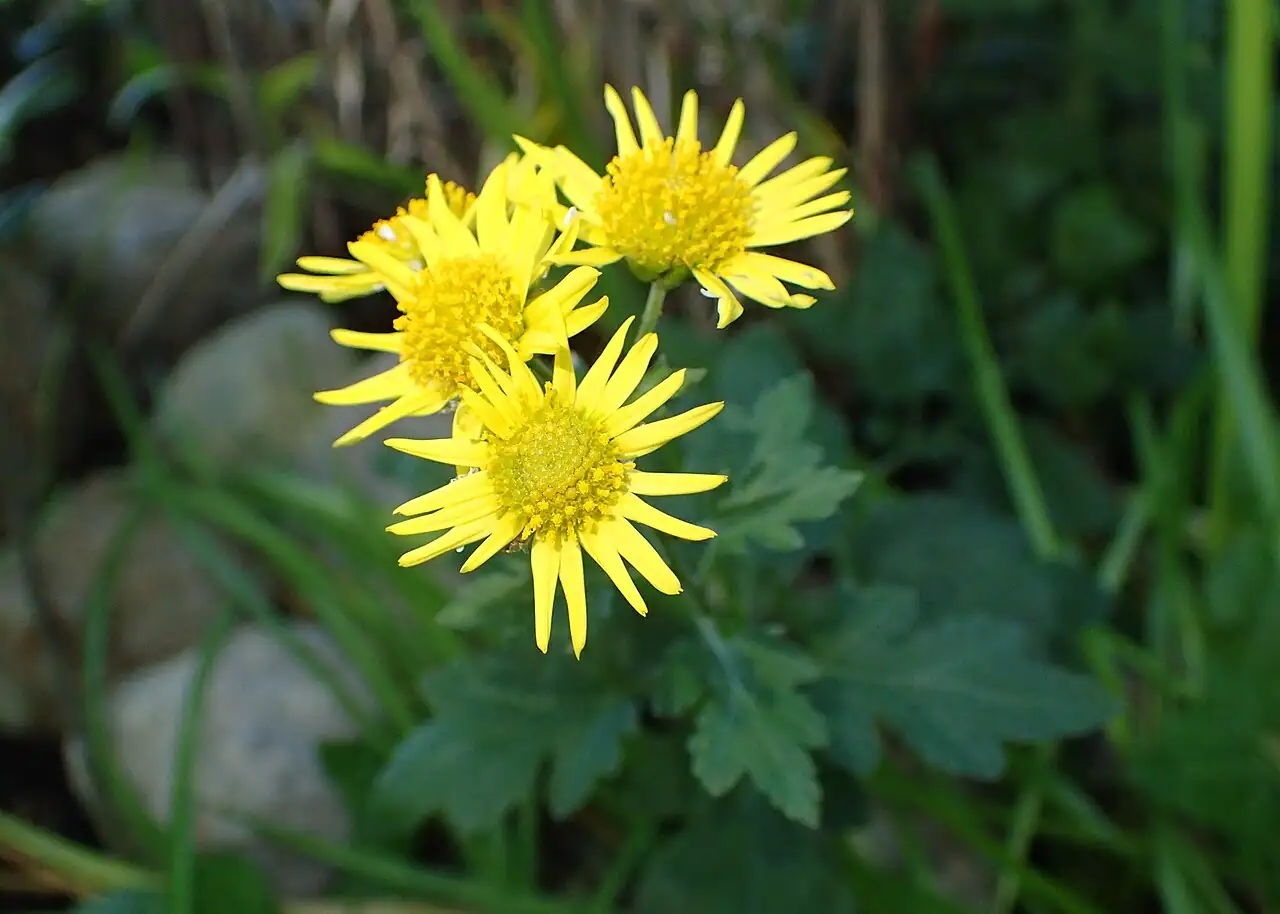
- Foliage: Herbaceous perennial with stems that can be upright or somewhat sprawling. Leaves are typical of wild chrysanthemums and may appear lobed to toothed depending on growing conditions.
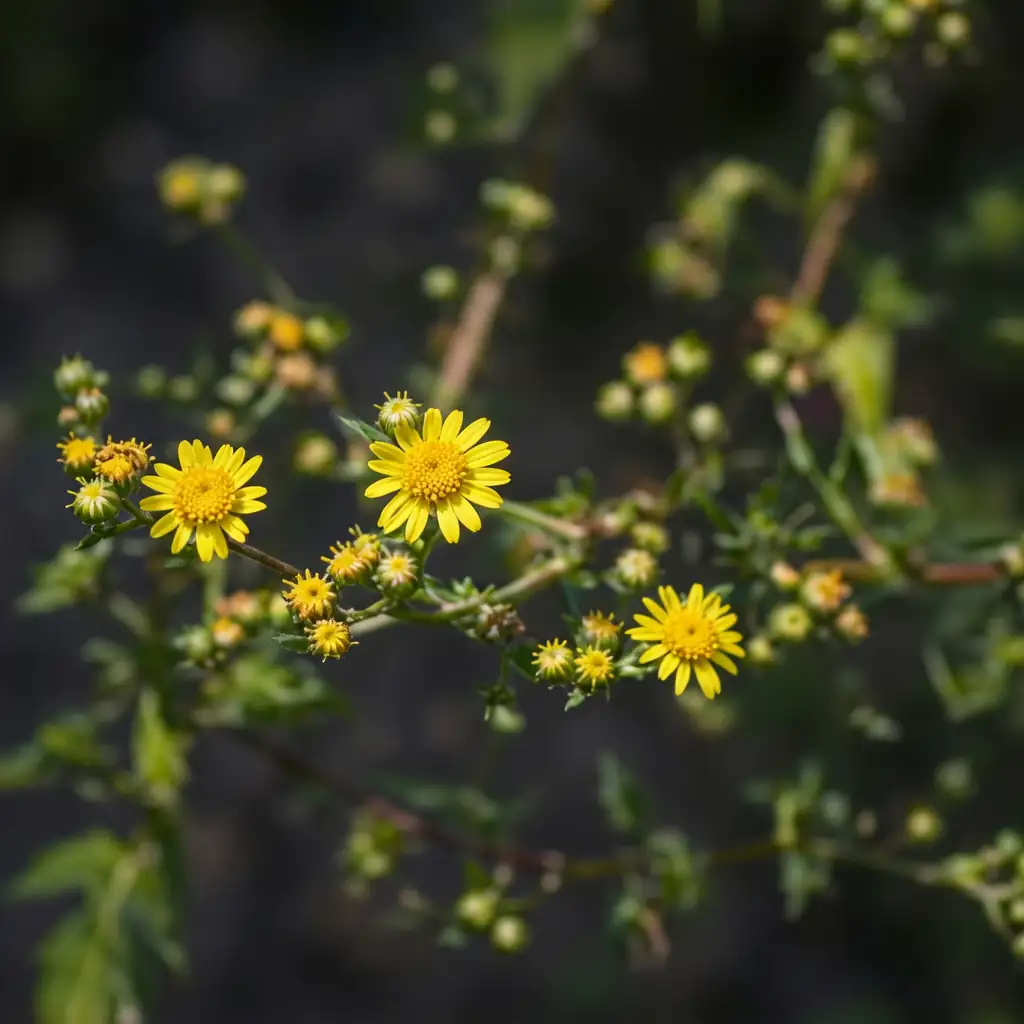
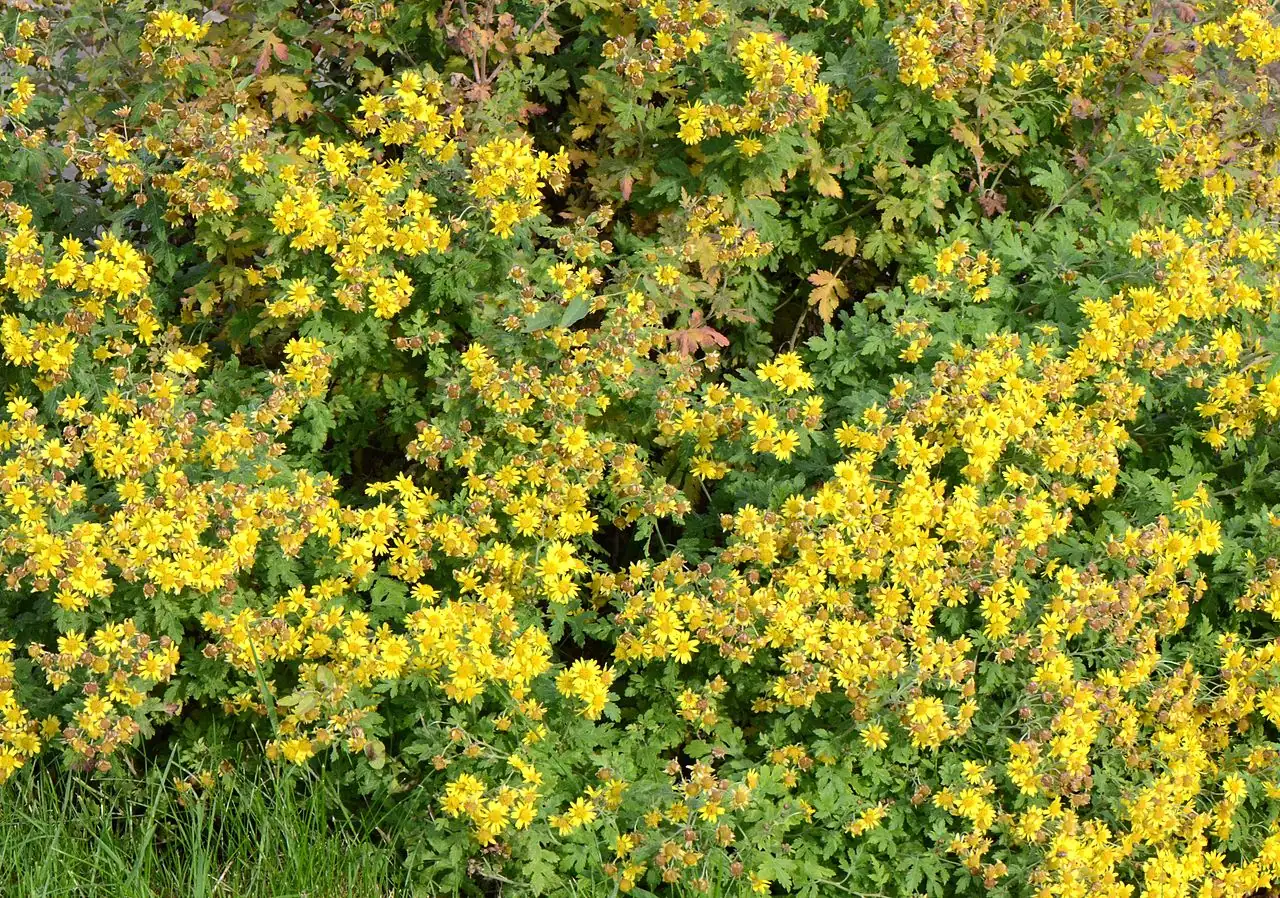
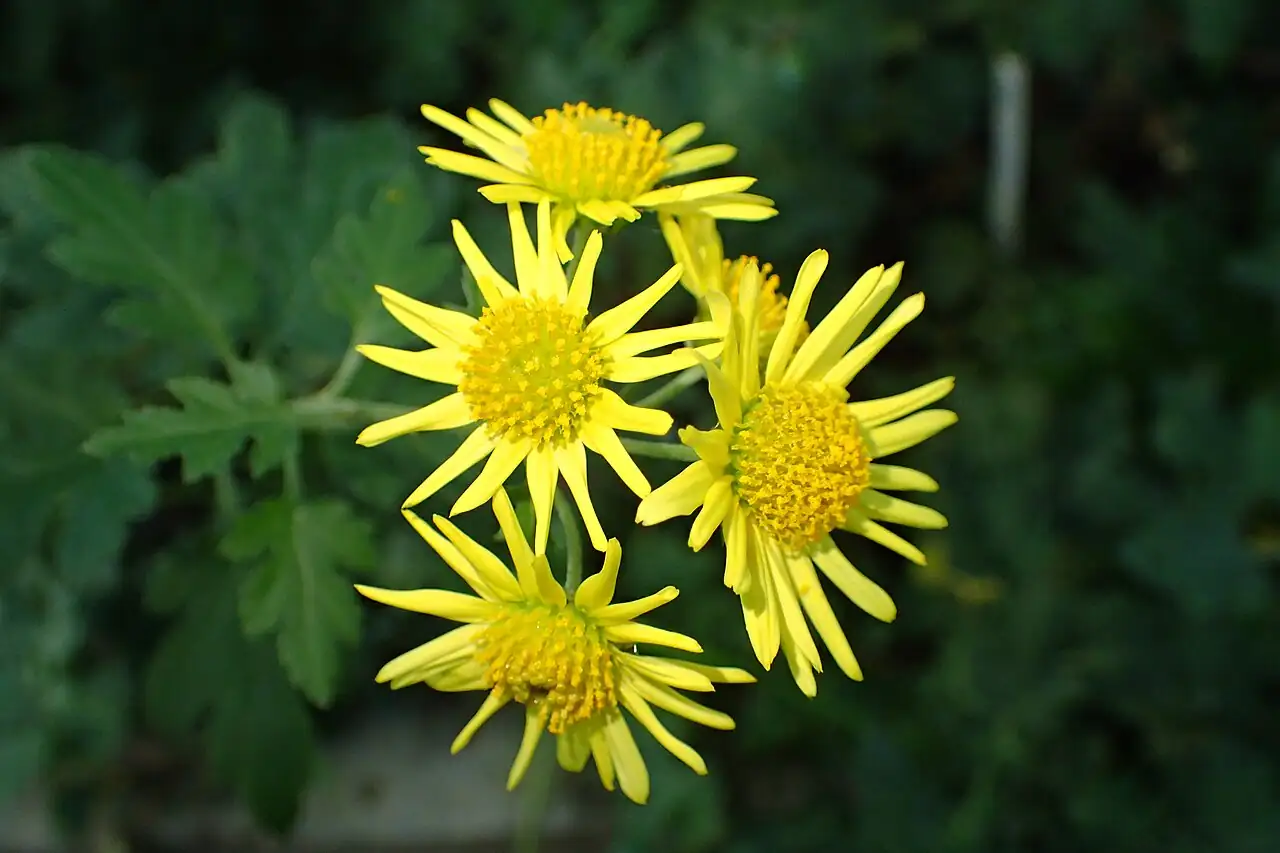
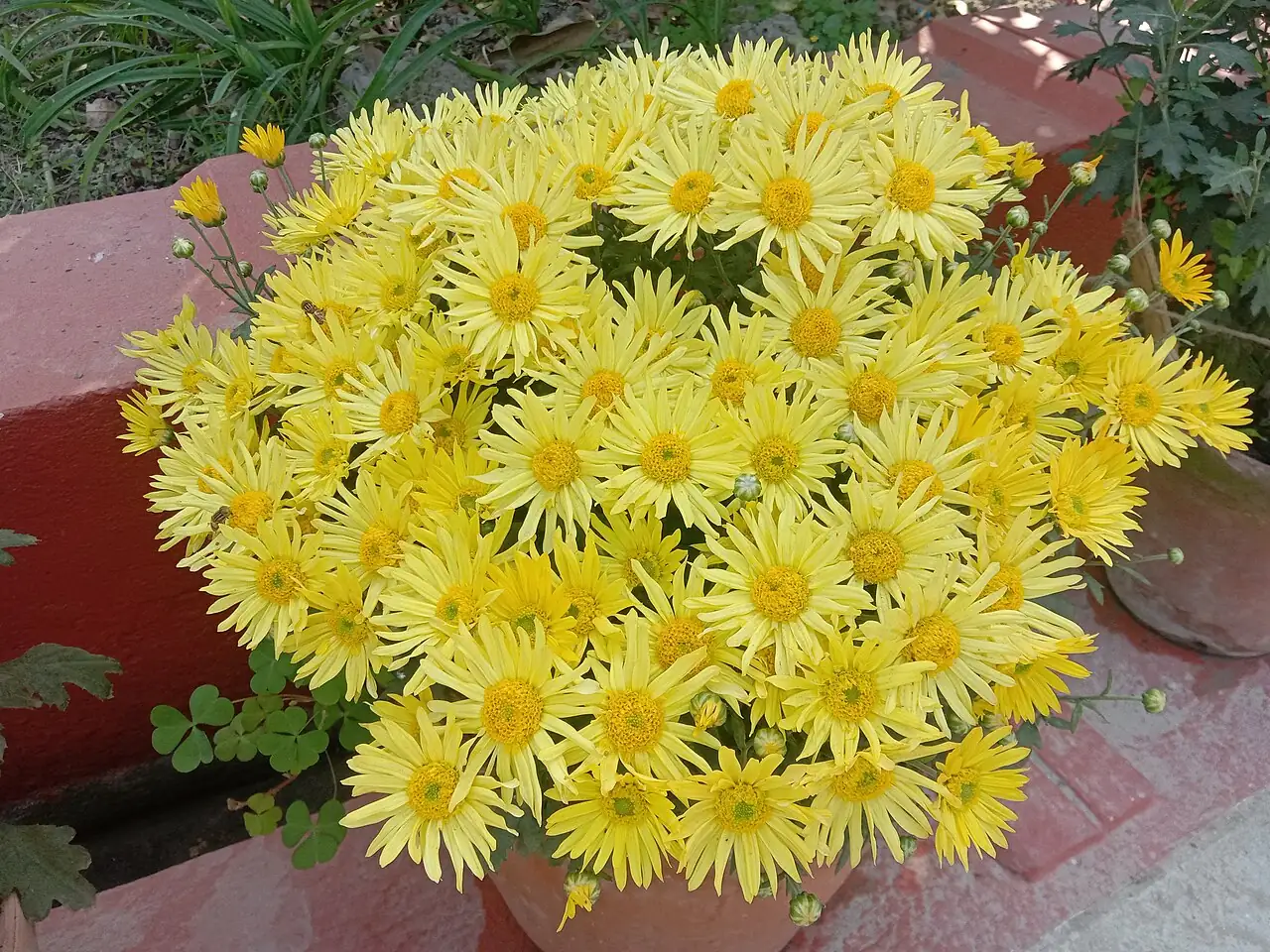
- Flower: Small, yellow, daisy-like flowerheads (capitula), usually carried in loose, branched clusters toward the ends of stems; sometimes forming flatter-topped clusters at the stem tip.
- Flowering Season: June–November
- Growth Habit: Herbaceous perennial; upright to spreading; can naturalize by self-seeding and form informal patches
Environment
Sunlight
Full sun to partial shade (flowers best in full sun)
Temperature
Prefers cool- to warm-temperate conditions; most active growth around 15–30°C (59–86°F)
Humidity
Likes consistently moist conditions and tolerates humid sites
Soil
Adaptable; tolerates saline and alkaline soils. Best in well-drained yet moisture-retentive soil.
Placement
Naturalistic gardens, meadow-style plantings, wildlife-friendly borders, roadsides-style edges, and restoration-style landscapes—especially where a self-seeding, informal groundcover effect is welcome
Hardiness
Cold-hardy perennial in many temperate regions; exact USDA zone varies by local ecotype (generally hardy outdoors where winters are cold but not extreme)
Care Guide
Difficulty
Easy; adaptable and resilient once established
Buying Guide
Pick plants with firm green stems and healthy leaves, avoiding specimens with black spotting or obvious pest infestations. For a naturalistic look, buy multiple plants (or plugs) so it can knit into a patch quickly.
Watering
Keep evenly moist while establishing. After it’s well-rooted, water during prolonged dry spells; don’t let the soil stay bone-dry for extended periods if you want strong growth and flowering.
Fertilization
Usually needs little feeding. If growth is weak, apply a balanced fertilizer in spring following label rates; avoid heavy nitrogen, which can produce lots of leafy growth at the expense of flowers.
Pruning
Deadhead to prolong bloom and to limit unwanted self-seeding. Cut stems back close to ground level after flowering, or in late winter/early spring before new growth starts.
Propagation
Seed (readily self-seeds), division in spring or autumn, and softwood cuttings during the growing season.
Repotting
If grown in containers, repot every 1–2 years into fresh, well-draining mix; divide crowded clumps to keep plants vigorous.
📅 Seasonal Care Calendar
Spring: divide clumps if needed and refresh soil. Summer–Autumn: maintain steady moisture and deadhead for longer bloom. Late Autumn–Winter: cut back after flowering and mulch lightly in colder areas.
Pests, Diseases & Safety
Common Pests & Diseases
Possible pests include aphids, spider mites, thrips, and leaf miners. Powdery mildew and other fungal issues can appear in crowded, poorly ventilated spots. Improve airflow, avoid late-day overhead watering, and remove heavily affected growth.
Toxicity
Chrysanthemum species may cause skin irritation or allergic reactions in sensitive people. If pets chew or ingest it, mild gastrointestinal upset is possible—best kept out of reach of persistent nibblers.
Culture & Symbolism
Symbolism: Often linked with resilience and simple, “wild” beauty; yellow daisy-like blooms are commonly associated with warmth and cheer.
History & Legends: A long-used wild herb in East Asian folk traditions, commonly gathered from the wild where it naturally grows.
Uses: Popular in naturalistic landscaping for a self-seeding, meadow-like effect. Traditionally, the whole plant has been used in herbal practice for “heat-clearing and detoxifying” purposes and is associated in folk use with supporting vision and healthy blood pressure (traditional use; not medical advice).
Fun Facts
- It can flower for months, often from June through November.
- It tolerates challenging habitats, including coastal saline soils and damp riverside areas.
- Because it self-seeds readily, it’s wonderful for meadow gardens—but deadheading helps prevent it from spreading more than you planned.


