Plant Features
- Size:20–60 cm (8–24 in) tall; typically 20–45 cm (8–18 in) wide
- Foliage: Leaves are softly hairy, giving the plant a slightly fuzzy feel. Lower leaves are spoon-shaped to inversely lance-shaped with wavy margins, blunt teeth, and occasional shallow lobes; upper leaves are narrower and more lance-like to spoon-shaped.
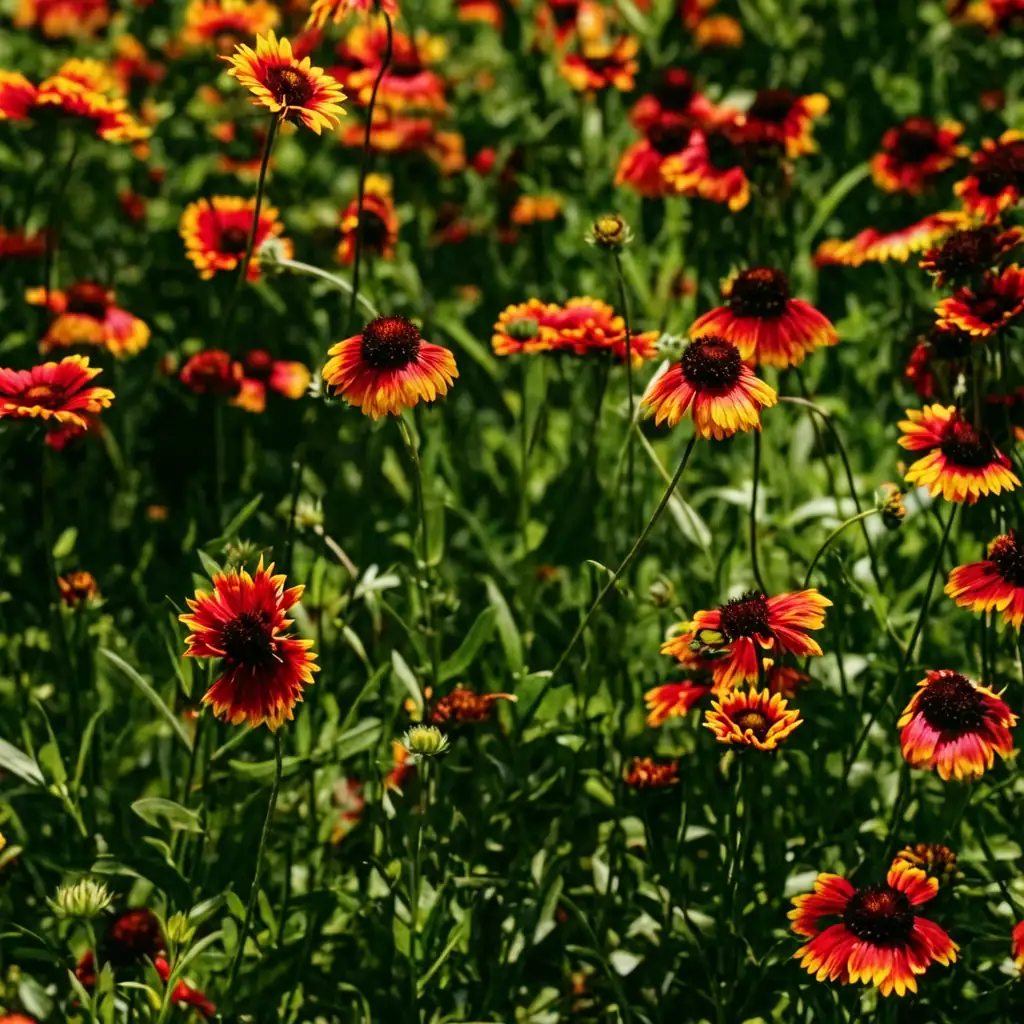
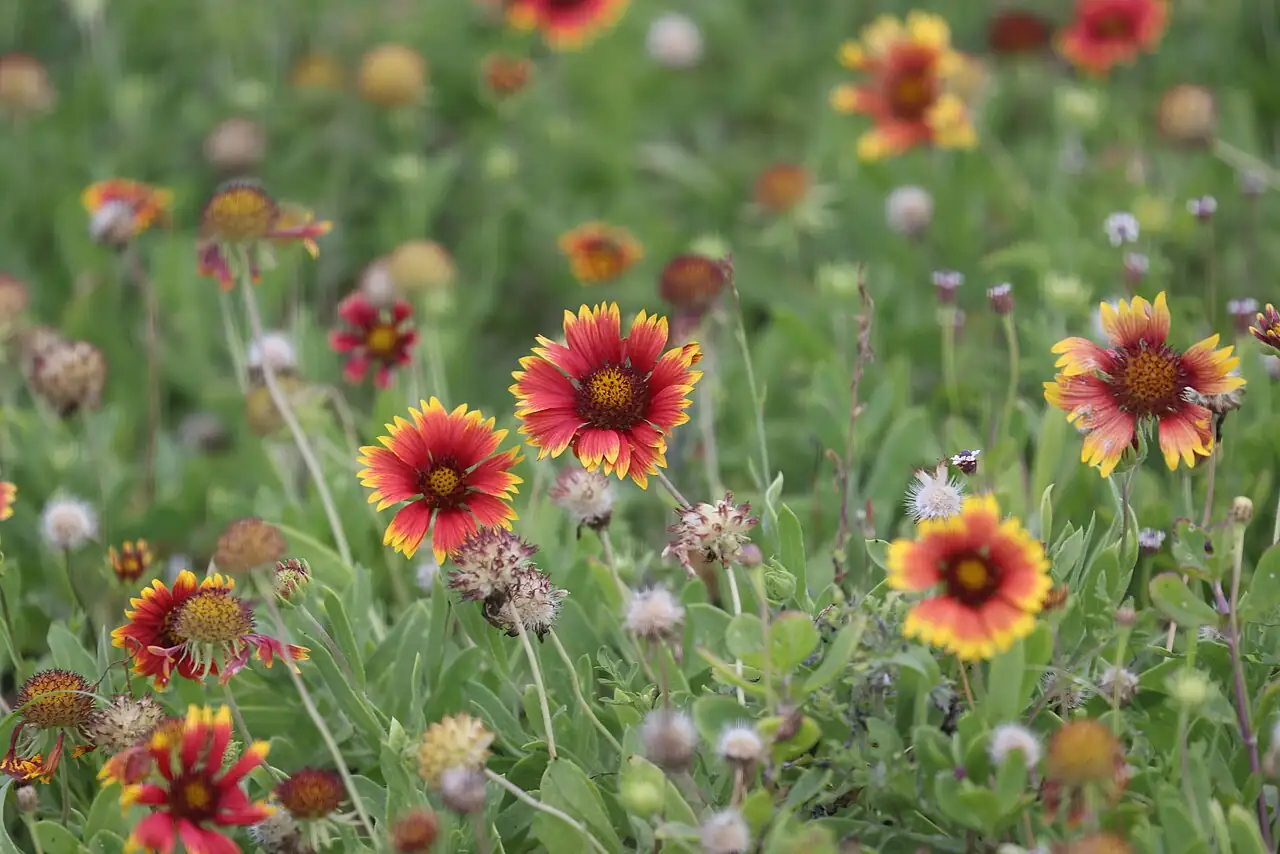
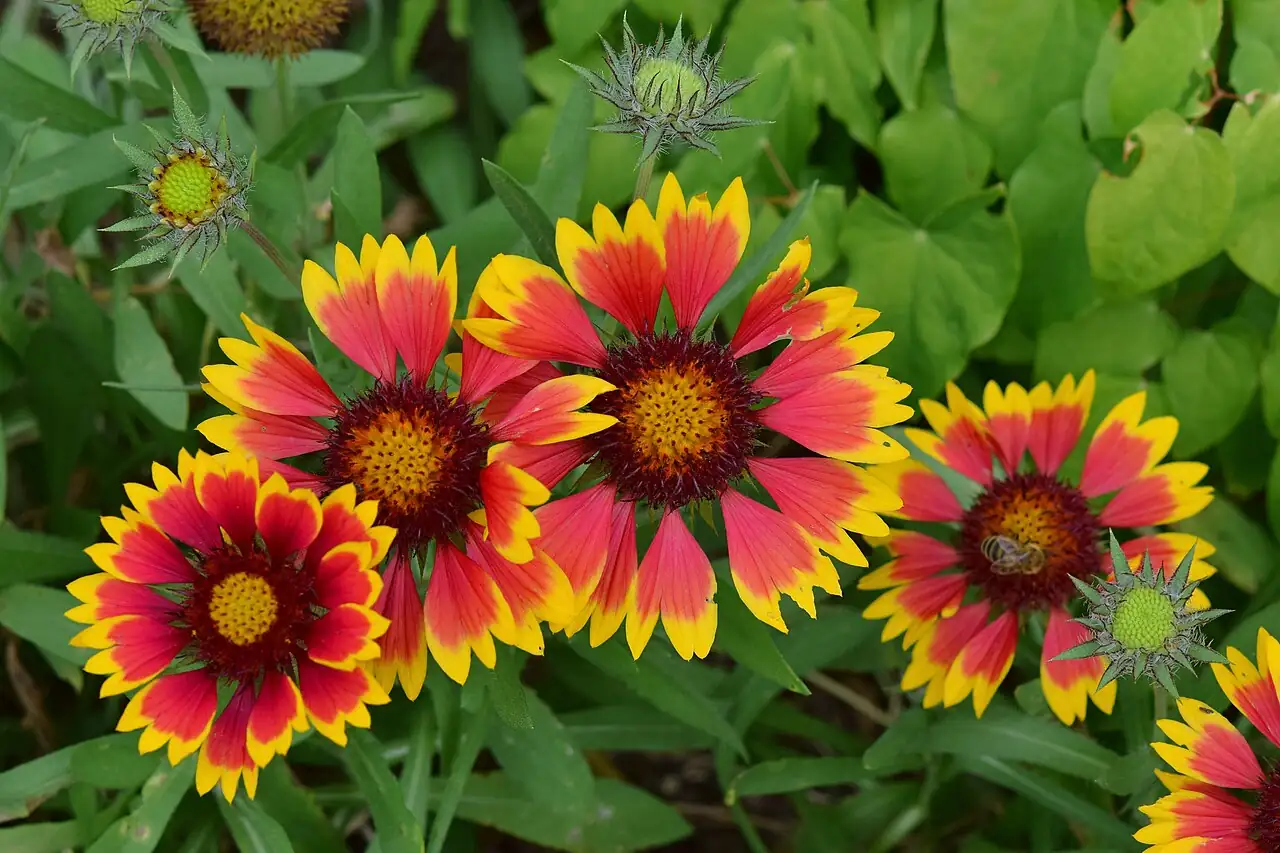
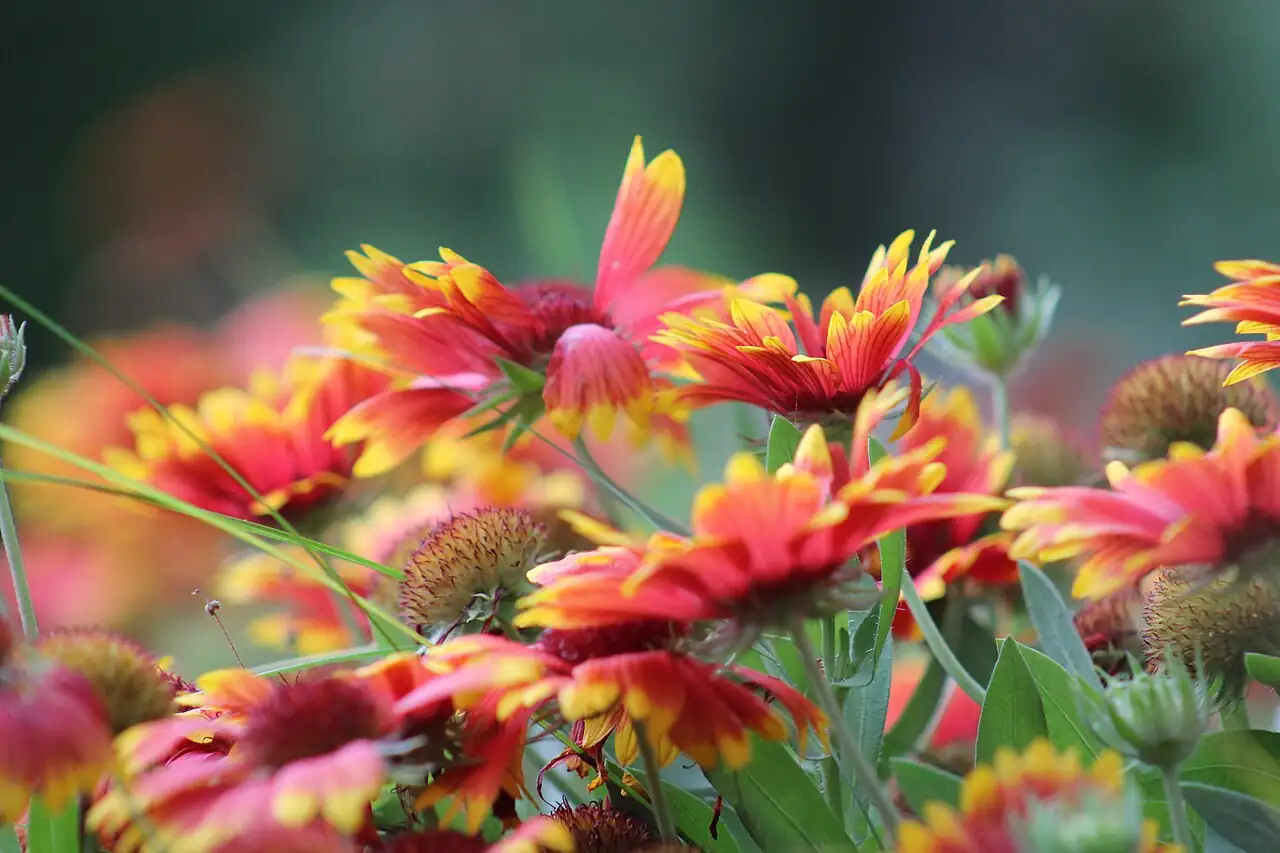
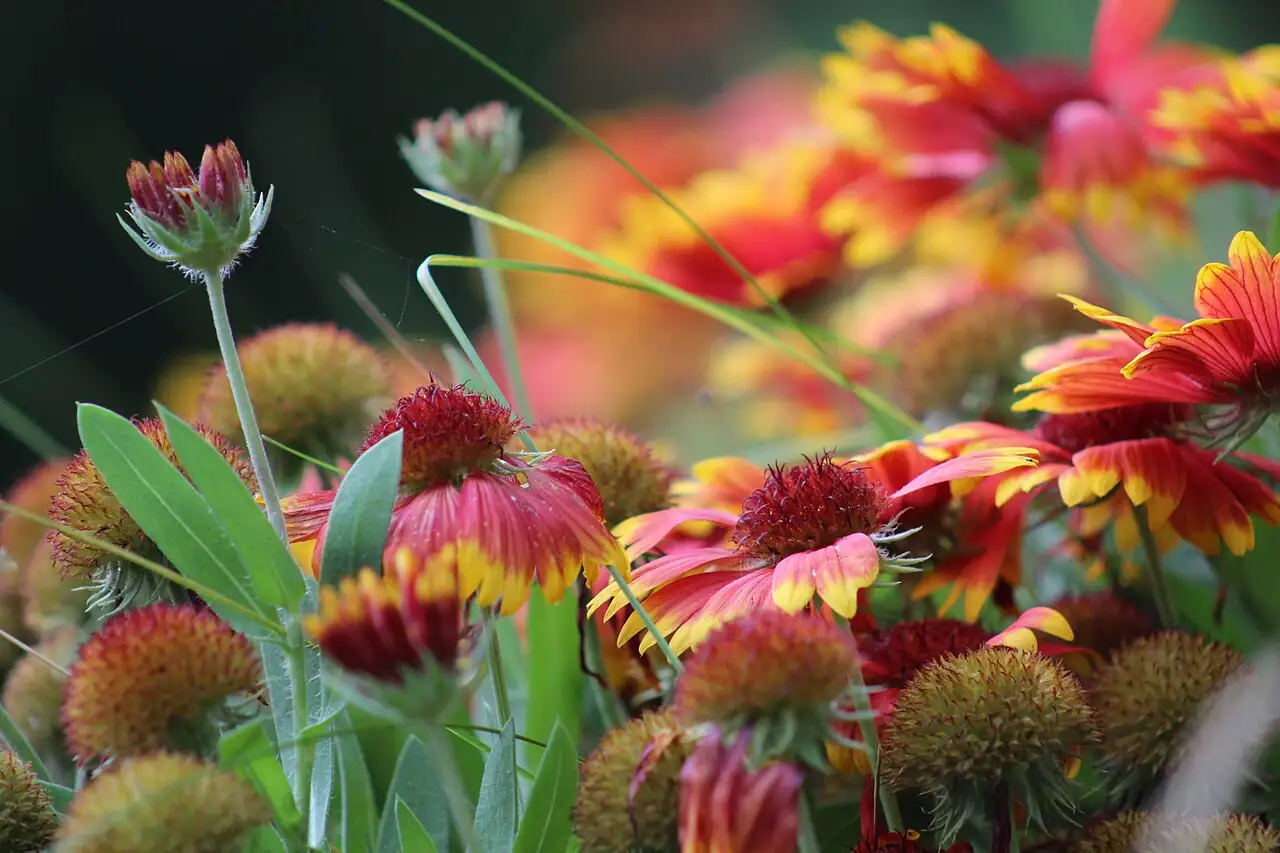
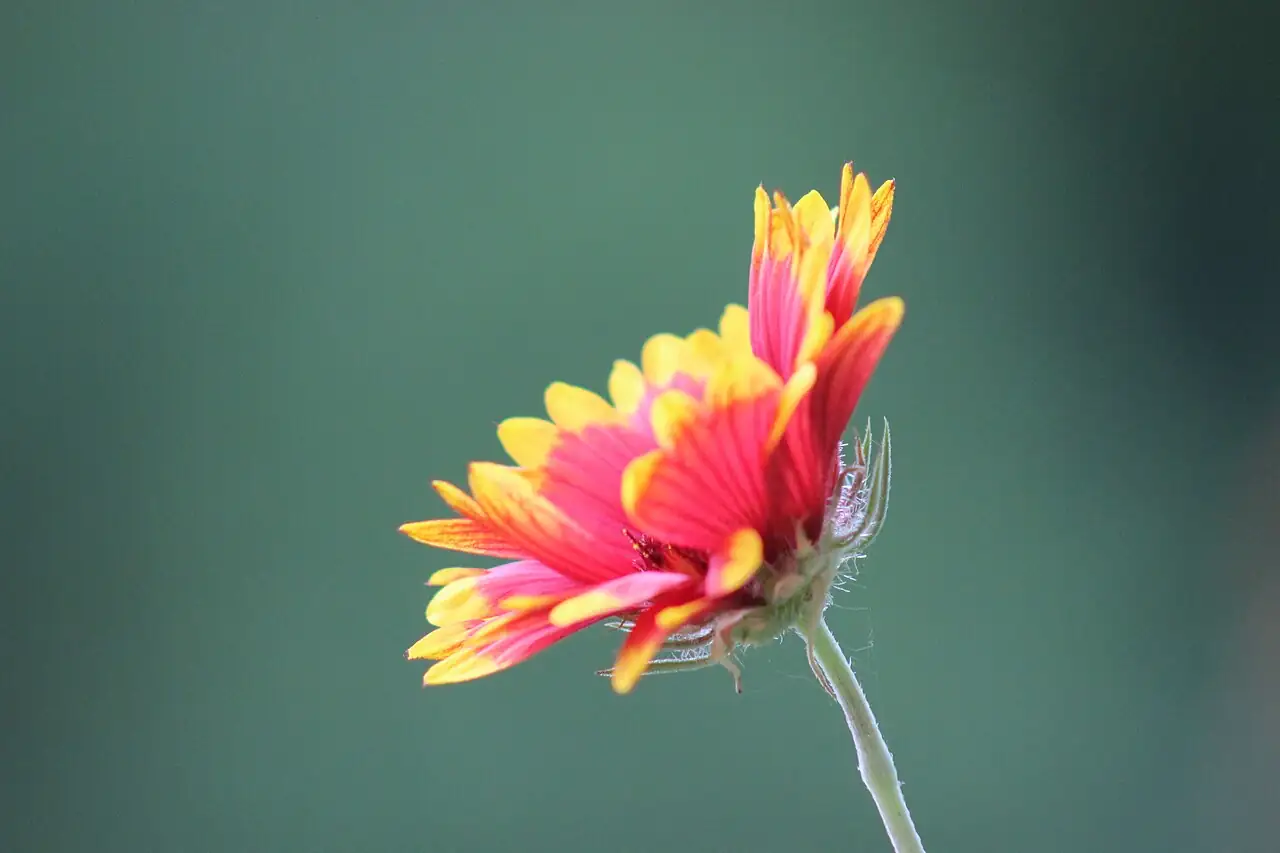
- Flower: Produces classic daisy-like flower heads with broad, wedge-shaped ray florets. The rays are typically yellow toward the tips and marked red to purplish near the base. After flowering, it forms dry achenes (seeds), often with noticeable hairs near the base.
- Flowering Season: June–August (often longer in warm climates)
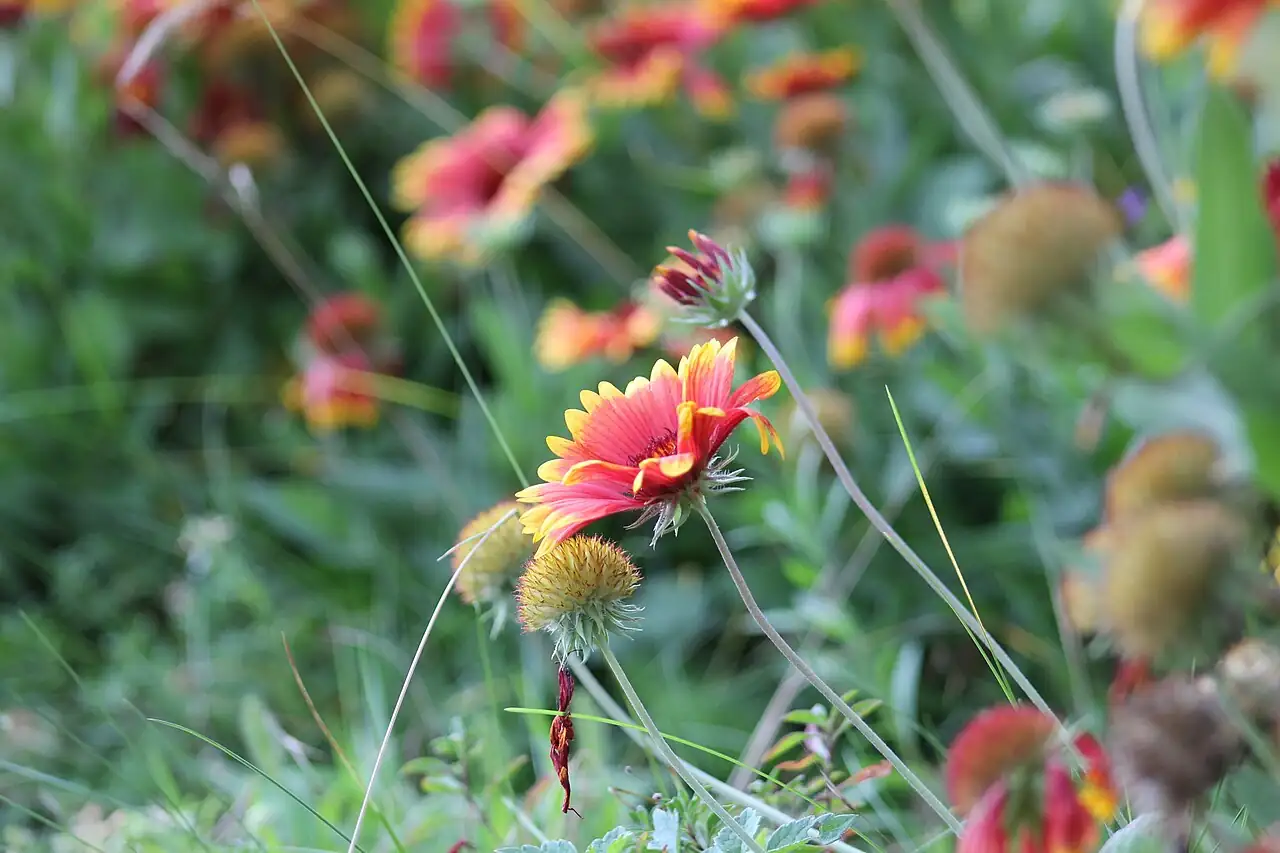
- Growth Habit: An upright to bushy annual herb with many ascending branches, especially from the upper stem. Stems are short-hairy and may show a rust-tinted cast.
Environment
Sunlight
Full sun for best flowering; tolerates light partial shade
Temperature
Prefers warmth; best growth around 20–30°C (68–86°F). Frost-tender and can be damaged below 0°C (32°F).
Humidity
Adaptable and comfortable in average to dry air; doesn’t require high humidity and performs well in drier conditions once established.
Soil
Must have good drainage. Happy in sandy or average garden soil; avoid heavy clay and waterlogged sites.
Placement
Sunny garden beds and borders, rock gardens, containers, and wildflower/pollinator plantings
Hardiness
Typically grown as an annual; frost-tender. Commonly treated as an annual across USDA Zones 2–11, with overwintering only possible in very mild-winter areas.
Care Guide
Difficulty
Easy. This is a low-maintenance annual that rewards basic care—sun, drainage, and a little tidying—with lots of flowers.
Buying Guide
Pick stocky, compact plants with sturdy branching and fresh green leaves. Skip leggy seedlings, root-bound pots, or plants showing spots/mildew. Choosing plants with buds (rather than mostly finished blooms) helps them settle in and perform quickly.
Watering
Water regularly until established. After that, let the top 2–5 cm (1–2 in) of soil dry between waterings. It tolerates drought well, but blooms best with occasional deep watering during hot, dry stretches.
Fertilization
Light feeder. Incorporate a small amount of balanced slow-release fertilizer at planting, or feed monthly at half strength during active growth. Avoid heavy nitrogen, which can push leafy growth at the expense of flowers.
Pruning
Deadhead spent flower heads to keep plants neat and encourage continuous blooming. A light trim can also help maintain a compact, bushier shape.
Propagation
Usually grown from seed. Direct sow outdoors after the last frost, or start indoors 6–8 weeks before the last frost. Transplant once nights are reliably above about 10°C (50°F).
Repotting
For container growing, use a well-draining mix and pots with drainage holes. Pot up seedlings when roots fill their starter cells, and transplant gently to avoid excessive root disturbance.
📅 Seasonal Care Calendar
Spring: sow or transplant into full sun with well-drained soil. Summer: deadhead often; water during prolonged drought; keep good airflow. Autumn: let a few seed heads mature for self-seeding if desired; remove plants after frost.
Pests, Diseases & Safety
Common Pests & Diseases
Usually trouble-free. Watch for aphids and spider mites; leaf spots or powdery mildew may appear in crowded, humid conditions. Give plants space, improve airflow, water at the soil line, and remove badly affected leaves.
Toxicity
Not commonly listed as toxic, but the hairy foliage may irritate sensitive skin. As a precaution, discourage pets from chewing and seek veterinary advice if ingestion causes symptoms.
Culture & Symbolism
Symbolism: Cheerful color, warmth, and “summer resilience”—a bright little reminder to keep blooming through heat and dry spells.
History & Legends: A familiar wildflower across parts of North America and a long-time favorite in cottage-style and pollinator-friendly gardens, prized for its bold color and long flowering season.
Uses: Primarily ornamental: excellent for beds, borders, pots, rock gardens, and wildflower mixes. Also valuable for supporting pollinators like bees and butterflies.
FAQ
What is the scientific name?
Gaillardia pulchella.
What is the Chinese name?
Tianrenju.
Which family and genus does it belong to?
Family: Asteraceae; Genus: Gaillardia.
Does it need full sun?
Full sun is best for abundant blooms, though it can handle light partial shade.
When does it flower?
Usually June–August, and it can bloom longer in warm conditions—especially if you deadhead regularly.
How tall does it grow?
Typically 20–60 cm (8–24 in) tall.
Is it drought tolerant?
Yes. Once established it tolerates dry spells, but flowering improves with occasional deep watering during very hot weather.
Fun Facts
- The name “Indian blanket” comes from the bold, banded colors that resemble patterned textiles.
- It’s a reliable pick for low-water, hot-summer gardens compared with many other annuals.
- If you leave a few seed heads to mature, it may self-seed in suitable spots.