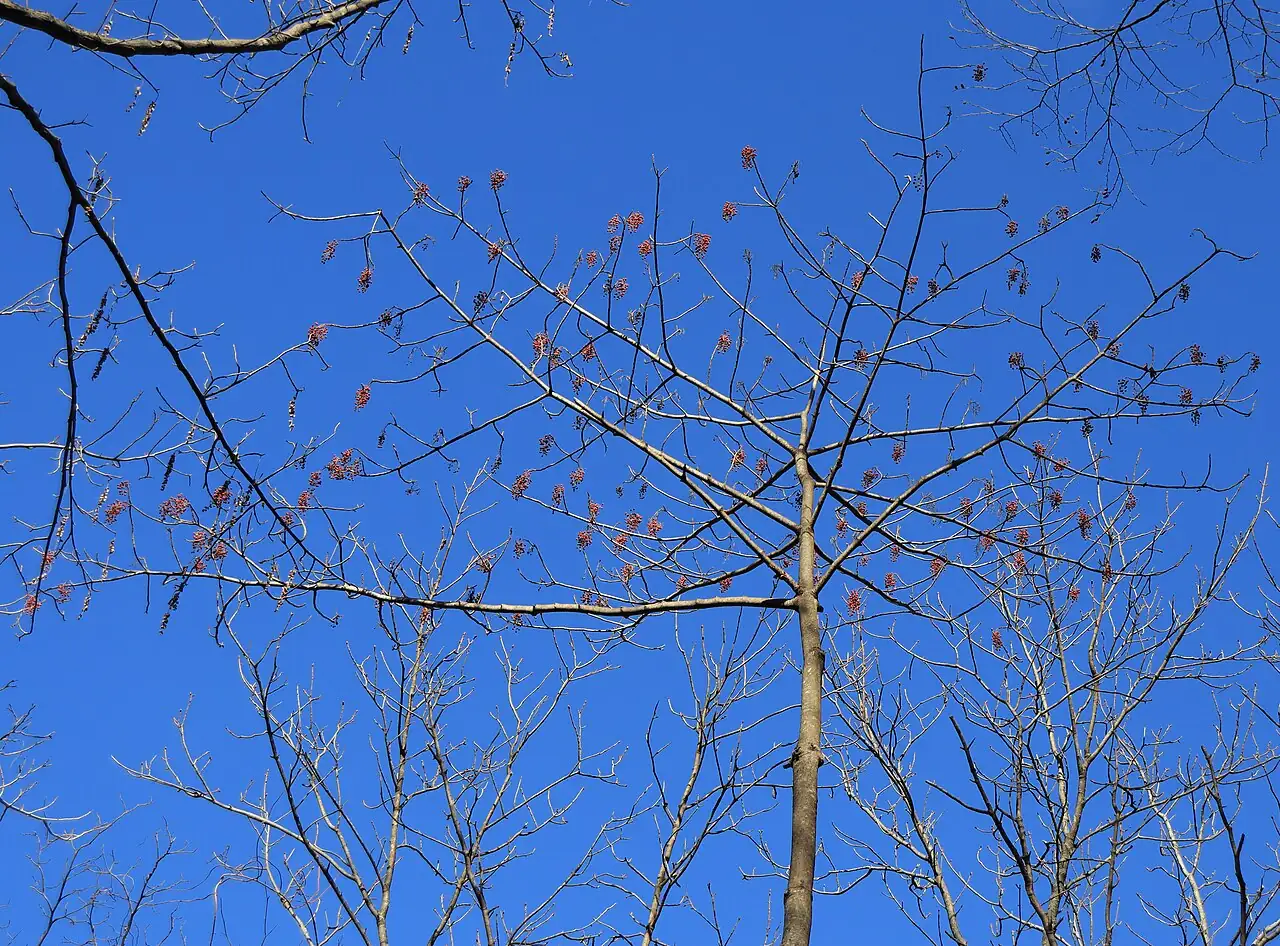
Plant Features
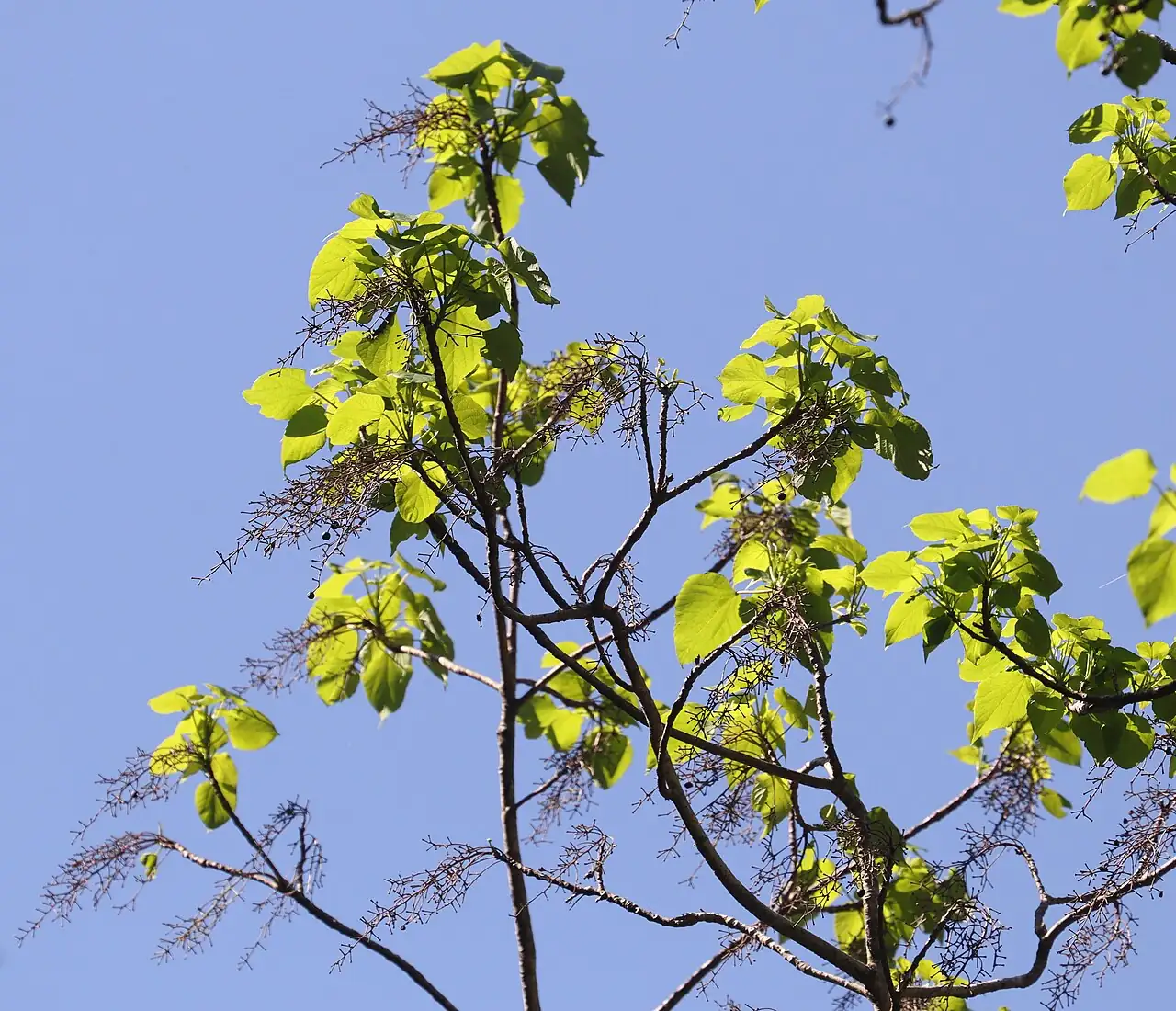
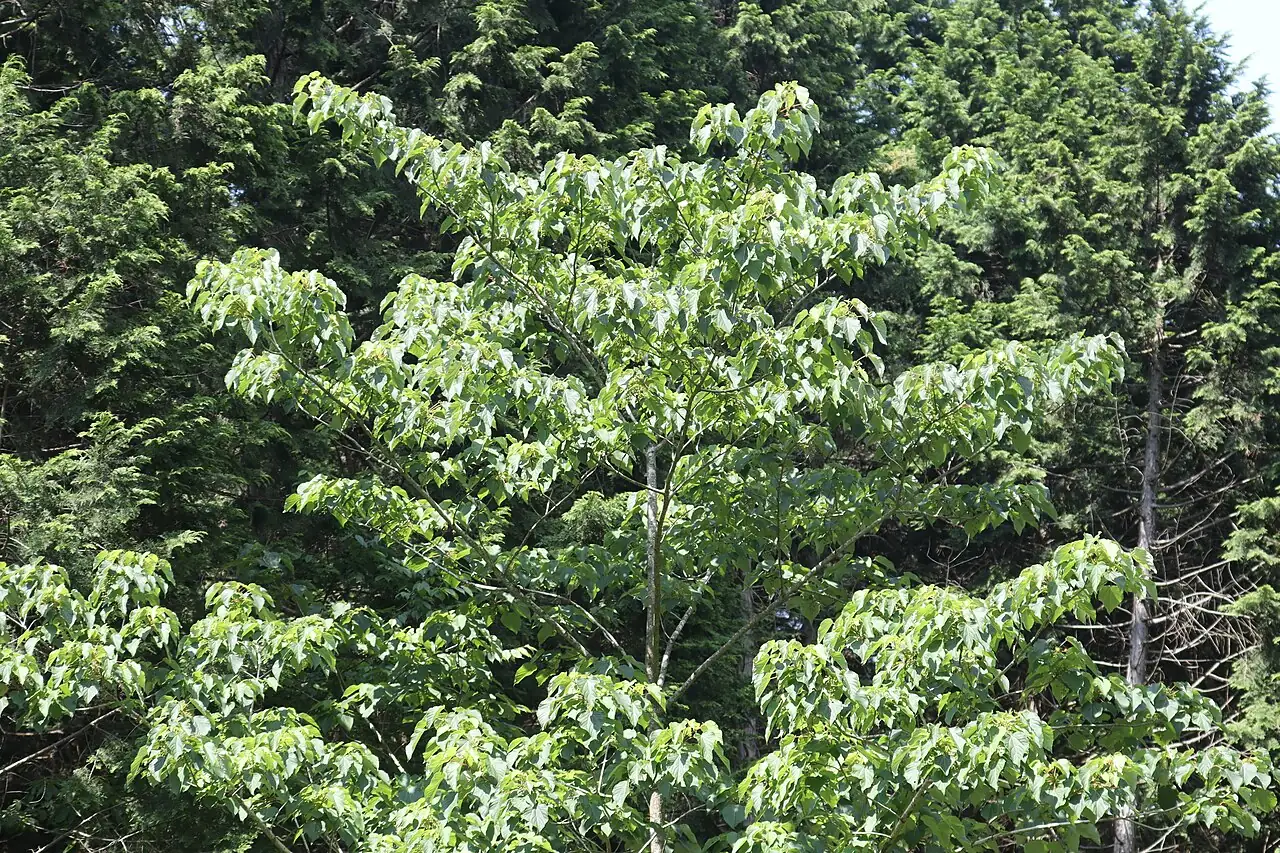
- Size: Typically 8–21 m (26–69 ft) tall, forming an elongated, oval crown.
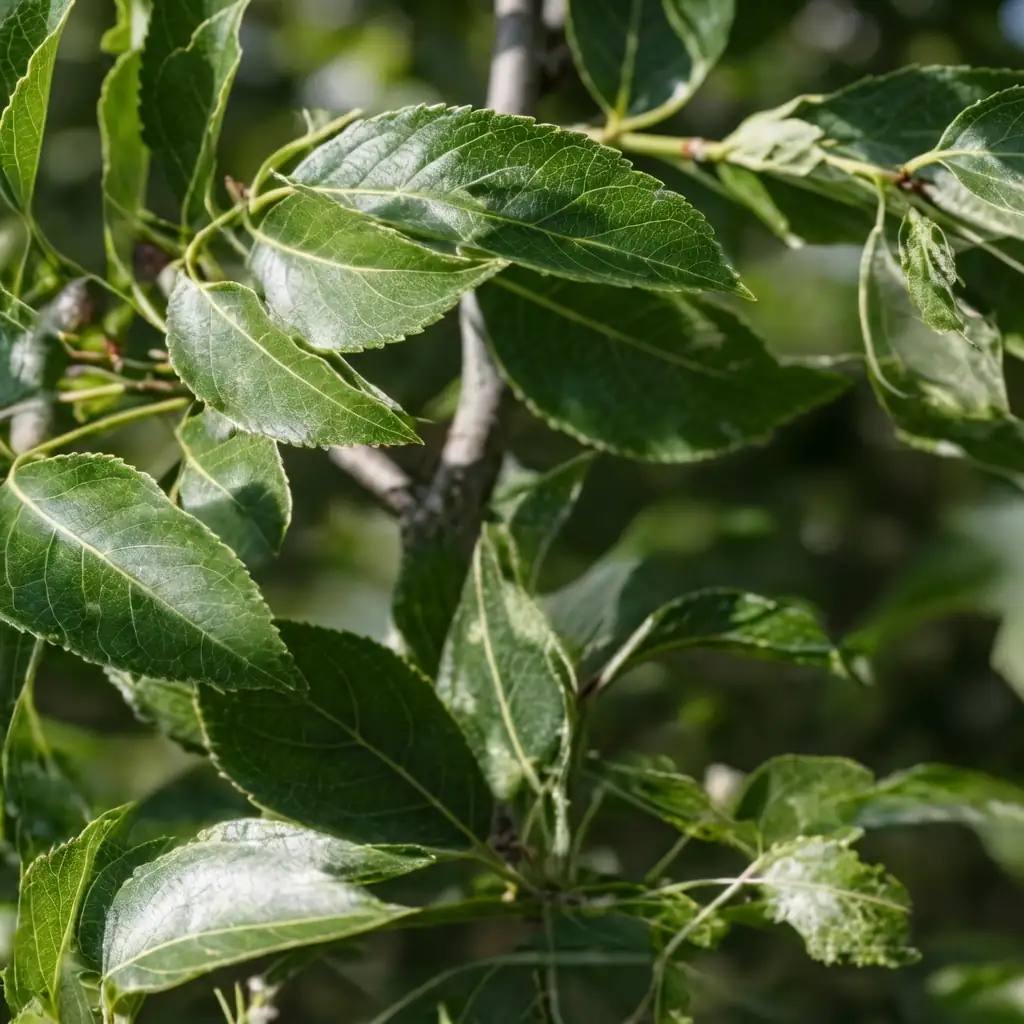
- Foliage: Leaves are thin-leathery to thick papery, broadly ovate to heart-shaped. Fresh growth can show a purplish-green cast with fine pale hairs. Winter buds are softly hairy and protected by several scale-like bud scales.
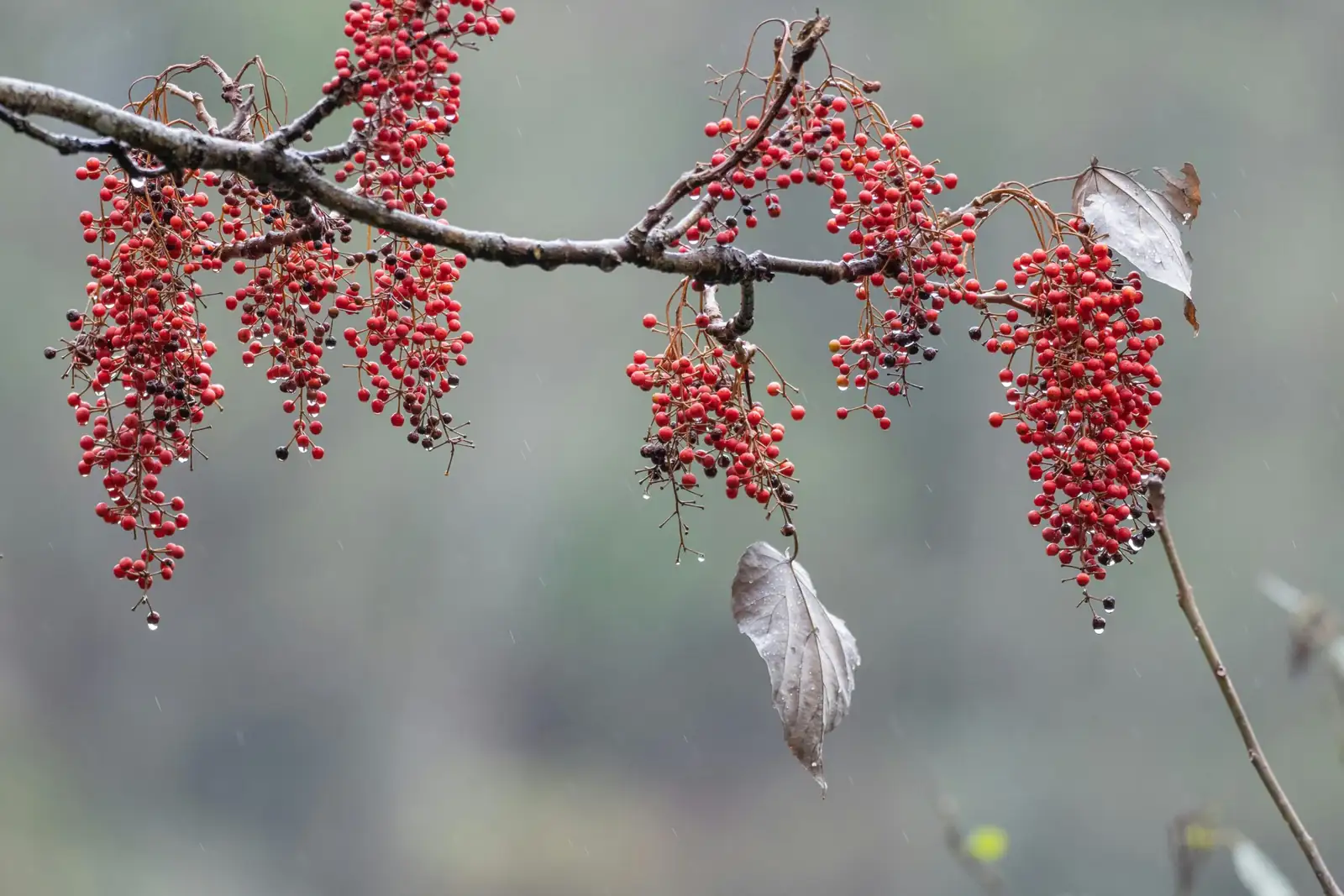
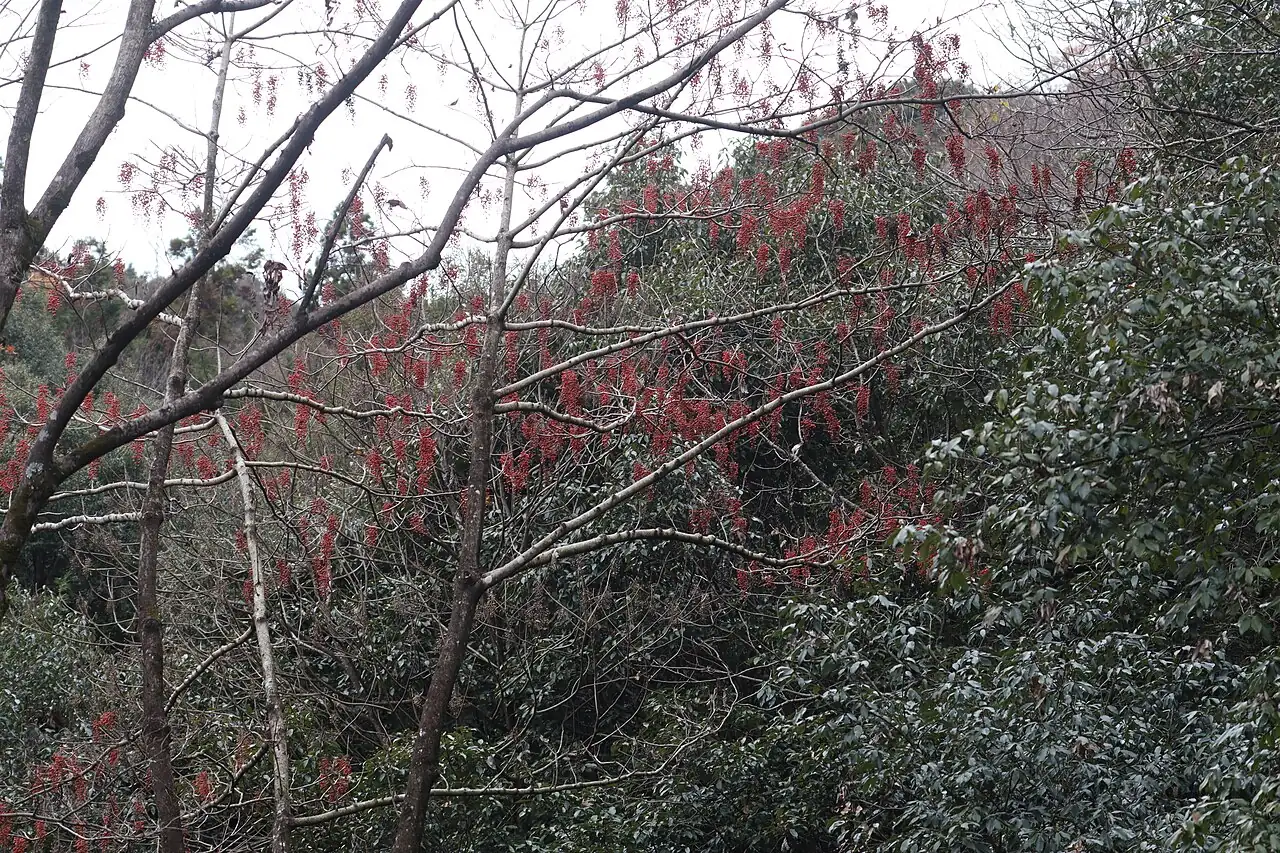
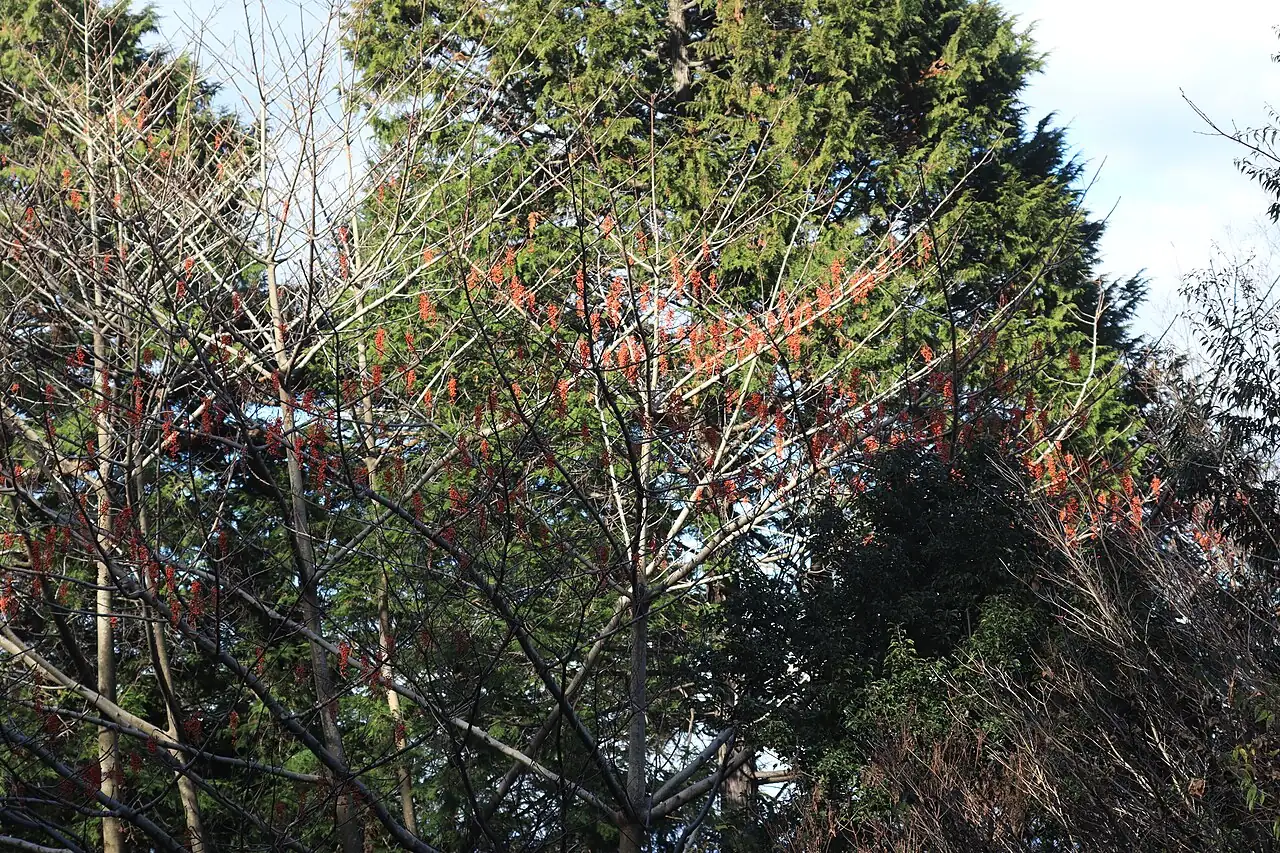
- Flower: In spring it produces small, greenish flowers. Afterward, flattened, round berries develop and ripen to purple-red, hanging in conspicuous clusters. Seeds are round and reddish-brown, and are known to be oil-rich.
- Flowering Season: April–May (spring)
- Growth Habit: A deciduous, upright tree with smooth, pale gray bark that is typically not fissured. Branchlets are slender (and can be somewhat brittle) with visible lenticels. It performs poorly on very dry, thin, or infertile mountain soils.
Environment
Sunlight
Full sun; not shade-tolerant.
Temperature
Once established, it can tolerate winter lows to about -14°C (7°F). Young trees are more vulnerable in very exposed sites.
Humidity
Prefers consistently moist conditions (not waterlogged). Prolonged dryness can reduce vigor and fruit display.
Soil
Deep, fertile, loose soil that drains well yet holds moisture. Tolerates slightly acidic to slightly alkaline soils.
Placement
Best outdoors in open, sunny settings—parks, streets, and large gardens. Also suitable for low-mountain reforestation and fast-growing mixed forest/economic forest plantings where soil moisture is reliable.
Hardiness
Cold hardy to around -14°C (7°F). Avoid deep shade and exposed, drought-prone planting sites.
Care Guide
Difficulty
Moderate (outdoors). It’s fairly adaptable, but it truly needs full sun plus reasonably deep, fertile, moisture-retentive soil. Growth becomes weak on dry, shallow, or nutrient-poor sites. Cold tolerant to about -14°C (7°F) once established.
Buying Guide
Pick a healthy young tree with a straight central leader, intact bark, and no dieback. Avoid pot-bound plants and any specimen with dry, brittle twigs or sparse buds.
Watering
Water deeply while establishing and during dry spells. Aim for evenly moist soil—especially in summer—without waterlogging. Drought stress often shows up as reduced vigor and a less impressive fruit show.
Fertilization
In spring, use a balanced slow-release fertilizer or top-dress with compost. Don’t overdo nitrogen; too much can encourage soft, leafy growth at the expense of flowering and fruiting.
Pruning
Prune in late winter to early spring. Remove dead, damaged, or crossing branches and maintain a sturdy framework. Keep pruning light so you preserve its natural shape and fruiting wood.
Propagation
Most commonly grown from seed. Clean seeds from ripe fruit and sow after cold stratification; winter chilling typically improves germination.
Repotting
Not ideal as a long-term container plant. If started in a pot, up-pot in early spring and plant out once established to prevent root restriction.
📅 Seasonal Care Calendar
Spring (Apr–May / 4–20°C [39–68°F]): flowering; begin feeding and regular watering as growth starts. Summer: keep moisture steady; mulch to reduce drought stress. Autumn: enjoy the fruit display; collect ripe fruit for seed. Winter: dormant; shelter young trees from severe exposure and prune before budbreak.
Pests, Diseases & Safety
Common Pests & Diseases
No specific problems were noted in the source. In general, watch for aphids, scale, and leaf-spot diseases. Encourage airflow, avoid chronic overwatering, and remove badly affected material.
Toxicity
No confirmed toxicity details were provided. As a precaution, discourage pets and children from eating the fruits or seeds unless you have reliable, species-specific edibility confirmation.
Culture & Symbolism
Uses: Planted as a landscape ornamental for its attractive crown and long fruit clusters. Also used in fast-growing mixed upland forests and economic forestry; the oil-rich fruits and seeds add potential value beyond ornament.
FAQ
Why does my Idesia grow poorly on a hillside site?
It often struggles on very dry, shallow, or infertile soils. Improve soil depth and fertility where possible, mulch to conserve moisture, and water during dry periods—especially while the tree is establishing.
Does Idesia tolerate shade?
Not well. It performs best in full sun; heavy shade commonly leads to weak growth and reduced flowering/fruiting.
How cold hardy is Idesia polycarpa?
Established trees can tolerate about -14°C (7°F). Young trees may need a more sheltered spot if winters are harsh or winds are severe.
Fun Facts
- Both the fruits and seeds are rich in oil, giving the species value beyond its ornamental looks.
- Its berries often ripen to a striking purple-red and hang in long, decorative clusters.
- It’s used for fast-growing mixed forest plantings in mountainous regions—so long as the site isn’t droughty.
- Despite being fairly cold-tolerant, it’s notably intolerant of shade.