Plant Features
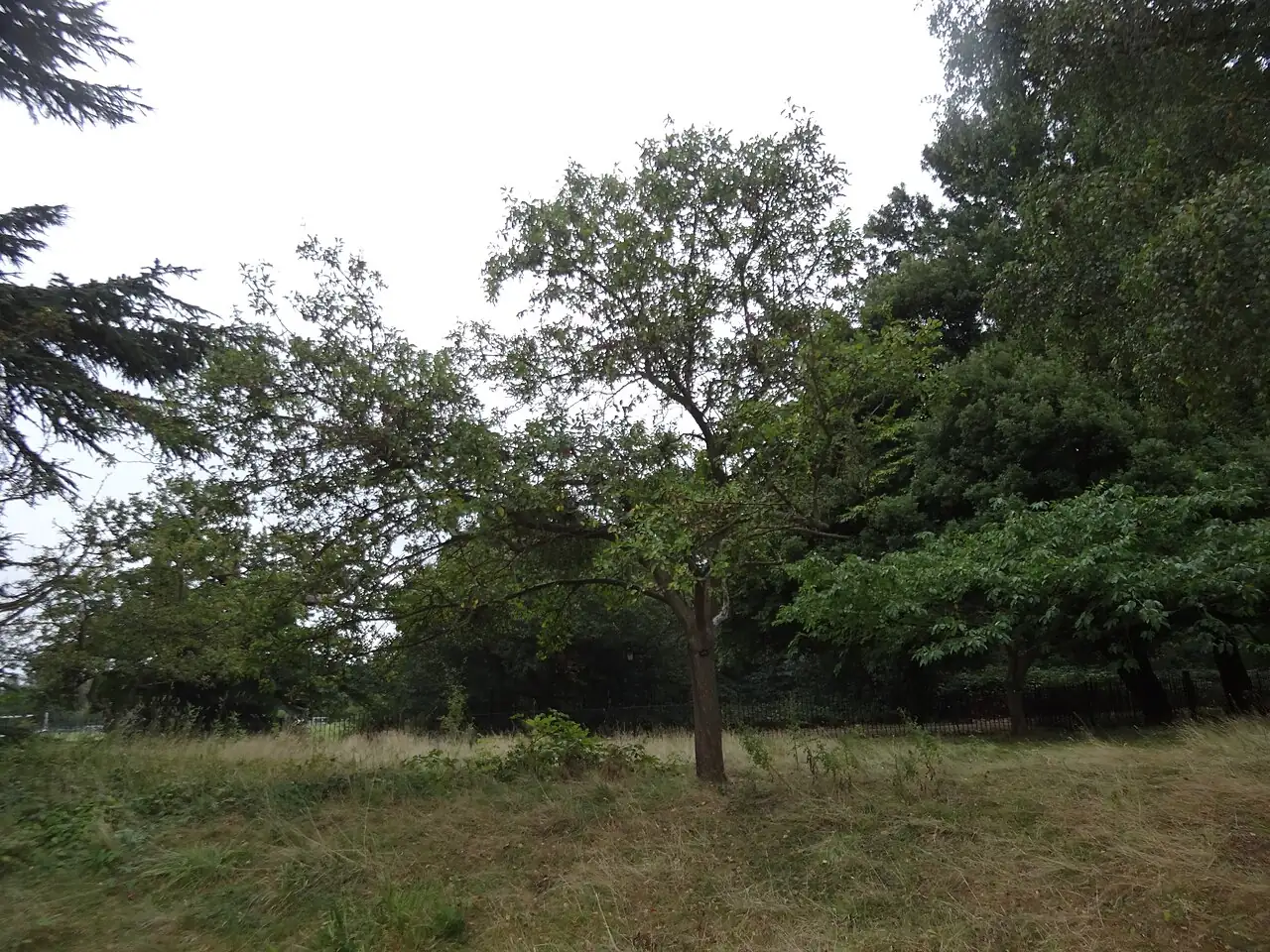
- Size: Up to 8 m (26 ft) tall; typically a small to medium deciduous tree.
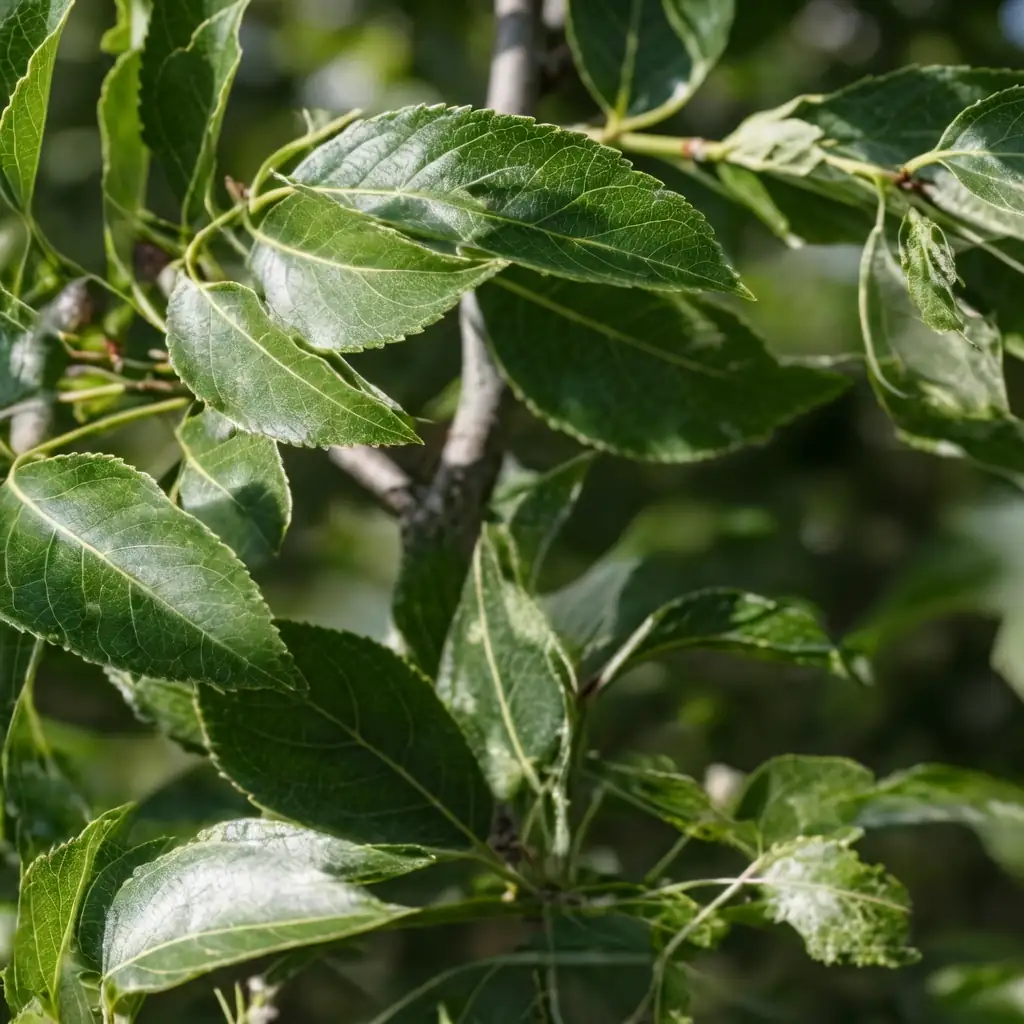
- Foliage: A deciduous tree with young twigs that may be briefly covered in fine short hairs, which soon wear off. Older branches often look purplish to purple-brown. Winter buds are egg-shaped with a sharply pointed tip; bud-scale edges can have sparse short hairs and are typically dark purple.
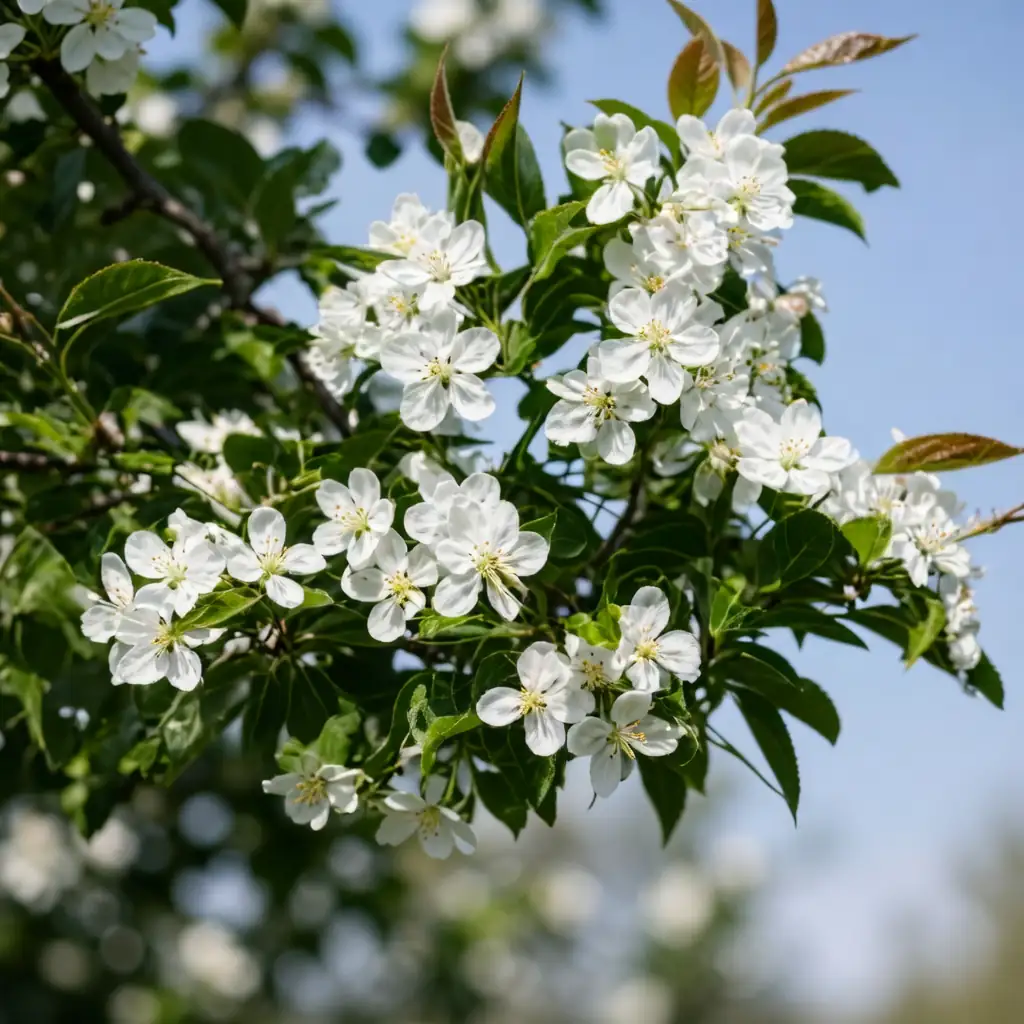
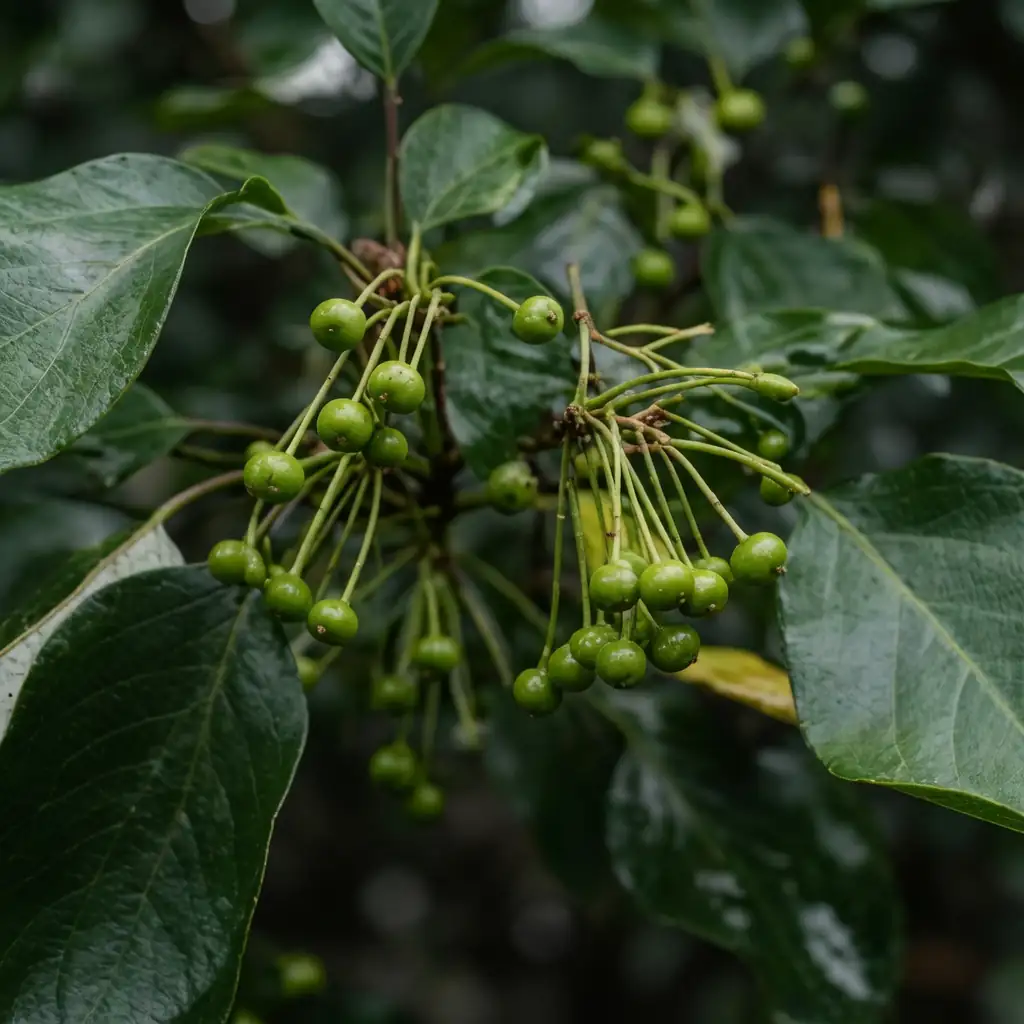
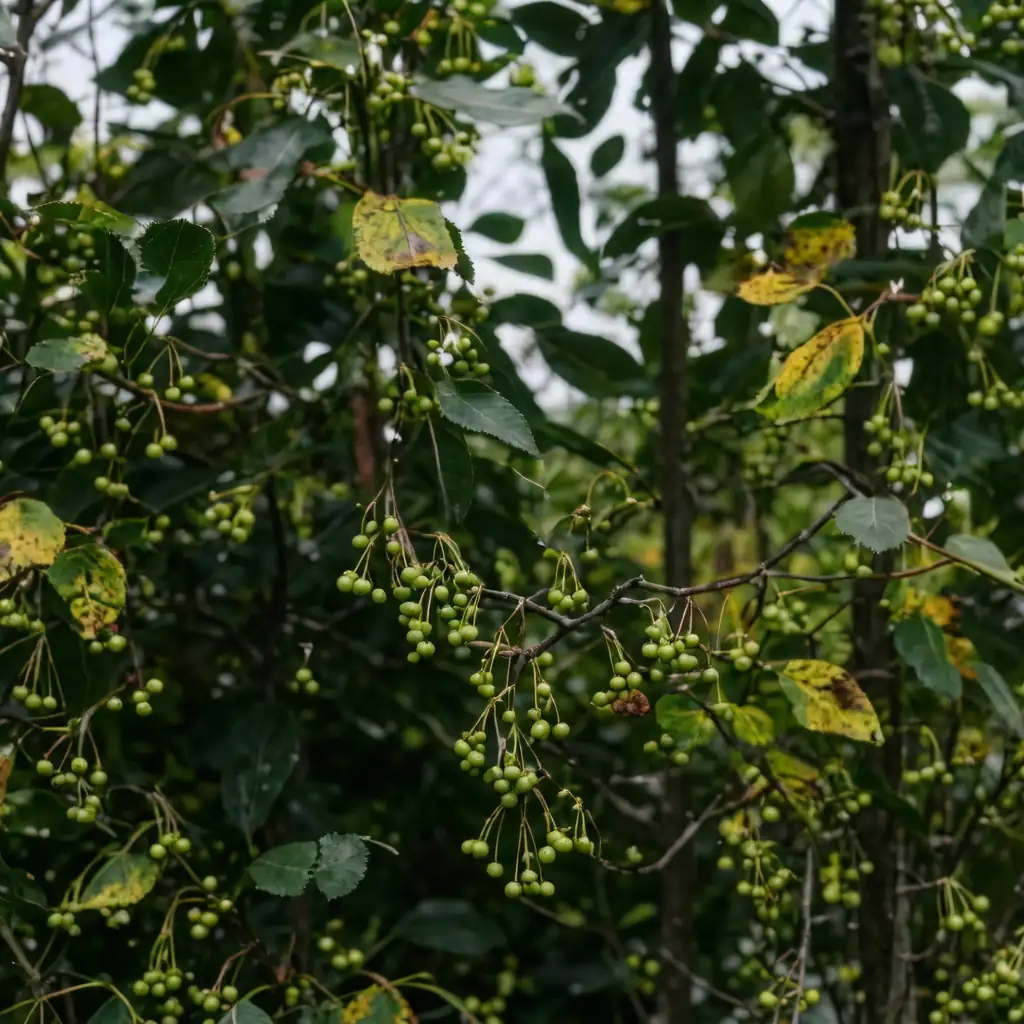
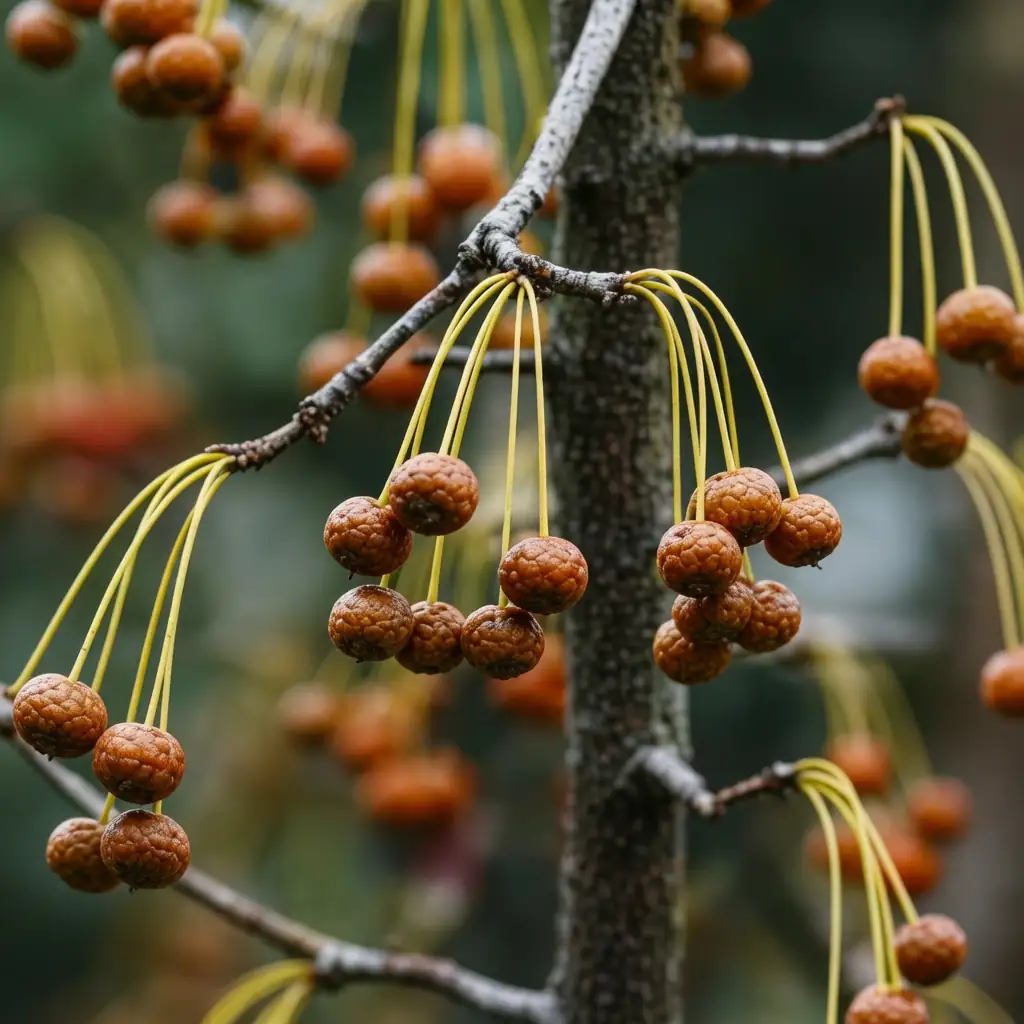
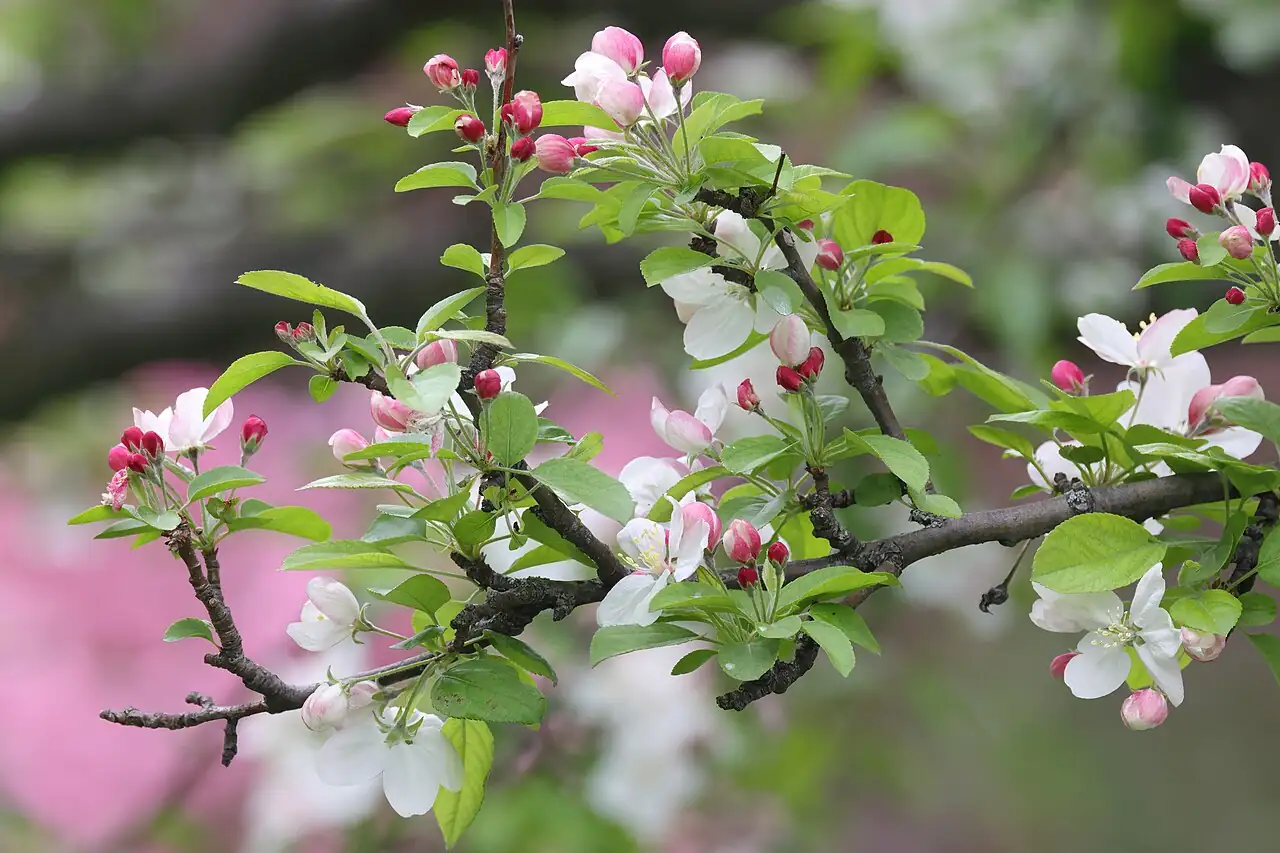
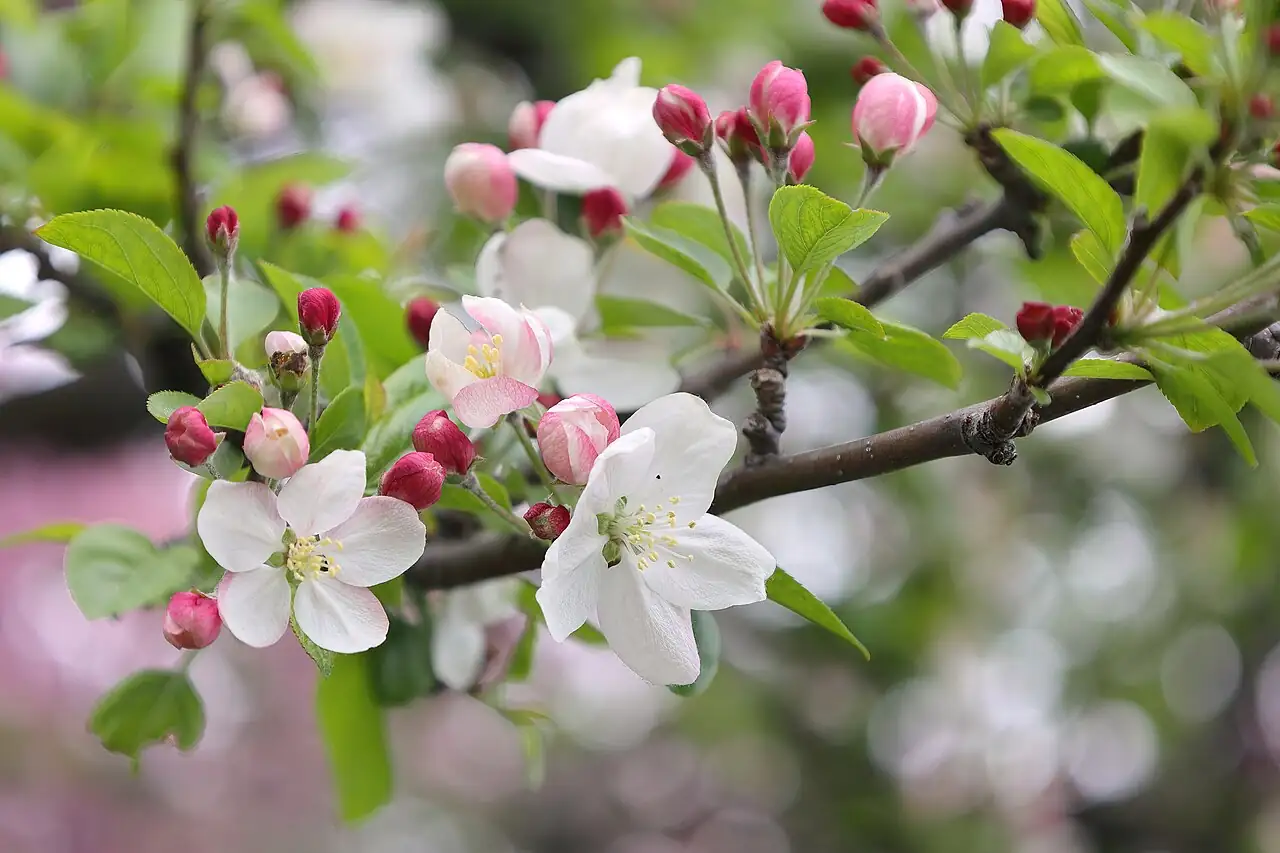
- Flower: Blooms in spring (typically April–May). After flowering, it forms small crabapples that are oval to nearly round, about 1 cm (0.4 in) in diameter. Fruits are usually yellow-green and may show a slight red blush; sepals fall away. Fruit stalks are about 2–4 cm (0.8–1.6 in) long.
- Flowering Season: April–May
- Growth Habit: Deciduous, upright tree; readily produces basal shoots (strong suckering), which can create a thicketed look unless managed.
Environment
Sunlight
Full sun for best flowering; tolerates light shade but bloom and vigor are strongest with bright, open light.
Temperature
Prefers warm, humid growing seasons but is notably cold-tolerant; reported to withstand down to about -21°C (-6°F).
Humidity
Likes moderate humidity and steady moisture while establishing; becomes adaptable once settled in.
Soil
Performs best in deep, fertile, well-drained loam. Tolerates slightly acidic to neutral soils around pH 5.5–7.0; avoid chronically waterlogged sites.
Placement
Outdoors in an open, sunny spot with room for the canopy—ideal for gardens, parks, courtyards, and street/tree-lawn plantings.
Hardiness
Reported cold tolerance to about -21°C (-6°F). Approximate USDA hardiness: Zone 5–8. Also moderately tolerant of drought, periodic wetness, and some salinity compared with many ornamentals.
Care Guide
Difficulty
Easy to moderate: adaptable, resilient, and forgiving once established, with strong cold tolerance (to about -21°C / -6°F). The main “work” is optional—managing suckers and keeping airflow good to reduce disease pressure.
Buying Guide
Look for a plant with clean bark and healthy buds, no cankers or dieback, and no heavy pest load. If you want a classic tree shape, choose one with a straight central leader and well-spaced branches. Avoid severely root-bound plants in containers.
Watering
Water deeply after planting and keep evenly moist through the first growing season. After establishment, water during prolonged drought. Avoid keeping the soil constantly soggy, which can stress roots and increase disease risk.
Fertilization
Feed in early spring with a balanced slow-release fertilizer or top-dress with compost. Go easy on high nitrogen—too much can push soft leafy growth at the expense of flowers and can increase disease susceptibility.
Pruning
Prune in late winter to early spring while dormant. Remove dead, rubbing, or crowded branches to keep an open, airy canopy. Remove basal suckers if you prefer a single-stem tree form (leave some if you want a more natural, multi-stem look).
Propagation
Most commonly propagated by seed (typically needing cold stratification) or by grafting/budding onto Malus rootstocks for consistent performance. Semi-hardwood cuttings may work but are less commonly relied upon for uniform results.
Repotting
Usually planted in the ground. For container-grown young trees, pot up in early spring into a well-drained, loam-based mix and plant out once the root system fills the pot.
📅 Seasonal Care Calendar
Spring: enjoy bloom; feed lightly and keep new plantings evenly moist. Summer: water during heat/drought; monitor for pests and common crabapple diseases. Autumn: enjoy the fruit display; clean up fallen leaves/fruit to reduce overwintering disease. Winter: prune while dormant; in colder areas, protect young trunks from sunscald if needed.
Pests, Diseases & Safety
Common Pests & Diseases
May encounter aphids, scale, caterpillars, and spider mites. Disease issues can include apple scab, powdery mildew, fire blight, and rust depending on local conditions. Best prevention: prune for airflow, avoid overhead watering, and remove infected leaves and fallen debris to reduce carryover.
Toxicity
Generally considered non-toxic to people and pets. As with many Malus, the seeds contain small amounts of compounds that can release cyanide if crushed and eaten in large quantities—so don’t let kids or pets snack on the seeds.
Culture & Symbolism
Symbolism: Crabapples often symbolize beauty, spring renewal, and a generous, abundant garden display.
History & Legends: A Chinese native crabapple long appreciated in ornamental planting for its toughness and its reliable seasonal rhythm—flowers in spring followed by decorative fruits.
Uses: Primarily an ornamental landscape tree grown for spring flowers and small decorative fruits; widely used in parks, courtyards, and street greening projects.
FAQ
When does Hupeh crabapple bloom?
It usually blooms in April–May, though timing can shift earlier or later depending on your local climate and elevation.
How cold-hardy is it?
It’s reported to tolerate winter lows around -21°C (-6°F), making it a strong option for many temperate gardens.
Does it need full sun?
Full sun is best for abundant flowering and sturdy growth, but it can cope with light shade.
Fun Facts
- It’s considered one of the hardier ornamental crabapples, with reports of surviving around -21°C (-6°F).
- Compared with many ornamentals, it shows some tolerance to saline conditions.
- Its little fruits are only about 1 cm (0.4 in) across and often appear yellow-green with a faint red blush.
- Older branches can develop a distinctive purplish to purple-brown coloration.
- It’s a strong sucker-producer—great for a naturalistic look, but something to manage if you want a tidy single-trunk tree.