Plant Features
- Size: Typically 10–30 cm (4–12 in) tall, forming low clumps or spreading mounds.
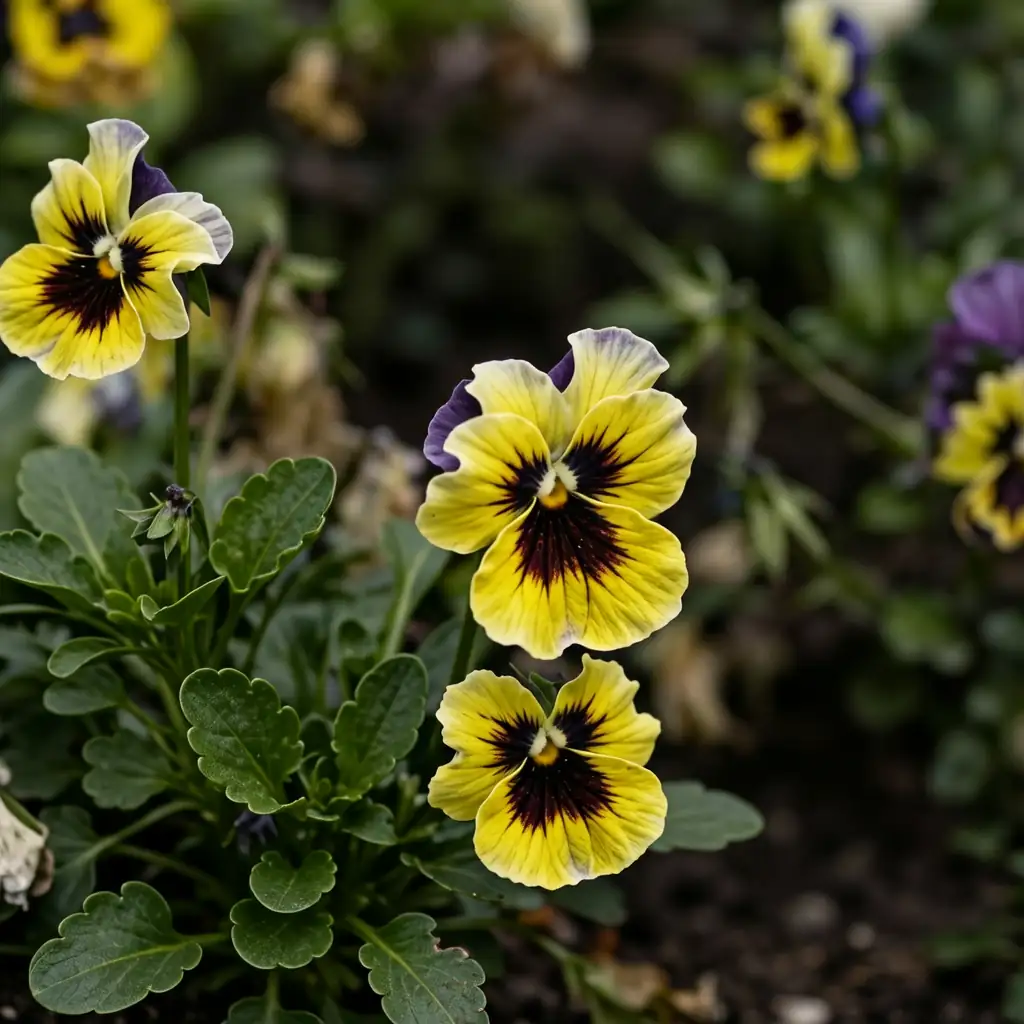
- Foliage: Leaves are alternate and usually lance-shaped to oval, with toothed (sometimes slightly lobed) edges. Plants have noticeable leaf stalks and small, leaf-like stipules at the base of the leaf stems.
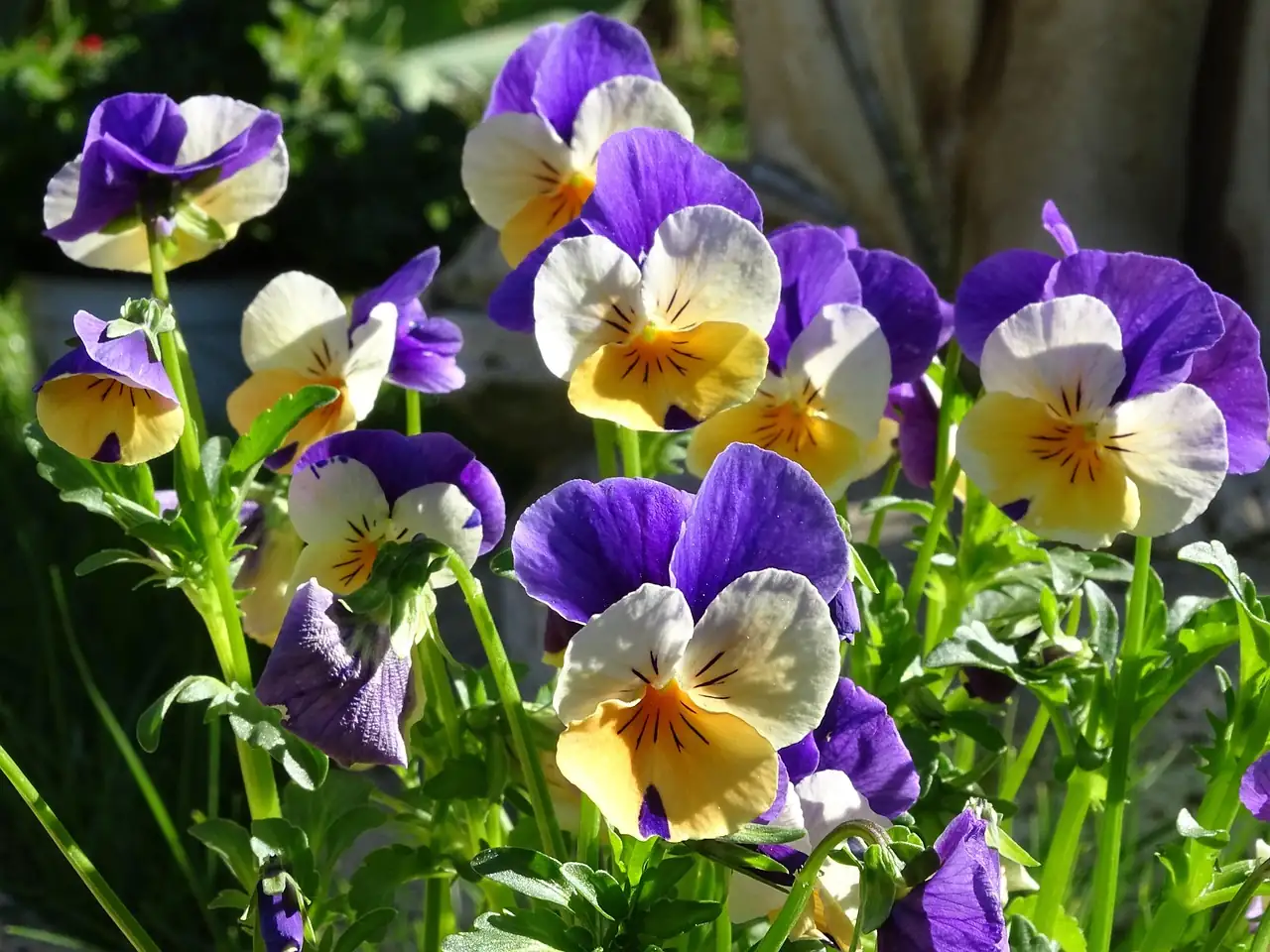
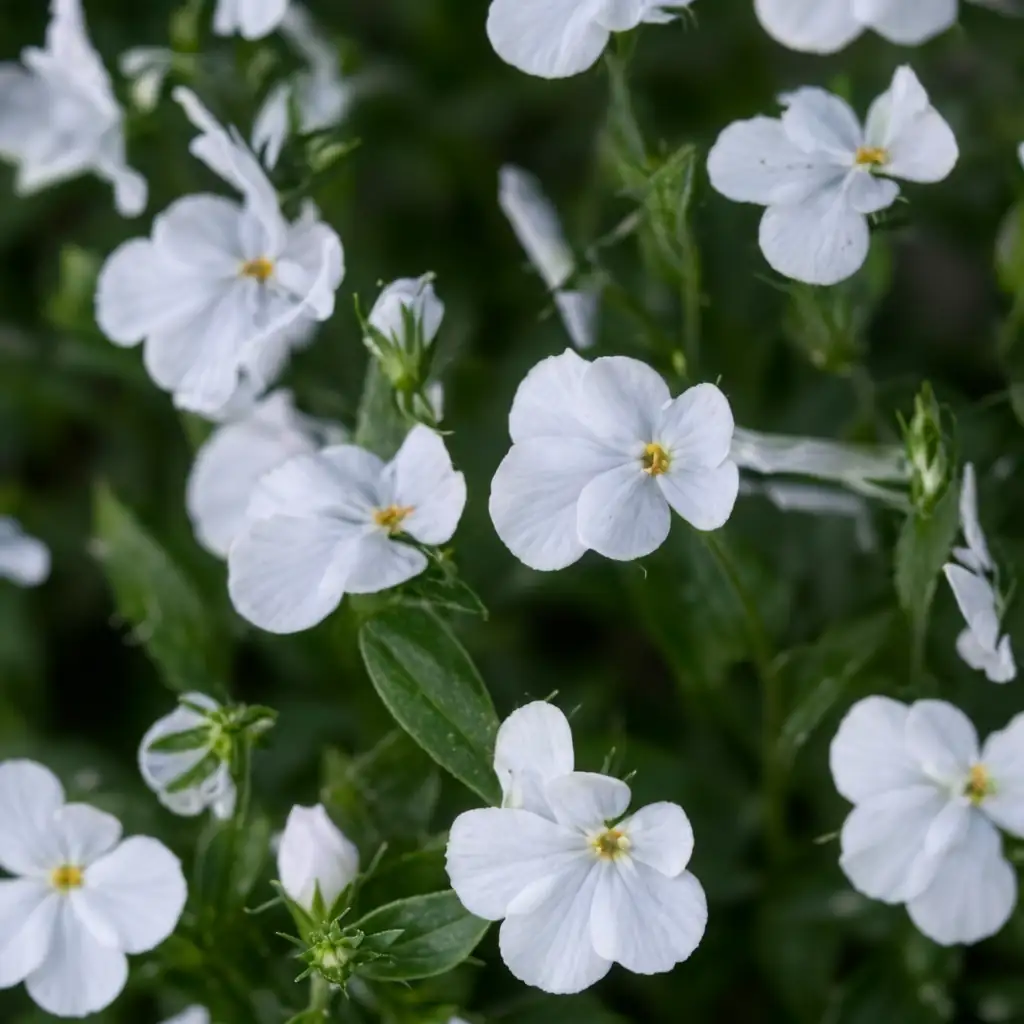
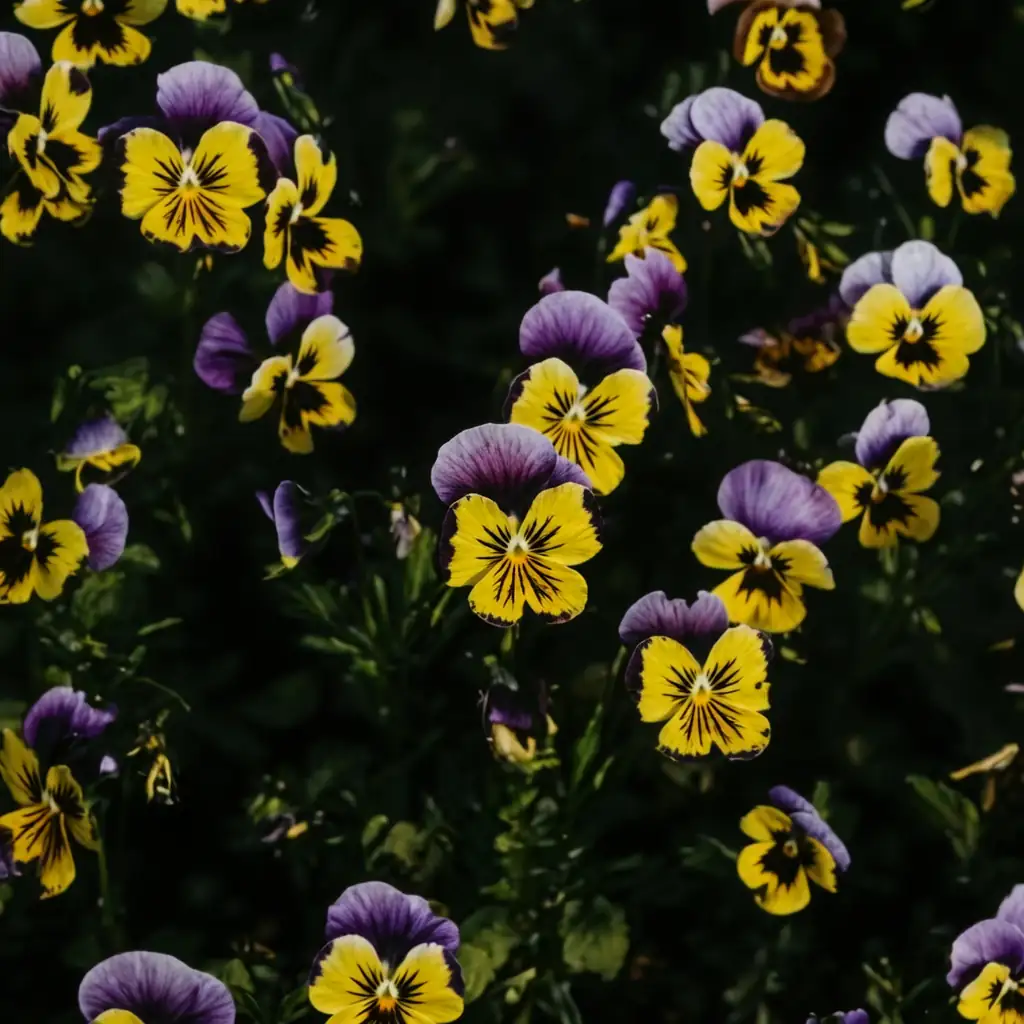
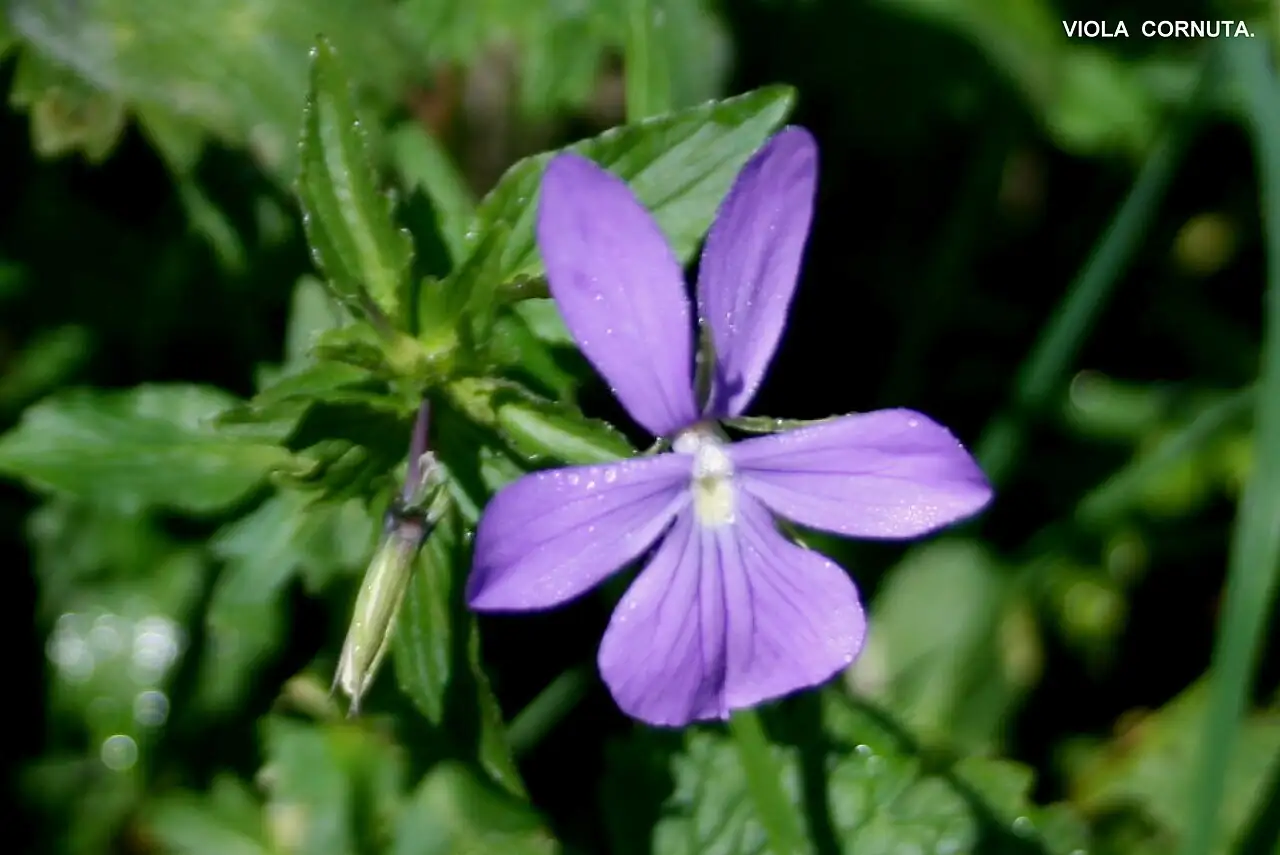
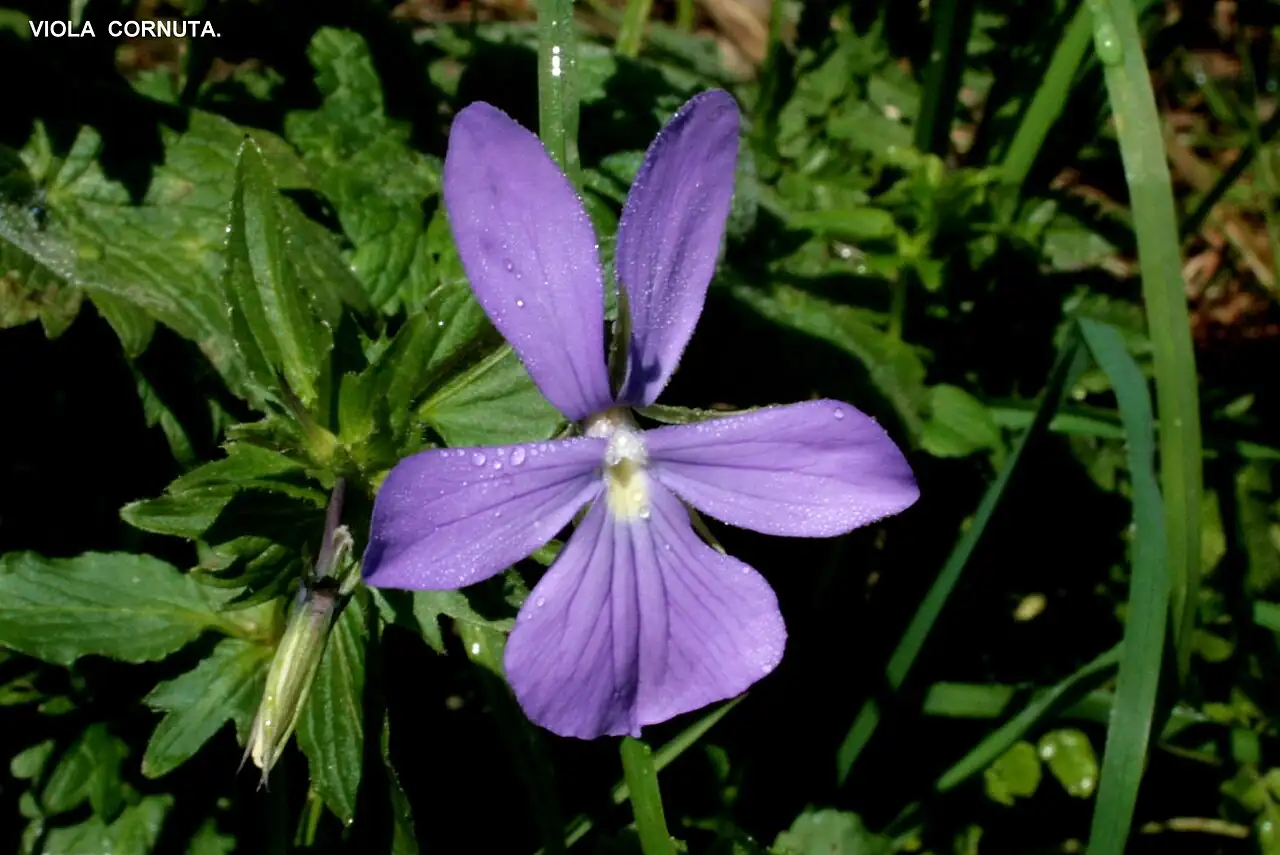
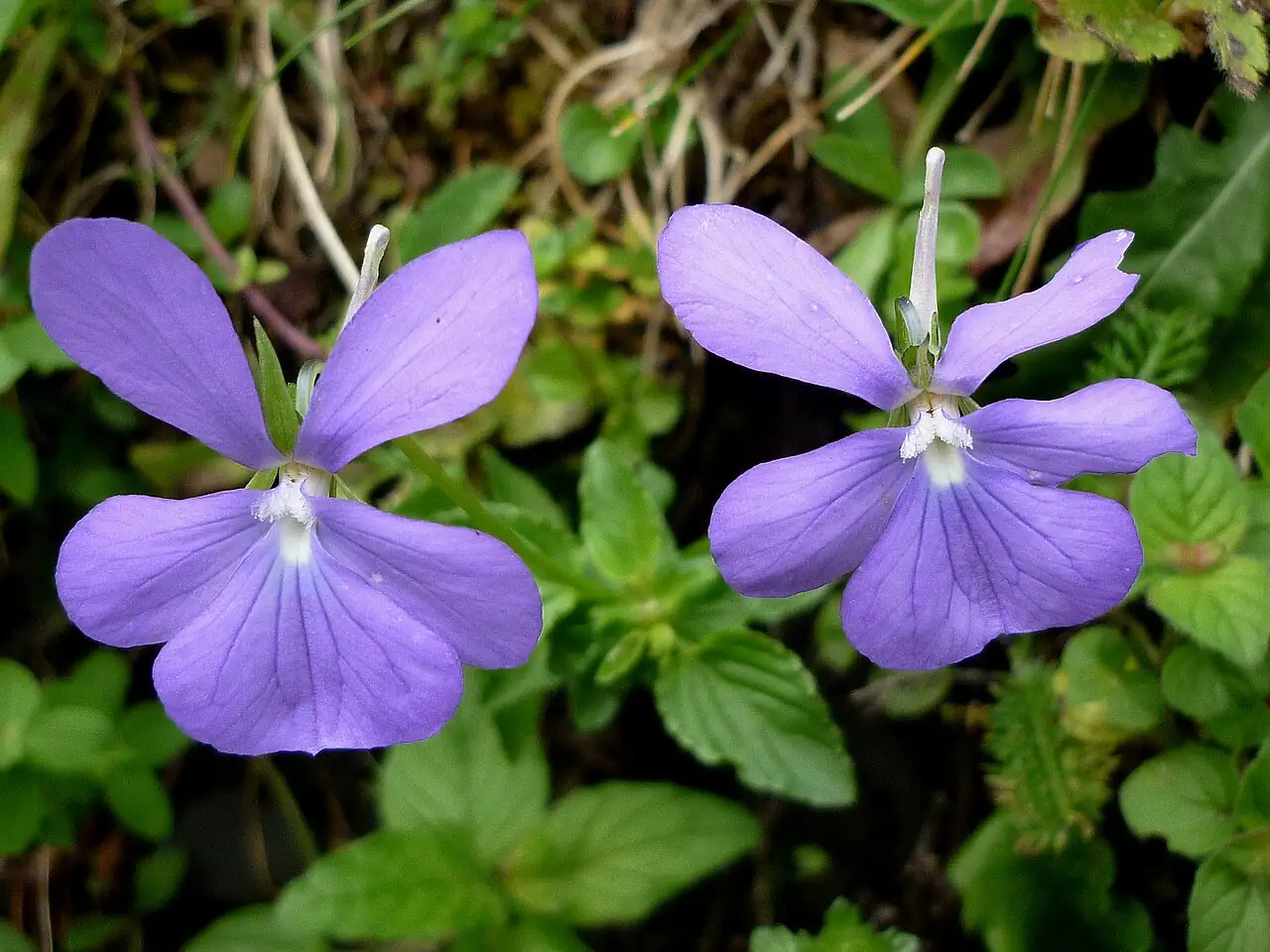
- Flower: Small, bilaterally symmetrical viola flowers with the classic “pansy” look, appearing in many colors such as white, yellow, blue, purple, and red. Many blooms show blotches or a clear contrasting “face,” and some forms display different tones on the upper versus lower petals. After flowering, it produces a capsule fruit containing glossy, hard-coated, egg-shaped seeds.
- Flowering Season: Late winter to spring; in mild climates it may continue into April–May (and often longer in cool weather).
- Growth Habit: Compact, low-growing, clump-forming herbaceous perennial with short rhizomes.
Environment
Sunlight
Full sun to part shade. It flowers best in bright light, but in warmer climates it appreciates light/afternoon shade to prevent heat stress.
Temperature
Prefers cool conditions and dislikes prolonged heat. Tolerates light frost and can handle about -5 to -1°C (23–30°F) depending on exposure and cultivar.
Humidity
Average outdoor humidity is fine. In cool, damp spells, prioritize airflow to reduce fungal problems.
Soil
Moist but well-drained, fertile soil—ideally a loam enriched with organic matter. Avoid soggy, waterlogged conditions.
Placement
Great for edging, bedding displays, and borders (including woodland-style plantings). Also excellent in pots, window boxes, and cool-season balcony containers.
Hardiness
Usually grown as a hardy perennial in USDA Zone 6–9 (approx. -23 to -1°C / -9 to 30°F), though performance depends heavily on cultivar and summer heat.
Care Guide
Difficulty
Easy to moderate. It’s quite forgiving in cool weather; the main trick is avoiding extended heat and keeping moisture steady without waterlogging.
Buying Guide
Pick compact plants with fresh green leaves and plenty of buds. Avoid yellowing foliage, soft crowns, or visible mildew. For the longest bloom period, choose varieties that match your local winter/spring conditions.
Watering
Water when the top 2–3 cm (about 1 in) of soil feels dry. Keep evenly moist during flowering, but never let containers sit in water. In cooler seasons, water less often while ensuring the root zone doesn’t dry out completely.
Fertilization
Feed lightly during active growth and bloom: use a balanced fertilizer at half strength every 2–4 weeks, or apply a slow-release fertilizer per label. Avoid heavy nitrogen, which encourages leafy growth at the expense of flowers.
Pruning
Deadhead regularly to keep flowers coming. If plants get leggy, trim back about 1/3, or roughly 5–10 cm (2–4 in) after a bloom flush to encourage fresh, compact regrowth.
Propagation
Propagate by seed or division. Divide clumps in cool weather (early spring or early autumn) and replant promptly. Seeds germinate best in cool conditions; time to flowering depends on sowing date and cultivar.
Repotting
Repot when crowded or after a heavy flowering season—often every 6–12 months. Refresh with a fertile, well-draining mix and ensure drainage holes stay clear.
📅 Seasonal Care Calendar
Late winter–spring: peak bloom—keep evenly moist and deadhead often. Late spring–summer: provide afternoon shade and protect from heat; plants may pause or decline in hot weather. Autumn: growth often rebounds as temperatures drop; light feeding and tidying help set up the next cool-season show.
Pests, Diseases & Safety
Common Pests & Diseases
Common issues include aphids, slugs/snails, and spider mites during dry spells. In cool, damp conditions it may suffer from powdery mildew, botrytis (gray mold), or crown/root rot—improve airflow, avoid late-day overhead watering, and keep soil free-draining.
Toxicity
Generally considered low-toxicity for people and pets, though chewing or ingestion can still cause mild stomach upset. It’s best to keep it away from pets that like to snack on plants.
Culture & Symbolism
Symbolism: Often linked with modesty, remembrance, and gentle affection—classic violet symbolism.
History & Legends: A naturally mountain-loving species from the Pyrenees, Viola cornuta has been grown and hybridized in European gardens for a long time and has helped shape many modern bedding and container violas.
Uses: Primarily ornamental—ideal for borders, bedding schemes, woodland-style planting, and containers like window boxes and balcony pots.
FAQ
Why did my horned violet stop flowering?
The most common culprits are heat and insufficient light. Give it a brighter, cooler position (morning sun with afternoon shade works well), keep moisture even, and deadhead spent blooms to trigger new buds.
Can horned violet survive winter outdoors?
In many temperate areas it overwinters well, especially in well-drained soil and with some shelter from harsh winds. Hardiness varies by cultivar and local conditions, but it’s often dependable in USDA Zone 6–9 (approx. -23 to -1°C / -9 to 30°F).
How do I keep it compact and bushy?
Deadhead frequently and shear back leggy growth by about 5–10 cm (2–4 in) after a bloom flush. Also avoid high-nitrogen feeding, which tends to stretch the plant.
Fun Facts
- It naturally comes from cool mountain regions of northern Spain and the Pyrenees.
- Compared with many pansies, the blooms are usually smaller, but color patterns can be especially varied.
- In mild climates it can flower for an impressively long season, starting as early as late winter.
- Its fruit is a capsule that releases glossy, hard-coated seeds when ripe.
- Its light frost tolerance makes it a classic cool-season bedding and container favorite.