Plant Features
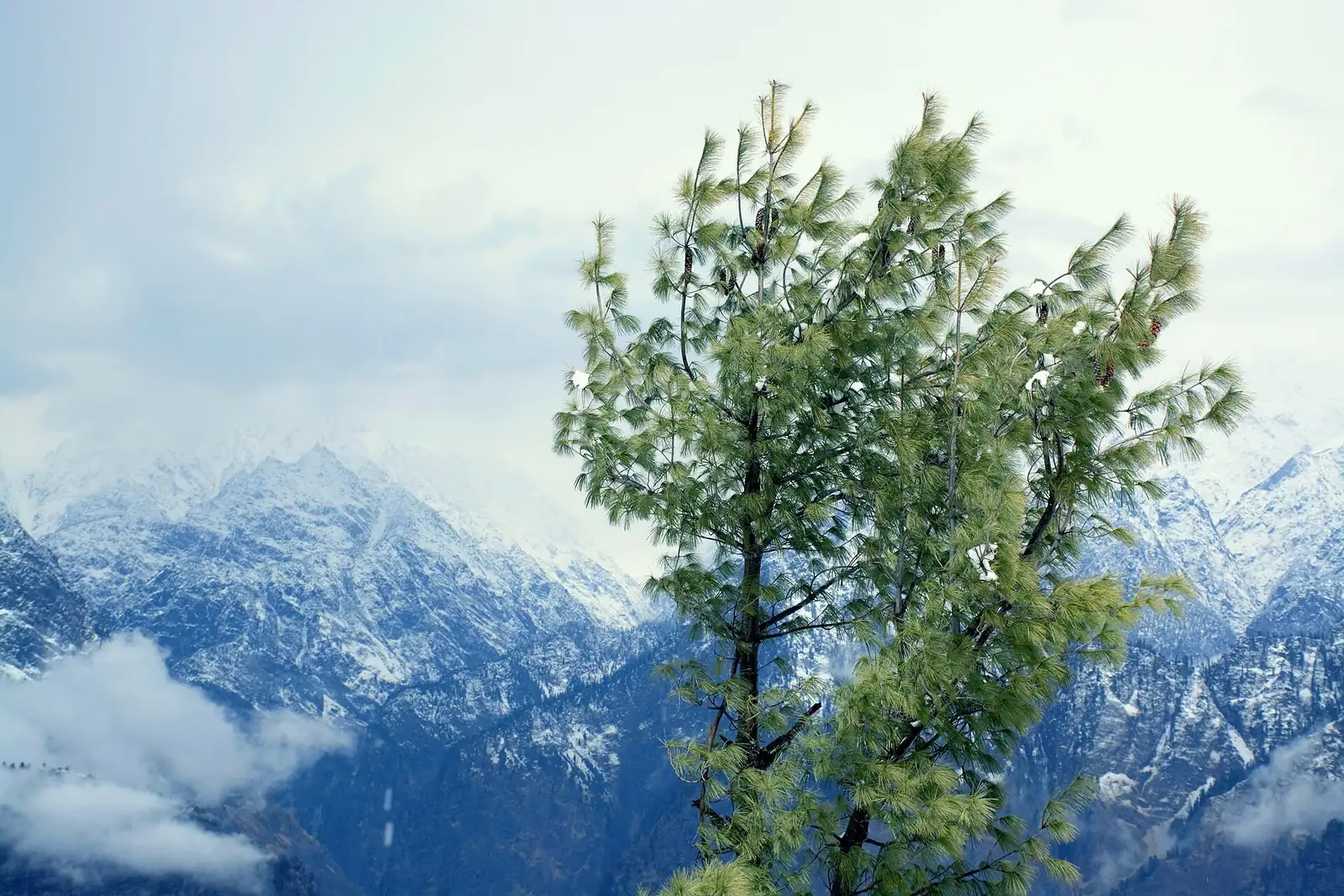
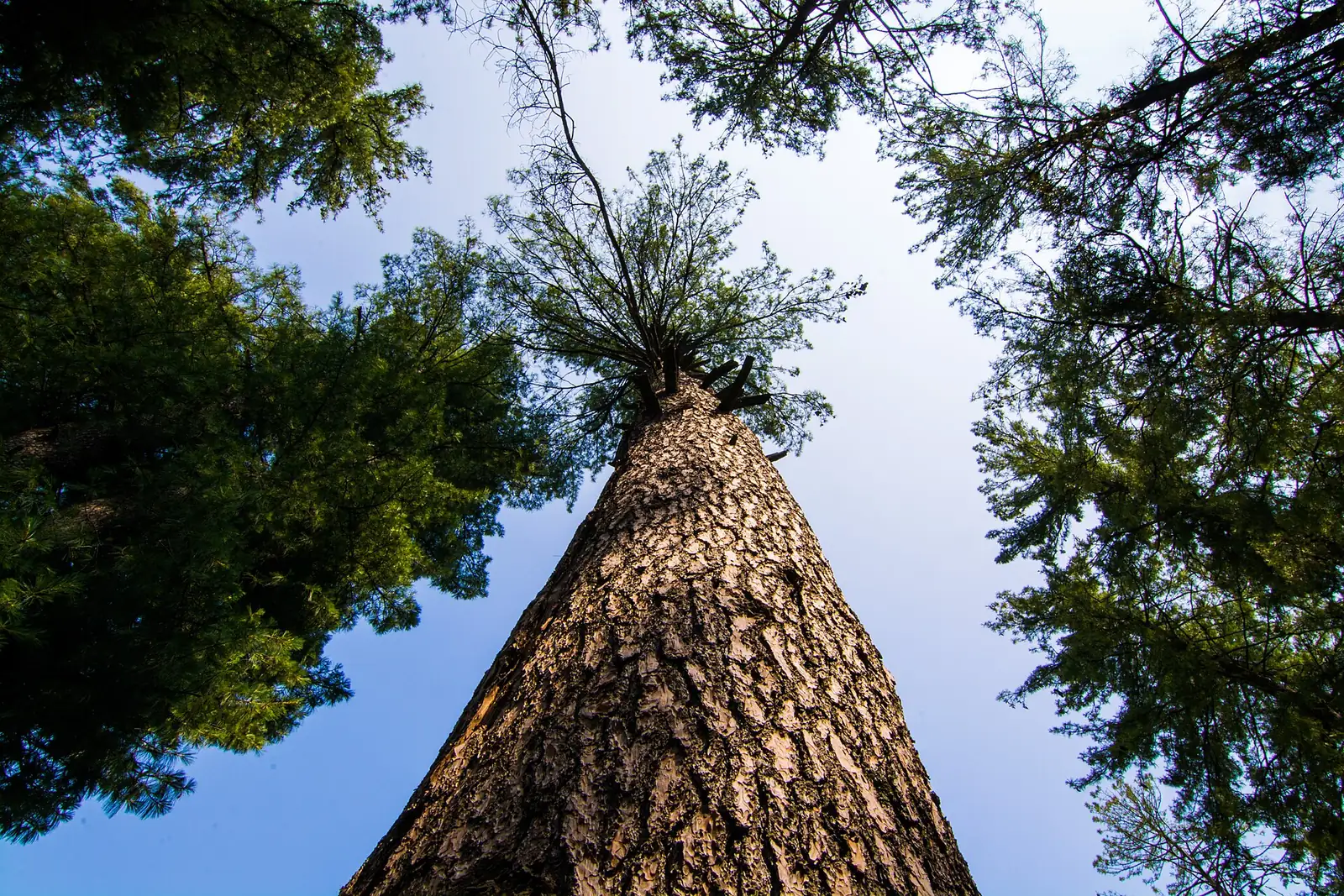
- Size: Up to about 70 m (230 ft) tall; typically forms a broad, narrowly conical to pyramidal crown in the open.
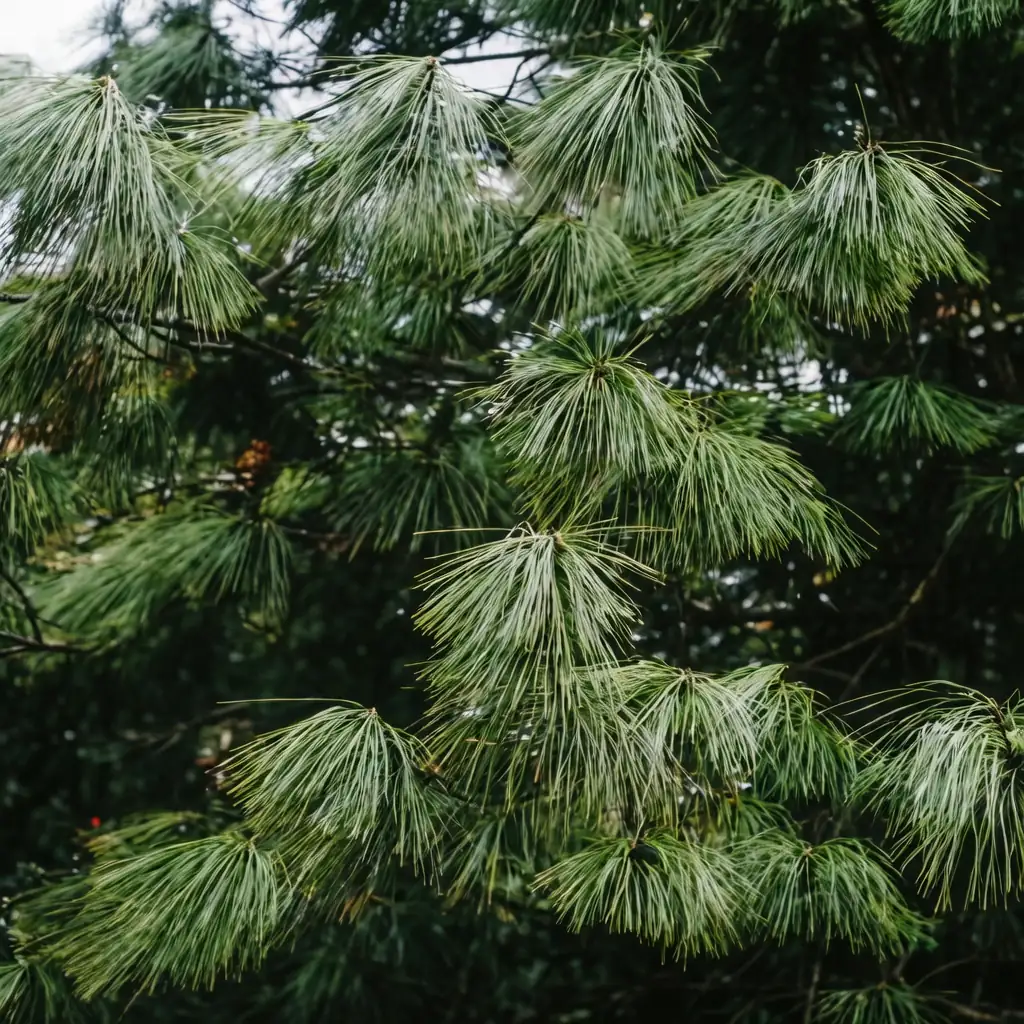
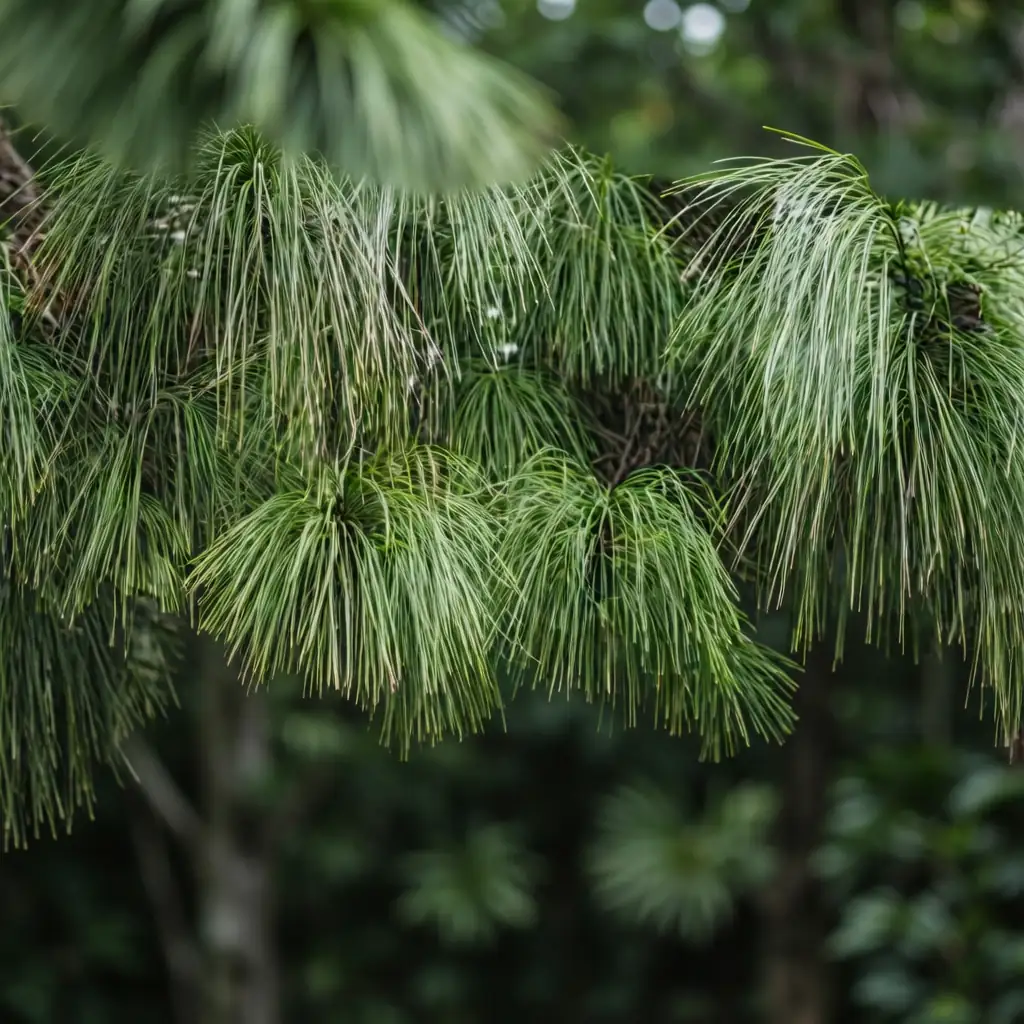
- Foliage: Needles are held in bundles of five and are notably fine, soft, and drooping, giving the tree its elegant “flowing” look. New shoots start green and mature to reddish-brown.
- Flower: Produces long, cylindrical cones that ripen to pale brown. Seeds are oval to inversely egg-shaped and have a long, fused wing that helps them disperse by wind.
- Flowering Season: April–May
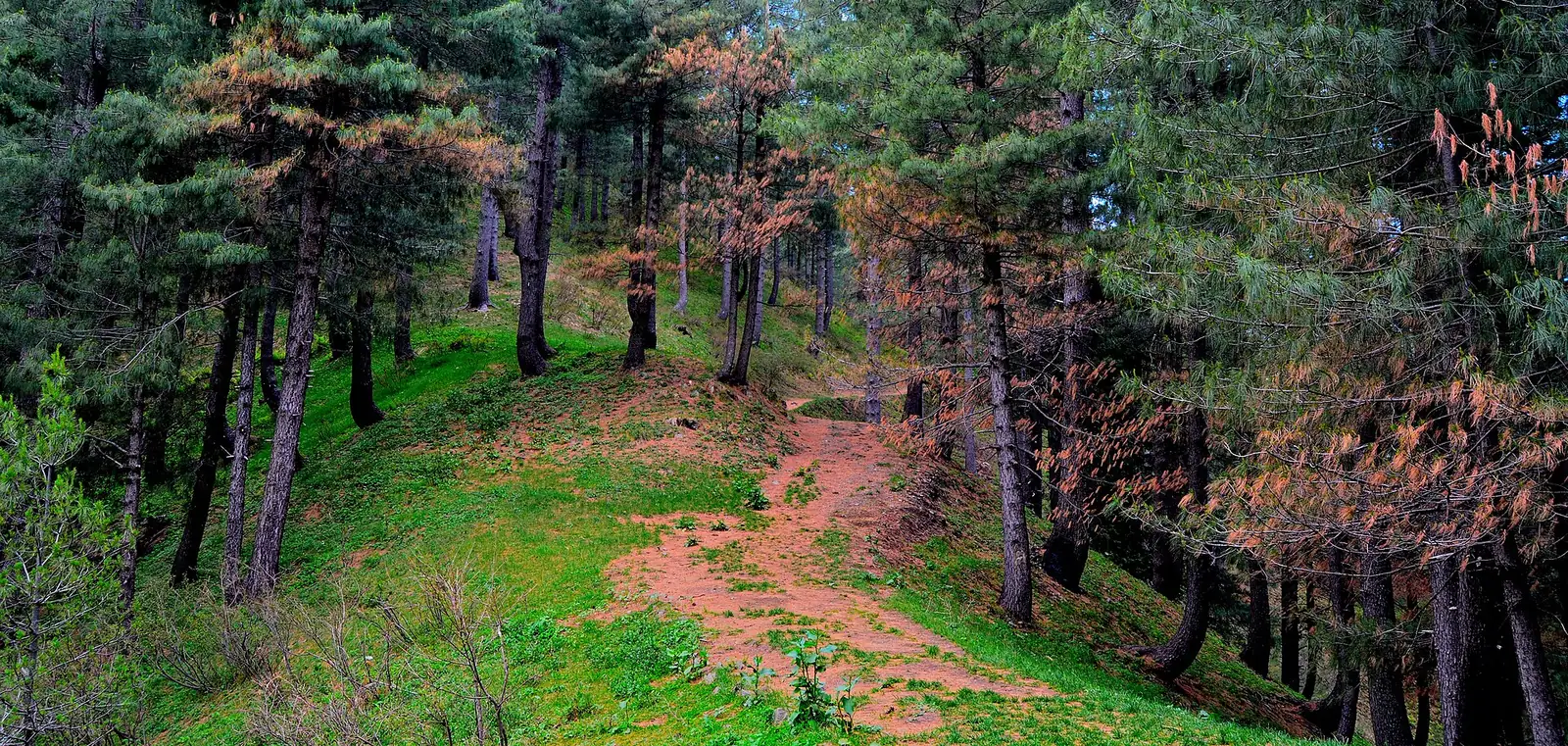
- Growth Habit: Evergreen tree with gray-brown bark that flakes into small plates. Branches spread to create a broad, tapering crown. Generally fast-growing after establishment, though seedlings and very young trees can be slower.
Environment
Sunlight
Full sun once established; young trees appreciate light shade/partial shade, especially in hot or dry locations.
Temperature
Prefers cool to temperate conditions; best growth roughly 10–25°C (50–77°F). Avoid prolonged extreme heat and drought.
Humidity
Average outdoor humidity is fine. Performs best with good air movement and is less suited to persistently hot, humid lowland climates.
Soil
Adaptable, but happiest in well-drained soil. Tolerates neutral to slightly alkaline conditions. Avoid waterlogged ground to prevent root decline.
Placement
Outdoors only—best as a specimen tree or planted in small groups in parks, large gardens, and spacious urban green areas where it has room to develop its crown.
Hardiness
USDA Zone 7–9 (approx. -17 to -1°C / 1 to 30°F, depending on provenance and site).
Care Guide
Difficulty
Moderate. It’s fairly straightforward once established in a suitable climate, but it needs plenty of space, reliably good drainage, and some extra care (watering and mild shelter) while young.
Buying Guide
Pick a plant with a single straight leader, evenly spaced branches, and healthy blue-green needles. Avoid stock with browning needle tips or a poor root system. For container plants, check that roots aren’t circling heavily or bound into a tight mass.
Watering
Water regularly for the first 1–2 growing seasons to build deep roots. Once established, water deeply during prolonged dry spells rather than giving frequent light sips. Do not keep soil constantly wet.
Fertilization
Usually needs little feeding. If growth is weak, apply a slow-release balanced fertilizer in spring at label rates. Avoid heavy nitrogen, which can encourage overly soft, vulnerable growth.
Pruning
Keep pruning light: remove dead, damaged, or crossing branches, ideally in late winter to early spring. Avoid heavy pruning and don’t cut back into old, leafless wood where there’s no green growth to resprout from.
Propagation
Mostly grown from seed. Sow fresh seed in a cold frame or after cold stratification; seedlings are slow early on. Named ornamental selections are typically grafted in production.
Repotting
Not ideal as a long-term container plant. If kept potted temporarily, move up only one pot size as needed and plant out while still young to prevent root restriction.
📅 Seasonal Care Calendar
Spring: plant, mulch, and water new trees; feed lightly only if needed. Summer: deep water during drought; watch for needle scorch. Autumn: often the best planting season; refresh mulch. Winter: inspect structure and do light corrective pruning if necessary.
Pests, Diseases & Safety
Common Pests & Diseases
May be affected by aphids, scale insects, pine needle cast diseases, rusts, and root issues in poorly drained soils. Good siting (especially drainage and airflow) is the best prevention; remove heavily infected debris and consult local guidance if fungicide treatment is warranted for recurring outbreaks.
Toxicity
Not considered highly toxic, but needles or resin can cause mild stomach upset if eaten. Resin may irritate sensitive skin—discourage pets and children from chewing foliage or handling sticky sap.
Culture & Symbolism
Symbolism: Like many pines, it’s often linked with longevity, resilience, and steadfastness.
History & Legends: A classic conifer of the Himalayan region, long admired for its elegant, drooping needles and valued for resin products. Its beauty helped it become widely introduced into temperate gardens and parks as an ornamental pine.
Uses: Primarily grown as an ornamental landscape tree (specimen planting or loose groupings). It can also be tapped for pine resin, which may be processed into products such as turpentine.
Fun Facts
- It’s one of the most widespread forest pines across the Himalayan region.
- In ideal conditions it can grow to about 70 m (230 ft), putting it among the more towering pines.
- Its seeds carry long wings, helping them travel on the wind.
- It’s appreciated both for its graceful looks and for resin-based products like turpentine.