

Plant Features
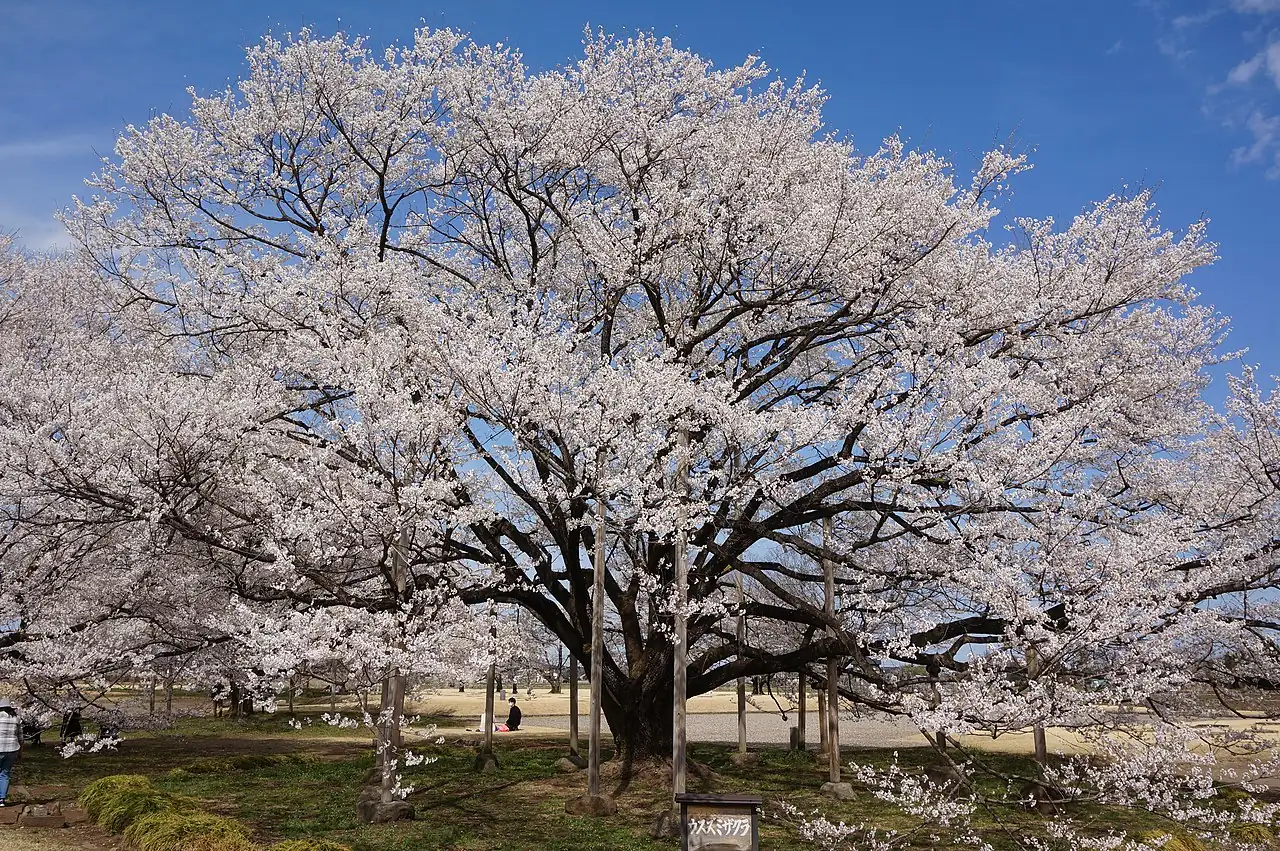
- Size: Typically 3–10 m (10–33 ft) tall.
- Foliage: Leaves are oval to egg-shaped with a short pointed tip. Young twigs may have fine pale hairs, and the bark is typically gray-brown.
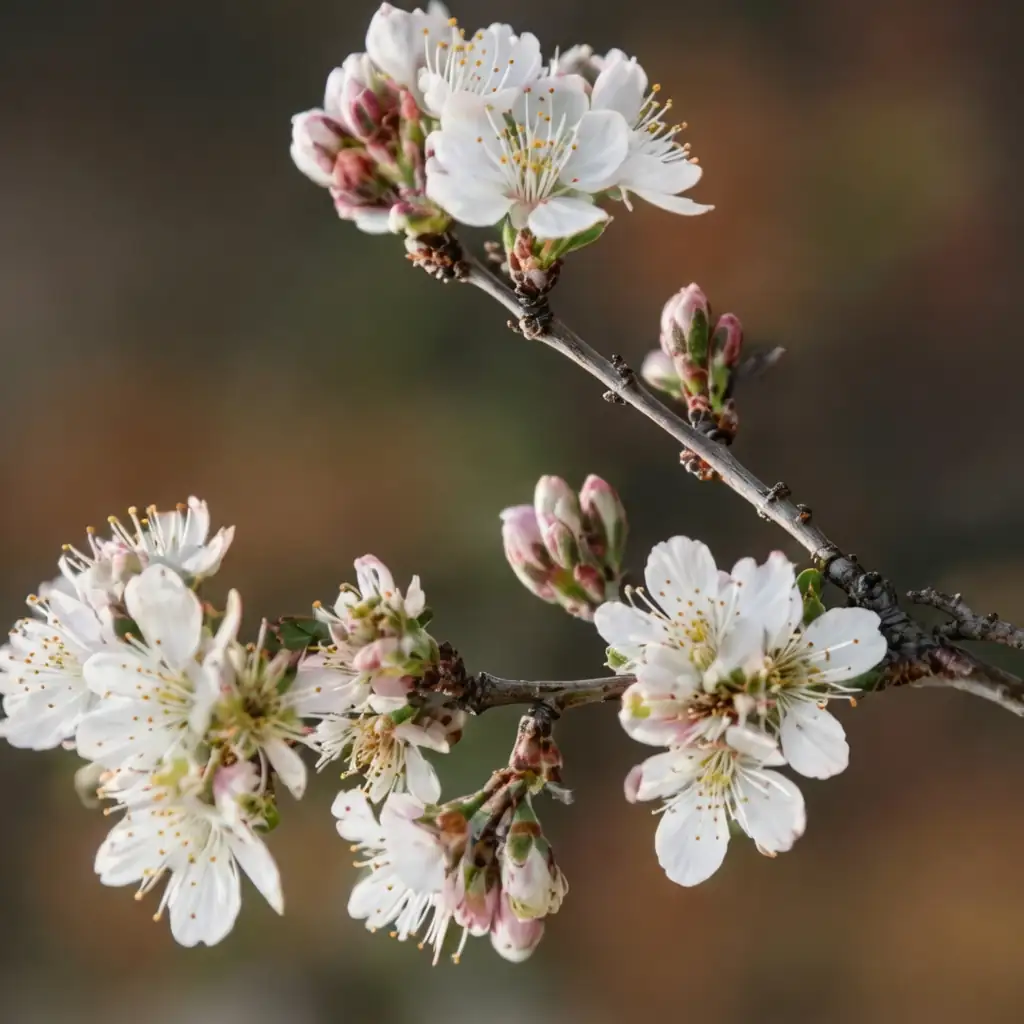
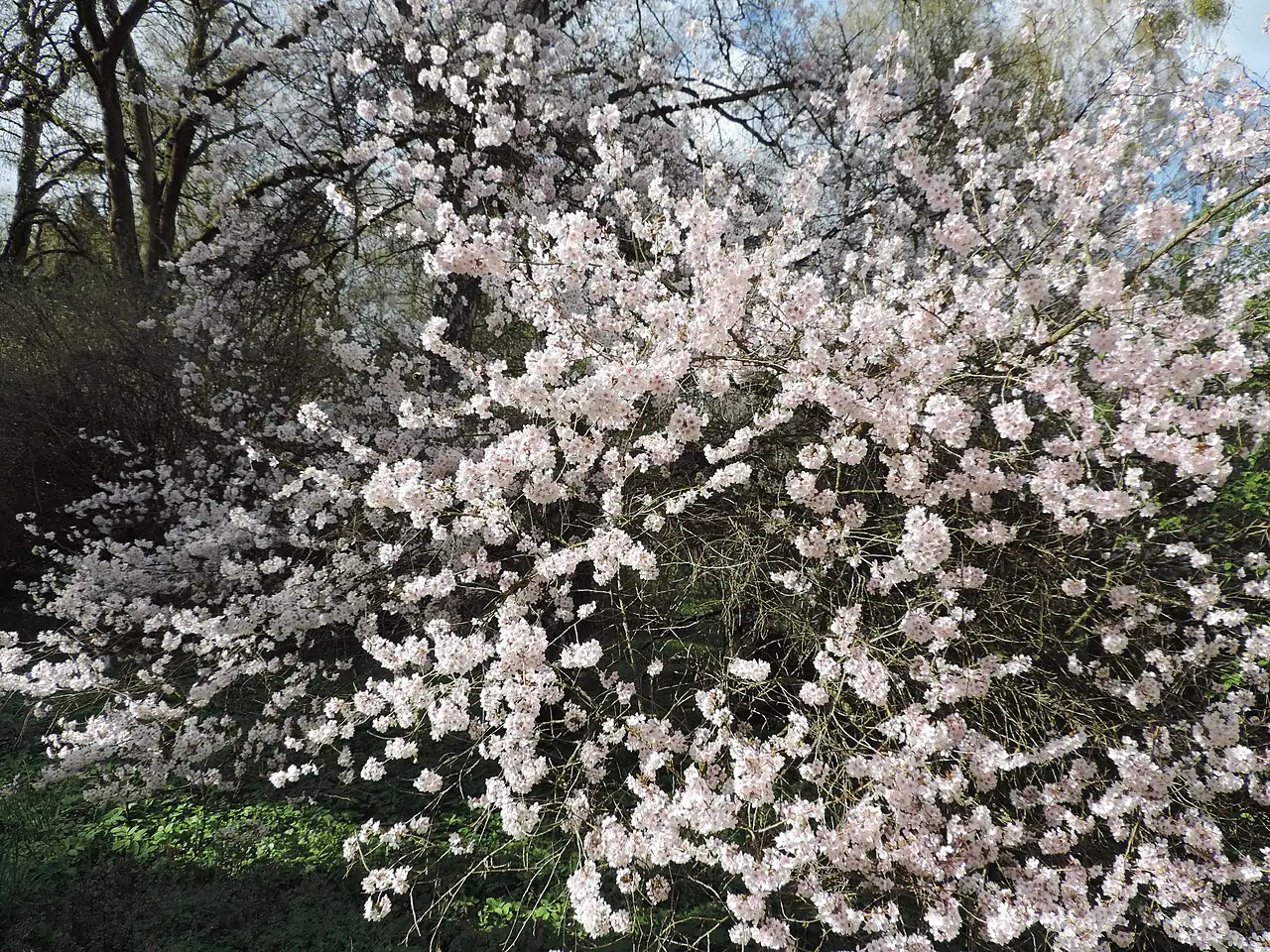
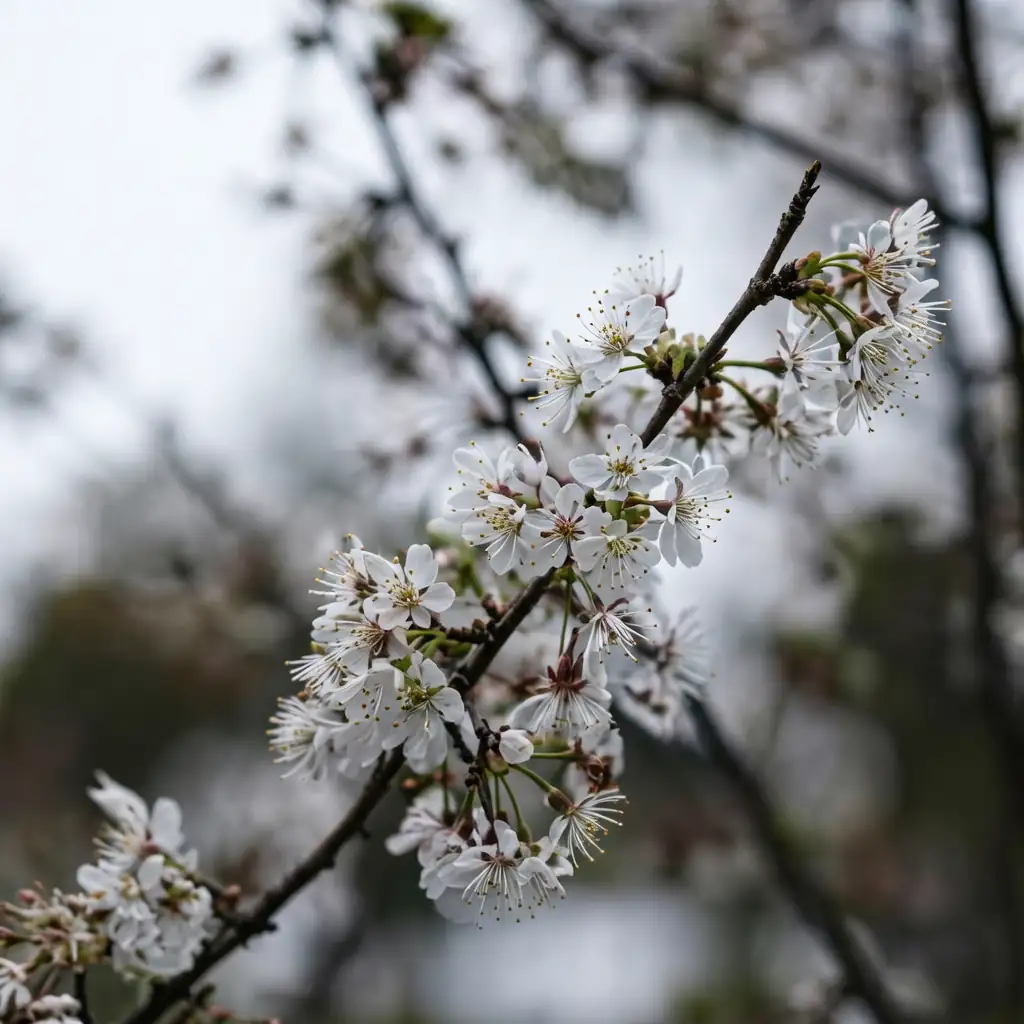
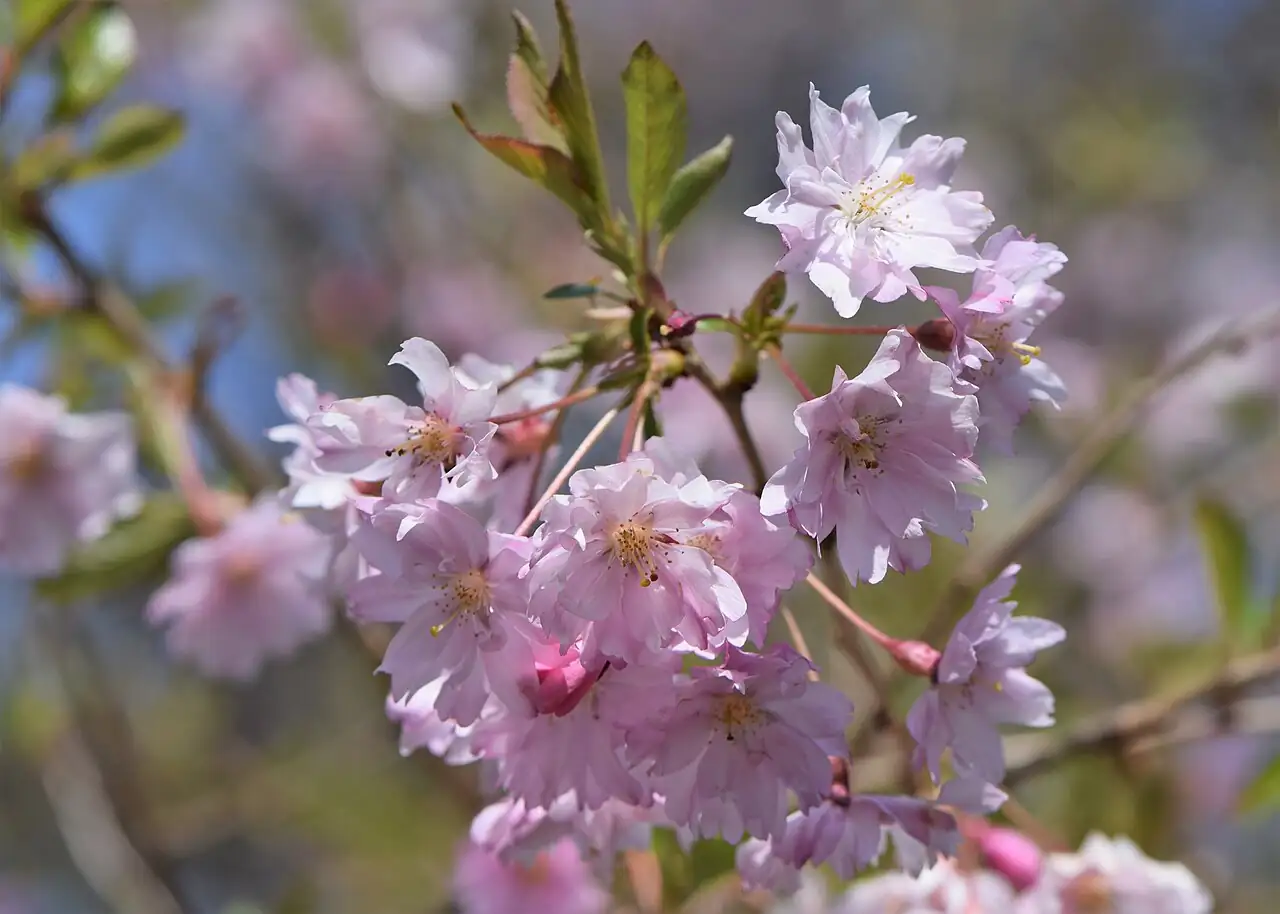
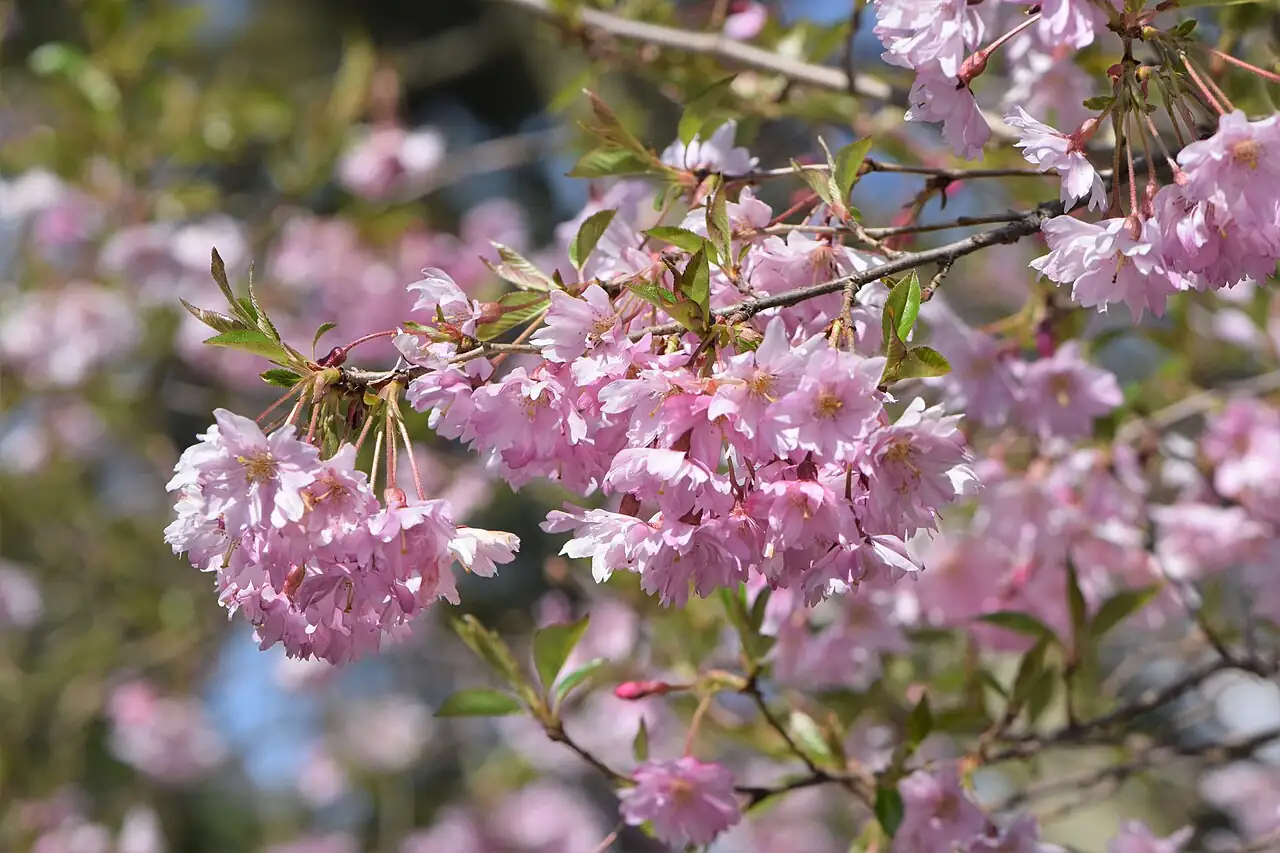
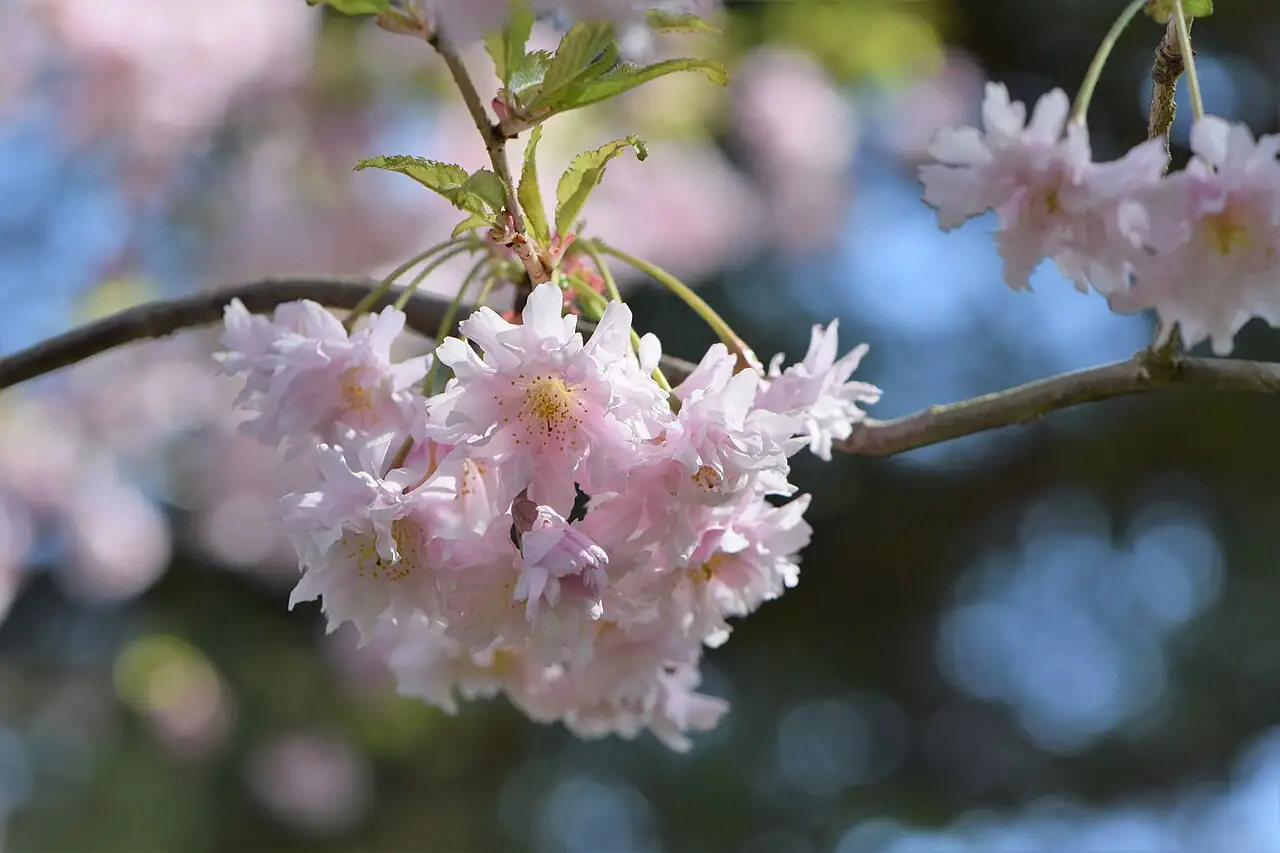
- Flower: Flowers open in small clusters of about 2–5, usually a soft pink, creating a light, airy spring show. After flowering, it can form small round to egg-shaped drupes that ripen to a dark purple-black.
- Flowering Season: March–April
- Growth Habit: Deciduous tree; relatively shallow-rooted.
Environment
Sunlight
Full sun for best flowering; tolerates light shade but bloom is usually reduced.
Temperature
Likes a mild, moist temperate climate; generally cold tolerant once established. A comfortable growing-season range is about 15–25°C (59–77°F).
Humidity
Moderate humidity suits it well—especially where spring moisture is reliable—paired with good air movement.
Soil
Adaptable, but happiest in loose, fertile, well-drained sandy or loamy soil. Because of its shallow roots, avoid low-lying spots with standing water and steer clear of saline/alkaline soils where possible.
Placement
Sunny garden position as a specimen or in group plantings; suitable for streets only in sheltered, well-drained sites.
Hardiness
Best for temperate climates; approximately USDA Zone 5–8. Not a fan of waterlogging; and can perform poorly in strong wind or heavy air pollution.
Care Guide
Difficulty
Moderate. It’s fairly adaptable, but it truly depends on two things: good sun and excellent drainage. Shallow roots make it sensitive to soggy soil, and harsh wind or pollution can add stress.
Buying Guide
Pick a tree with a healthy, well-formed structure (straight trunk if you want a standard), plump buds, and no signs of canker, dieback, or gumming. Avoid plants with circling roots or a severely pot-bound rootball.
Watering
Water deeply after planting and keep soil evenly moist during establishment. Once established, water during prolonged dry spells—but don’t keep the ground wet or boggy. Good drainage matters more than frequent watering.
Fertilization
If growth looks weak, feed in early spring with a balanced slow-release fertilizer. Avoid heavy nitrogen, which can push soft, disease-prone growth.
Pruning
Prune lightly after flowering to tidy shape and remove dead, damaged, or crossing branches. Avoid heavy winter pruning, which can increase disease issues in cherries.
Propagation
Most commonly grafted or budded onto Prunus rootstocks. Named ornamental forms are typically not true-to-type from seed.
Repotting
Not usually a long-term container tree. If grown in a pot when young, pot up in late winter/early spring into a free-draining mix, then plant out once established.
📅 Seasonal Care Calendar
Spring: enjoy bloom, water if dry, and prune lightly after flowering. Summer: water during drought and watch for heat stress and pests. Autumn: mulch to protect shallow roots. Winter: avoid waterlogged soil and check for storm damage or dead wood.
Pests, Diseases & Safety
Common Pests & Diseases
May attract aphids, scale, caterpillars, and spider mites. Possible diseases include canker, leaf spot, and powdery mildew depending on conditions. Prevention is mostly good culture: sun, airflow, well-drained soil, and prompt removal of infected wood.
Toxicity
Like many Prunus, the pits/seeds and wilted leaves can contain cyanogenic compounds that may release cyanide if chewed. Keep pits and prunings away from pets and livestock; avoid ingestion of pits.
Culture & Symbolism
Symbolism: A classic emblem of spring renewal and the fleeting beauty of blossom season.
History & Legends: Long admired and widely grown in Japan and across temperate regions for its early bloom time and elegant spring presence.
Uses: Primarily ornamental—excellent as a garden feature tree, for group plantings, and (in protected, well-drained locations) as a street tree.
FAQ
Why is my higan cherry not flowering well?
Most often it’s too little sun, pruning at the wrong time, late frosts damaging buds, or stress from poor drainage. Give it full sun, prune only lightly after flowering, and improve drainage if the site stays wet.
Can it tolerate wet soil?
Not well. Its shallow roots are prone to decline in waterlogged ground. Plant on a raised, well-drained site and avoid areas where water collects.
Fun Facts
- It typically blooms in March–April, with fruits often ripening around June.
- Though native to Japan, it’s widely cultivated and naturalized across temperate parts of the Northern Hemisphere.
- The fruits are small drupes that can mature to a dark purple-black.
- A mature tree commonly reaches about 3–10 m (10–33 ft) in height.


