
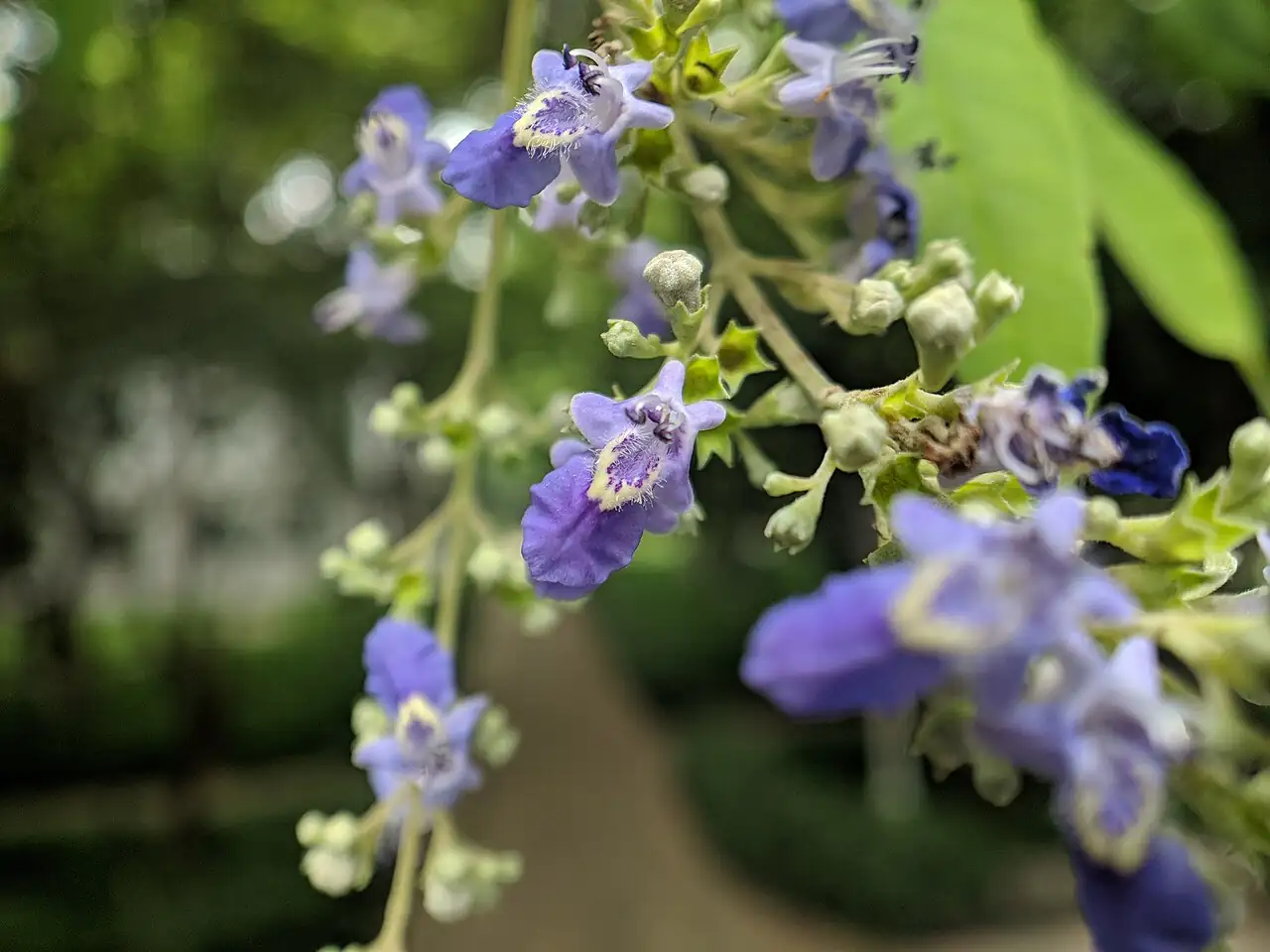
Plant Features
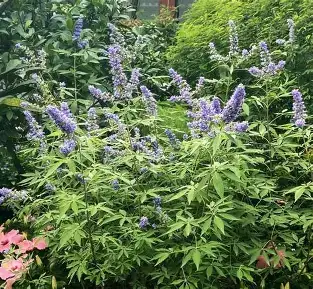
- Size: Typically 2–3 m (6.6–9.8 ft) tall, often forming a multi-stemmed shrub or small tree.
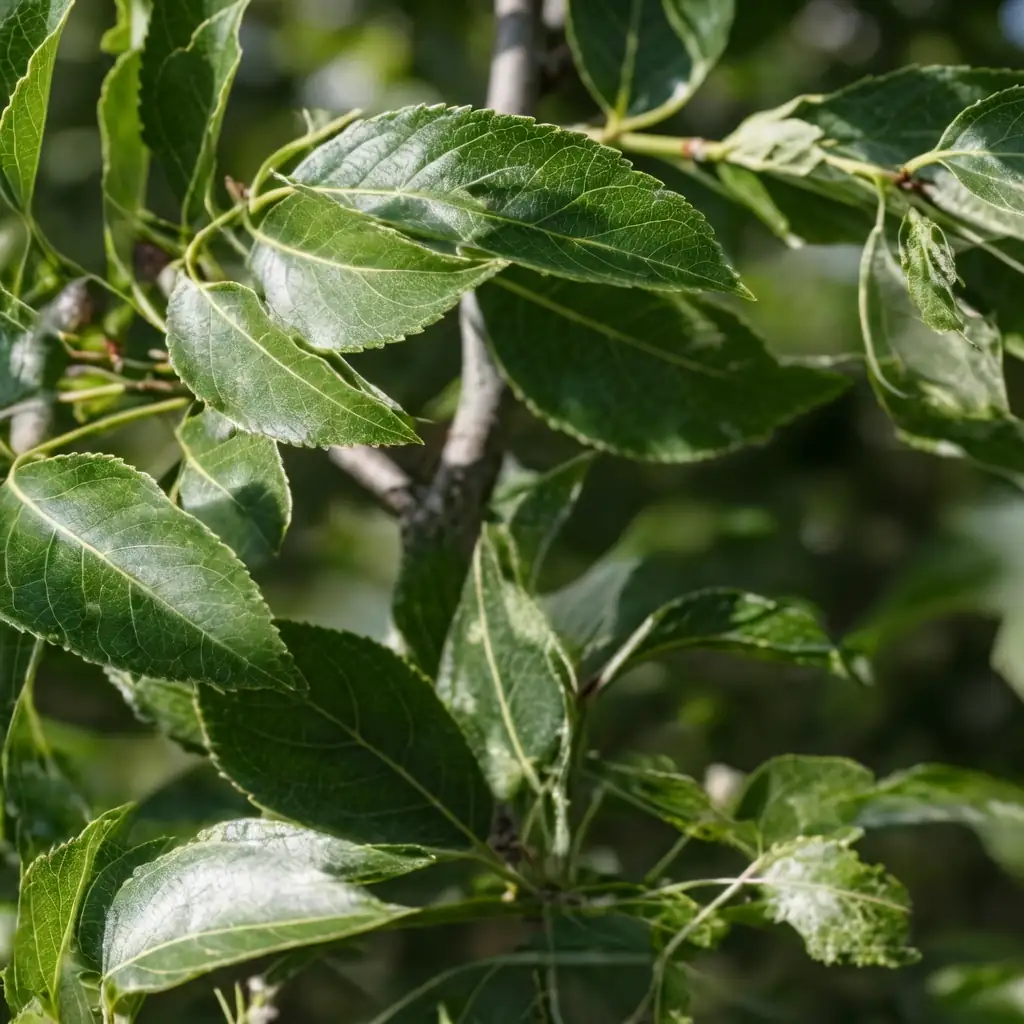
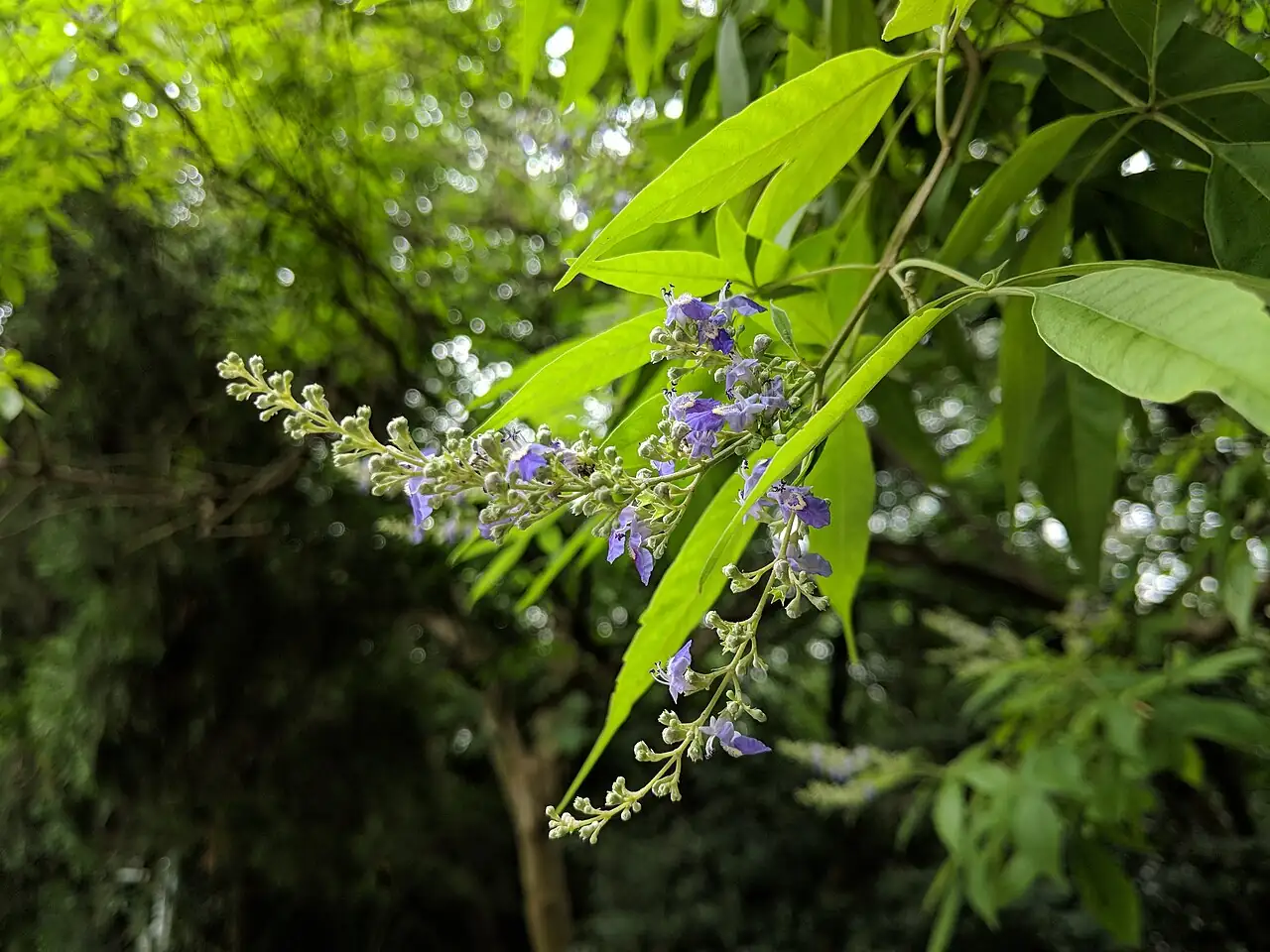
- Foliage: Leaves are opposite and palmately compound. Leaflets are lance-shaped to narrowly elliptic-lanceolate with a tapered tip, wedge-shaped base, and coarse serrations; upper surface green, underside paler and often softly hairy.
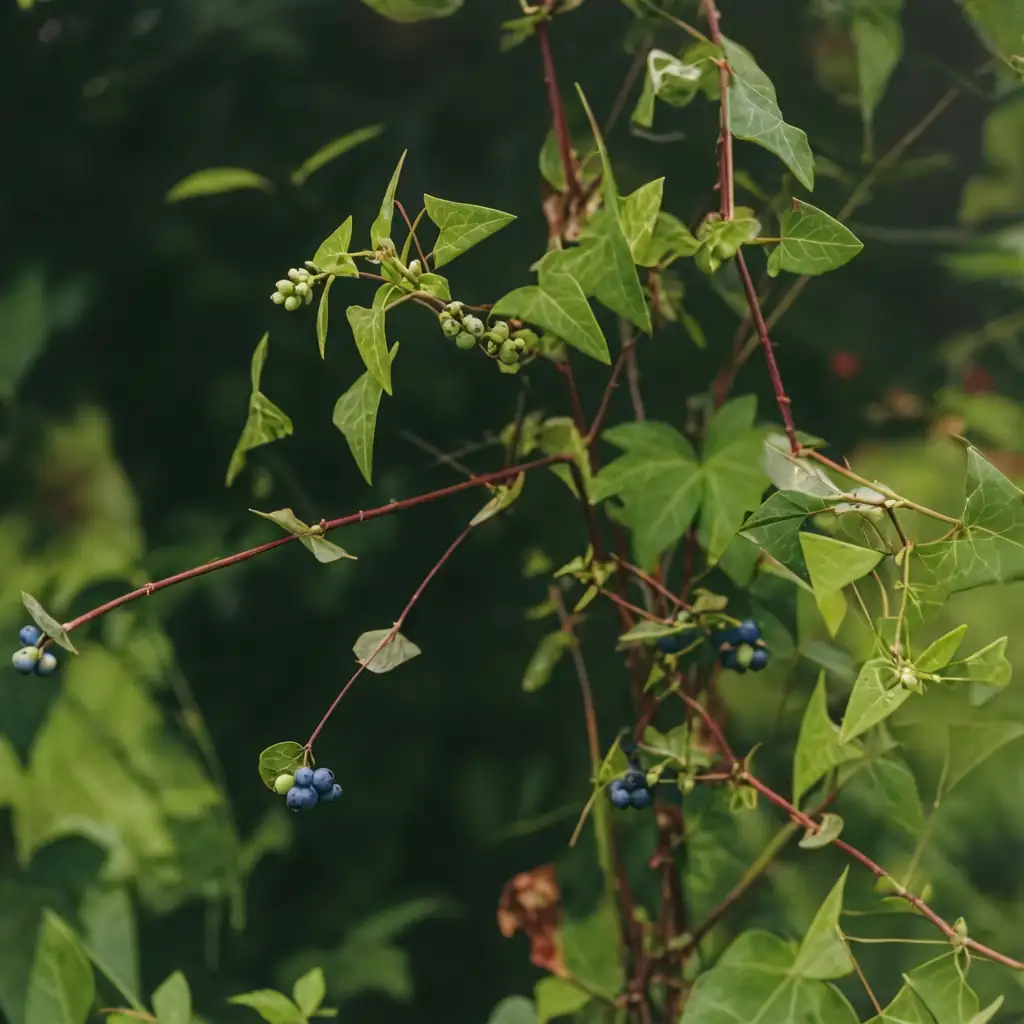
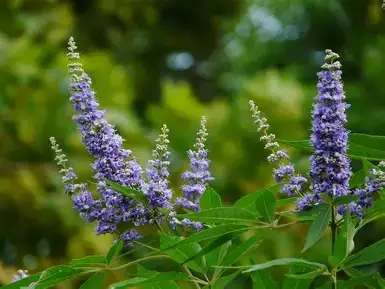
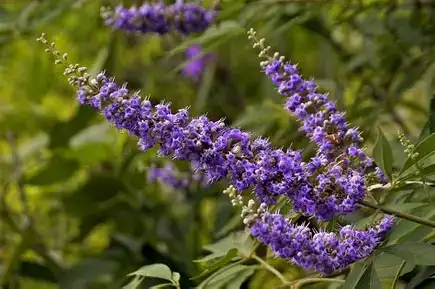
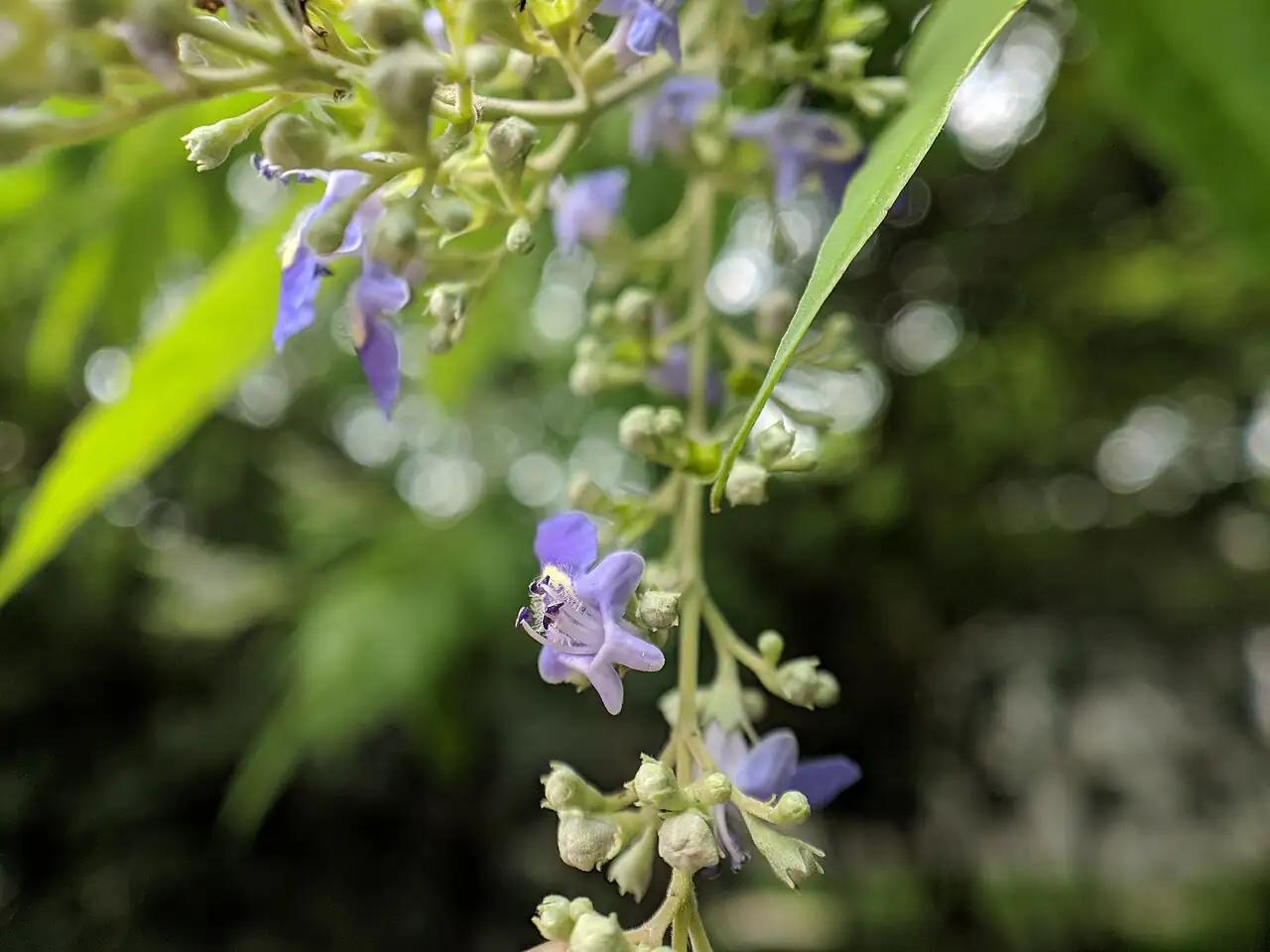
- Flower: Terminal panicles carry small, pale lavender to light purple, tubular flowers. Fruits are nearly spherical and turn black when ripe.
- Flowering Season: June–July (summer)
- Growth Habit: Deciduous shrub to small tree; often multi-stemmed. Young branchlets are characteristically four-angled.
Environment
Sunlight
Full sun for best growth and flowering; tolerates light shade.
Temperature
Cold-hardy and suitable for many temperate climates; tolerates winter frost (exact limits vary by plant provenance).
Humidity
Drought tolerant once established; prefers average to dry conditions with good airflow.
Soil
Very adaptable, including lean or poor soils; performs best in well-drained soil. Avoid persistently waterlogged ground to prevent root issues.
Placement
Outdoors in a sunny, dry-to-average spot such as a garden border, bright courtyard, or naturalistic roadside-style planting; also excellent for bonsai in full sun.
Hardiness
Approx. USDA Zone 6–10 (−23 to −1°C / −10 to 30°F), depending on local conditions and plant origin.
Care Guide
Difficulty
Easy and very adaptable: sun-loving, cold-hardy, drought tolerant, and tolerant of poor soils (as long as drainage is good).
Buying Guide
Choose plants with firm, healthy stems and fresh buds. Avoid specimens with blackened roots or sour-smelling, waterlogged potting mix. For bonsai, pick trunks with good taper, interesting movement, and attractive aged bark.
Watering
Water regularly while establishing. Once established, water deeply but infrequently, letting the top layer of soil dry between waterings. In pots, prioritize fast drainage and never let the root zone stay constantly wet.
Fertilization
In-ground plants usually need little feeding. For quicker growth (or in containers/bonsai), use a balanced fertilizer in spring and early summer; reduce or stop by late summer so new growth can harden before cold weather.
Pruning
Prune in late winter to early spring to shape the plant and encourage strong new flowering shoots; remove weak, crossing, or damaged branches. A light tidy-up after flowering can keep it neat.
Propagation
Most commonly by semi-hardwood cuttings in summer or hardwood cuttings in winter; can also be grown from seed where fruits mature reliably.
Repotting
For container/bonsai culture, repot about every 2–3 years (or when rootbound) in spring. Trim roots moderately and use a free-draining mix.
📅 Seasonal Care Calendar
Spring: prune, repot if needed, and begin feeding. Summer: enjoy blooms; water during heat spells but avoid soggy soil. Autumn: taper off fertilizer and let shoots harden. Winter: keep on the dry side; protect potted plants from severe freezes.
Pests, Diseases & Safety
Common Pests & Diseases
Generally resilient. Watch for aphids on tender new growth and spider mites during hot, dry weather. The biggest risk is root rot in waterlogged soil. Improve airflow, avoid overwatering, and use horticultural soap or oil if pests build up.
Toxicity
No well-established toxicity warning for typical garden use, but it’s still best not to ingest any parts. Keep trimmings away from curious pets and children as a sensible precaution.
Culture & Symbolism
Uses: Primarily ornamental, valued for its airy foliage and summer flower panicles, plus its toughness in dry, sunny sites. It is especially prized for stump-style bonsai because older trunks can look rugged and ancient. The wood is hard and has been used for furniture, wood carving, and root-art crafts.
FAQ
Is this the same as Chinese chaste tree (Vitex negundo)?
It’s a botanical variety of Vitex negundo. Care is much the same, but this variety is best known for its narrower, hemp-like leaflets.
Will it tolerate dry, poor soil?
Yes—this plant is known for handling drought and low-fertility soils, provided the soil drains well.
Fun Facts
- It’s a named botanical variety of Vitex negundo, selected/recognized for its especially narrow leaflets.
- Young shoots are noticeably four-angled rather than round.
- Its notably hard wood has been used for carving and durable craftwork.
- Old plants can develop rugged trunks that look impressively ancient in bonsai.