

Plant Features
- Size: Typically 30–100 cm (12–39 in) tall.
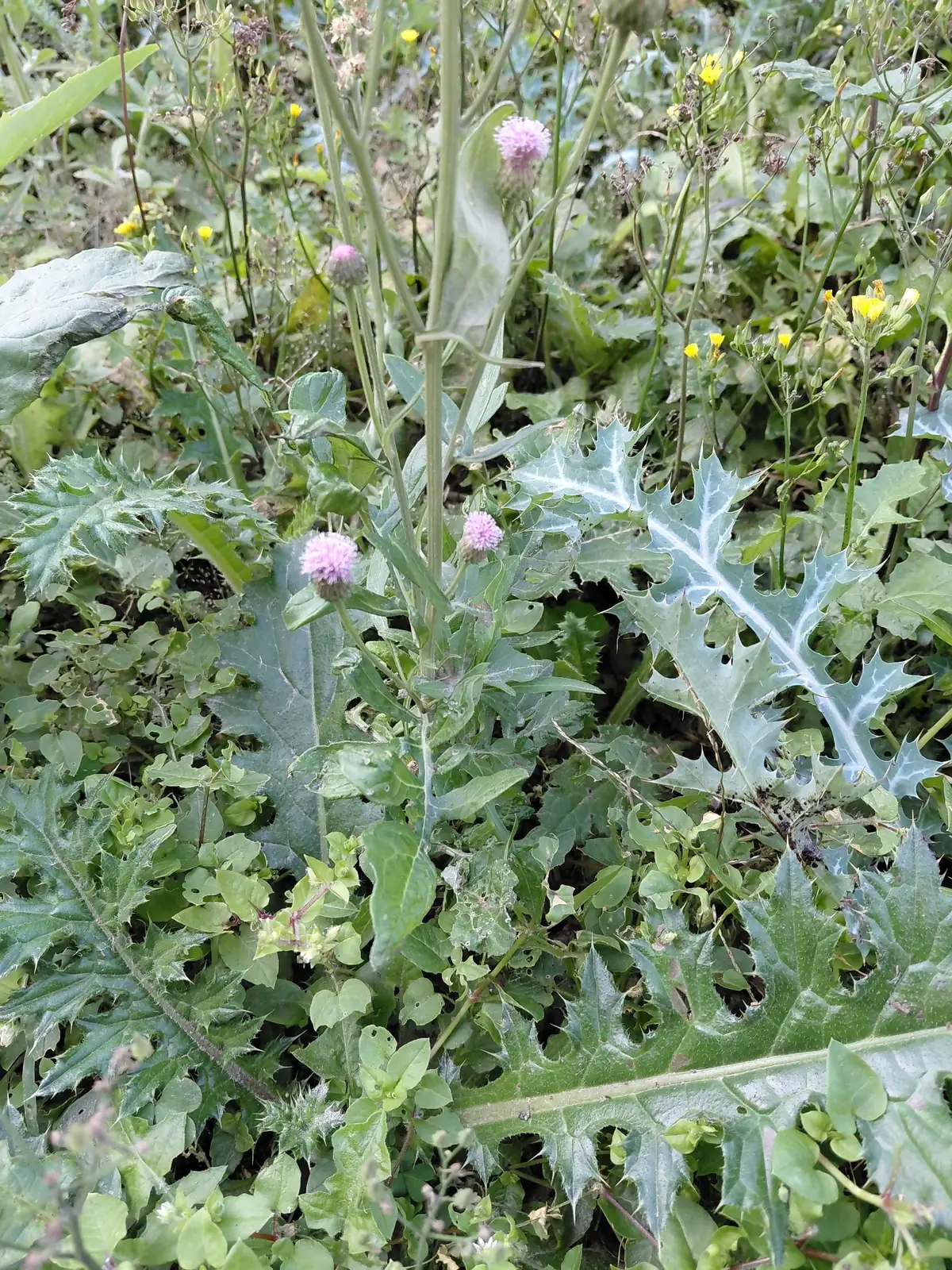
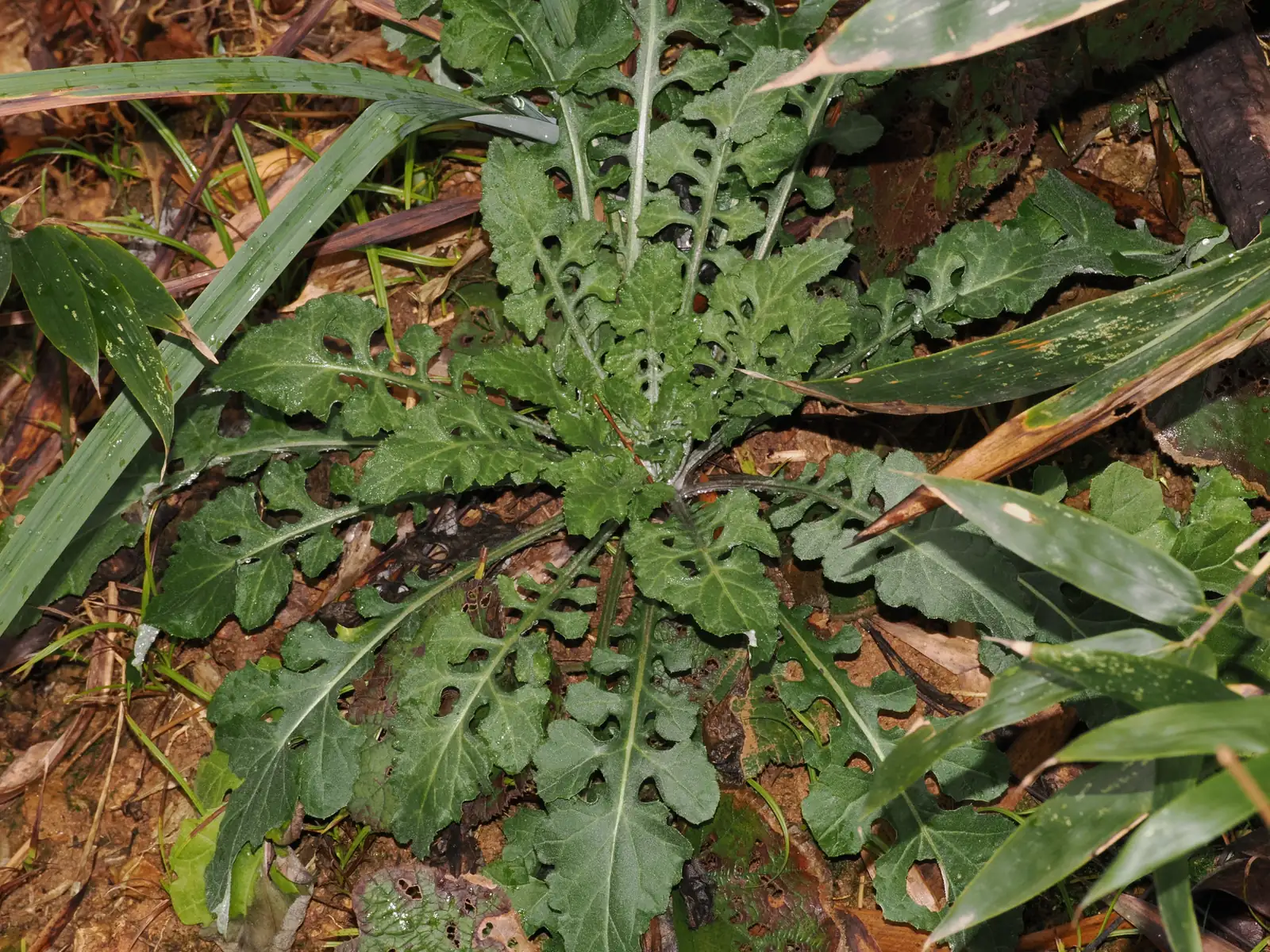
- Foliage: Leaves are pinnately and deeply lobed, giving a feathered look. Plants are usually slender with a mostly solitary stem that may have sparse, cobwebby hairs.
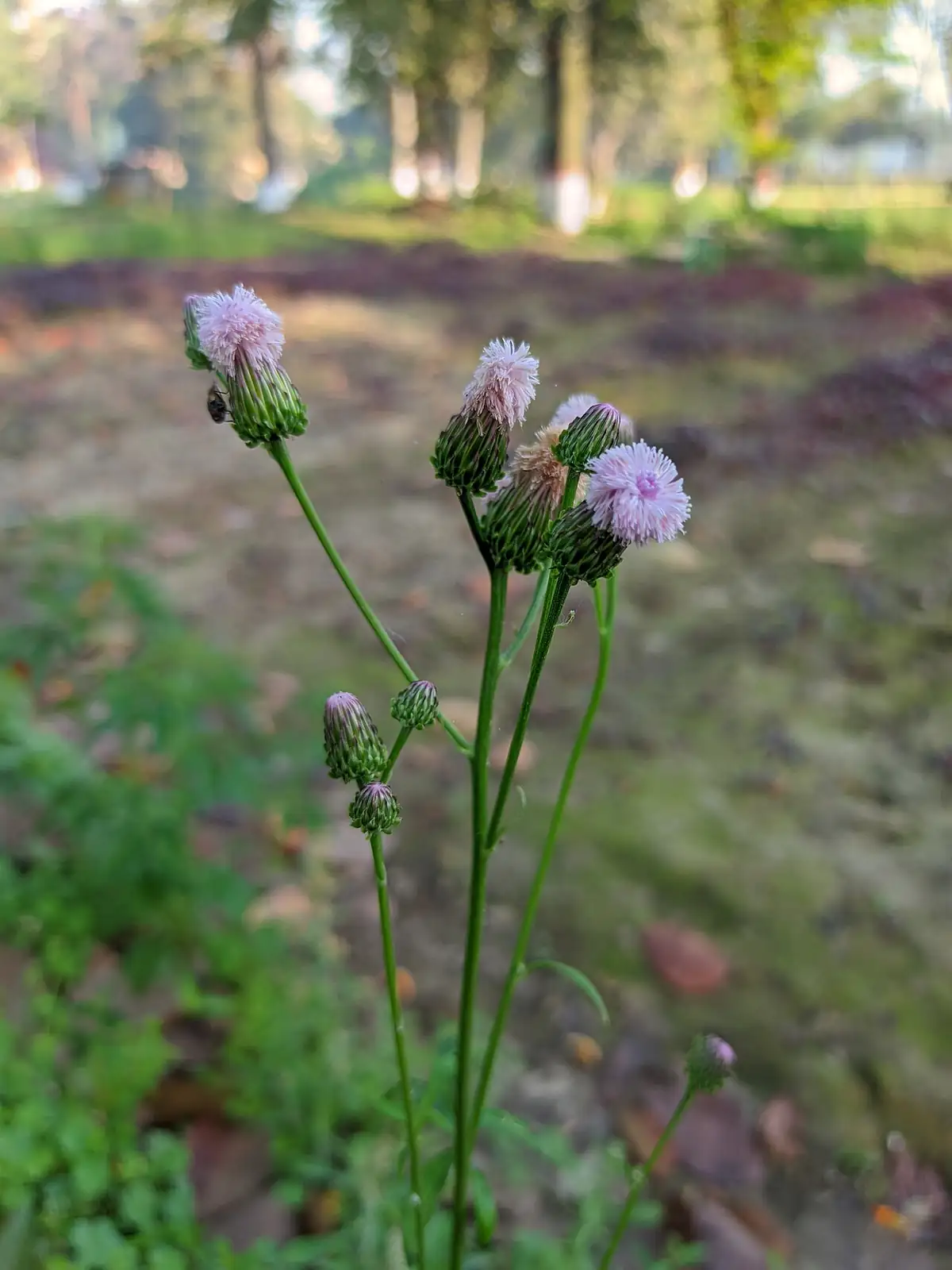
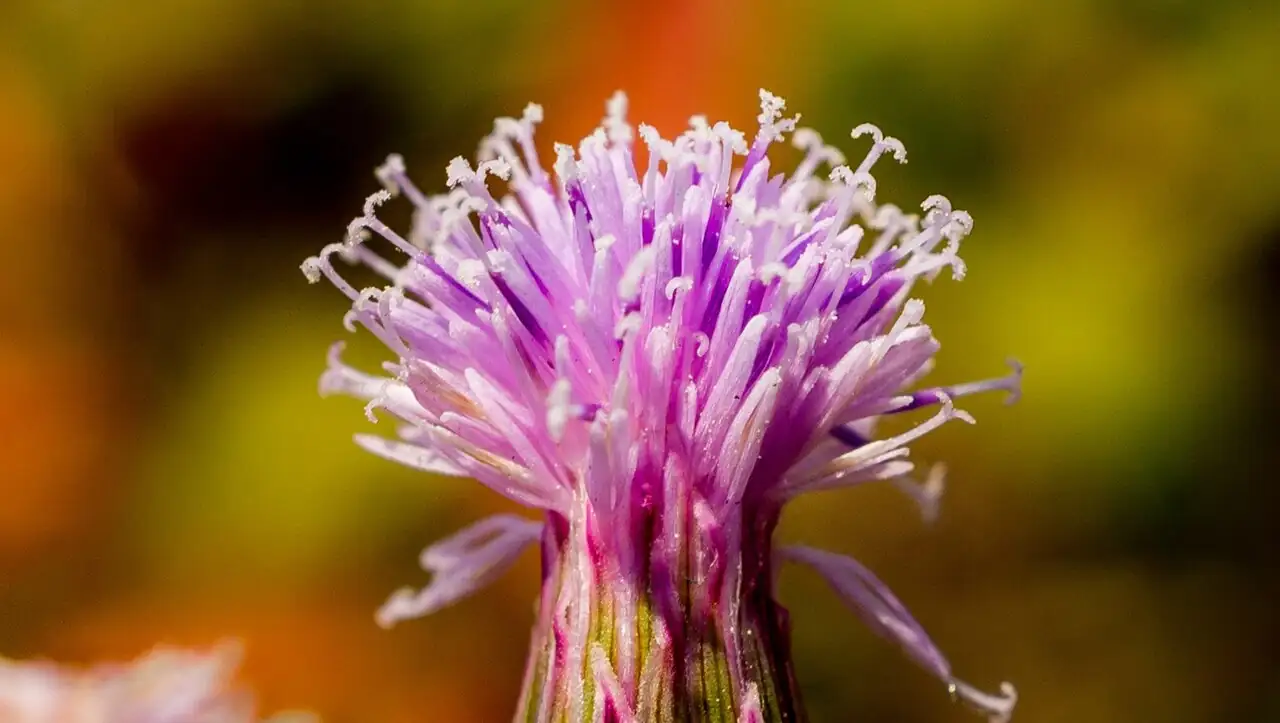
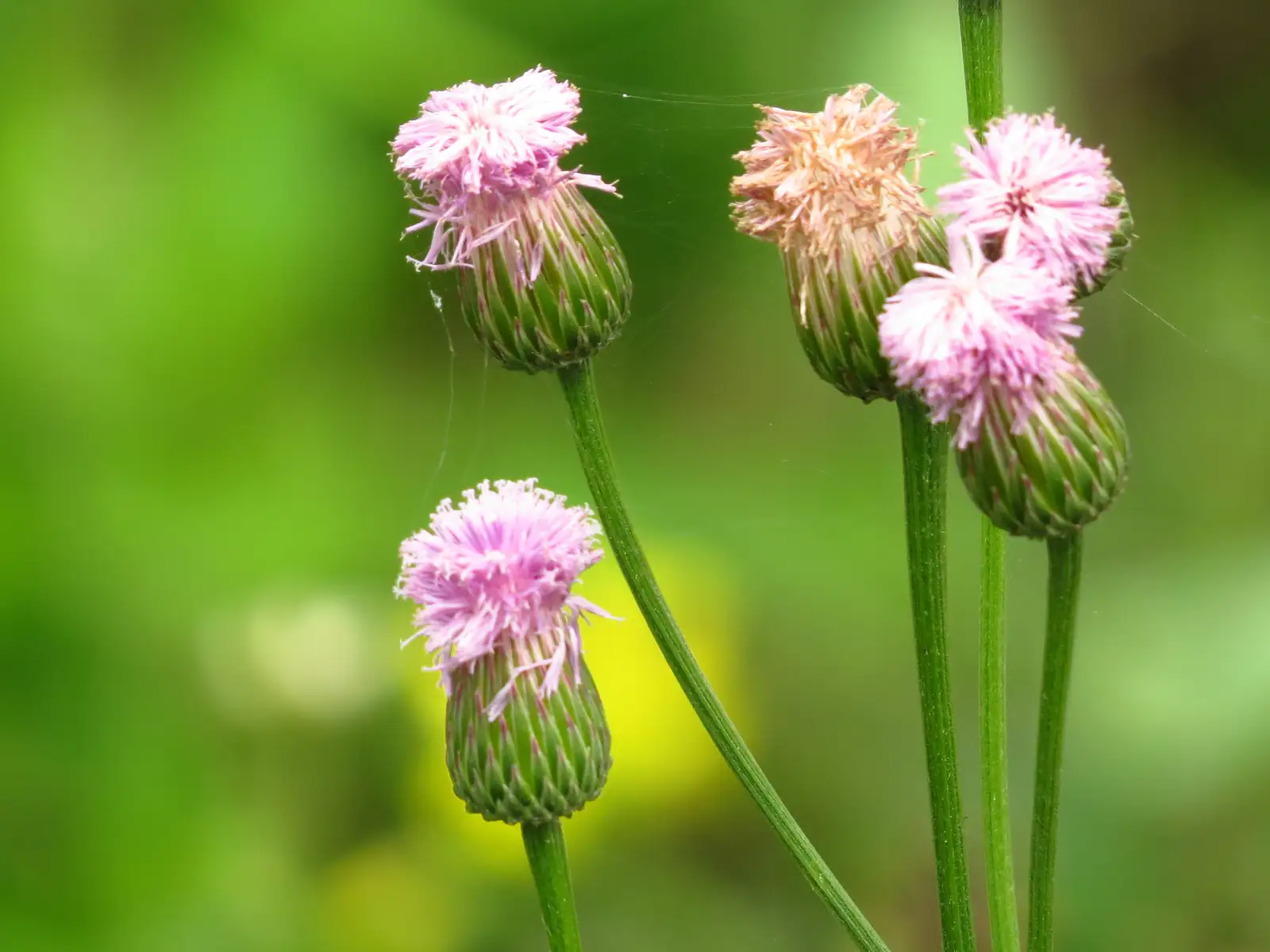
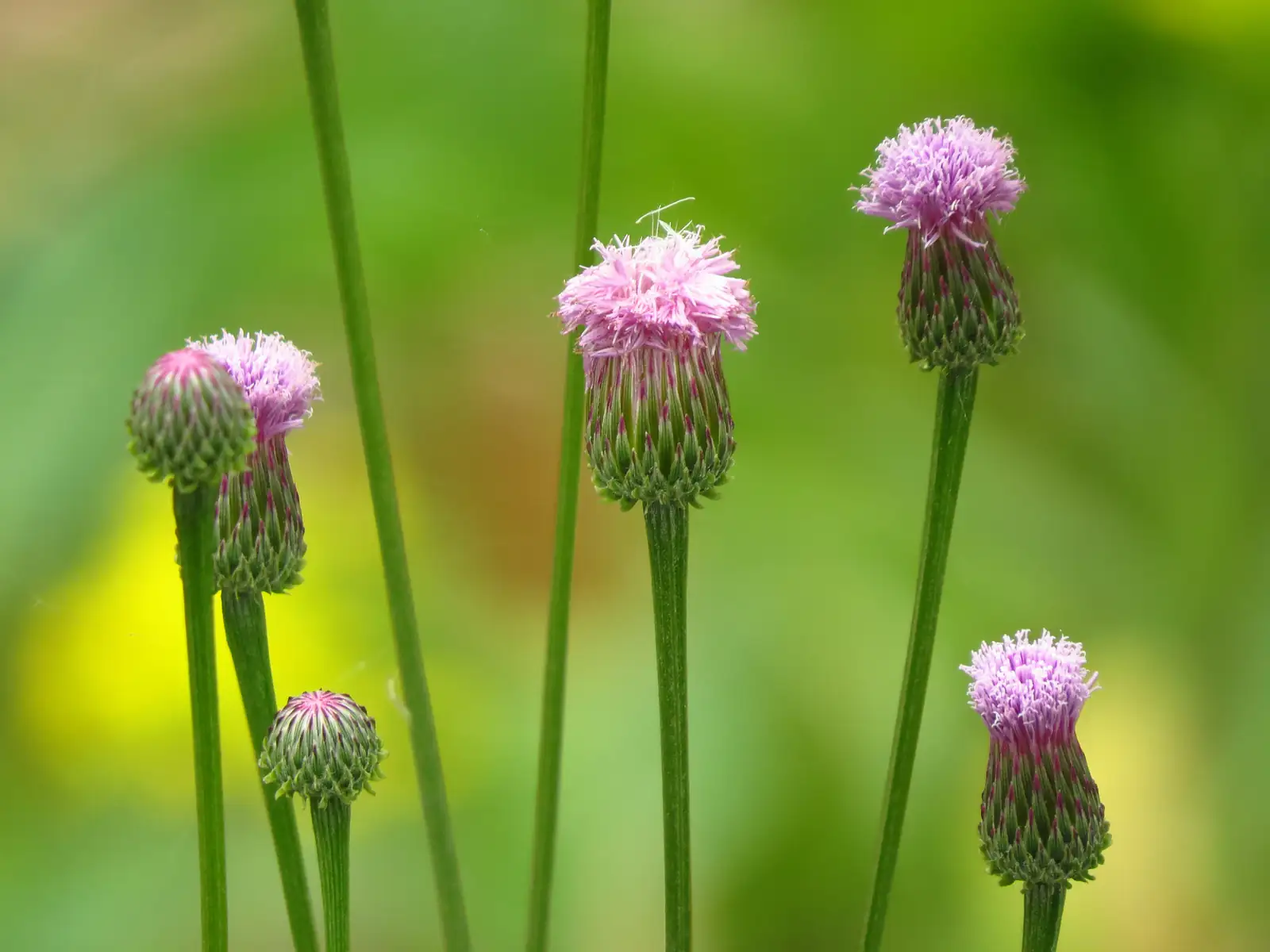
- Flower: Flower heads are small and thistle-like, with purple to reddish florets; corolla lobes are narrow and linear. After flowering, it forms small, dark brown achenes that are somewhat obliquely wedge-shaped.
- Flowering Season: March–August (3–8).
- Growth Habit: Upright annual herb, often single-stemmed; hardy and adaptable in rough, open habitats.
Environment
Sunlight
Full sun to partial shade; brighter light usually gives the best flowering.
Temperature
Often behaves like a cool-season annual; generally grows well around 10–25°C (50–77°F).
Humidity
Average outdoor humidity; tolerates a range as long as the soil drains well and plants aren’t kept crowded and wet.
Soil
Adaptable to many soils, but prefers well-drained ground (sandy to loamy). Commonly colonizes disturbed soils.
Placement
Ideal for informal beds, meadow-style plantings, wild corners, roadside-style borders, and other naturalistic areas; can be used as a seasonal, self-sowing filler where a tidy look isn’t required.
Hardiness
Not especially frost-tender for a cool-season annual, but hard freezes will slow growth or end the season; performance depends on local climate.
Care Guide
Difficulty
Easy in the ground outdoors in suitable climates; largely self-sufficient once established.
Buying Guide
If buying seed or starts, check that the label matches the scientific name Hemistepta lyrata. Choose seedlings with firm, upright stems, healthy lobed leaves, and no obvious wilting or pest damage.
Watering
Water regularly while seeds germinate and seedlings establish, keeping soil lightly and evenly moist. Once established, water mainly during prolonged dry spells. Avoid waterlogged soil.
Fertilization
Usually not needed in average soil. If plants look weak or stunted, apply a light, balanced fertilizer at half strength during active growth.
Pruning
Not required. Deadhead to reduce self-seeding; leave seed heads if you want the plant to naturalize.
Propagation
Primarily by seed. Let seed heads mature for collection, or allow plants to self-sow where conditions suit.
Repotting
Not typically grown long-term in containers. If grown in a pot, move up one pot size only when rootbound and use a free-draining mix.
📅 Seasonal Care Calendar
Sow (or allow natural germination) during the cooler season; keep lightly moist until established. Flowering and fruiting commonly occur from March–August (3–8). Remove spent plants for a tidier bed, or leave them to reseed for a natural, self-renewing patch.
Pests, Diseases & Safety
Common Pests & Diseases
Generally trouble-free. In crowded plantings or overly wet conditions, watch for aphids and fungal leaf spots; improve airflow and avoid overwatering.
Toxicity
No clear, widely accepted toxicity information is established for this species in common references. Treat it as non-edible, and discourage pets or children from chewing any wild/ornamental plants.
Culture & Symbolism
Symbolism: Often linked with resilience and a relaxed “wild meadow” feeling, since it thrives where many plants struggle.
History & Legends: No well-known legends are widely recorded in English sources; it’s mainly recognized as a common wild Asteraceae herb in East Asia.
Uses: Mostly ornamental in a loose, naturalistic sense—useful as a seasonal filler or groundcover-like wildflower in informal plantings rather than formal borders.
FAQ
Is Hemistepta lyrata a good garden plant?
Yes—if you enjoy a natural, wildflower look. It fits best in informal beds, meadow mixes, or wild corners rather than manicured borders.
How do I keep it from spreading?
Deadhead before seeds mature, or pull plants after flowering to prevent (or greatly reduce) self-seeding.
When does it flower?
Commonly from March–August (3–8), though timing can shift with local climate.
Fun Facts
- It’s reported across most of China, with some references noting it is absent from Xinjiang and Tibet.
- Despite the delicate look of its finely divided leaves, it’s a hardy annual that handles rough, disturbed ground.
- Its small purple-to-reddish flower heads give a subtle thistle-like feel without being a big, showy bloom.
- The fruits are achenes—tiny, dark brown seeds with a slightly wedge-shaped form.
- It’s often valued more for a tough, self-sowing, naturalistic effect than for formal ornamental display.


