Plant Features
- Size: Typically 1–4 m (3.3–13.1 ft) tall; forms clumps with multiple upright canes.
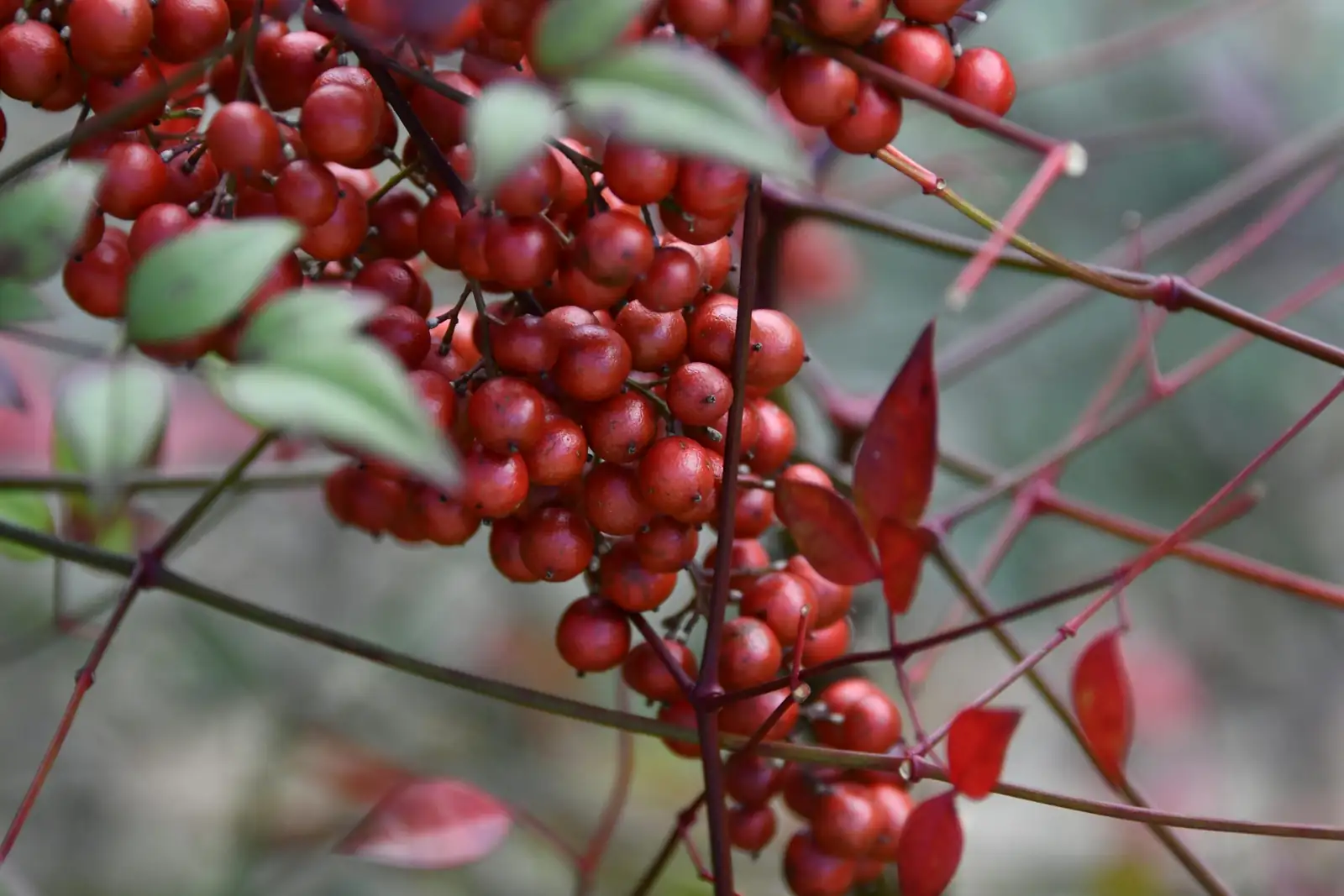
- Foliage: Leaves are bi- to tri-pinnate (2–3 times compound) and alternately arranged; leaflets are leathery, entire, elliptic to lance-shaped, and hairless. Foliage often turns bright red in autumn and winter, especially with cool nights and good light.
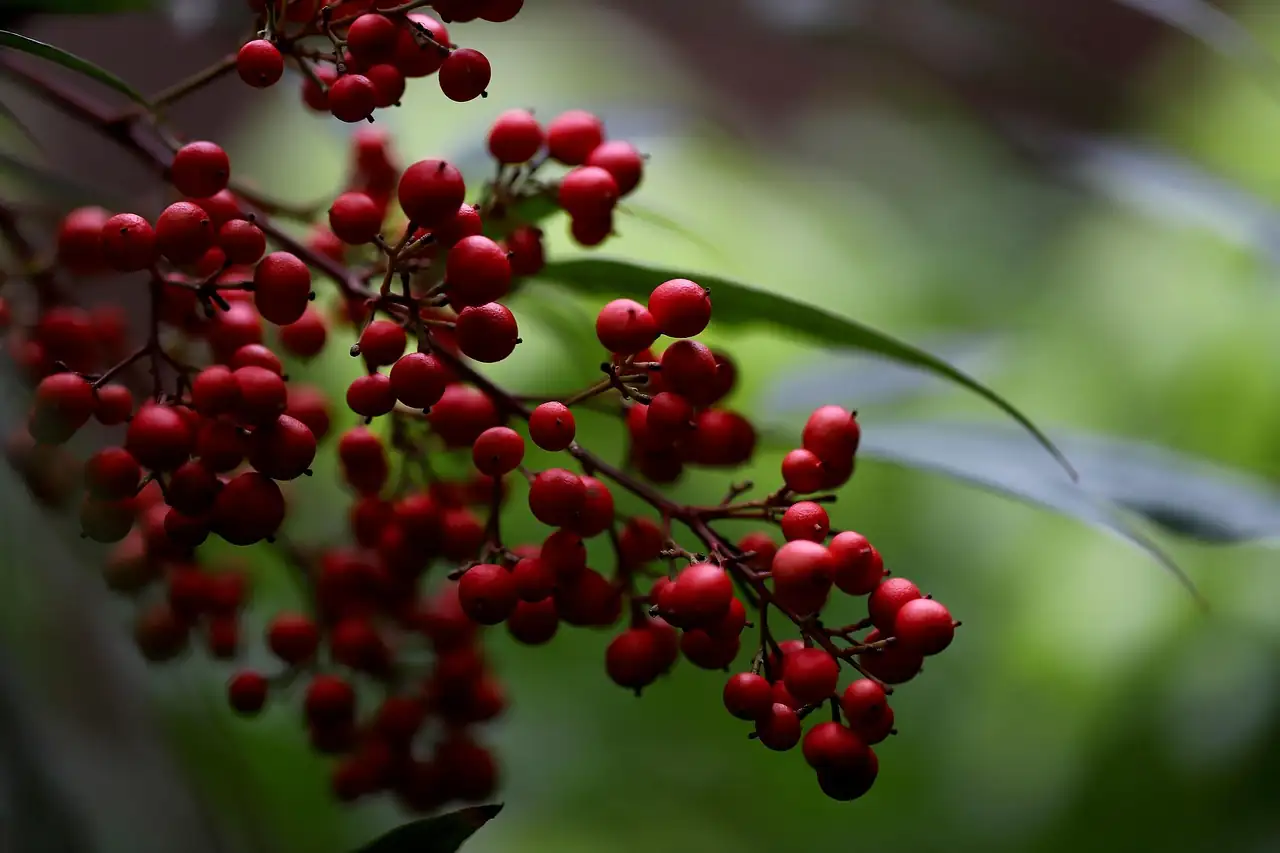
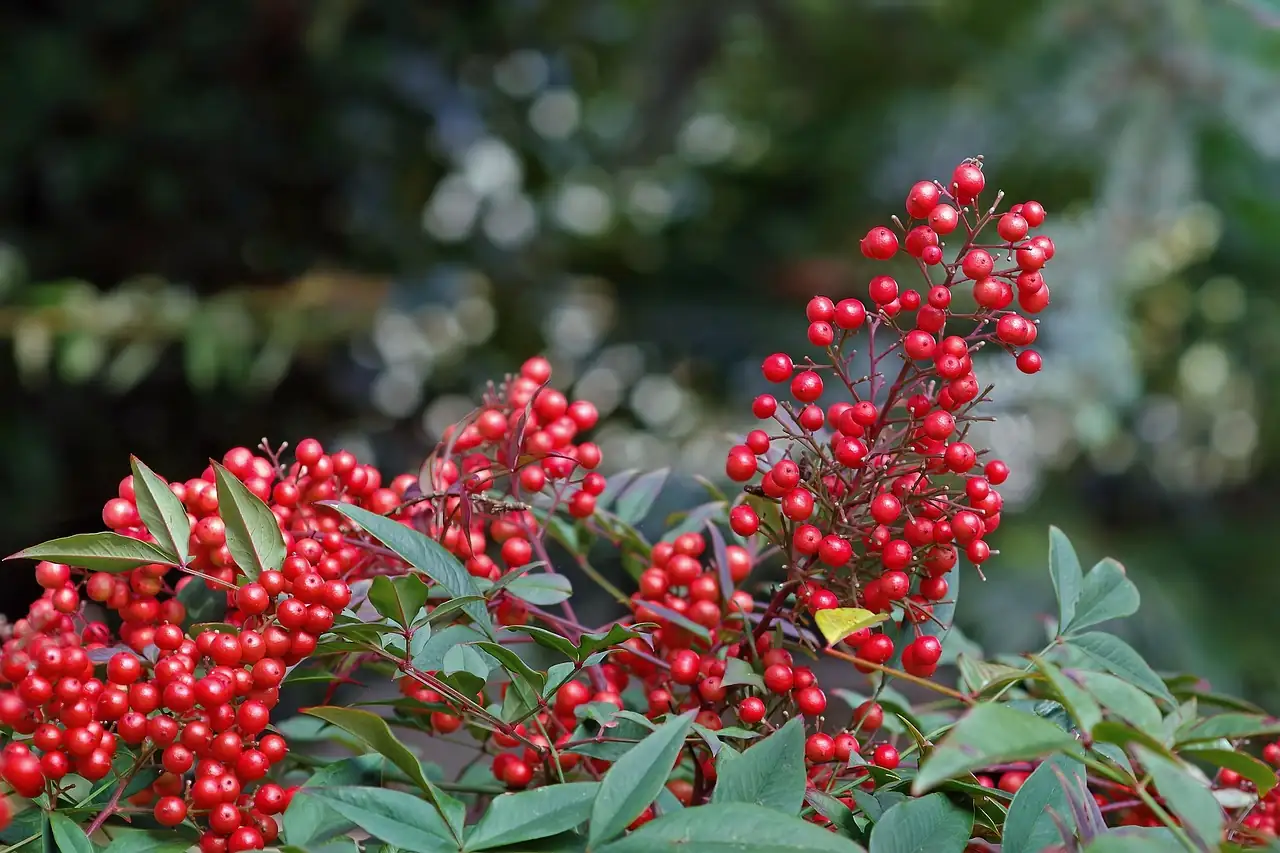
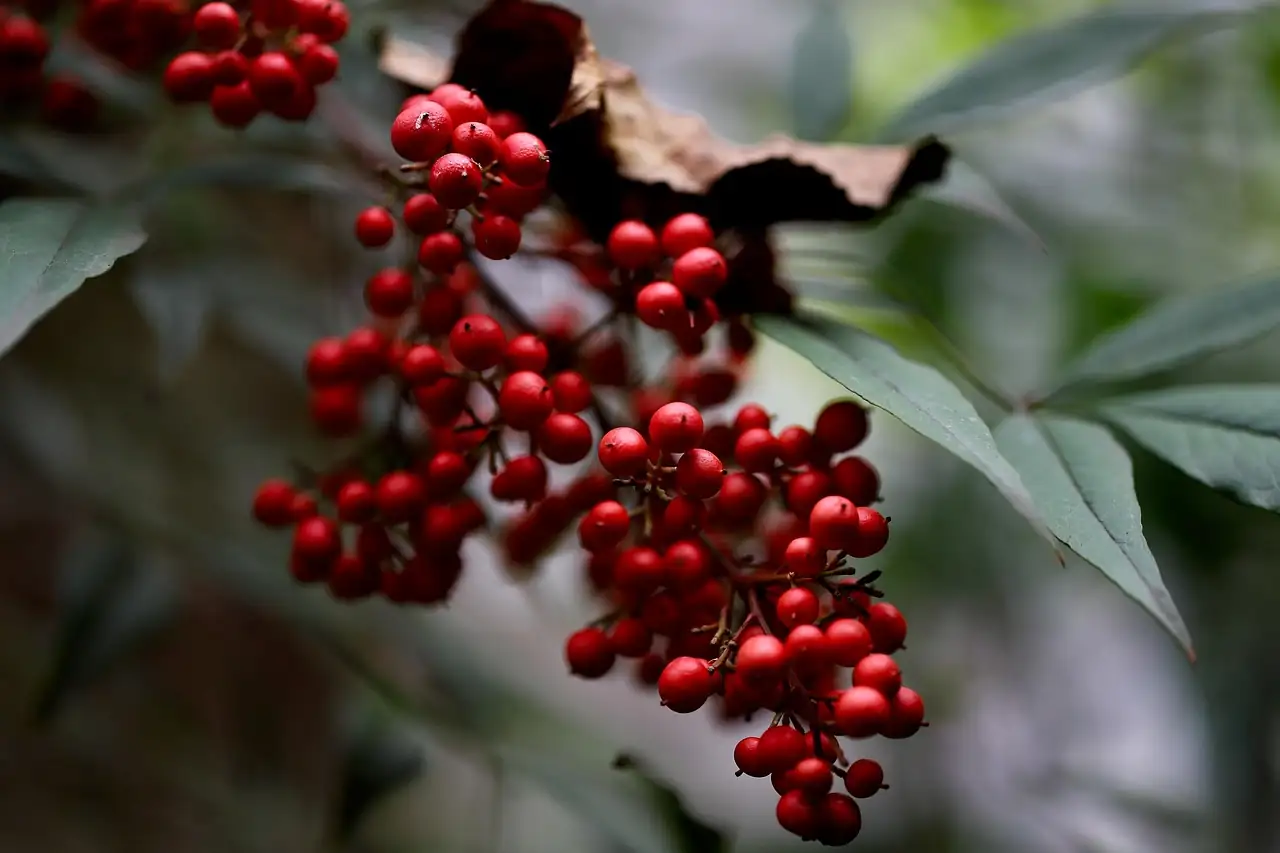
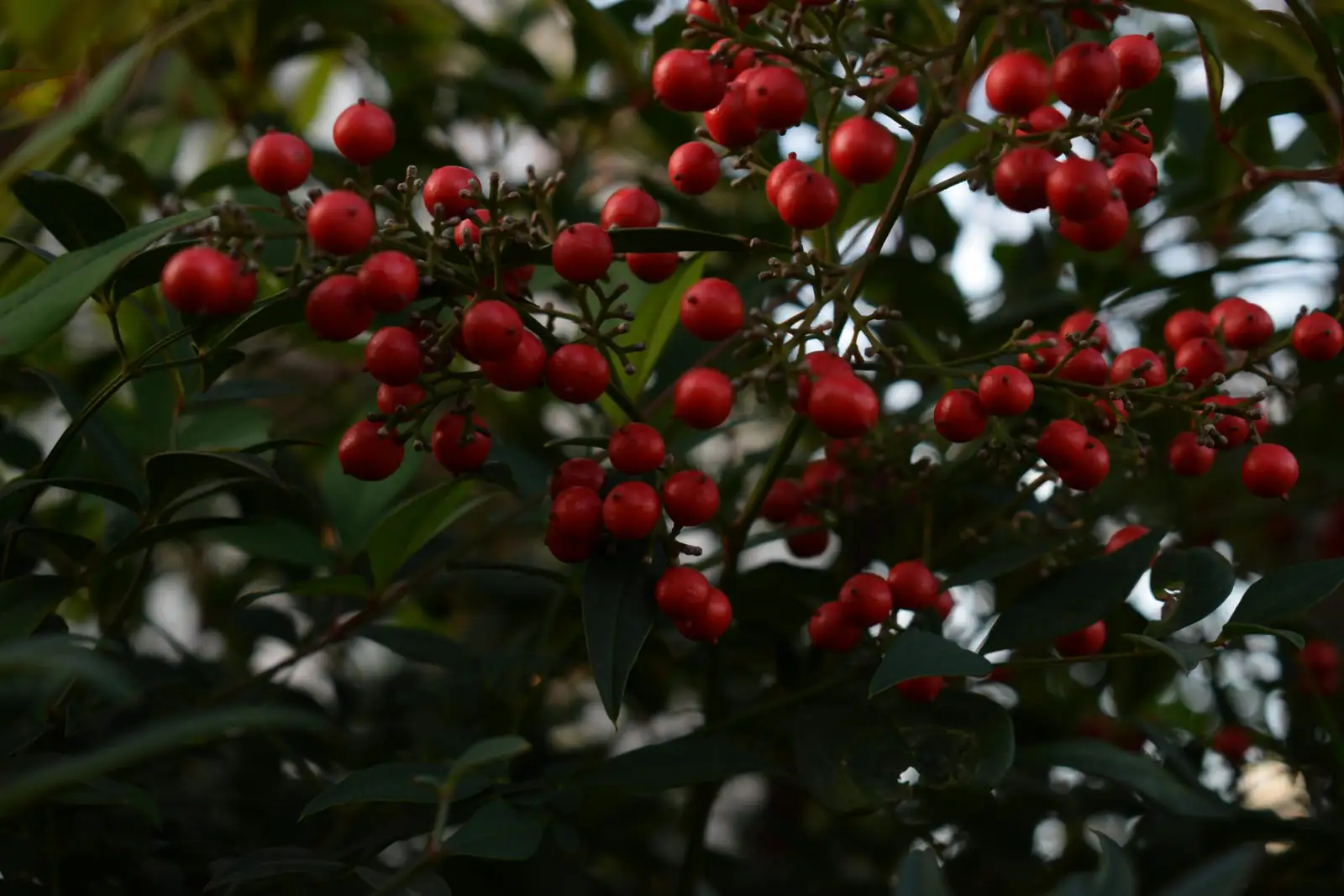
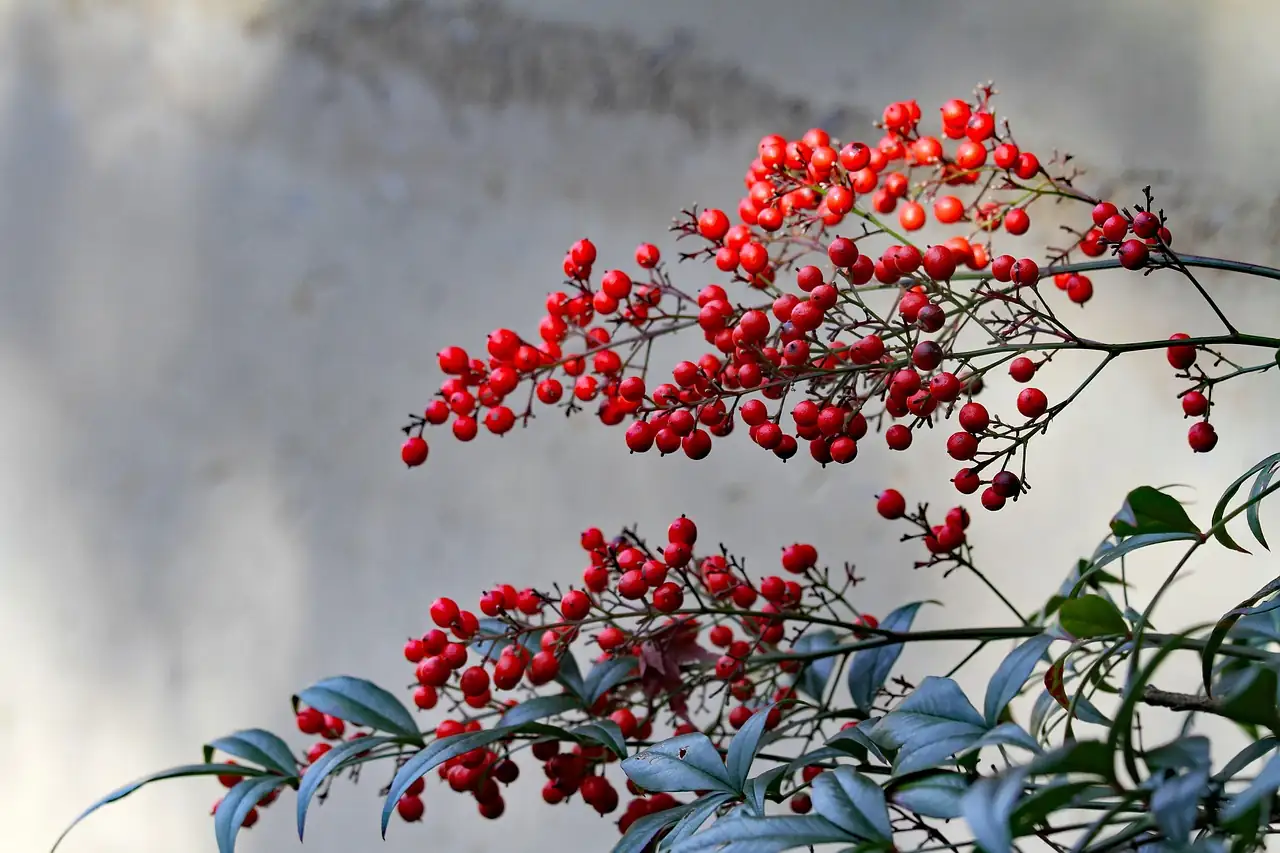
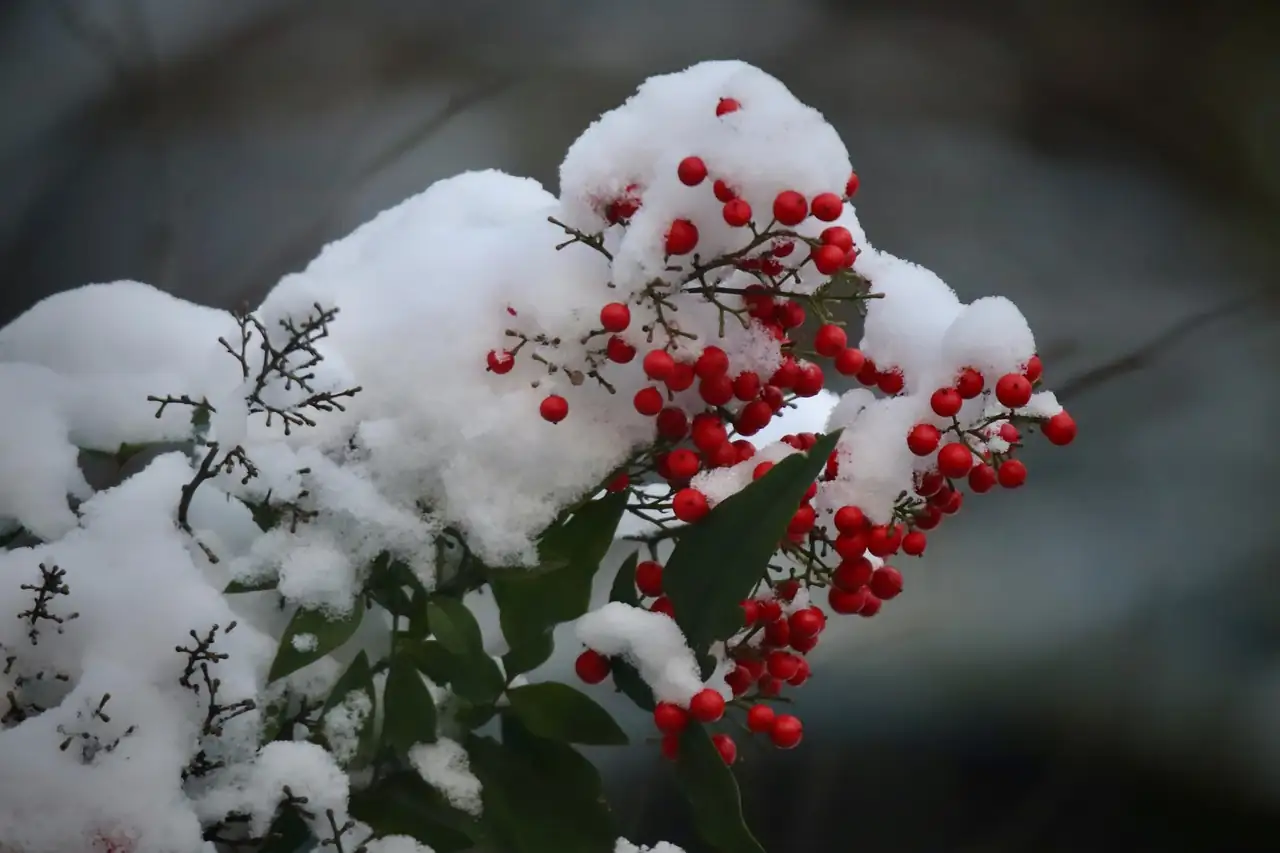
- Flower: Produces terminal panicles of many small white flowers; the inflorescences are about 13–25 cm (5.1–9.8 in) long. Flowers are followed by round berries that ripen to a showy red and can persist into the cooler months.
- Flowering Season: March–June
- Growth Habit: Evergreen, clump-forming shrub with upright, cane-like stems; resprouts strongly from the base and can be long-lived.
Environment
Sunlight
Best in part shade to bright, dappled light. Deep shade can reduce vigor and berry production, while harsh full sun (especially hot afternoon sun) may scorch tender new growth.
Temperature
Prefers mild conditions; ideal growth is around 10–28°C (50–82°F). Not suited to severe cold—protect from hard freezes, especially container plants.
Humidity
Prefers evenly moist conditions with good airflow. Avoid stagnant, overly humid corners (particularly indoors), which can encourage pests and leaf spotting.
Soil
Adaptable, but happiest in well-drained, loose, airy soil. Often associated with calcareous (lime-rich) soils; in pots, use a free-draining mix and ensure drainage holes are unobstructed.
Placement
Outdoors: excellent for mass plantings near buildings, along paths, at lawn edges, or in mixed shrub borders—especially striking against light walls or near rocks. Indoors/containers: place in a bright, cooler spot (entryways, living rooms, large indoor venues); keep away from radiators and intense midday sun through glass.
Hardiness
Generally USDA Zone 6–10; may be damaged in colder winters and benefits from a sheltered position and winter protection in marginal areas.
Care Guide
Difficulty
Easy to moderate—very adaptable, but looks its best with steady moisture, sharp drainage, and light shade.
Buying Guide
Pick plants with firm, upright canes and clean, healthy foliage. Avoid blackened tips, shriveled berries, sour-smelling waterlogged potting mix, and any obvious scale insects on stems.
Watering
Water thoroughly, then let the top 2–5 cm (0.8–2 in) of soil dry slightly before watering again. Keep evenly moist rather than soggy; increase watering during hot spells and reduce in cooler seasons. Good airflow helps prevent stress and disease.
Fertilization
Feed lightly in spring and early summer. Use a balanced slow-release fertilizer, or for container plants use half-strength liquid feed every 4–6 weeks during active growth. Avoid heavy nitrogen, which can dull leaf color and encourage soft, weak growth.
Pruning
Late winter to early spring is ideal. Maintain the natural, airy look by removing a few of the oldest canes at the base to stimulate fresh new shoots. Avoid shearing, which spoils the form and can reduce flowering/berrying.
Propagation
Most easily propagated by division or by separating basal shoots. Semi-ripe cuttings can also work. The plant naturally produces new shoots readily, making clump division straightforward when mature.
Repotting
Repot every 2–3 years in spring, moving up about 2–5 cm (0.8–2 in) in pot diameter. Refresh the mix and ensure strong drainage; divide at the same time if the plant is crowded.
📅 Seasonal Care Calendar
Flowers: March–June. Berries: May–November. Peak ornamental season is autumn and winter when foliage reddens and berries persist. Water more during heat; in winter, protect from hard freezes—especially in pots.
Pests, Diseases & Safety
Common Pests & Diseases
Usually quite tough. Watch for scale insects, aphids, and spider mites (especially indoors). Leaf spot can occur in wet, poorly ventilated conditions. Improve airflow, avoid late-day overhead watering, and use horticultural soap or oil when needed.
Toxicity
Toxic if ingested. Leaves and berries contain cyanogenic compounds; keep away from children and pets (including dogs and cats). Ingestion may cause gastrointestinal upset or more serious symptoms.
Culture & Symbolism
Symbolism: Often seen as an auspicious, festive plant in East Asian New Year décor—its winter-red foliage and bright berries are associated with luck and seasonal celebration.
History & Legends: Long cultivated in Chinese gardens and frequently planted near traditional architecture, where its refined, bamboo-like silhouette pairs beautifully with white walls and rockeries.
Uses: Mainly grown as an ornamental for foliage color, red berries, and elegant structure in borders, mass plantings, and containers. Fruiting stems are popular in seasonal floral arrangements (commonly paired with wintersweet for New Year displays). It also has a history of use in traditional medicine using roots, leaves, and fruits.
FAQ
Why isn’t my heavenly bamboo producing many berries?
Low light is a common reason—plants in deep shade often flower and fruit poorly. Move it to brighter dappled light, avoid heavy nitrogen fertilizing, and don’t shear the plant (shearing can remove flower buds).
Why are the leaf tips turning brown or scorched?
This is usually sun scorch on tender new growth, drought stress, or hot, dry wind. Provide part shade, water deeply during heat, and mulch outdoor plants to keep roots cool and evenly moist.
Fun Facts
- It’s sometimes considered an indicator plant for calcareous (lime-rich) soils.
- Berrying stems are widely used in New Year floral arrangements, often paired with wintersweet.
- Its most dramatic look is often in autumn and winter, when the foliage reddens and berries linger.
- It resprouts strongly from the base and can live for many years.
- Despite the common name, it isn’t a true bamboo—its bamboo-like ‘canes’ are simply upright woody stems.