

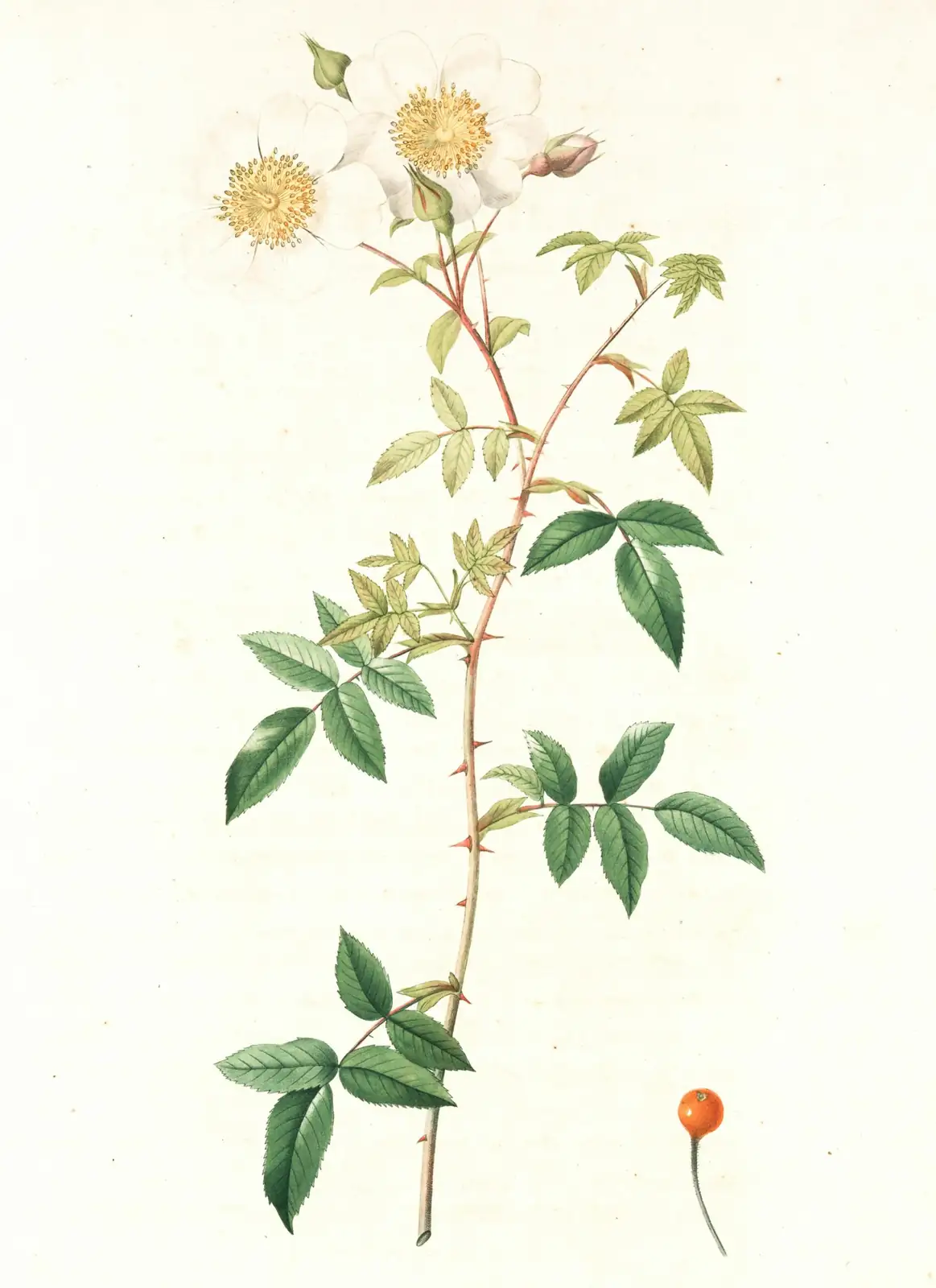
Plant Features
- Size: Typically 30–110 cm (12–43 in) tall; an upright, lightly branching annual herb that can look repeatedly forked toward the top.
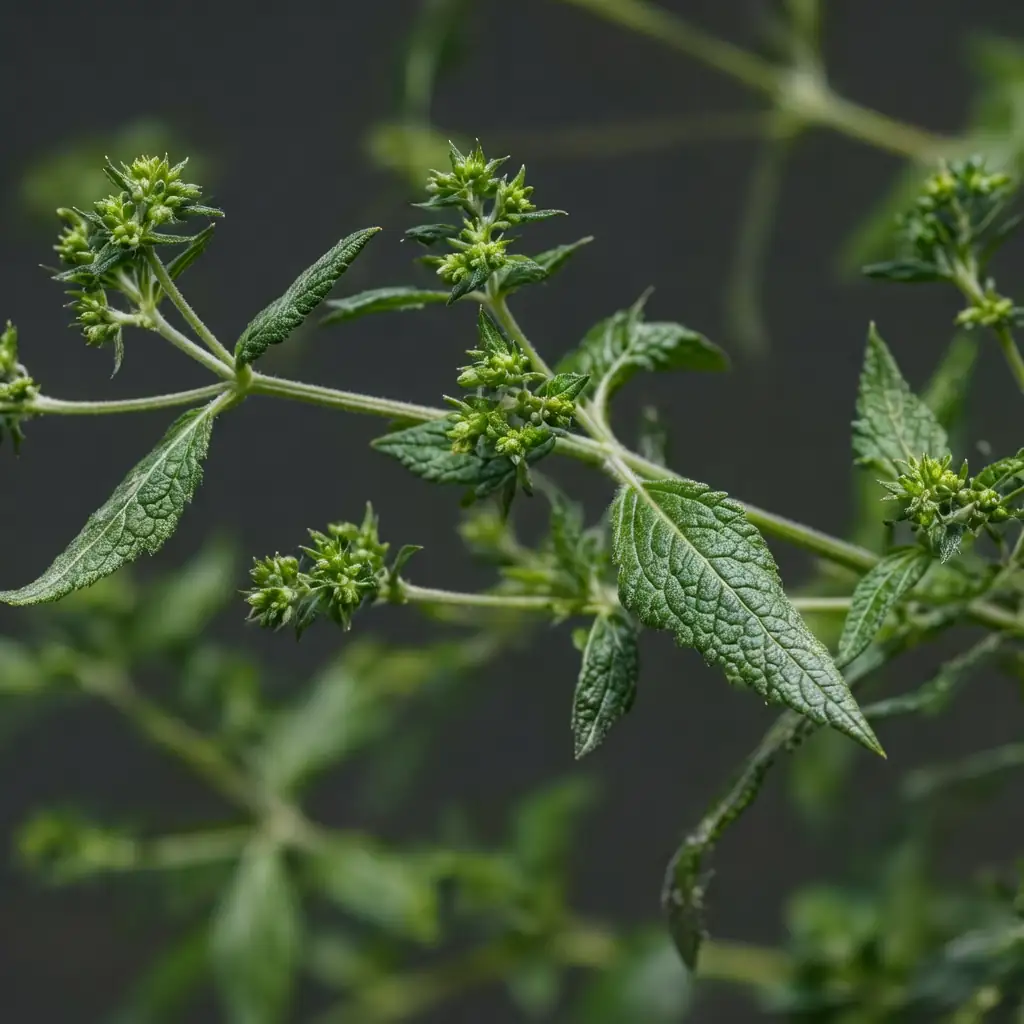
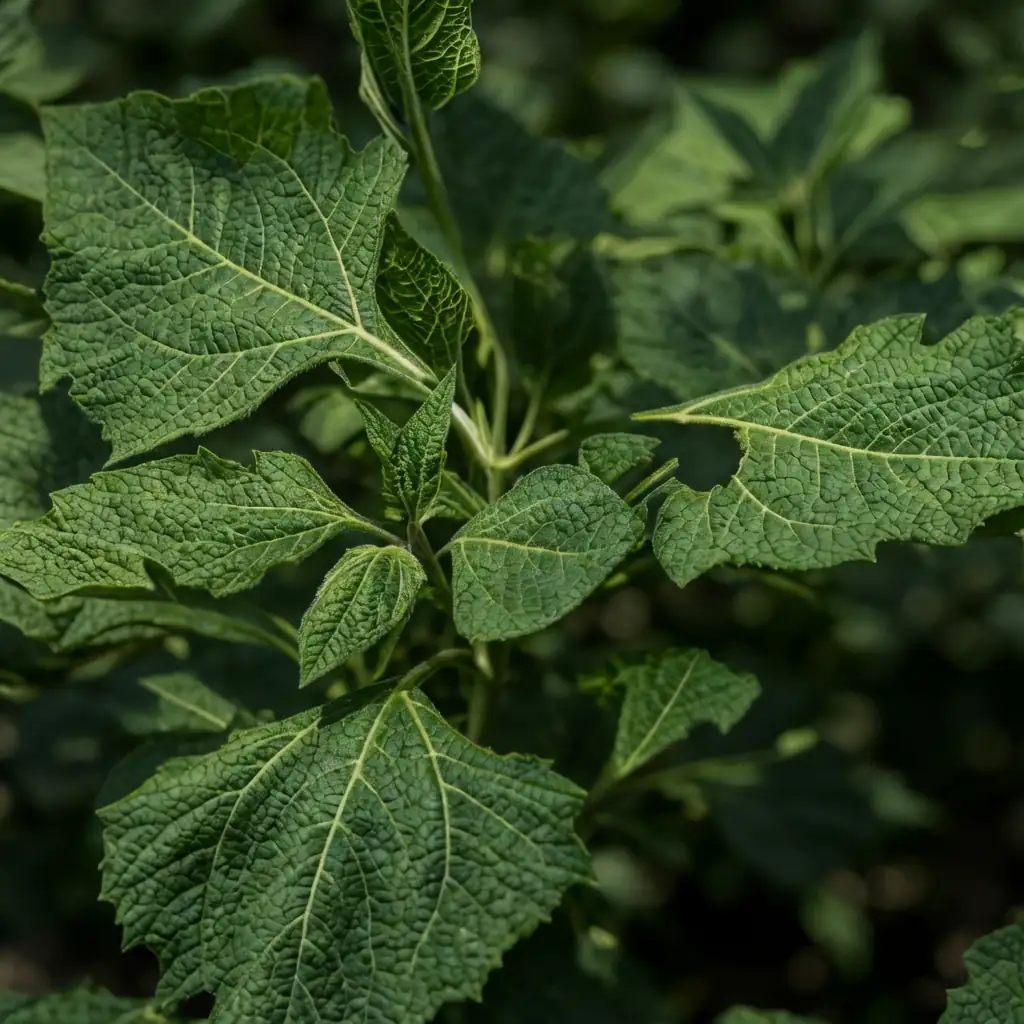
- Foliage: Leaves are triangular-ovate to ovate-lanceolate with three prominent basal veins. Stems and branches are covered in short, gray-white hairs that give the plant a slightly silvery, soft-looking cast.
- Flower: Small yellow composite (daisy-family) flower heads (capitula). After flowering it forms small, obovoid achenes (seed-like fruits).
- Flowering Season: April–September
- Growth Habit: Upright annual herb; stems erect with ascending side branches, often appearing forked in the upper portions.
Environment
Sunlight
Full sun to partial shade; it flowers best with brighter light.
Temperature
Cool to warm-season annual; grows well around 15–30°C (59–86°F).
Humidity
Average outdoor humidity; tolerant of a range provided the soil drains well.
Soil
Adaptable, preferring well-drained soils (sandy to loamy). Avoid persistently waterlogged ground.
Placement
Meadows, wildflower edges, informal borders, woodland-edge style plantings, and naturalized areas; great as a self-sowing filler/groundcover in lightly managed “wild” garden spaces.
Hardiness
Frost-tender annual—generally not overwinter-hardy; completes its life cycle within one growing season.
Care Guide
Difficulty
Easy. Treat it as a “sow it once and let it mingle” annual—especially suited to naturalistic plantings where a bit of self-seeding is welcome.
Buying Guide
Choose correctly labeled seed or seedlings of Siegesbeckia pubescens. Look for vigorous young plants with firm, upright stems and foliage free of mildew, spotting, or obvious pest activity.
Watering
Water regularly while establishing. After that, water mainly during prolonged dry spells. Let the top layer of soil dry slightly between waterings and avoid soggy, constantly wet soil.
Fertilization
Usually not needed in average garden soil. If plants look weak or pale, give one light feeding in spring/early summer using a balanced fertilizer at half strength.
Pruning
Not required. You can pinch young plants lightly for a tidier, bushier look. To encourage self-seeding, leave some flower heads to mature; to prevent excessive spread, deadhead before seeds set.
Propagation
By seed. It readily self-sows. For a more controlled approach, collect ripe seed and sow in place in spring after the risk of frost has passed.
Repotting
Generally unnecessary because it’s an annual. If grown in containers, use a well-draining mix and only pot up if it becomes rootbound.
📅 Seasonal Care Calendar
Spring: sow or transplant after frost; keep evenly moist until established. Summer: minimal care; deadhead if you want to limit self-seeding. Late summer–autumn: allow some seed to ripen for reseeding, or remove spent heads to reduce volunteers.
Pests, Diseases & Safety
Common Pests & Diseases
Usually trouble-free. In crowded, damp conditions it may attract aphids or develop leaf fungal problems; improve airflow, avoid frequent overhead watering, and thin seedlings if needed.
Toxicity
No clear, widely standardized toxicity listing is consistently available in common pet/houseplant safety references. Treat as non-edible and discourage ingestion by children or pets.
Culture & Symbolism
Symbolism: Often appreciated for its “wild and resilient” vibe—more about easygoing abundance than formal symbolism.
History & Legends: No widely cited legends are consistently associated with this species in common gardening references.
Uses: Primarily ornamental in a naturalistic sense: a self-seeding filler/groundcover for wildflower-style gardens, meadow edges, and lightly managed borders where you want a spontaneous, lived-in look.
FAQ
Will it come back every year?
Each plant is an annual and dies after setting seed, but it often returns the following year if seeds are allowed to mature and conditions suit germination.
How can I keep it from spreading too much?
Deadhead before seeds mature, or simply pull extra seedlings in spring—young plants lift easily when the soil is slightly moist.
Fun Facts
- It commonly flowers from April to September, and its fruits can mature from roughly June to November in suitable conditions.
- In good conditions it can reach 30–110 cm (12–43 in) tall—surprisingly tall for a “let-it-sow” wildflower.
- Its slightly gray, soft look comes from short, pale hairs on the stems and branches.
- The leaves show three strong basal veins, a handy ID clue when you’re learning it in the wild.
- Because it self-seeds readily, it can create a relaxed meadow feel with very little effort once established.


