

Plant Features
- Size: Typically 30–60 cm (12–24 in) tall.
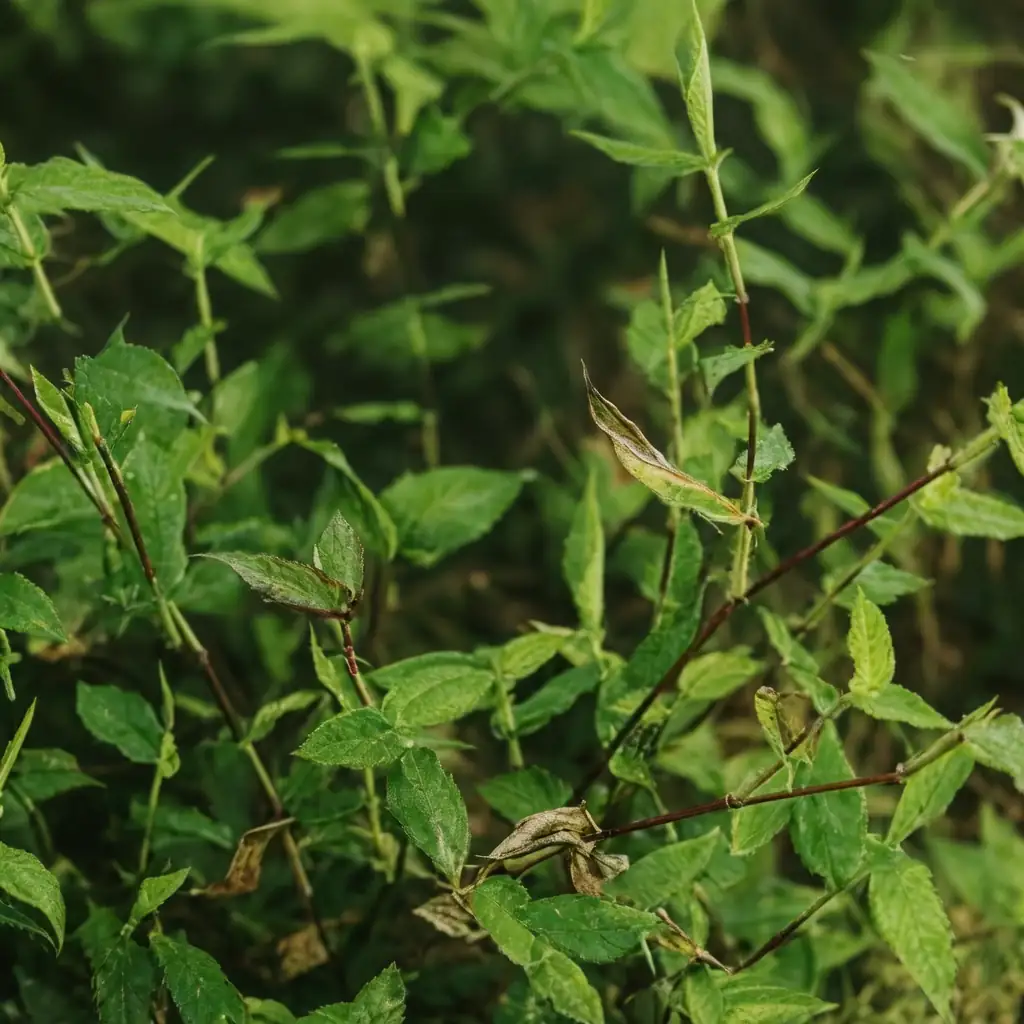
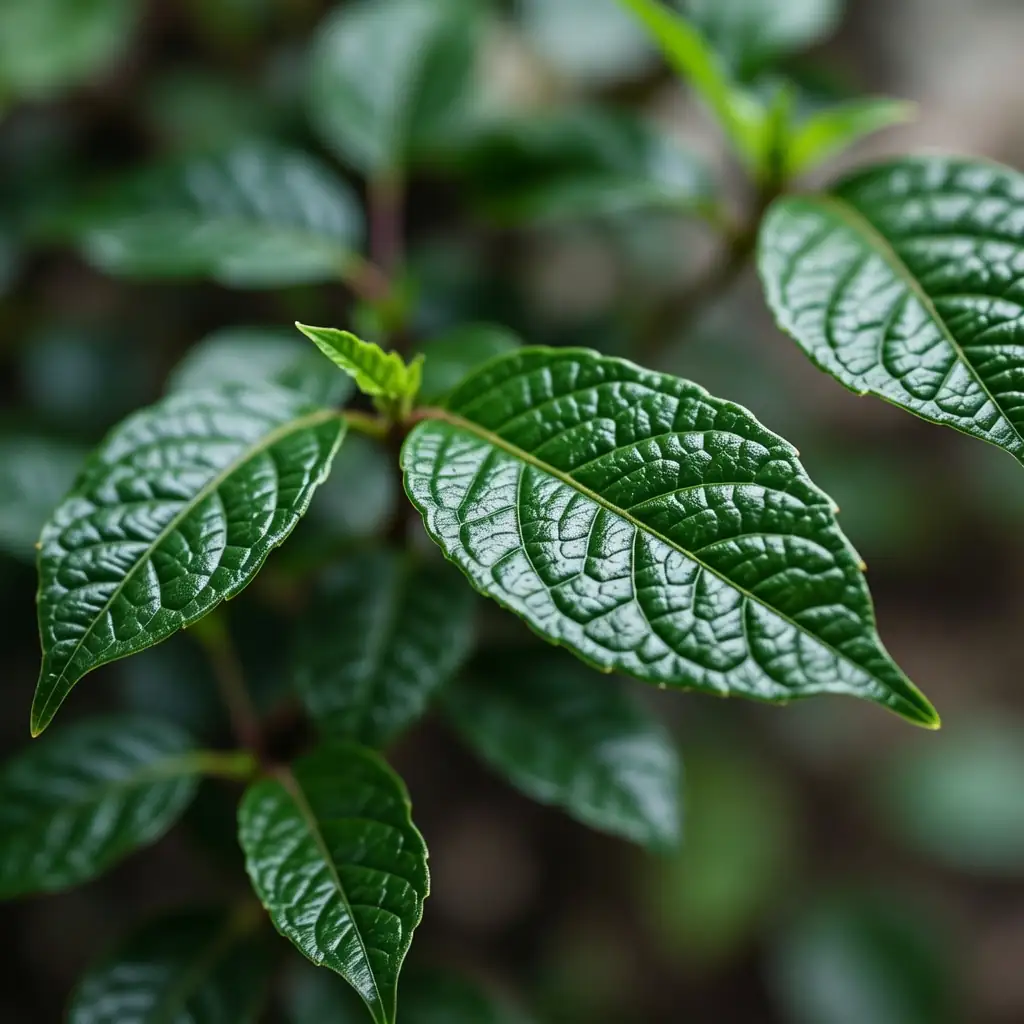
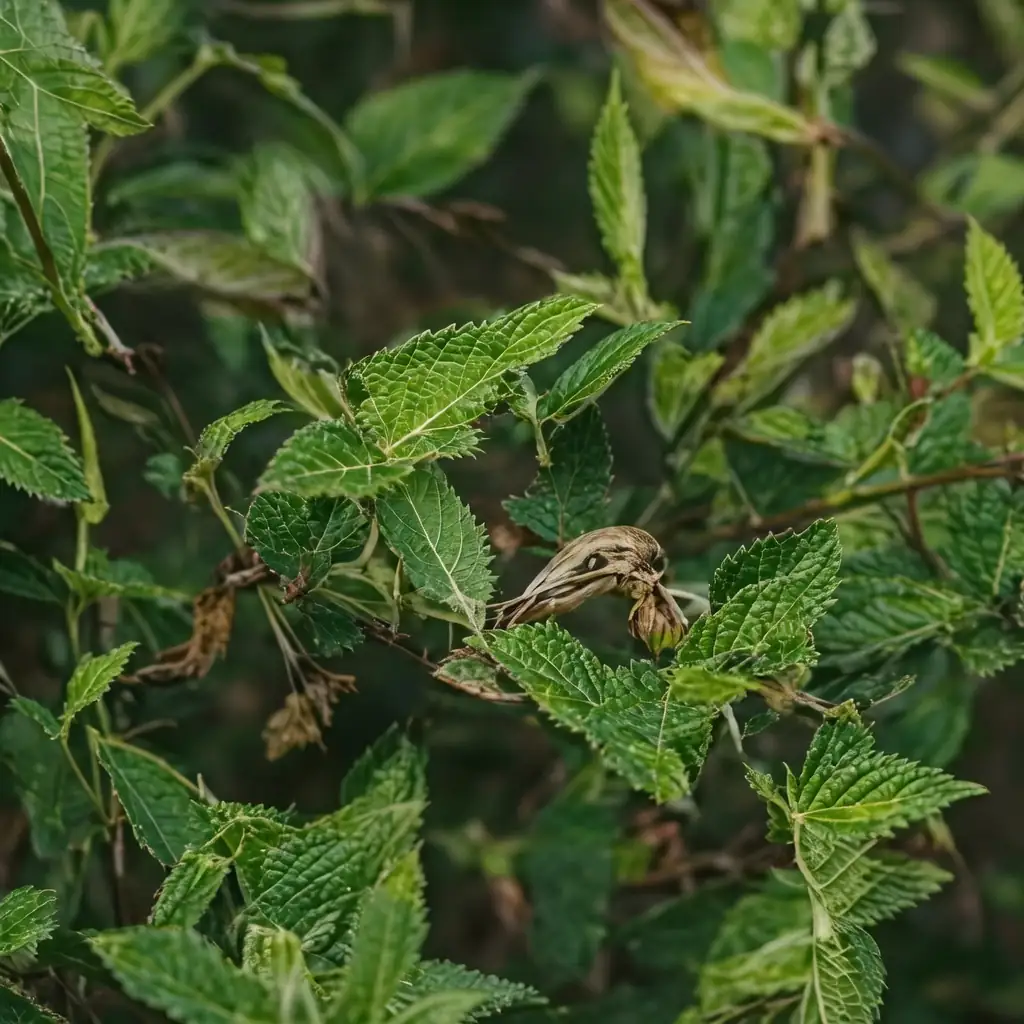
- Foliage: Leaves are ovate-lanceolate with a heart-shaped base that clasps the stem. A key identifying detail is the membranous ligule with conspicuously long hairs along its margin, giving the plant a subtly “hairy” look up close.
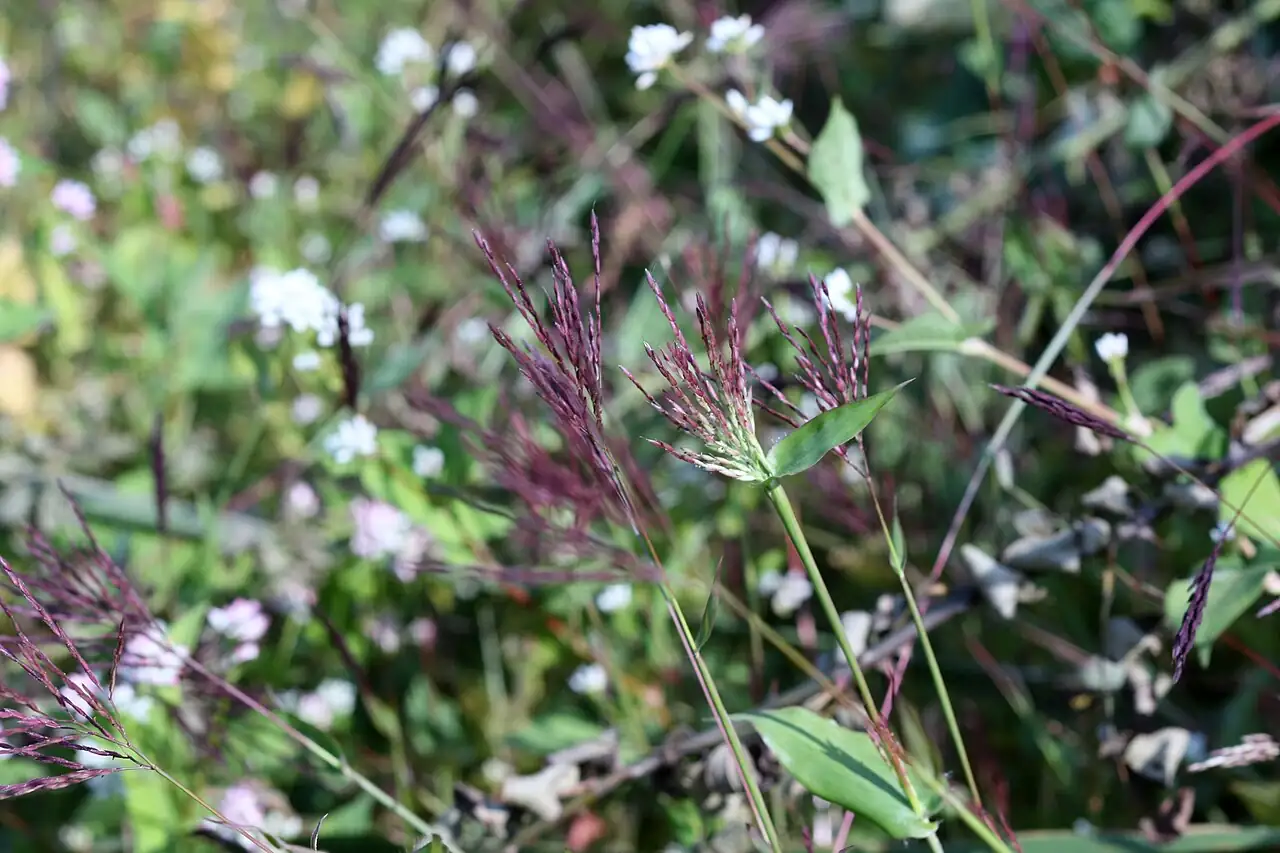
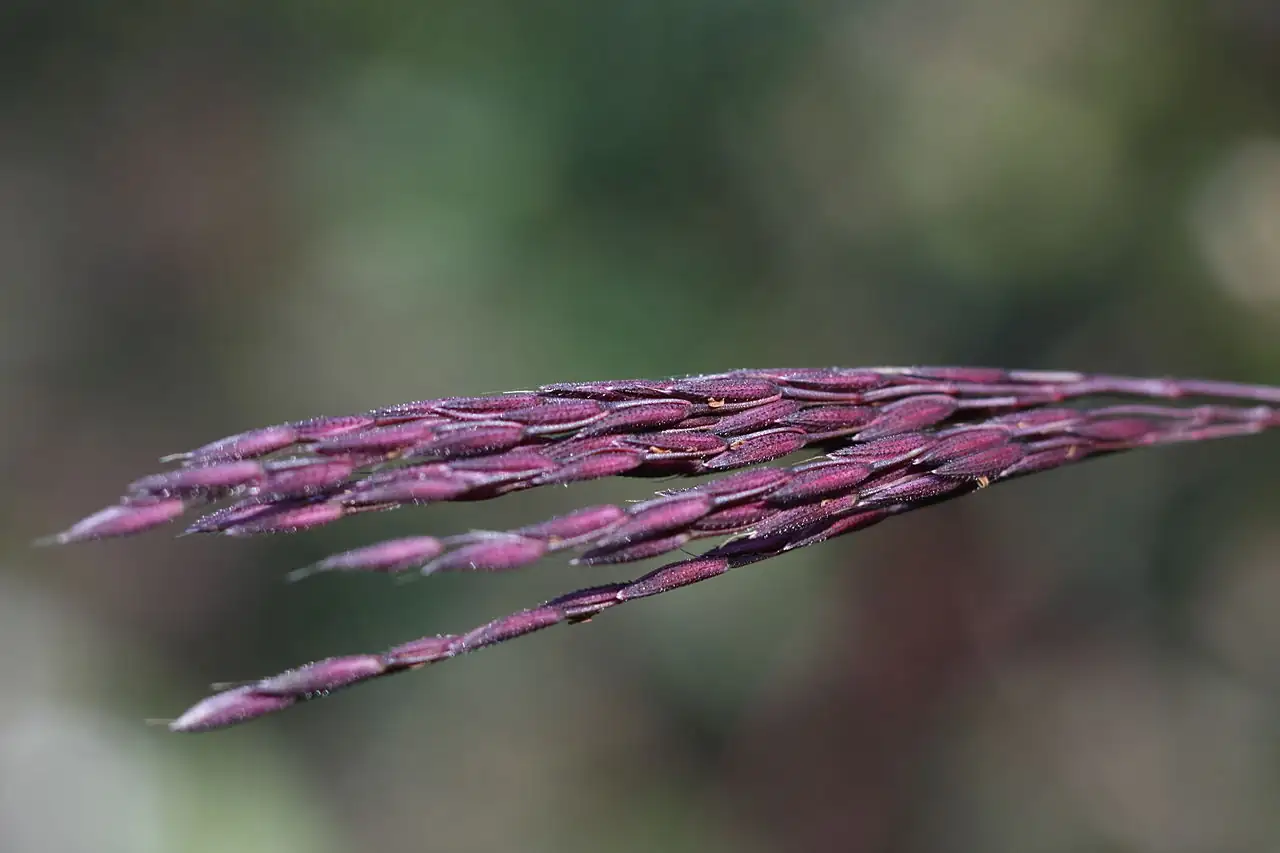
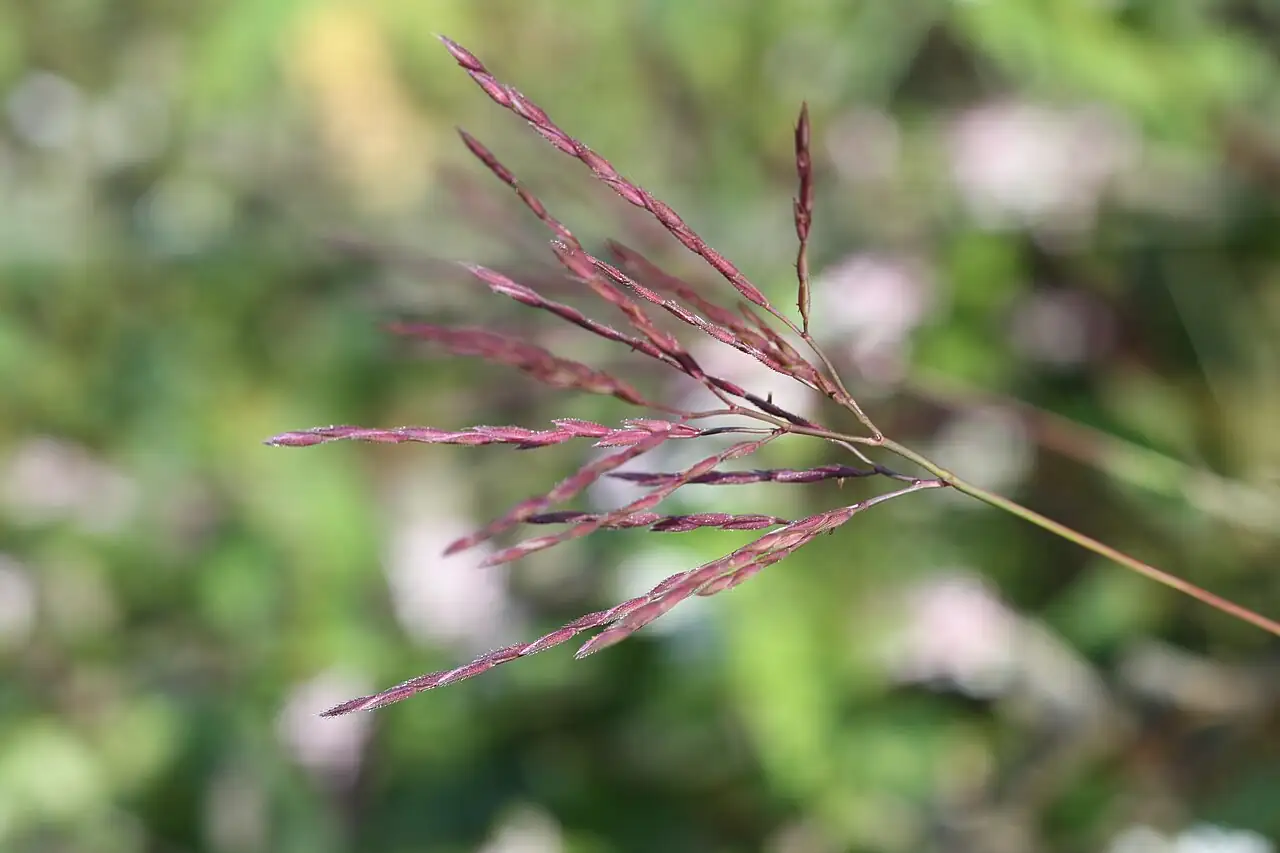
- Flower: The flowering structure consists of slender, branched clusters of racemes arranged in a finger-like to corymb-like pattern. Spikelet parts are generally smooth to nearly hairless, with ovate-lanceolate glumes; flowering is not showy like garden blooms, but attractive in a fine-textured, meadow-grass way.
- Flowering Season: August–October (flowers and seed set).
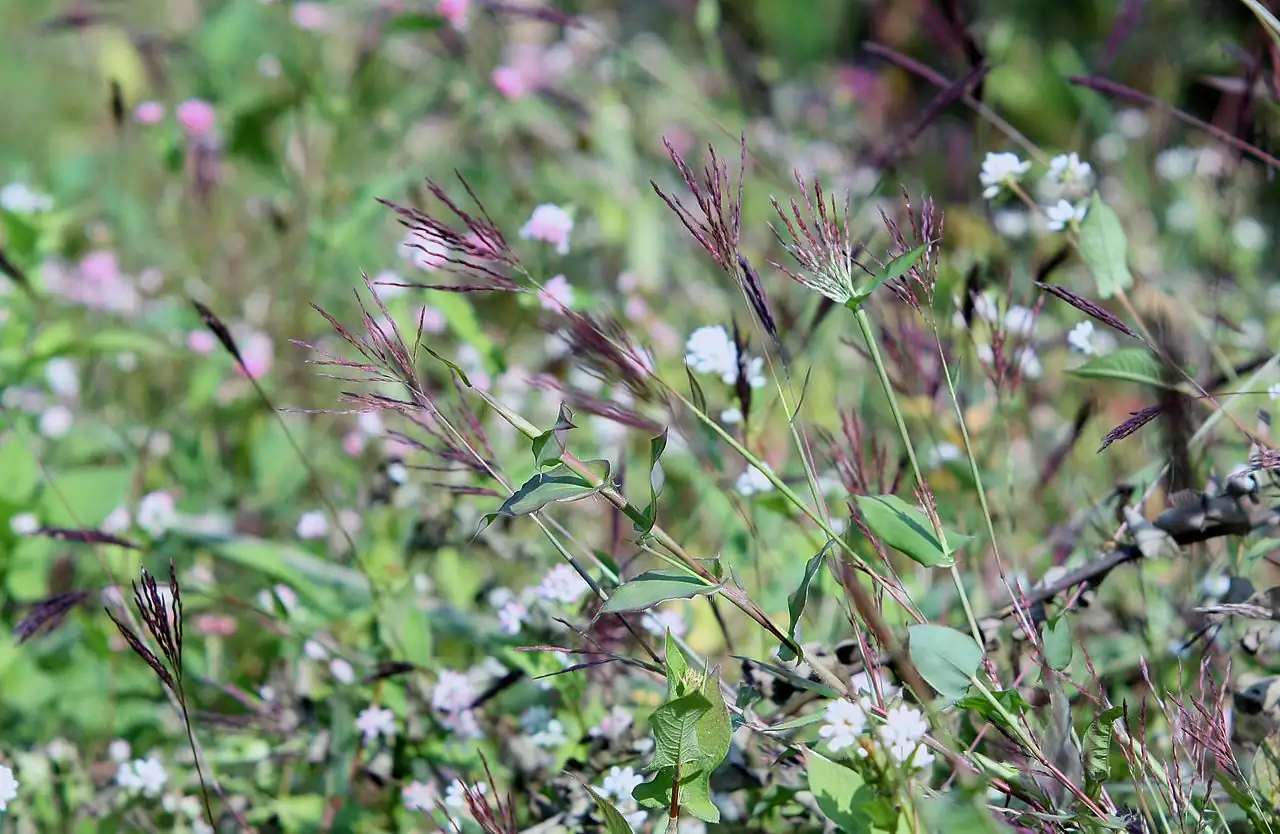
- Growth Habit: Annual herbaceous grass with fine, slender culms; forms a light, airy clump or scattered stand depending on site conditions.
Environment
Sunlight
Full sun to partial shade (best flowering and a denser habit in brighter light).
Temperature
Warm-season growth; typically grows actively around 15–30°C (59–86°F).
Humidity
Adaptable; tolerates both humid and relatively dry conditions once established.
Soil
Very tolerant of poor, low-fertility soils. Prefers well-drained ground but can also occur in moister sites as long as it isn’t constantly waterlogged.
Placement
Naturalistic meadows, rough grass areas, slope plantings, rocky banks, and other low-maintenance spaces with thin or low-fertility soil.
Hardiness
Annual species; not frost-hardy (killed by freezing temperatures).
Care Guide
Difficulty
Easy outdoors in suitable conditions; a low-input plant once established, especially where you want a “wild” look rather than a manicured border.
Buying Guide
If purchasing seed or starts, look for the scientific name Arthraxon hispidus to avoid mix-ups with other wild grasses. Choose plants with fresh green growth and avoid pots with sour-smelling or persistently soggy media.
Watering
Water regularly at first to help it establish—keep soil lightly moist for the first few weeks. After that, it usually needs water only during prolonged drought. Avoid constantly soggy soil, which can encourage minor disease issues.
Fertilization
Usually unnecessary. On extremely barren sites, a light application of balanced fertilizer at 1/4–1/2 strength once in spring to early summer can help, but heavy feeding is not needed (and can make grasses flop).
Pruning
Not required. For a tidier look, cut back after seed drop or at the end of the season. If you want it to self-sow, wait to cut until seedheads have matured and dispersed.
Propagation
Primarily by seed. Let seedheads mature from late summer to autumn, then collect when dry. Sow on the surface or cover very lightly (seeds generally germinate better when not buried deeply).
Repotting
Usually grown in-ground. In containers, refresh the potting mix and up-pot if rootbound. Since it’s an annual, many gardeners simply re-sow or replace plants each year.
📅 Seasonal Care Calendar
Spring: sow or plant out after frost risk. Summer: minimal watering; avoid heavy feeding. Late summer–autumn: flowering and seed set; collect seed if desired. Late autumn–winter: cut back dead growth and manage self-seeding for next year.
Pests, Diseases & Safety
Common Pests & Diseases
Generally trouble-free. In crowded plantings or persistently wet conditions, minor leaf spotting can appear—improve airflow and avoid overwatering.
Toxicity
No well-documented toxicity to people or pets. As with many grasses, leaves may cause mild skin irritation if handled roughly, and dried stems can be scratchy.
Culture & Symbolism
Symbolism: Often linked with resilience and a relaxed “wild meadow” feeling, since it thrives where many fussier plants struggle.
History & Legends: No widely recorded legends in English sources; it’s best known as a common, widespread wild grass in East Asia.
Uses: Useful as a hardy, naturalistic groundcover in low-fertility places. Commonly recommended for slope stabilization and soil-holding on rocky banks or disturbed ground; it can also be blended into meadow-style mixes for a more natural landscape look.
FAQ
Can it grow in poor or rocky soil?
Yes. Hairy jointgrass is notably tolerant of low-fertility soils and often performs well on thin, rocky, or disturbed ground once established.
When does it flower?
It typically flowers and sets seed from August to October.
Fun Facts
- It’s an annual grass with notably slender stems and fine texture—great for a soft, airy look in naturalistic plantings.
- Even though it’s widespread, it’s often overlooked until late summer when its seedheads form and catch the light.
- Its ability to handle both moist spots and drier slopes is a big reason it naturalizes so easily.


