Plant Features
- Size: About 1–2 m (3.3–6.6 ft) tall.
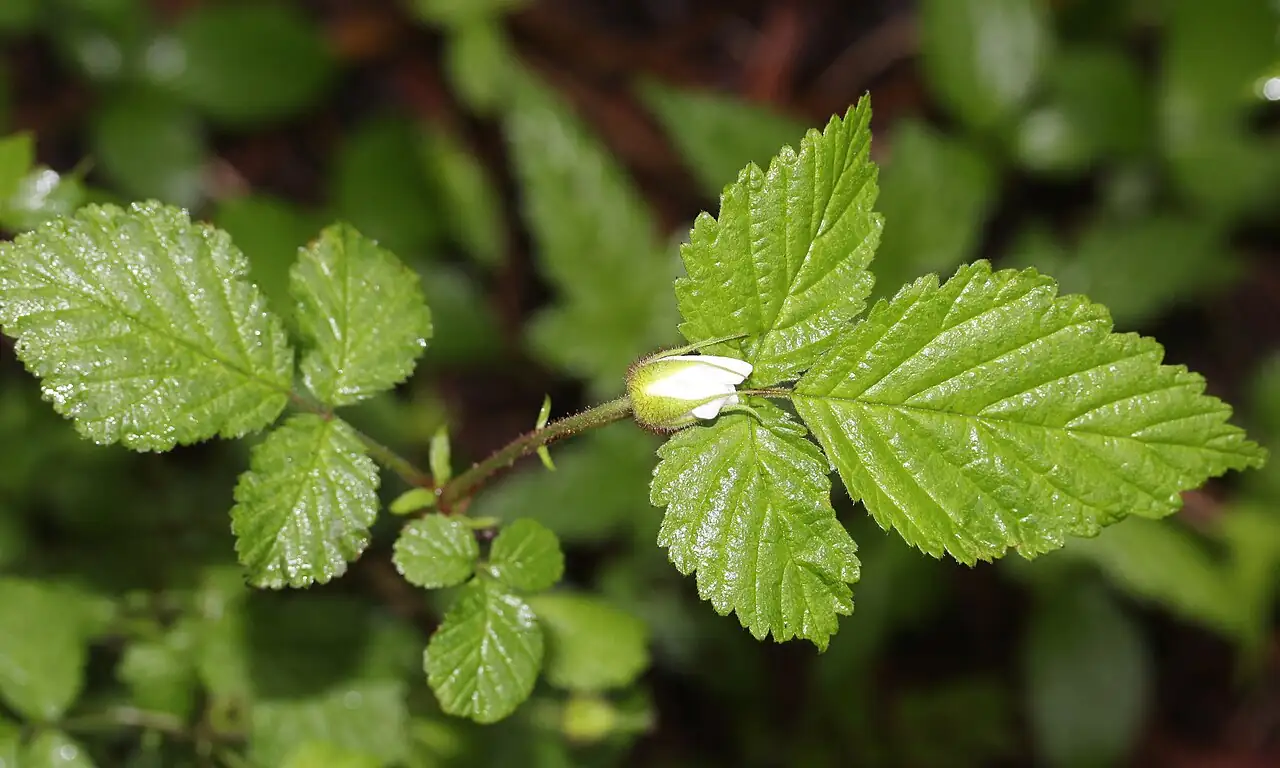
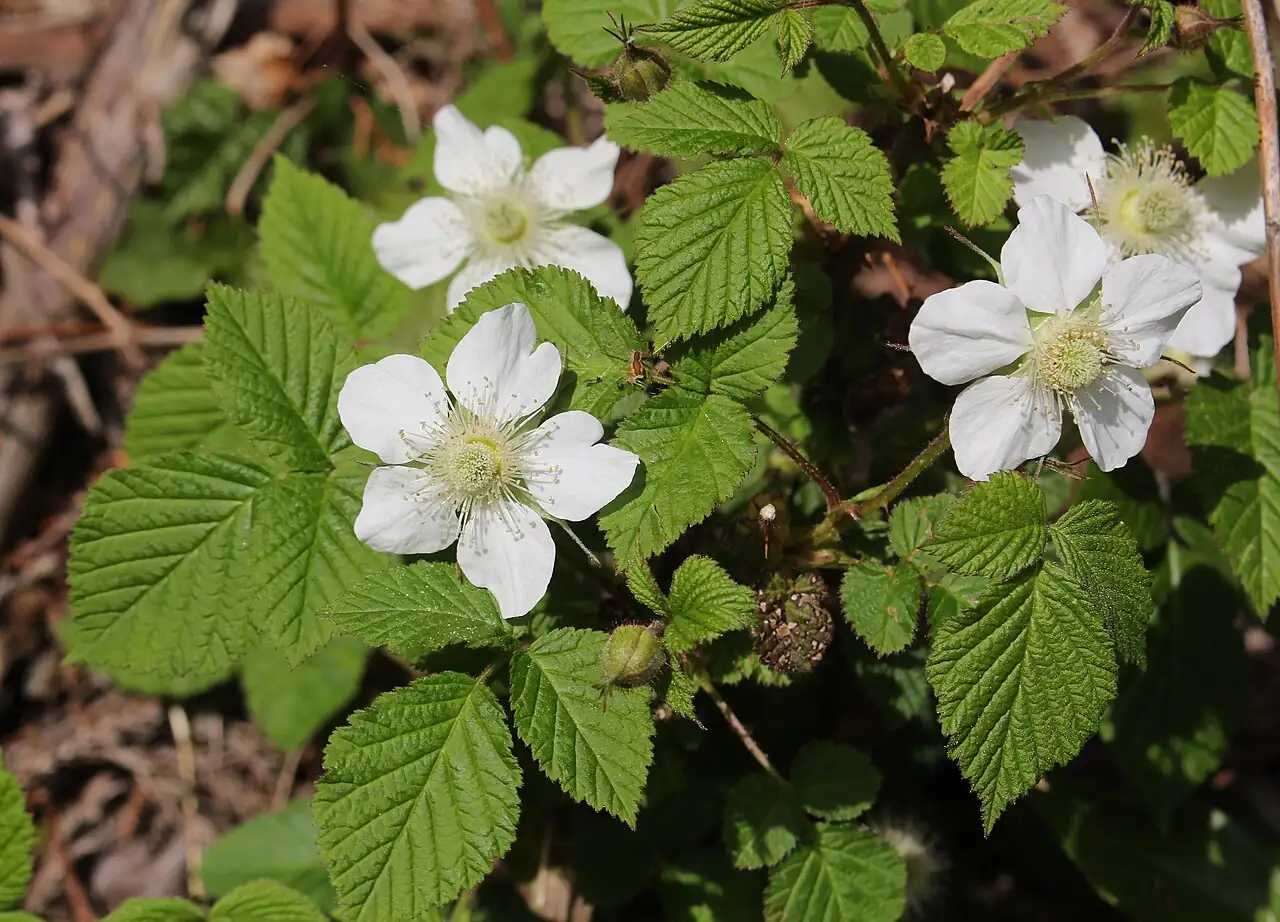
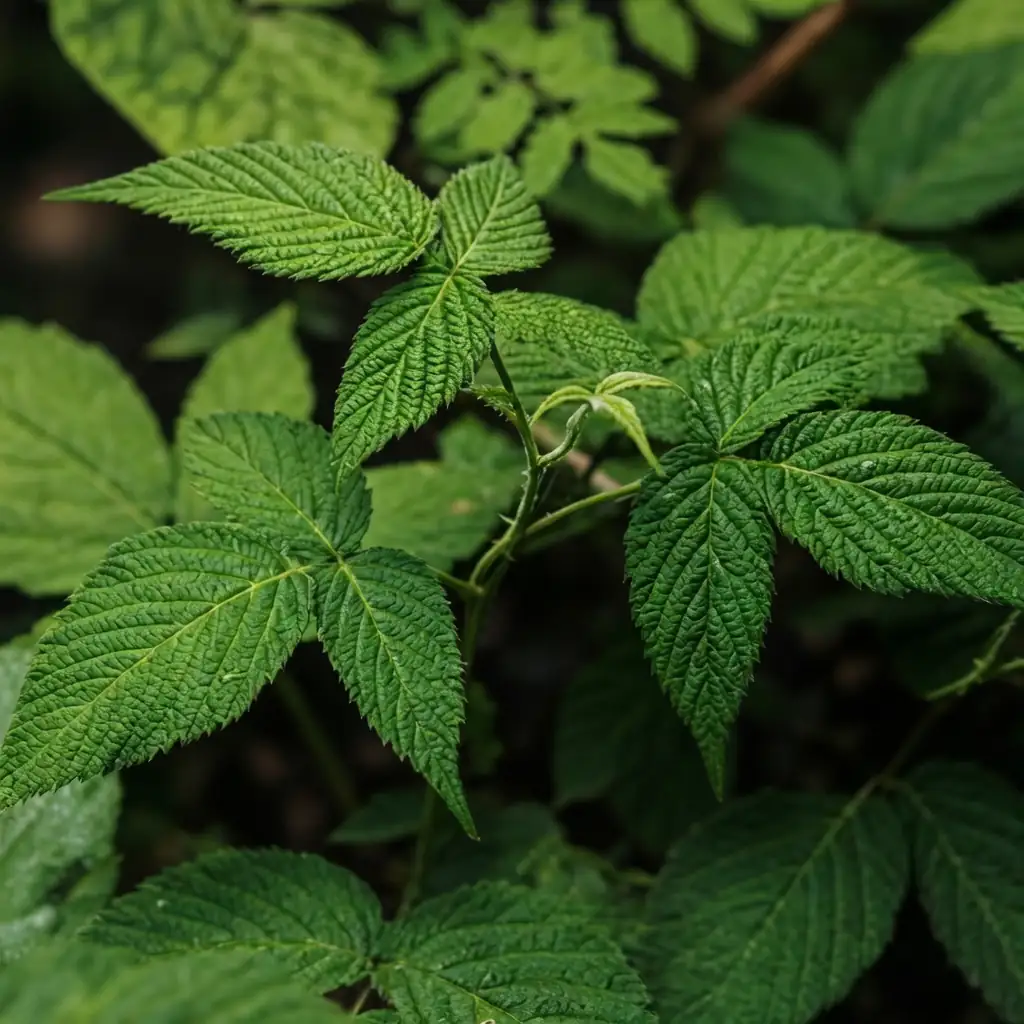
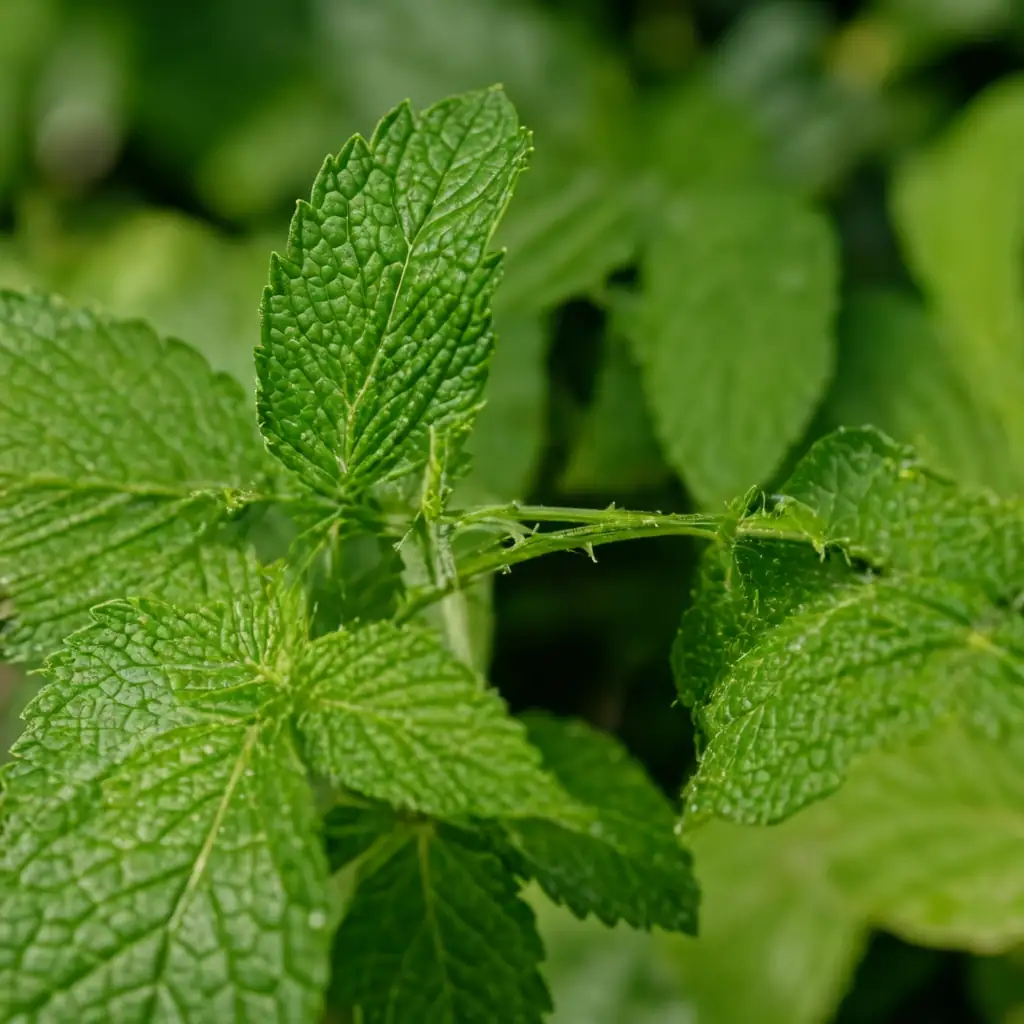
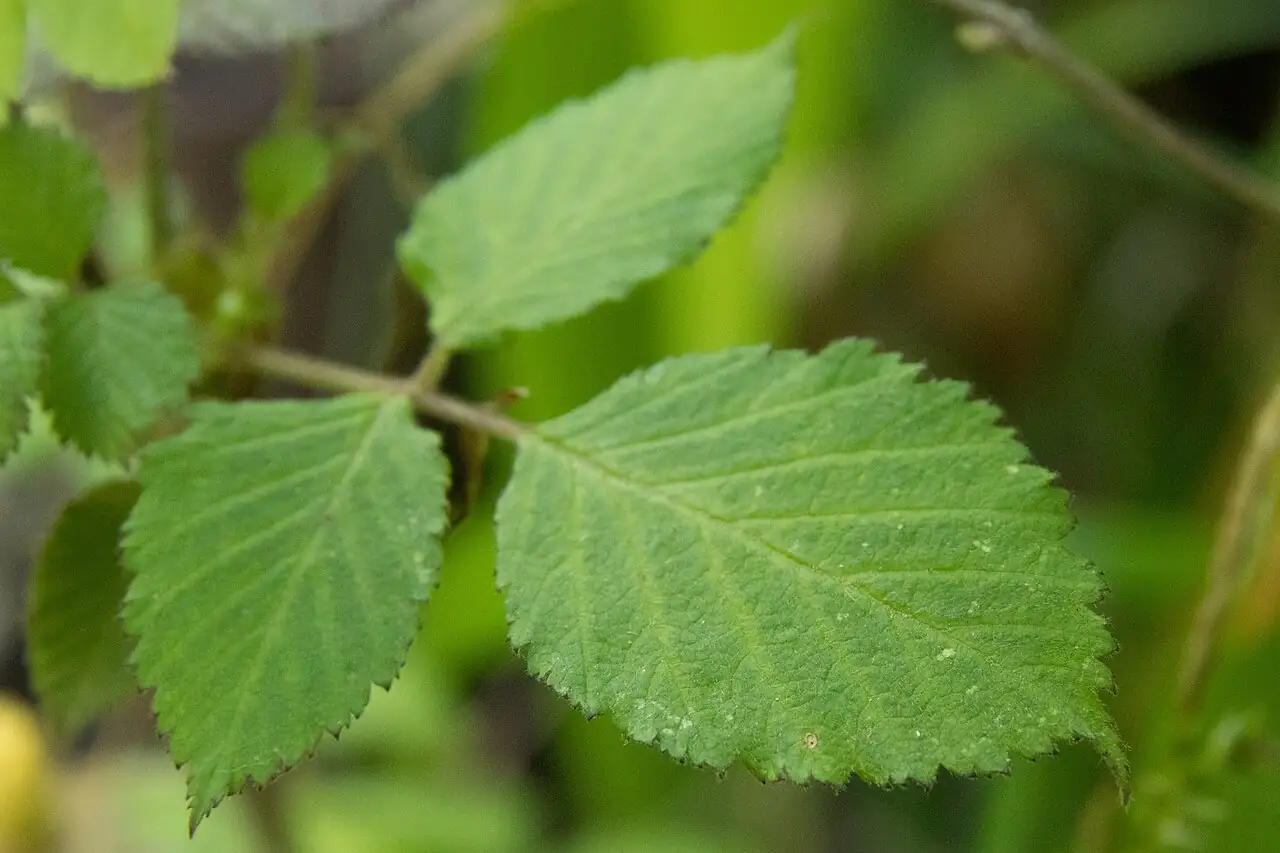
- Foliage: Leaves are usually compound with 3–5 leaflets. The leaflets are ovate to broadly ovate and softly hairy on the surfaces. Stipules are lance-shaped. Young stems are covered in soft hairs and glandular hairs, and may carry scattered small prickles.
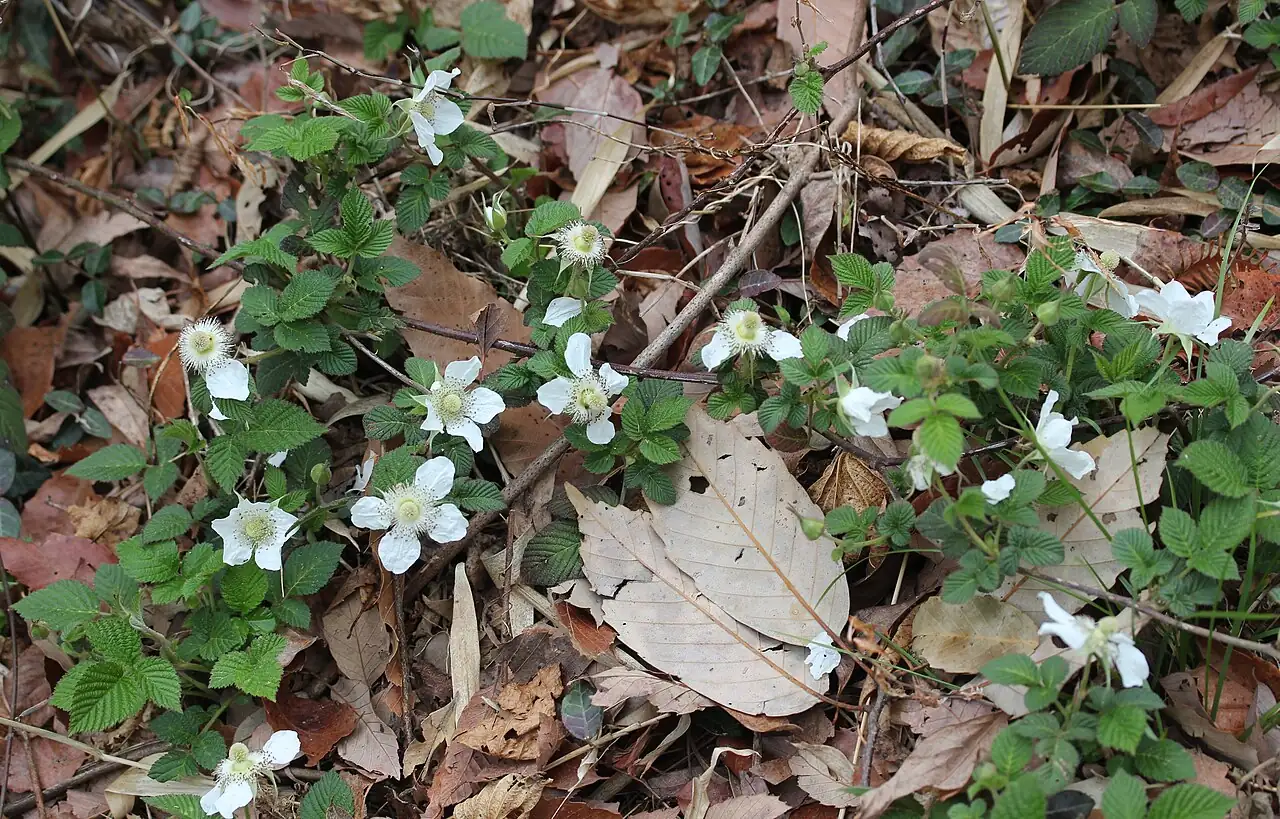
- Flower: Spring-blooming white flowers with obovate petals and relatively broad stamens. Styles and ovaries are hairless.
- Flowering Season: April (spring).
- Growth Habit: A deciduous, thicket-forming bramble shrub with an upright to arching habit. It prefers warmth, handles partial shade, and generally fruits best with stronger light. Frost tolerance is limited.
Environment
Sunlight
Full sun to partial shade; stronger light typically improves flowering and fruiting.
Temperature
Best growth around 14–26°C (57–79°F). Protect from hard cold; overwintering is safest kept above about -5°C (23°F) to avoid freeze damage.
Humidity
Moderate to higher humidity suits it well. It naturally occurs in moist habitats; prolonged dryness can reduce vigor and fruiting.
Soil
Moist but well-drained, humus-rich loam is ideal. Avoid waterlogged soils.
Placement
Outdoors in a bright spot such as a sunny edge or lightly shaded woodland margin, with consistent moisture and good drainage.
Hardiness
Not frost-hardy; cold damage is likely below about -5°C (23°F).
Care Guide
Difficulty
Moderate. Straightforward in warm regions, but needs winter protection where temperatures fall below about -5°C (23°F).
Buying Guide
Choose plants with vigorous canes, healthy buds, and clean, pest-free foliage. Avoid canes with dieback, cankers, or heavy mechanical damage.
Watering
Keep soil evenly moist, especially during flowering and fruit set. Water deeply when the top few centimeters of soil begin to dry, then let excess drain—avoid constant sogginess.
Fertilization
In spring, top-dress with compost or use a balanced slow-release fertilizer. Ease off after mid-summer so canes can mature before winter.
Pruning
Remove dead, weak, or damaged canes and thin crowded growth to improve airflow. After fruiting, cut back spent fruiting canes if the plant fruits on older wood (exact timing and method can vary by local growth/fruiting habit).
Propagation
Commonly propagated by tip-layering, division of rooted suckers, or stem cuttings. Seed is possible but offspring can be variable.
Repotting
If container-grown, repot every 1–2 years (or top-dress annually) into fresh, well-drained mix. Use a generously sized pot to accommodate root spread.
📅 Seasonal Care Calendar
Spring (April): flowering—keep moisture steady. Late spring to early summer (May–June): fruiting—water consistently and harvest as fruits ripen. Autumn to winter: reduce feeding; in cold areas, protect plants from subfreezing temperatures, especially below about -5°C (23°F).
Pests, Diseases & Safety
Common Pests & Diseases
Potential issues include aphids, spider mites, cane borers, powdery mildew, rust, and cane blight. Encourage good airflow, remove and discard diseased canes, and avoid late-day overhead watering to reduce fungal problems.
Toxicity
No toxicity is noted; the fruits are edible. Stems may have prickles that can scratch skin. Foraged fruit should be washed, and only eaten when identification is certain.
Culture & Symbolism
Symbolism: Not specified in the source; brambles are often associated (more generally) with resilience and abundance because they thrive vigorously and bear generous fruit.
History & Legends: Not specified in the source.
Uses: Fruits are eaten fresh or used as a wild foraged food with a tart-sweet flavor. The plant is also used in traditional herbal contexts and described as being used for “clearing heat and detoxifying” (traditional use). It can also serve as a wildlife-friendly shrub, offering flowers for pollinators and fruit for birds.
FAQ
When does hairy bramble flower?
Typically in April (spring).
When are the fruits ready?
Usually from May to June (late spring to early summer).
Where does it grow naturally?
It is recorded from several provinces in central to southern China and is commonly found in moist, shady places such as hillside roadsides and shrub thickets.
Are the fruits edible?
Yes—its fruits are described as tart-sweet and edible.
What temperatures does it prefer, and how cold can it tolerate in winter?
It grows best around 14–26°C (57–79°F) and is best protected from temperatures below about -5°C (23°F), where freeze injury can occur.
Fun Facts
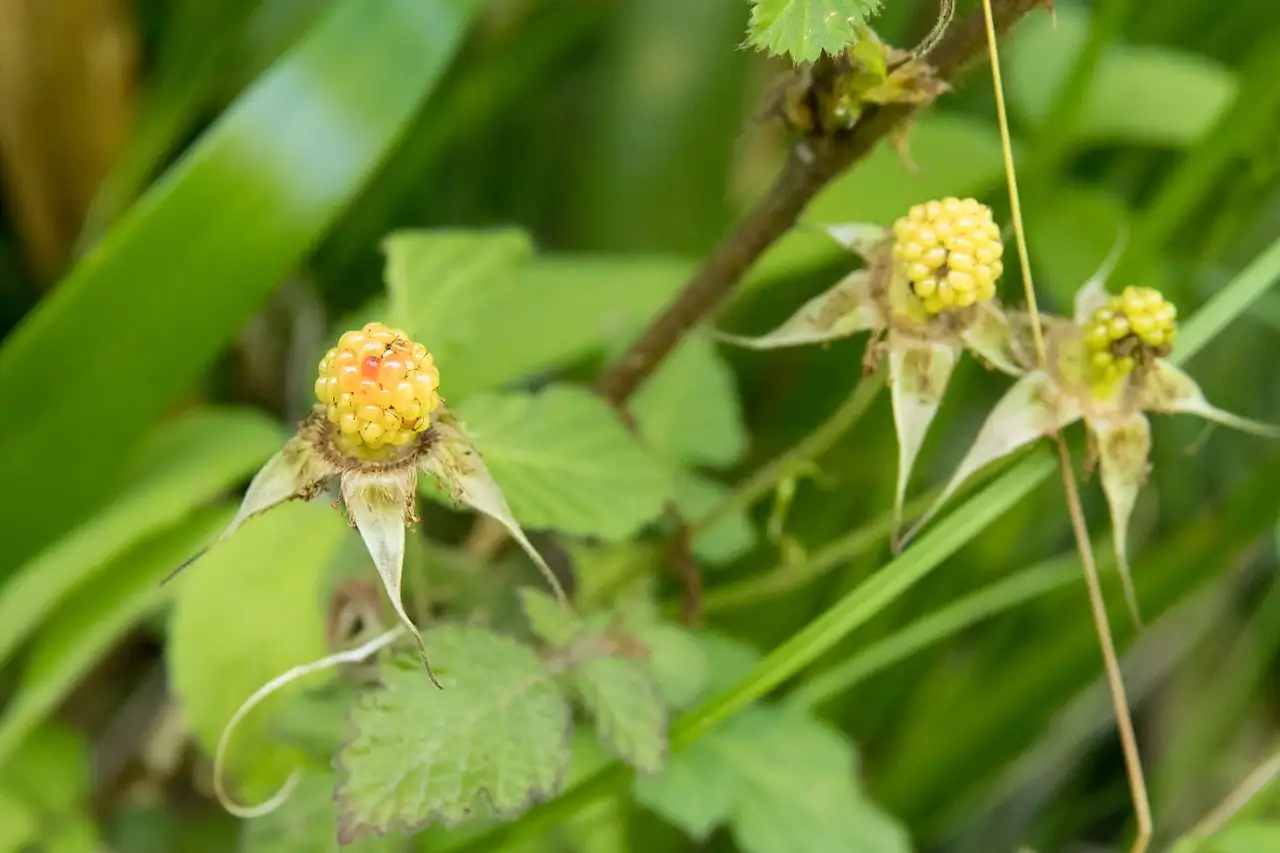
- It makes small, nearly spherical fruits with a tart-sweet taste.
- Young stems are notably “hairy,” with both soft hairs and glandular hairs, and may also have small prickles.
- In parts of China it’s valued as a practical wild plant resource—both for eating and for traditional uses.