


Plant Features
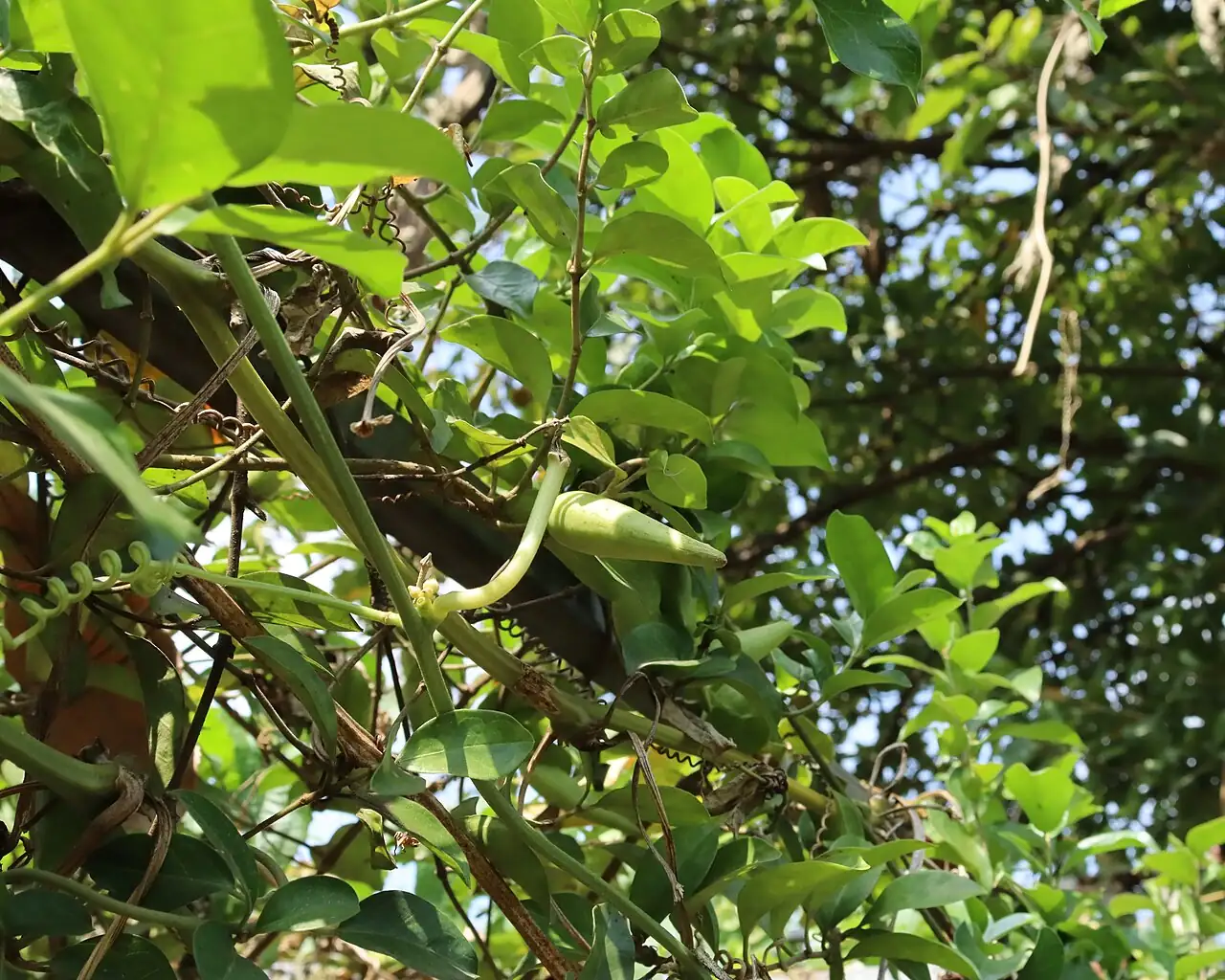
- Size: A twining woody vine; size depends heavily on support and conditions, often reaching several meters long (several yards long).
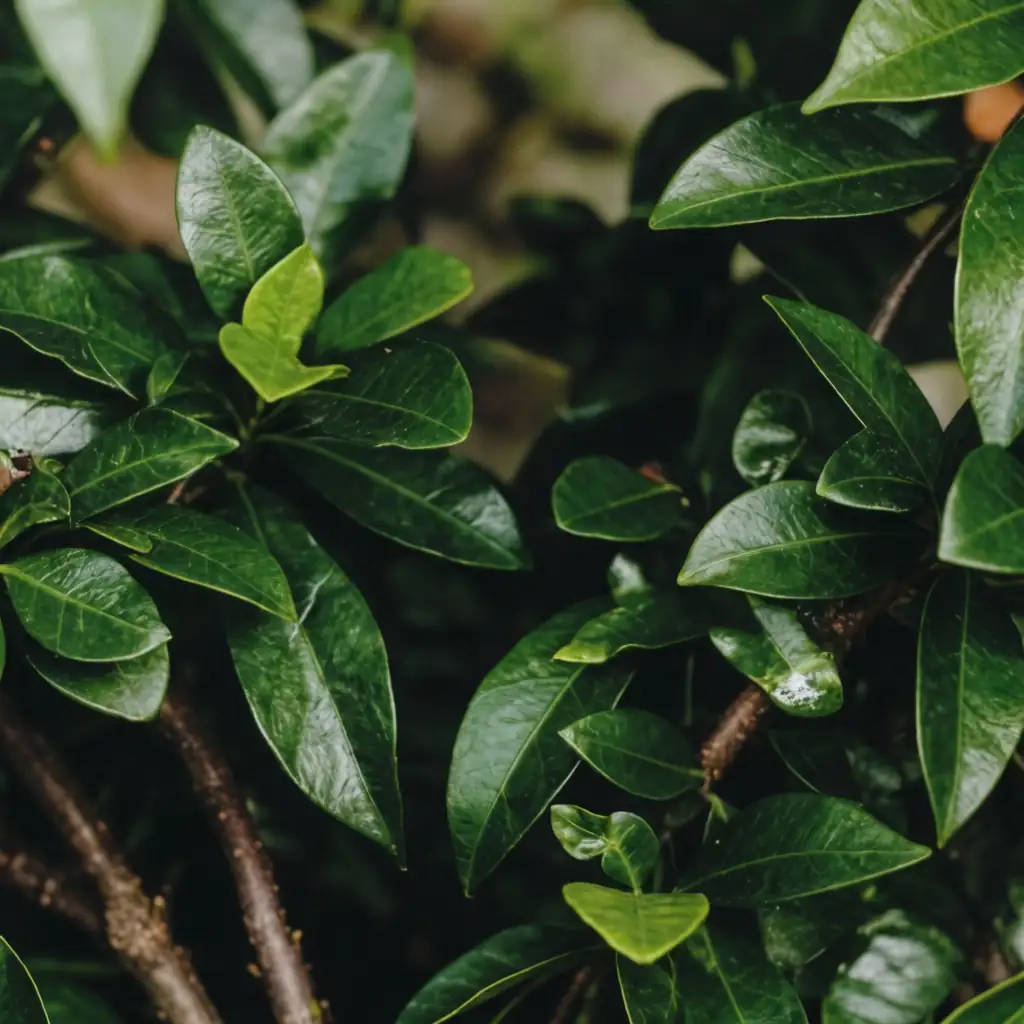
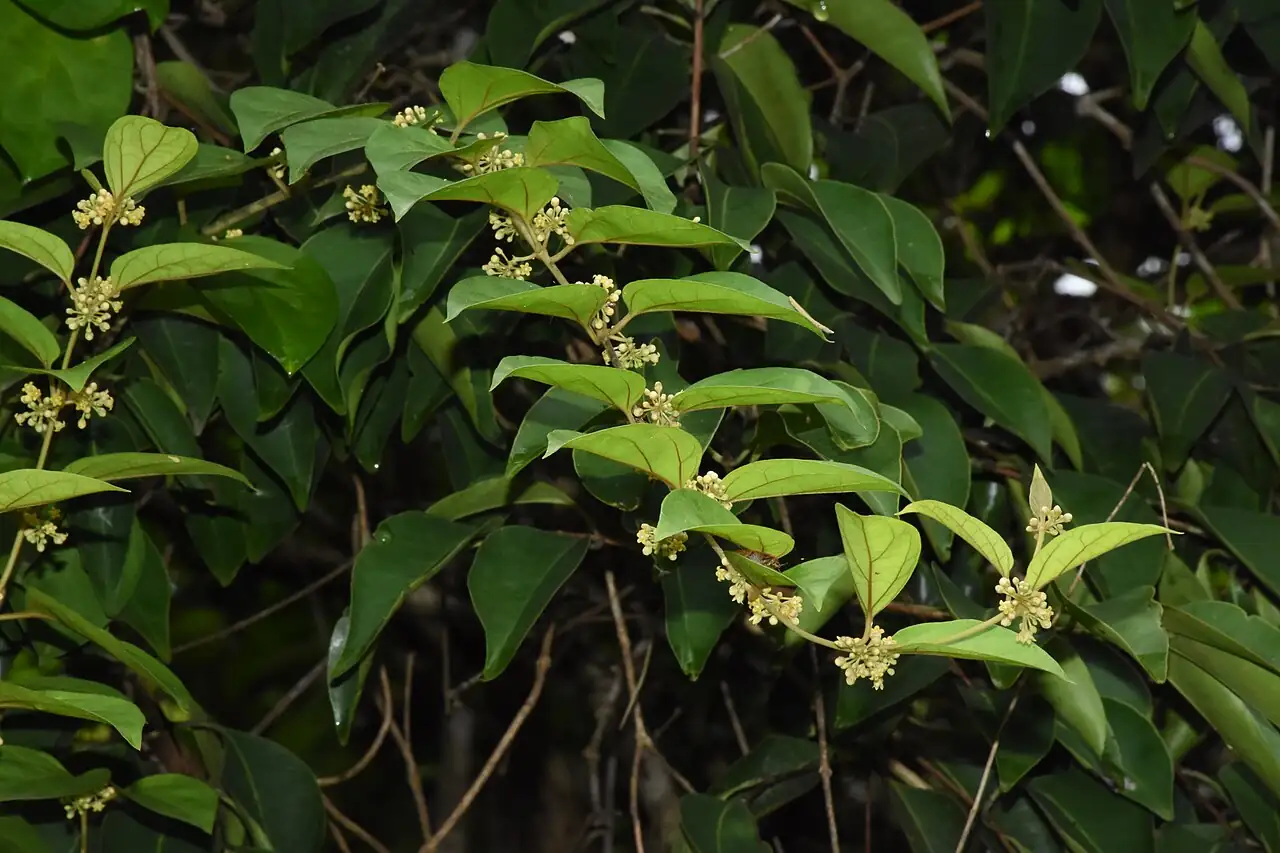
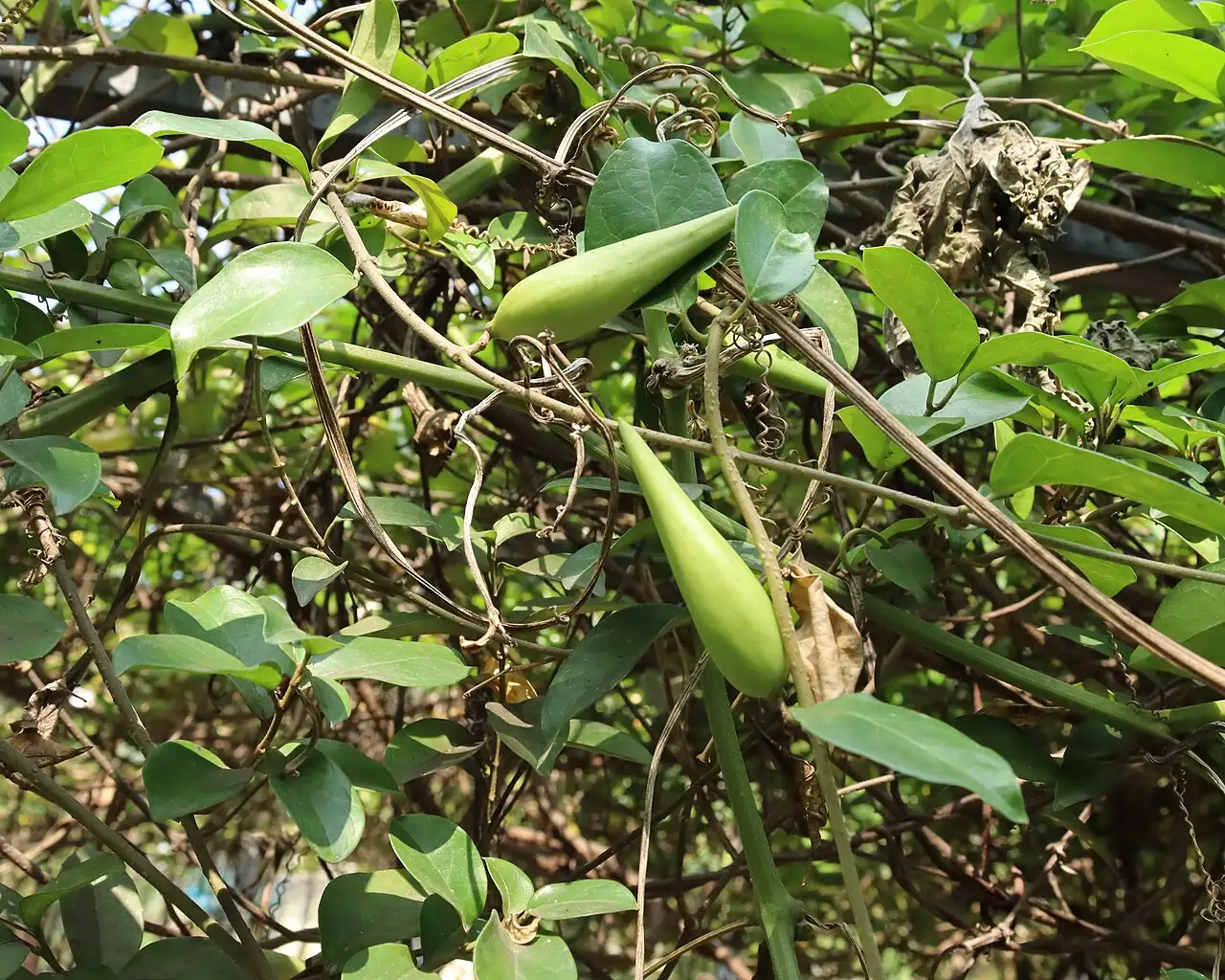
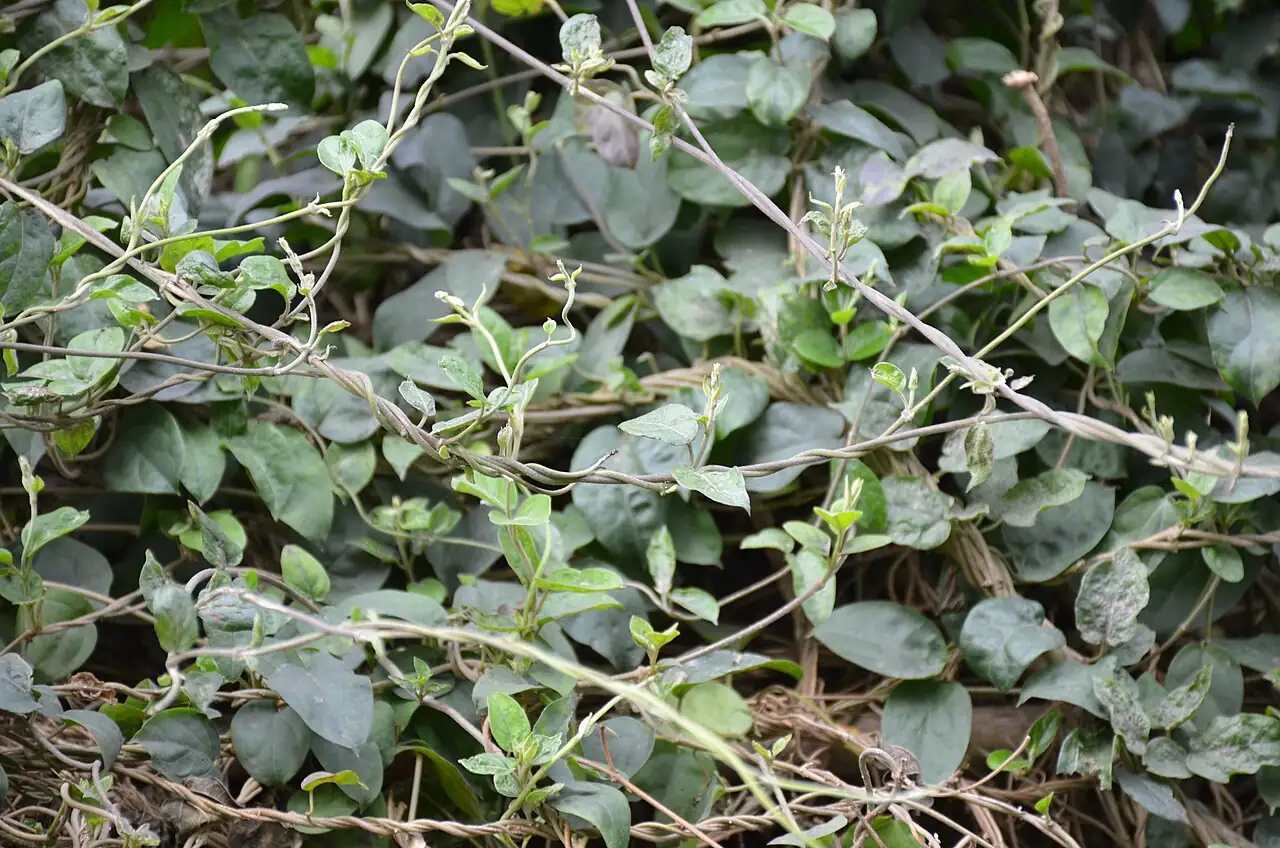
- Foliage: Leaves are broad, simple, and typically obovate to ovate-oblong, giving the vine a lush, leafy look when grown with steady warmth and moisture.
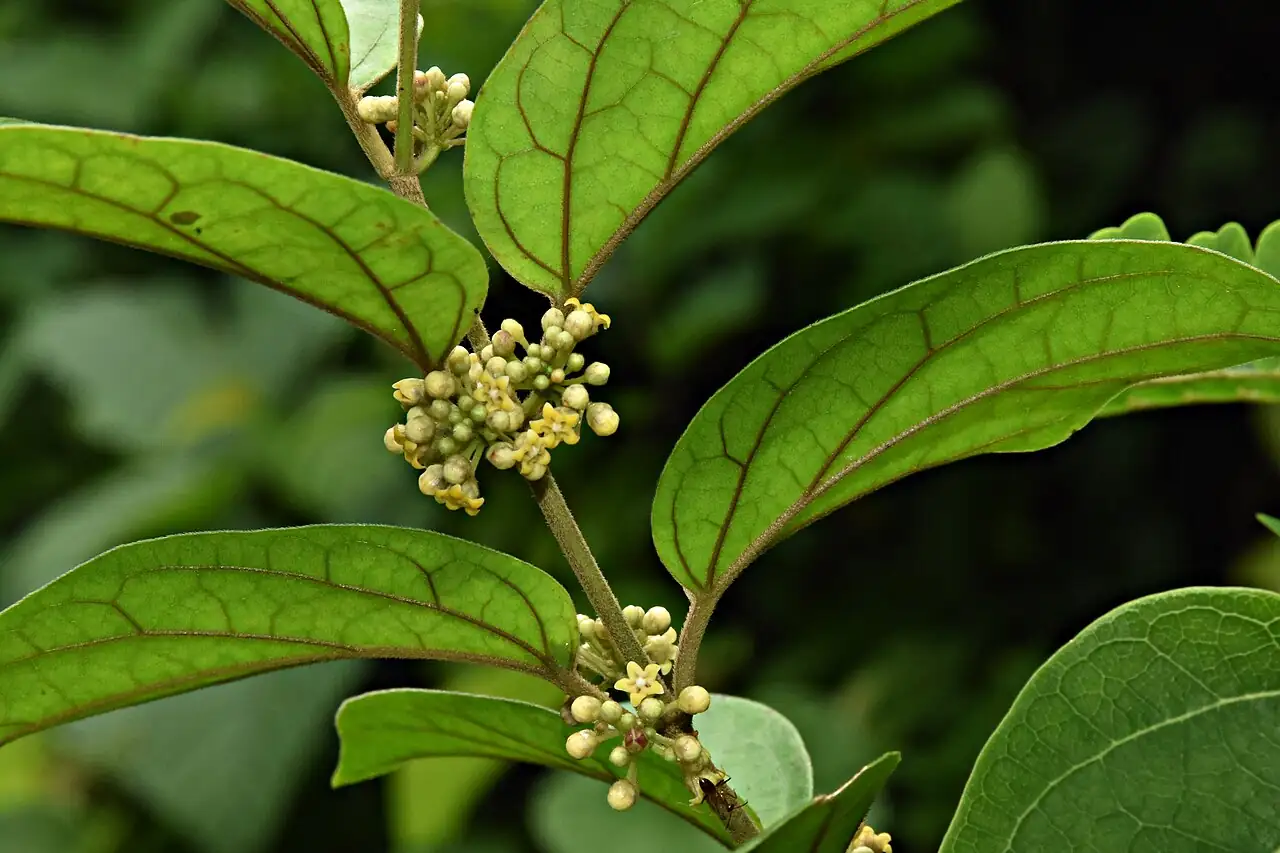
- Flower: Flowers are small and greenish-white, produced in umbel-like cymes; calyx lobes are narrow and lance-shaped. Seeds are oval, thin, and slightly concave.
- Flowering Season: May–September (May–Sep)
- Growth Habit: Woody, twining climber/vine with milky latex; benefits from a trellis or other support.
Environment
Sunlight
Shade tolerant; happiest in bright, filtered light or partial shade (avoid harsh, scorching midday sun).
Temperature
Prefers warmth, about 18–30°C (64–86°F). Protect from chills; keep above about 15°C (59°F) and away from frost.
Humidity
Enjoys moderate to high humidity, roughly 50–80%, especially during active growth.
Soil
Fertile, moisture-retentive yet well-drained soil—think rich loam amended with organic matter. Good drainage is important to prevent root issues.
Placement
Outdoors in warm climates: train on a trellis in partial shade. Indoors: place near a bright window with filtered light, good airflow, and room to climb.
Hardiness
Frost tender; best suited to USDA Zone 10–11 (approx.).
Care Guide
Difficulty
Moderate: it rewards consistent warmth, humidity, and even moisture, but it sulks in cold conditions and is prone to problems if kept waterlogged.
Buying Guide
Choose a plant with firm, healthy stems and clean, unblemished leaves. Avoid sticky residue, webbing, or distorted new growth, which can signal pests (like mites, mealybugs, or scale).
Watering
Water when the top 2–3 cm (1 in) of soil dries. Keep evenly moist during spring and summer, then reduce in cooler or darker months. Never leave it sitting in soggy soil.
Fertilization
In spring and summer, feed with a balanced fertilizer at half strength every 2–4 weeks. Pause or greatly reduce feeding in winter.
Pruning
Prune to shape, limit size, and encourage branching. Remove weak, damaged, or tangled stems, and regularly re-tie or guide vines onto their support.
Propagation
Most commonly propagated from stem cuttings in warm conditions. Keep cuttings humid (but not wet) until they root.
Repotting
Repot every 1–2 years in spring, or when clearly rootbound. Step up one pot size and refresh with a rich but well-draining mix.
📅 Seasonal Care Calendar
Spring–summer: fastest growth—water and feed regularly; provide support and train stems. Autumn: slow down feeding and watch watering as light levels drop. Winter: keep warm (above 15°C / 59°F), water sparingly, and don’t let the rootball bone-dry for long.
Pests, Diseases & Safety
Common Pests & Diseases
May attract spider mites, mealybugs, and scale (especially indoors). Improve airflow, rinse foliage, and treat early with insecticidal soap or horticultural oil. Root rot can occur if soil stays wet or drainage is poor.
Toxicity
Mildly toxic if ingested; keep away from children and pets. Despite its traditional medicinal reputation, it can affect blood sugar and may interact with diabetes medications—do not self-medicate without professional guidance.
Culture & Symbolism
Symbolism: Often linked with “sweetness control” in folk and herbal tradition, reflecting its reputation for influencing sweetness perception.
History & Legends: Widely known in South Asian herbal traditions as “gurmar,” meaning “sugar destroyer,” a nickname tied to its long history of traditional use.
Uses: Primarily used in traditional herbal medicine. In folk practice it has been used for swelling and wind-damp related aches; modern herbal interest commonly focuses on blood-sugar support, but only under professional supervision.
FAQ
When does it flower?
May–September (May–Sep).
When does it fruit?
October–January (Oct–Jan), sometimes extending into the following year.
Is this plant poisonous?
It’s considered mildly toxic if ingested, and it may affect blood sugar. Keep it away from kids and pets, and don’t use it medicinally without professional guidance.
Where does it grow naturally (in the provided record)?
In China it’s recorded from Zhejiang, Fujian, Taiwan, Guangdong, Hainan, Guangxi, and Yunnan, typically on hillsides and in shrubland.
How can I identify Gymnema sylvestre?
Look for a woody twining vine with milky sap (latex), broad simple leaves (often obovate to ovate-oblong), and small greenish-white flowers in umbel-like cymes.
Fun Facts
- That milky sap is a classic Apocynaceae family trait—many relatives ooze latex when cut.
- The flowers are small and greenish-white, so the plant often blooms “quietly” unless you look closely.
- It commonly flowers from May to September (May–Sep), then fruits from October to January (Oct–Jan).
- “Gurmar” literally means “sugar destroyer,” one of the most famous traditional names associated with this plant.
- Because it may influence blood sugar, it’s a plant that deserves extra care around pets, children, and anyone using glucose-lowering medications.


