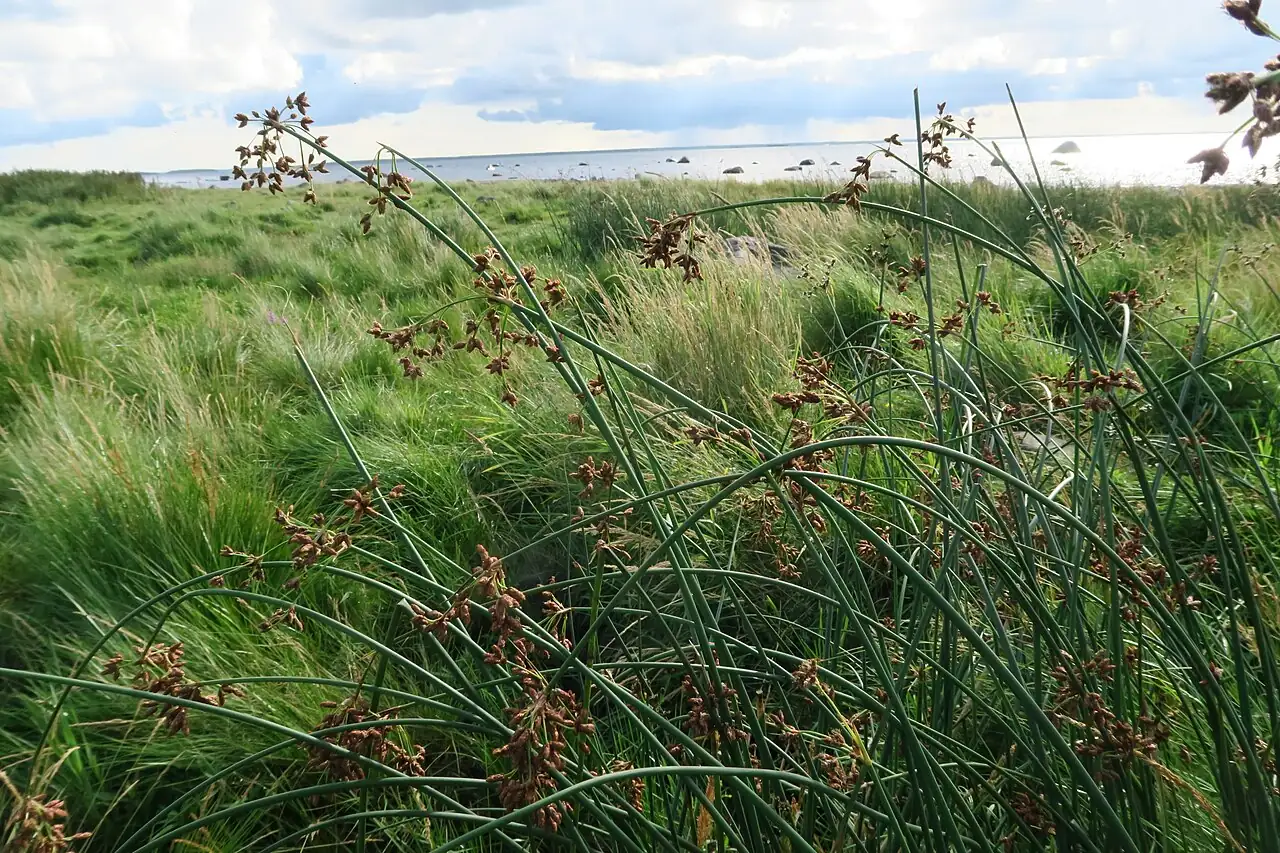
Plant Features
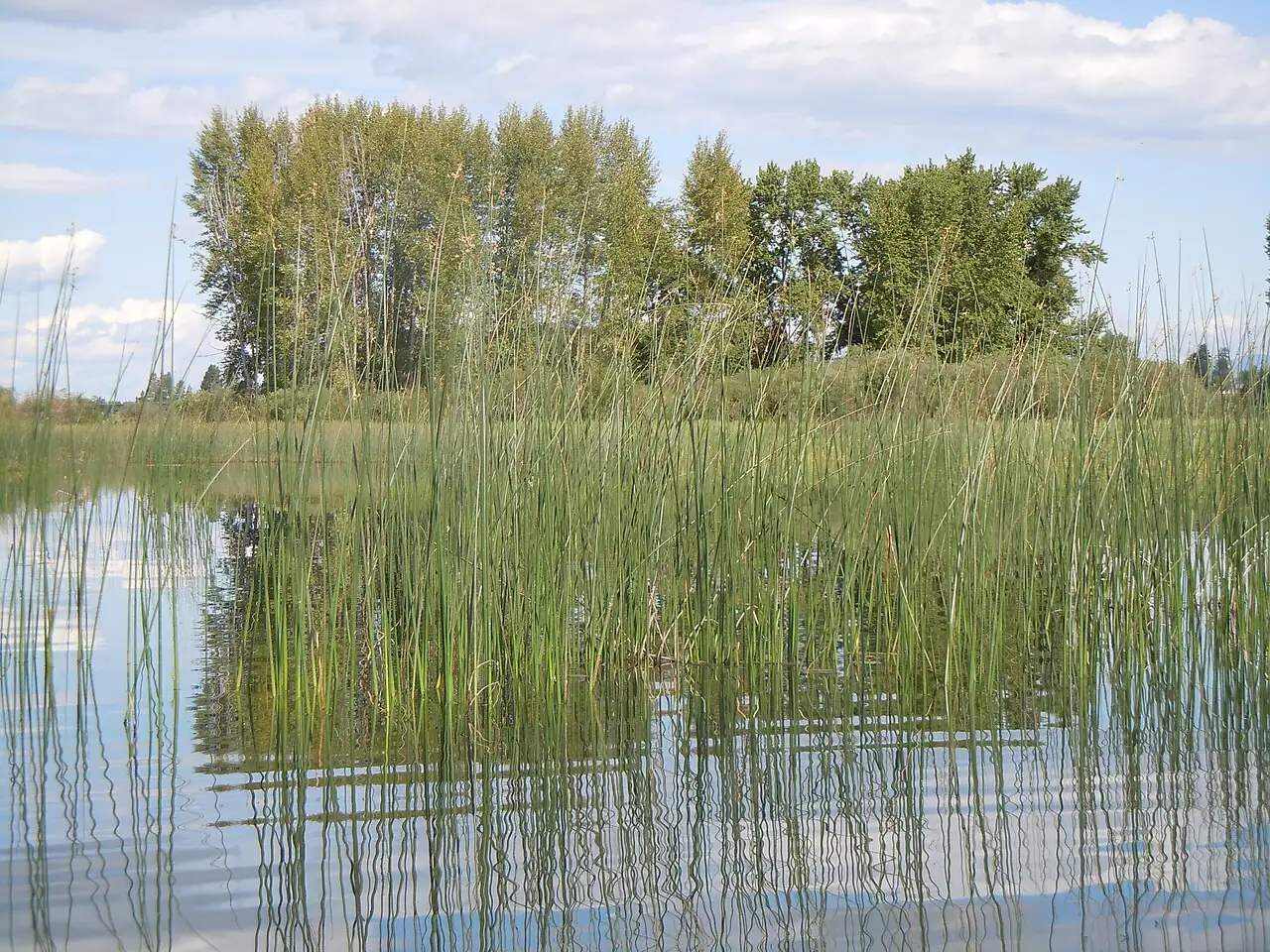
- Size: Typically 1–2 m (3.3–6.6 ft) tall; forms upright clumps.
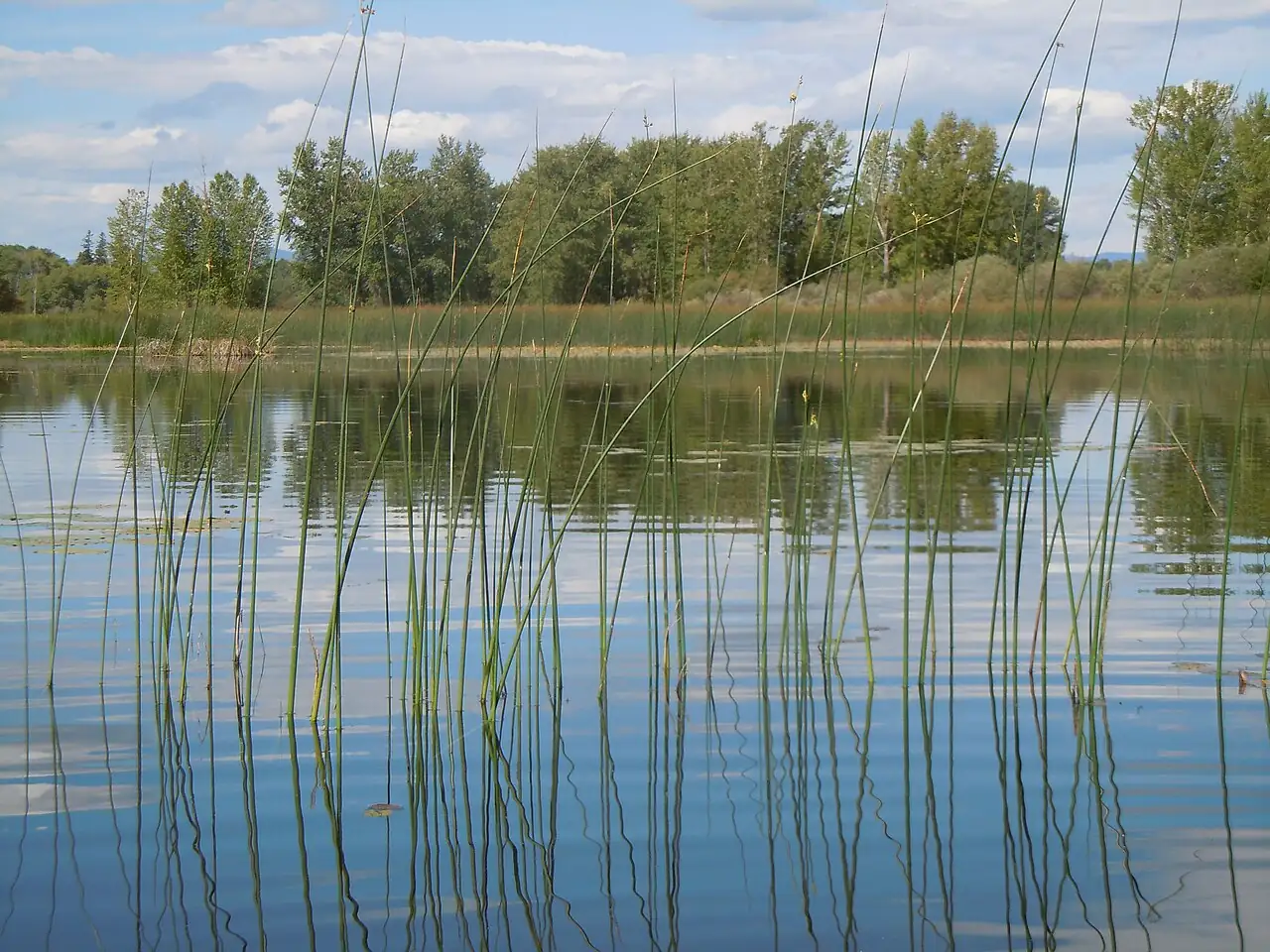
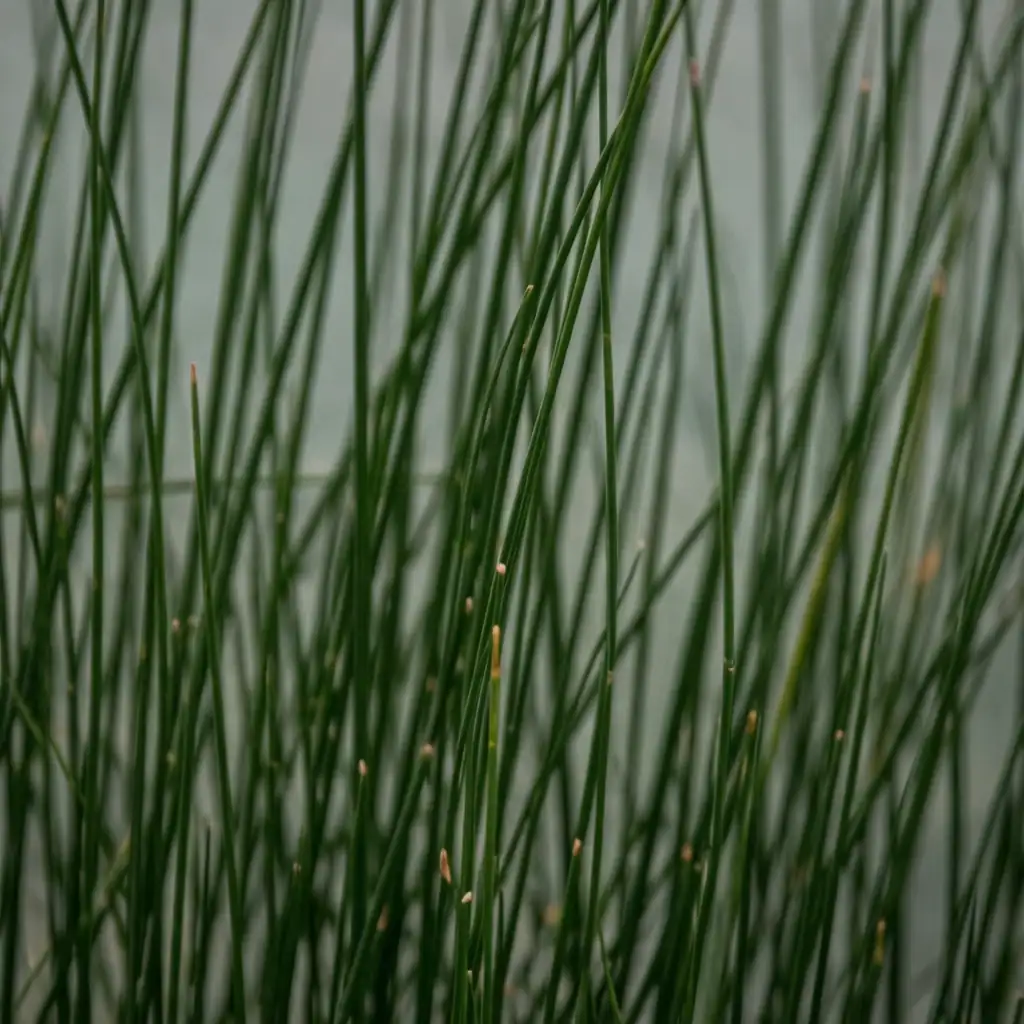
- Foliage: Smooth, round, cylindrical stems rise from papery basal sheaths; true leaves are greatly reduced and narrow/linear. It spreads by creeping rhizomes with many fibrous roots, making it well adapted to saturated mud and shallow-water substrates.
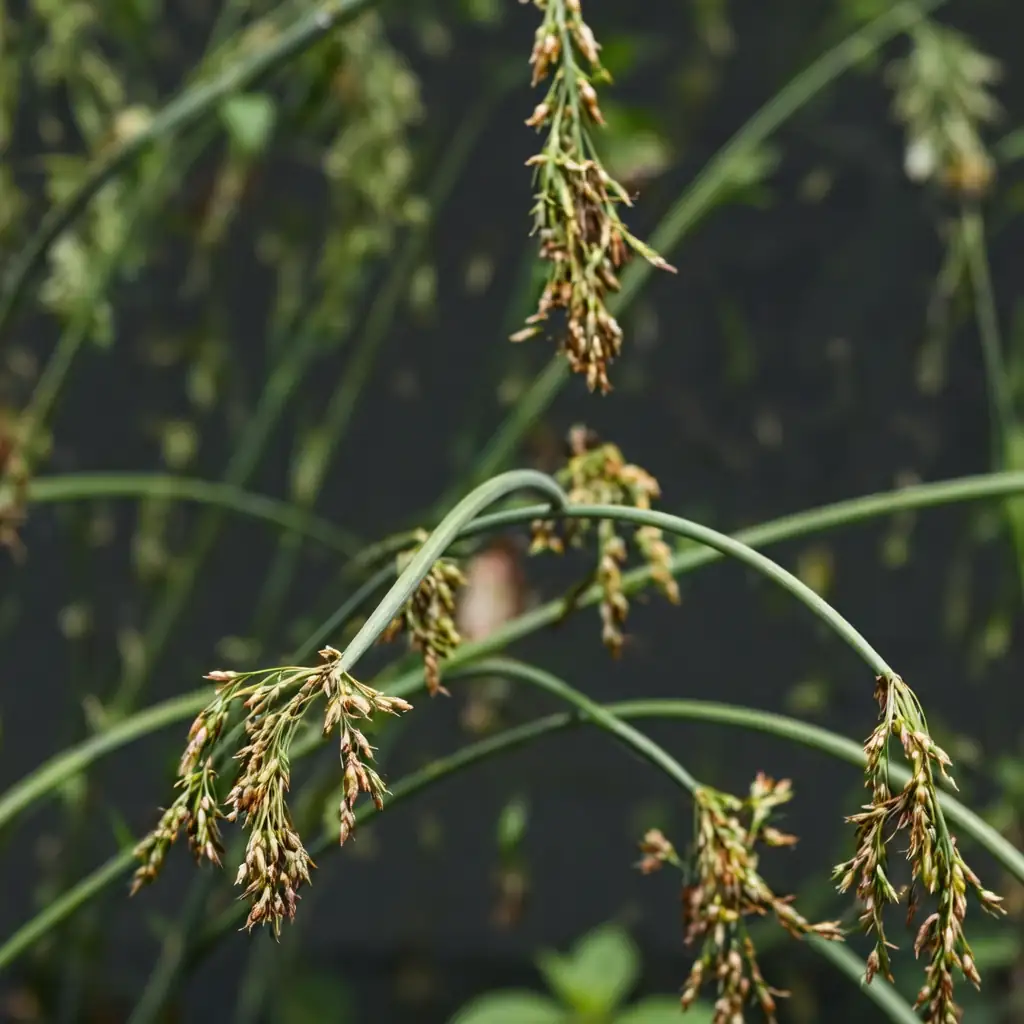
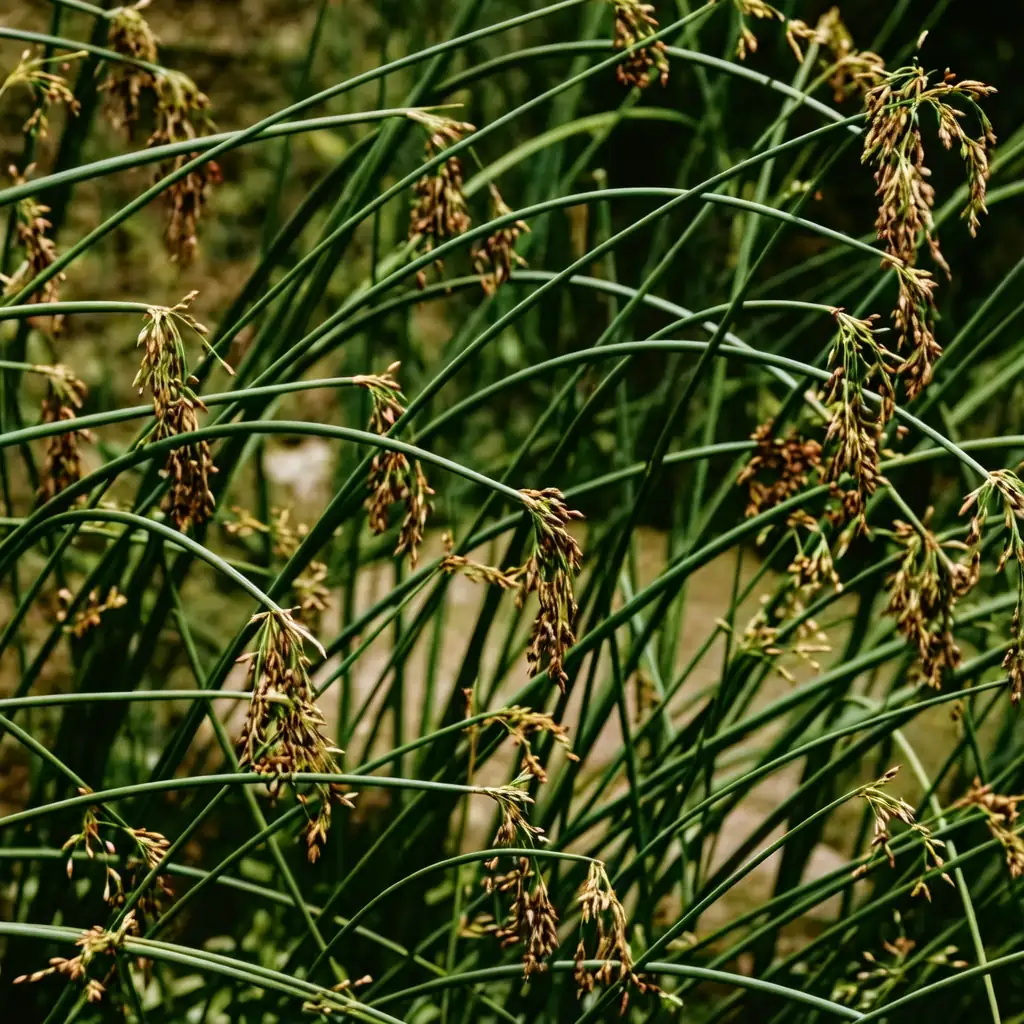
- Flower: Flowers form simple to branched, umbrella-like clusters of spikelets. Spikelets are egg-shaped; the scales are brown to purplish-brown and may show small rusty speckles on the back. After flowering it sets small biconvex achenes (fruits) that are obovoid to elliptic.
- Flowering Season: June–September (Jun–Sep)
- Growth Habit: Perennial, emergent wetland sedge; upright, clump-forming habit with creeping rhizomes.
Environment
Sunlight
Full sun for best growth; tolerates light shade.
Temperature
Prefers warm growing-season conditions; generally cold-hardy in temperate climates. Approximate growing range 10–30°C (50–86°F).
Humidity
High moisture; thrives in consistently wet conditions.
Soil
Saturated wetland substrate such as mud/silt or heavy loam. Can be grown with 0–30 cm (0–12 in) of standing water above the soil surface on pond edges/shelves; avoid letting the root zone dry out.
Placement
Pond margins and shallow shelves, rain gardens, water features, and naturalistic wetland plantings—especially as a tall background plant.
Hardiness
Cold-hardy; commonly grown in USDA Zone 4–9 (approx.).
Care Guide
Difficulty
Easy outdoors when kept continuously wet; challenging indoors because it needs saturated conditions and very bright light.
Buying Guide
Look for firm, upright green stems and a clean, fresh-smelling pot (no blackened bases or sour odor). For pond use, choose vigorous divisions with visible rhizomes and healthy roots; avoid plants that have repeatedly dried out in their pots.
Watering
Keep continuously wet. Stand pots in a tray of water or place them on a pond shelf with 0–30 cm (0–12 in) of water over the soil surface. Never allow the root zone to dry.
Fertilization
Usually minimal. In nutrient-poor ponds, use aquatic fertilizer tablets in spring and again in mid-summer per label directions; avoid excess feeding to reduce the risk of algae blooms.
Pruning
Remove yellowing or damaged stems any time. Cut back dead stems to the base in late winter or early spring before new growth starts.
Propagation
Best by division in spring: split rhizomatous clumps into sections with roots and shoots, then replant into saturated soil or shallow water. Seed is also possible but slower.
Repotting
Divide/repot every 1–3 years in spring when clumps crowd their containers. Use heavy loam/aquatic planting media and anchor well so pots don’t float.
📅 Seasonal Care Calendar
Spring: divide, replant, and begin feeding if needed. Summer: keep water levels steady; tidy stems if desired. Autumn: reduce feeding; leave stems for structure if you like. Winter: cut back dead growth in late winter/early spring; protect containers from freezing solid when possible.
Pests, Diseases & Safety
Common Pests & Diseases
Usually trouble-free. Watch for aphids on fresh growth and occasional caterpillar feeding. Crown/root rot can occur if the crown is buried too deeply in stagnant, oxygen-poor muck—maintain appropriate water depth and remove decaying debris.
Toxicity
Not known to be toxic to people or pets, but it’s best to discourage chewing and supervise children and animals around water features.
Culture & Symbolism
Symbolism: Often evokes wetlands, resilience, and a calm, minimalist beauty—especially in modern water-garden design.
History & Legends: Commonly used in naturalistic pond and wetland plantings thanks to its strong vertical form and its ability to help stabilize saturated soils with rhizomes and roots.
Uses: Ornamental pond-margin and water-garden plant; also useful in wetland restoration and for providing habitat cover along shorelines.
FAQ
What is its scientific name?
Schoenoplectus tabernaemontani.
When does it flower?
Mainly June–September (Jun–Sep).
When does it set fruit?
Mostly June–September (Jun–Sep), overlapping with flowering.
How tall does it grow?
About 1–2 m (3.3–6.6 ft) tall.
What conditions does it prefer?
Full sun, warm-season growth, and continuously wet soil or shallow water; it’s generally cold-tolerant once established.
Where does it naturally grow?
In shallow water along lake shores and pond margins; in China it’s recorded from parts of the Northeast, Northwest, and Southwest.
Fun Facts
- Those tiny rusty speckles on the backs of the spikelet scales can be a handy ID clue.
- Its fruits are tiny biconvex achenes—small, but distinctive if you look closely.
- Creeping rhizomes let it steadily colonize pond edges and help hold saturated soils in place.
- Designers love it for strong vertical lines that read clearly from across a pond.