Plant Features
- Size: Typically about 30–60 cm (12–24 in) tall and 60–90 cm (24–36 in) wide; can be kept lower with pruning.
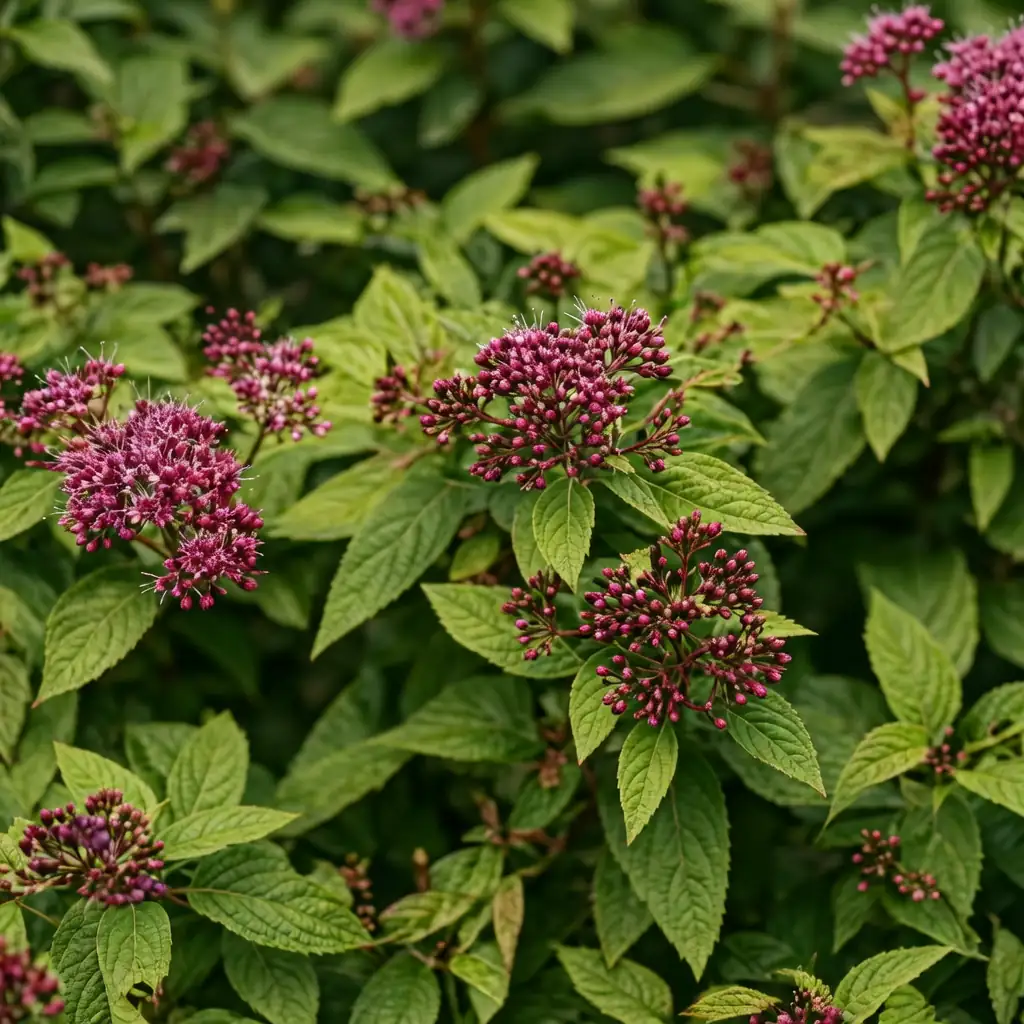
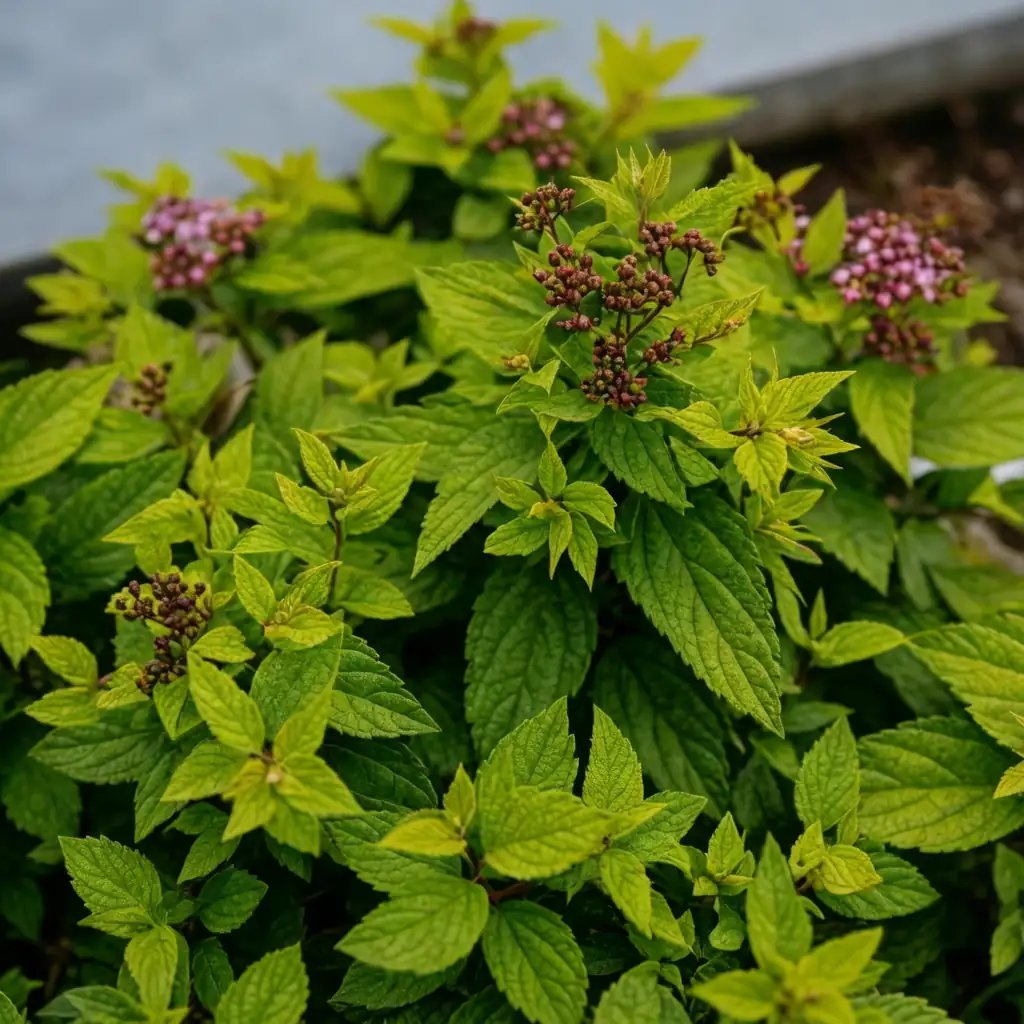
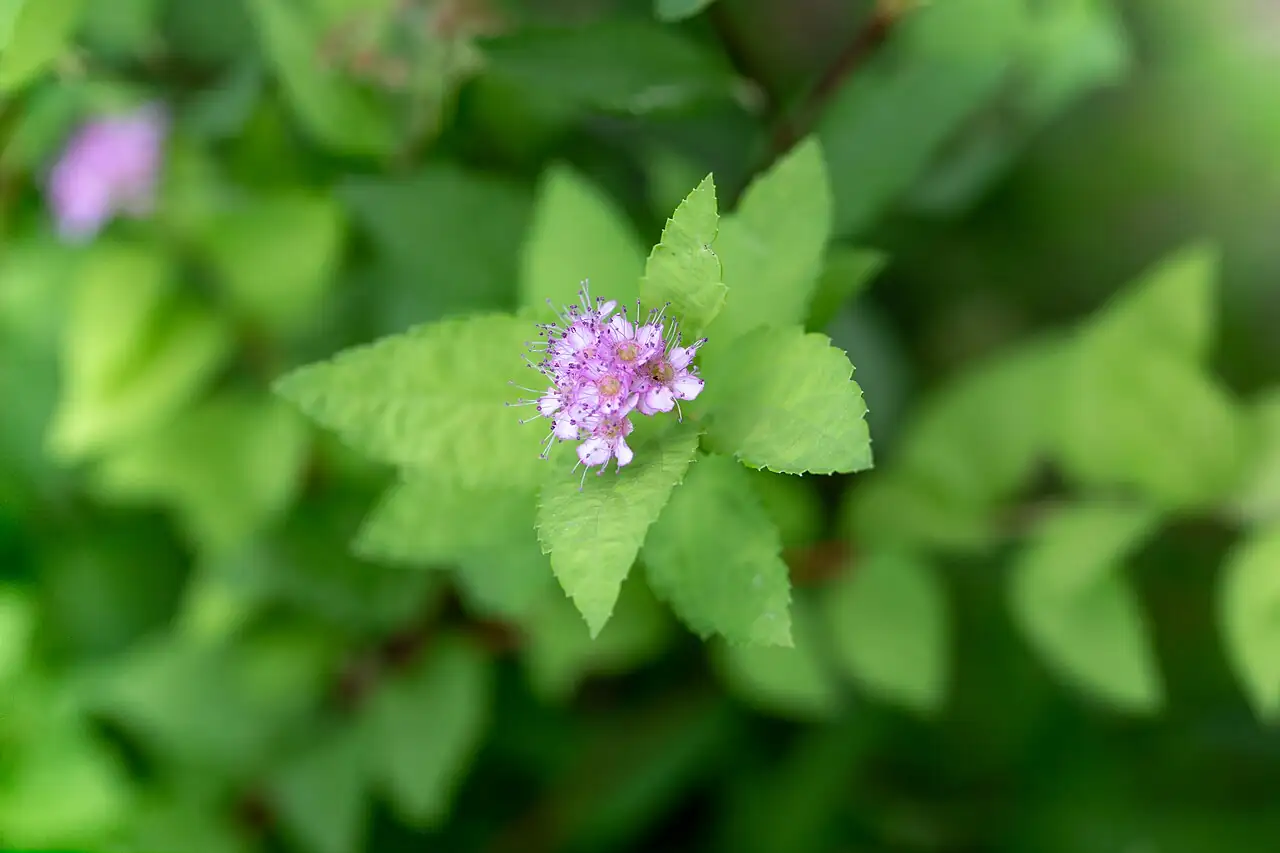
- Foliage: Small, lance-shaped leaves with serrated edges. New growth is vivid golden-yellow; foliage shifts to light green/chartreuse in summer and often returns to golden tones in autumn.
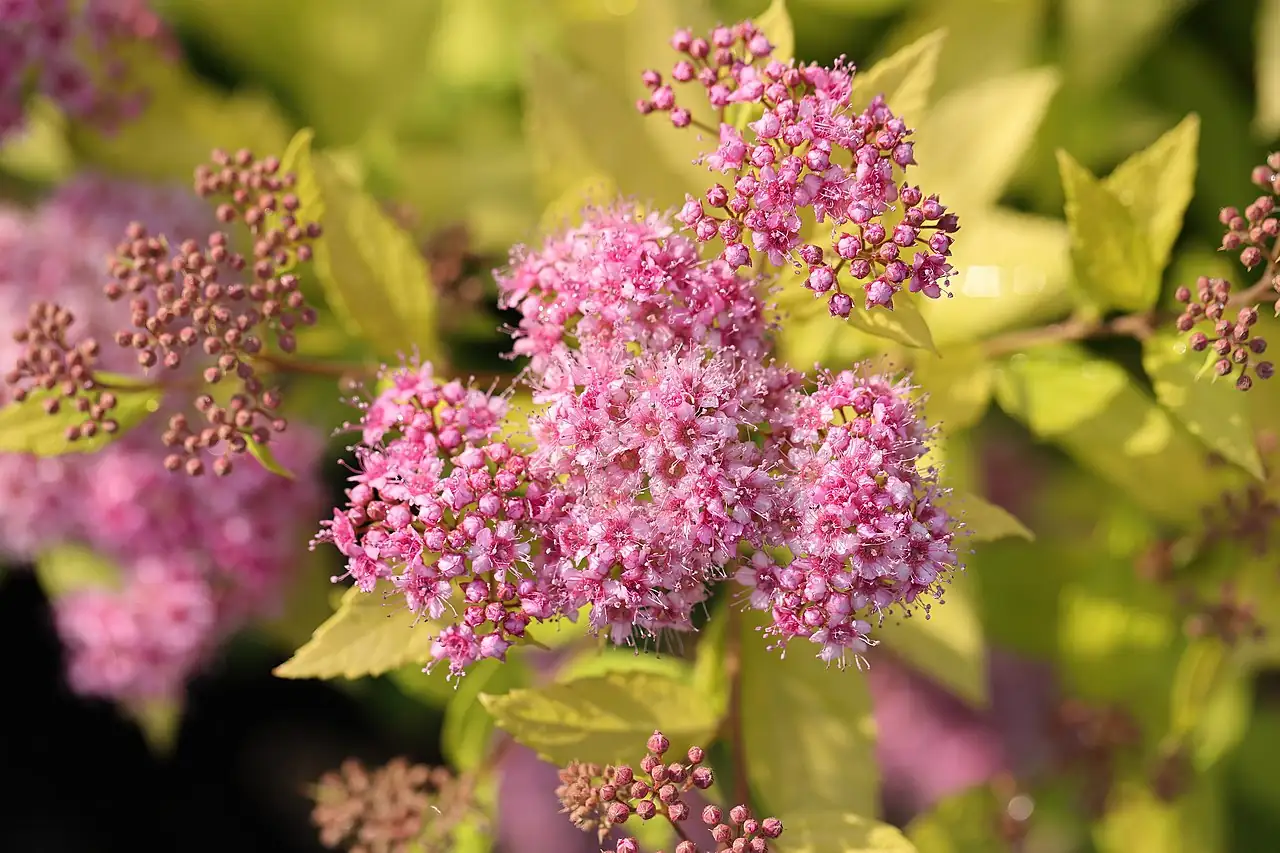
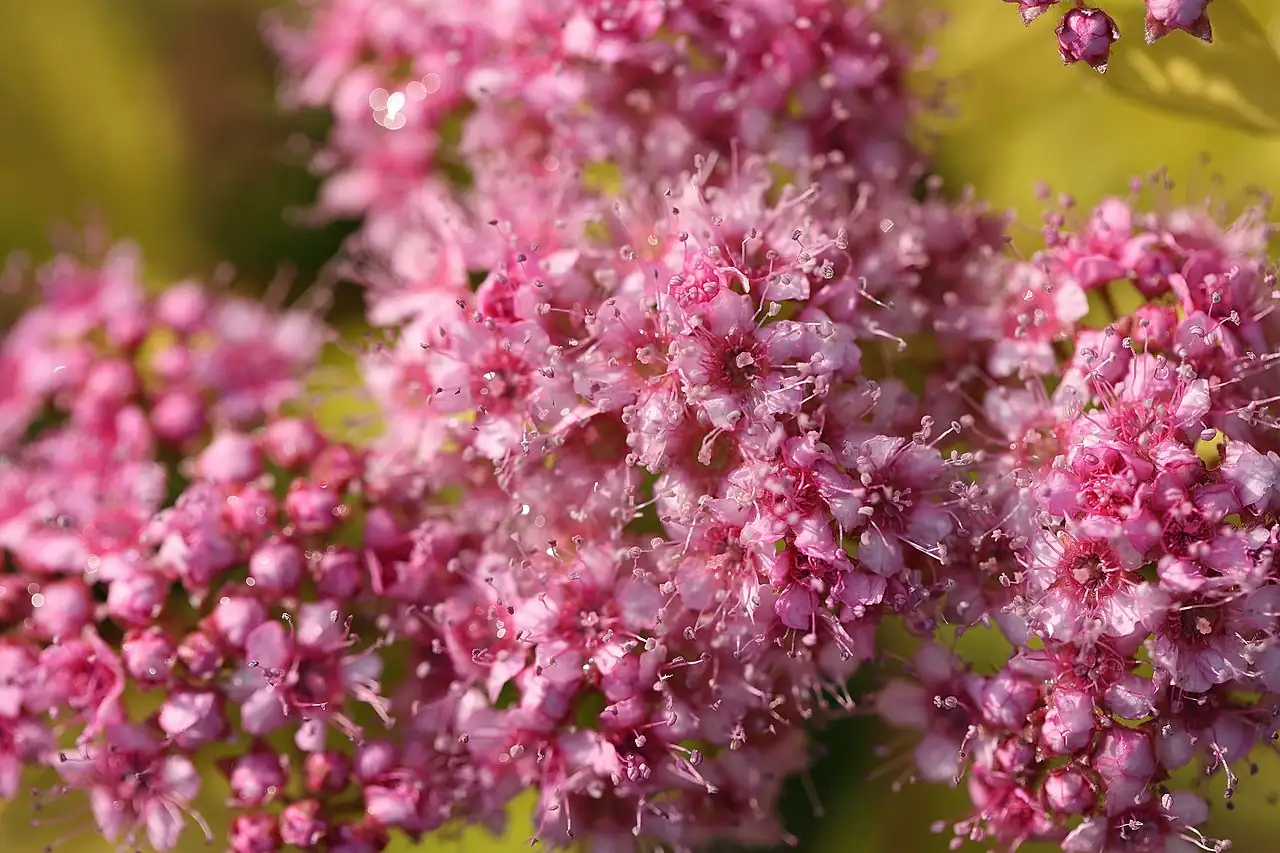
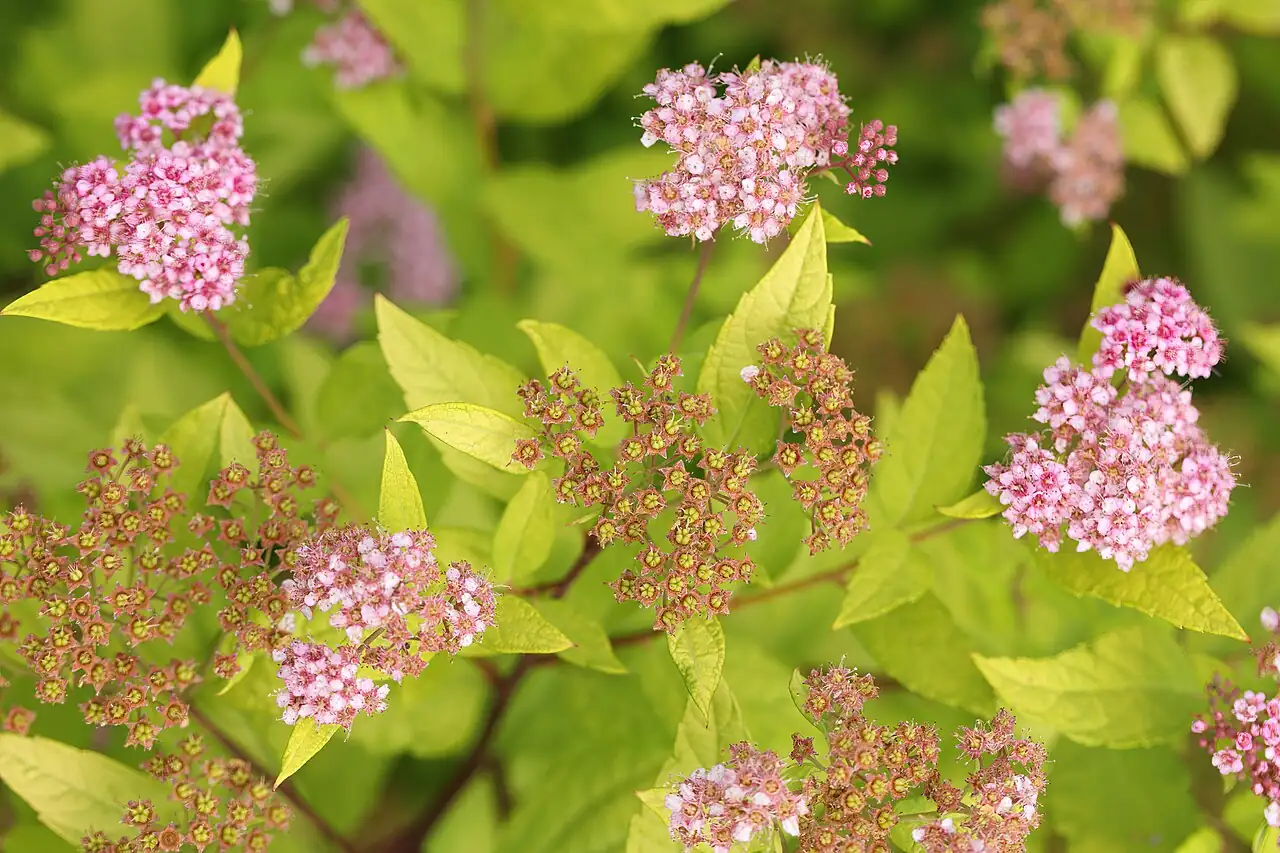
- Flower: Flat-topped clusters of many tiny, soft pink flowers held above the foliage; followed by small, dry spirea-type fruits after bloom.
- Flowering Season: Early to mid-summer (commonly June–August).
- Growth Habit: Low, mounded, deciduous shrub with many slender branches; naturally dense and responds very well to shearing and shaping.
Environment
Sunlight
Full sun for the best golden leaf color (aim for 6+ hours/day). Tolerates light shade, but foliage tends to turn greener and flowering may be reduced.
Temperature
Best growth around 15–27°C (59–81°F). Handles typical temperate summers and winter cold well within its hardiness range.
Humidity
Comfortable in average outdoor humidity. Once established it tolerates dry spells, but it dislikes persistently wet, poorly ventilated conditions.
Soil
Adaptable, but happiest in deep, fertile, well-drained loam. Avoid waterlogged or constantly soggy sites.
Placement
Sunny borders, foundation plantings, mixed shrub beds, edging, and mass plantings for a bright color block; works as a low informal hedge. Can be used near water features if the soil drains well.
Hardiness
USDA Zone 4–8 (approximately -34 to -7°C / -30 to 20°F).
Care Guide
Difficulty
Easy. A tough, adaptable shrub that’s quite forgiving once established.
Buying Guide
Pick plants that look dense and bushy with strong golden new growth. Avoid pots with sour-smelling, soggy mix or plants with lots of dead twigs. Check the undersides of leaves for early signs of aphids or spider mites.
Watering
Water regularly during the first growing season to establish roots. Afterward, water deeply when the top 5–8 cm (2–3 in) of soil feels dry. Avoid overwatering and avoid sites that stay wet.
Fertilization
Usually needs little feeding. If growth is weak, apply a balanced slow-release fertilizer in early spring at label rates. Don’t overdo nitrogen—too much can encourage leafy growth at the expense of blooms.
Pruning
Prune in late winter to early spring to remove dead wood and shape the plant. After the main bloom, a light shear/deadheading can keep it neat and may encourage some repeat flowering. Older shrubs can be rejuvenated by cutting back hard every few years.
Propagation
Softwood cuttings in late spring to summer, or semi-hardwood cuttings in late summer. Division is also possible for mature clumps.
Repotting
Primarily grown in-ground. If kept in a container, repot every 1–2 years into fresh, well-drained mix (either step up a pot size or root-prune and refresh soil).
📅 Seasonal Care Calendar
Spring: prune; fertilize if needed; watch for aphids. Summer: shear/deadhead after bloom; water during prolonged drought; monitor spider mites in hot, dry spells. Fall: enjoy autumn color; reduce watering as temperatures cool. Winter: dormant—do structural pruning before budbreak.
Pests, Diseases & Safety
Common Pests & Diseases
Aphids and spider mites are the most common pests (mites are more likely in hot, dry weather). Can occasionally get powdery mildew or leaf spot. Improve airflow, avoid frequent overhead watering, and treat early with horticultural soap/oil when needed.
Toxicity
Not generally regarded as toxic to people or pets, though chewing on ornamental plants can still cause mild stomach upset in sensitive individuals.
Culture & Symbolism
Symbolism: Often linked with brightness and upbeat summer energy—golden leaves paired with soft pink blooms bring a “sunny” feel to plantings.
History & Legends: Goldmound spirea is a cultivated selection of Spiraea japonica, valued in landscaping for staying compact while offering both colorful foliage and summer flowers. It has been widely planted in China since the 1990s due to its strong adaptability.
Uses: Ornamental landscape shrub for foliage color and summer bloom; widely used for edging, low hedges, mass plantings, and color blocks in parks and residential landscapes.
FAQ
When does it bloom?
It usually flowers in early to mid-summer, often from June to August, depending on your climate.
When does it set fruit?
Small dry fruits typically form after flowering, often in late summer to early fall (around August–September).
How tall does it grow?
Most plants stay around 30–60 cm (12–24 in) tall, with a wider spread of about 60–90 cm (24–36 in). Pruning can keep it even lower and tidier.
Where is it from?
It’s a garden cultivar derived from Japanese spirea (Spiraea japonica), whose wild relatives are native to East Asia.
What growing conditions does it prefer?
Full sun for the richest gold foliage, well-drained soil, and regular watering while it establishes. Once settled, it’s fairly drought-tolerant but dislikes soggy ground and deep shade.
Fun Facts
- The more sun it gets, the more “gold” the leaves tend to stay—shade pushes it greener.
- It’s popular because it looks good even when it’s not flowering, thanks to the bright foliage.
- A quick shear right after blooming can keep the mound neat and may coax a lighter second flush of flowers in some areas.
- Spider mites are most likely during hot, dry weather—keeping the plant unstressed (and not too dusty) helps a lot.