Plant Features
- Size: Typically 30–150 cm (12–59 in) tall; spread varies with site conditions and its tendency to form clumps/colonies.
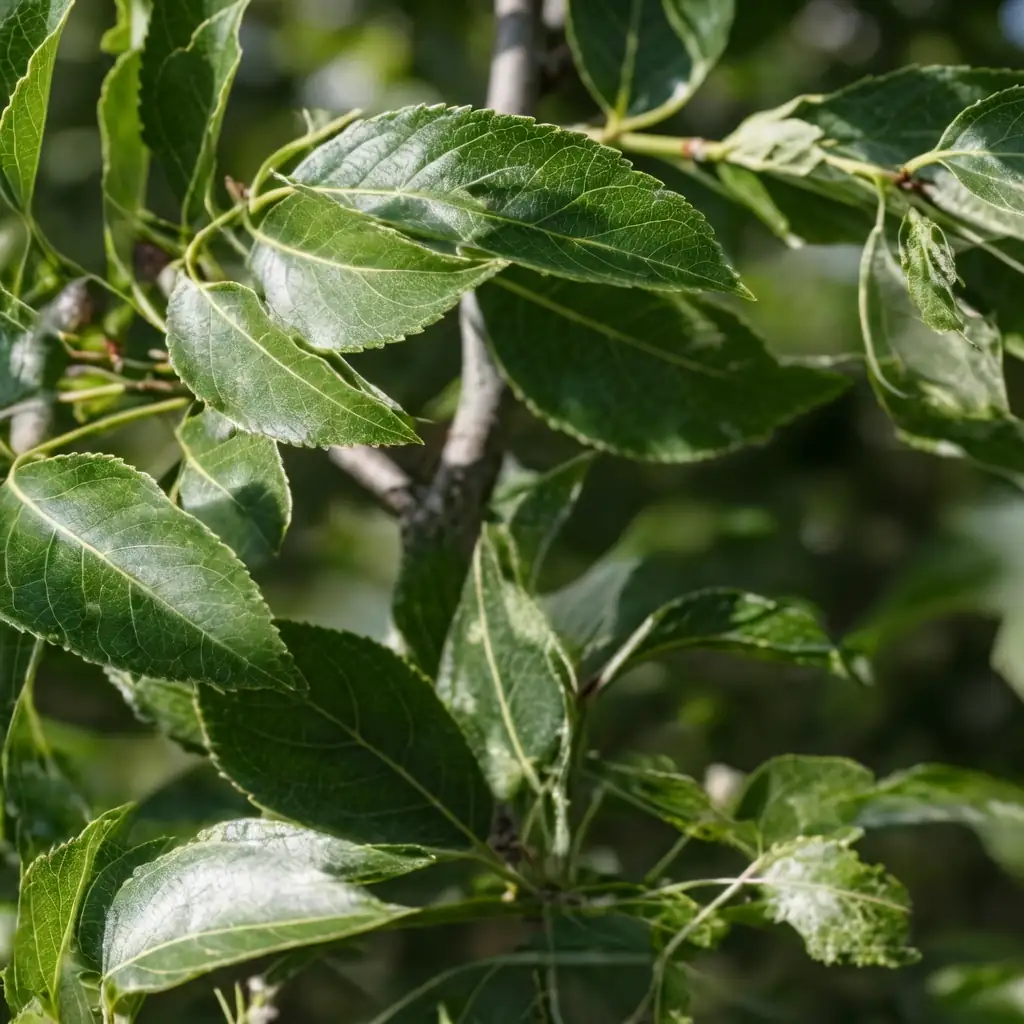
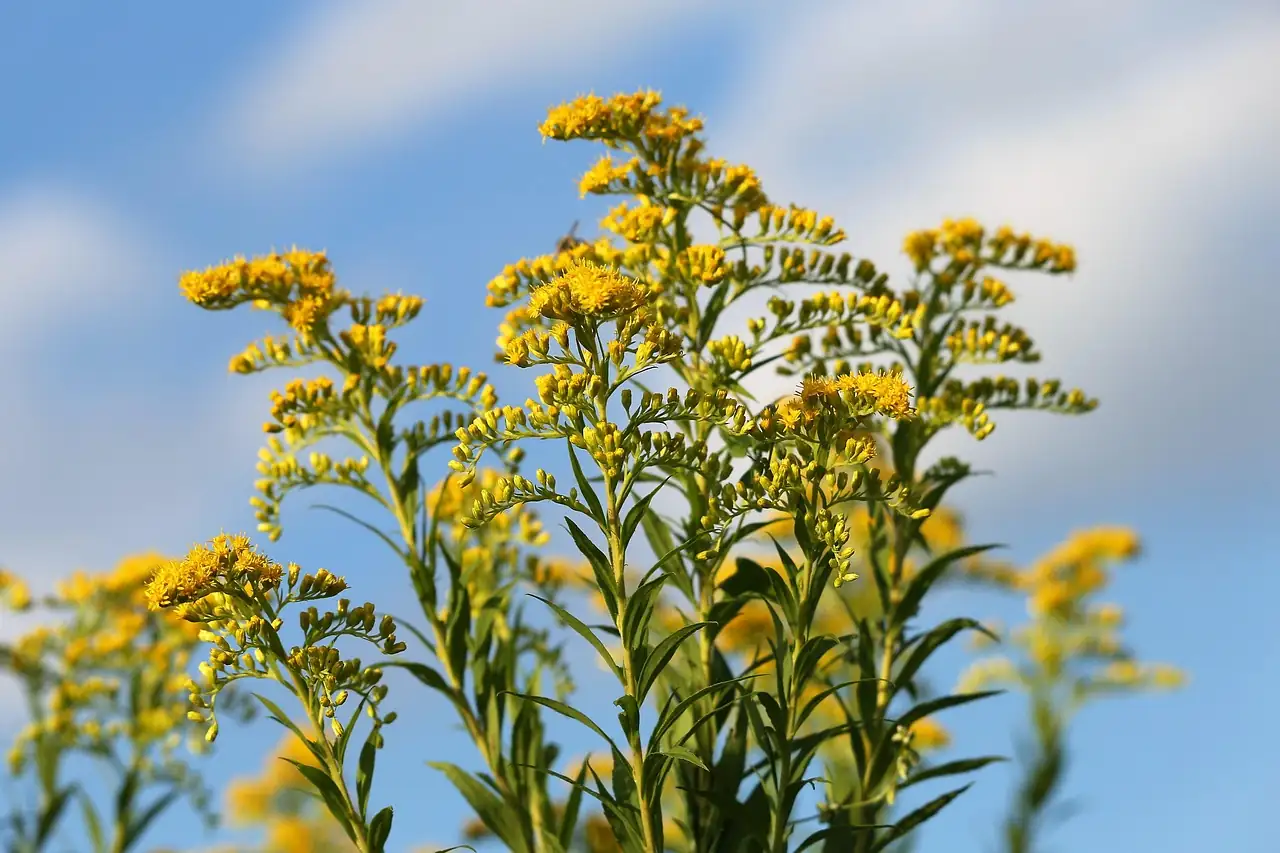
- Foliage: Leaves are narrow and lance-shaped, usually with three prominent veins and lightly toothed margins; overall foliage reads as clean, green, and finely textured.
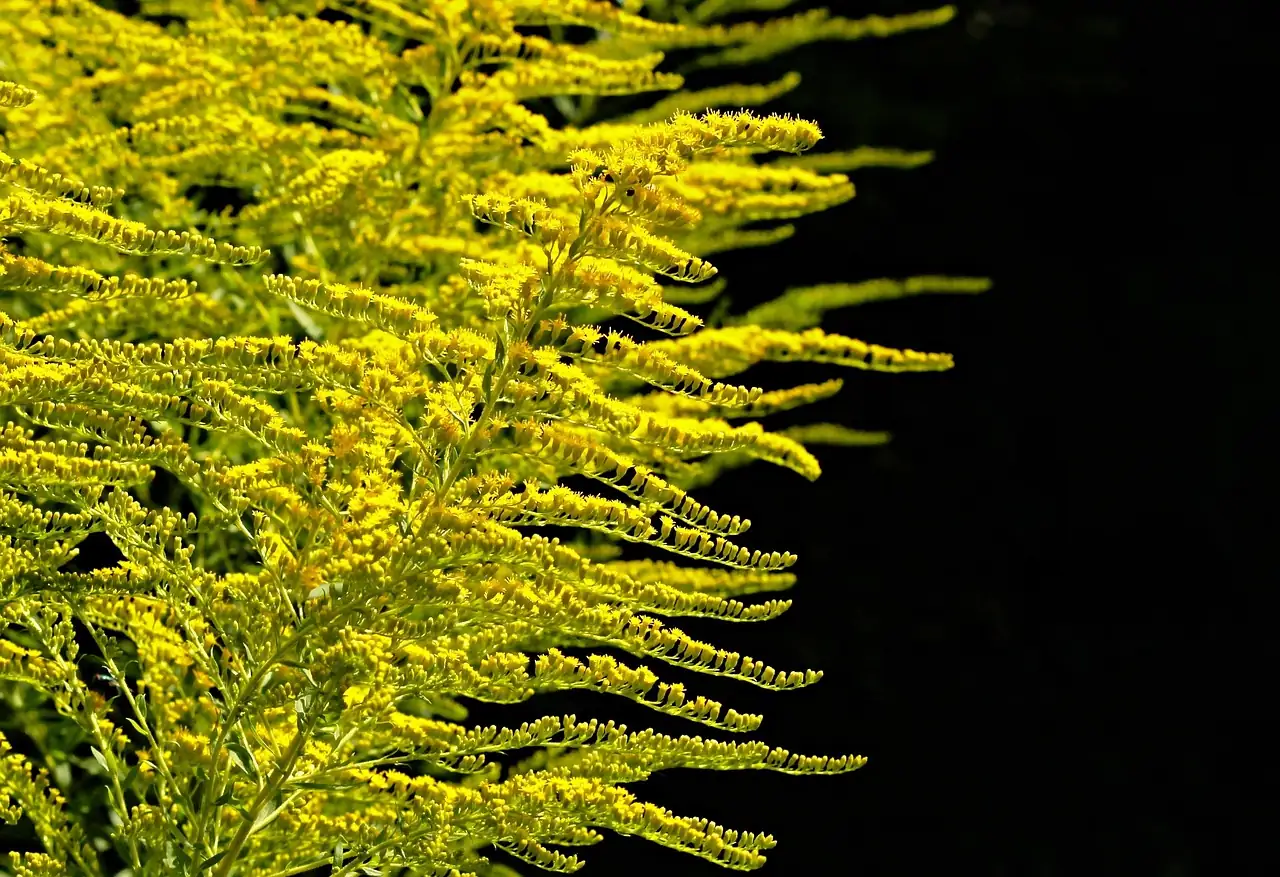
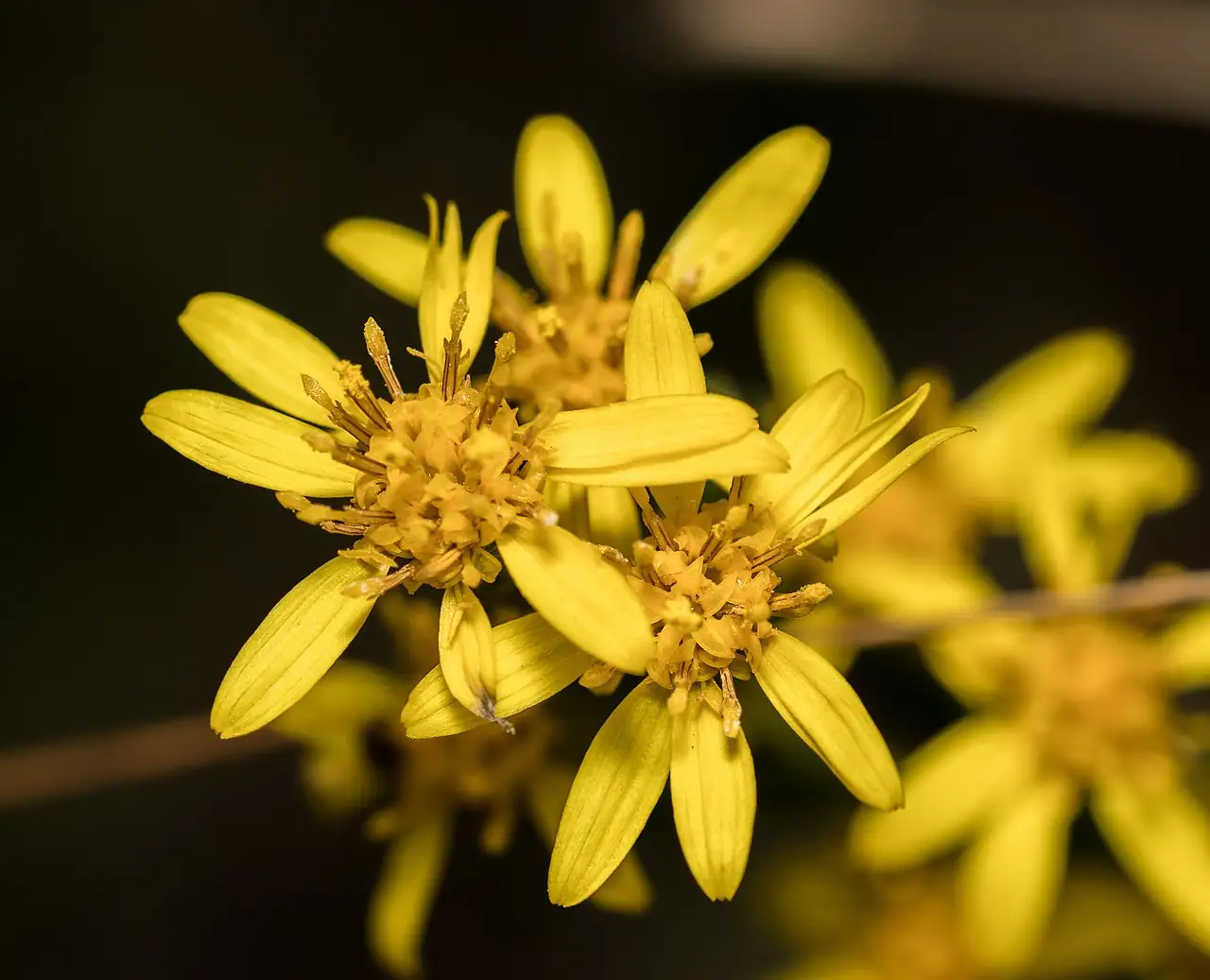
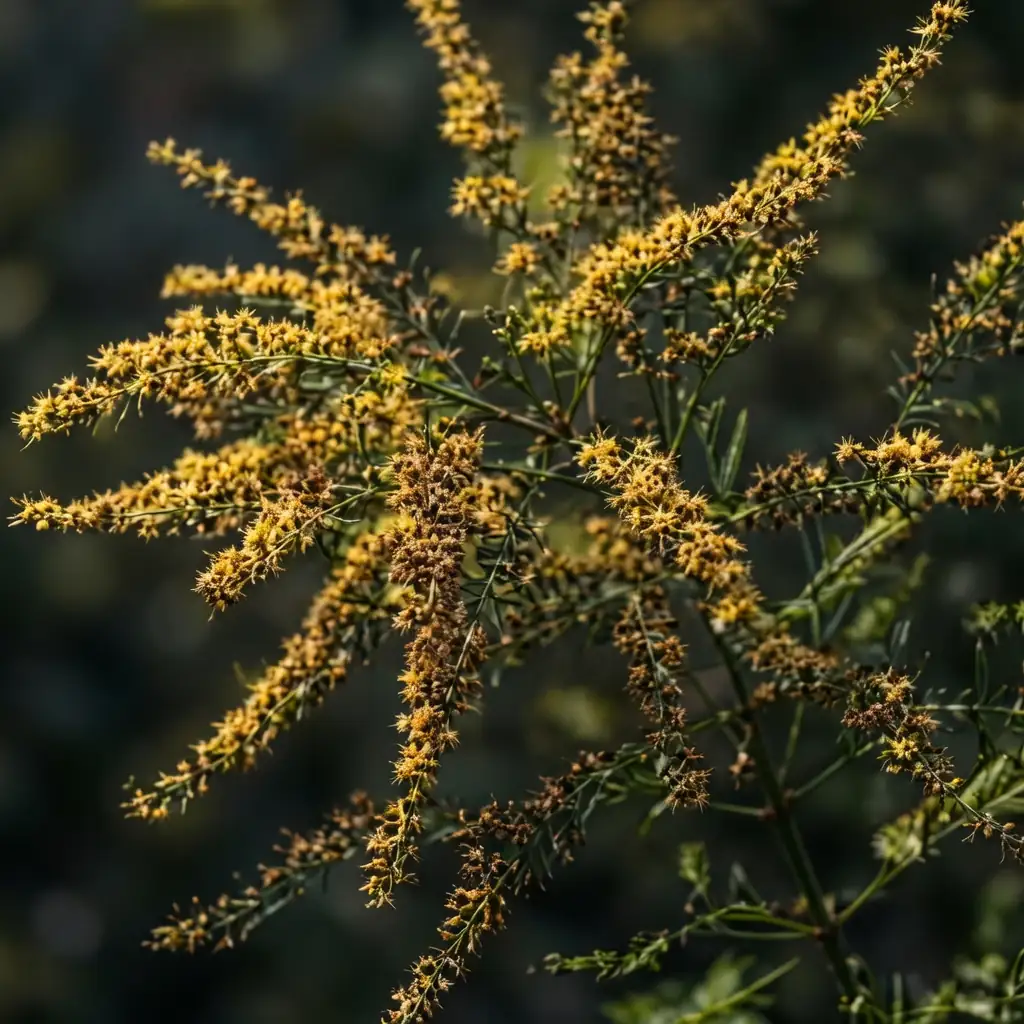
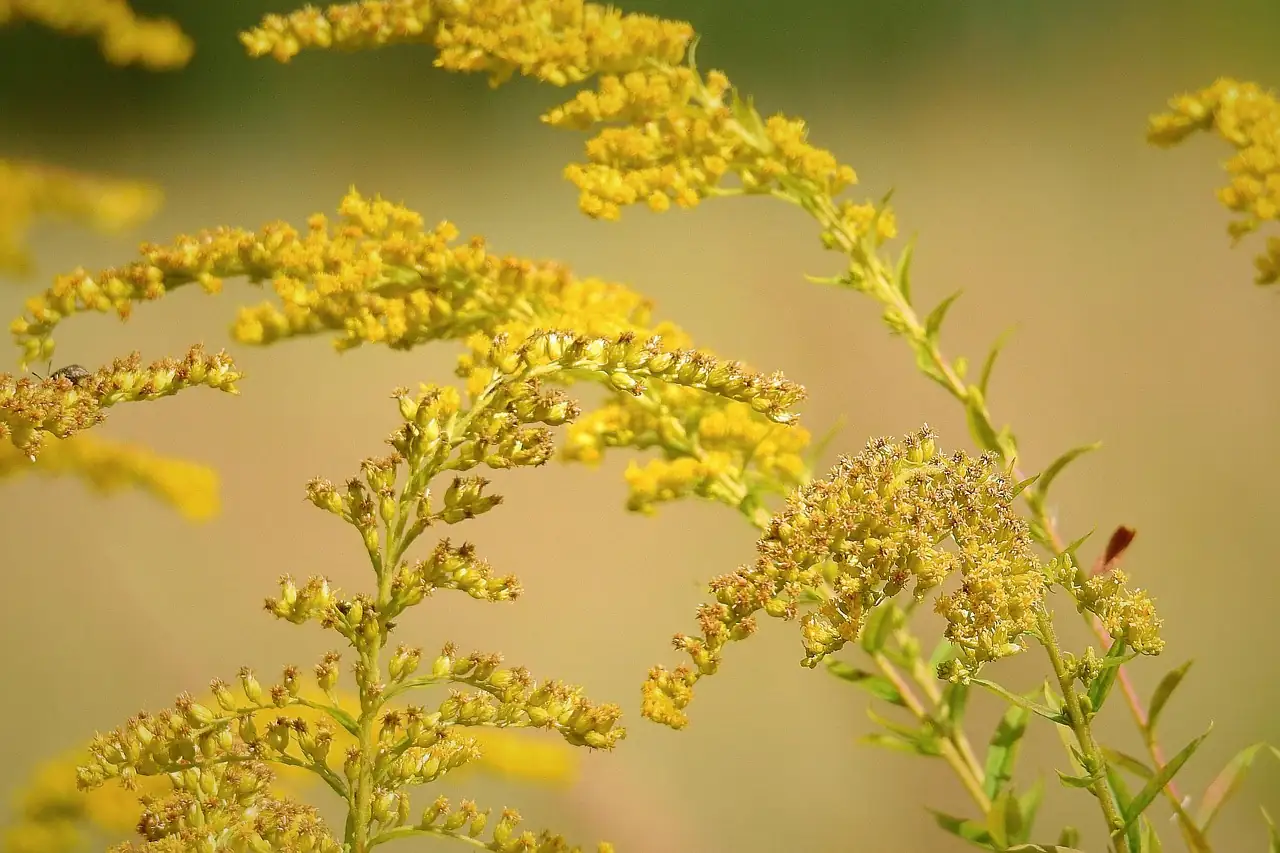
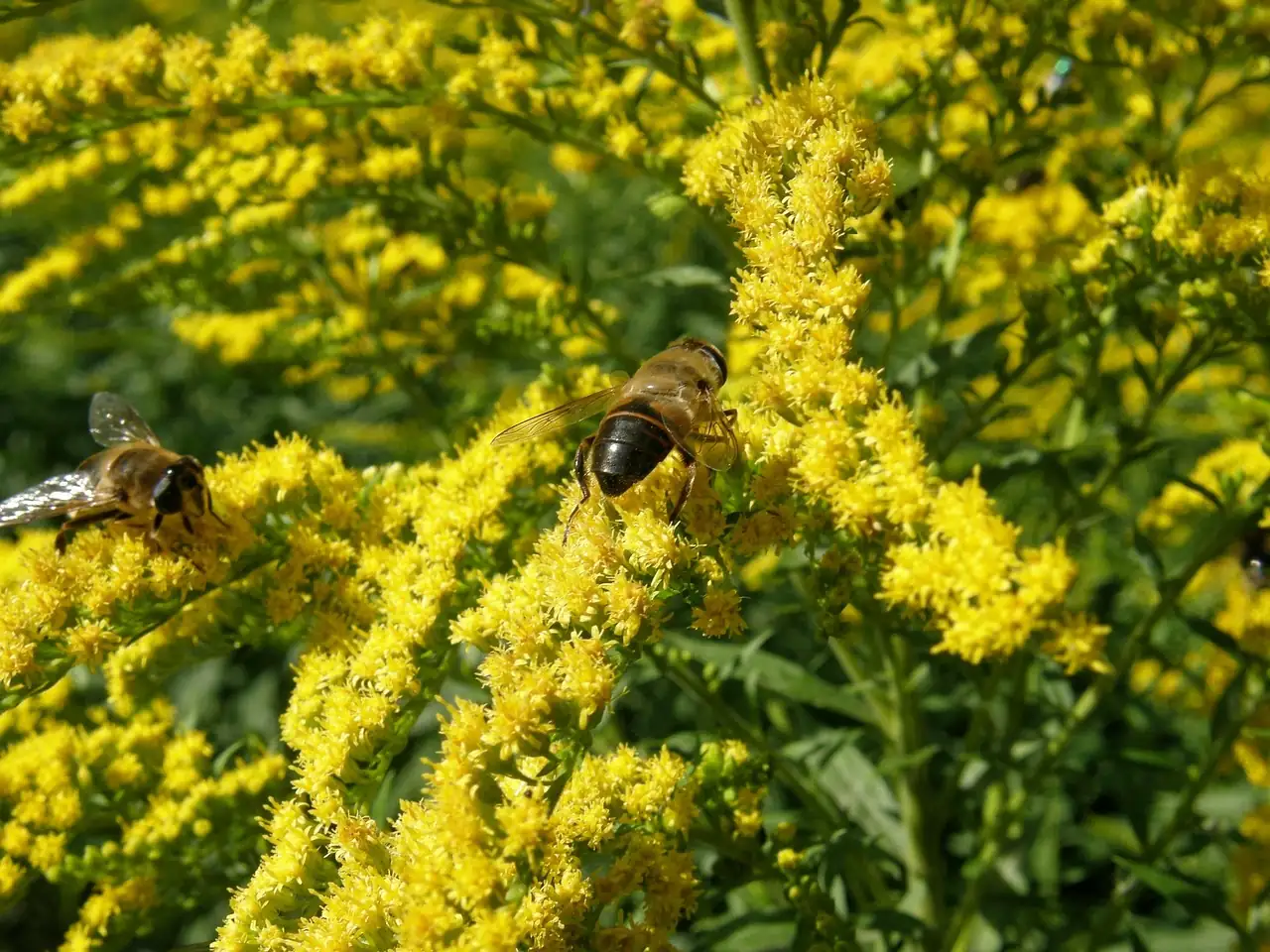
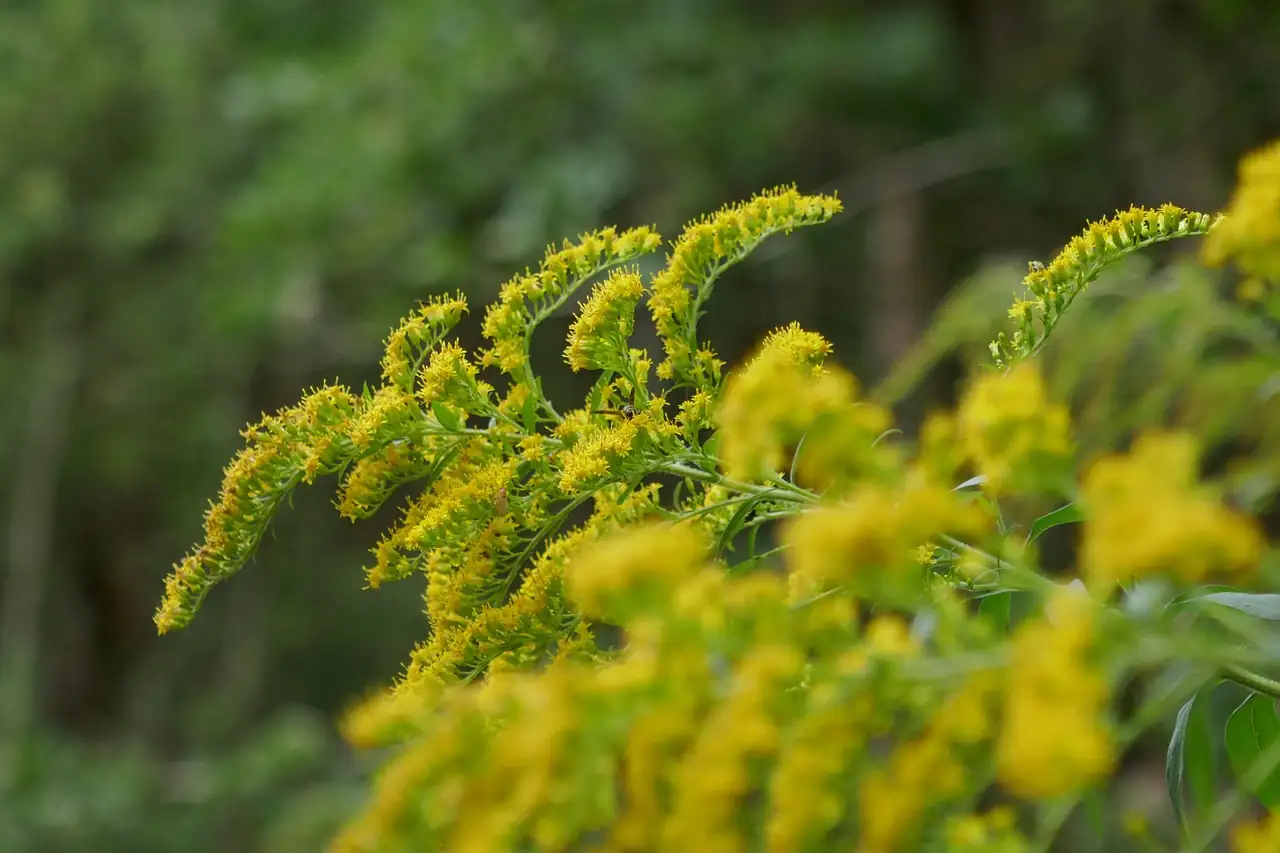
- Flower: Produces many small, bright yellow flower heads typical of the daisy family, packed into branched, plume-like panicles near the stem tips. The flowering branches often arch, and the clustered heads can look slightly one-sided along the plume.
- Flowering Season: April–November (varies with climate).
- Growth Habit: Herbaceous perennial that often forms clumps and can spread when conditions suit it; upright stems with arching flowering sprays.
Environment
Sunlight
Full sun for best flowering; tolerates light shade.
Temperature
Prefers cool to mild conditions and tolerates cold. Often grows best around 10–25°C (50–77°F).
Humidity
Average humidity is fine; drought tolerant once established.
Soil
Adaptable to many soil types as long as drainage is reasonable; avoid constantly waterlogged soils.
Placement
Sunny borders, mixed perennial beds, mass plantings, and cut-flower gardens. In the wild it can occur on slopes, woodland edges/understory, roadsides, and grassland—avoid planting where it could escape into nearby natural areas.
Hardiness
Cold hardy in many temperate climates (USDA zone varies by local performance and references). Where winters are severe or plants are not reliably hardy, provide winter protection and site in a sheltered spot.
Care Guide
Difficulty
Easy overall: tolerant of cold, drought, and a range of soils. The main “challenge” is managing its enthusiasm—deadhead and divide to prevent aggressive spread where it’s prone to naturalizing.
Buying Guide
Pick plants with sturdy, upright stems and fresh green leaves (avoid black spotting, heavy aphid infestations, or a powdery coating). If goldenrods are regulated or considered invasive in your area, check local guidance before buying or planting.
Watering
Water regularly while the plant is establishing. Once established, it’s fairly low-water: let the top few centimeters of soil dry out between waterings (roughly the top 2–5 cm / 1–2 in). Avoid keeping soil constantly wet, especially in containers.
Fertilization
Usually needs little to no feeding. If growth looks weak, use a balanced slow-release fertilizer in spring at label rates. Avoid over-fertilizing, which can cause floppy stems and encourage excessive spread.
Pruning
Deadhead after flowering to reduce self-seeding. Cut stems back to near ground level in late fall, or leave stems for winter interest and cut back in late winter/early spring before new growth starts.
Propagation
Commonly propagated by division; it may also self-seed. In regions where it can become invasive, prevent seed set by deadheading, avoid sharing/distributing divisions, and dispose of plant material responsibly according to local regulations.
Repotting
If grown in containers, repot or divide every 1–2 years in spring. Use a well-draining potting mix and a container large enough that it won’t dry out excessively fast.
📅 Seasonal Care Calendar
Spring: divide, replant, and clean up old stems. Summer: water during establishment; stake if tall stems flop. Late summer–fall: enjoy blooms; deadhead to limit seeding. Winter: cut back and remove debris to reduce overwintering pests/disease.
Pests, Diseases & Safety
Common Pests & Diseases
Can attract aphids, leafhoppers, and spider mites. Fungal issues like powdery mildew or rust may appear, especially with poor airflow. Give plants room, improve ventilation, avoid overhead watering, and remove heavily infected material.
Toxicity
Not generally considered poisonous to people or pets. However, sap or pollen may irritate sensitive individuals; if you’re allergic to daisy-family plants (Asteraceae), wear gloves and avoid rubbing eyes after handling.
Culture & Symbolism
Symbolism: Often linked with encouragement, optimism, and abundance—its bright yellow plumes look like little fireworks of good cheer.
History & Legends: Goldenrods (Solidago species) have a long tradition of herbal use in their native regions and a strong reputation in gardens for durability and bloom power. Because some goldenrods can naturalize readily outside their native range, modern gardening stories around them often include a “plant it, but manage it” lesson.
Uses: Primarily grown as an ornamental for borders, prairie-style plantings, and mass displays; also valued as a cut flower. In non-native areas, grow responsibly and prevent spread if it’s known to be invasive locally.
FAQ
When does it flower?
Typically April–November, though the exact timing depends on your local climate.
How tall does it get?
Usually about 30–150 cm (12–59 in) tall.
Where is it native to?
Eastern North America.
Where might it grow naturally or escape to?
It’s often found in open habitats such as slopes, woodland edges/understory, roadsides, and grasslands. Outside its native range, it may naturalize where conditions are favorable.
Is there anything I should be especially careful about?
Yes—its vigor. Deadhead to prevent seed spread, don’t dump garden waste into natural areas, and follow local invasive-species guidance if it’s a concern in your region.
Fun Facts
- Those fluffy “plumes” aren’t single flowers—they’re clusters of many tiny daisy-family flower heads arranged into branched panicles.
- Goldenrod is beloved in bouquets, but removing seed heads after flowering helps keep it from popping up where you didn’t invite it.
- Although native to eastern North America, it has been recorded outside its native range and may naturalize in suitable habitats.