

Plant Features
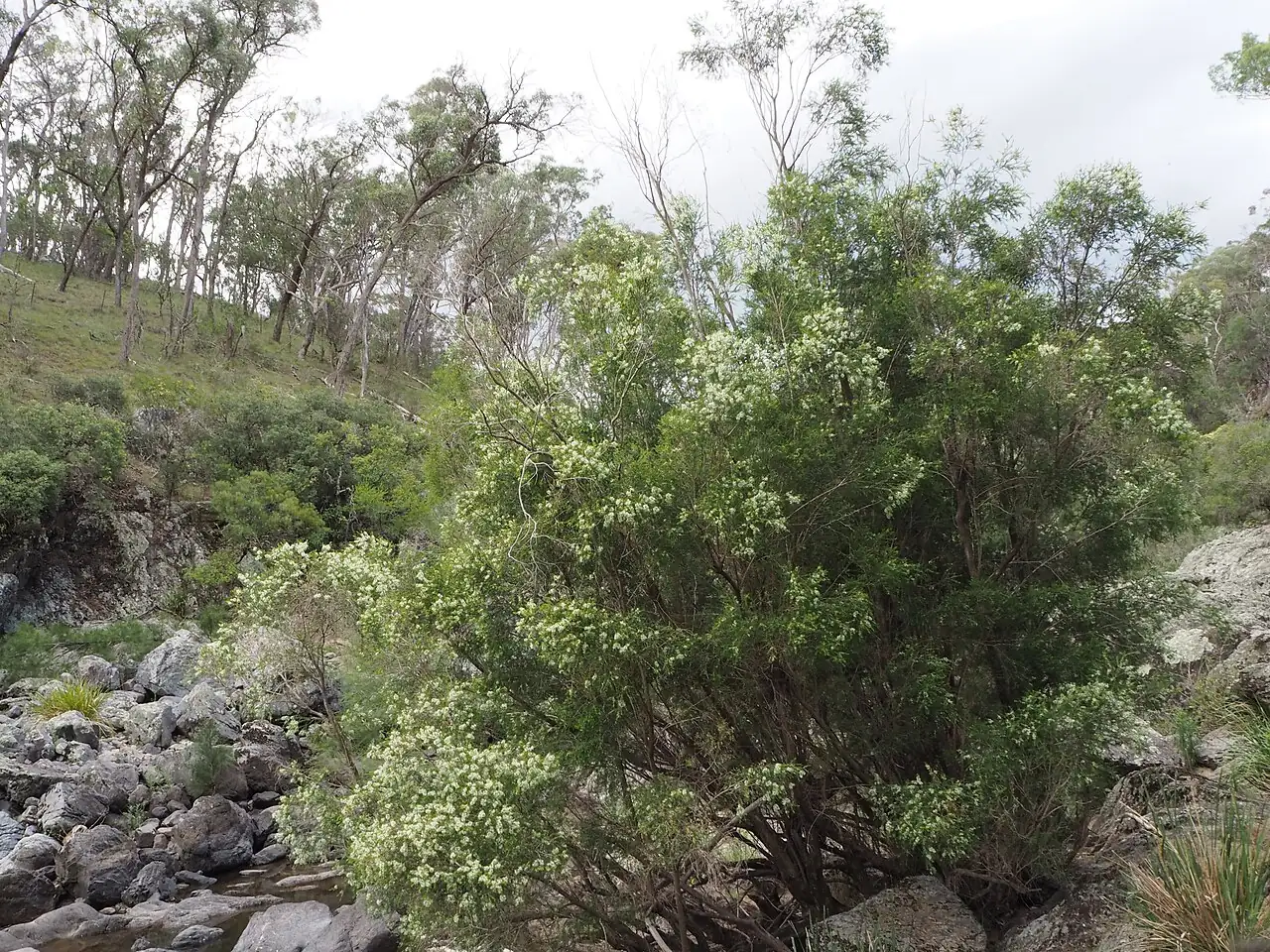
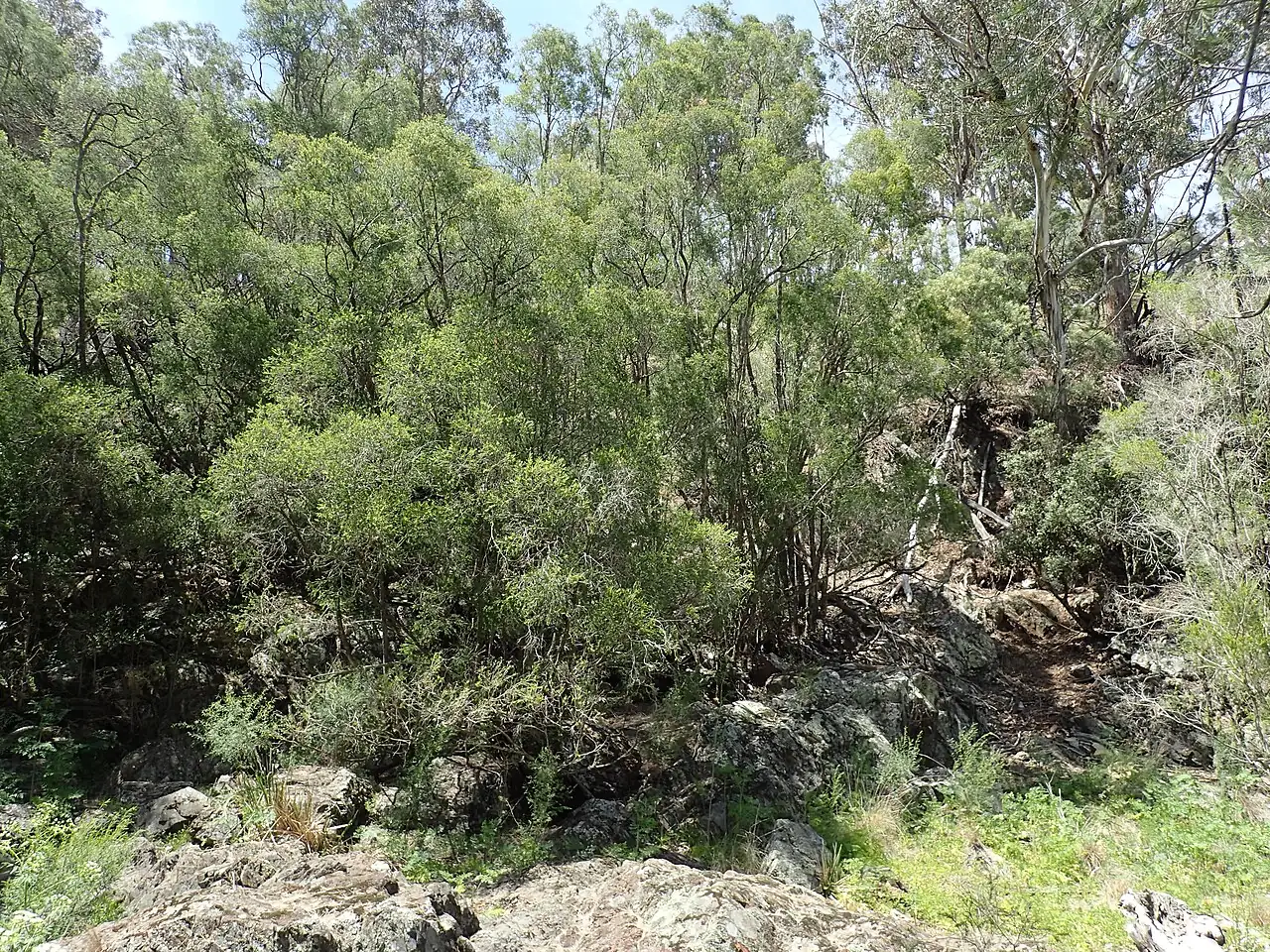
- Size: Typically 2–5 m (6.6–16.4 ft) tall; usually grown as a large shrub or small tree, and can be kept smaller with regular clipping.
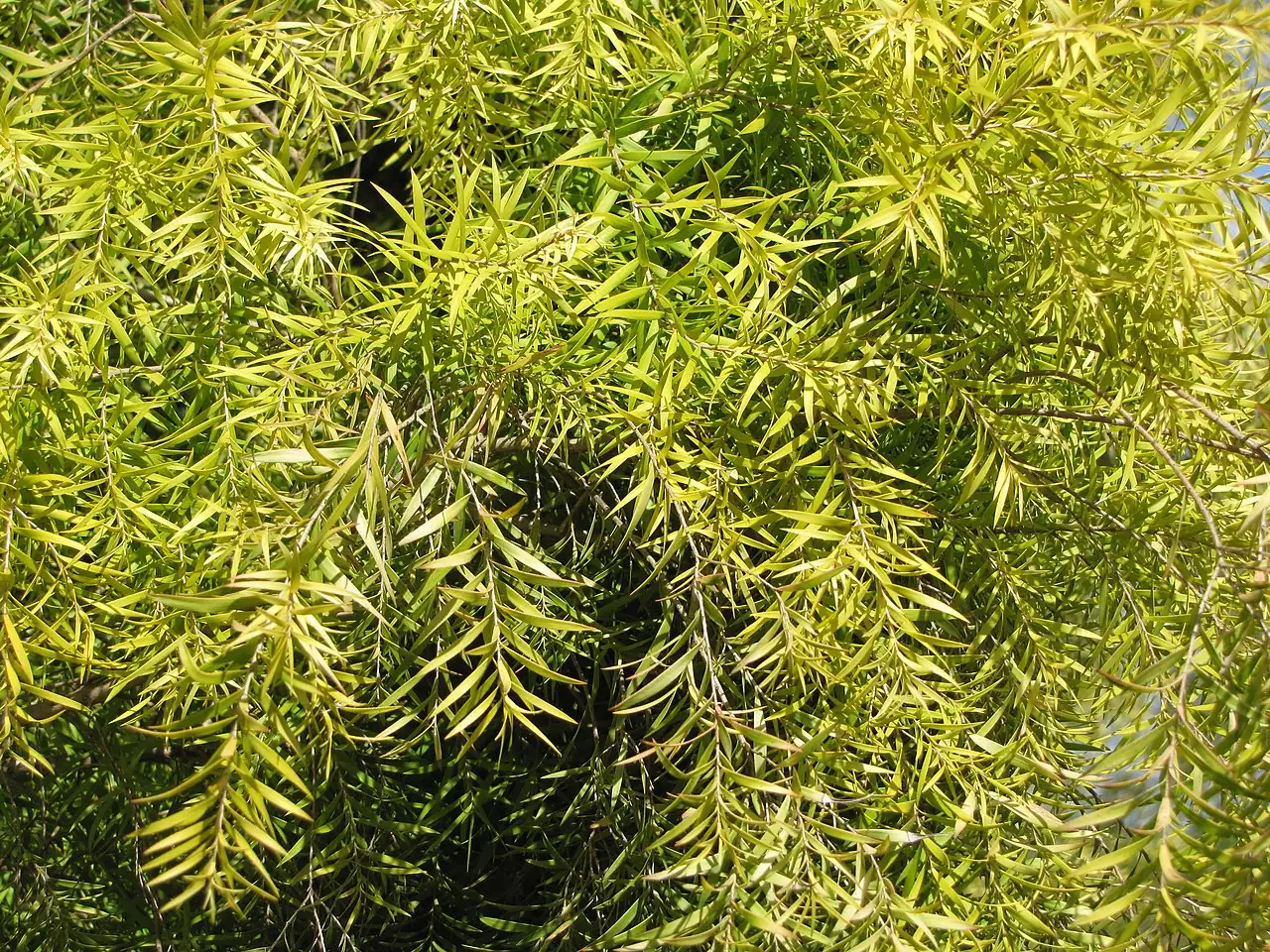
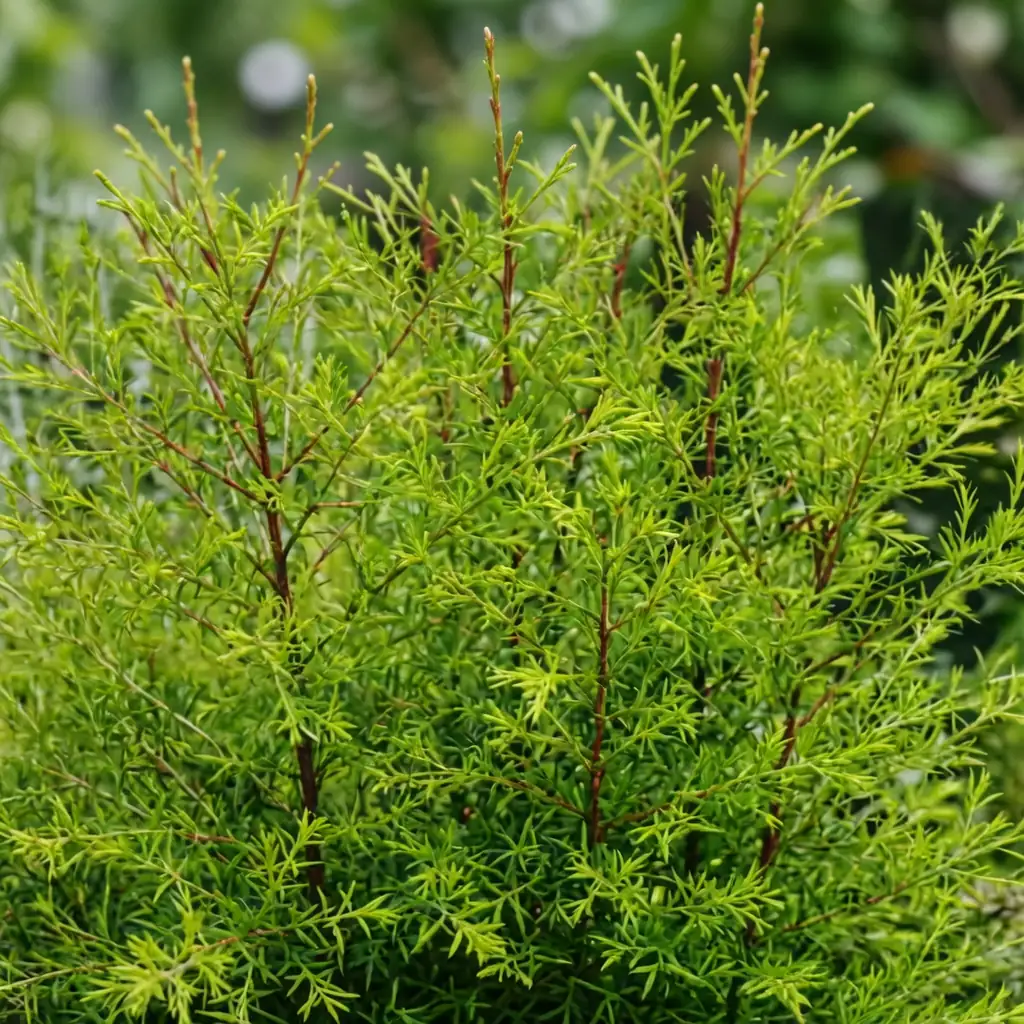
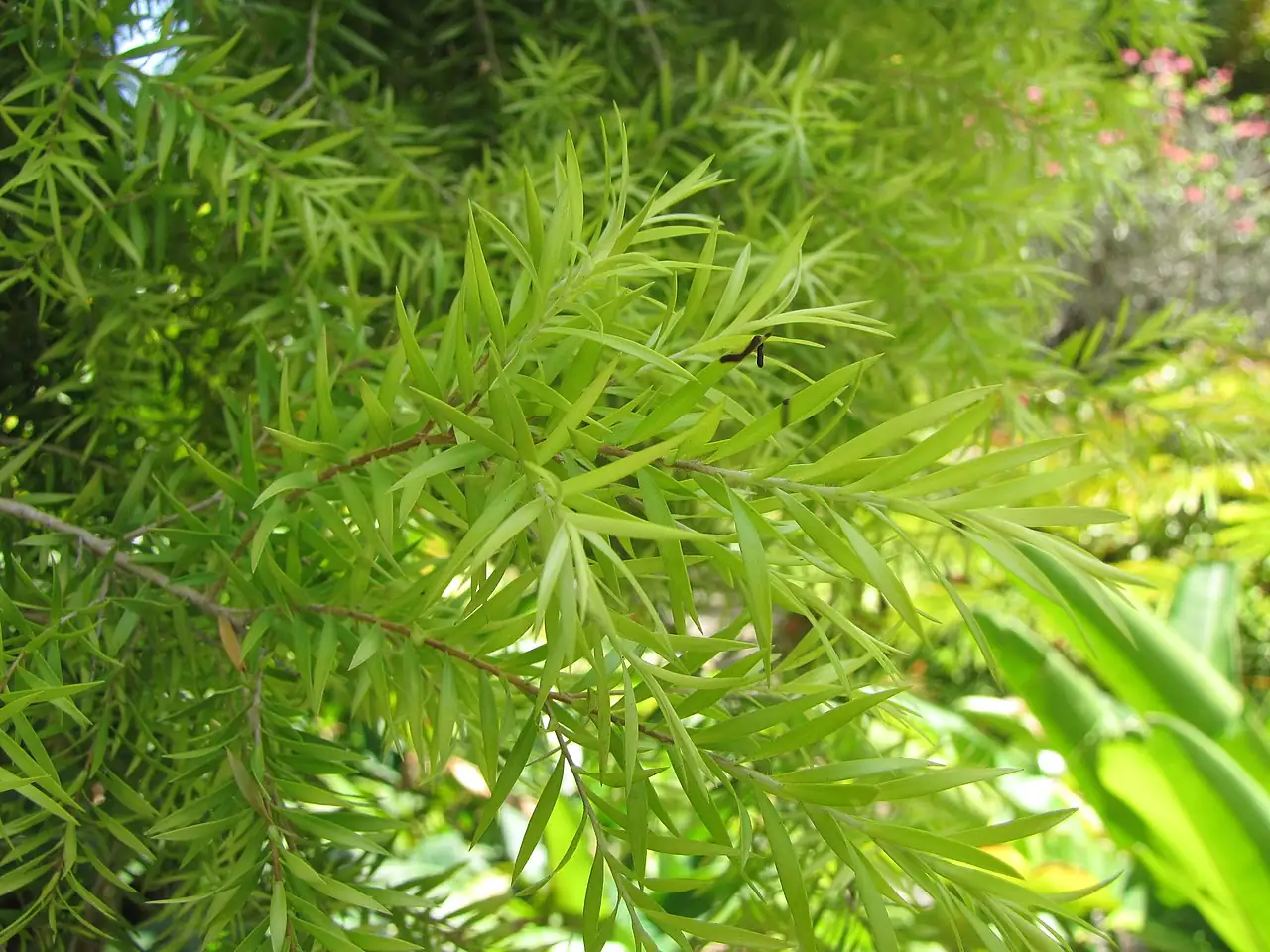
- Foliage: Evergreen with narrow, leathery leaves that emerge and stay vivid golden-yellow in good light. The foliage is strongly aromatic when touched. Branchlets are fine-textured and may arch or lightly weep, giving the plant a graceful, soft look.
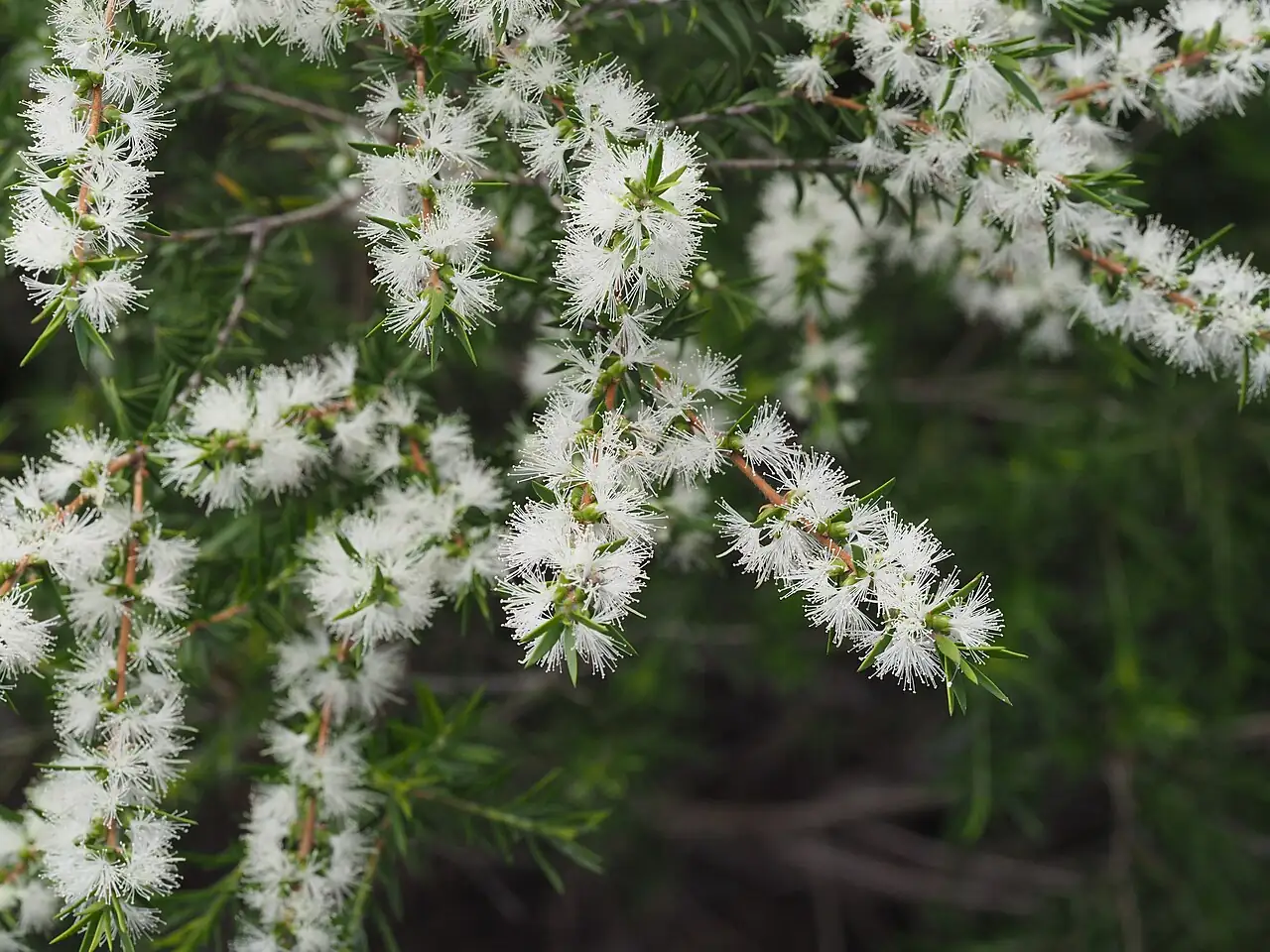
- Flower: Produces white, brush-like flower spikes near the shoot tips, with many stamens typical of tea trees. After flowering, it forms small, rounded woody capsules; interestingly, the flowering axis can keep extending after the blooms fade.
- Flowering Season: Late winter to spring (about February–April).
- Growth Habit: Upright evergreen shrub to small tree with slender (sometimes pendulous) branchlets; becomes deep-rooted and more drought-resilient once established.
Environment
Sunlight
Full sun to light shade; for the best golden color, give it full sun.
Temperature
Warm-growing plant; once established it can handle brief cold snaps down to about -10 to -7°C (14 to 19°F) and summer heat up to around 42°C (108°F).
Humidity
Adaptable. Performs well in warm, moderately humid climates, but can also cope with drier air once established (especially with occasional deep watering in dry spells).
Soil
Exceptionally adaptable: tolerates acidic through alkaline soils (including limestone-based soils) and can cope with mildly saline-alkaline sites if drainage is reasonable. Prefers well-drained soil and dislikes prolonged waterlogging.
Placement
Best outdoors: gardens, parks, and streetscapes. Great for coastal planting, hedges/screens, clipped topiary-style forms, golden foliage mass plantings, and windbreak or sand/dune stabilization where conditions are sunny and breezy.
Hardiness
Approximately USDA Zone 8b–11 (15 to 45°F / -9.4 to 7.2°C); not reliably hardy where winters are severe or long-lasting.
Care Guide
Difficulty
Easy to moderate outdoors. It’s low-fuss once established, but looks best with sun, good drainage, and the occasional tidy-up. Young plants need more consistent watering while they root in.
Buying Guide
Pick plants with dense growth and evenly golden new tips, with no dieback or blackened ends. Avoid severely pot-bound specimens; check for healthy white roots and inspect stems for scale insects.
Watering
Water regularly during the first growing season to establish roots. After that, water deeply during extended dry spells, letting the top layer of soil dry slightly between waterings. Avoid constantly wet, poorly drained conditions.
Fertilization
Feed in spring with a balanced slow-release fertilizer (or a native/low-phosphorus option where appropriate). Don’t overfeed—too much nitrogen can cause soft growth and may dull the best golden color.
Pruning
Lightly prune after flowering or during warm seasons to shape and encourage bushiness. It tolerates clipping for hedges or rounded forms, but avoid cutting hard back into old, leafless wood.
Propagation
Most reliably propagated from semi-hardwood cuttings in warm seasons. Seed is possible, but seedlings may vary and may not keep the strongest golden foliage traits.
Repotting
In containers, repot every 1–2 years (or when roots fill the pot) into a free-draining mix. Move up one pot size at a time and make sure the pot drains well.
📅 Seasonal Care Calendar
Spring: feed lightly and shape after flowering. Summer: deep water during heatwaves; light trims to maintain form. Autumn: reduce feeding and monitor pests. Winter: protect young plants from hard frosts and avoid heavy pruning.
Pests, Diseases & Safety
Common Pests & Diseases
Can attract scale insects, mealybugs, and spider mites (especially in hot, dry conditions). Root issues may occur in waterlogged soils. Improve airflow, avoid overwatering, and treat pests with horticultural oil or insecticidal soap when needed.
Toxicity
Household toxicity isn’t well documented. Like many aromatic Myrtaceae, the leaves contain essential oils that may irritate if chewed or ingested in quantity—keep away from pets or children who like to nibble plants.
Culture & Symbolism
Symbolism: Often linked with freshness and resilience—both for its clean, aromatic foliage and its ability to thrive in challenging sites.
History & Legends: Primarily valued as a modern landscape selection for its golden foliage and impressive tolerance of heat, wind, and variable soils—especially in warm-temperate and subtropical planting schemes.
Uses: Ornamental shrub/small tree for streets, parks, and home gardens; excellent for clipped hedges and shaped forms, mass planting for vivid golden color, and coastal greening/windbreaks—including sandy or salty sites where many ornamentals struggle.
FAQ
When does it flower?
Late winter to spring, typically February–April.
When does it set fruit?
Usually from mid to late summer into autumn (about July–October), forming woody capsules.
How tall does it grow?
Commonly 2–5 m (6.6–16.4 ft), depending on climate, pruning, and growing conditions.
Where is it native to?
It is native to Australia and is widely cultivated elsewhere as an ornamental.
What soil types can it grow in?
It tolerates many soil types, including acidic soils and limestone-based (alkaline) soils, and can cope with mildly saline-alkaline conditions if drainage is adequate.
How heat- and cold-tolerant is it?
It can tolerate heat up to around 42°C (108°F) and brief cold down to about -10 to -7°C (14 to 19°F) once established.
What is it mainly used for in landscaping?
Streets and parks, hedging and shaping, golden foliage mass planting, and coastal or windbreak plantings.
Fun Facts
- Rub the leaves and you’ll get a strong, pleasant tea-tree scent—great for sensory gardens.
- Full sun keeps the foliage at its brightest gold; shade usually makes it look greener.
- It’s unusually tolerant of alkaline and mildly salty soils, as long as the ground drains well.
- The fine, slightly weeping branchlets give it a soft texture that pairs beautifully with bold-leaved plants.
- It’s a popular choice for coastal landscapes because it handles wind, drought, and salt spray better than many ornamentals.


