

Plant Features
- Size: Typically 30–40 m (98–131 ft) tall, developing a broad, rounded-conical crown as it matures.
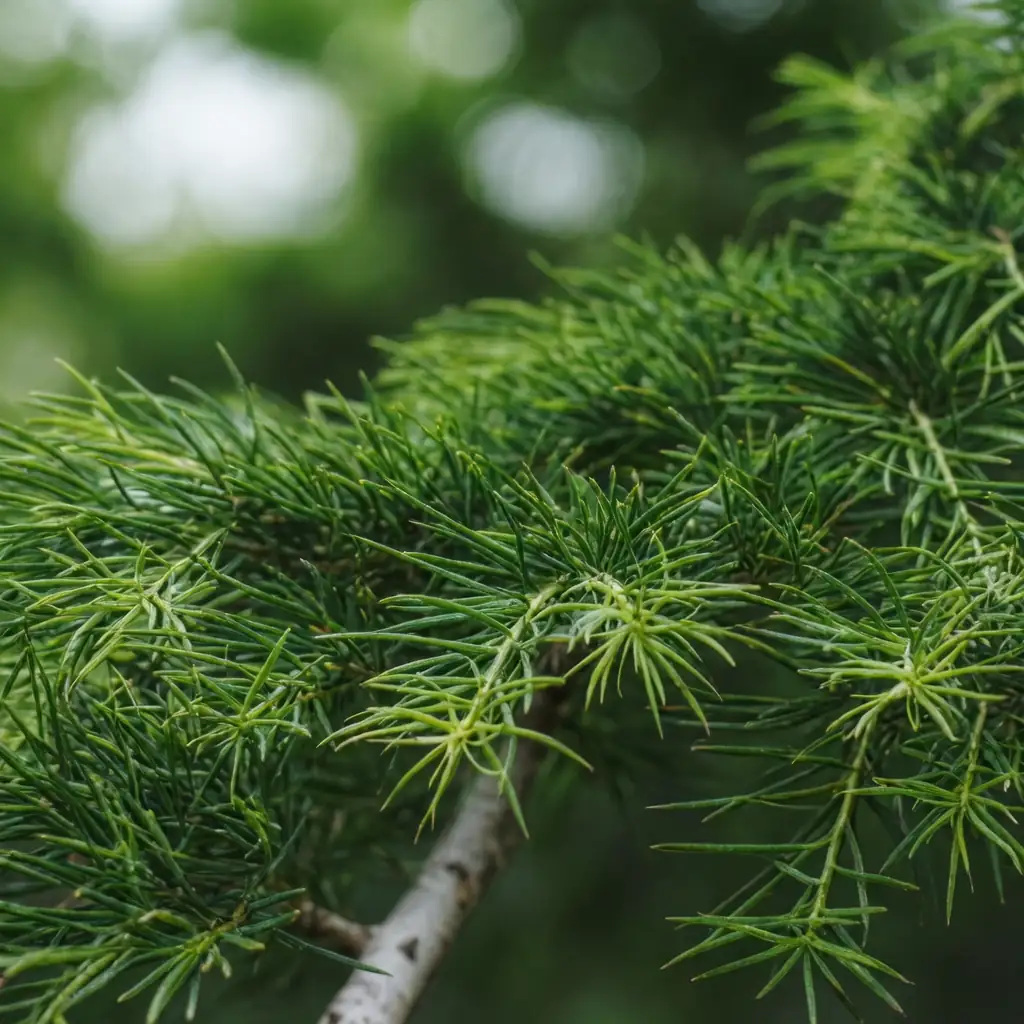
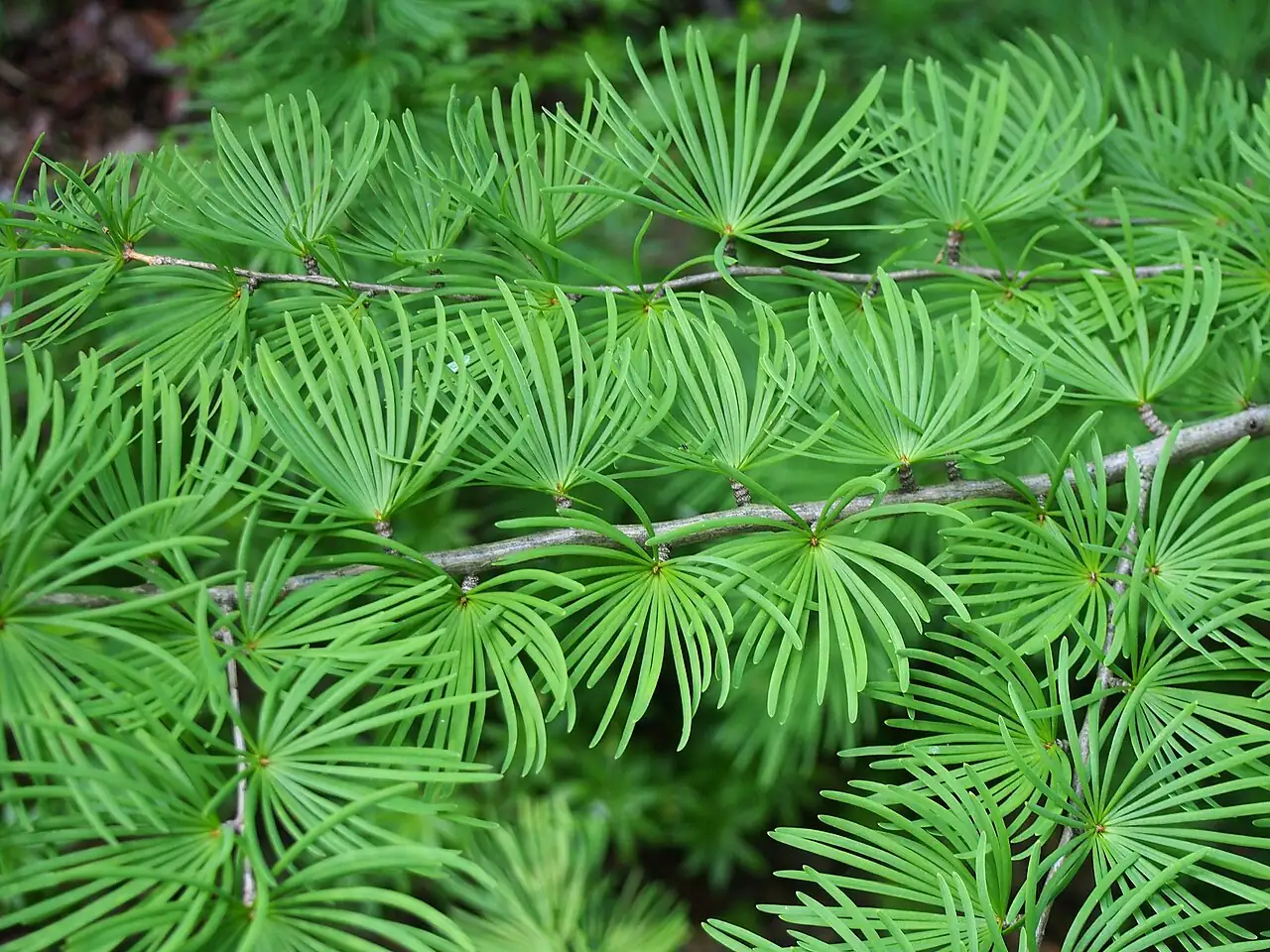
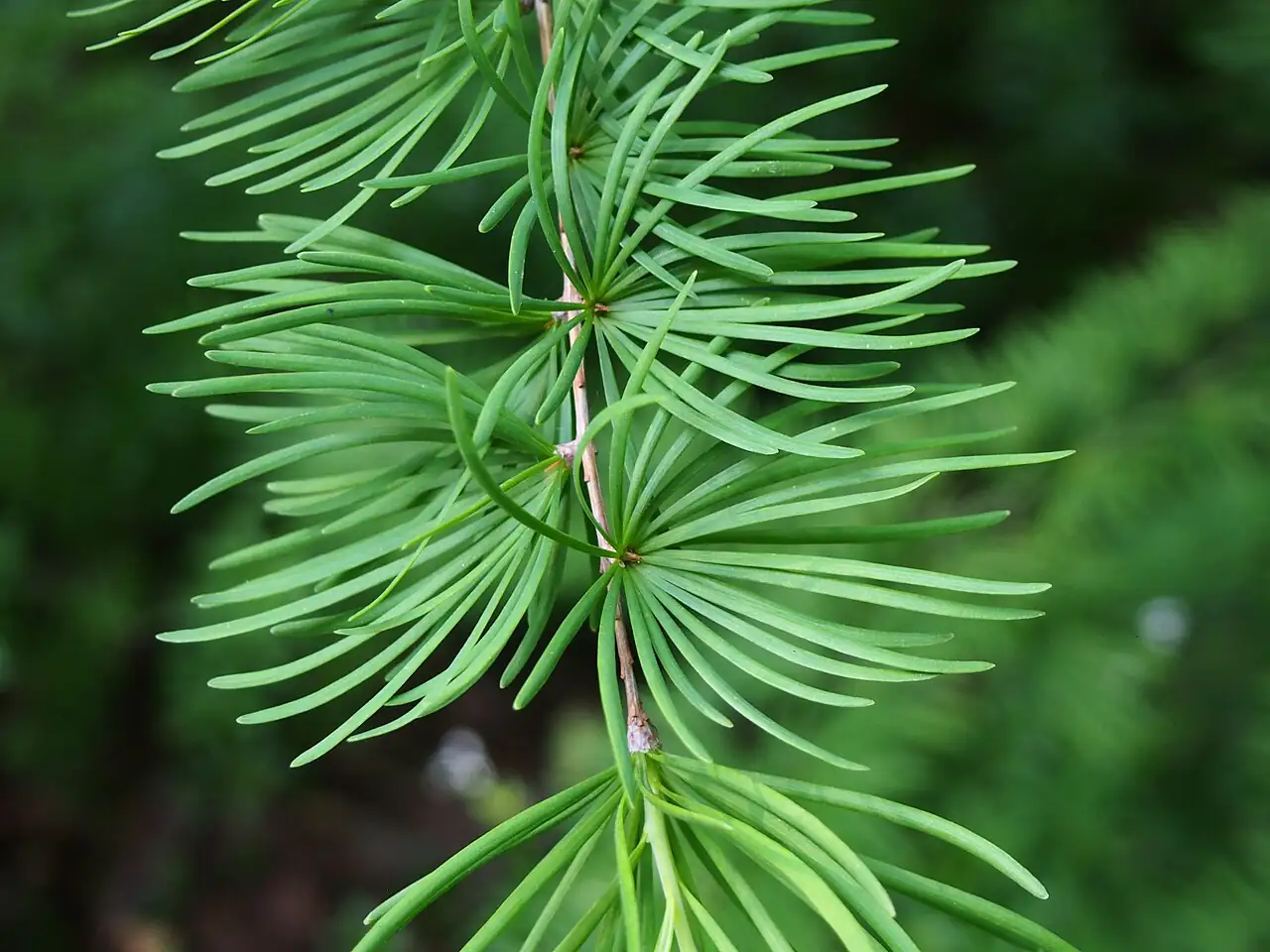
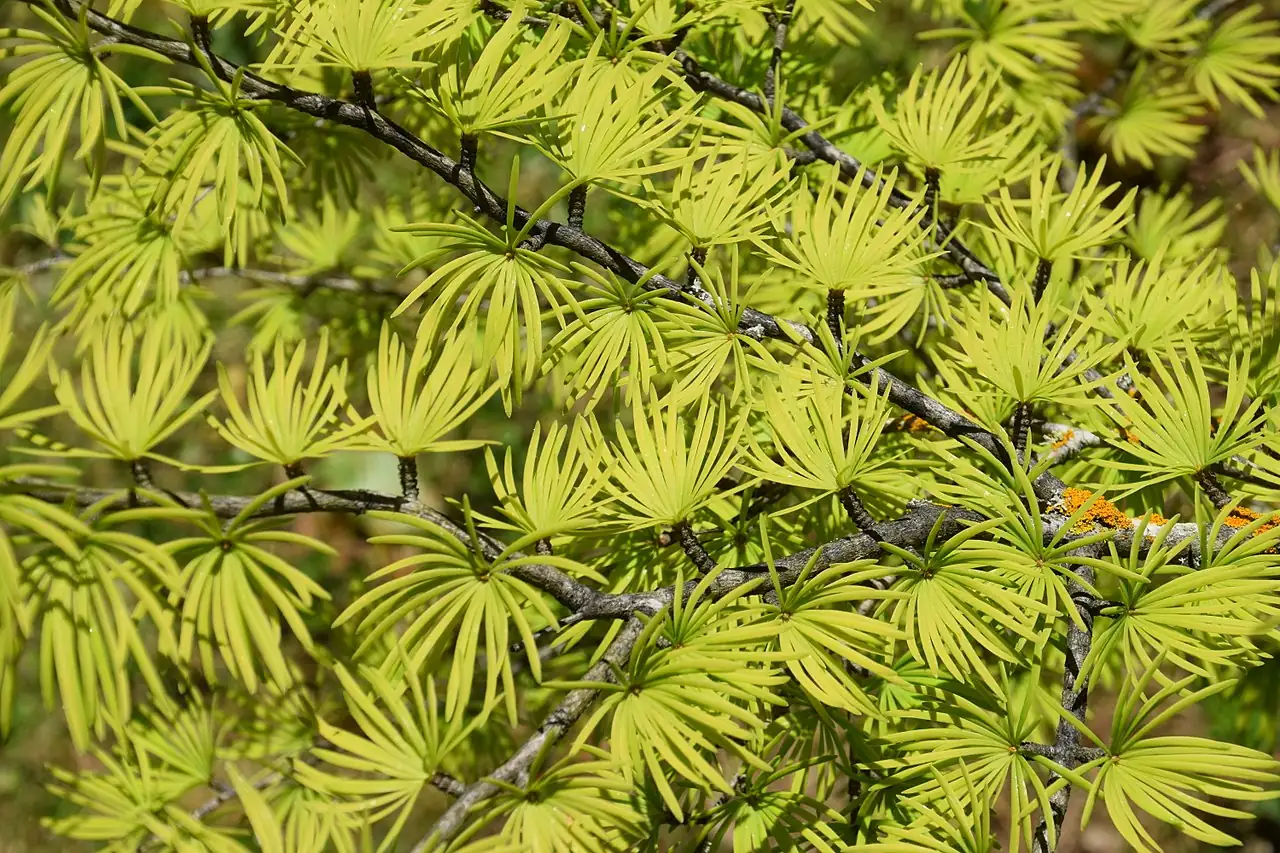
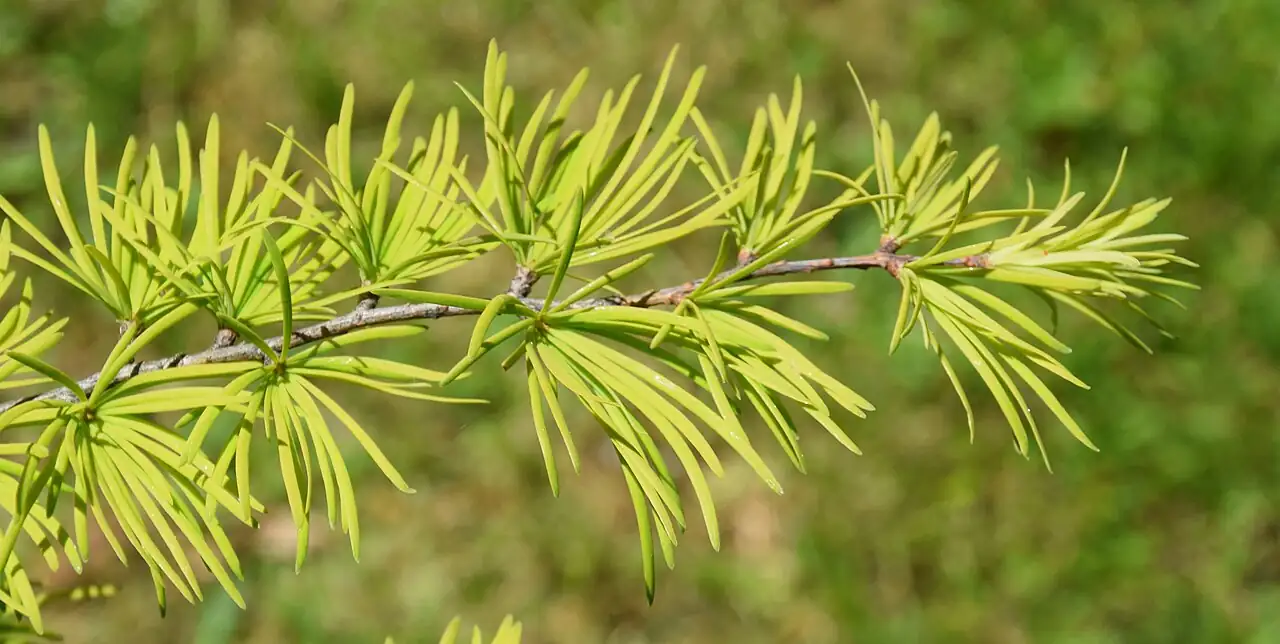
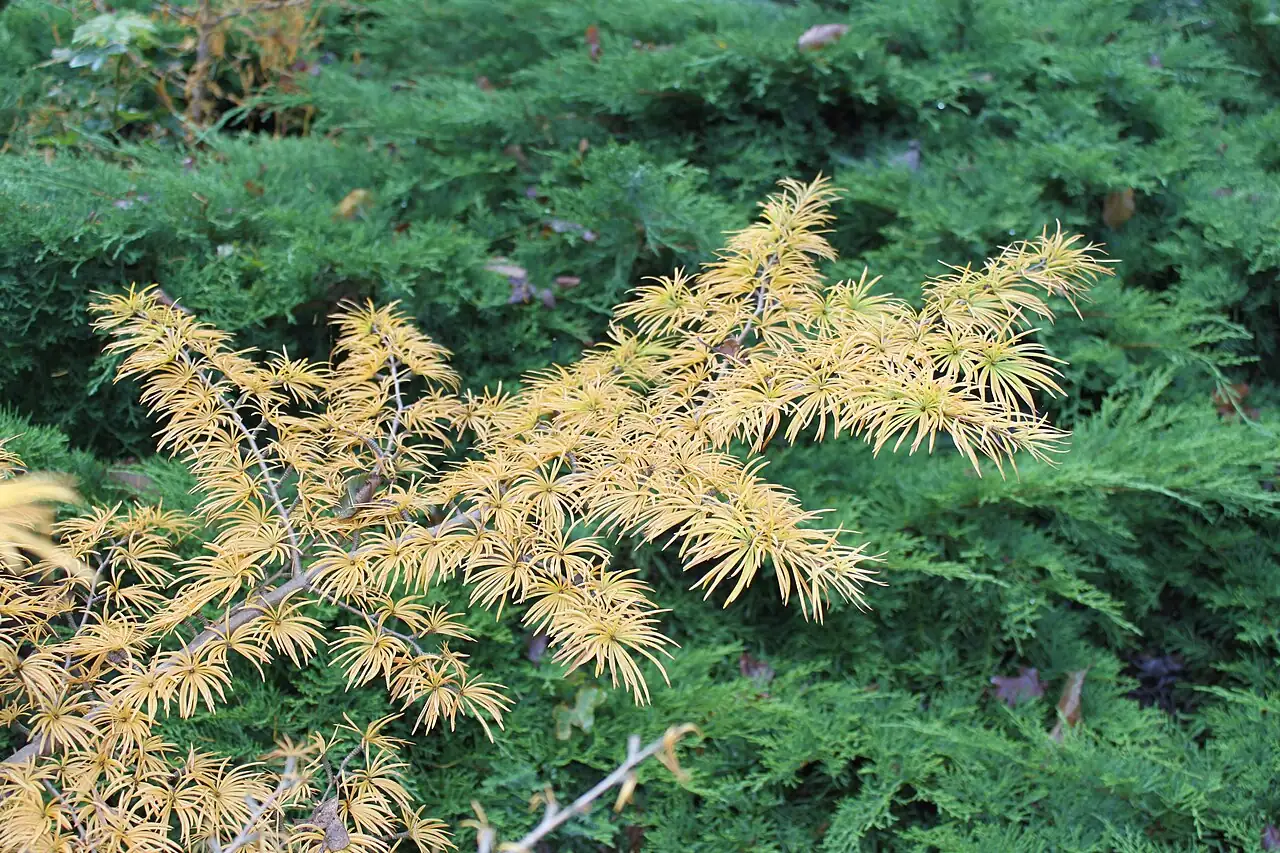
- Foliage: Soft, linear needles. They are borne alternately on long shoots and packed into rosettes on short spur shoots (often about 15–30 needles per rosette). Summer foliage is bright green; in autumn it turns a vivid golden yellow before dropping.
- Flower: Not grown for showy flowers; like other conifers it produces separate male and female cones. Seed cones are ovoid to obovoid on short stalks, maturing in the same year and aging to a pale reddish-brown.
- Flowering Season: April–May (spring) (approx. 4–5).
- Growth Habit: A deciduous coniferous tree with irregularly whorled larger branches and a broad, rounded-conical crown; bark is reddish-brown and peels in long plates.
Environment
Sunlight
Full sun for best growth and strongest color; young plants can handle light/partial shade.
Temperature
Prefers cool to mild, moist conditions. Cold-hardy and wind-tolerant, but can struggle where summers are intensely hot and dry; avoid prolonged heat-and-drought stress.
Humidity
Best in moist, humid to moderately humid climates; performs poorly in very dry air and drought-prone sites.
Soil
Deep, fertile, well-drained sandy loam is ideal. Keep soil consistently moist but never waterlogged. Thrives in healthy, biologically active soils and benefits from mycorrhizal fungi.
Placement
Outdoors only—suited to gardens, parks, and large landscapes. Give it room to develop its crown; plant as a specimen or in small groves, and avoid dry, exposed positions.
Hardiness
Approx. USDA Zone 5–8 (cold tolerance can vary by provenance). Generally cold- and wind-tolerant, but not drought-tolerant.
Care Guide
Difficulty
Moderate (outdoors). It’s quite tough in cold and wind, but it asks for the right site: sun, reliably moist soil, and protection from drought. It often grows better in living soils because of beneficial mycorrhizal partnerships.
Buying Guide
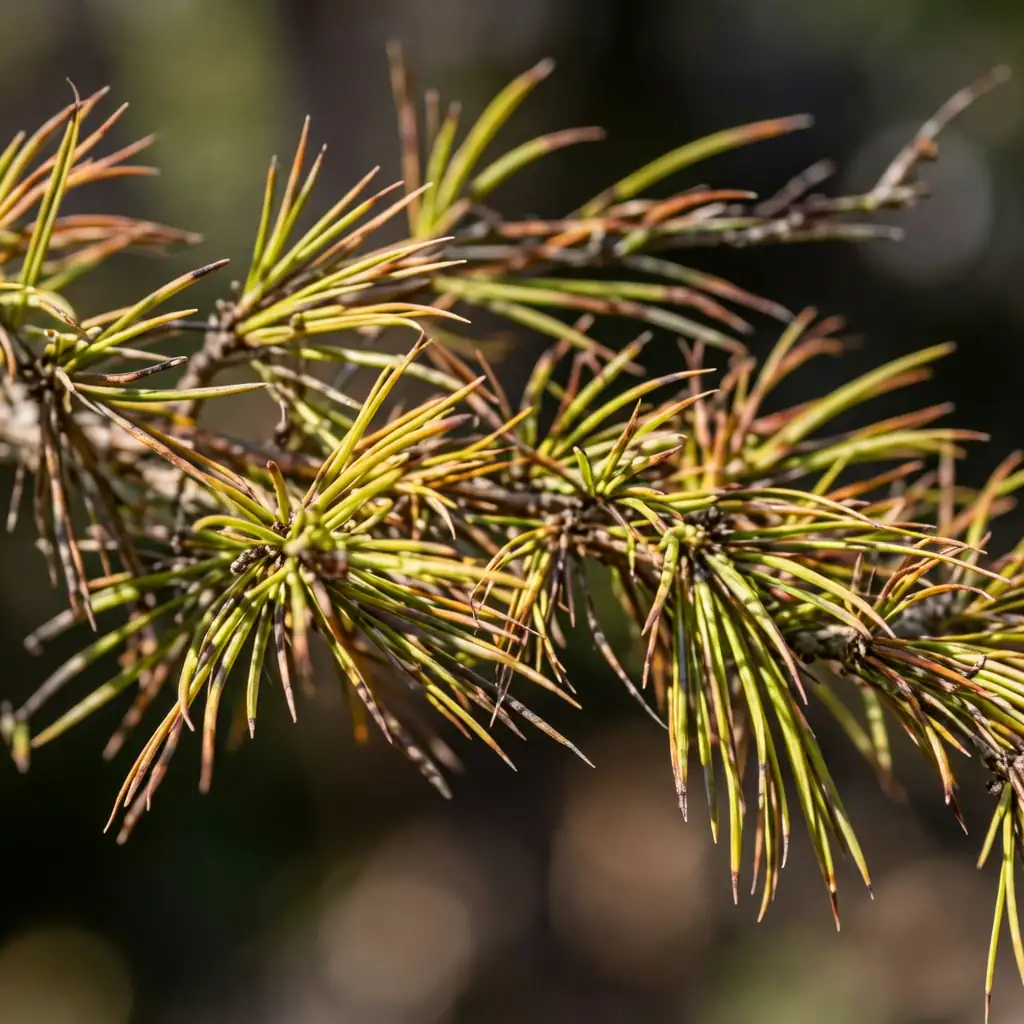
Pick a healthy young tree with a straight central leader and evenly spaced branching. Avoid plants that are pot-bound or show drought stress (scorched/browned needles, sparse growth). Younger nursery stock usually establishes better than oversized specimens.
Watering
During the first 1–2 years, keep evenly moist for strong establishment. Water deeply when the top 5–8 cm (2–3 in) of soil begins to dry—especially in warm weather. Even after establishment, it dislikes drought; mulch to conserve moisture and irrigate during prolonged dry periods.
Fertilization
Often unnecessary in good soil. If growth is weak, apply a balanced, slow-release fertilizer in early spring at label rates. Avoid heavy nitrogen late in the season; improving soil organic matter and biology can be more helpful than frequent feeding.
Pruning
Minimal pruning is best. Remove dead, damaged, or crossing branches in late winter to early spring while dormant. Avoid topping or heavy structural pruning, especially of the main leader.
Propagation
Mainly by seed. Collect mature cones (often in autumn), extract seed, and sow in a cold frame; cold stratification usually improves germination. Named ornamental forms are typically grafted in nursery production.
Repotting
Not a long-term container plant. If kept potted when young, up-pot in early spring into a deep container with a free-draining, fertile mix, and plant out before roots become crowded.
📅 Seasonal Care Calendar
Spring: plant, mulch, and water as growth starts; light feeding only if needed. Summer: keep moisture even and prevent drought stress. Autumn: enjoy the golden display; cones/seed can be collected; water before the ground freezes in dry years. Winter: little care needed; prune lightly while dormant.
Pests, Diseases & Safety
Common Pests & Diseases
Generally resilient when grown in the right conditions. Drought stress can lead to needle browning and invite secondary problems. Watch for aphids, scale insects, and caterpillars; maintain good airflow and avoid waterlogging to reduce fungal issues. For serious outbreaks, follow locally appropriate extension guidance.
Toxicity
No well-documented toxicity to humans or pets. As with many conifers, chewing or eating large amounts may cause mild stomach upset.
Culture & Symbolism
Symbolism: Often linked with prosperity and “gold,” thanks to its coin-like needle clusters and its vivid golden autumn color.
History & Legends: A treasured ornamental tree in Chinese horticulture, admired for its unusual combination of conifer form and dramatic deciduous fall color; it has long been planted in traditional gardens and temple landscapes.
Uses: Primarily grown as an ornamental landscape tree—excellent as a specimen or planted in small groups in parks and large gardens for summer freshness and standout fall color.
FAQ
When does golden larch flower?
It typically produces its cones in spring, around April–May (4–5).
When do the cones mature?
Usually by autumn—often around October–November (10–11)—and they mature within the same year they’re formed.
How tall can golden larch grow?
In good conditions it can reach about 30–40 m (98–131 ft).
Where is golden larch native to?
It’s native to eastern and central China, including Anhui, Jiangsu, Zhejiang, Jiangxi, Hunan, Hubei, and Sichuan, where it occurs scattered in mixed conifer–broadleaf forests.
What conditions does golden larch like best?
Full sun (with light shade tolerance when young), cool-to-mild temperatures, consistently moist but well-drained fertile soil, and a site protected from drought. It’s cold- and wind-tolerant and benefits from mycorrhizal fungi in healthy soils.
Fun Facts
- Those needle rosettes—often 15–30 needles per cluster—can look like tiny “coins,” which helps explain the plant’s popular name.
- It’s a relatively rare deciduous conifer: green and feathery in summer, then glowing gold in autumn before it sheds its needles.
- Golden larch often grows best in living, biologically active soil because it forms helpful partnerships with mycorrhizal fungi.
- Unlike many conifers, its seed cones usually mature in a single growing season and age to a pale reddish-brown.


