Plant Features
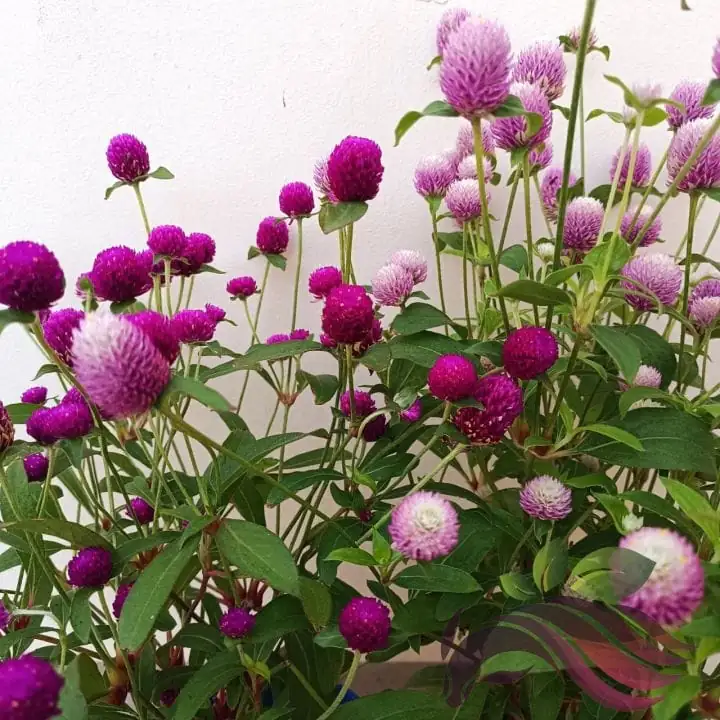
- Size: Typically 30–60 cm (12–24 in) tall; dwarf forms can be about 15 cm (6 in), while tall selections may reach up to 1.2 m (4 ft). Often forms a compact, bushy mound.
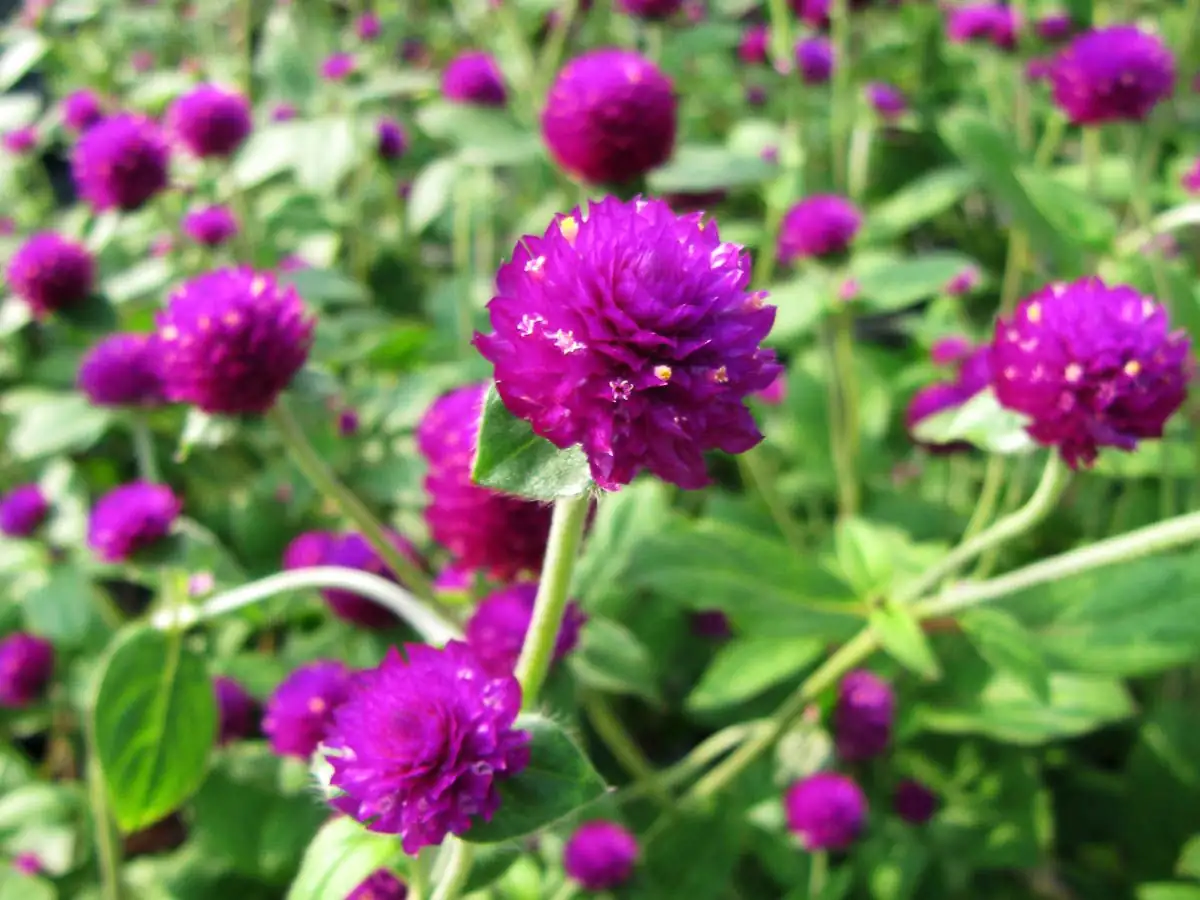
- Foliage: Leaves are deep green, slightly hairy, and usually oblong to elliptic. They sit opposite each other along the stems, giving the plant a tidy, balanced look.
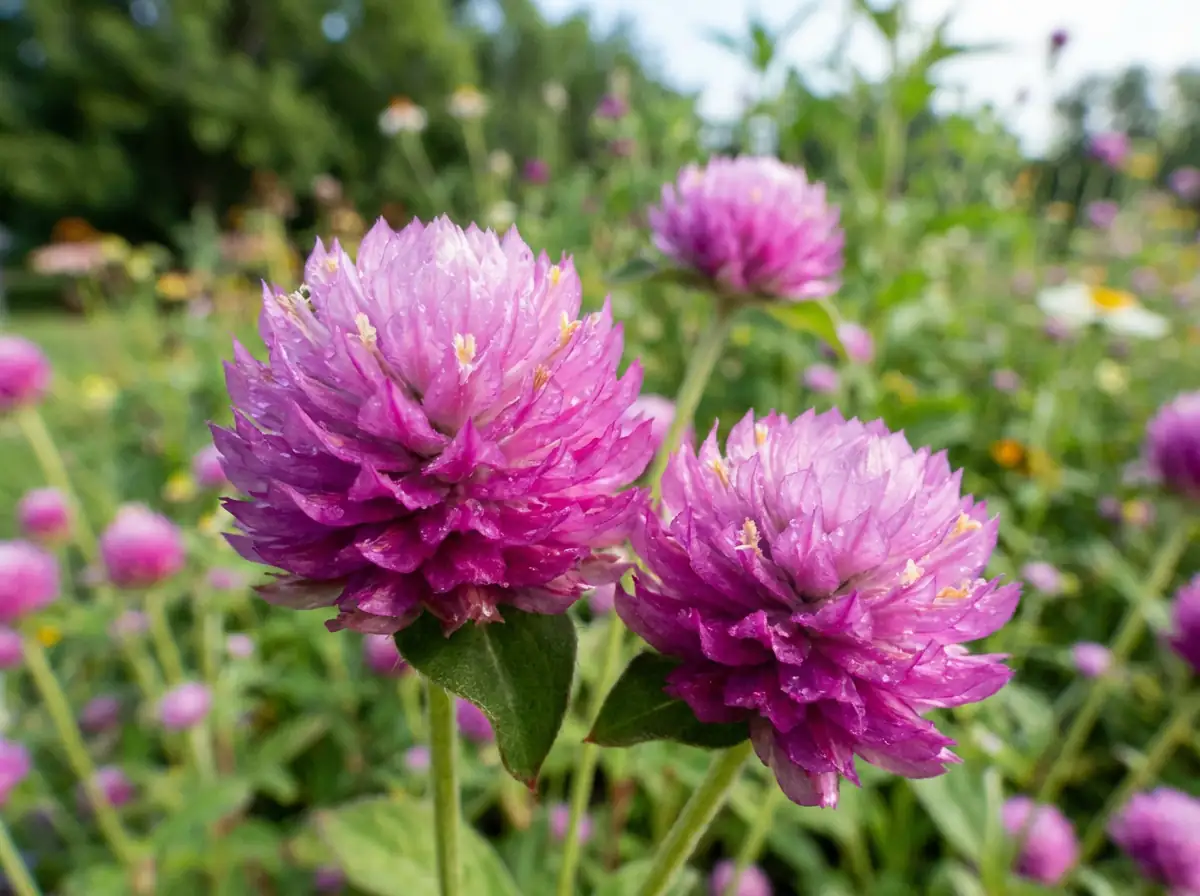
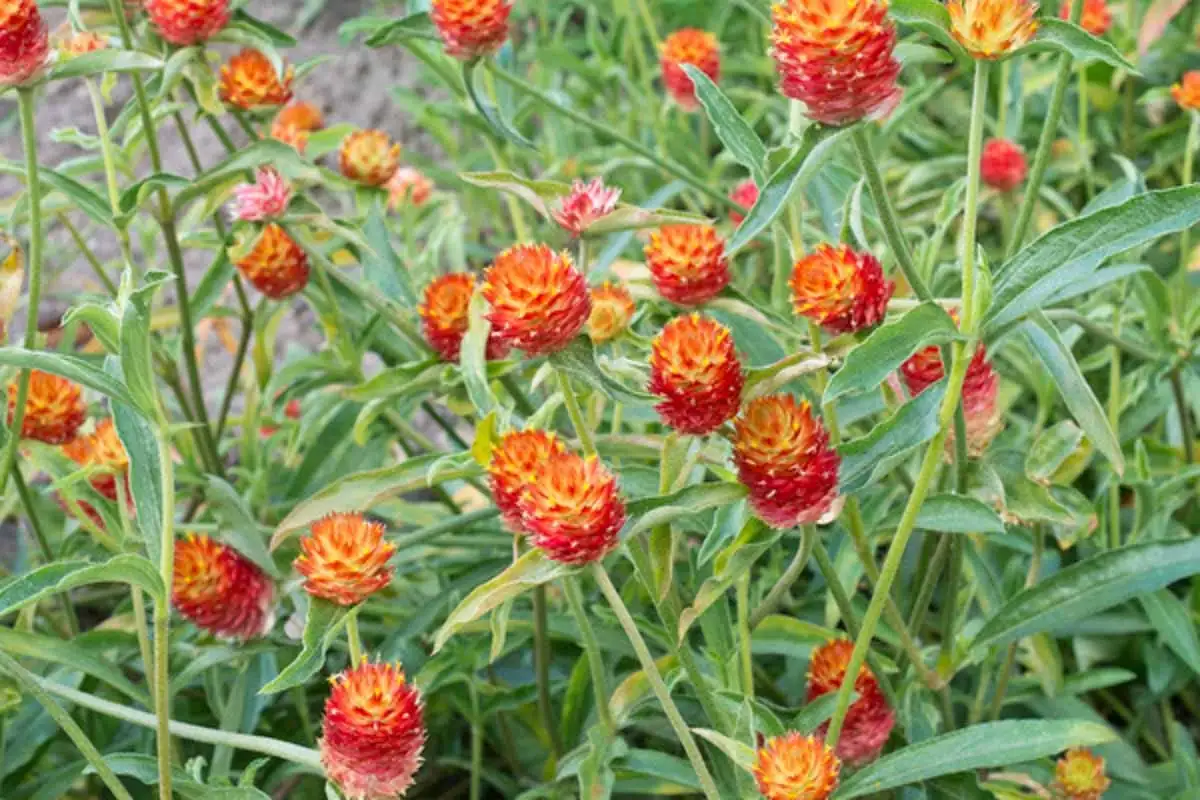
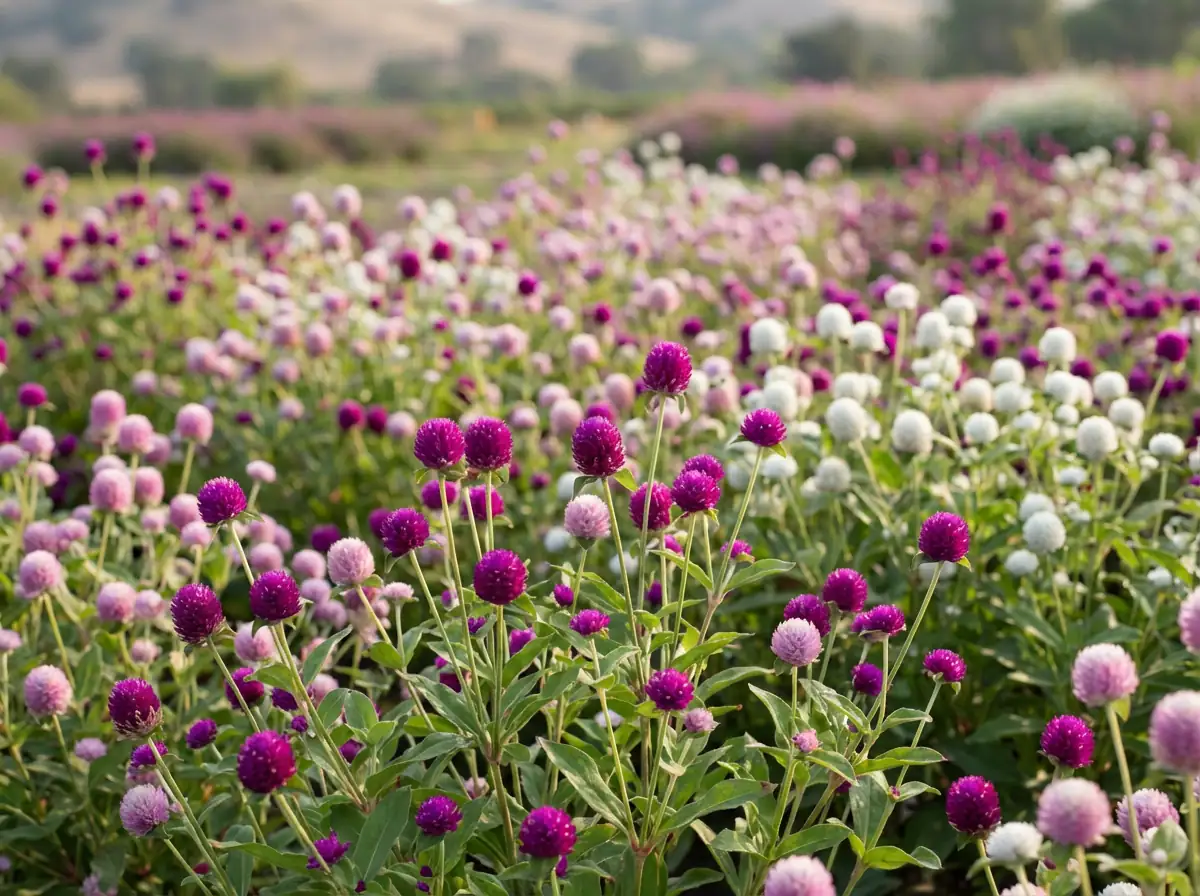
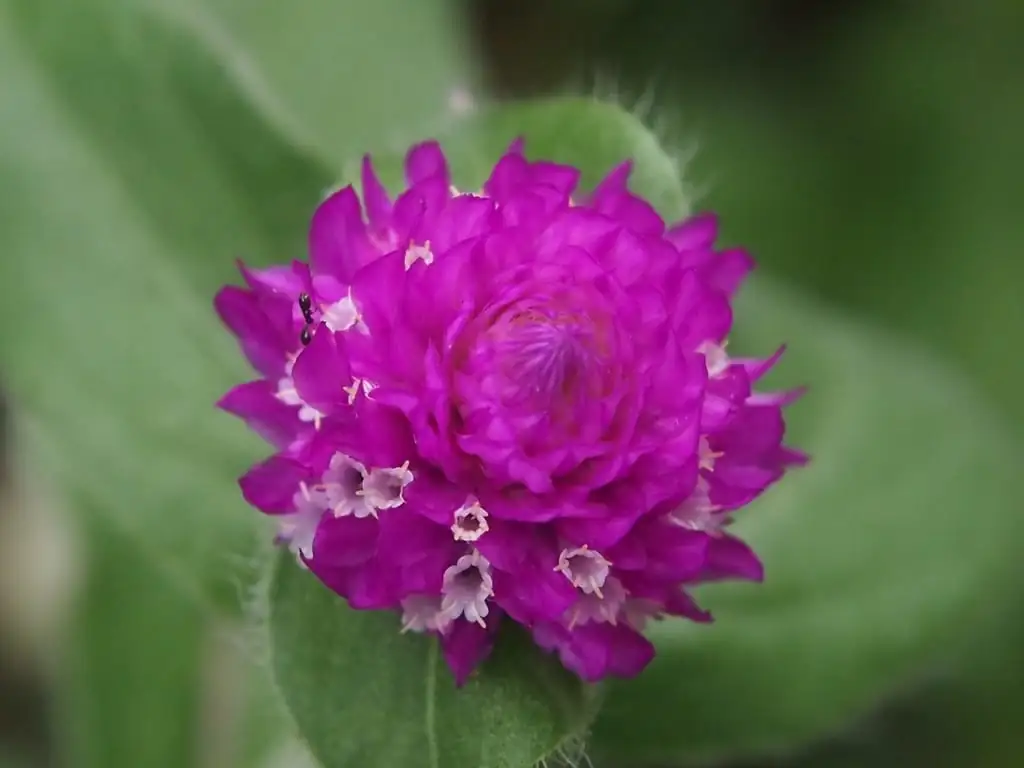
- Flower: Rounded, clover-like flower heads about 2.5–5 cm (1–2 in) across. The bright, long-lasting color comes from papery bracts (modified leaves), while the true flowers are tiny and typically white to yellow in the center. Common colors include purple, magenta, pink, red, orange, white, and lilac.
- Flowering Season: Blooms from early summer through fall, often continuing until the first frost (commonly July–October).
- Growth Habit: Upright and well-branched with square stems, forming compact, bushy plants with flower heads held above mostly bare upper stems.
Environment
Sunlight
Full sun is best—aim for 6–8+ hours of direct light daily. Too much shade leads to fewer blooms and leggy growth.
Temperature
A true heat-lover: grows best around 20–25°C (68–77°F) and tolerates intense heat up to about 35–40°C (95–104°F). Not frost tolerant; wait until weather and soil are warm before planting out.
Humidity
Prefers moderate humidity but adapts well. Once established, it can handle both humid and relatively dry climates as long as airflow is decent.
Soil
Well-draining soil is the key. It’s not picky about soil type and can tolerate poorer soils, but performs best in loose, moderately fertile ground (or a quality potting mix in containers).
Placement
Sunny beds and borders, cottage gardens, cutting gardens, and containers. Great for mass planting and edging along paths, and ideal anywhere you want reliable summer-to-fall color.
Hardiness
Grown as an annual in most areas; may act as a tender perennial in USDA Zones 9–11. Does not tolerate frost or freezing temperatures.
Care Guide
Difficulty
Easy and low-maintenance—an excellent beginner plant. It’s forgiving, especially once established, and stays attractive through heat that stresses many other annuals.
Buying Guide
Choose sturdy plants with strong stems and vibrant green foliage. Avoid any signs of pests, spotting, or mildew. If buying in bloom, look for tight, richly colored heads for the longest display.
Watering
Water regularly while establishing, then aim for evenly moist (not soggy) soil for best growth and flowering. It becomes drought tolerant once settled in, but performs better with consistent moisture. Water at the base and avoid overhead watering to reduce the risk of powdery mildew and other fungal issues.
Fertilization
Generally light-feeding. Mixing in compost at planting is often enough. In containers, use a good potting mix (a time-release fertilizer can help). If you want maximum bloom in pots, a gentle feed every 2–3 weeks during active growth is optional—avoid over-fertilizing, which can push leafy growth at the expense of flowers.
Pruning
Pinch young plants at about 15 cm (6 in) tall to encourage branching and more flower stems. Deadheading isn’t required for continued bloom, but cutting flowers (fresh or for drying) keeps plants tidy and often encourages more blooms. You can also pinch back by about half early in the season to create a bushier shape.
Propagation
Most commonly grown from seed. Start indoors 6–8 weeks before the last frost; seeds can be slow, and soaking them 1–2 days may speed germination. Best germination is around 21–26°C (70–78°F). Direct sow outdoors only after frost danger passes and the soil has warmed. Some varieties may also root from cuttings.
Repotting
Usually not necessary because it’s typically grown as an annual. For container growing, start with a pot that has drainage holes and use fresh, free-draining potting mix.
📅 Seasonal Care Calendar
Spring: Start seeds indoors 6–8 weeks before last frost, or sow outside after soil warms. Summer: Plant out after frost; enjoy continuous bloom in heat, water as needed, and feed lightly if container-grown. Fall: Blooms continue until frost—harvest heads for drying and save seed from fully dried flowers. Winter: Plants die with frost; in frost-free zones they may persist as short-lived perennials.
Pests, Diseases & Safety
Common Pests & Diseases
Usually quite trouble-free. In cool, damp weather or crowded plantings, fungal problems like powdery mildew, gray mold (Botrytis), or leaf spots can show up—prevent with full sun, good spacing/airflow, well-drained soil, and watering at the base. Occasional pests include aphids, spider mites, and thrips. Often noted as deer resistant and very attractive to butterflies and other pollinators.
Toxicity
Generally considered non-toxic to people and pets. It’s often described as edible, and the flowers have been used in teas and traditional remedies; as with any edible flower, only consume plants grown without pesticides and confirm identity before use.
Culture & Symbolism
Symbolism: Often associated with immortality and enduring affection—its blooms look “everlasting,” keeping their color long after picking. It can also symbolize strength and resilience because it thrives through heat and dry spells.
History & Legends: Native to Central America and long cultivated. It entered European gardens in the early 1700s (noted around 1714) and was grown in colonial America by the 1730s; Thomas Jefferson famously planted it in 1767, and it remains a talked-about favorite at Monticello. In Nepal it’s known as “makhamali ful” and is used in garlands during Bhai Tika as a symbol of long life. In Hawaii it’s valued in long-lasting leis, and it appears in various traditional Hindu and Buddhist ceremonial uses.
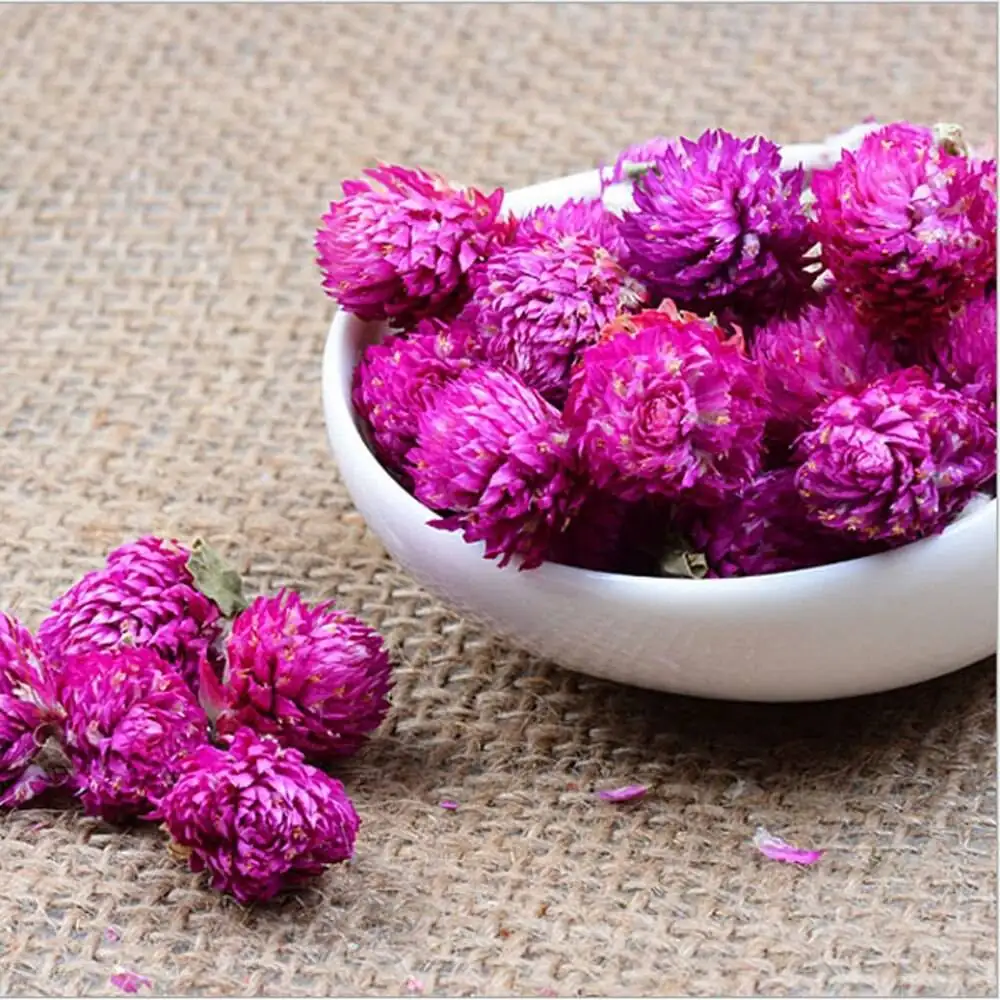
Uses: A favorite ornamental for beds, borders, and containers; also a top-tier cutting flower. The papery heads dry beautifully for wreaths, dried bouquets, and crafts, holding color for a remarkably long time. Excellent for pollinator gardens, attracting butterflies and bees. It has also been used in folk medicine (for example, in teas and remedies for inflammation or respiratory complaints), and its pigments (betacyanins) can serve as a natural dye/food colorant, producing red-violet tones that are relatively stable in mildly acidic conditions.
FAQ
Do you need to deadhead globe amaranth?
Not usually. It keeps blooming without constant deadheading, but harvesting stems for bouquets (fresh or dried) helps the plant stay tidy and often encourages more flowers.
Will globe amaranth come back every year?
In most climates it’s grown as an annual and finishes after frost. In frost-free areas (about USDA Zones 9–11), it may survive as a tender perennial and return.
Can globe amaranth grow in shade?
It really prefers full sun. With too much shade, it tends to stretch, flower less, and show weaker color.
How do you dry globe amaranth flowers?
Cut stems when the heads are fully colored (before the centers start shedding). Strip leaves, bundle 5–10 stems, and hang upside down in a dark, dry, well-ventilated spot. They typically dry in about 1–2 weeks and can keep their color for years.
Does globe amaranth attract butterflies?
Yes—globe amaranth is a reliable butterfly and bee plant, making it a strong choice for pollinator-friendly gardens.
Fun Facts
- Those bright “petals” are actually papery bracts; the true flowers are tiny and tucked inside the head.
- It uses C4 photosynthesis, one reason it performs so well in high heat and intense sun.
- Properly dried flower heads can keep their color for many years.
- In Nepal, “makhamali ful” garlands are traditionally used in celebrations that honor long life and family bonds.
- Its pigments (betacyanins) have been explored as natural dyes and colorants, producing red-violet hues.