
Plant Features
- Size: Typically 8–30 m (26–98 ft) tall; crown spread varies with site conditions and pruning.
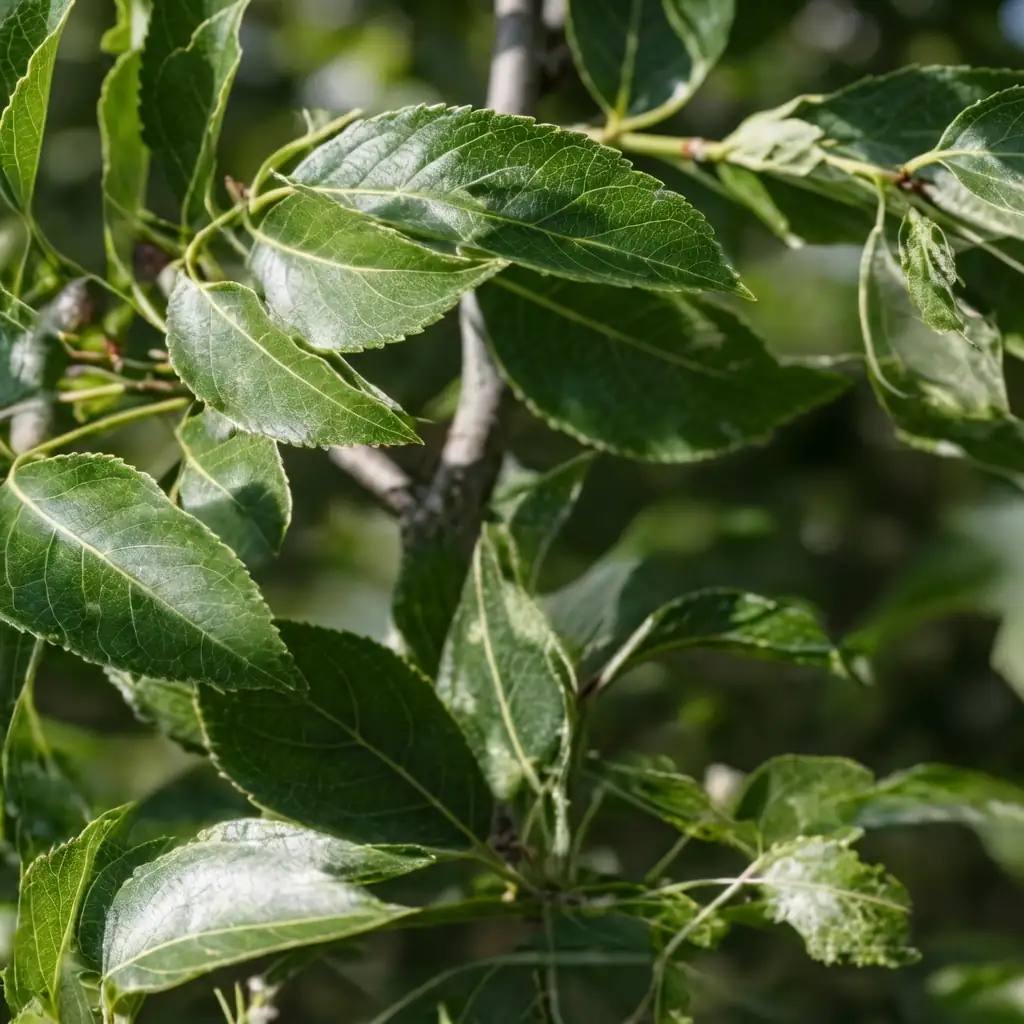
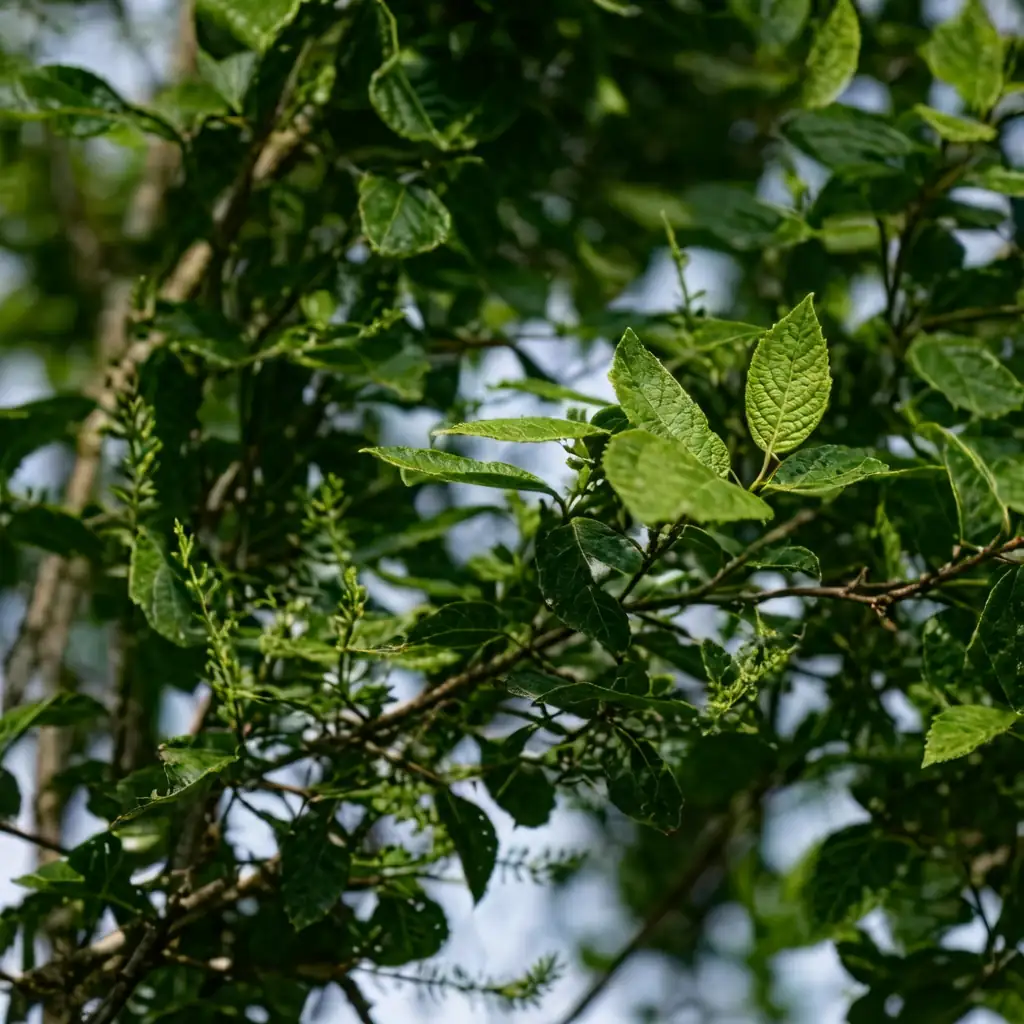
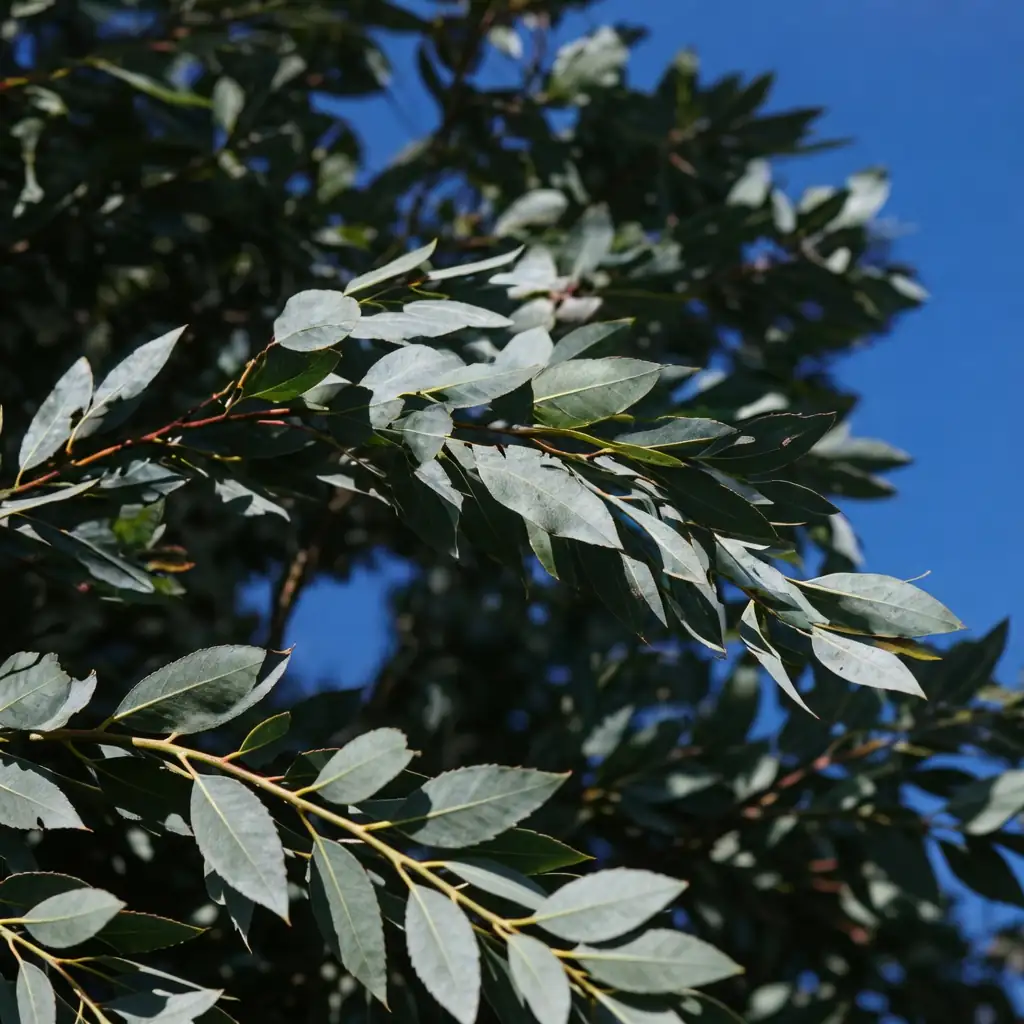
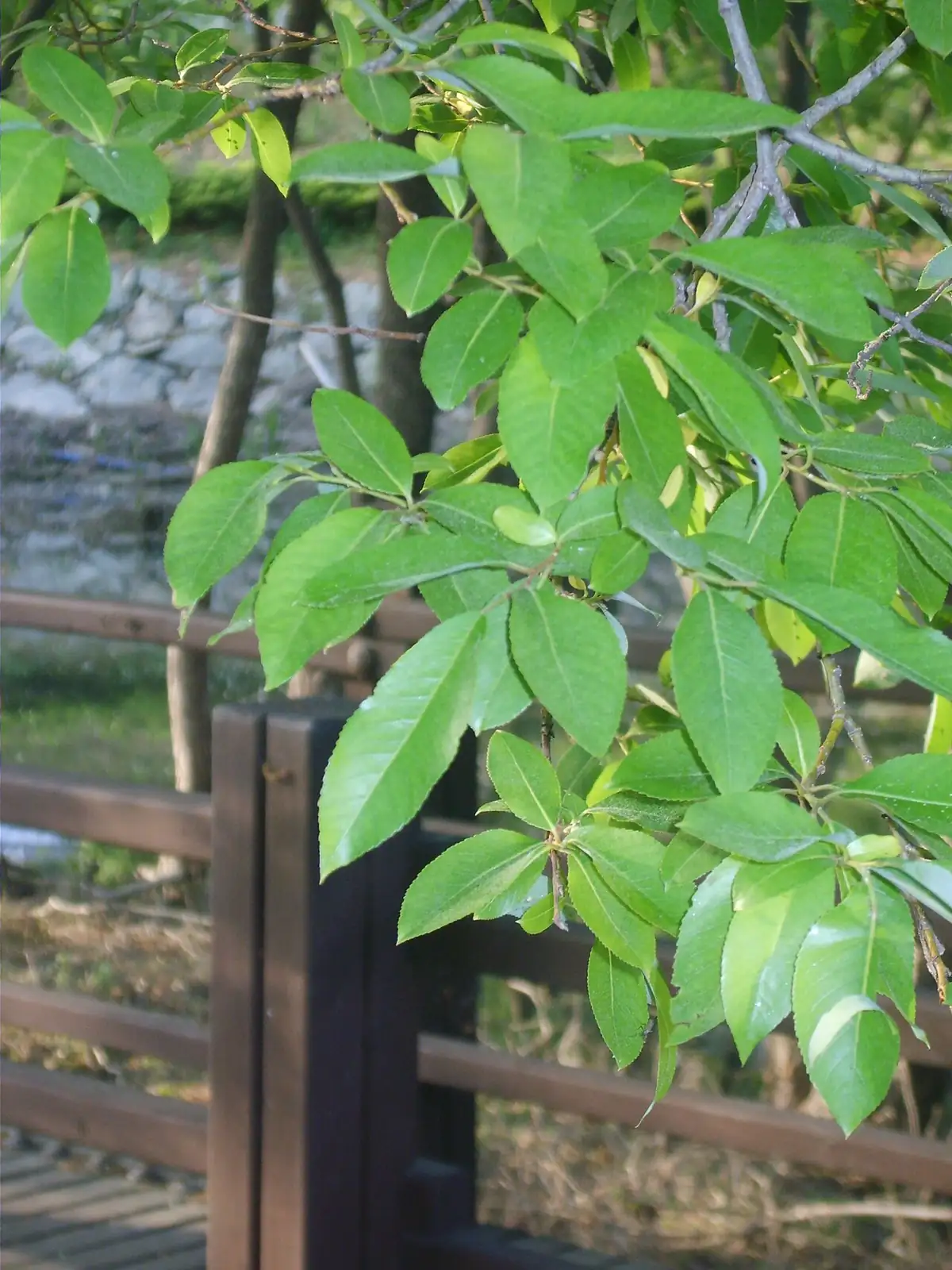
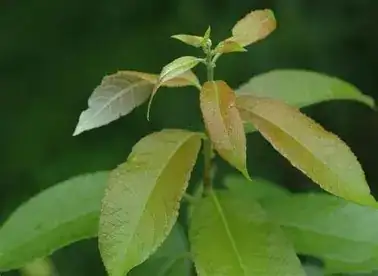
- Foliage: Twigs are reddish-brown to brown, smooth, and glossy. Leaves are usually ovate to elliptic, sometimes elliptic-lanceolate.
- Flower: Flowers appear as pale green catkins. Female catkins can droop and reach about 5.5 cm (2.2 in) long. Fruits are small capsules about 3–7 mm (0.12–0.28 in) long; when they ripen, they open to release tiny seeds with white silky hairs (the classic willow “cotton”/fluff).
- Flowering Season: Spring—often centered on April; broadly March–June depending on local climate.
- Growth Habit: Fast-growing, upright deciduous riparian tree. Pushes fresh shoots in spring and performs best in full sun with consistently moist to wet soil; notably tolerant of cold compared with many moisture-loving trees.
Environment
Sunlight
Full sun is ideal; tolerates light shade but grows best with strong light.
Temperature
Cold-tolerant; best suited to cool-temperate to temperate climates (exact minimums vary by provenance and site).
Humidity
Prefers moist, humid waterside conditions; thrives where the soil stays damp or wet.
Soil
Moist to wet soils typical of riverbanks and wetlands; tolerates periodic waterlogging. Best in fertile, well-aerated loam, but adaptable as long as moisture is reliable.
Placement
Outdoors only for most situations—ideal along ponds, streams, drainage swales, wet flats, and riparian/wetland restoration sites. Not well suited to indoor growing or long-term containers due to its eventual size.
Hardiness
Cold-hardy for temperate regions; roughly USDA Zone 5–9 (−29 to −1°C / −20 to 30°F), depending on local conditions and plant origin.
Care Guide
Difficulty
Easy when planted in its happy place (sun + constant moisture). Difficult in dry sites or small gardens because it grows quickly and can become a large tree.
Buying Guide
Pick young plants with healthy buds and clean stems (no blackened, sunken lesions/cankers). Choose a straight leader if you want a single-trunk tree form. For ecological planting, favor local/native-source nursery stock. Avoid severely rootbound plants with circling roots.
Watering
Keep soil consistently moist, especially during establishment (first 1–2 years). In dry spells, deep-water so the root zone never fully dries—think “riverbank conditions.”
Fertilization
Often unnecessary in fertile, moist ground. If growth is weak, feed lightly in spring with a balanced slow-release fertilizer at label rates; avoid heavy nitrogen near waterways to reduce runoff impacts.
Pruning
Prune in late winter to early spring (before strong sap flow) to remove dead, damaged, or crossing branches. Where appropriate, it can be coppiced or pollarded to control size and encourage flexible shoots, but avoid heavy pruning during very wet periods to reduce disease pressure.
Propagation
By seed (wind-dispersed via silky down in spring, often April–May) and by cuttings. Like many willows, it roots readily from hardwood or semi-hardwood cuttings taken from healthy shoots when kept evenly moist.
Repotting
Generally not applicable as a landscape tree. If temporarily container-grown, pot up before roots circle heavily and transplant into the ground as soon as practical.
📅 Seasonal Care Calendar
Spring (March–June): leaf-out and catkins; peak flowering often April. Late spring (April–May): capsules mature and release “willow fluff.” Winter: best time for structural pruning.
Pests, Diseases & Safety
Common Pests & Diseases
Not specified in the source. Common willow issues can include aphids, leaf beetles, sawfly larvae, scale insects, cankers, rusts, and leaf spots. Keep plants vigorous with steady moisture, prune out badly affected twigs, and improve airflow; use targeted treatments only when necessary—especially near water.
Toxicity
No specific toxicity data provided. Willow bark commonly contains salicylates; if chewed or eaten, it may cause stomach upset in sensitive people or pets. Discourage pets from chewing branches and bark.
Culture & Symbolism
Symbolism: Not recorded in the source. In many cultures, willows are linked with water, resilience, and graceful flexibility—bending without breaking.
History & Legends: Not provided in the source.
Uses: A practical, multi-purpose willow: wood for small tools and utensils; bark traditionally used for tannin extraction; fibers used in textiles and rope-making; flexible branches used for weaving. Ecologically, it’s a valuable early-season nectar/pollen plant and a strong choice for wetland greening, bank stabilization, and riparian restoration.
FAQ
When does gland willow flower?
In spring—often around April—though timing can range from March to June depending on local climate.
When does it release “willow fluff”?
Usually in late spring; capsules often mature around April–May and then release silky seed down as the seeds disperse.
How tall does it get?
Commonly about 8–30 m (26–98 ft) tall in good conditions.
What kind of habitat does it prefer?
Sunny, consistently moist to wet ground—riverbanks, stream edges, wet flats, sandbars, and other low-elevation waterside sites.
Is it suitable as a patio/container plant?
Not long-term. It grows into a sizable tree and performs best planted in the ground where soil moisture is reliable.
Fun Facts
- That floating “willow fluff” is a built-in wind-parachute that helps the seeds travel.
- Like many willows, it can be propagated easily from cuttings when kept consistently moist.
- Its catkins provide early-season nectar and pollen, making it a helpful plant for spring pollinators.
- It’s native to parts of eastern mainland China as well as Taiwan—naturally tied to low-elevation waterside landscapes.