Plant Features
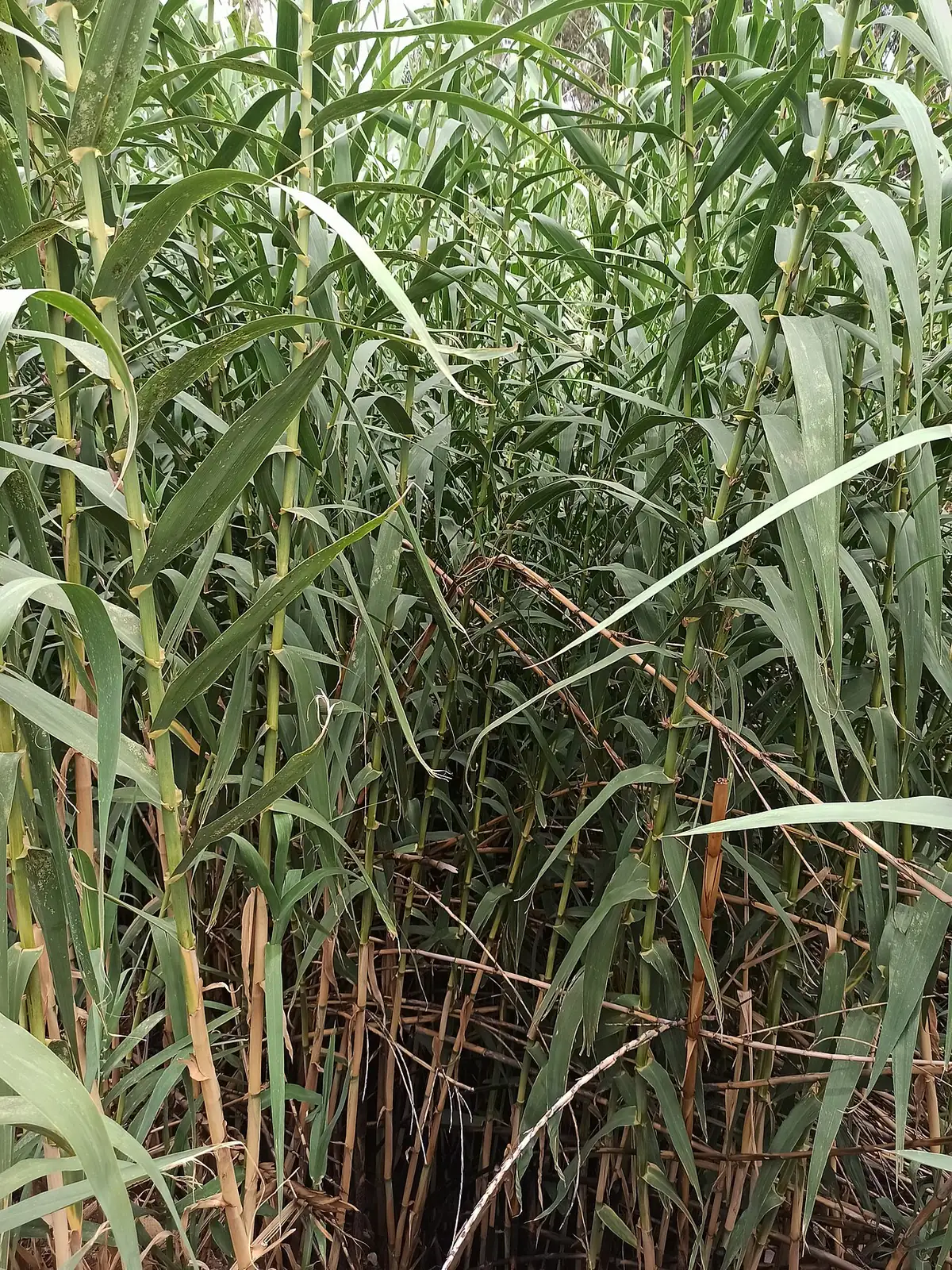
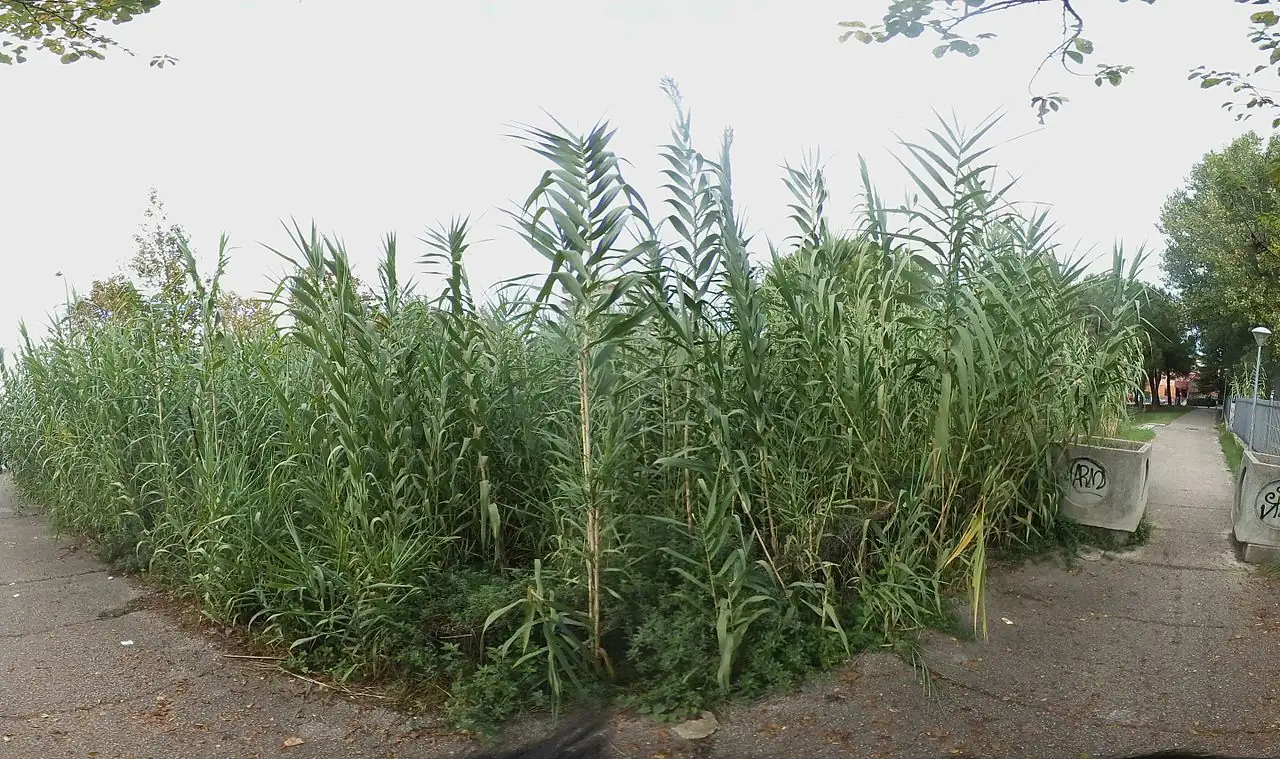
- Size: Typically 1.2–6 m (4–20 ft) tall, forming wide clumps and spreading strongly via rhizomes.
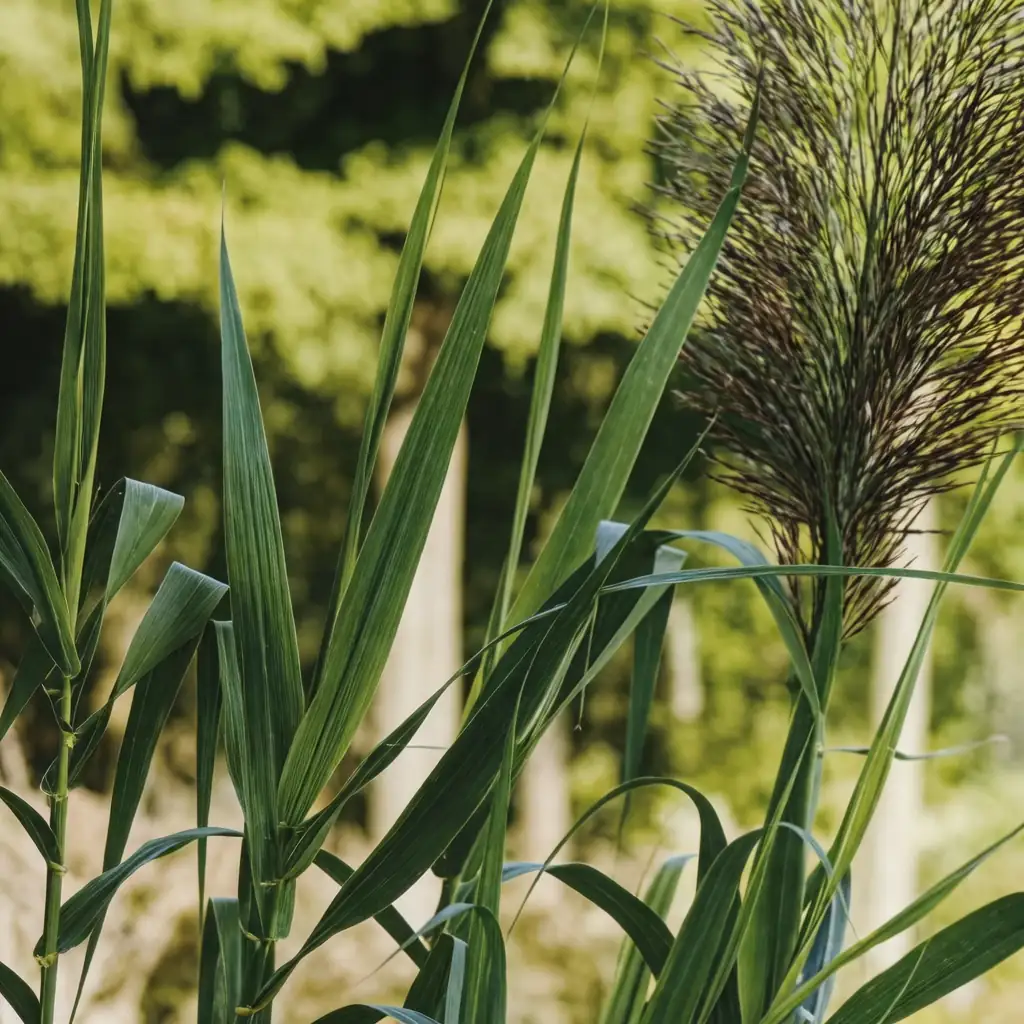
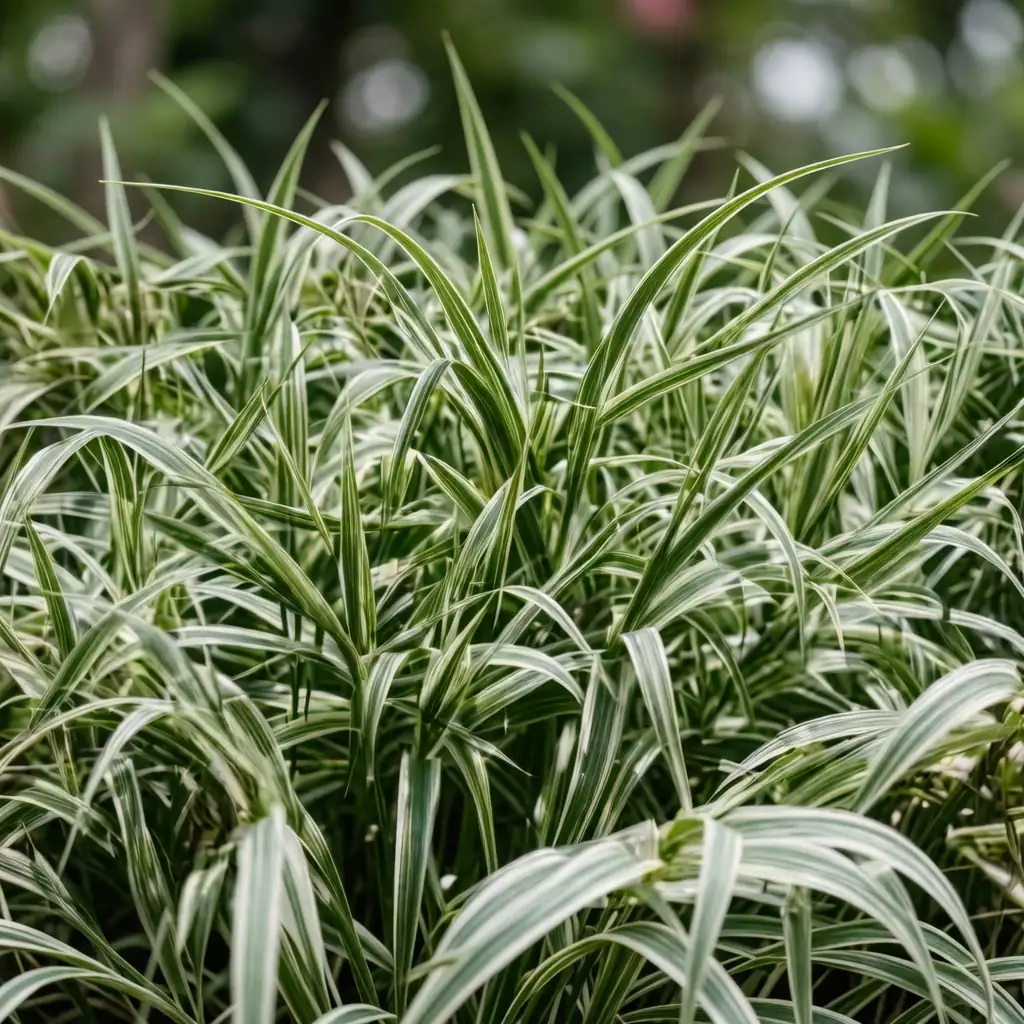
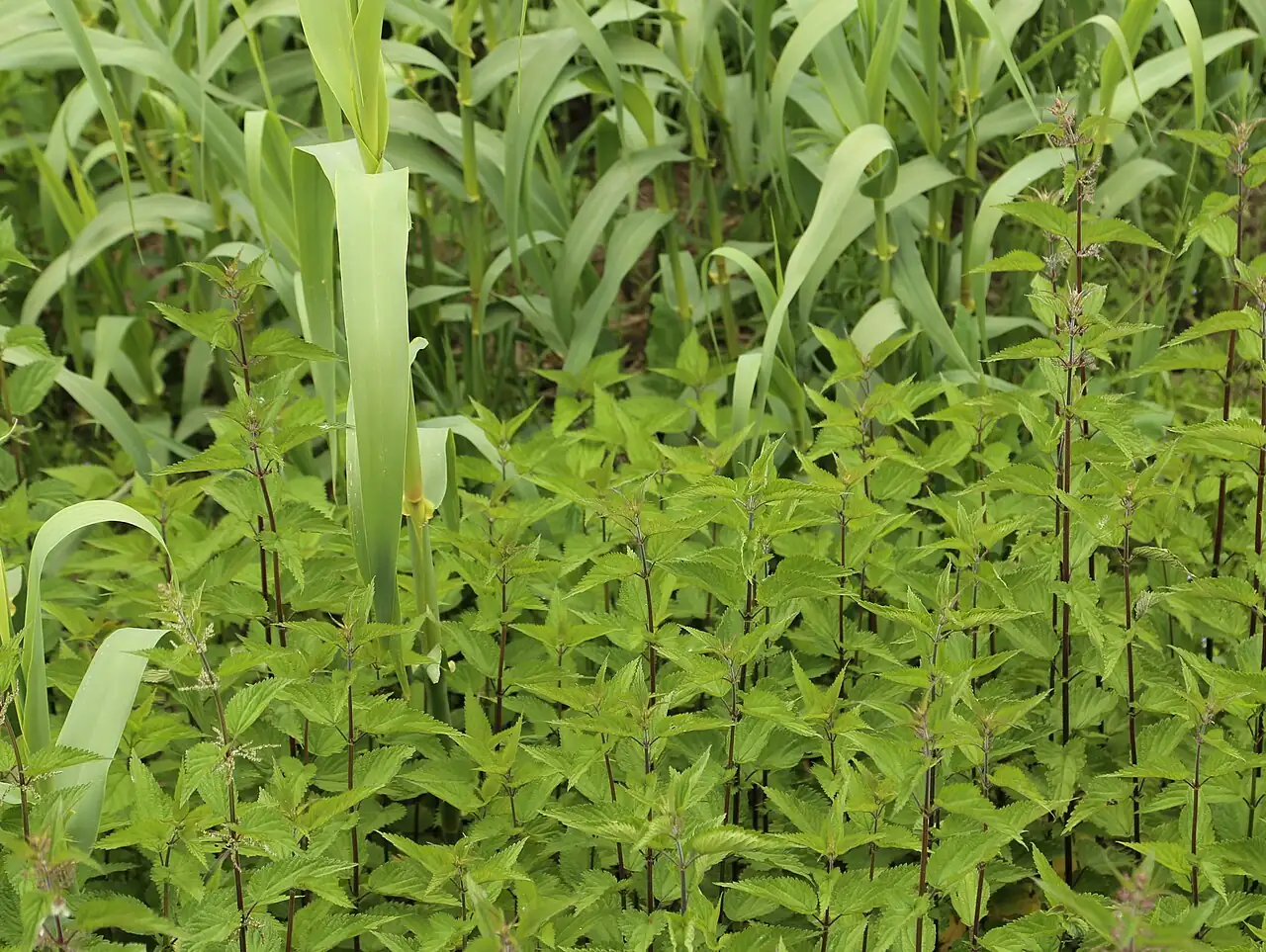
- Foliage: Leaves are alternate, broad, flat, and lance-shaped with a long pointed tip; the leaf sheaths clasp the stems. Variegated selections show creamy-white longitudinal striping.
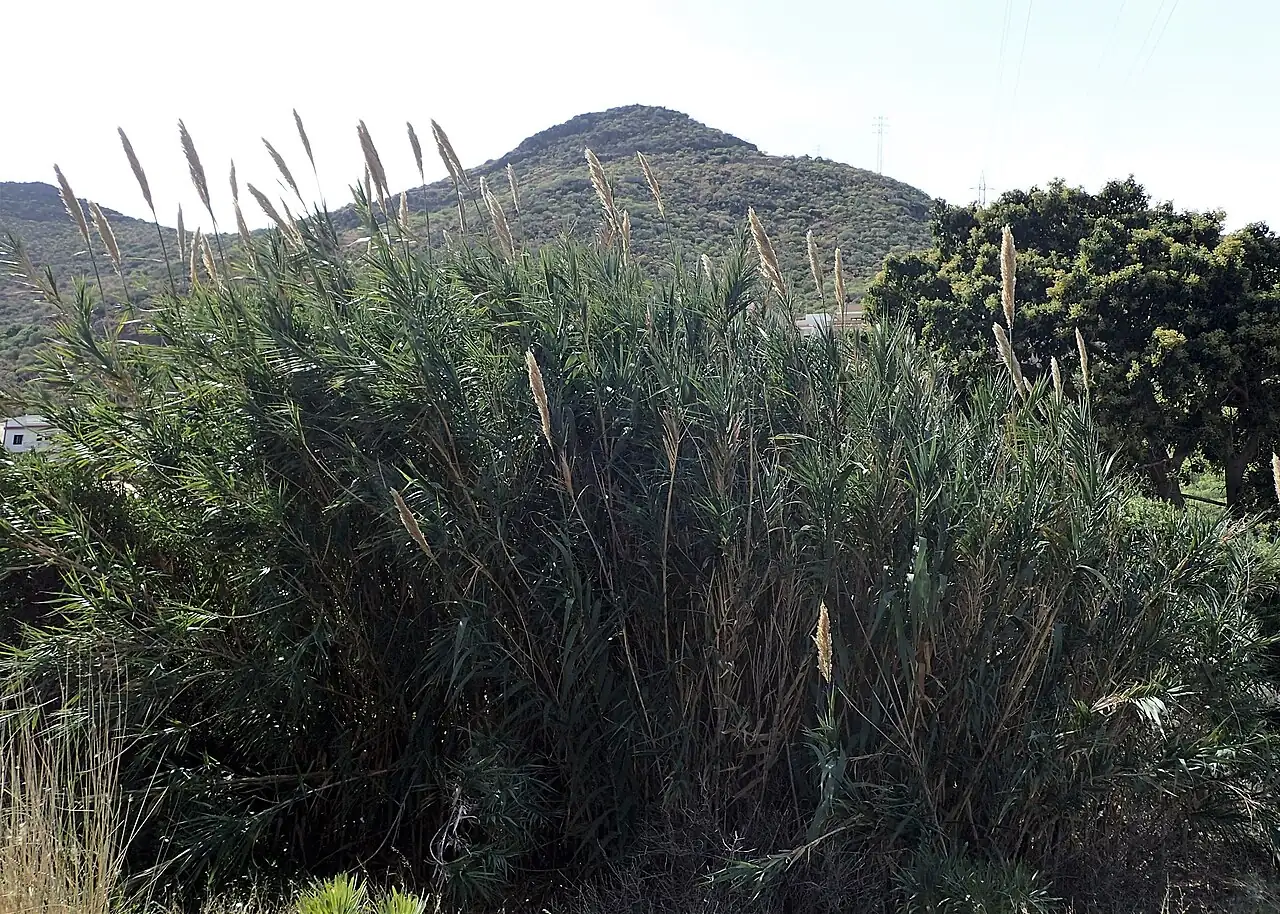
- Flower: Produces upright, plume-like panicles with a purple to purplish-brown cast, about 30–60 cm (12–24 in) long. The spikelets can look silky due to fine hairs.
- Flowering Season: Late summer to autumn (often September–December, depending on climate).
- Growth Habit: A robust, cane-forming, rhizomatous perennial grass with thick stems; often forms dense stands.
Environment
Sunlight
Full sun to light shade; full sun gives the strongest growth and best flowering.
Temperature
Prefers warm conditions; strongest growth around 15–30°C (59–86°F). Not reliably hardy in severe winters—can die back and return from rhizomes where conditions allow.
Humidity
Enjoys moist to humid conditions. It struggles in persistently dry soils, though it may tolerate short dry spells if roots can reach deeper moisture.
Soil
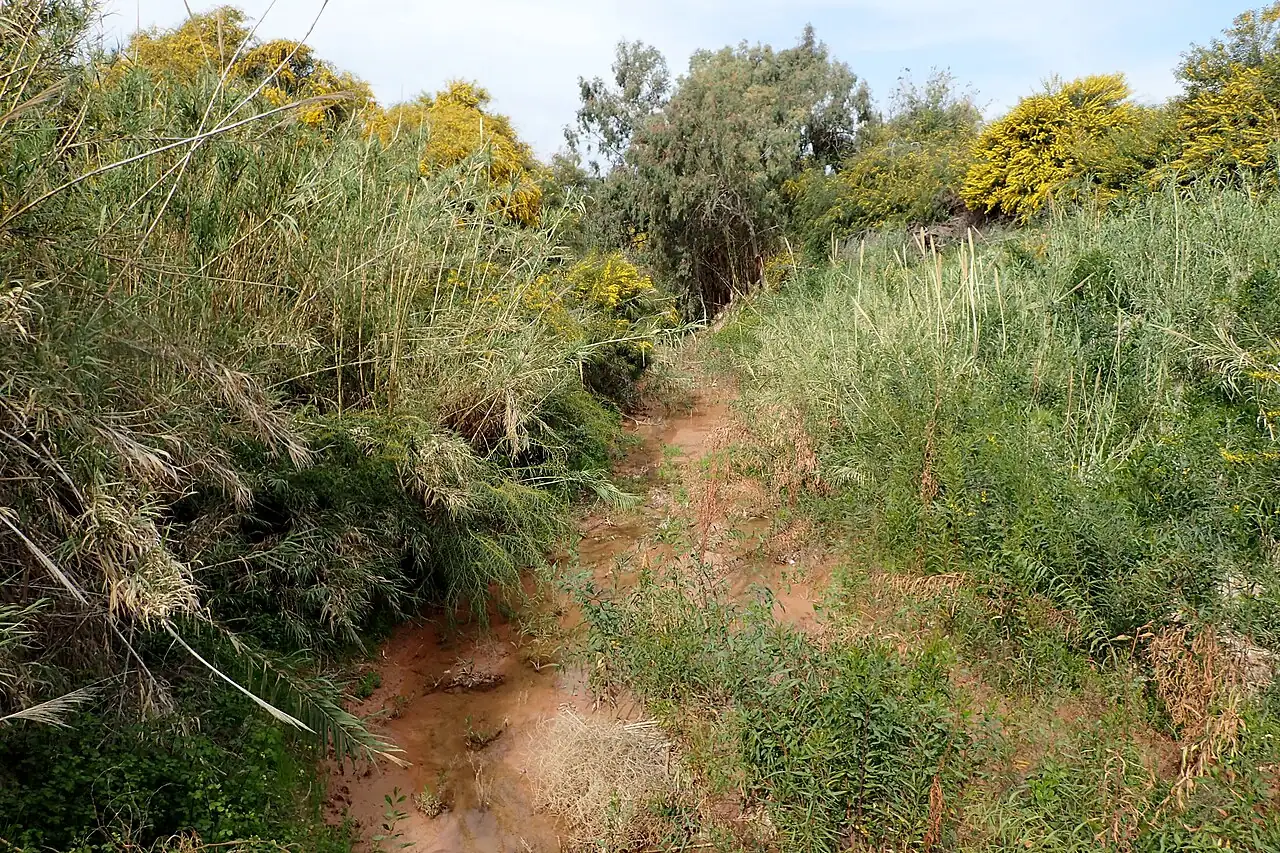
Moist, well-drained sandy loam to loam; naturally thrives in alluvial, riverside, ditch, and roadside soils. Avoid prolonged drought and very poor, dry ground.
Placement
Best outdoors as a bold, architectural feature near ponds, streams, rain gardens, or other reliably moist areas; useful for mass planting or as a tall screen where spread can be contained.
Hardiness
Generally USDA Zones 7–10; in colder parts of its range it may die back in winter and resprout from the rhizomes in spring.
Care Guide
Difficulty
Easy in warm, moist sites, but potentially high-maintenance because it spreads aggressively and can be invasive. Containment and local legality are key considerations.
Buying Guide
Pick plants with firm, upright canes and fresh green foliage (or crisp, clean striping on variegated forms). Avoid severely root- or rhizome-bound pots unless you plan to divide right away. Check local regulations—giant reed is restricted or discouraged in some regions due to invasiveness.
Watering
Keep evenly moist, especially while establishing. In-ground plants should be watered deeply during dry spells and not allowed to dry out completely. In containers, water when the top 2–5 cm (1–2 in) of mix begins to dry.
Fertilization
Often unnecessary in fertile, moist soil. If growth looks weak, use a balanced slow-release fertilizer in spring at label rates; avoid overfeeding, which can lead to floppy growth and encourage spread.
Pruning
Cut dead canes back to ground level in late winter or early spring before new shoots emerge. Remove spent plumes for a tidier look and to reduce any potential seed dispersal where viable.
Propagation
Best propagated by dividing rhizomes or splitting clumps in spring; pieces with several buds establish fastest. Stem cuttings may work in warm conditions, but division is the most reliable method.
Repotting
In containers, repot or divide every 1–2 years. Use a large, heavy pot to reduce tipping, and consider root-pruning or a rhizome barrier to limit spread.
📅 Seasonal Care Calendar
Spring: cut back old stems; plant/divide. Summer: keep moisture consistent. Autumn: enjoy plumes; ease watering only as temperatures cool. Winter: expect dieback in colder areas; mulch crowns in borderline climates.
Pests, Diseases & Safety
Common Pests & Diseases
Usually trouble-free. Stressed plants may attract aphids, scale, or spider mites. Waterlogged, stagnant conditions can promote root or crown rot—aim for moisture with drainage and decent airflow.
Toxicity
Not commonly considered toxic to people or pets, but leaf edges can be sharp and cause minor cuts or irritation. The biggest risk is environmental: it can invade natural habitats and outcompete native plants.
Culture & Symbolism
Symbolism: Often linked with resilience and shelter, since it forms tall, protective stands along waterways.
History & Legends: Long valued around the Mediterranean as a practical plant for canes, screens, and thatching. Its usefulness—and vigorous growth—helped people spread it far beyond its native range.
Uses: Grown ornamentally for bold, tropical-style height, waterside impact, and screening; variegated forms are prized for striped foliage. Because it can be invasive, plant only where permitted and consider containment (or choose non-invasive alternatives) in sensitive regions.
FAQ
When does giant reed flower?
Late summer through autumn—often around September–December, depending on local climate.
How tall does giant reed get?
Typically 1.2–6 m (4–20 ft), depending on moisture, fertility, and climate.
What conditions does it prefer?
Warm temperatures, consistent moisture, and full sun to light shade. It performs poorly in droughty soils.
Where does it grow naturally in landscapes?
Commonly along riverbanks, ditches, and roadsides—especially in sandy or alluvial soils that stay moist.
What is it used for in gardens?
As a dramatic architectural clump near water features or as a tall privacy screen; variegated forms are grown mainly for striped leaves.
Fun Facts
- Flower plumes can reach about 30–60 cm (12–24 in) long and often have a subtle purple sheen.
- Variegated giant reed is grown mainly for its creamy-white striped foliage rather than its flowers.
- It spreads via strong underground rhizomes and can form dense stands—containment is often necessary.
- Because it can become invasive, some regions restrict planting or recommend native alternatives.