Plant Features
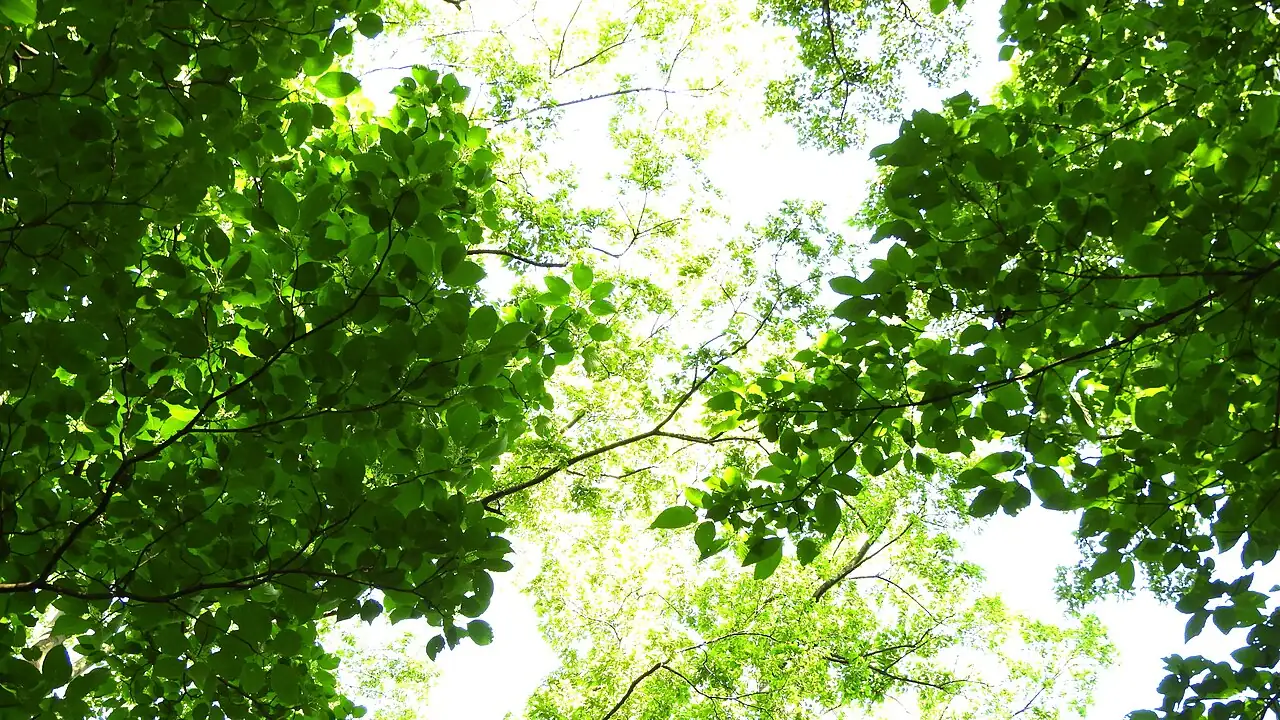
- Size: Typically 6–20 m (20–66 ft) tall; with age it develops a broad, distinctly layered, horizontal-tiered crown.
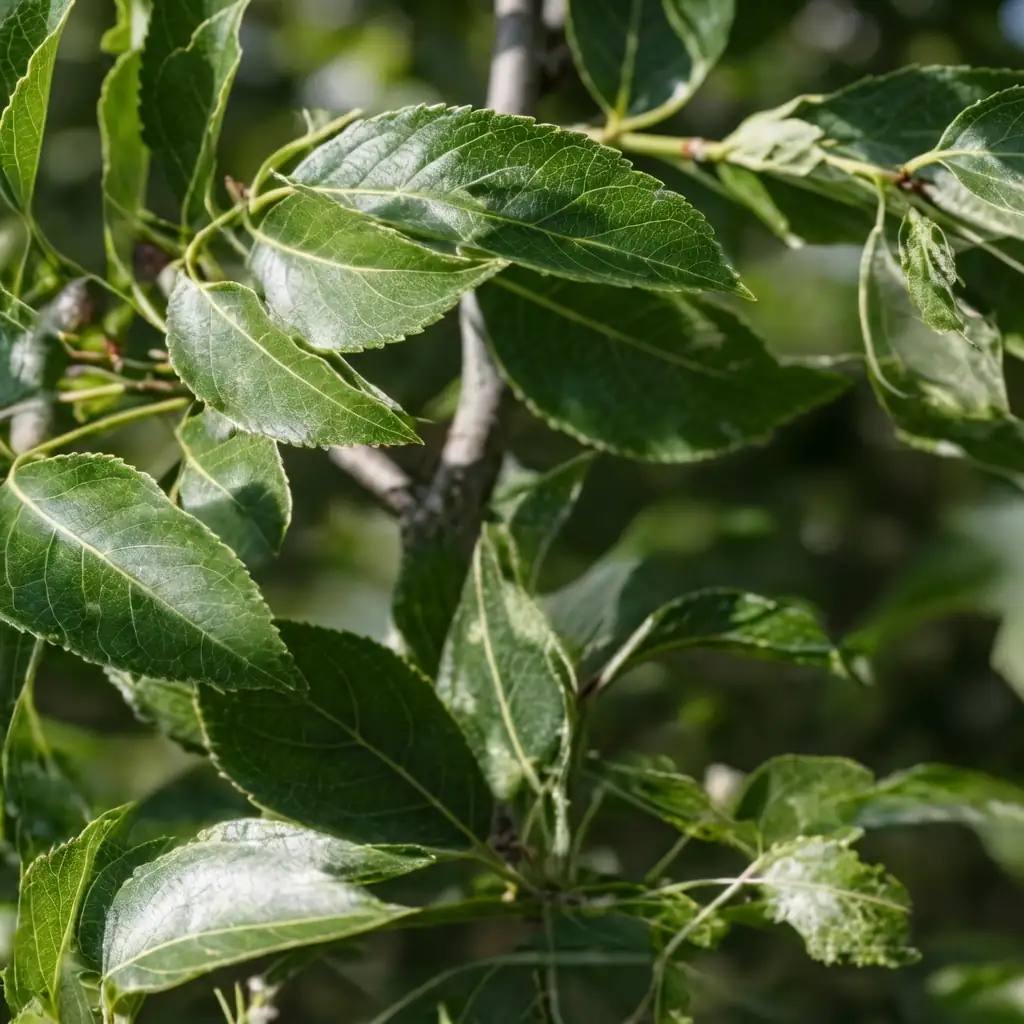
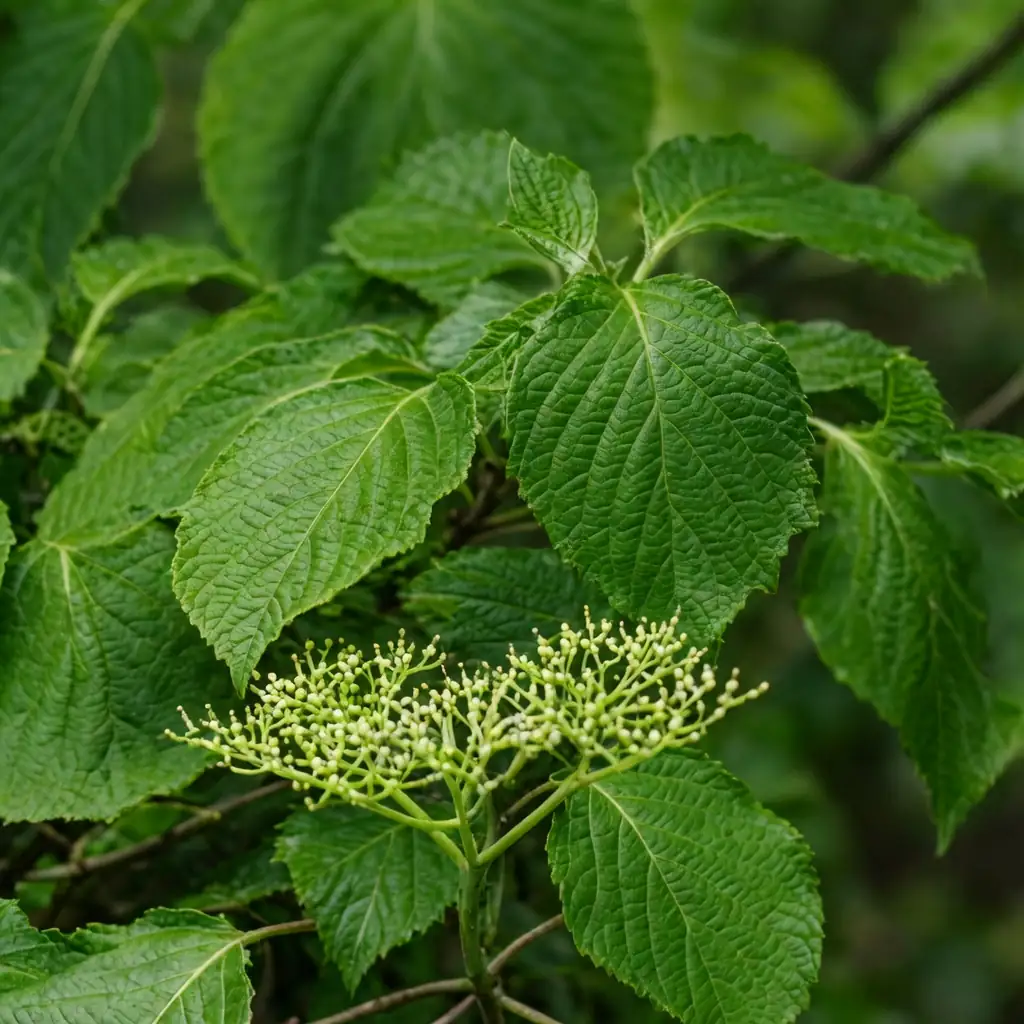
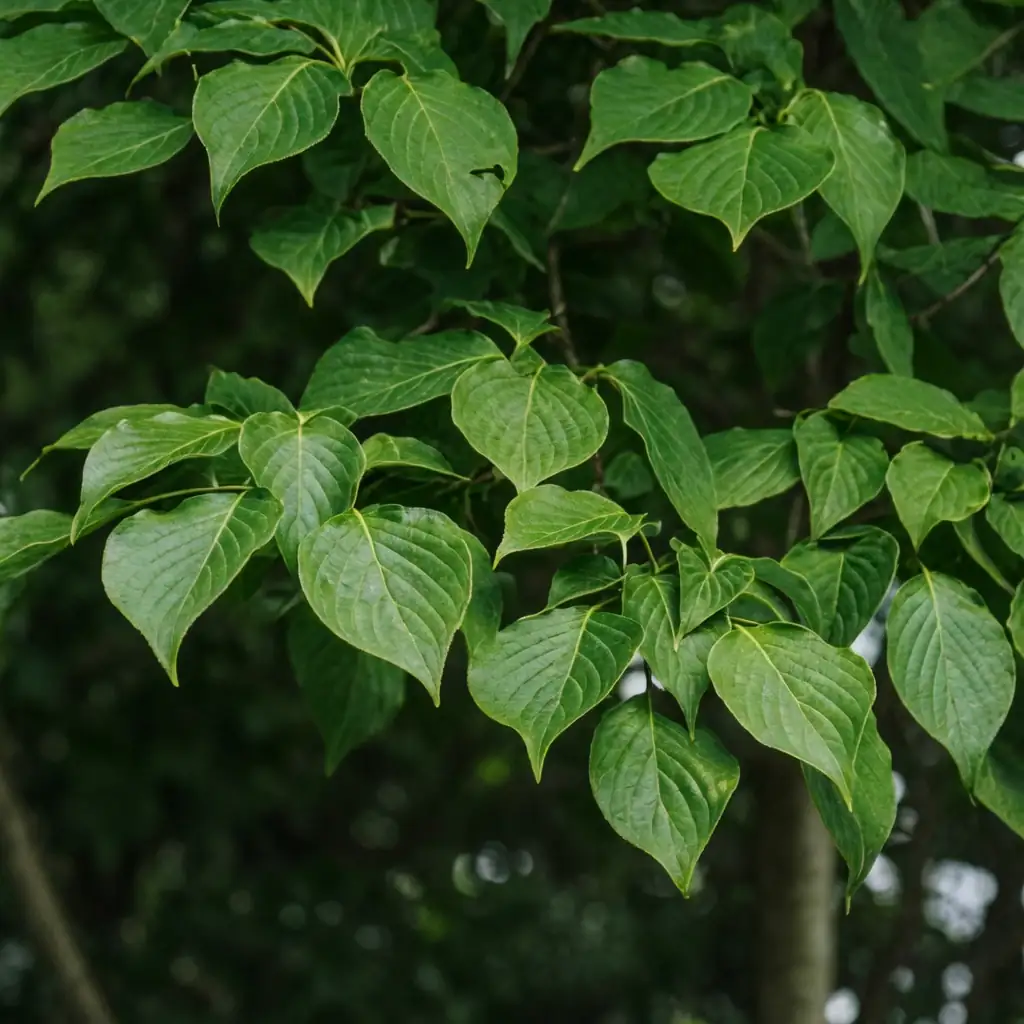
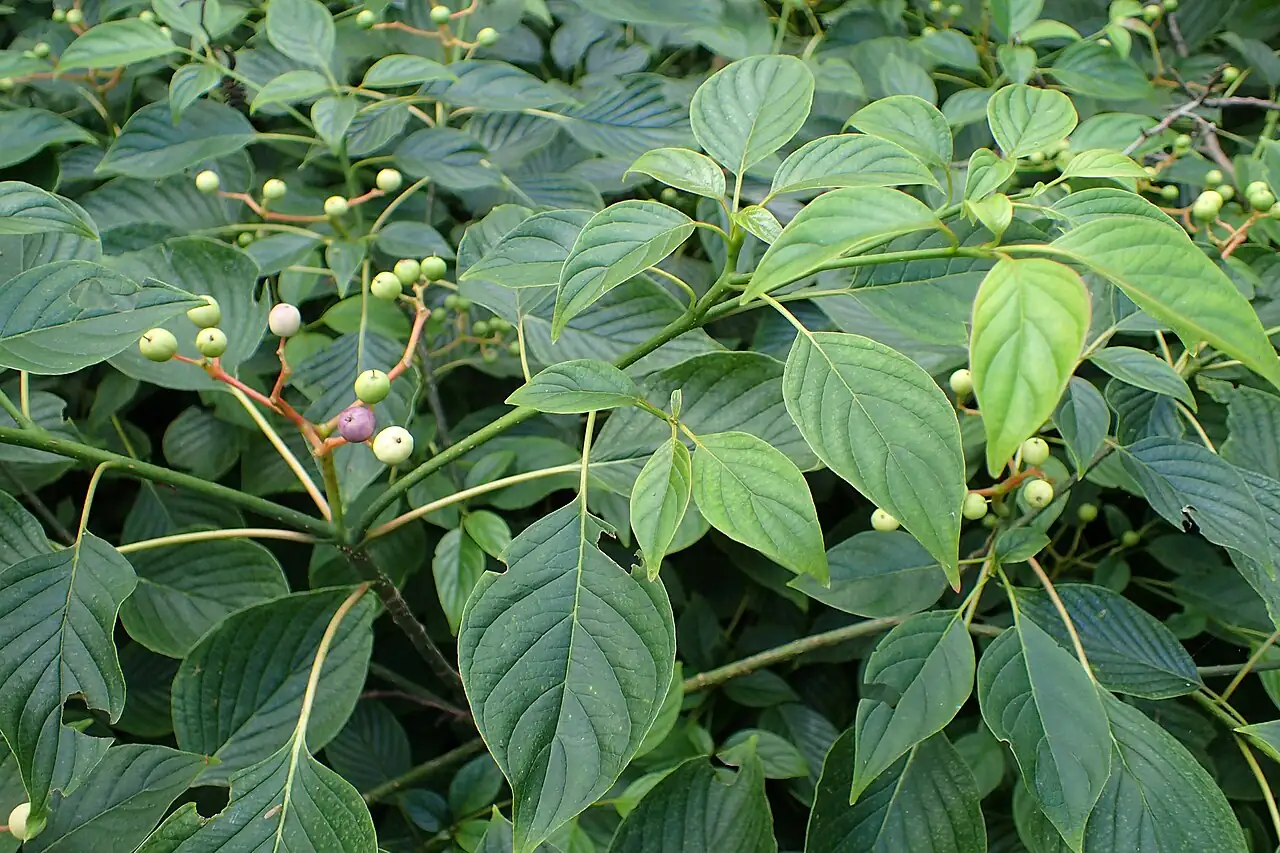
- Foliage: Leaves are alternate and often appear clustered toward the ends of shoots, which helps emphasize the tree’s layered look. Blades are ovate to elliptic, about 6–13 cm (2.4–5.1 in) long, creating a lush summer canopy.
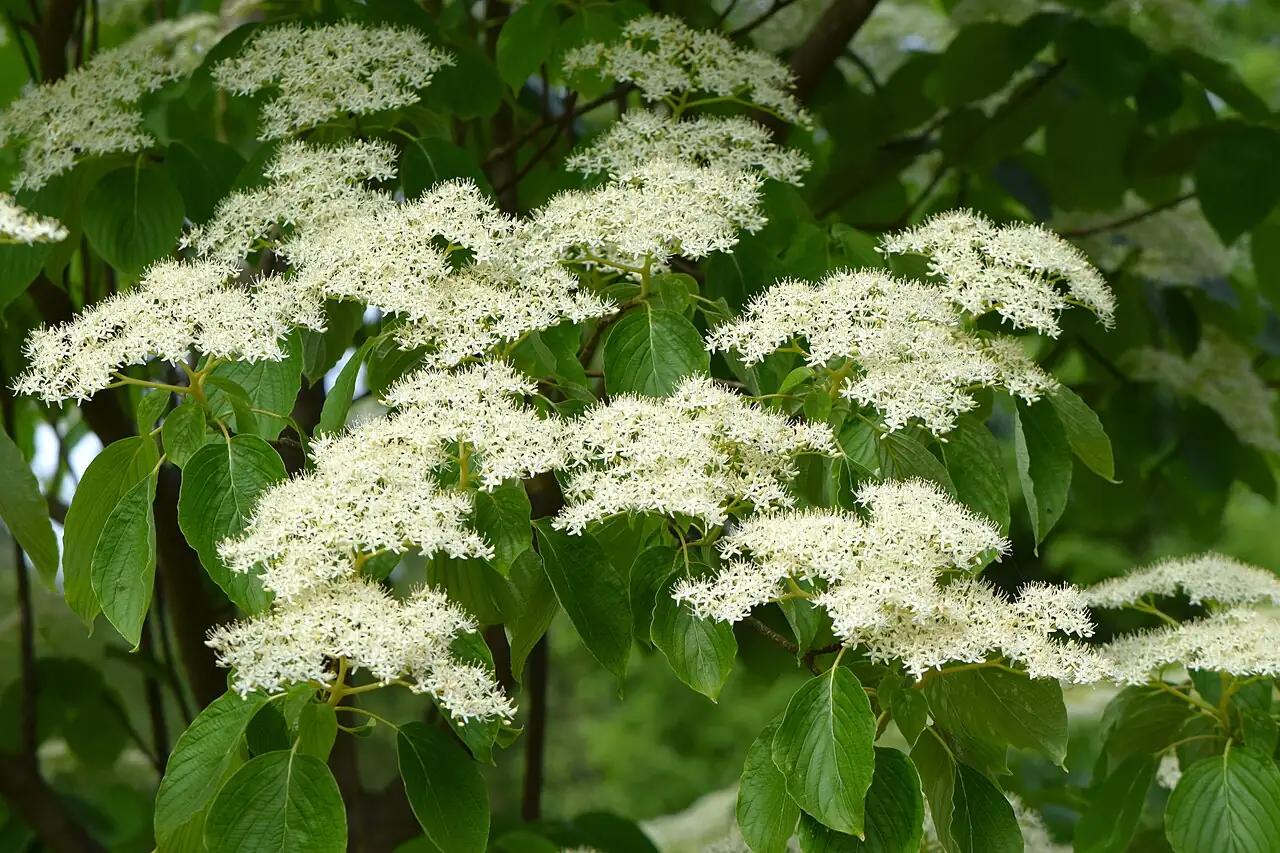
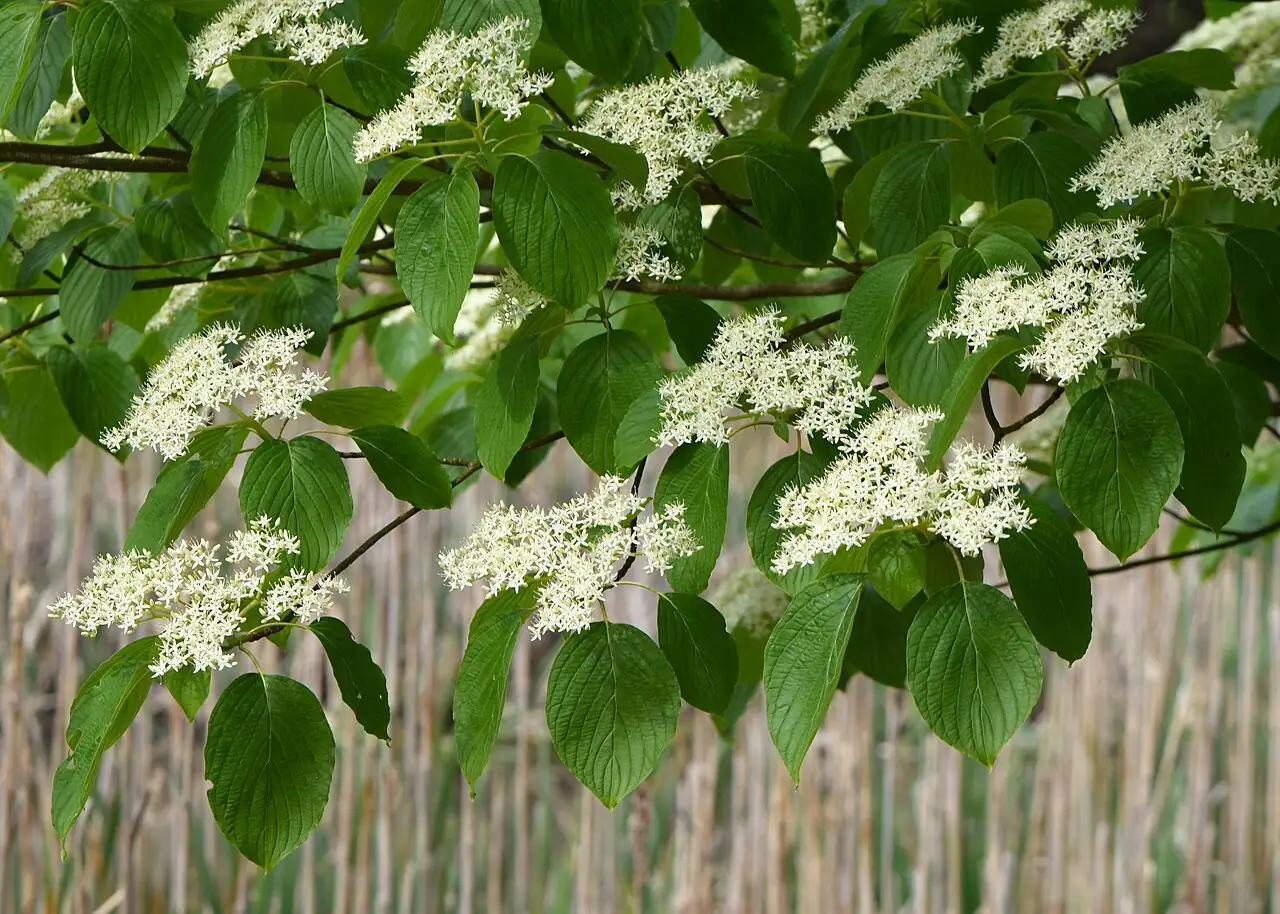
- Flower: Small white flowers are produced in terminal, flat-topped clusters (corymb-like), lightly decorating the ends of branch tiers for a soft, frothy effect.
- Flowering Season: May–June (late spring to early summer).
- Growth Habit: Fast-growing, deciduous tree with strongly horizontal, whorled tiers of branches. Tolerates partial shade and, once established, shows moderate cold tolerance.
Environment
Sunlight
Full sun to partial shade. For the crispest tiered structure and best flowering, give it plenty of sun; it will still cope with light shade.
Temperature
Prefers mild to warm, humid conditions during active growth—roughly 15–27°C (59–81°F). Once established it performs well in cool-temperate climates.
Humidity
Enjoys consistent moisture and does well in humid regions; avoid prolonged drought, especially when young.
Soil
Fertile, moisture-retentive yet well-drained soil (loam or woodland-type soils are ideal). Avoid waterlogged sites.
Placement
Best outdoors where its silhouette can be appreciated—specimen planting in gardens and parks, or as a refined avenue/street tree. Allow space for the layered canopy to develop.
Hardiness
Commonly grown in USDA Zone 5–8 (approx. -29 to -7°C / -20 to 20°F), depending on local provenance and planting site.
Care Guide
Difficulty
Moderate. It establishes well in fertile, evenly moist, well-drained soil and grows quickly in warm, humid climates; it also tolerates light shade and has decent cold tolerance once settled in.
Buying Guide
Pick a tree with a straight central leader and naturally well-spaced branch tiers. Avoid specimens with bark wounds or obvious dieback. Check that it isn’t severely pot-bound—healthy fine roots and evenly moist (not soggy) media are good signs.
Watering
Water deeply during establishment (the first 1–2 growing seasons). Aim for evenly moist soil rather than constant wetness. Mulch about 5–8 cm (2–3 in) to conserve moisture and buffer soil temperature. After establishment, water during dry spells—don’t let it sit in extended drought.
Fertilization
Often minimal feeding is needed in good soil. If growth is weak, apply a balanced slow-release fertilizer in spring. Avoid heavy nitrogen, which can cause overly soft, lush growth.
Pruning
Prune lightly in late winter to early spring: remove dead, damaged, or crossing branches. Avoid heavy pruning that would spoil the natural tiered ‘pagoda’ structure.
Propagation
Seed (with cold stratification) or semi-ripe cuttings in summer. Ornamental selections are usually propagated vegetatively to keep their characteristics true.
Repotting
Not ideal as a long-term container plant. If kept in a large pot temporarily, move up one pot size when roots fill the container and refresh the medium; plant out when feasible for best long-term growth.
📅 Seasonal Care Calendar
Spring: refresh mulch, monitor moisture, and feed lightly only if needed. Summer: water consistently during hot/dry periods; watch for stress. Autumn: allow natural leaf drop; tidy fallen leaves/fruit if desired. Winter: prune while dormant; in exposed sites, protect young trees from severe wind and frost.
Pests, Diseases & Safety
Common Pests & Diseases
Generally low-maintenance. Potential problems include aphids, scale, and leaf-spot issues in humid weather. Improve airflow, avoid frequent overhead watering, and remove badly affected leaves. Use horticultural oil or insecticidal soap when infestations are significant.
Toxicity
Not commonly regarded as highly toxic to people or pets, but it’s not an edible plant. Discourage nibbling and seek medical/veterinary advice if ingestion or unusual sensitivity occurs.
Culture & Symbolism
Symbolism: Often linked with graceful structure and “layered beauty,” inspired by its pagoda-like branching.
Uses: Primarily grown as an ornamental shade and street tree for its tidy, sculptural form, spring bloom, and attractive fruit. The wood is pale yellow-white to yellow-brown with a sheen, straight-grained, hard, fine, and even-textured; it dries readily and has been used for building, furniture, toys, and carving.
FAQ
Why is it called “wedding cake tree” or “pagoda dogwood”?
Its branches naturally stack into horizontal tiers, creating a layered outline that looks like a tiered cake or a pagoda.
Does it tolerate shade?
Yes. It handles partial shade, but it typically flowers better and forms a stronger, cleaner silhouette with more sun plus evenly moist soil.
Fun Facts
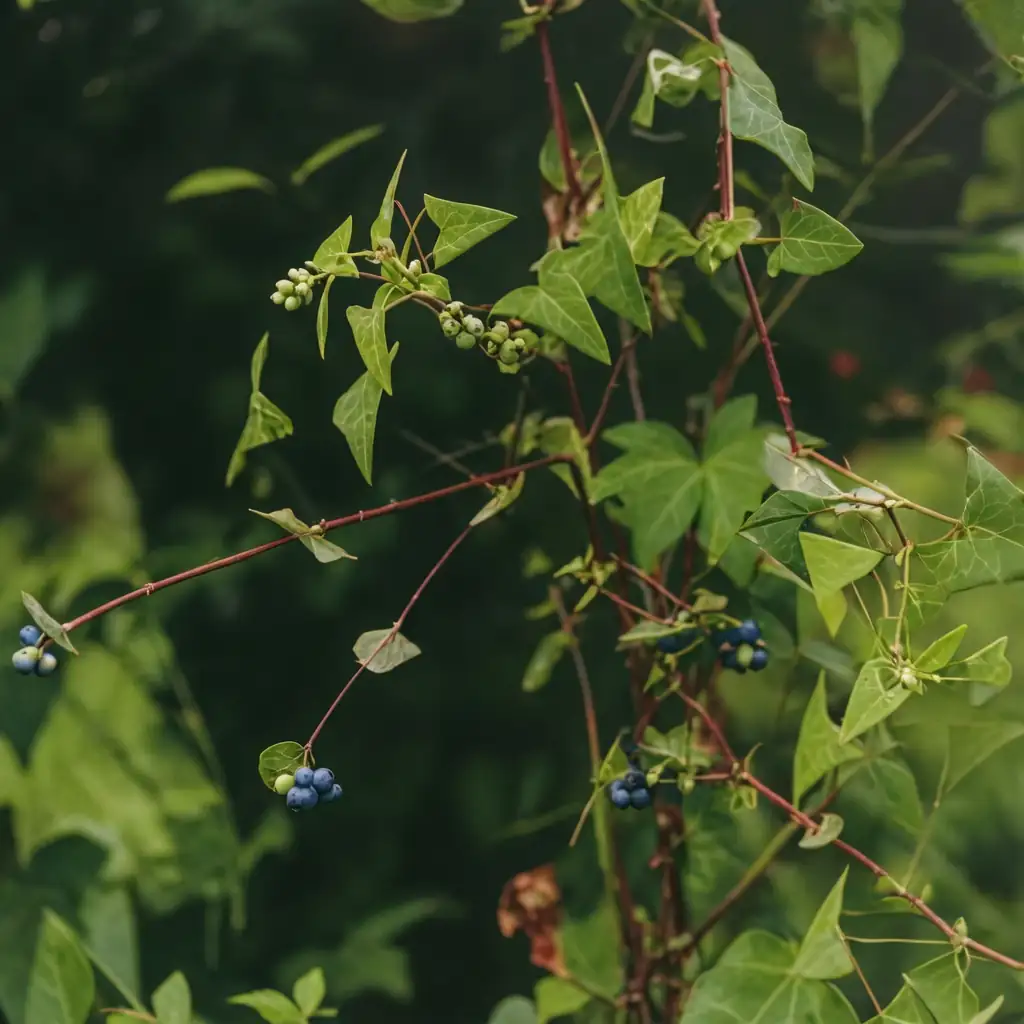
- The round drupes ripen from purplish red to deep purple-black through summer.
- Mature bark is dark gray and develops shallow vertical fissures with age.
- Its hard, fine-grained wood has traditionally been used for furniture, toys, and carving.
- In China it commonly grows in evergreen broadleaf forests and mixed conifer–broadleaf forests from the Yangtze River basin into southwestern regions.