

Plant Features
- Size: Height 30–90 cm (12–36 in), width 15–30 cm (6–12 in)
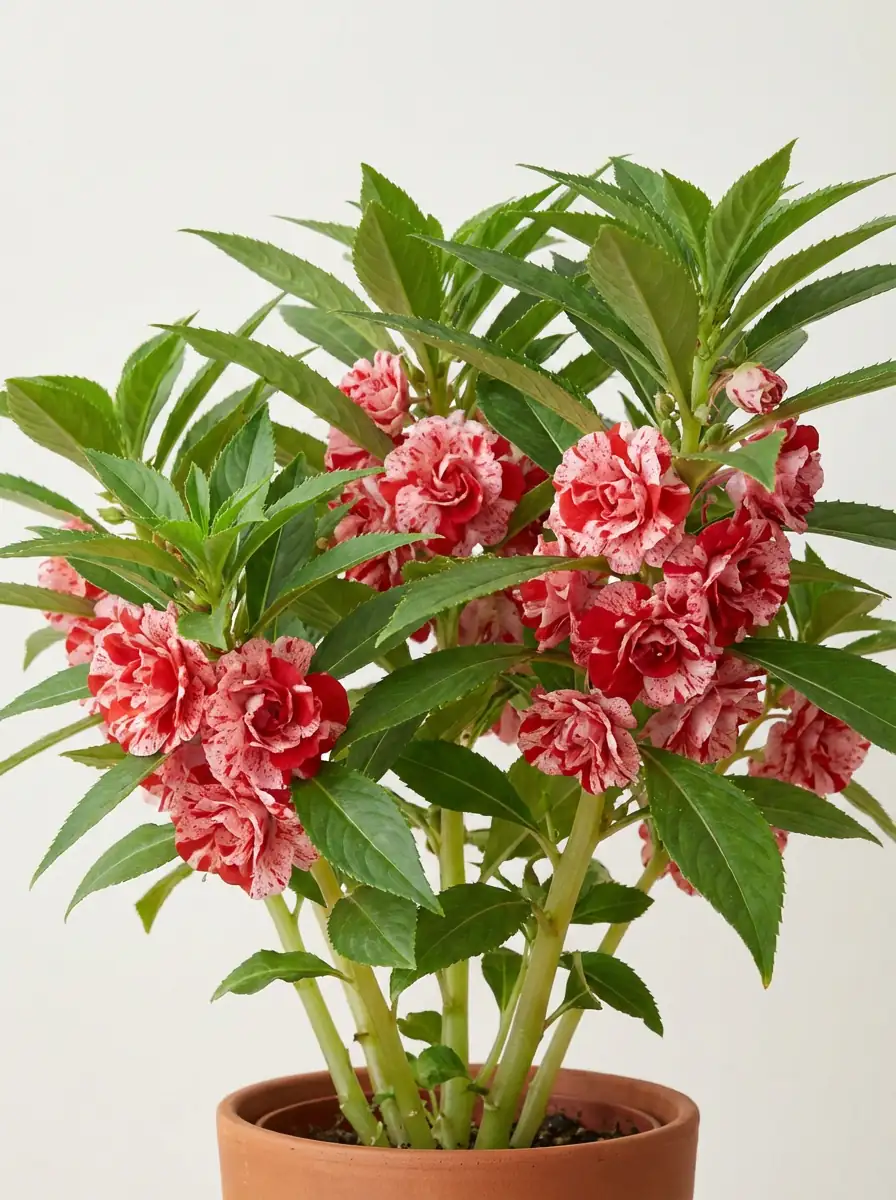
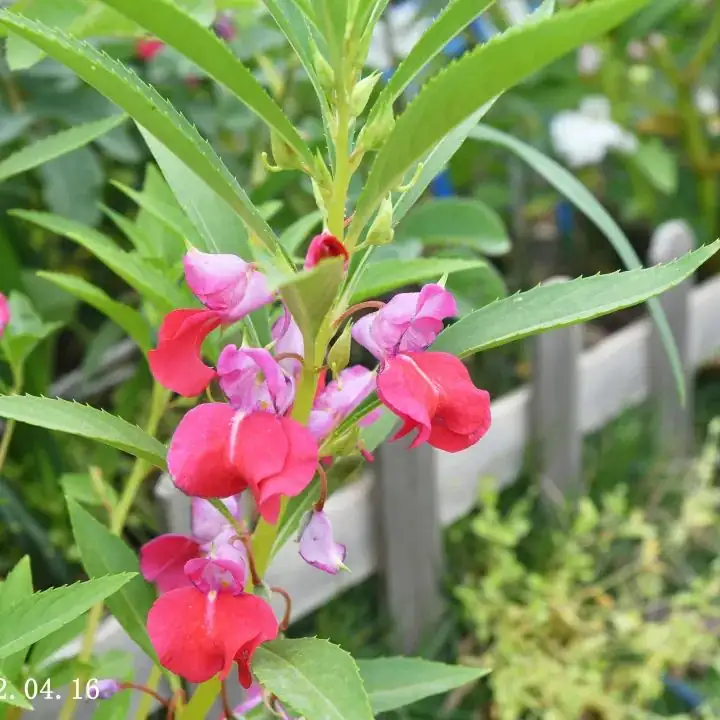
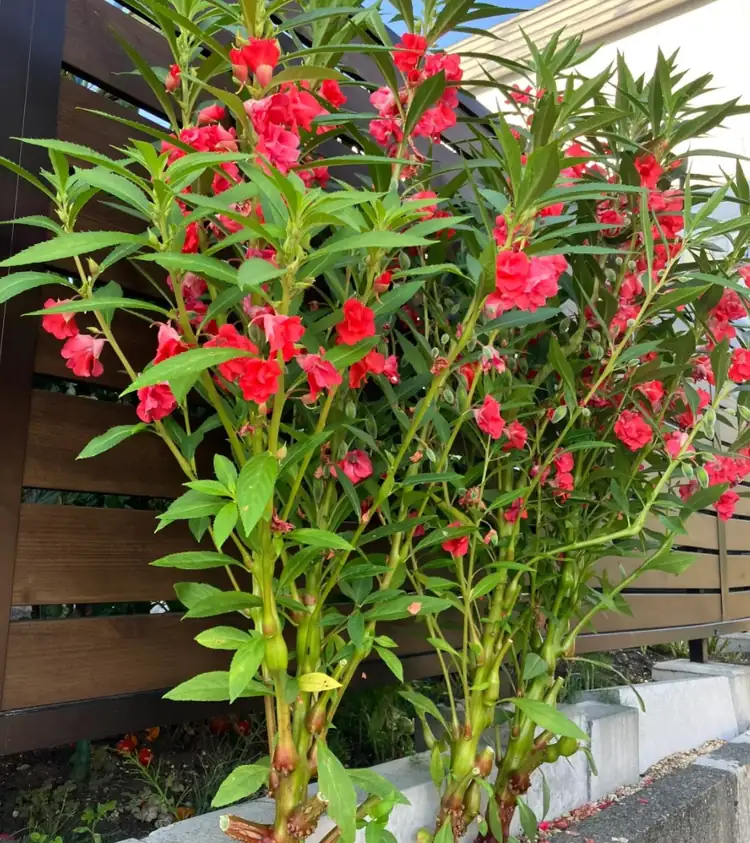
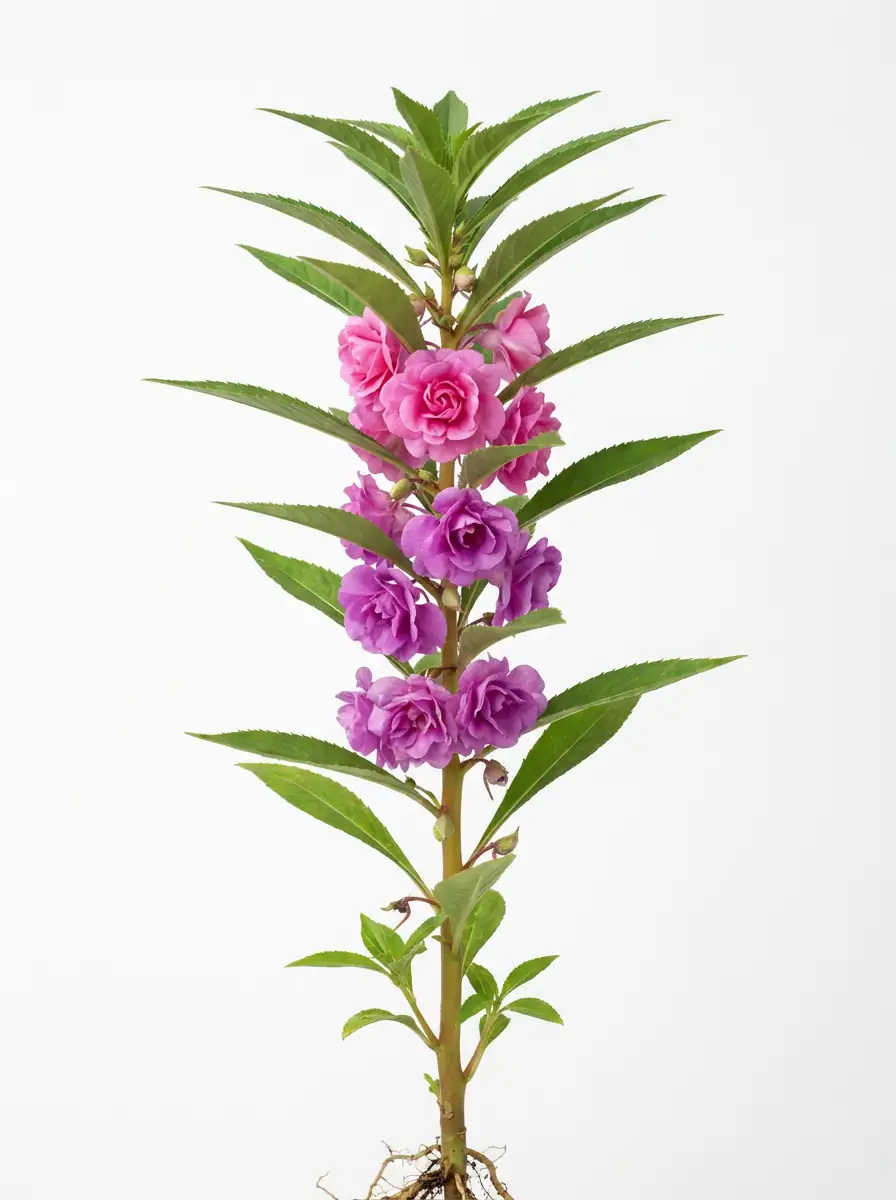
- Foliage: Light green leaves are elliptical to lance-shaped with gently serrated edges, typically around 8 cm (3.1 in) long. They sit alternately along upright, somewhat succulent stems, giving the plant a fresh, lush look through the season.
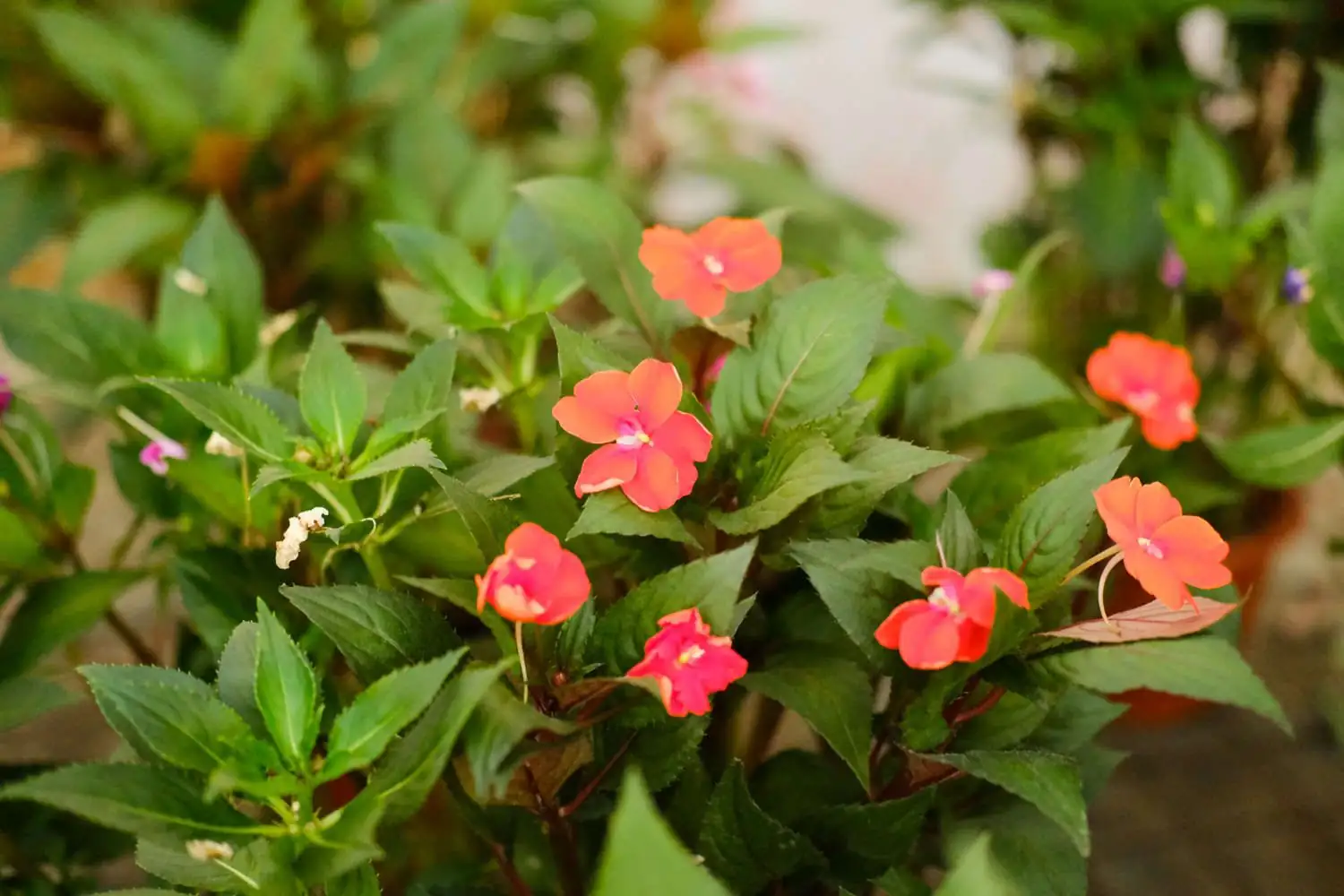
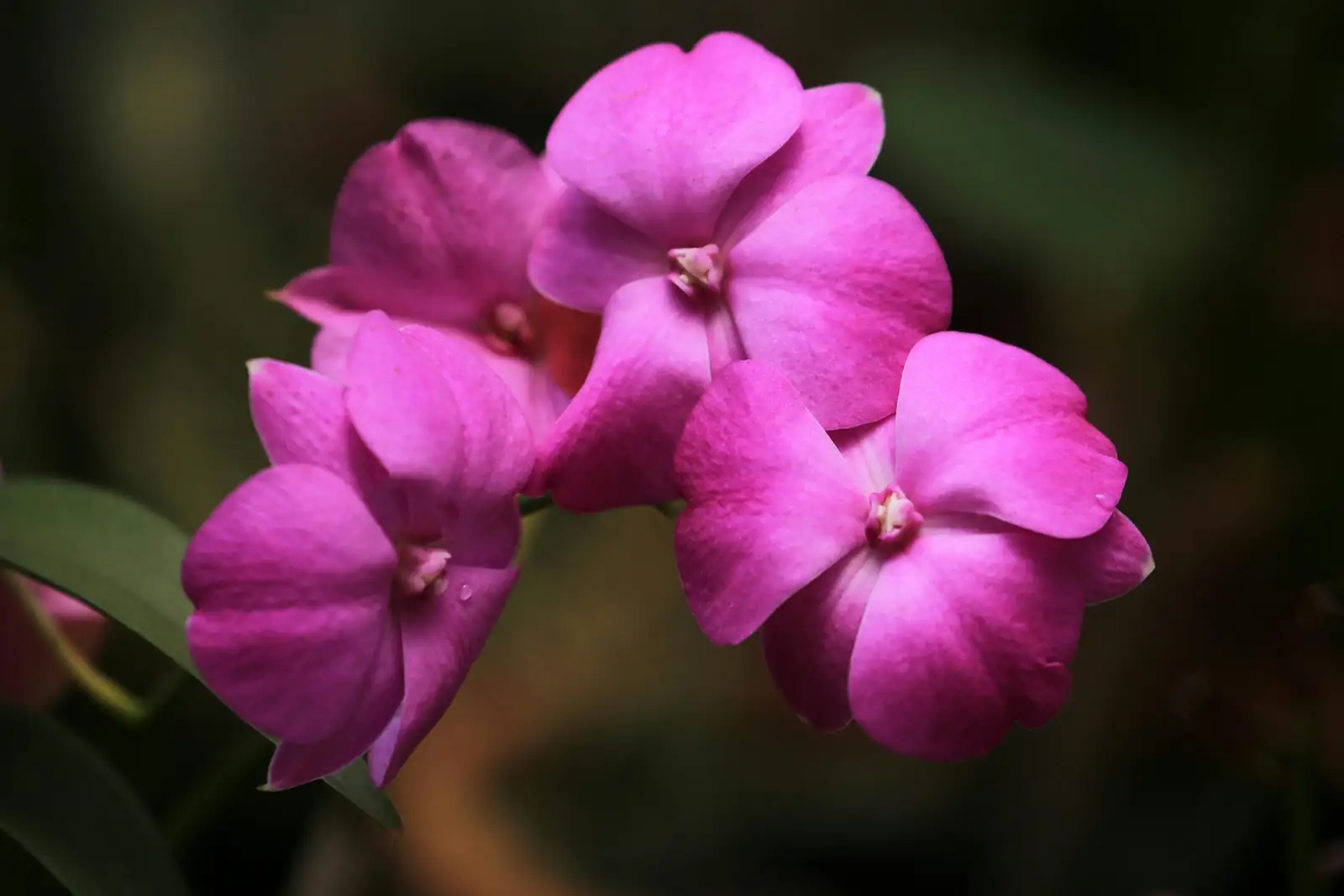
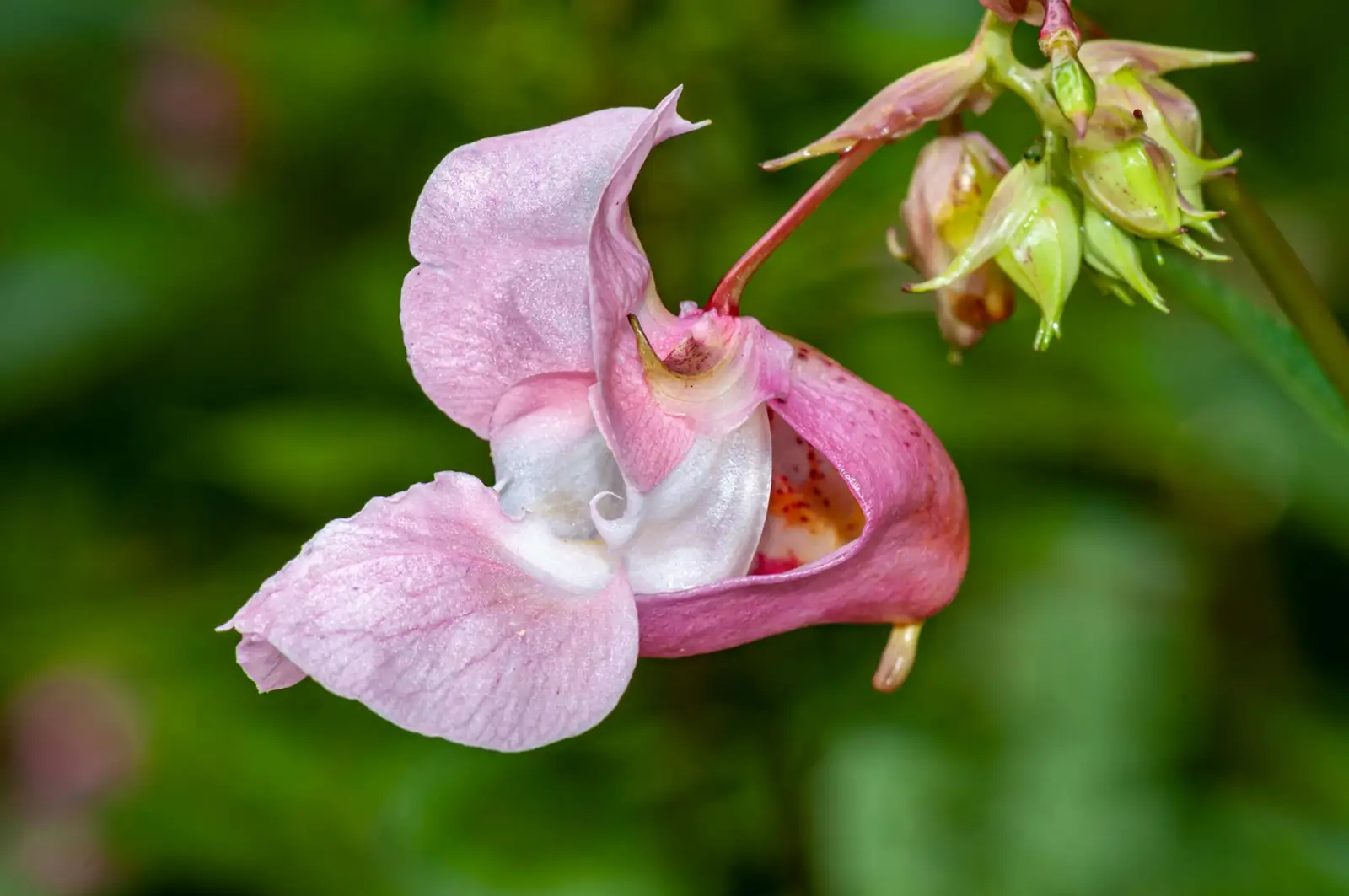
- Flower: Cup-shaped flowers about 5 cm (2 in) across, appearing singly or as showier doubles. Many cultivated forms have ruffled, camellia-like “pompom” blooms. Colors include white, pink, red, purple, and bicolor mixes, with flowers carried close to the main stem in the leaf axils.
- Flowering Season: Late spring until frost (often July–October, depending on climate)
- Growth Habit: Tender annual with erect, fleshy stems and an upright, branching habit; often reseeds freely where happy.
Environment
Sunlight
Full sun to part shade. Aim for 4–6+ hours of direct sun; in hot climates, afternoon shade helps keep plants perky and flowering well.
Temperature
Warm-loving; grows best around 24°C (75°F). Frost-tender and can be damaged or killed as temperatures drop toward 0–4°C (32–39°F).
Humidity
Enjoys evenly moist conditions and moderate humidity; low drought tolerance and will sulk if allowed to dry repeatedly.
Soil
Fertile, organically rich soil that holds moisture yet drains well. Performs best in loose, well-aerated garden soil or quality potting mix for containers.
Placement
Beds and borders, cottage-style plantings, containers, patios, and balconies; place where you can water easily and enjoy the blooms up close.
Hardiness
USDA Zones 2–11 as an annual; may overwinter only in frost-free climates (typically Zones 10–11).
Care Guide
Difficulty
Easy and forgiving once established; the main “secret” is consistent moisture and decent light for nonstop blooms.
Buying Guide
Choose plants with sturdy, upright stems and fresh green leaves (no mildew, spotting, or limp growth). If shopping for maximum show, look for labeled double-flowered or camellia-flowered varieties.
Watering
Keep soil consistently moist, especially during active growth and flowering. In containers, check daily in warm weather and water when the top layer begins to dry. Avoid letting the pot or bed dry out completely—plants may wilt and rebound, but repeated drought stress can scorch leaves and reduce flowering.
Fertilization
A slow-release granular fertilizer can be applied once seedlings are established (often when plants are about 5 cm (2 in) tall). For container culture, a balanced liquid fertilizer for flowering plants can be used about twice a month through the blooming season, following label directions to avoid overfeeding.
Pruning
Pinch the tips when plants reach about 10 cm (4 in) to encourage bushier branching. Deadhead to keep plants tidy and promote continuous flowering, and remove any damaged or diseased stems promptly.
Propagation
Most commonly grown from seed. Start indoors 6–8 weeks before the last spring frost or direct sow after frost danger passes. Seeds need light to germinate—press onto the surface rather than burying—and typically sprout in about 4–7 days in warm conditions. Plants often self-sow enthusiastically; collect pods before they burst if you want to control where seedlings appear.
Repotting
Generally unnecessary because it’s typically grown as an annual; if overwintering indoors in warm climates, shift to a slightly larger pot only if rootbound and always maintain good drainage.
📅 Seasonal Care Calendar
Spring: Sow indoors or direct sow after the last frost; pinch young plants for bushiness. Summer: Peak bloom—water consistently and feed lightly, especially in containers. Fall: Collect seed before pods pop; protect from early chills if you want a longer display. Winter: Plants usually die with frost; store dry seed for next season.
Pests, Diseases & Safety
Common Pests & Diseases
Can be affected by aphids and leaf-feeding beetles; treat with insecticidal soap or neem oil and rinse foliage as needed. Powdery mildew may appear with poor airflow or prolonged leaf wetness—space plants, improve ventilation, and water at the base rather than overhead.
Toxicity
Generally considered low-risk for gardens. Seeds may cause mild upset if eaten in quantity; it’s best to discourage pets and children from nibbling and treat it as an ornamental rather than an edible plant.
Culture & Symbolism
Symbolism: Often associated with “impatience” and quick action—thanks to its popping seed pods. In Victorian flower language it could suggest ardent love and heartfelt emotion, and it’s also linked with devotion and purity in various traditions.
History & Legends: A true heirloom favorite in cottage gardens, garden balsam has been grown for generations across Asia and beyond. Its genus name, Impatiens, refers to the famously touchy seed pods that can’t wait to burst. In several Asian cultures, the flowers and leaves have also been used as a natural dye for coloring nails and textiles, and the plant appears in folk traditions for soothing aches and supporting circulation.
Uses: Ornamental: Bright seasonal color for beds, borders, and containers, and a magnet for pollinators like bees and butterflies. Traditional: Natural dye for nails and textiles in parts of Asia. Folk use: Sometimes used in traditional practices for circulation and minor discomforts (not a substitute for medical advice).
FAQ
Why is it called “touch-me-not”?
Because the ripe seed pods burst open when touched, launching seeds away. That explosive habit is also why the genus name Impatiens means “impatient.”
Will garden balsam come back every year?
It’s an annual and usually dies with frost, but it self-sows so reliably that it often returns from dropped seed the next season—sometimes in surprising places.
How is garden balsam different from common bedding impatiens?
Garden balsam (Impatiens balsamina) grows upright with flowers held close to the stem, often in double, camellia-like forms. Common bedding impatiens (often Impatiens walleriana) are typically mounded or spreading with flatter, more open flowers.
Can I grow garden balsam in containers?
Yes. Use a pot with drainage holes and a moisture-retentive potting mix, then water regularly (often daily in hot weather). Good light plus consistent moisture is the recipe for nonstop blooms.
Fun Facts
- Ripe seed pods can burst and fling seeds several feet away—nature’s tiny spring-loaded catapult.
- It’s often about 60 days from sowing to the first blooms under warm, bright conditions.
- Double-flowered forms were especially prized in 19th-century gardens for their rose- or camellia-like look.
- In some warm regions it can naturalize readily due to heavy self-seeding—charming in a cottage garden, but worth monitoring where it’s unwanted.


