Plant Features
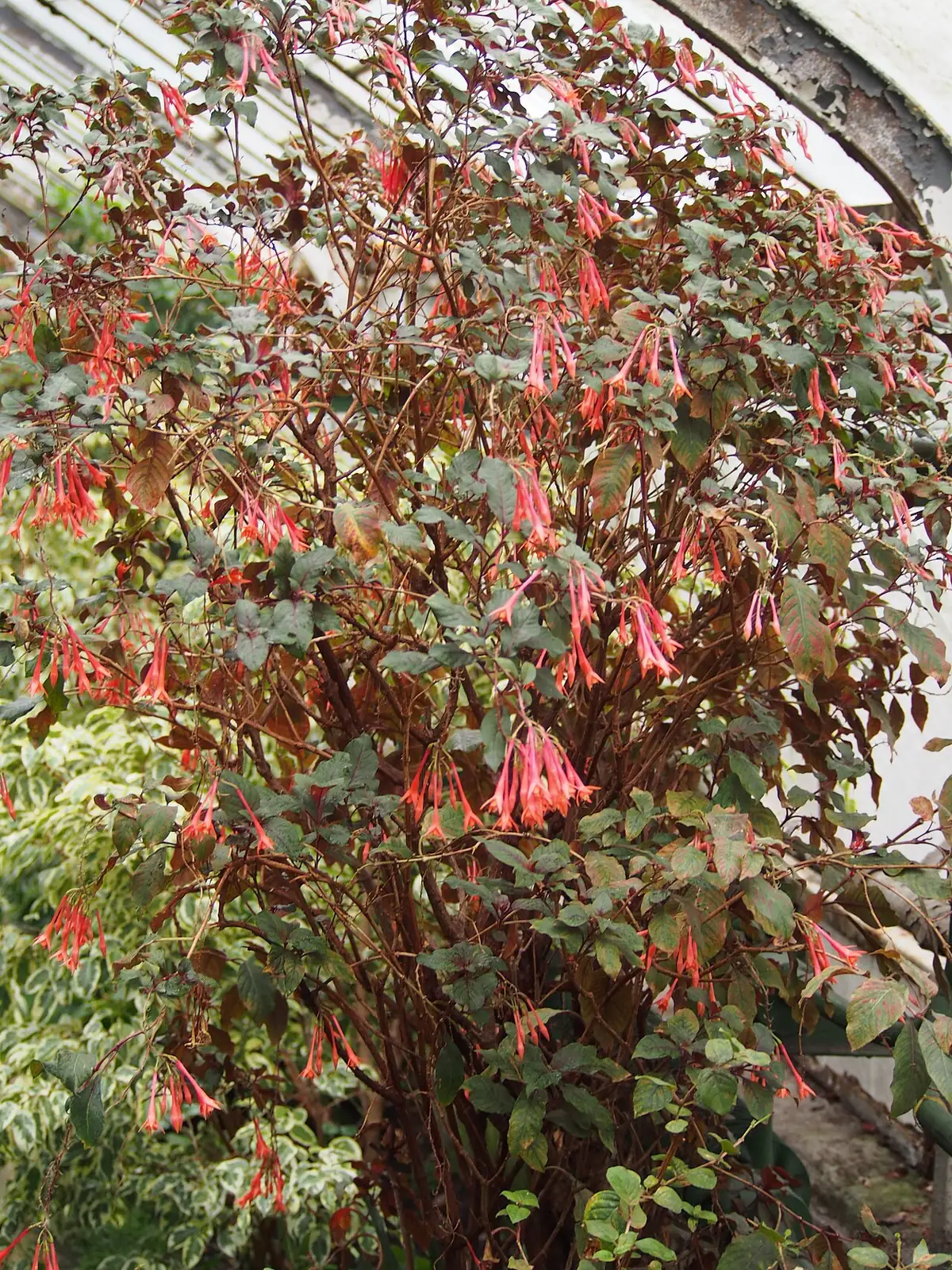
- Size: In containers, many plants are sold/grown in a 15 cm (6 in) pot; a common trick for a fuller basket is planting 2–3 young plants per pot. Mature size varies widely by cultivar and training: typically about 30–90 cm (12–35 in) tall with a spread of 30–90 cm (12–35 in), whether grown upright, mounding, or as a trailing cascade.
- Foliage: Foliage is typically deep green and dense when grown in good light. Too little light often leads to weak, leggy growth, yellowing leaves, bud drop, and fewer flowers. In prolonged heat (around or above 25°C / 77°F), plants can yellow, drop buds and blooms, and may become sparse or bare at the base—older plants especially benefit from renovation (hard) pruning to push fresh growth.
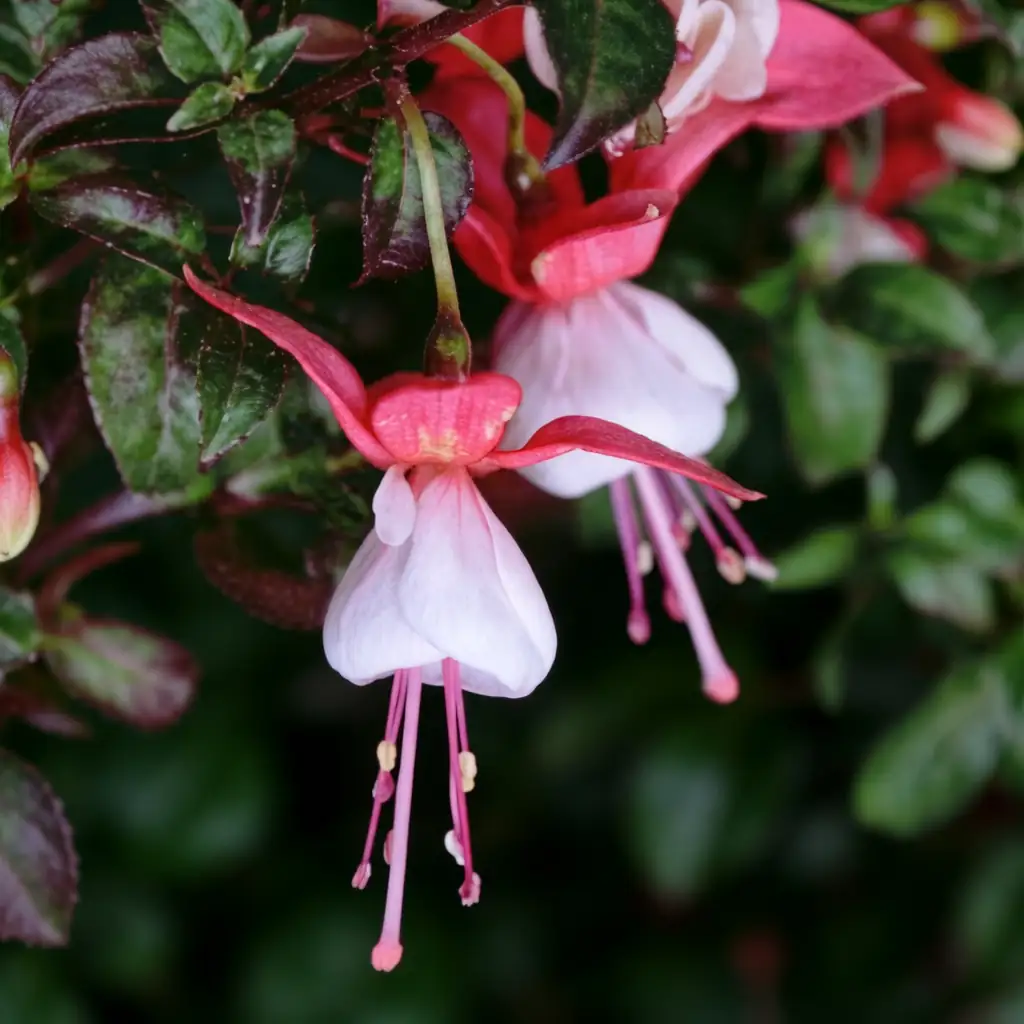
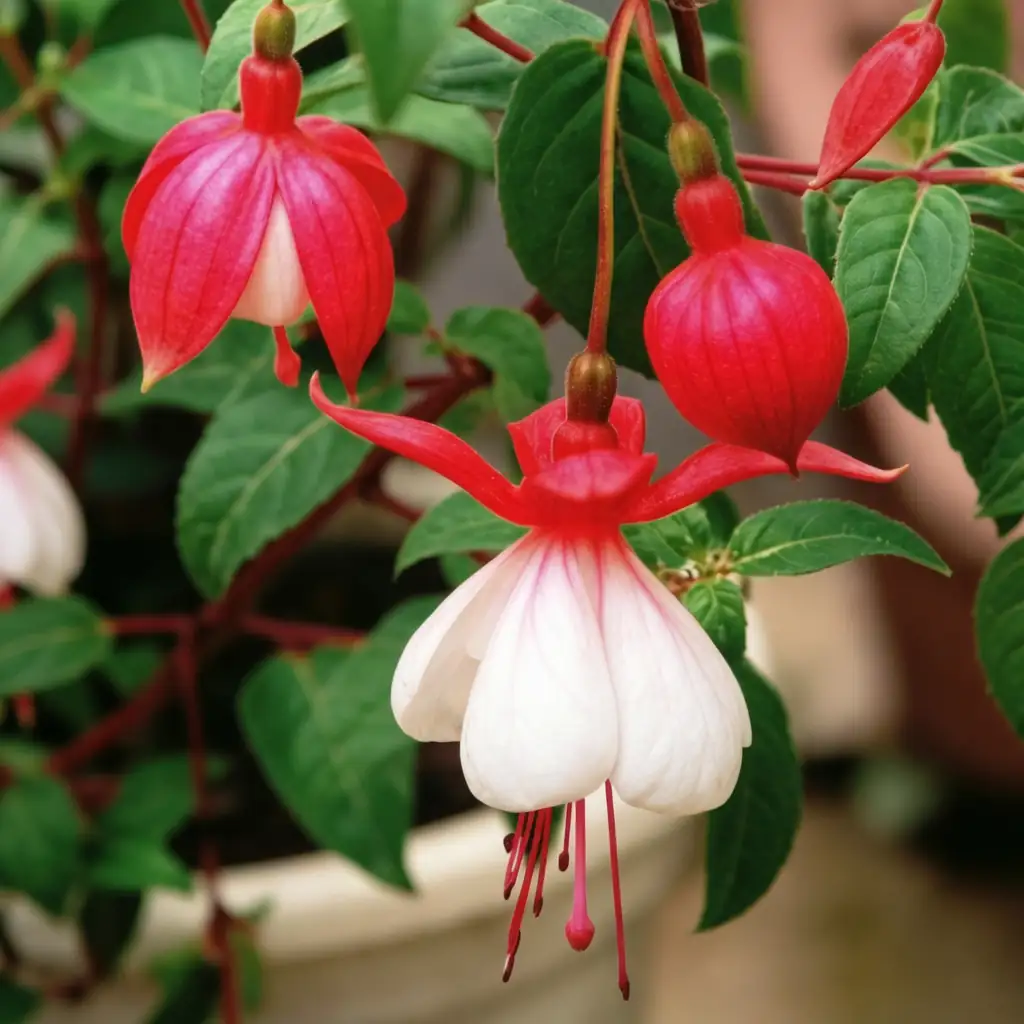
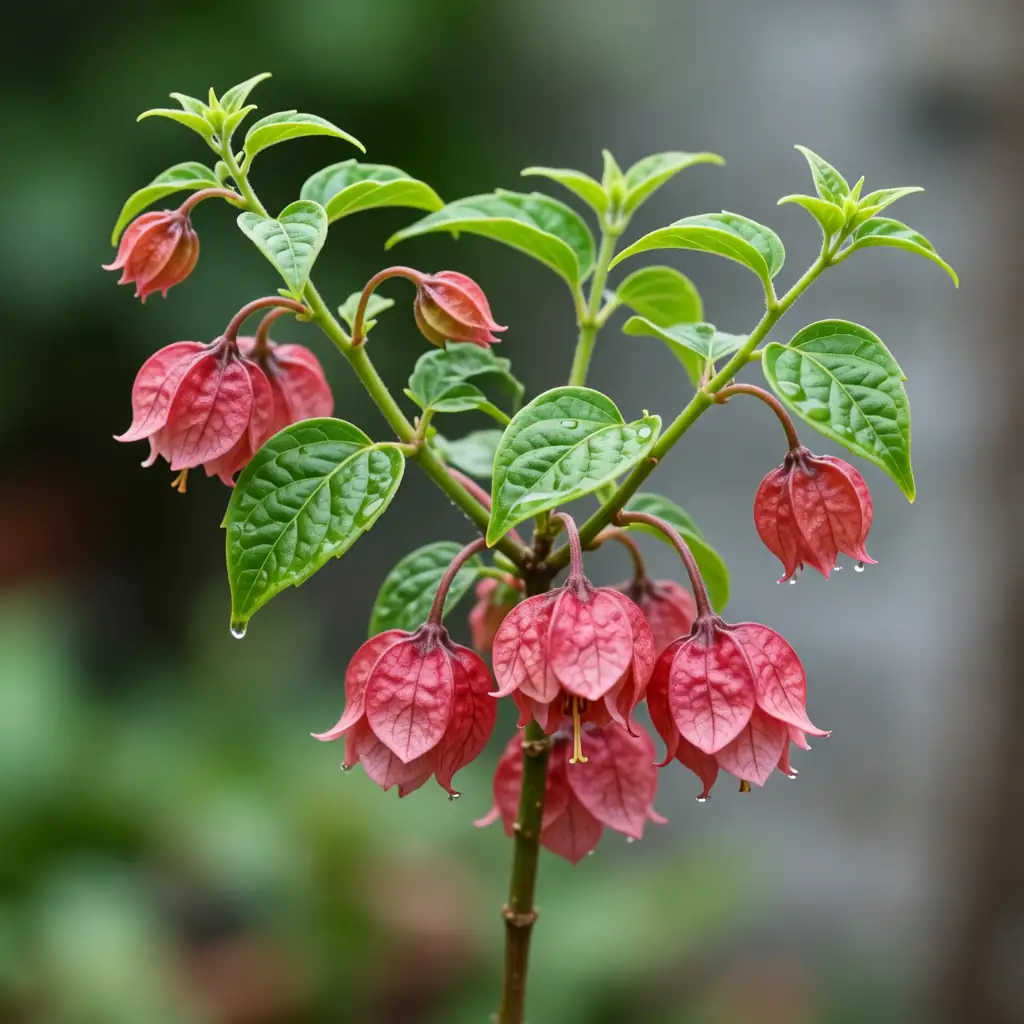
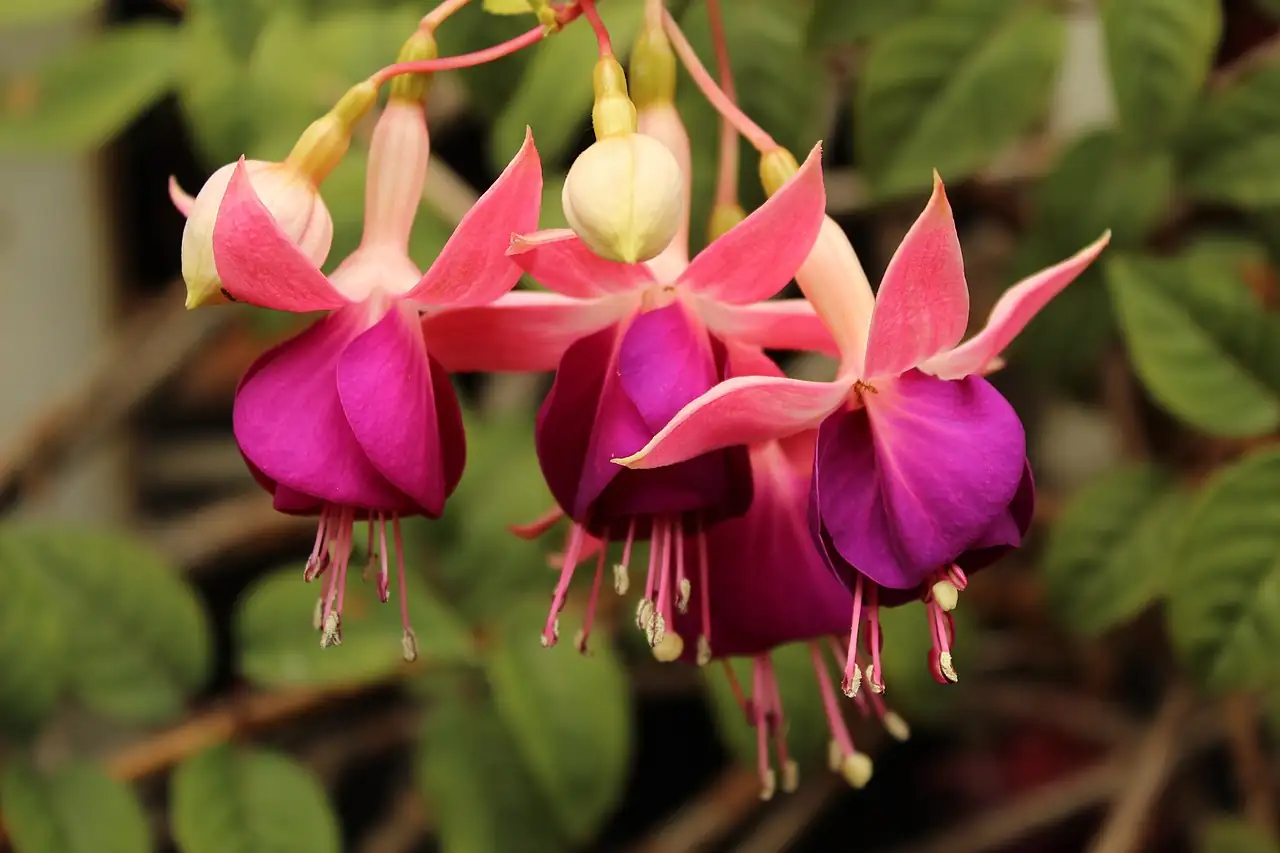
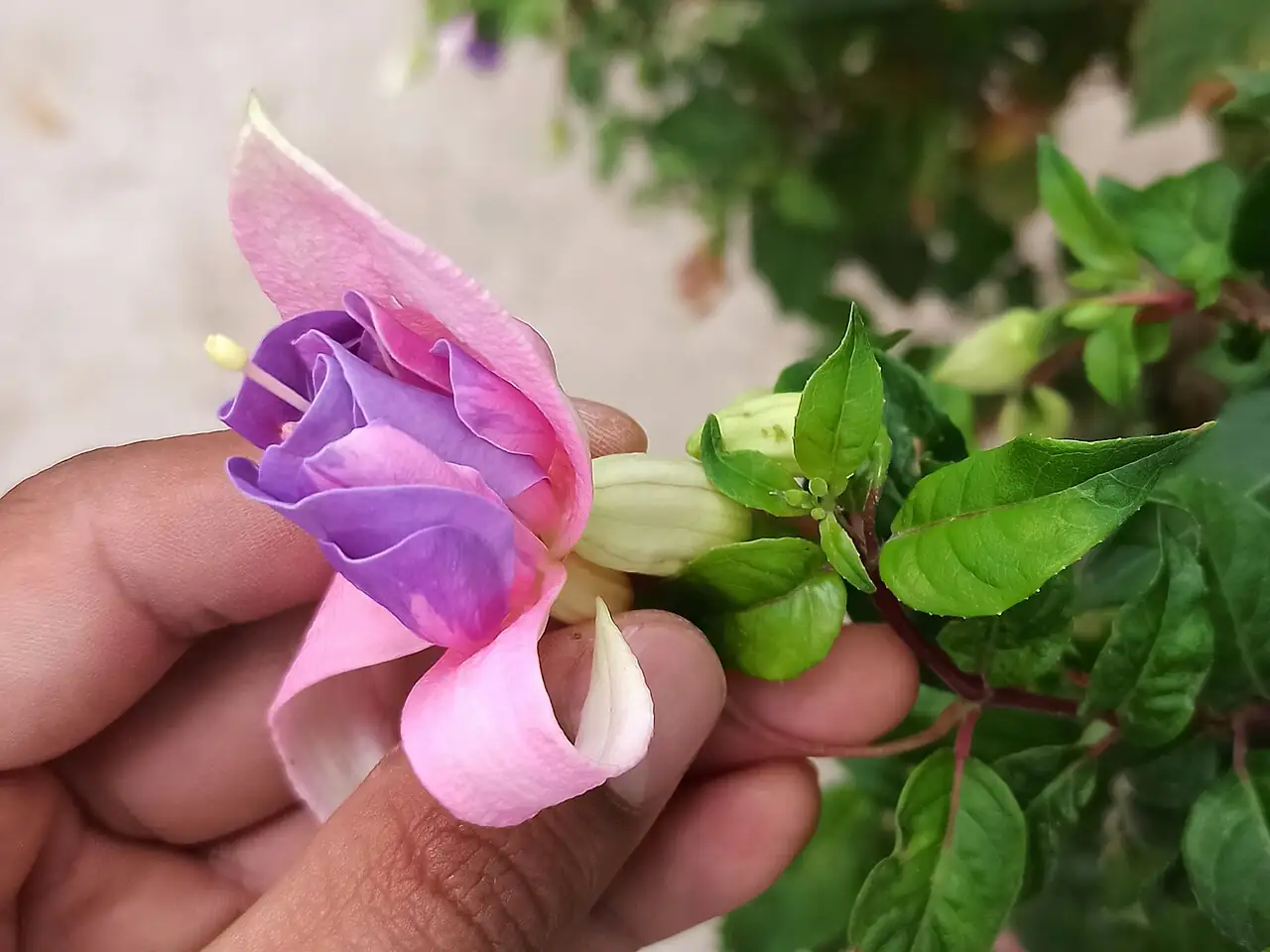
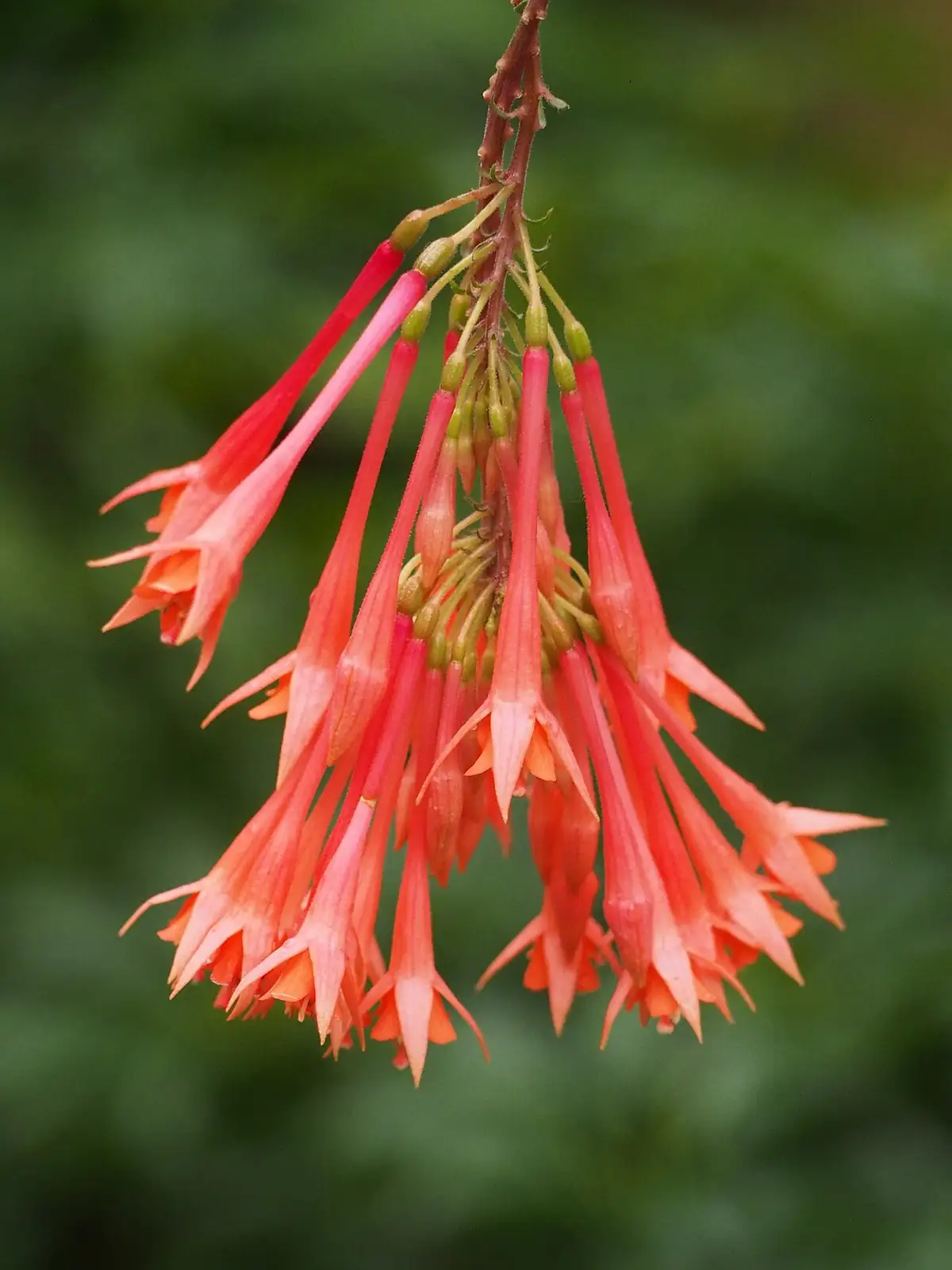
- Flower: Showy, pendulous, bell-like flowers that resemble tiny lanterns. Cultivated hybrids offer many color combinations and forms, including large-flowered, double, and bicolored varieties; the best display is when the flowers hang freely so they can be admired from below.
- Flowering Season: Often from late spring through autumn in mild, cool conditions; many plants also bloom strongly in cooler spells, such as late spring to early summer and again from late autumn into early winter when temperatures stay mild and bright.
- Growth Habit: Freely branching, graceful growth that can be mounding to arching or strongly trailing. Commonly used as a cascading pot plant or hanging basket specimen; it can also be trained as a standard. Older plants may become bare at the base and respond well to cutback pruning.
Environment
Sunlight
Bright light is ideal, with gentle direct sun (especially morning sun). Protect from harsh midday/afternoon sun in summer; during hot spells, move to bright shade and prioritize good airflow. Indoors, keep near a bright east- or south-facing window rather than a dim corner to reduce bud drop.
Temperature
Best growth is cool: about 15–22°C (59–72°F). Keep above 5°C (41°F) for steady growth; many growers aim for about 12–15°C (54–59°F) in late autumn and above 10°C (50°F) through winter indoors. Growth slows above 25°C (77°F), and prolonged heat around 35°C (95°F) can cause severe dieback or death. Some cultivars may tolerate brief light frost down to about -5°C (23°F), but most container fuchsias are safest treated as frost-tender.
Humidity
Enjoys evenly moist air and soil; higher humidity helps, especially in warm weather. Light misting can help cool the plant, but always pair humidity with ventilation to avoid fungal problems.
Soil
Use a fertile, moisture-retentive yet airy, well-drained mix—often peat/leaf-mould (or composted leaf mold) based, improved with perlite and/or coarse sand for drainage. The goal is steady moisture without waterlogging to prevent root rot.
Placement
Perfect for hanging baskets, balconies, patios, bright porches, and sunny windows (east/south). In summer heat, shift to a breezy, lightly shaded spot. If kept outdoors, protect from heavy rainwaterlogging and strong winds. Indoors, keep away from ripening fruit (ethylene gas can trigger bud drop).
Hardiness
Generally tender to half-hardy depending on cultivar. Most are not reliably frost-hardy in pots. Heat is the bigger enemy: prolonged warm conditions (especially hot nights) reduce flowering, and extreme heat near 35°C (95°F) can be fatal.
Care Guide
Difficulty
Moderate. Fuchsia rewards you when you nail the trio of bright light, cool temperatures, and even moisture. It’s sensitive to heat and can suffer in hot summers; it also dislikes soggy soil, especially when cool. Good airflow is important to prevent gray mold and rust. Feeding is helpful in active growth, but pause fertilizing during peak heat.
Buying Guide
Choose a compact, well-branched plant (trailing/cascading if that’s the style you want) with dense, deep green leaves and no spotting or yellowing. The best specimens have lots of buds and a few open, well-formed flowers (large, double, and bicolored cultivars are especially popular). Avoid plants that are bare at the base, sold bare-root, or not yet showing buds. After purchase, place it immediately in bright light and avoid dim rooms to reduce bud/flower drop; also keep it away from ripening fruit because fuchsia is sensitive to ethylene.
Watering
Aim for evenly moist soil—never bone-dry for long, and never waterlogged.
Spring: water when the surface dries (often about 2× per week to every 1–2 days depending on light and warmth); water thoroughly and let excess drain.
Summer: in heat, plants may semi-rest—keep the mix lightly moist (not soggy). Watering can be frequent (often every 1–2 days; some care routines suggest 3–4× per week in milder summers). Provide bright shade, mist to cool/raise humidity, and ensure strong ventilation. If outdoors, prevent standing water after rain.
Autumn: as temperatures drop, reduce watering (commonly around weekly, guided by how fast the surface dries); slightly drier conditions can help extend flowering.
Late autumn to winter: move to a bright indoor spot and water about once per week, keeping the plant cool but above about 5–10°C (41–50°F) depending on growth goals.
Fertilization
During active growth, feed about every 2 weeks with a balanced-to-blooming fertilizer (often around 15-15-30) or a well-diluted organic liquid feed. Reduce or pause feeding during hot summer weather (when growth stalls), and avoid overfeeding right before peak flowering if it produces lots of leaves but fewer blooms.
Pruning
Pinch young plants 2–3 times to build a full basket: first pinch when there are ~3 pairs of leaves (cut back to above the second pair), then pinch again after new shoots make 3–4 pairs of leaves. Many growers keep about 5–7 strong main branches and remove thin or weak shoots. Deadhead to encourage more buds. After a flush of flowering, shorten overly long stems. If the plant becomes bare at the base, hard-prune to rejuvenate. In summer heat, a partial cutback (about 1/3–1/2) can help the plant rest and rebound when temperatures cool.
Propagation
Very easy from cuttings. Take soft tip cuttings in spring or semi-ripe cuttings in late summer, typically 7–9 cm (2.8–3.5 in) long. Remove lower leaves, place into a moist rooting medium (or even water), and keep warm-but-cool and bright. Roots may form in about ~10 days; pot up around ~30 days, and many cuttings can flower the same year. Seed sowing is also possible in spring or autumn; germination is best around 15–24°C (59–75°F) and often occurs in ~2 weeks, with spring-sown plants commonly flowering the following year.
Repotting
Repot annually in spring. A common setup is a 15 cm (6 in) pot with 2–3 plants for a fuller display, using a rich but free-draining mix (peat/leaf mold base with perlite and/or coarse sand). Combine repotting with a light to hard cutback to refresh growth.
📅 Seasonal Care Calendar
Spring: repot; pinch to branch; keep in bright light; water as the surface dries (often every 1–2 days to ~2× weekly depending on conditions); feed every 2 weeks.
Summer: protect from heat and harsh sun; keep lightly moist with frequent watering as needed; mist for cooling/humidity; maximize airflow; stop fertilizing during peak heat; optional 1/3–1/2 cutback to encourage a rest.
Autumn: reduce watering as temperatures drop; cooler conditions often improve flowering; seed sowing is possible.
Late autumn: bring indoors to bright light; aim for about 12–15°C (54–59°F) for continued performance.
Winter: keep above about 5–10°C (41–50°F) depending on whether you want steady growth; water about weekly and avoid soggy soil.
Pests, Diseases & Safety
Common Pests & Diseases
Common diseases include gray mold (Botrytis) and rust, especially in cool, damp, poorly ventilated conditions. Prevention is mostly about airflow: space plants, remove dead flowers/leaves promptly, and avoid wetting foliage and blooms late in the day. Common pests include aphids, spider mites, and whiteflies—treat early with insecticidal soap or horticultural oil (or a targeted control), repeating as needed.
Toxicity
Generally considered low-toxicity for people and pets, but chewing or ingestion can still cause mild stomach upset. It’s wise to keep it away from pets that like to nibble.
Culture & Symbolism
Symbolism: Often associated with playful charm, fascination, and curiosity—those dangling blooms feel like nature’s little “bells.” In some traditions it’s also linked to a gentle sense of caution or a “warning bell,” while in parts of Europe it can symbolize fondness and enthusiasm.
History & Legends: Fuchsias are native to the Americas (with many species from Central and South America), and the modern pot and basket plants are largely the result of long-term hybrid breeding. The sheer diversity of today’s cultivars is a living story of gardeners selecting for bigger blooms, richer color, and better trailing form.
Uses: Primarily ornamental—especially for hanging baskets, window boxes, patios, balconies, and bright indoor displays where the pendulous flowers can be admired from below.
FAQ
Why do my fuchsia’s leaves and stems wilt or die back in summer?
Heat stress is the top culprit. Above about 25°C (77°F) fuchsia slows down, and prolonged heat near 35°C (95°F) can cause severe dieback. Move it to bright shade, keep the mix lightly and evenly moist (never soggy), raise humidity a bit, and maximize airflow.
How do I choose a good fuchsia, and where should I put it after bringing it home?
Pick a full, well-branched plant with deep green leaves, plenty of buds, and a few open flowers—avoid bare bases and yellow/spotted foliage. Place it immediately in bright light (morning sun is great), avoid dim rooms, and keep it away from ripening fruit because ethylene gas can trigger bud drop.
Why does my fuchsia yellow and drop buds/flowers in summer?
Hot, humid weather (especially warm nights) commonly causes yellowing and bud/flower drop. Shift the pot to a breezy bright-shade spot, keep moisture steady, and if it’s really struggling, cut it back by about 1/3–1/2 to help it rest and regrow when temperatures cool.
Fun Facts
- Fuchsias have been bred into thousands of cultivars, including doubles and dramatic bicolors.
- They’re a classic hanging-basket plant because the flowers are designed to be viewed from below.
- Fuchsia is sensitive to ethylene gas—keeping it away from ripening fruit can noticeably reduce bud drop.
- Pinching early in the season is one of the simplest ways to get a fuller plant and a bigger flower show.
- Cuttings root fast; under good conditions, you can pot up rooted cuttings in about 30 days and often get flowers the same year.