Plant Features
- Size: Typically 60–120 cm (2–4 ft) tall; flowering stems commonly reach 1–2 m (3.3–6.6 ft) and can sometimes be taller. Clumps arise from a basal rosette, with one to several upright spikes.
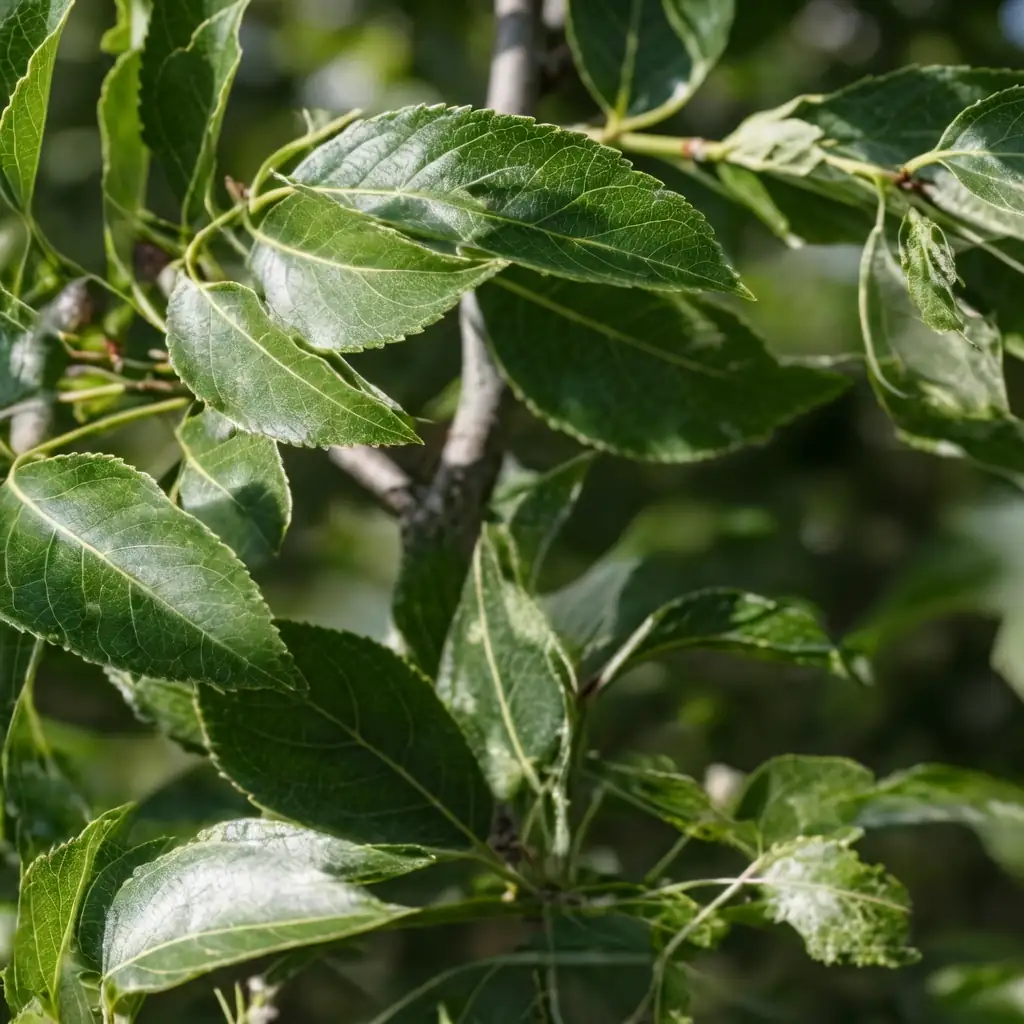
- Foliage: Leaves are simple and spirally arranged, typically 10–35 cm (4–14 in) long and 5–12 cm (2–4.7 in) wide. They’re gray-green to green and covered in fine, gray-white hairs (often giving a woolly feel). Basal leaves form a ground-hugging rosette with prominent veins that create a quilted texture; leaf shapes range from ovate to lanceolate with subtly toothed edges. Petioles may be winged and can reach about 15 cm (6 in) long.
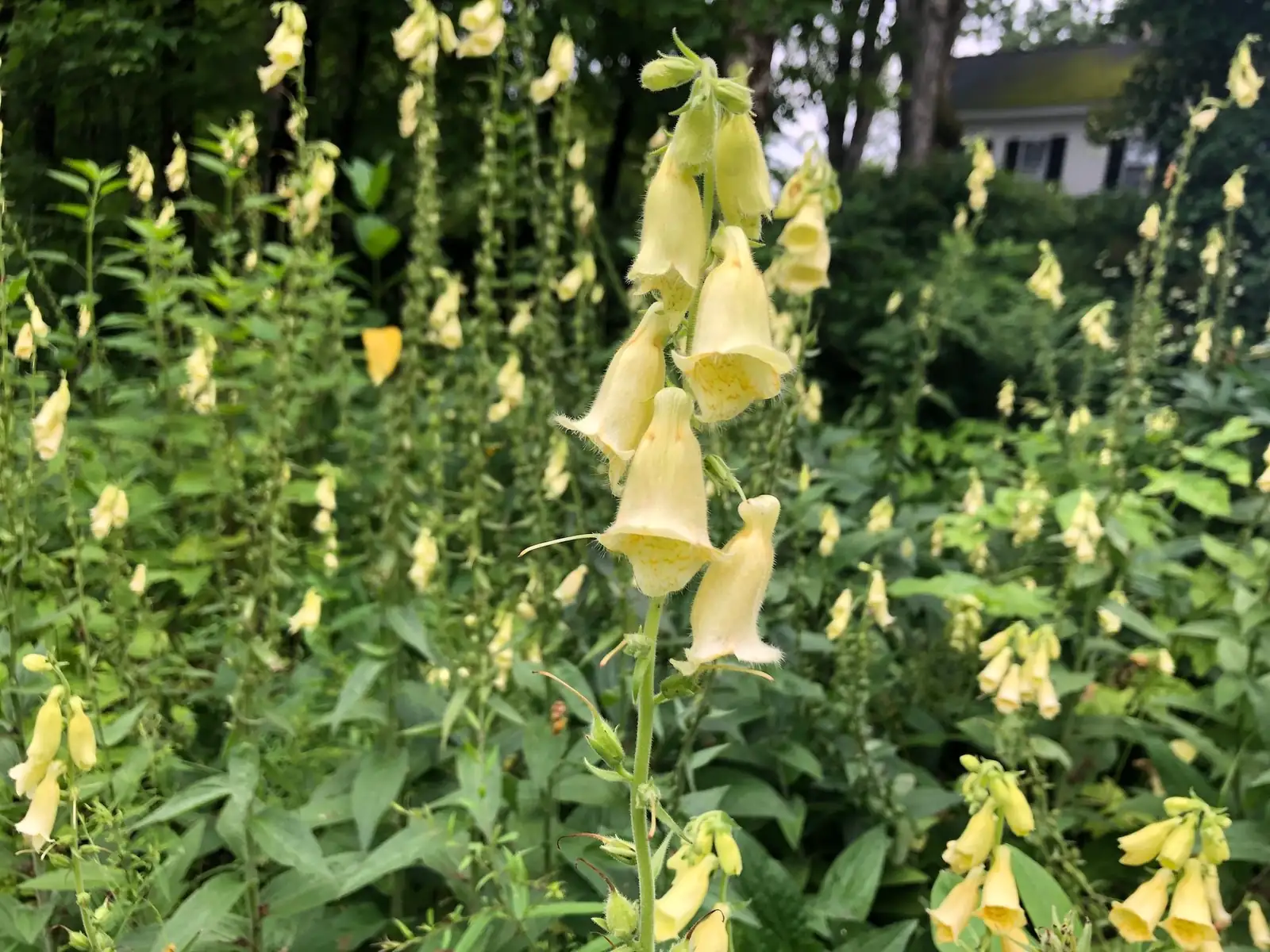
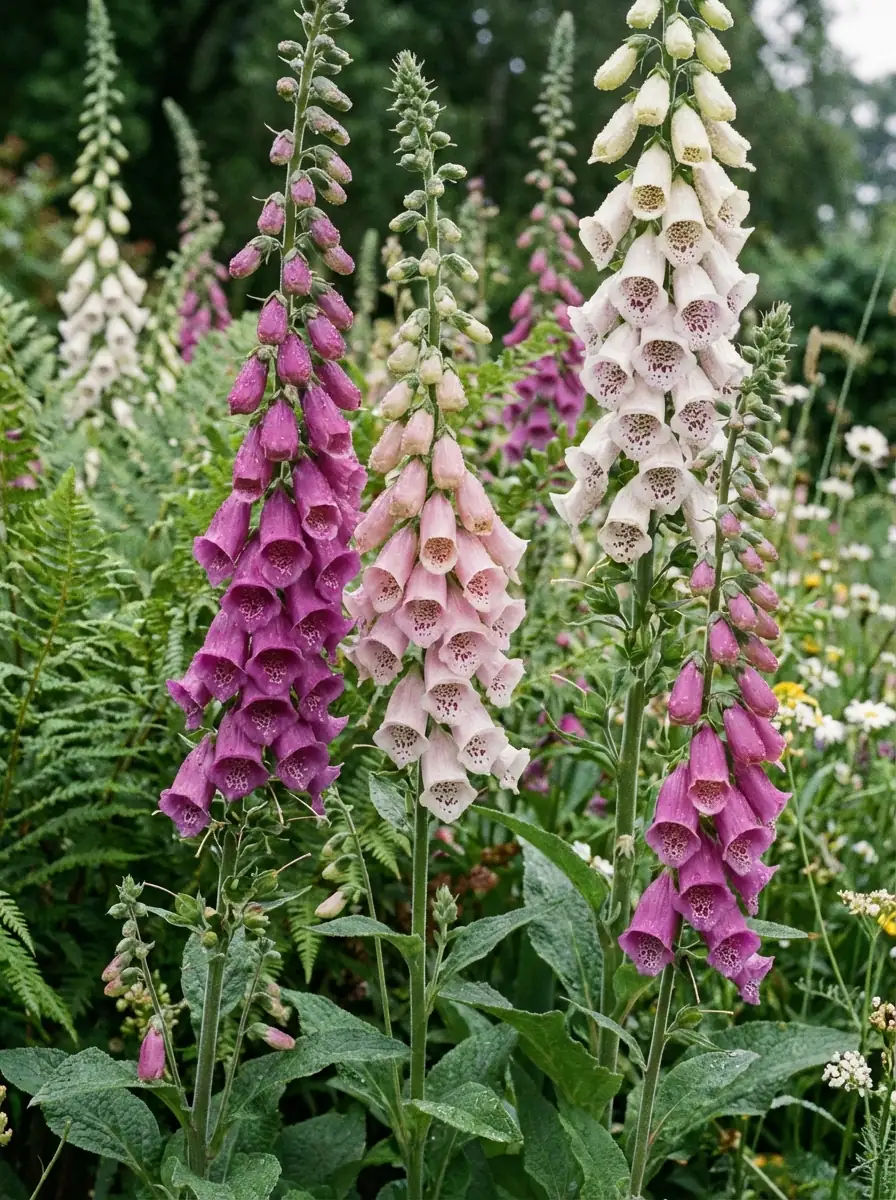
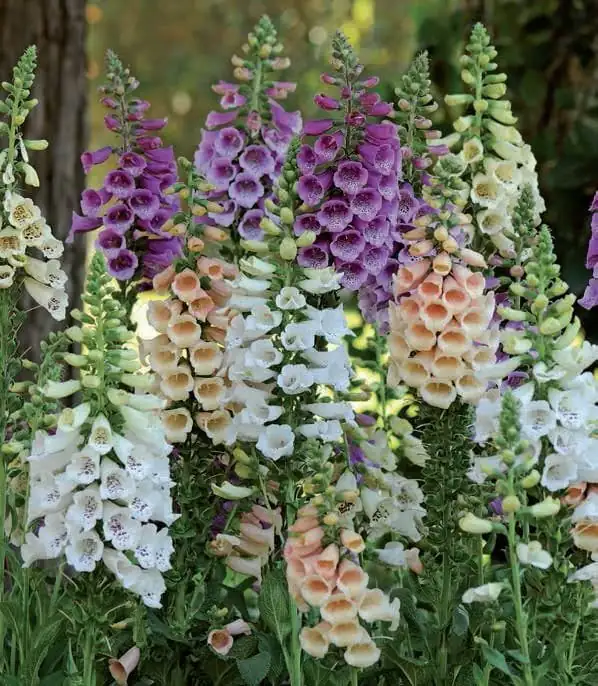
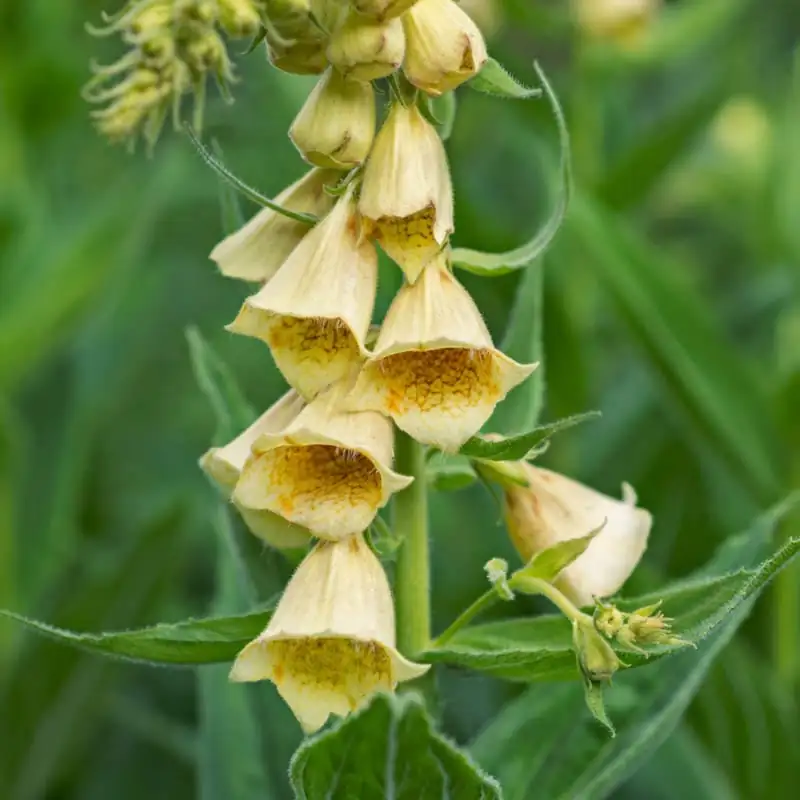
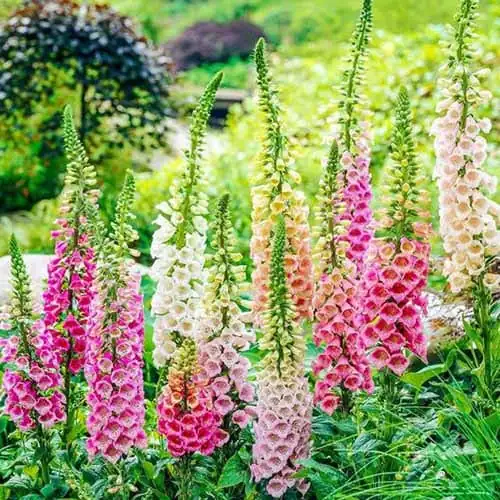
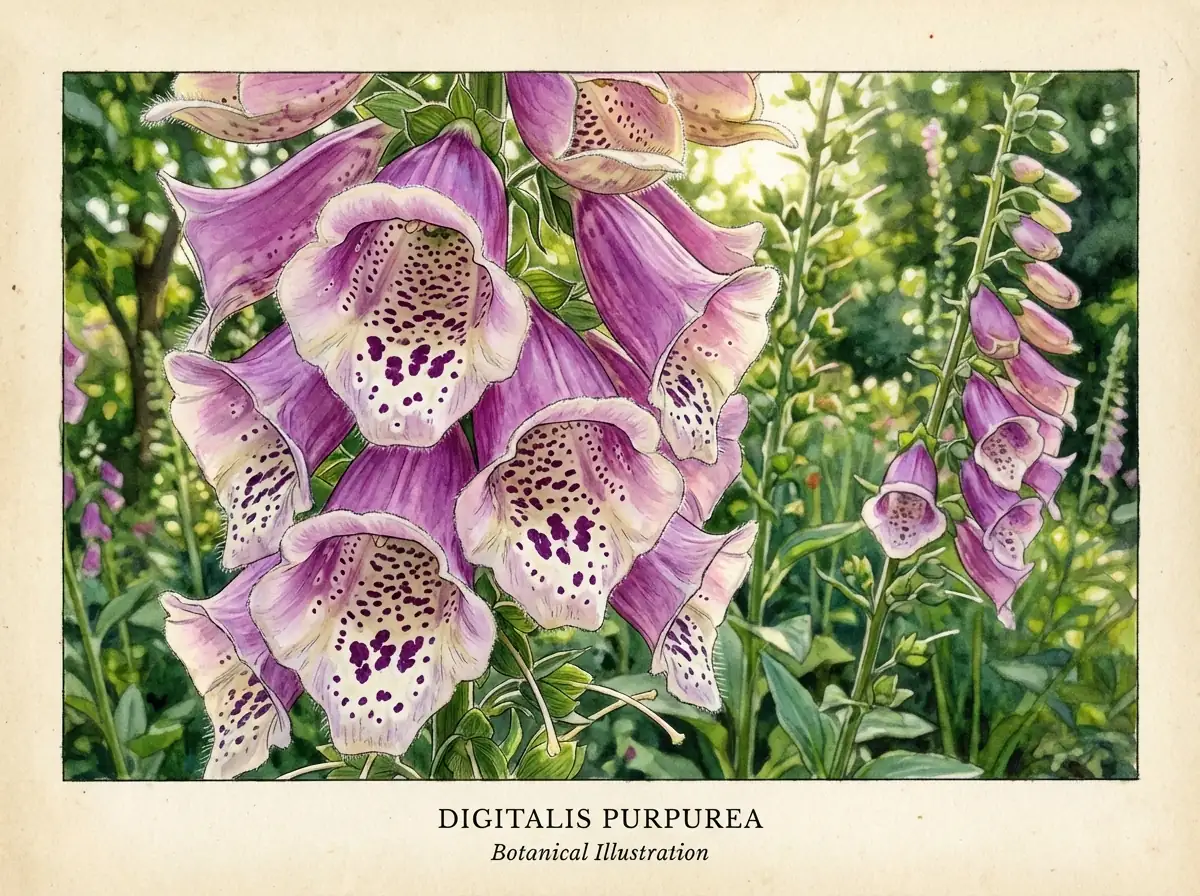
- Flower: Long racemes of downward-facing, tubular bell flowers about 2.5–5 cm (1–2 in) long. Colors most often run purple to pink, but white and yellow forms occur, especially in cultivars. The interior typically shows bold spotting—dark purplish marks often edged in pale tones—plus fine hairs inside the tube. In wild plants, flowers often line one side of the stem, while many cultivated selections carry blooms more evenly around the spike. Calyx is bell-shaped and deeply 5-lobed, about 1 cm (0.4 in) long.
- Flowering Season: Early summer into late summer—commonly June to September in much of its native range; often May to June in cultivation. Cutting the main stalk after bloom can sometimes prompt additional flowering stems later.
- Growth Habit: Usually biennial: a basal leaf rosette in year one, then tall, upright flowering spikes in year two. It can behave as a short-lived perennial in favorable conditions and readily self-seeds to maintain a presence in the garden.
Environment
Sunlight
Best in partial shade to dappled light, especially in warmer climates. It can tolerate full sun where summers are mild, but appreciates afternoon shade in heat.
Temperature
Prefers cool to mild conditions; dislikes sustained hot weather. Often grows best around 12–19°C (54–66°F), with ideal nights around 12–16°C (54–61°F). Generally hardy in USDA Zones 4–9, tolerating cold to about -15°C (5°F) when established.
Humidity
Enjoys evenly moist conditions with good airflow. It likes moisture but not soggy soil; reduce watering when humidity is high to limit fungal issues.
Soil
Fertile, well-draining soil rich in organic matter is ideal. Slightly acidic to neutral pH around 6.0–7.0 suits it well. It can cope with loam, sand, or clay provided drainage is good.
Placement
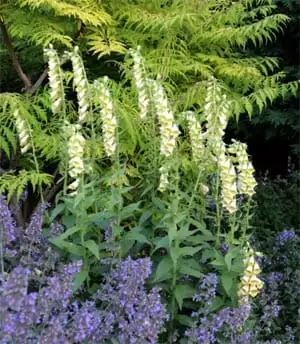
A natural fit for mixed borders, cottage gardens, woodland and shade gardens, and along paths where the flower spikes can be admired up close (but out of reach of kids and pets). Works well planted in drifts for a “storybook” look, and can also be grown in containers with consistent moisture and good drainage.
Hardiness
USDA Zones 4–9; generally not a fan of extreme heat. Wild populations can occur at higher elevations (about 1200–1800 m / 3,900–5,900 ft).
Care Guide
Difficulty
Low to moderate. It’s quite cooperative once established, but it does best with consistent moisture, reasonable fertility, and good airflow to prevent mildew.
Buying Guide
Choose sturdy plants with fresh, unblemished foliage and no signs of pests (like aphids) or disease (like mildew). If buying seed, note that many mixes offer a range of flower colors; named cultivars often have denser, tidier spikes and more predictable bloom timing.
Watering
Keep soil evenly moist, especially during the first growing season and during active growth. A practical rule: water when the top 1–2 cm (0.4–0.8 in) of soil feels dry. In spring and fall this may mean watering about every 3–5 days (adjust for weather); in hot spells, water more consistently (morning is ideal). Avoid waterlogged soil to prevent root rot, and ease back in winter.
Fertilization
Responds well to moderate feeding. Use a balanced slow-release fertilizer in spring, or a balanced liquid feed about every 4–6 weeks during the growing season. While some production-style guidance uses higher, continuous nitrogen feeding, garden plants typically do best with steady but not excessive fertility—too much nitrogen can mean lush leaves with fewer flowers. In poorer soils, amend with compost and feed a bit more regularly.
Pruning
Deadhead spent flowers to extend bloom and reduce heavy self-seeding. If you’d like it to naturalize, leave some spikes to set seed. After flowering, remove tired stalks and ragged foliage. Tall plants may need staking in exposed sites.
Propagation
Most commonly grown from seed. Sow late summer to early fall for classic biennial flowering the next year, or late winter to early spring for longer-season growth (some modern cultivars can bloom the first year). Seeds need light to germinate—press onto the surface or cover very lightly (about 0.6–1 cm / 0.25–0.4 in). Germination typically takes 2–3 weeks at about 10–15°C (50–60°F). Thin or space plants to around 45 cm (18 in) apart. Some perennial-leaning types can also be divided in early spring or fall, and a few can be increased by basal cuttings/side shoots in early spring. Self-seeds readily when happy.
Repotting
Repot container-grown plants when roots fill the pot, using fresh, well-draining mix enriched with organic matter. Don’t reuse tired, disease-prone old potting soil.
📅 Seasonal Care Calendar
Spring: transplant seedlings, begin light feeding, keep evenly moist; divide perennial forms if applicable. Summer: enjoy flowering, deadhead or leave seed spikes depending on whether you want self-seeding; provide afternoon shade in hot climates; monitor for aphids and mildew. Fall: sow seed for next year’s plants; tidy and mulch lightly in colder areas. Winter: reduce watering, protect crowns in severe cold, and avoid soggy soil.
Pests, Diseases & Safety
Common Pests & Diseases
Watch for powdery mildew (white, dusty coating on leaves—improve airflow, avoid overhead watering, and treat if needed) and root rot from poor drainage. Aphids can cluster on new growth and buds (rinse off, use insecticidal soap/neem, or encourage ladybugs). Slugs and snails may chew young leaves. Japanese beetles can skeletonize foliage where present. A specialist insect, the foxglove pug moth (Eupithecia pulchellata), may feed on flowers in some regions. Deer and rabbits usually avoid foxglove because it’s poisonous.
Toxicity
Highly toxic to humans and animals (including dogs, cats, and livestock). All parts—leaves, flowers, seeds, and roots—contain cardiac glycosides (notably digitoxin and digoxin) that can seriously disrupt heart rhythm. Ingestion may cause nausea, vomiting, diarrhea, dizziness, weakness, irregular heartbeat, seizures, and can be fatal. Sap/plant compounds may irritate skin and can be absorbed more easily through cuts—wear gloves when handling, wash hands afterward, and plant it where children and pets can’t access it.
Culture & Symbolism
Symbolism: Often associated with secrecy, riddles, and a touch of mischief—yet also with healing and protection, capturing the plant’s famous “beauty with danger” duality.
History & Legends: Foxglove is steeped in European folklore, reflected in its many poetic names. One popular tale says fairies gave the flowers to foxes as “gloves” to soften their footsteps. The genus name Digitalis comes from Latin digitus (“finger”), a nod to the finger-like shape of its blossoms. In medical history, William Withering’s 18th-century work helped establish foxglove-derived compounds for treating dropsy and certain heart conditions—powerful medicine that demands precision, because the line between helpful and harmful is thin.
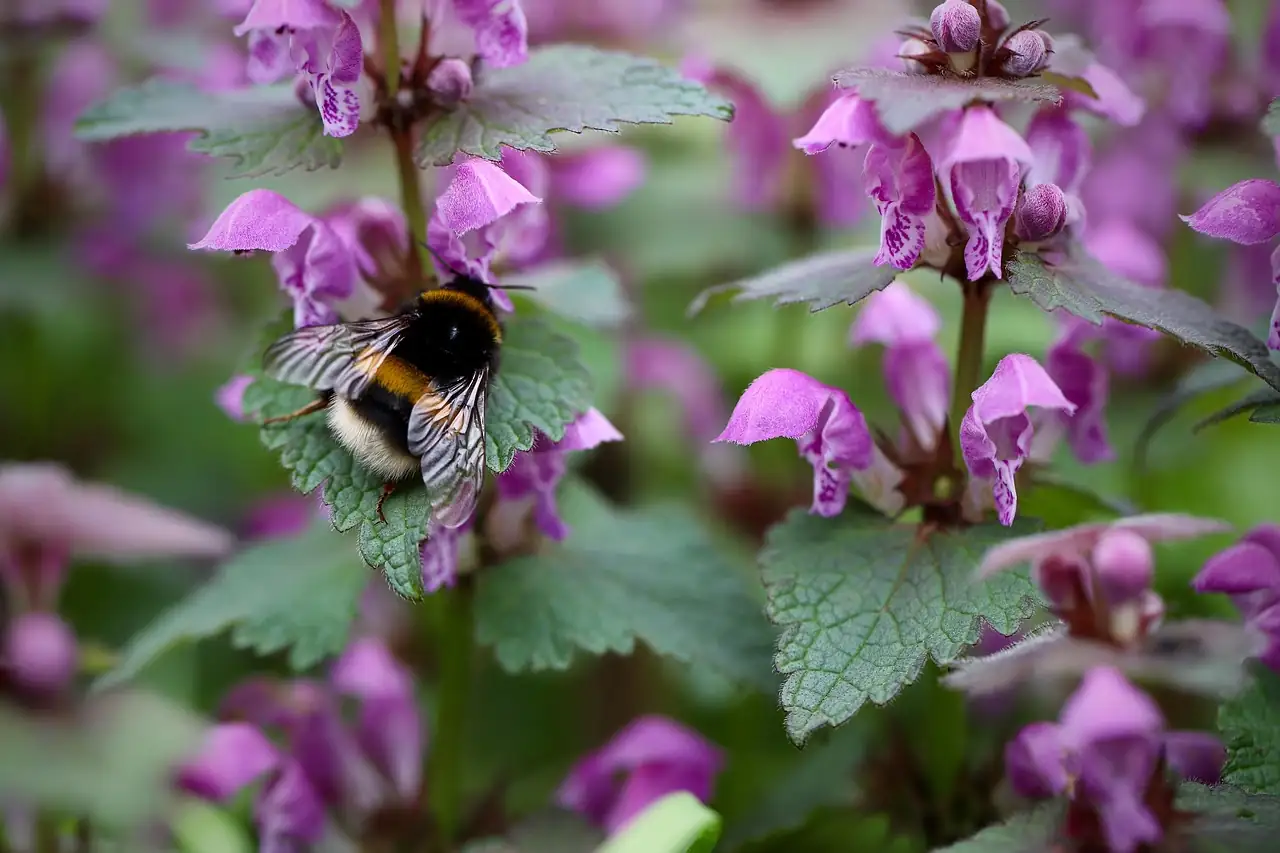
Uses: Grown primarily as an ornamental for its vertical flower spires in cottage, woodland, and mixed-border plantings (and sometimes as a cut flower). Ecologically, it’s a magnet for pollinators—especially bumblebees that push deep into the tubes guided by the spotted “nectar map.” Medicinally, compounds from Digitalis have been used in regulated pharmaceutical preparations for heart conditions, but home use or self-medication is strongly discouraged due to extreme toxicity and the narrow therapeutic window.
FAQ
Will foxglove bloom in the first year?
Classic Digitalis purpurea usually behaves as a biennial—leaf rosette the first year, flowers the second. Some modern cultivars (such as ‘Foxy’ and the ‘Dalmatian’ series) can bloom from seed in the first year under good conditions.
Does foxglove prefer sun or shade?
It’s happiest in partial shade or dappled light. In cooler summer climates it can take more sun, but in hot areas it appreciates afternoon shade to prevent stress.
Is it dangerous to touch foxglove?
Casual contact is usually not an emergency, but the plant is poisonous and compounds can be absorbed more readily through cuts or sensitive skin. Wearing gloves and washing hands after handling is a smart habit.
How do I stop foxglove from spreading everywhere?
Deadhead most spikes after flowering so fewer seeds drop, and pull unwanted seedlings in spring. If you want a naturalized look, leave a few spikes to set seed.
When is the best time to plant foxglove?
Sow seed in late summer to early fall for traditional biennial flowering the next year, or sow in late winter to spring for earlier establishment. Transplant young plants in spring or fall when temperatures are mild.
Fun Facts
- The name Digitalis comes from Latin for “finger,” because the blooms look like tiny finger cots.
- The spotted interiors act like landing lights and nectar guides for bumblebees.
- A single plant can produce an enormous amount of seed (often cited as up to 1–2 million), which is why it can pop up so readily in disturbed soil.
- Wild foxglove spikes often carry flowers mainly on one side, while many garden cultivars bloom all around the stem for a fuller look.
- Foxglove has a long (and dramatic) relationship with medicine: the same chemistry that can save lives in controlled doses can be deadly if misused.