

Plant Features
- Size: Typically 1–2 m (3.3–6.6 ft) tall in cultivation; usually forms a dense, upright shrub.
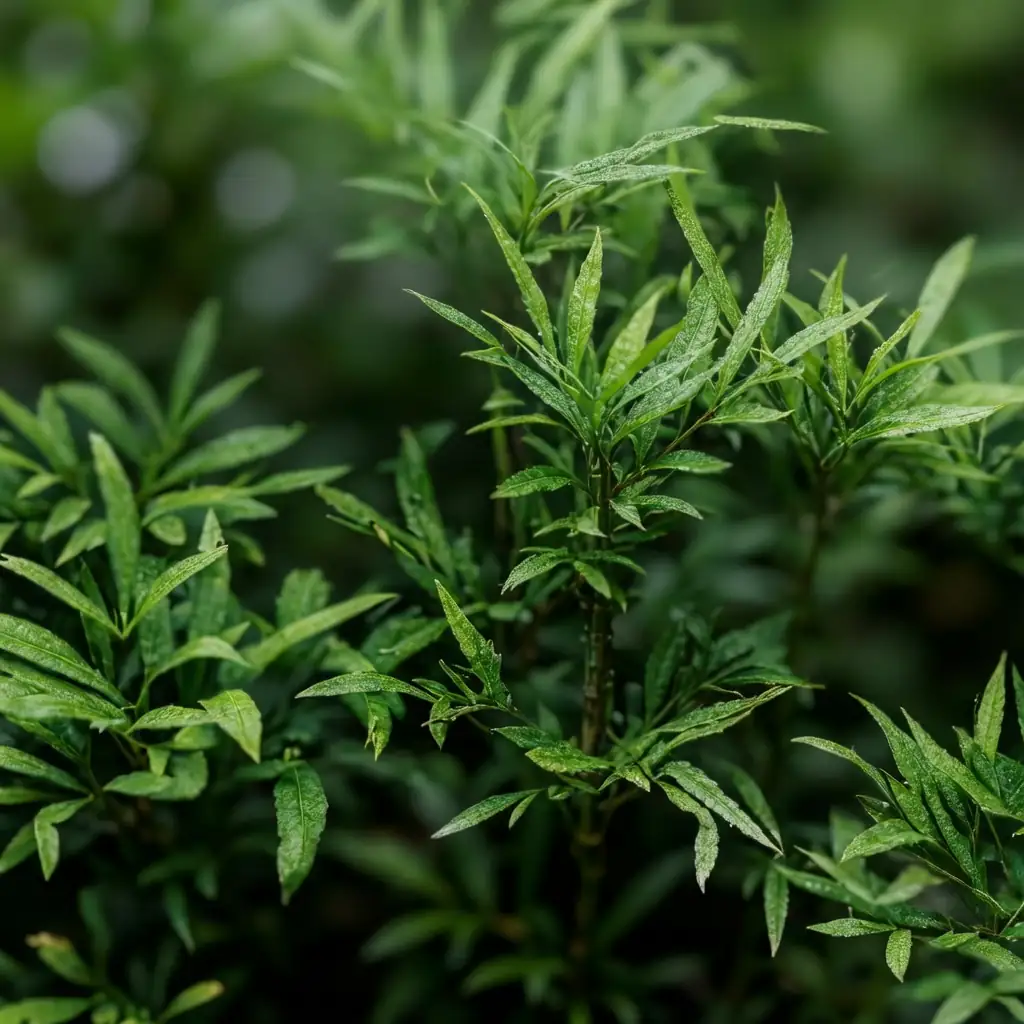
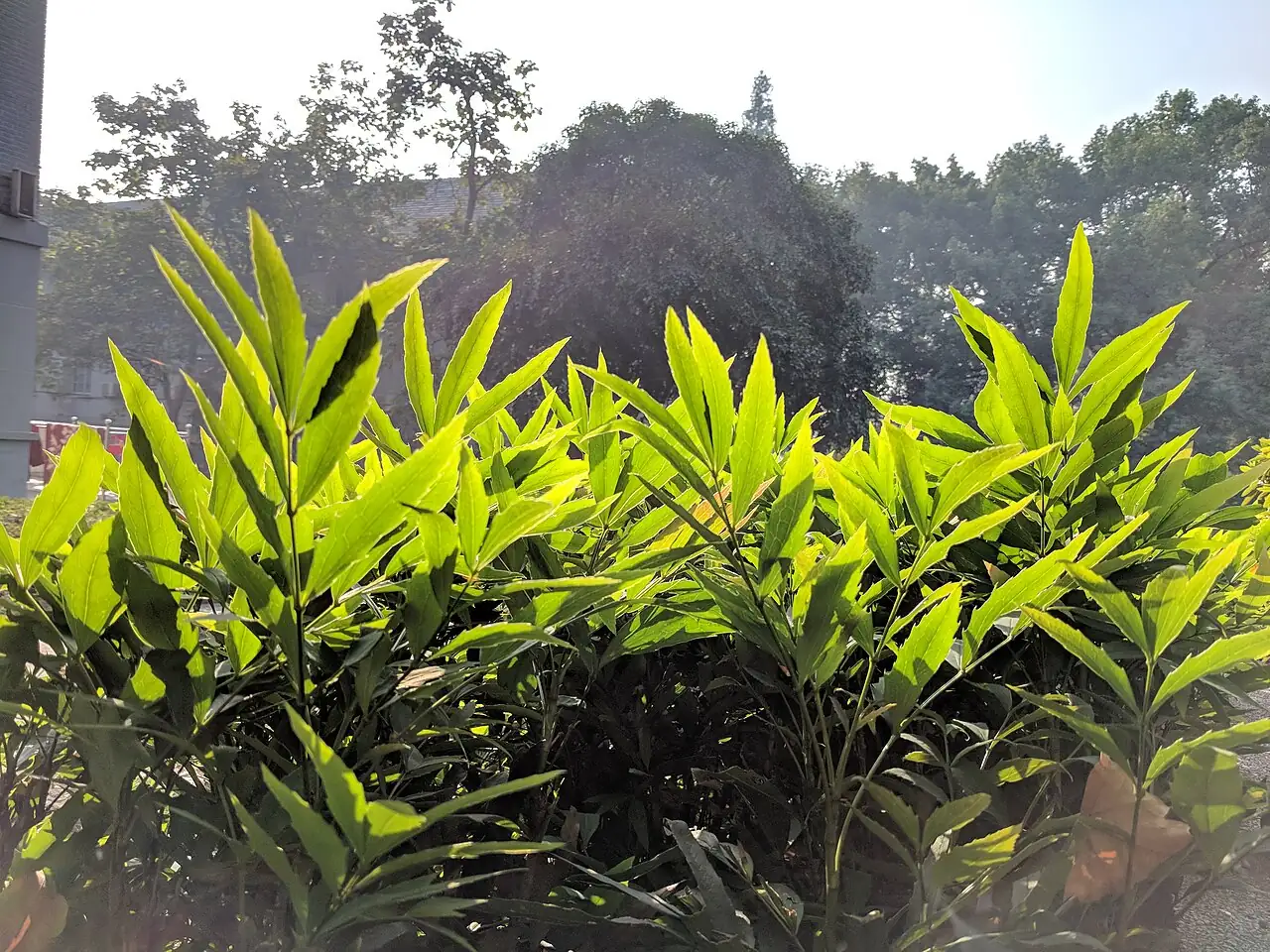
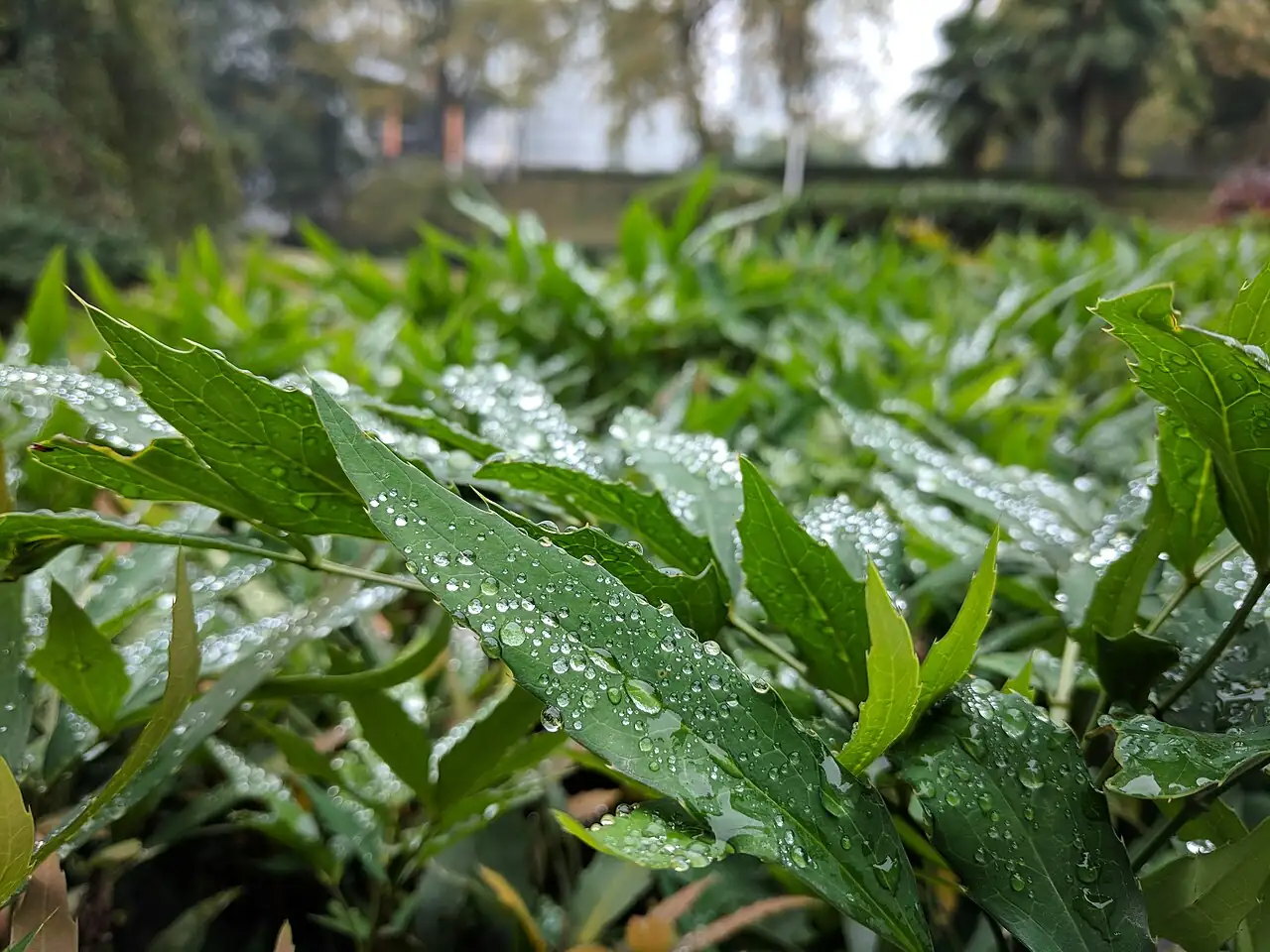
- Foliage: Evergreen, pinnate leaves with 5–9 narrow, lance-shaped leaflets. Leaflets are about 5–11 cm (2–4.3 in) long, with roughly 6–13 sharp spines/teeth on each side; leaflet stalks are very short or nearly absent. Bark is gray, and the inner wood is notably yellow.
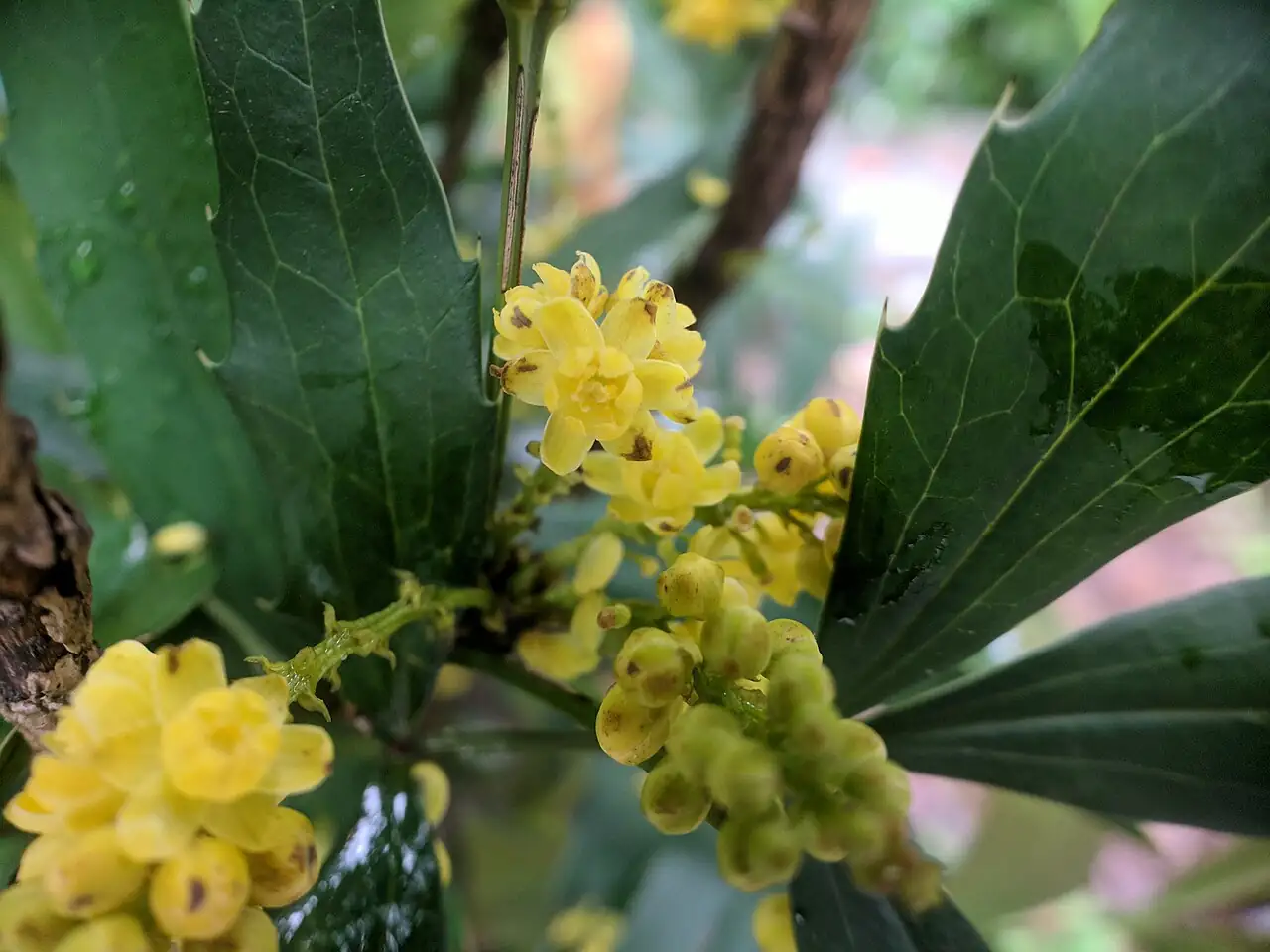
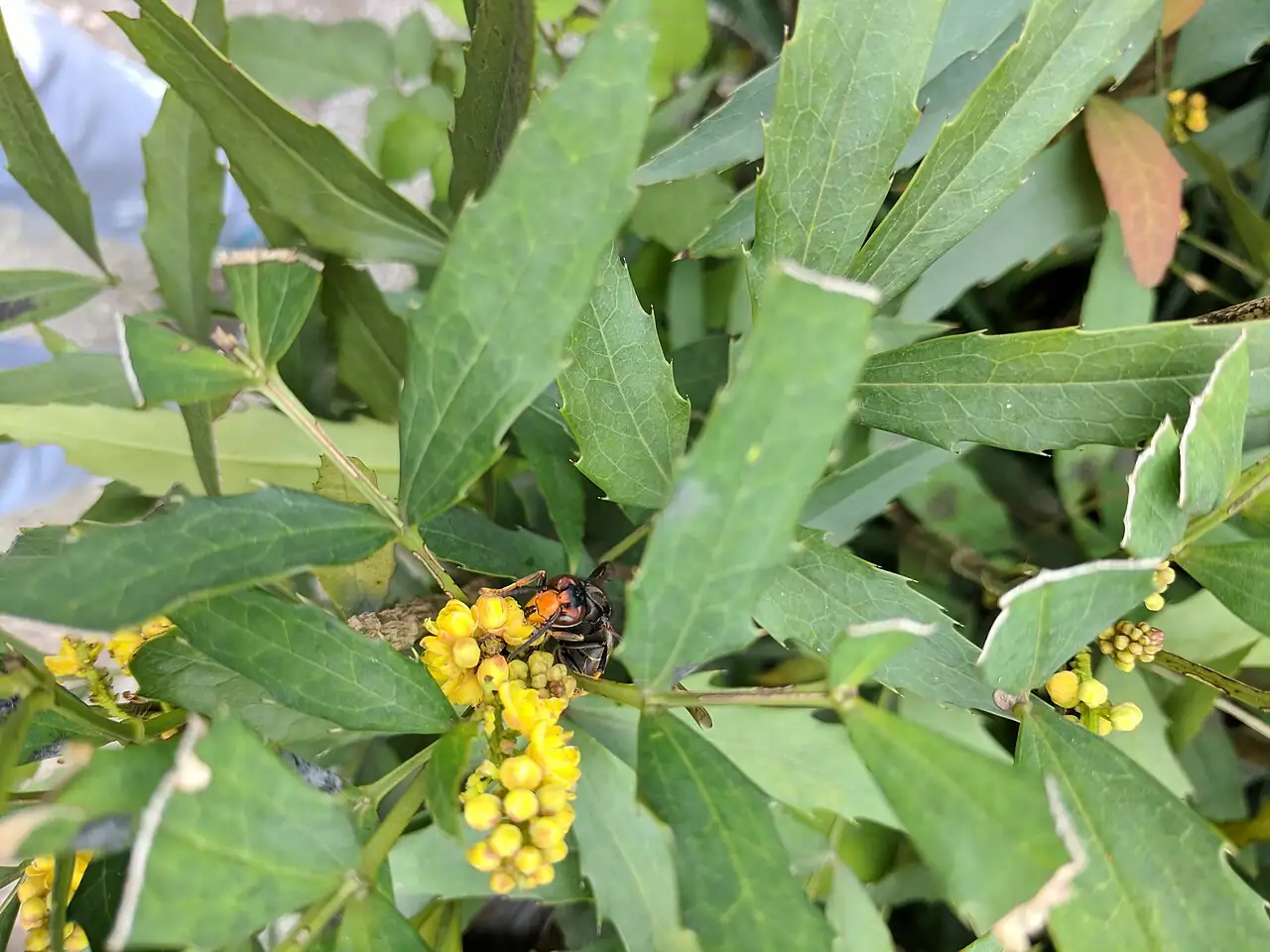
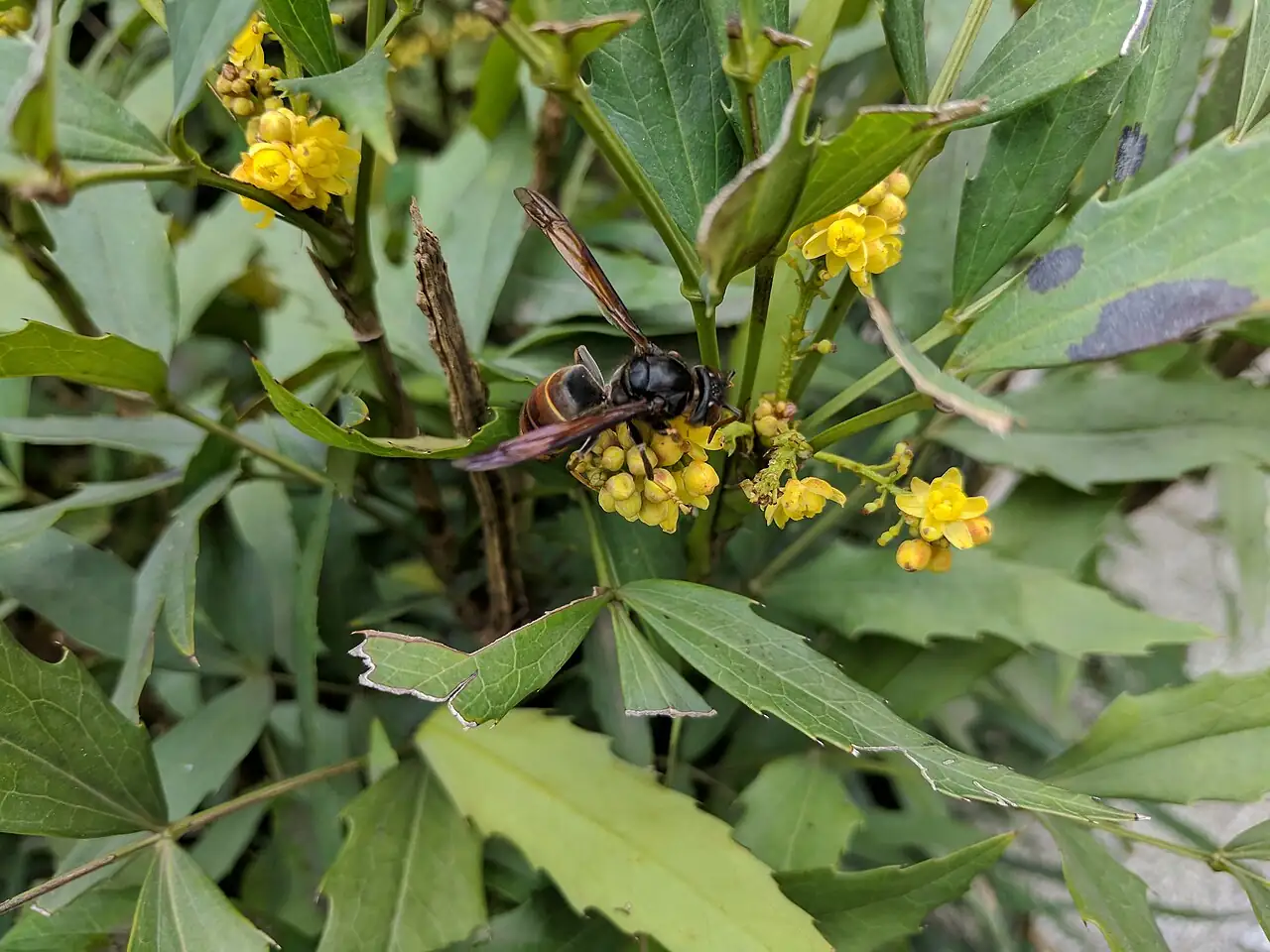
- Flower: Bright yellow flowers carried in clustered racemes; often several racemes (commonly 4–8) appear together on a flowering stem, creating showy, upright flower clusters.
- Flowering Season: July–September
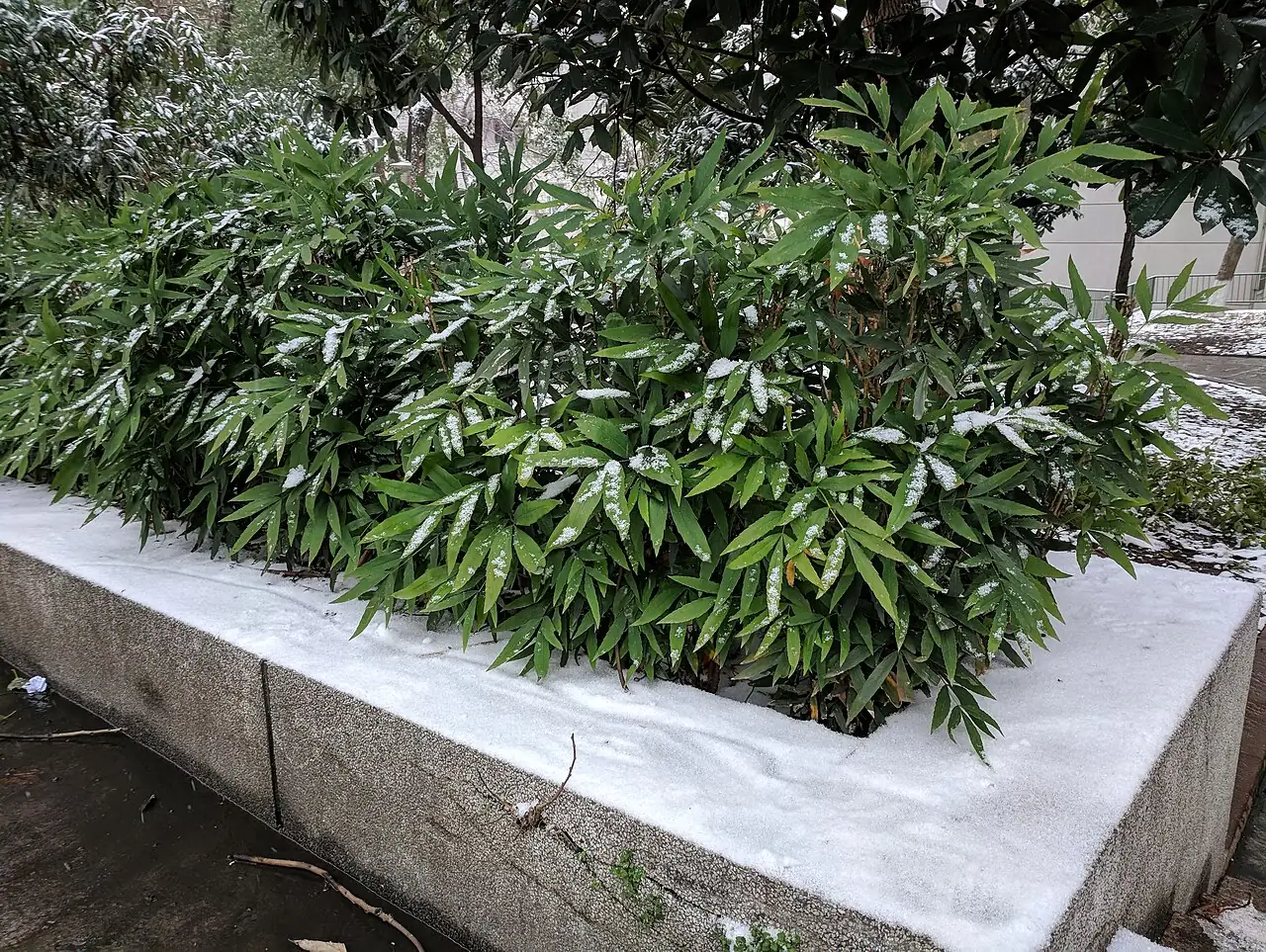
- Growth Habit: Evergreen, upright, densely branching shrub; robust and adaptable. Naturally shade-loving, it performs best in filtered light and can scorch in intense sun. Moderately cold-tolerant and relatively drought-tolerant once established.
Environment
Sunlight
Partial shade to full shade outdoors; bright, indirect light indoors. Avoid harsh midday sun, which can scorch foliage.
Temperature
Grows best around 15–27°C (59–81°F). Established plants tolerate cooler weather, but protect from severe freezes and cold, drying winds.
Humidity
Prefers moderate humidity but adapts well to average household levels; very hot, dry air can encourage spider mites.
Soil
Well-drained, humus-rich soil kept evenly moist but never waterlogged; a slightly acidic to neutral mix works well.
Placement
Indoors near a bright window with filtered light; outdoors in shaded courtyards, along paths as a low hedge, or nestled among rocks/crevices in a rock garden.
Hardiness
Often grown in USDA Zones 7–10 (approx.), depending on local winter severity. Protect from hard frost, especially when young or container-grown.
Care Guide
Difficulty
Easy to moderate. It’s forgiving of shade and brief dryness, but looks best with steady moisture, good drainage, and protection from strong sun.
Buying Guide
Pick plants with glossy, deep-green foliage and firm stems. Avoid severe leaf scorch (brown, crispy edges), obvious scale or mealybugs, and pots that smell sour or stay soggy—signs of poor drainage and potential root trouble.
Watering
Water thoroughly when the top 2–5 cm (1–2 in) of soil is dry. In winter, water less often, but don’t let the root ball dry out completely. Always use a pot with drainage; standing water can lead to root rot.
Fertilization
Feed in spring and summer with a balanced fertilizer at a diluted strength every 4–6 weeks. Reduce or stop feeding in autumn and winter.
Pruning
After flowering or in early spring, remove dead or weak stems and lightly shape. To rejuvenate older shrubs, cut a few of the oldest stems back to the base (rather than shearing everything at once).
Propagation
Semi-ripe cuttings in summer are reliable. Seeds can be sown fresh after cleaning, though germination may be slow. Where basal shoots occur, division can also work.
Repotting
Repot every 2–3 years (or when rootbound) in spring, moving up to a container 2–5 cm (1–2 in) wider and refreshing with a free-draining mix.
📅 Seasonal Care Calendar
Spring: repot if needed, start feeding, tidy/prune lightly. Summer: keep evenly moist, protect from hot sun, enjoy flowering. Autumn: berries develop; reduce fertilizer. Winter: water sparingly; protect outdoor plants from hard frost and keep indoor plants away from hot, drying heaters.
Pests, Diseases & Safety
Common Pests & Diseases
Can attract scale insects, mealybugs, aphids on soft new growth, and spider mites in hot, dry air. Root rot is the main risk in heavy or waterlogged soil. Improve airflow, avoid overwatering, and treat pests with insecticidal soap or horticultural oil as needed.
Toxicity
Not typically considered highly toxic, but berries or plant parts may cause gastrointestinal upset if eaten by people or pets. Best kept out of reach; seek medical/veterinary advice if ingestion occurs.
Culture & Symbolism
Symbolism: Often linked with resilience and protection—fitting for a plant with tough evergreen leaves and spiny margins.
History & Legends: A Chinese native long valued in gardens for dependable year-round structure, shade tolerance, and the seasonal change from yellow blooms to dusky blue fruit.
Uses: Mainly ornamental. Grown for its evergreen, architectural foliage in containers (including bright, indirect indoor positions) and outdoors in shaded courtyards, rock gardens, and as a low hedge or foundation shrub.
FAQ
When does it flower?
Typically July–September, producing bright yellow racemes.
When does it fruit?
Usually September–November; berries are blue-black and often look slightly frosted from a natural waxy coating.
How tall does it grow?
Commonly about 1–2 m (3.3–6.6 ft), depending on conditions and pruning.
Where is it native to?
South-central and southeastern China, including Guangxi, Sichuan, Guizhou, Hubei, Jiangxi, and Zhejiang.
Can it be grown indoors?
Yes—give it bright, indirect light, good drainage, and careful watering (avoid soggy soil).
Fun Facts
- Its gray bark hides distinctly yellow inner wood.
- The “frosted” look on the berries comes from a natural waxy bloom.
- Each leaflet typically carries sharp spines along the edges—often 6–13 per side.
- Narrowleaf forms are especially popular because the foliage looks refined and architectural.
- Flower clusters are often made up of multiple racemes grouped on the same stem, so a single plant can look surprisingly showy in bloom.


