Plant Features
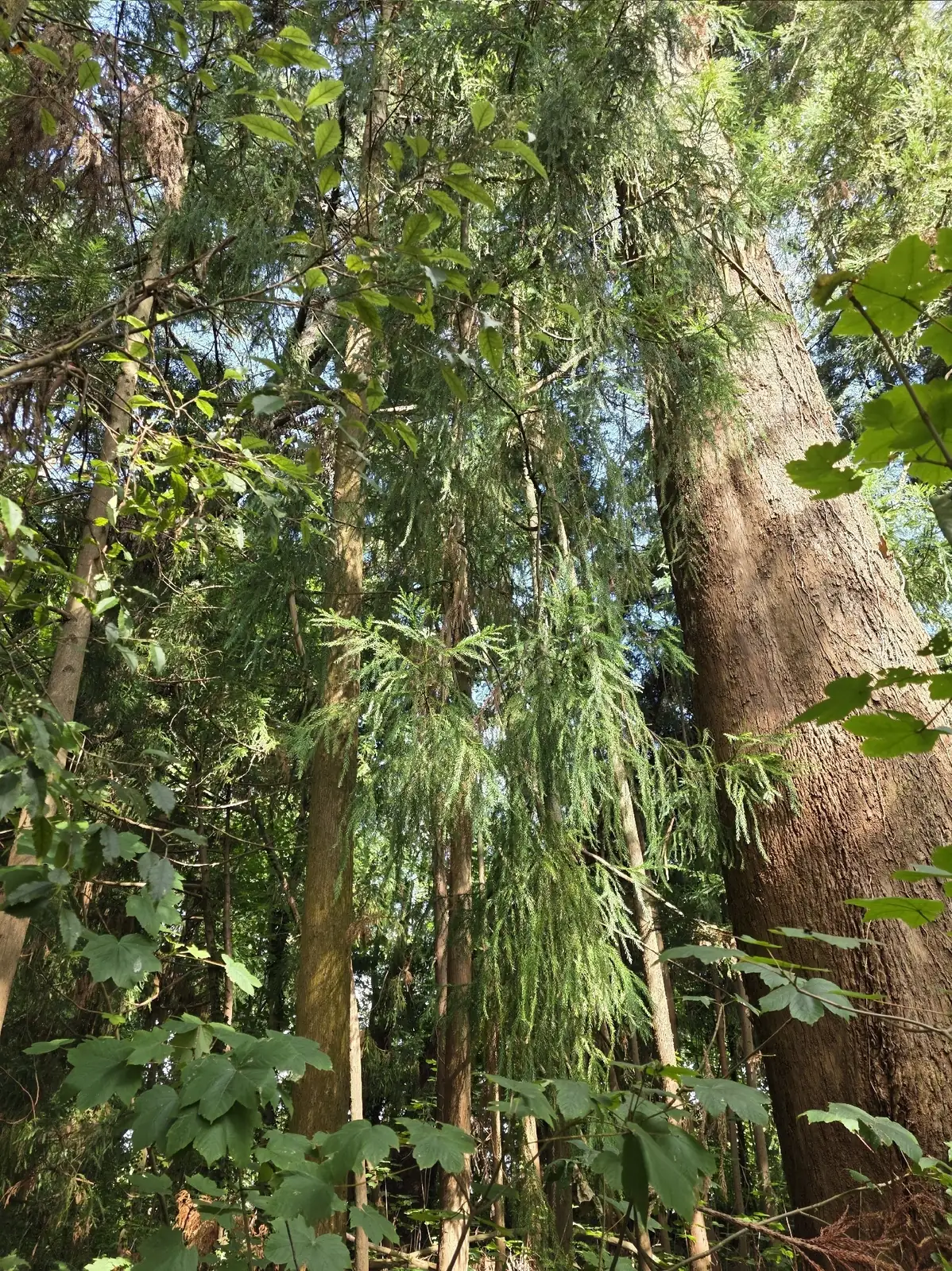
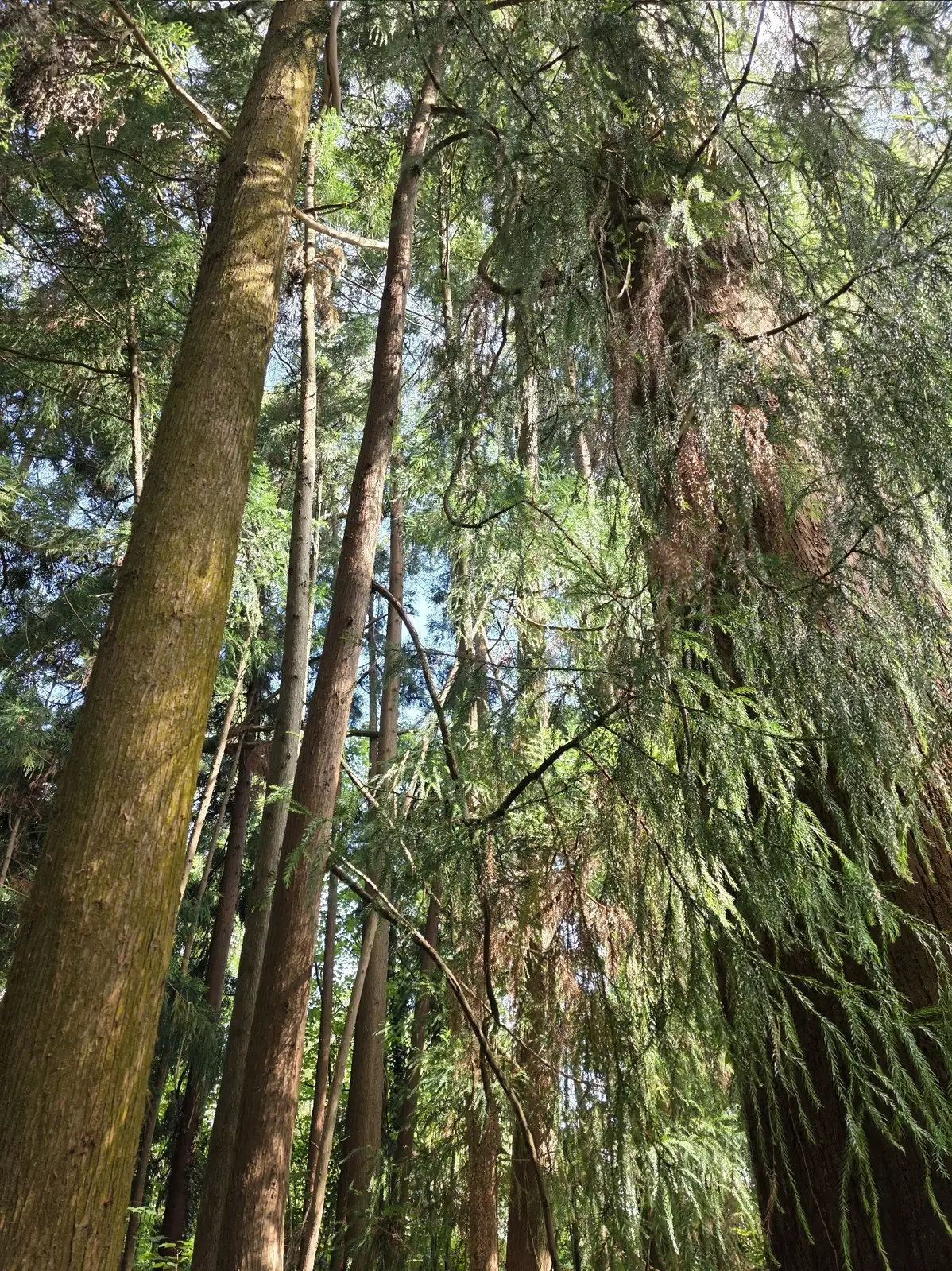
- Size: Large evergreen tree, potentially up to about 48 m (157 ft) tall; typically forms a narrow pyramidal (tower-like) crown. Needs ample horizontal and vertical space when mature.
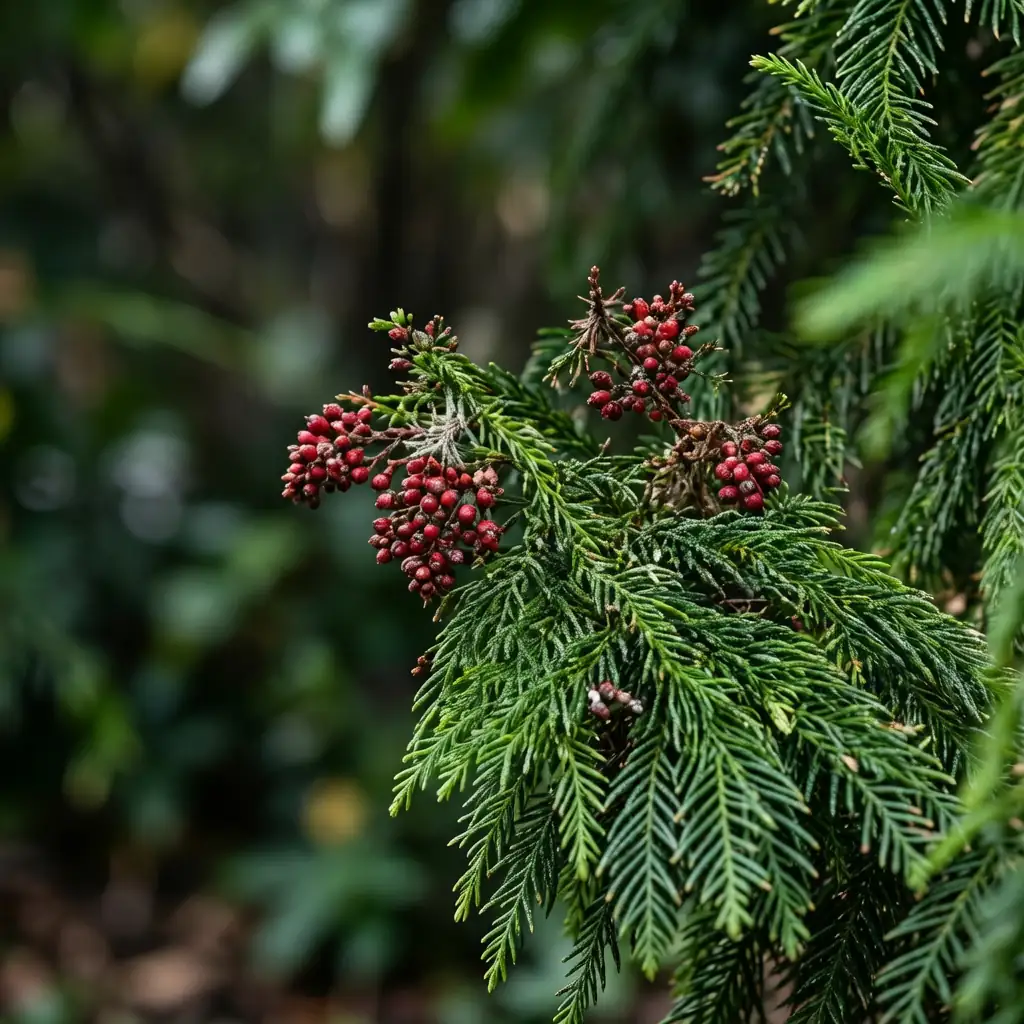
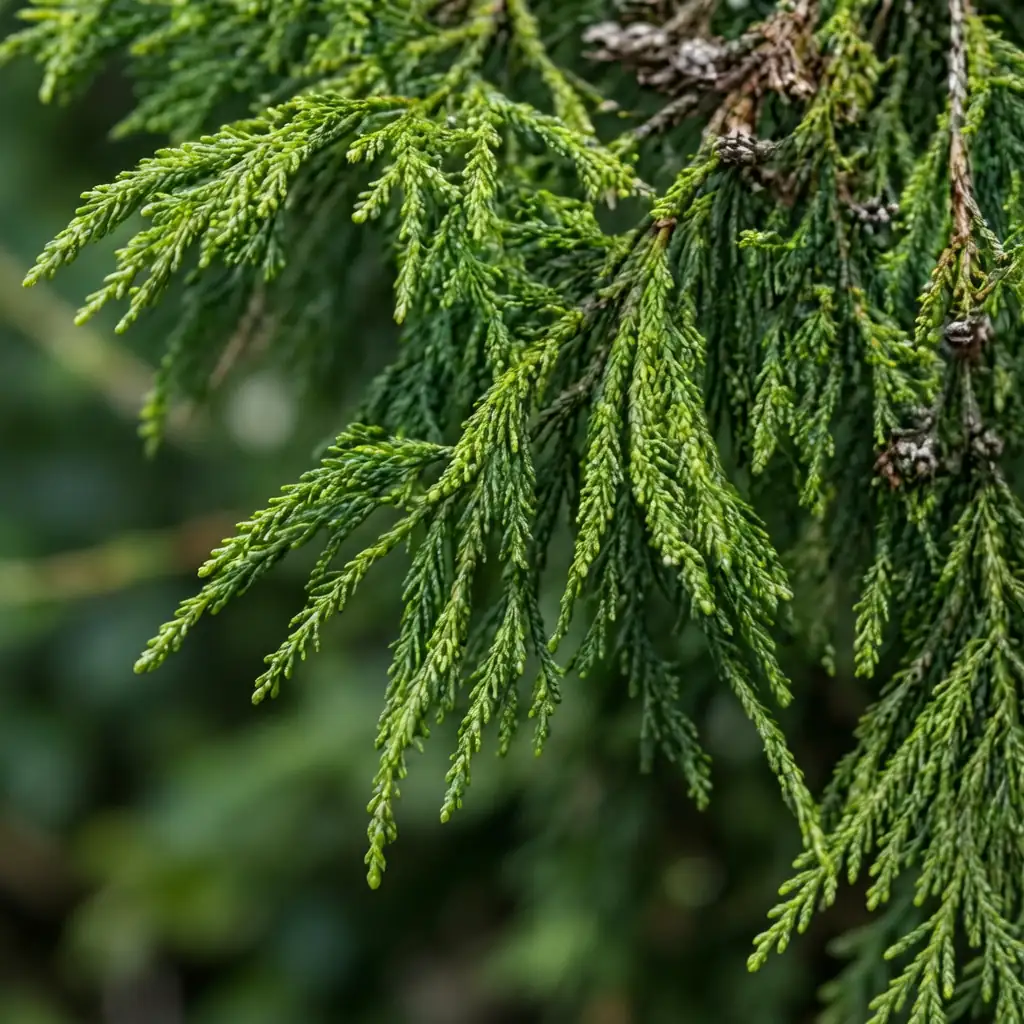
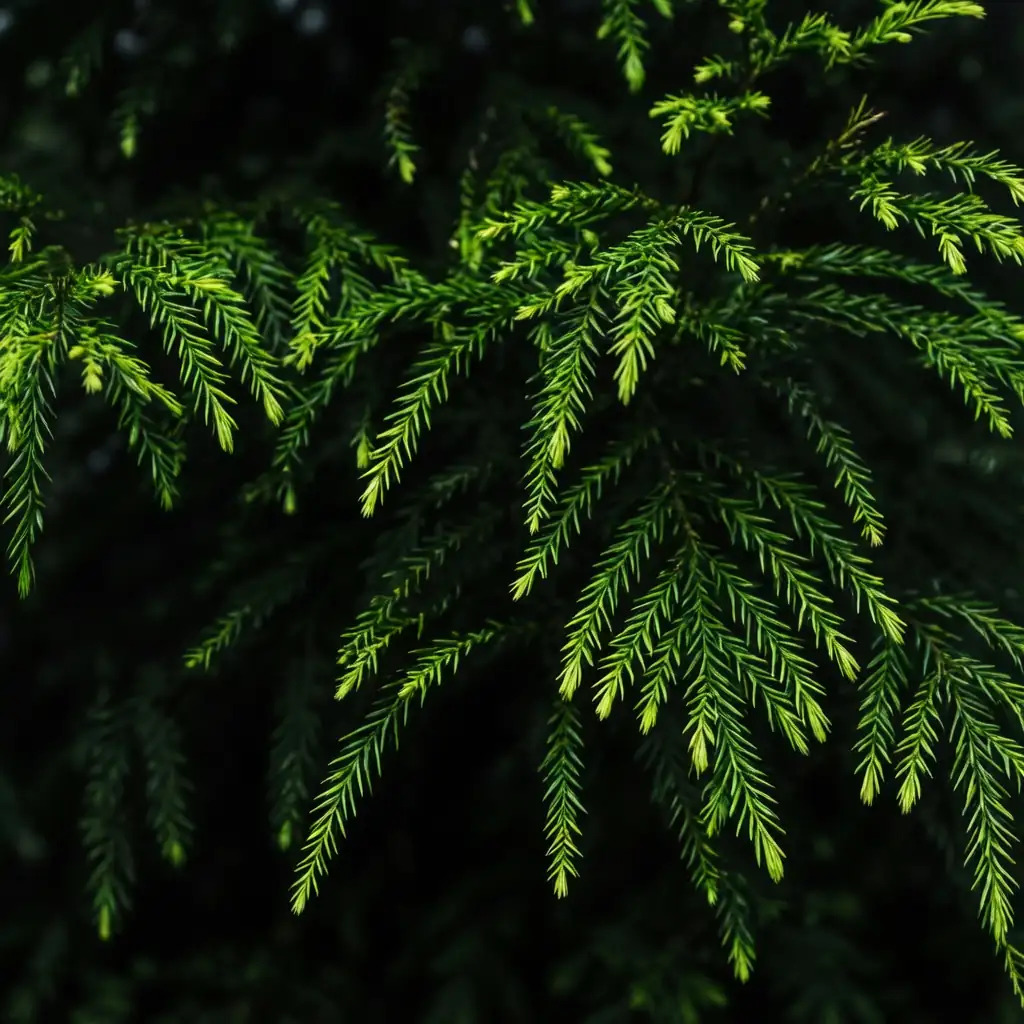
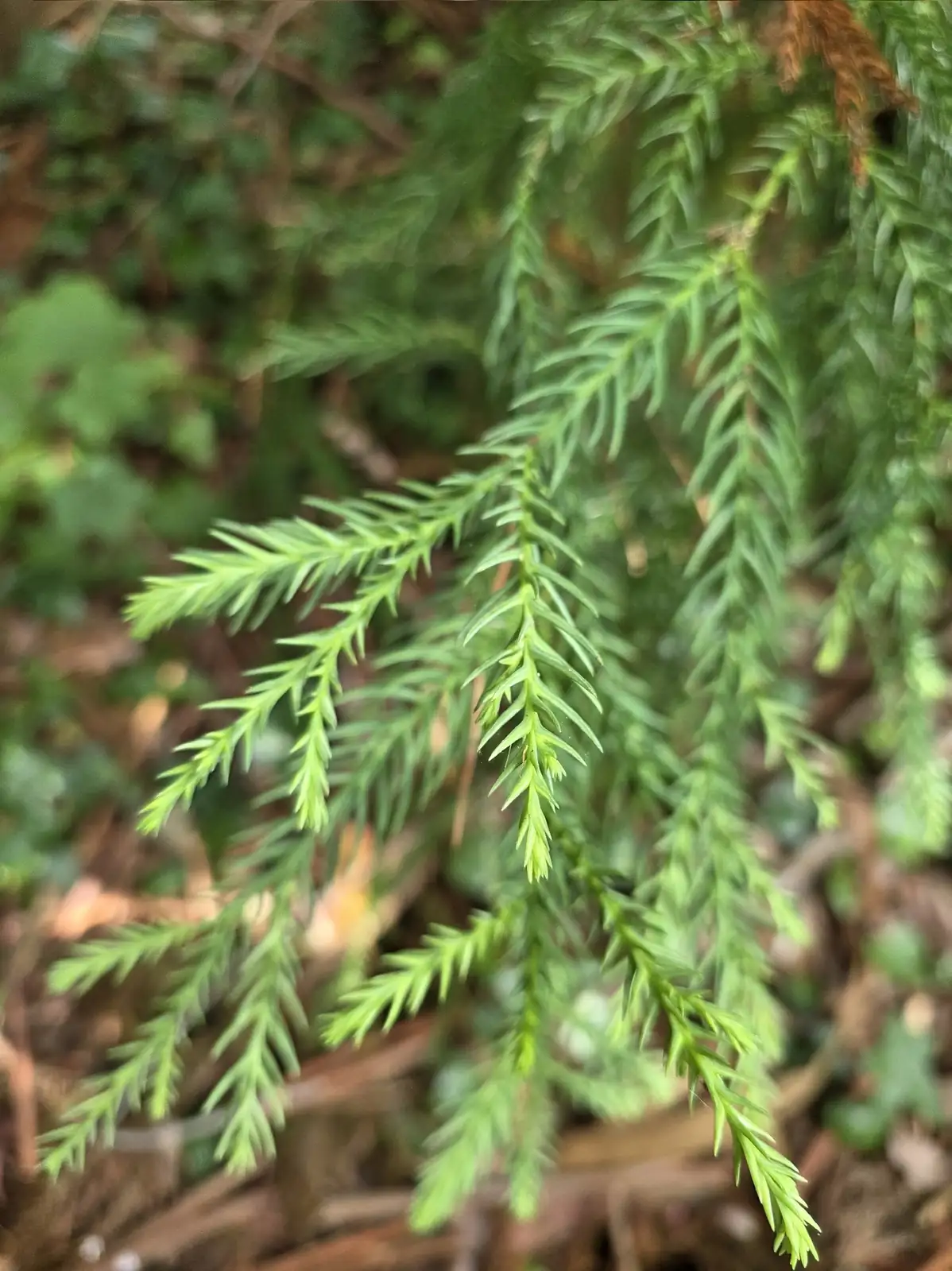
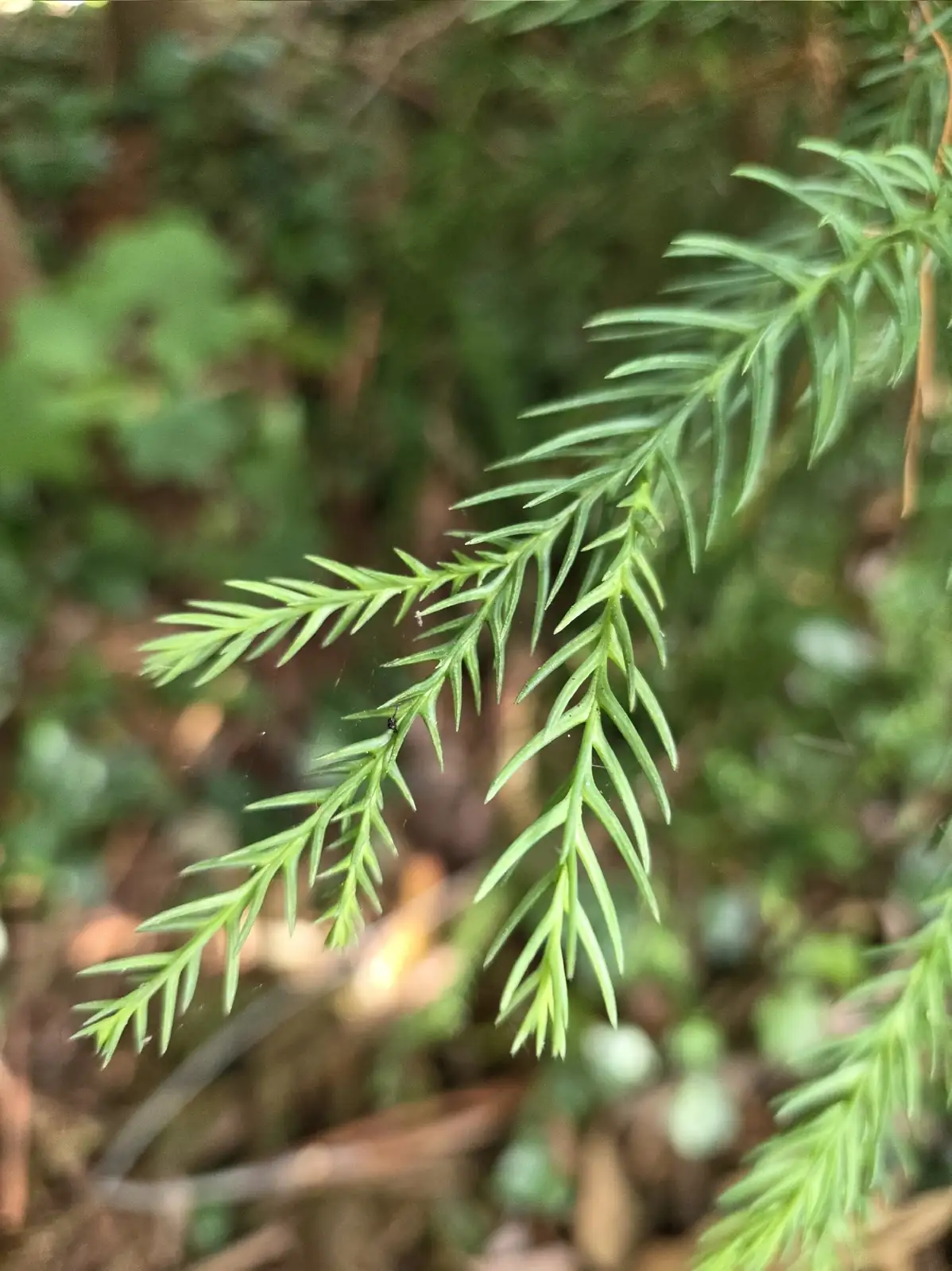
- Foliage: Evergreen, needle-like leaves that typically measure about 1.0–1.5 cm (0.4–0.6 in) long; on juvenile growth and vigorous regrowth shoots they can be longer, up to about 2.4 cm (0.95 in). Leaves curve slightly inward and show stomatal lines on multiple sides. Branchlets are green and often gently drooping, giving the canopy a refined, slightly pendulous texture.
- Flower: As a conifer it produces small pollen cones and seed cones; the seed cones mature to a deep brown. Cones have about 20 seed scales, and each scale typically carries two seeds. Bract tips and the small notches/teeth at the scale tips are relatively short.
- Flowering Season: April
- Growth Habit: Evergreen, upright tree with a neat, narrow pyramidal crown and slightly pendulous branchlets. Bark is reddish-brown and peels in long strips. Moderately sun-loving but tolerant of light shade; considered somewhat cold-tolerant once established.
Environment
Sunlight
Full sun to light shade. For the densest crown and best pyramidal form, give it full sun; it will still cope with light shade.
Temperature
Prefers a warm, humid climate with relatively cool summers; somewhat cold-tolerant. A practical grown range is roughly 5–30°C (41–86°F) once established. Young trees benefit from protection against severe frost and drying winter winds.
Humidity
Enjoys humid air; performs best with moderate to high atmospheric moisture (about 50–80% relative humidity).
Soil
Deep, loose-textured soil that stays moist but drains well; prefers slightly acidic conditions. Avoid waterlogged sites to reduce root problems.
Placement
Outdoor tree for parks, scenic forests, shelterbelts, large gardens, and streets/avenues. Plant well away from buildings, walls, and overhead lines due to its eventual height and spread.
Hardiness
Moderately hardy; roughly USDA Zone 7–9 (approx.).
Care Guide
Difficulty
Moderate (outdoors). Once established it’s vigorous and fairly tough, but it demands space, steady moisture, and reliably good drainage—especially in its first few years.
Buying Guide
Pick plants with a straight central leader, evenly spaced branches, and dense, healthy green foliage. Avoid stock with browning tips, a loose or damaged rootball, or obvious root circling. Container-grown or properly balled-and-burlapped trees establish best when planted during cool, moist weather.
Watering
Water deeply right after planting, then keep the root zone evenly moist for the first 1–2 growing seasons. After establishment, water during prolonged dry spells. Avoid constant sogginess or standing water. Mulch about 5–8 cm (2–3 in) to conserve moisture, but keep mulch pulled back from direct contact with the trunk.
Fertilization
Often unnecessary in decent soil. If growth is weak, apply a light dose of balanced, slow-release fertilizer in spring. Avoid heavy nitrogen late in the season so new growth can harden off before winter.
Pruning
Usually minimal. In late winter to early spring, remove dead, damaged, or crossing branches. Maintain a single leader; avoid topping, which spoils the natural pyramidal form.
Propagation
Typically propagated by seed or semi-hardwood cuttings. Collect seeds from mature cones and sow in a well-drained medium. Cuttings root best with high humidity and gentle bottom heat.
Repotting
Not a long-term container plant because it becomes a large tree. If kept in a pot temporarily, move up one pot size when roots fill the container and use a free-draining, slightly acidic mix; transplant into the ground as soon as practical.
📅 Seasonal Care Calendar
Spring: plant, mulch, and keep watering consistent; light feeding only if needed. Summer: maintain even moisture during heat or drought. Autumn: stop or reduce feeding; keep soil lightly moist heading into winter. Winter: protect young trees from drying winds; prune only when dormant if necessary.
Pests, Diseases & Safety
Common Pests & Diseases
Generally robust. Possible issues include scale insects, and spider mites during hot, dry weather. Needle blight can occur, and poorly drained soils may lead to root problems. Improve airflow, avoid late-day overhead watering, and prioritize well-drained soil to prevent disease pressure.
Toxicity
Not known to be highly toxic to people or pets, though chewing foliage may cause mild stomach upset. Sap or foliage can irritate sensitive skin—wear gloves if you’re prone to dermatitis.
Culture & Symbolism
Symbolism: Often linked with longevity, steadfastness, and resilience—classic evergreen “staying power” symbolism.
History & Legends: A Chinese endemic conifer that has long been planted across southern and central China for ornamental display and environmental greening. Its tall, orderly silhouette makes it a traditional choice for avenues and scenic plantings.
Uses: Mainly ornamental and ecological landscaping: specimen tree, avenue/streetside planting, parks and large gardens, shelterbelts, and broad-scale greening/forest-style plantings.
FAQ
Can Fortune’s cryptomeria grow in partial shade?
Yes—light shade is fine. For the fullest, densest crown and the tidiest pyramidal shape, plant it in full sun.
Why are the tips browning?
Most often it’s drought stress, hot/dry wind scorch, or root stress from poor drainage. Check soil moisture, refresh mulch, and make sure the site drains well.
Is it suitable for small gardens?
Usually not. It can grow into a very large tree (up to about 48 m / 157 ft), so it’s best reserved for spacious sites or replaced with a smaller conifer in tight gardens.
Fun Facts
- It’s endemic to China and is naturally associated with Zhejiang, Fujian, and Jiangxi.
- It can reach around 48 m (157 ft) in ideal conditions—huge for a landscape conifer.
- The reddish-brown bark peels in long strips, adding texture and winter interest.
- Mature cones are deep brown and often have about 20 seed scales, with two seeds per scale.
- Juvenile or regrowth shoots can carry longer leaves up to about 2.4 cm (0.95 in) versus the more typical 1.0–1.5 cm (0.4–0.6 in).