
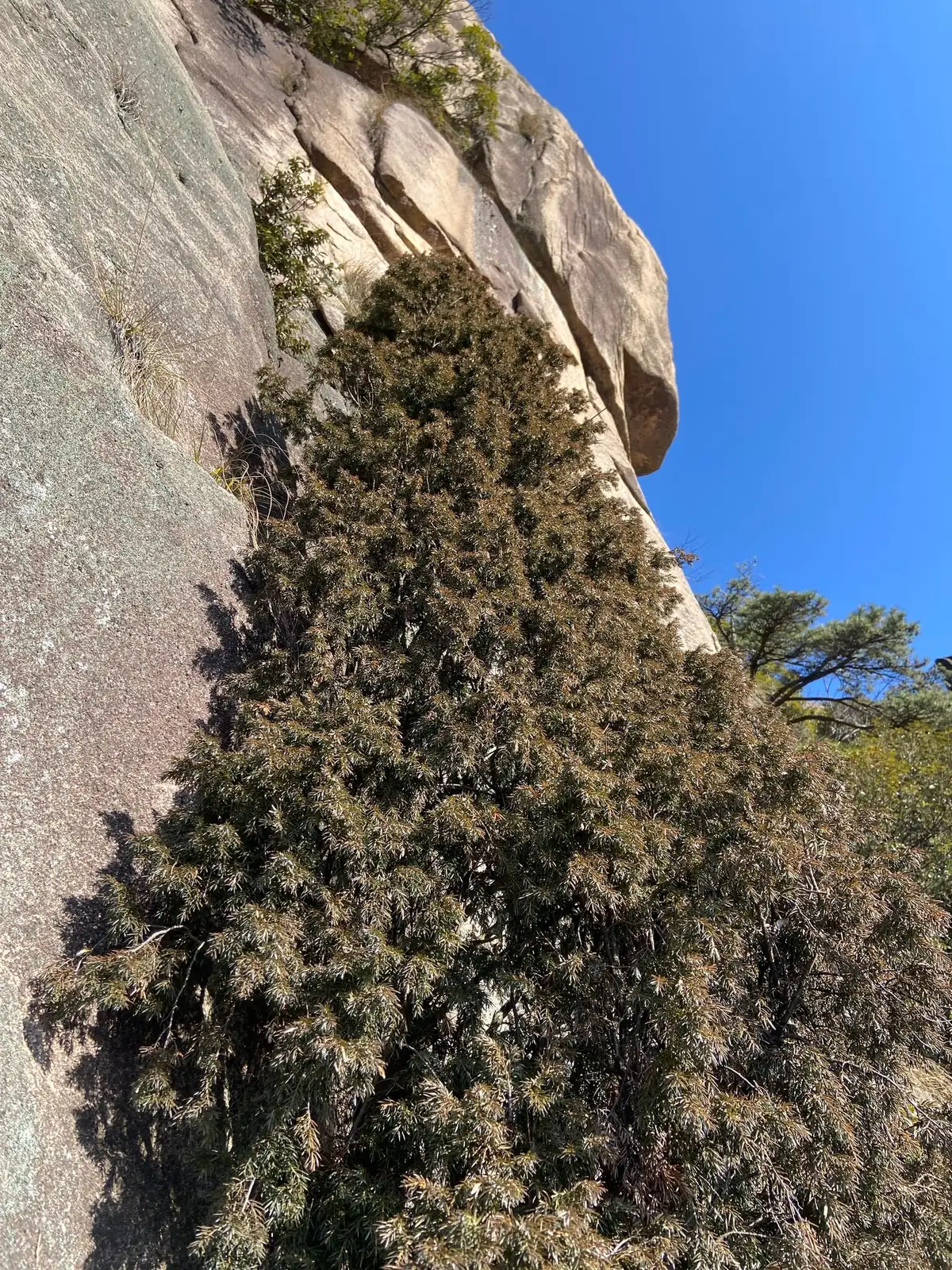
Plant Features
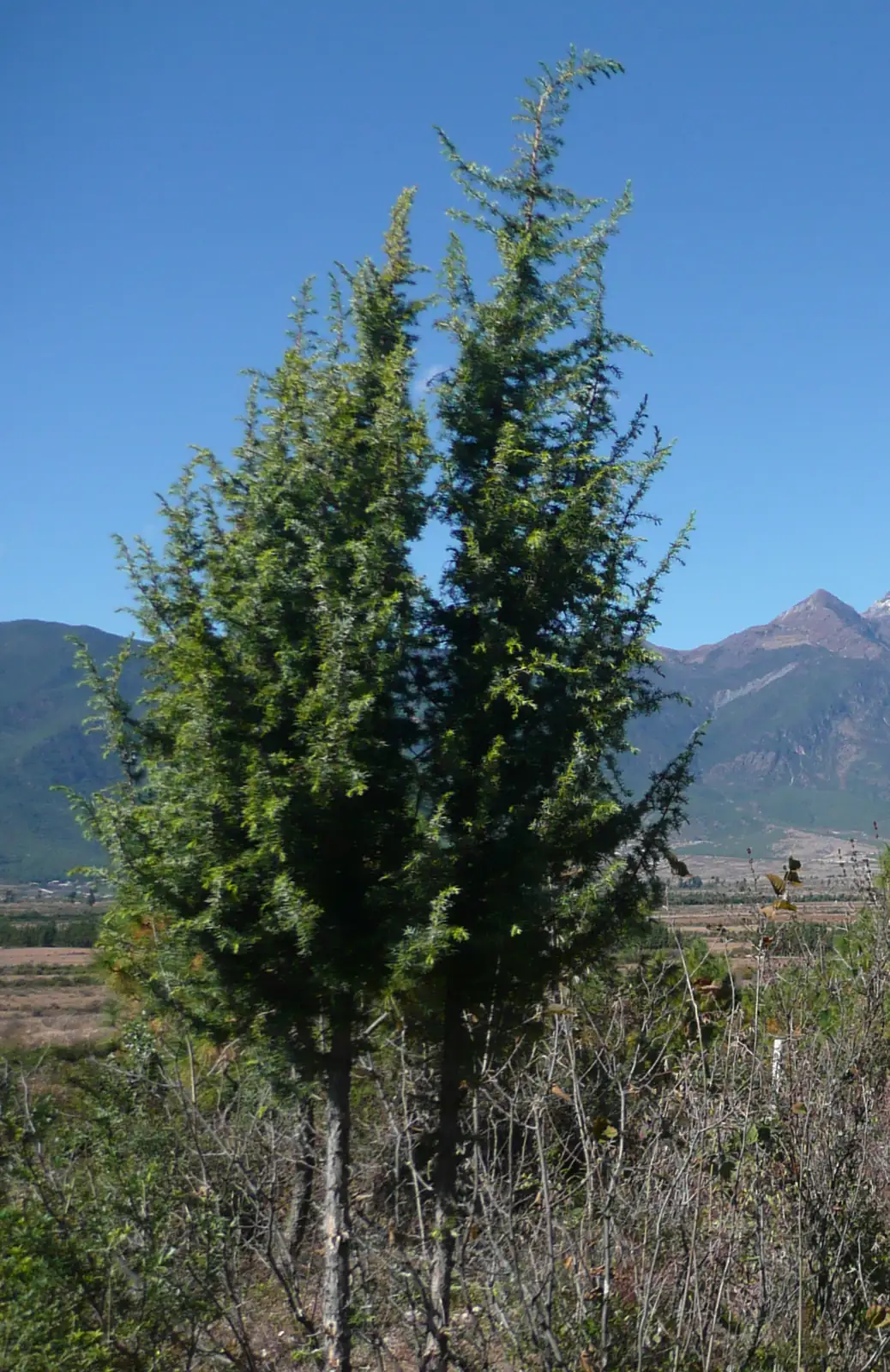
- Size: Up to about 12 m (39 ft) tall; crown typically columnar to narrowly conical.
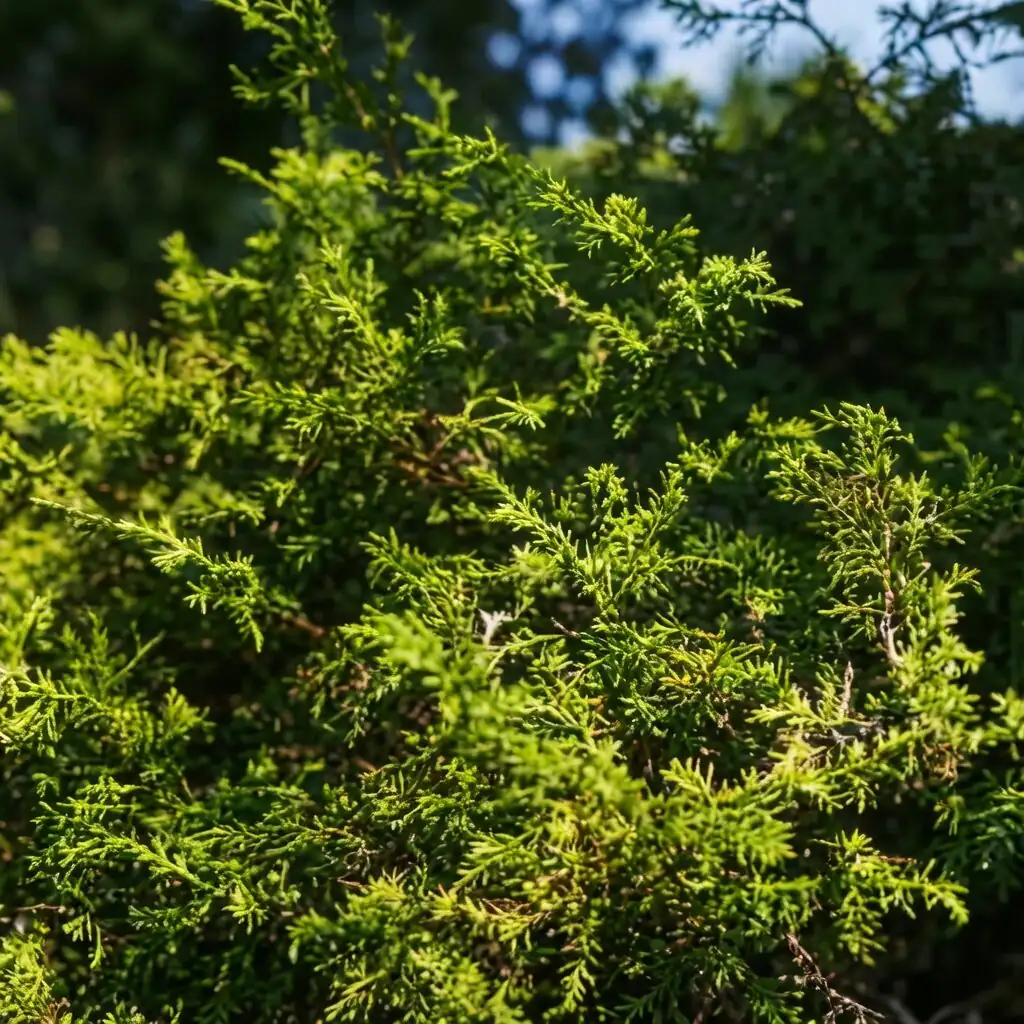
- Foliage: Leaves are usually in whorls of three; linear-lanceolate to narrow and sharply needle-like with a pointed tip. The upper surface is slightly concave with a subtly raised midrib and shows a distinct stomatal band; overall green. The lower surface is green and glossy with fine longitudinal ridges; the leaf cross-section is crescent-shaped, contributing to the stiff, prickly feel.
- Flower: Male cones are globose to ovoid. Seed cones are nearly spherical to broadly ovoid and ripen pale reddish-brown; seeds are crescent-shaped with resin canals near the base.
- Flowering Season: April–June (Apr–Jun)
- Growth Habit: Evergreen tree with spreading to ascending branches and somewhat drooping branchlets. Typically forms a columnar or narrowly conical crown; sun-loving, notably cold-hardy, and adaptable once established.
Environment
Sunlight
Full sun for best density and shape; tolerates light shade but may grow looser with less light.
Temperature
Cold-hardy; grows best in cool to temperate conditions, roughly 5–25°C (41–77°F) depending on site and provenance.
Humidity
Adaptable; handles average outdoor humidity and, once established, tolerates periods of drier air.
Soil
Prefers well-drained soil (sandy/loamy or rocky). Avoid prolonged waterlogging; poor drainage can trigger root problems.
Placement
Best as an outdoor landscape tree: courtyards, gardens, parks, roadsides, and shelterbelt-style plantings. Especially useful in urban areas thanks to strong pollution tolerance and dust-trapping foliage; also suitable for erosion control and restoration plantings.
Hardiness
Cold-hardy and adaptable in temperate climates; exact USDA zone can vary with local ecology and planting conditions.
Care Guide
Difficulty
Easy outdoors in suitable climates; tough and low-fuss once established.
Buying Guide
Pick plants with dense, evenly green foliage and no widespread browning tips. Avoid root-bound stock or pots with a sour smell (often a drainage issue). If you want a strong, upright columnar look, choose a plant with a straight central leader.
Watering
During the first growing season, water regularly so the soil stays evenly moist but never soggy. After establishment, water deeply during prolonged dry spells; avoid constantly wet soil, which can invite root trouble.
Fertilization
Light feeder. In spring, use a slow-release balanced fertilizer at label rates only if growth looks weak. Avoid heavy nitrogen, which can cause soft, overly lush growth that’s more stress-prone.
Pruning
Usually minimal. Remove dead, damaged, or crossing branches in late winter to early spring. Avoid cutting back hard into old, leafless wood, as junipers often resprout poorly from bare branches.
Propagation
By seed (typically after stratification) or by semi-hardwood cuttings taken in late summer to autumn. Named forms/cultivars are usually propagated from cuttings to keep their traits.
Repotting
Primarily a landscape tree. For container-grown young plants, repot every 2–3 years into a well-drained mix, stepping up one pot size at a time.
📅 Seasonal Care Calendar
Spring: planting season; light feeding if needed; watch fresh growth. Summer: deep watering during heat/drought; monitor for spider mites in hot, dry weather. Autumn: excellent planting season in many temperate regions; ease off feeding. Winter: protect young plants from drying winds; light dormant-season pruning if necessary.
Pests, Diseases & Safety
Common Pests & Diseases
Can get spider mites in hot, dry spells, plus scale insects. Twig blight may appear occasionally, and roots can suffer in poorly drained soils. Improve airflow and drainage, avoid long periods of wet foliage from overhead watering, and use horticultural oil for scale when appropriate.
Toxicity
Mildly toxic if eaten in quantity—may cause gastrointestinal upset. The aromatic oils can irritate sensitive skin. Keep clippings and foliage away from pets and children who might chew on them.
Culture & Symbolism
Symbolism: Commonly linked with endurance, protection, and steadfastness—classic evergreen ‘toughness’ symbolism that fits its hardy nature.
History & Legends: A China-endemic juniper that has long been appreciated in regional landscaping and shelterbelt plantings, prized for resilience and its clean, orderly silhouette.
Uses: A handsome ornamental for courtyards and gardens; also widely used for group plantings and linear belts/windbreak effects. Its strong tolerance of urban pollution and ability to trap airborne dust make it a practical choice for roadside greening and air-quality support. It’s also planted in afforestation and soil-and-water conservation projects for erosion control.
FAQ
Can Formosan juniper grow in partial shade?
Yes, it tolerates light shade, but it looks best (denser and more columnar) with full sun. In lower light, growth can become looser and less symmetrical.
Why is my juniper browning from the inside?
Some interior browning can be normal as old needles shed, especially where light doesn’t reach. If browning is widespread or spreading, check for mites (hot/dry weather), scale, or root stress from poor drainage and overwatering.
Is it safe to prune hard to reduce size?
Prune lightly and strategically. Avoid cutting back into old, leafless wood because junipers often don’t push new growth from bare sections, which can leave permanent gaps.
Fun Facts
- It’s endemic to China and often appears scattered through forests rather than forming pure stands.
- The whorls of three needle-like leaves create a crisp, prickly texture that reads beautifully in minimalist garden designs.
- Its foliage can trap dust—one reason it’s valued for roadside and urban planting.
- It’s used in ecological restoration because it can help stabilize soils and reduce erosion in suitable sites.