Plant Features
- Size: Up to 90 × 60 cm (35 × 24 in)
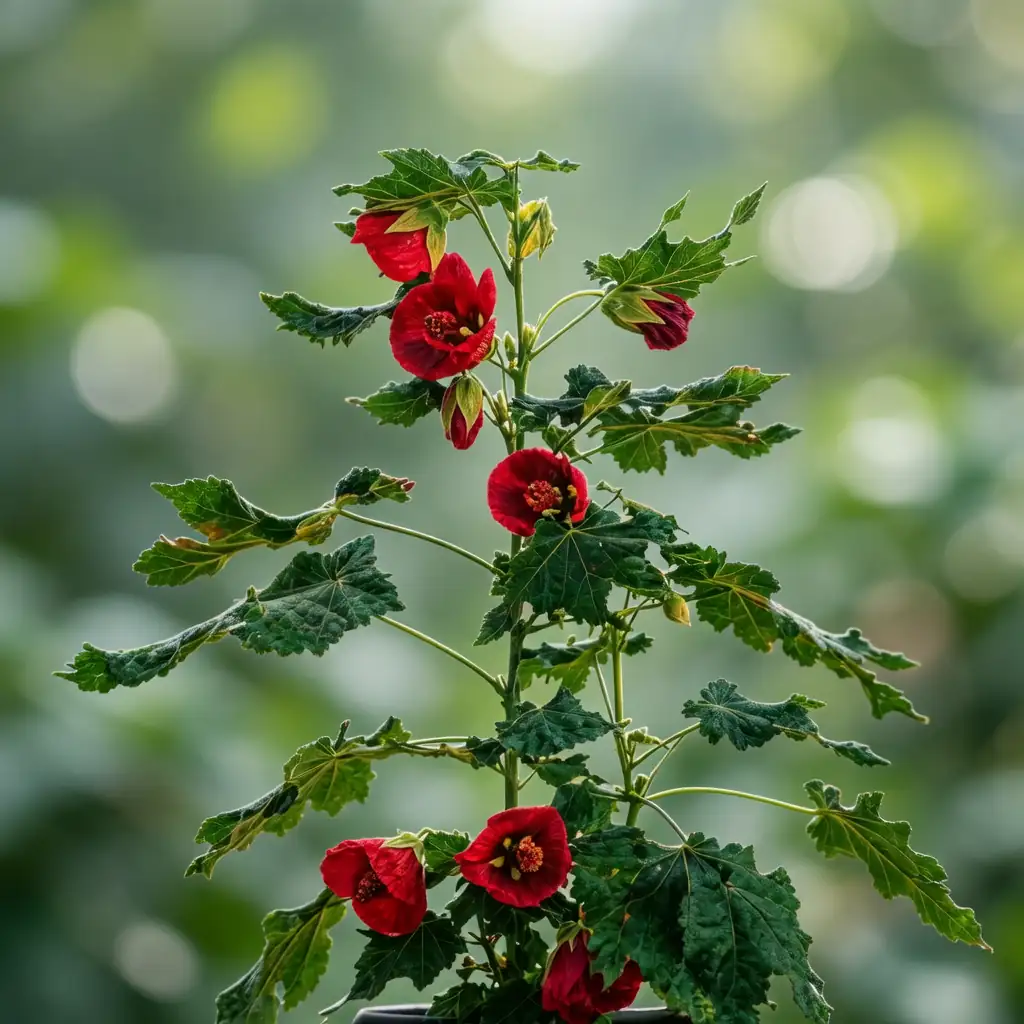
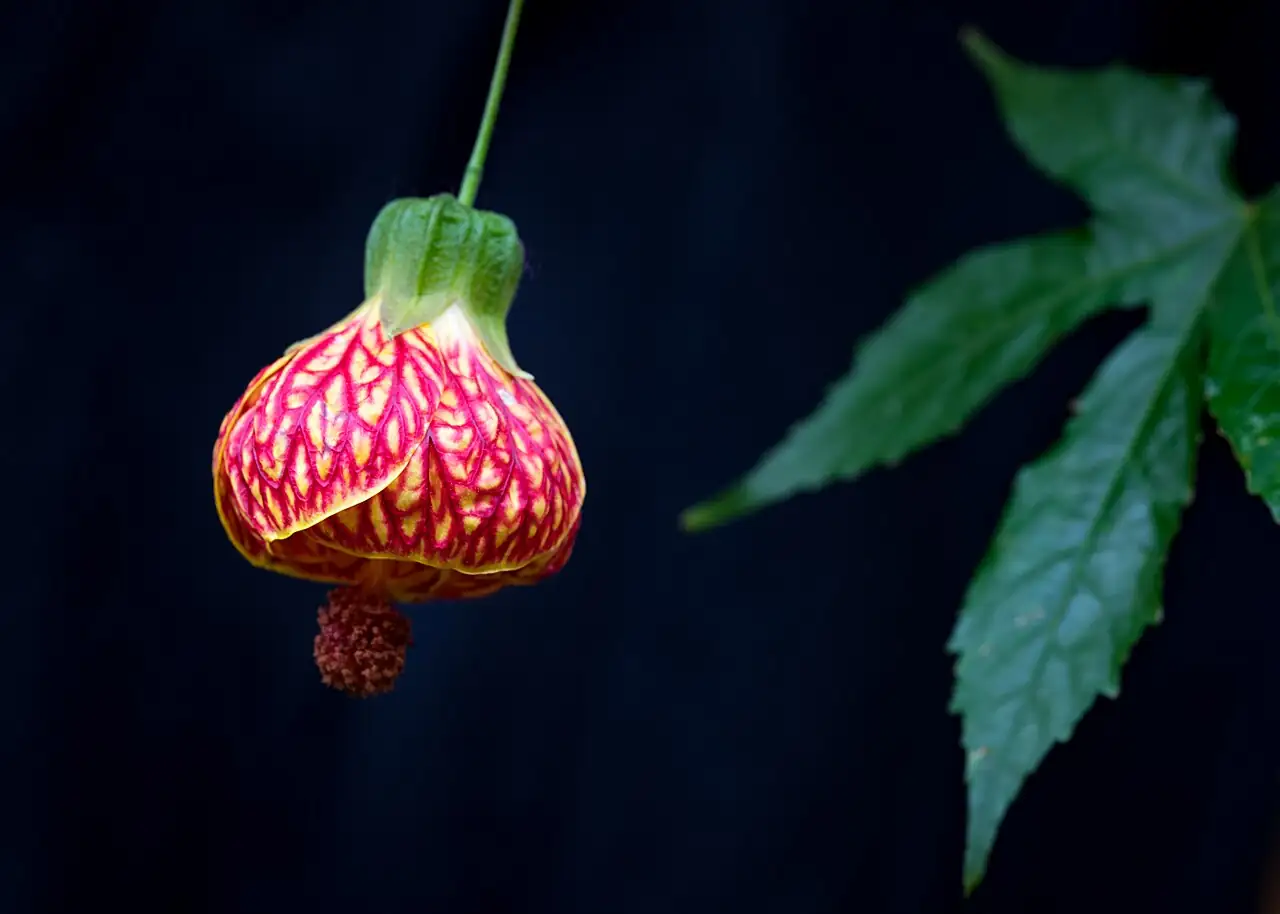
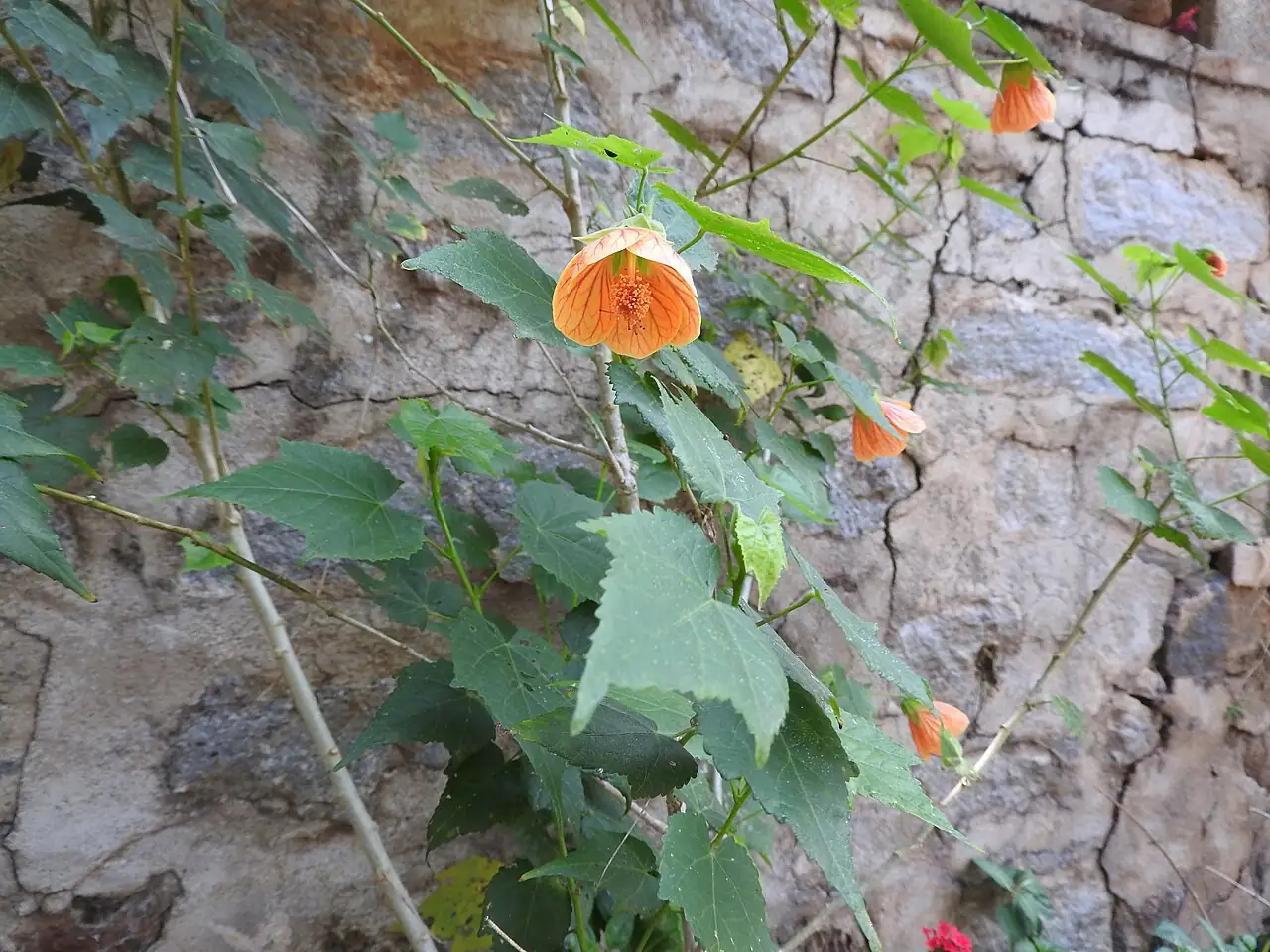
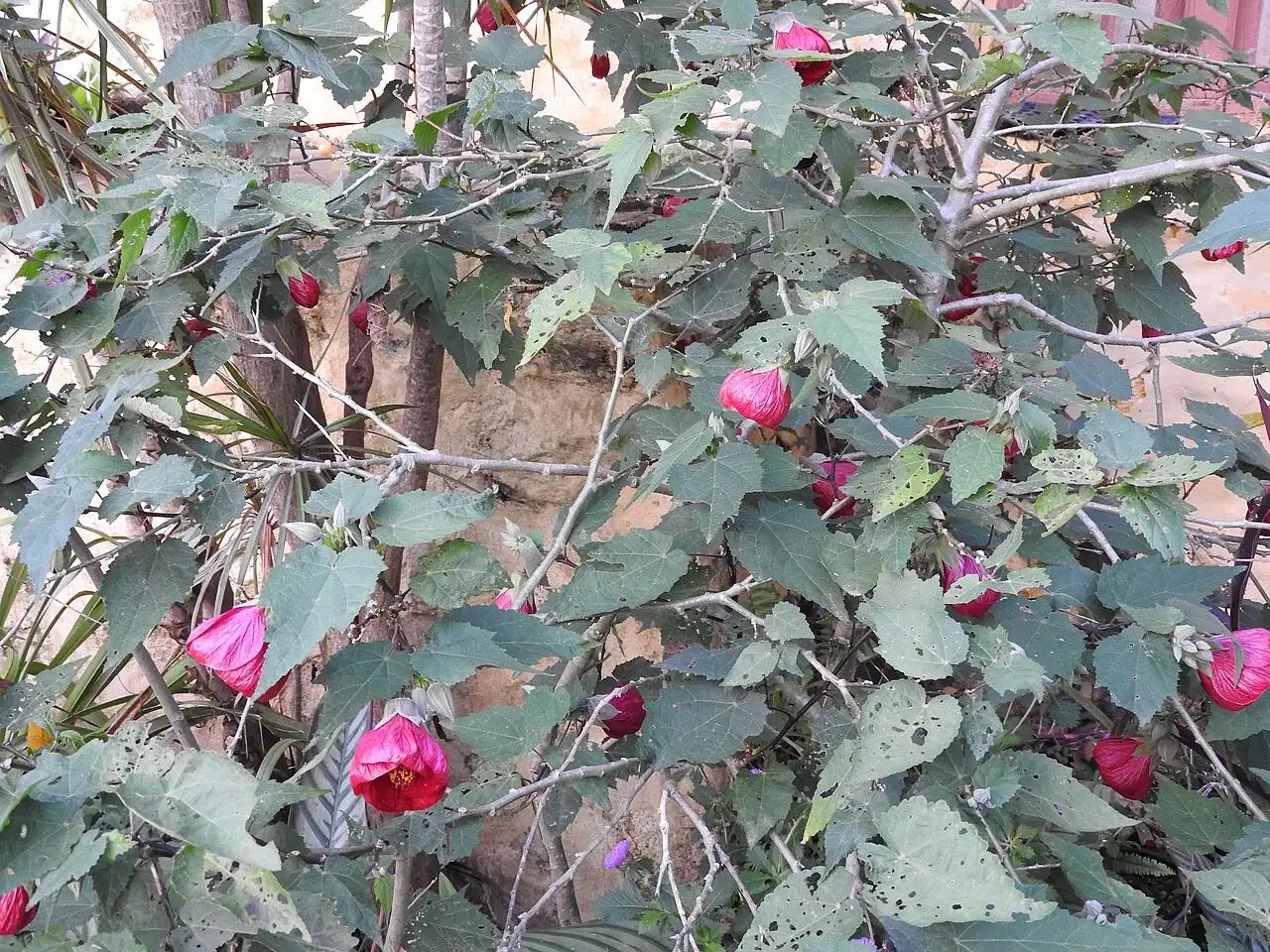
- Foliage: Maple-like leaves that are typically mid-green, sometimes with lighter variegation; they create a full, leafy canopy that sets off the hanging flowers.
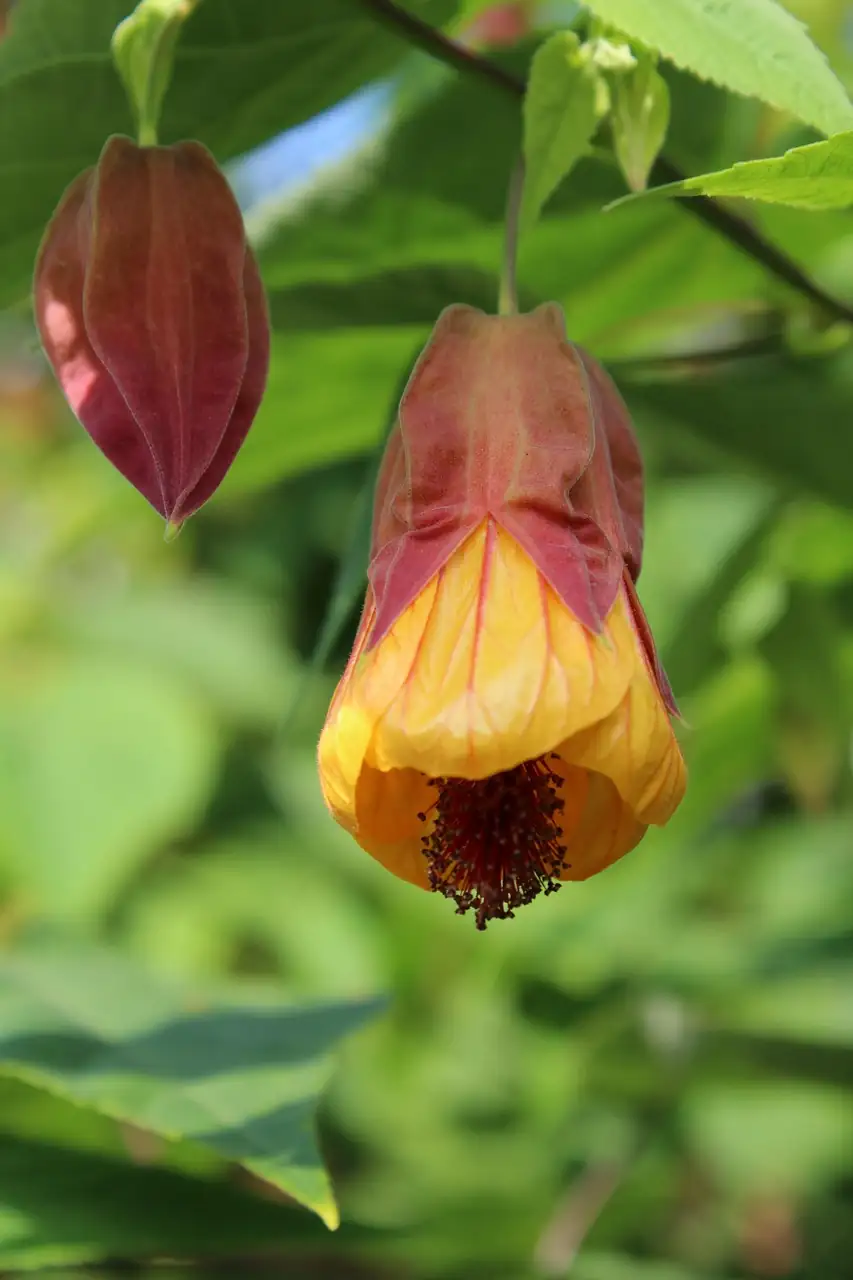
- Flower: Large, pendulous, bell-shaped flowers carried on slender stalks; colors commonly include red, yellow, pink, and white, often appearing in generous succession when conditions are bright and evenly moist.
- Flowering Season: Summer (often flowers continuously through the season)
- Growth Habit: Upright, bushy woody subshrub; responds very well to pinching and pruning for a compact, fuller shape.
Environment
Sunlight
Bright light with some direct sun; part sun/partial shade works well indoors. Avoid harsh all-day midday sun through glass, which can scorch leaves.
Temperature
12–24°C (54–75°F). In winter, a cooler but bright spot is helpful—around 16–20°C (61–68°F) during the day is often ideal.
Humidity
Average indoor humidity is usually fine. Provide decent airflow and avoid very dry, hot air blowing directly from heaters or vents.
Soil
Rich, well-draining potting mix. A practical blend is roughly 1:1 multipurpose potting compost and a loam-based mix; add perlite if you need extra drainage.
Placement
A bright window, sunroom, or conservatory. For winter rest, move to a cooler, bright indoor room.
Hardiness
Frost-tender. Best grown as a houseplant or overwintered indoors. Outdoors only in mild climates (about USDA Zone 9–11) with frost protection.
Care Guide
Difficulty
Easy overall, especially if you keep watering consistent and feed lightly during active growth.
Buying Guide
Pick a plant with plenty of healthy buds and clean, unblemished leaves. Avoid sticky foliage (often a sign of aphids or whitefly) and avoid pale, limp growth, which can point to low light or root stress.
Watering
Spring to autumn: keep the mix evenly moist (never soggy). Winter: water when the surface/top layer has dried, reducing frequency—but don’t leave it bone-dry for long stretches, as that can trigger bud drop.
Fertilization
Spring and autumn: feed every 2 weeks with a balanced liquid fertilizer. Summer: switch to a higher-potassium/bloom feed to support prolonged flowering.
Pruning
In spring, cut stems back and pinch soft tips to encourage branching and a bushier plant. If it gets leggy later in the year, a light autumn trim can help maintain a neat shape.
Propagation
Most often propagated from softwood or semi-ripe stem cuttings taken in spring to summer. Root in a warm, lightly moist medium until established.
Repotting
Typically grown in a 20–30 cm (8–12 in) pot. Repot about every 2 years, ideally in spring, using a rich but free-draining mix.
📅 Seasonal Care Calendar
Spring: water evenly; feed every 2 weeks with balanced fertilizer; prune/pinch to build a fuller plant. Summer: keep evenly moist; use a high-potassium feed; enjoy long flowering. Autumn: continue even moisture; keep feeding every 2 weeks with balanced fertilizer; prune if needed. Winter: let the surface dry slightly between waterings; move to a cooler, bright room (around 16–20°C / 61–68°F).
Pests, Diseases & Safety
Common Pests & Diseases
Indoors, watch for aphids, whitefly, spider mites, and mealybugs. Bud drop is commonly caused by drying out, sudden temperature swings, or low light. Root rot can develop if the potting mix stays waterlogged or drainage is poor.
Toxicity
Generally considered non-toxic to people and pets, though chewing or ingestion may still cause mild stomach upset. It’s best kept away from pets that like to nibble plants.
Culture & Symbolism
Symbolism: Often linked with warmth and welcome—those lantern-like blooms give a friendly, inviting feel for months.
History & Legends: A popular Victorian-era conservatory and parlor plant. Many of today’s varieties are horticultural hybrids bred for richer colors, heavier flowering, and more compact growth.
Uses: Mainly grown as an ornamental flowering shrub for bright indoor rooms, patios, and conservatories—prized for long-lasting, colorful, bell-shaped blooms.
Fun Facts
- It isn’t a true maple—the “maple” in its name comes from the leaf shape, not its family.
- Pinching soft tips regularly can dramatically increase branching, which usually means more flowers.