

Plant Features
- Size: Typically trails to about 60 × 60 cm (24 × 24 in) in containers; can spread wider with age.
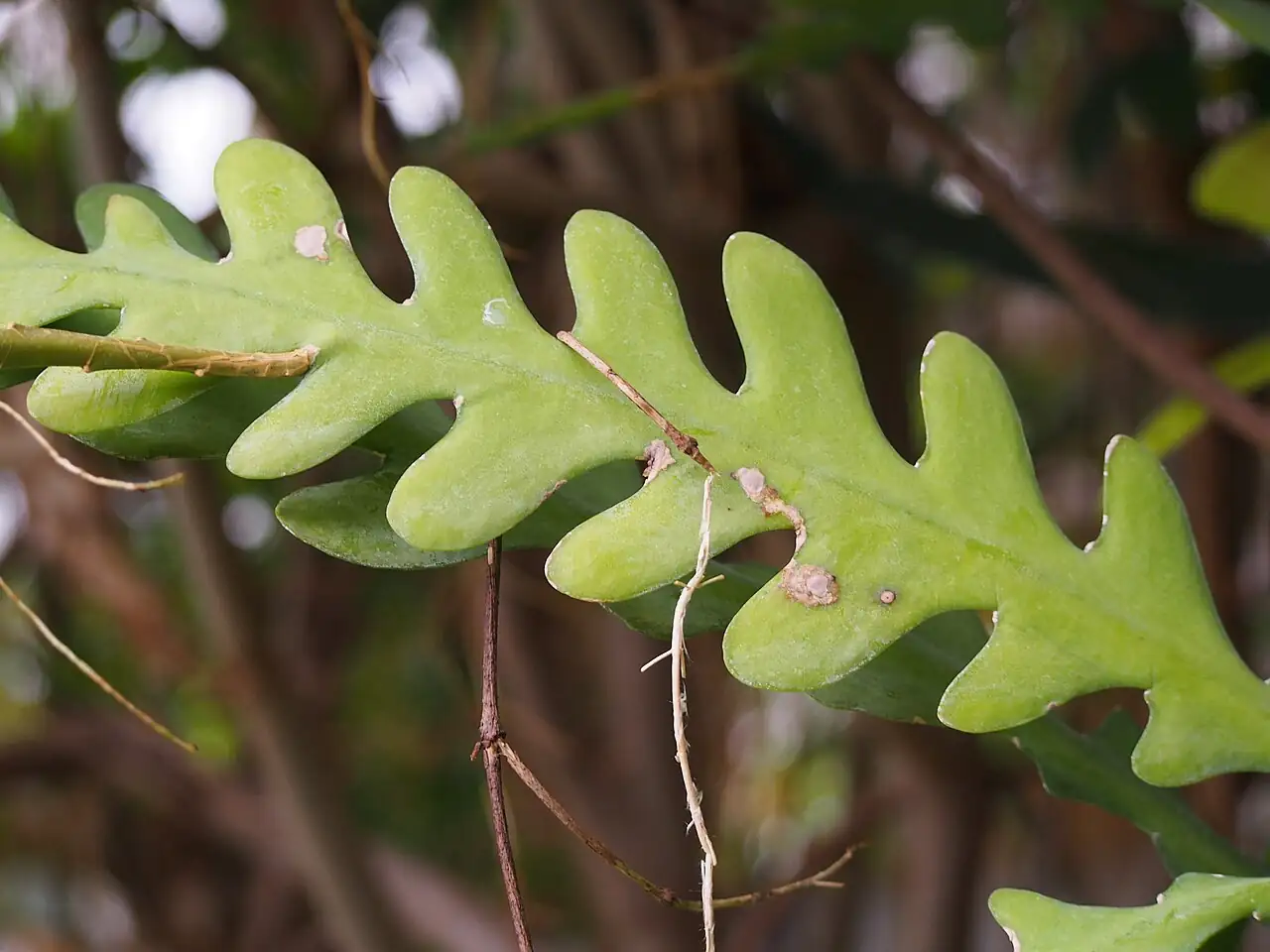
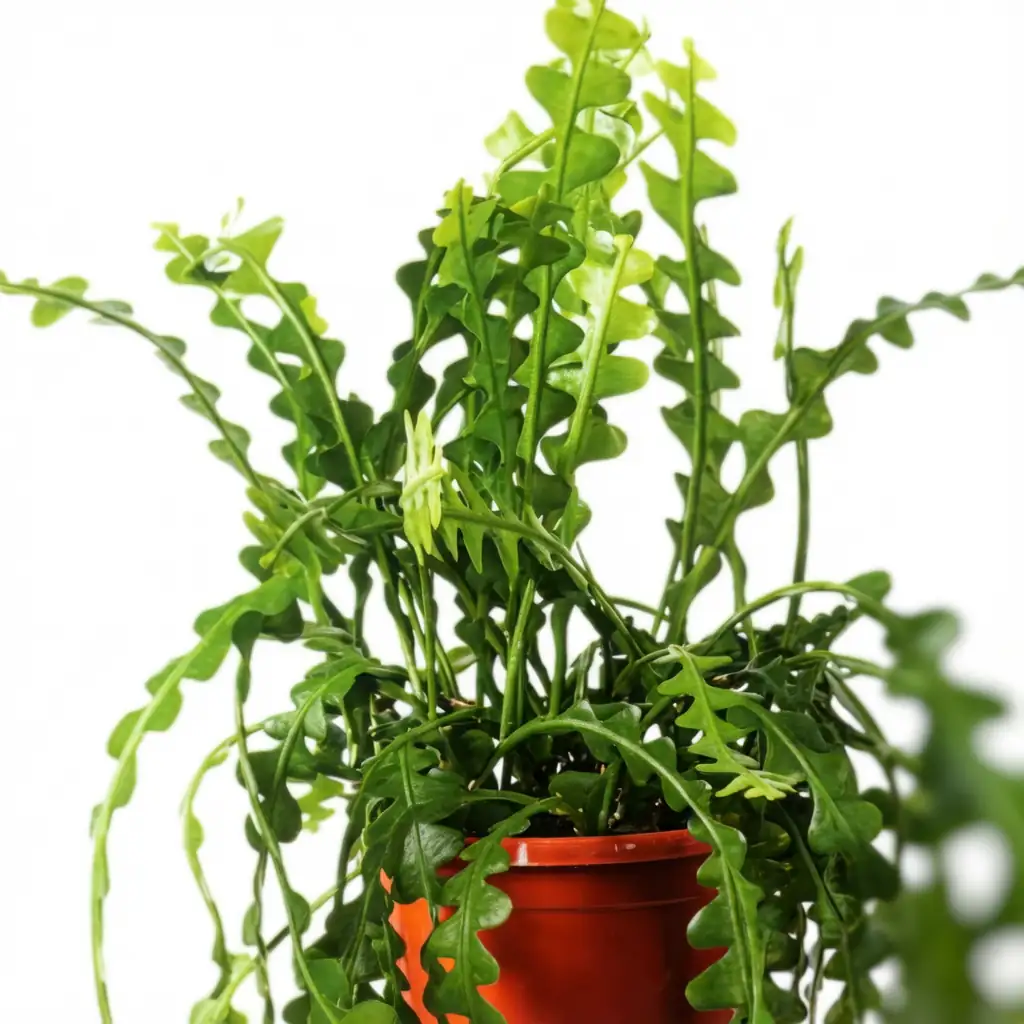
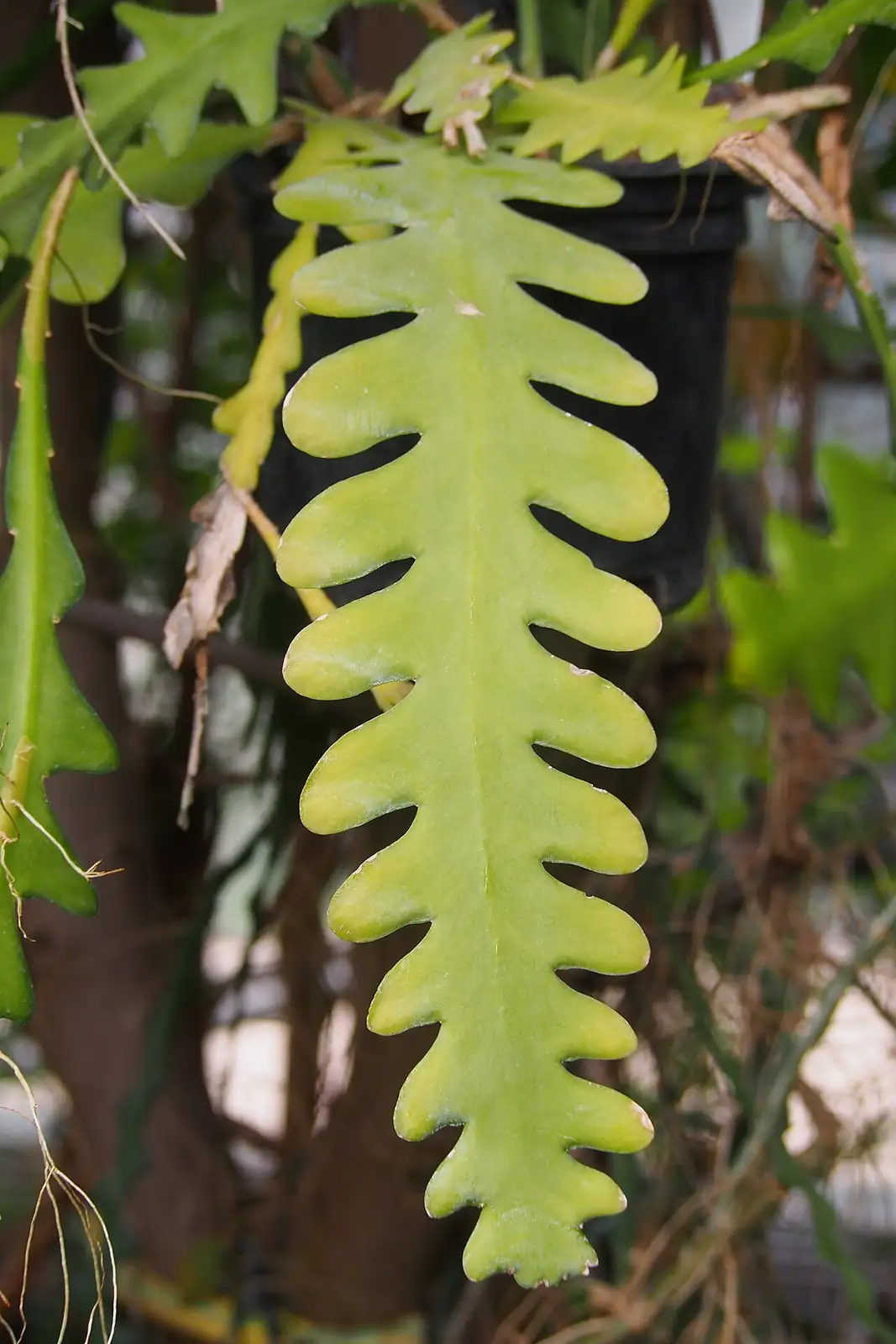
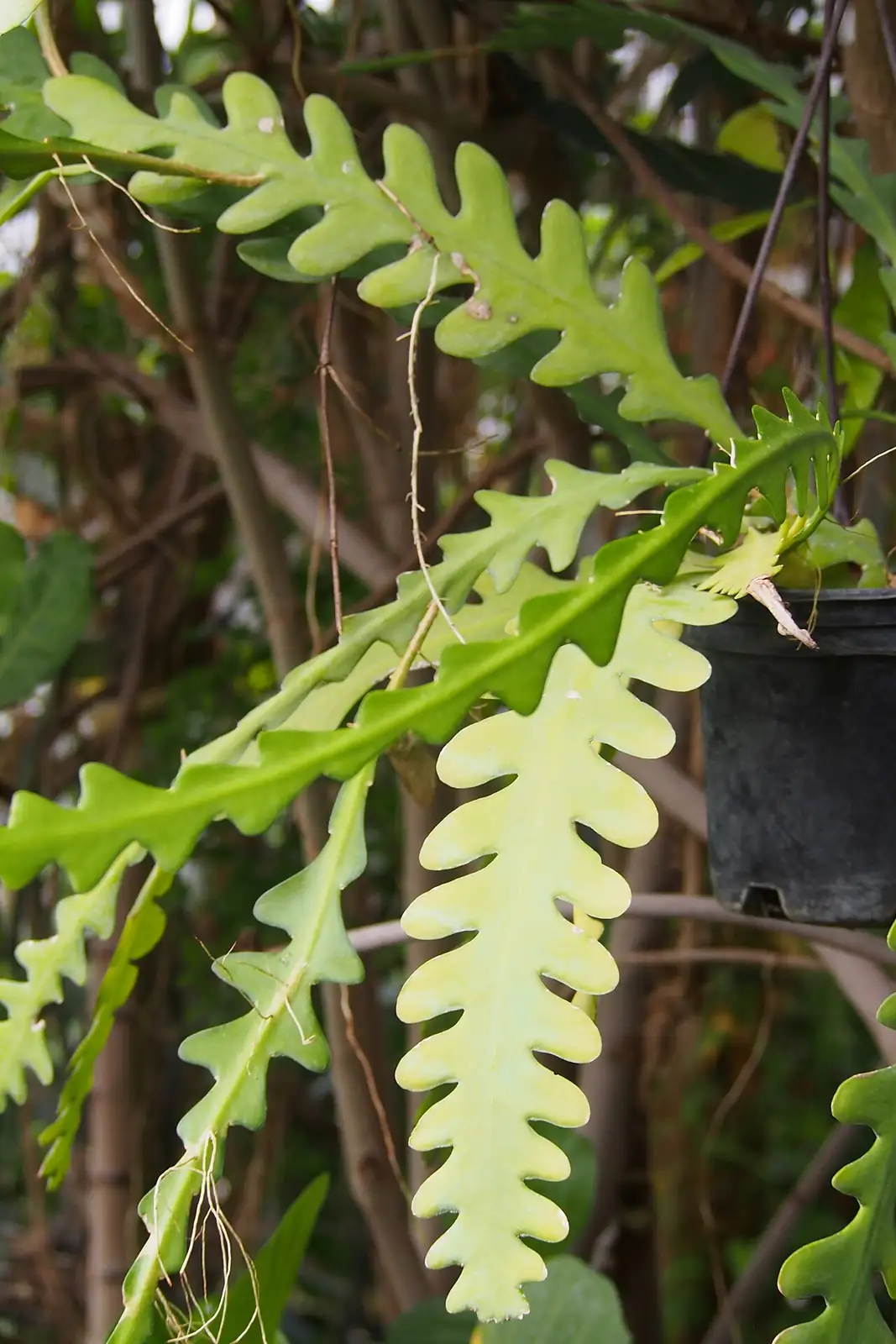
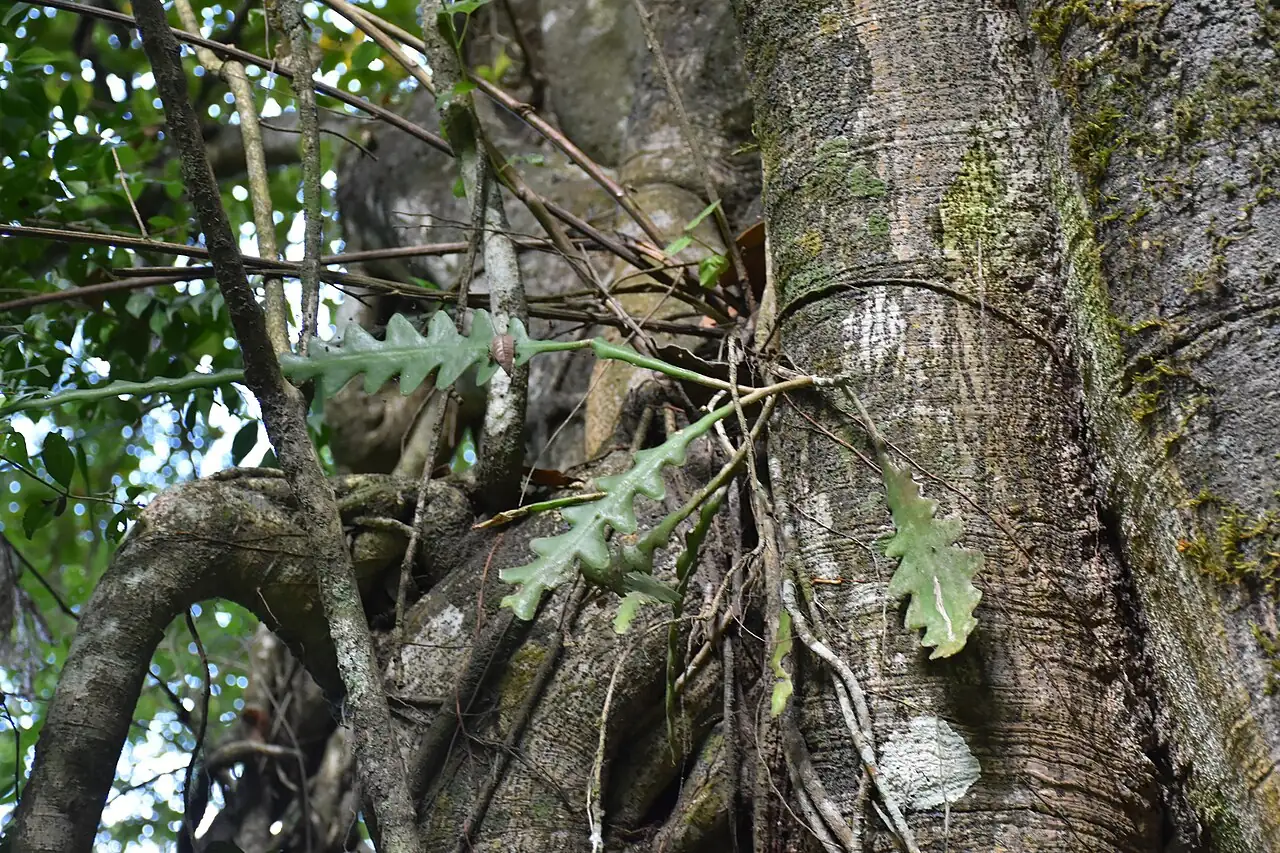
- Foliage: Flattened, succulent green stems with strong zigzag/fishbone lobes along the edges. The stems arch and trail, creating a dramatic cascading silhouette (the “fishbones” are actually modified stems, not leaves).
- Flower: Pale yellow to creamy flowers with a pleasant fragrance, often opening at night. Flowering is most reliable on mature plants that get bright filtered light plus a cooler, slightly drier winter rest.
- Flowering Season: Autumn (fall)
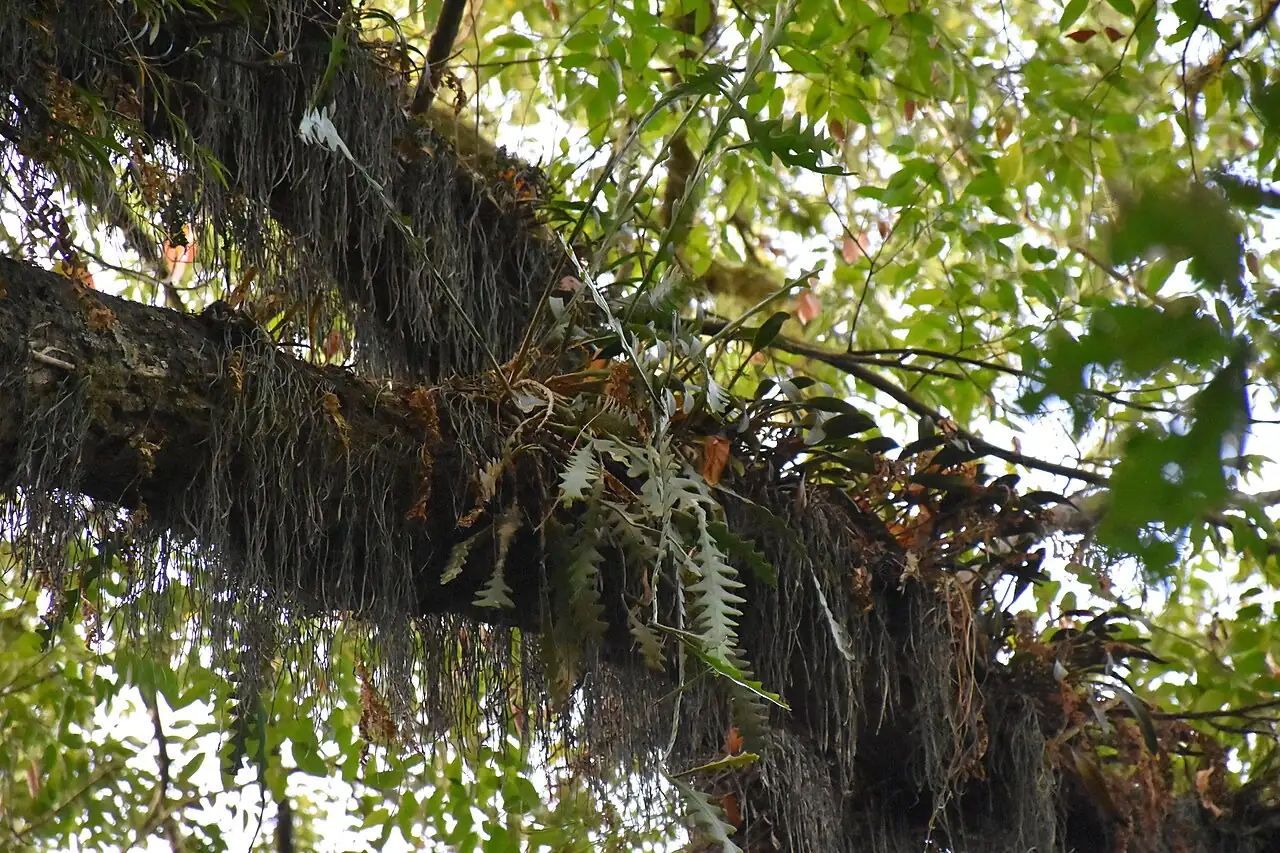
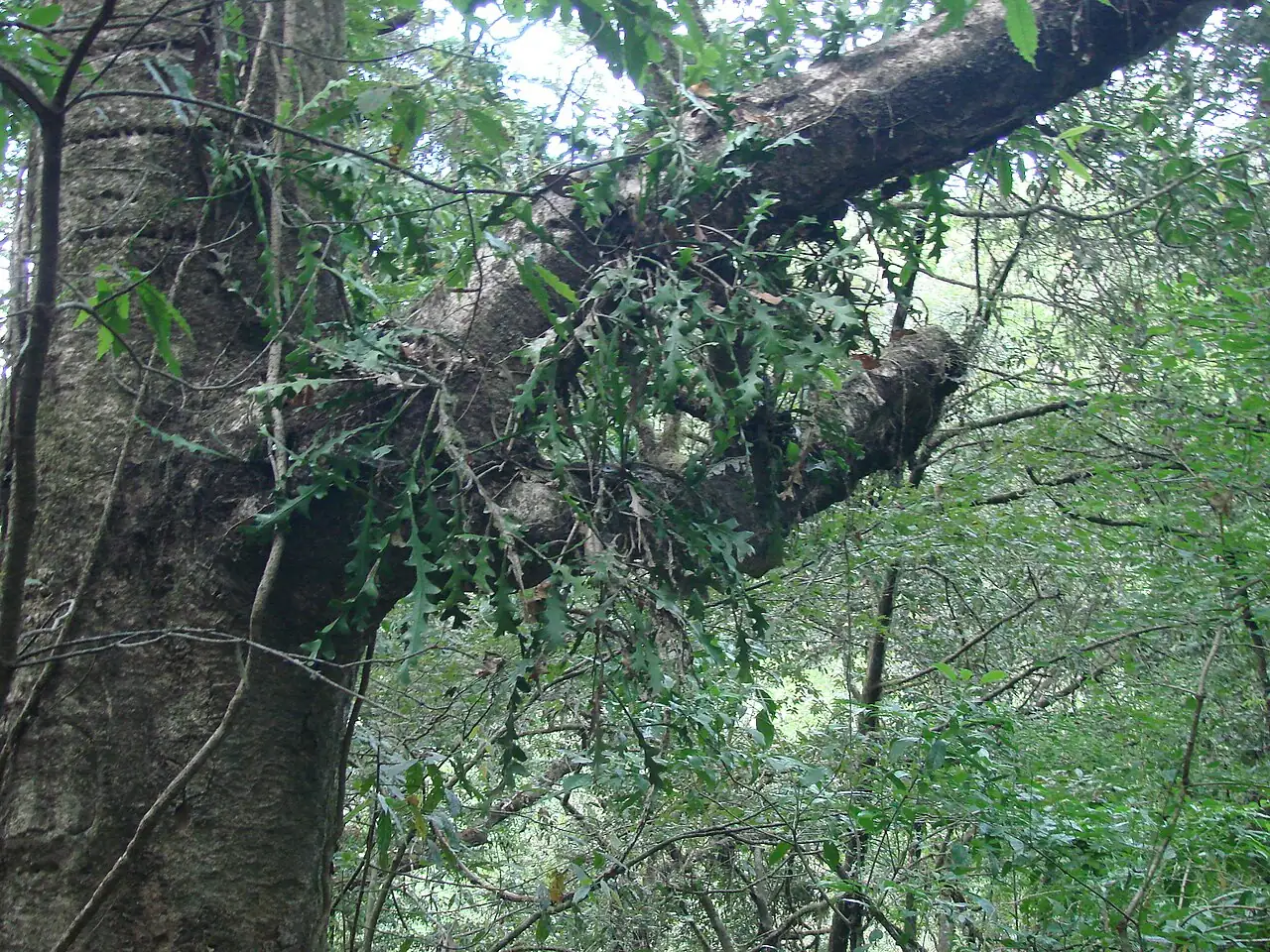
- Growth Habit: Trailing, epiphytic cactus; ideal for hanging baskets or high shelves where the stems can cascade.
Environment
Sunlight
Bright, filtered/indirect light; partial sun to partial shade. Avoid harsh midday sun (especially through glass), though gentle morning sun is often tolerated.
Temperature
Growing season: 16–25°C (61–77°F). Winter rest: ideally 11–14°C (52–57°F). Keep above about 10°C (50°F) and avoid cold, wet conditions.
Humidity
Moderate humidity. Appreciates a bit of extra humidity in dry homes as long as airflow is good (a pebble tray can help without waterlogging the pot).
Soil
Very free-draining, chunky epiphytic cactus mix. DIY option: potting mix blended with coarse sand at about 4:1 (by volume), ideally improved further with bark and/or perlite for extra aeration.
Placement
Hanging basket or a 10–15 cm (4–6 in) pot in bright, filtered light. In winter, move to a cooler, dimmer/sheltered spot for rest. Use a pebble tray (pot not sitting in water) if indoor air is very dry.
Hardiness
Not frost hardy; suitable outdoors year-round only in warm, frost-free climates (roughly USDA Zone 11+).
Care Guide
Difficulty
Easy and fairly forgiving, as long as the potting mix drains quickly and the plant isn’t kept cold and wet (a common cause of rot).
Buying Guide
Choose plants with firm, evenly green stems and clean stem joints. Avoid soft, translucent, blackened, or mushy sections (possible rot), and check crevices for mealybugs or scale.
Watering
Spring to early autumn: water when the surface of the mix has dried, then water thoroughly and let excess drain. Winter: reduce drastically—keep only barely moist to prevent rot (especially in cooler rooms). Light misting or a pebble tray can help if air is very dry, but don’t keep the mix soggy.
Fertilization
From summer when buds begin to form, feed every 2 weeks with a high-potassium fertilizer until flowering finishes.
Pruning
Usually minimal. Trim overly long or damaged stems to tidy the plant and encourage branching; let cut ends dry/callus before attempting propagation.
Propagation
Stem cuttings are the easiest method: take a healthy segment, allow it to callus for several days, then place into a lightly moist, airy epiphytic cactus mix to root in warm, bright indirect light.
Repotting
Use an airy epiphytic cactus mix. Grow in a 10–15 cm (4–6 in) pot or hanging basket. Repot young plants each spring; older plants often do well with just refreshing the top layer and moving up only when root-bound.
📅 Seasonal Care Calendar
Spring–autumn: keep at 16–25°C (61–77°F) in bright, filtered light; water when the surface dries. Summer (as buds form): begin regular high-potassium feeding. Autumn: enjoy blooms; keep conditions steady. Winter: move to 11–14°C (52–57°F) if possible, reduce watering to a slight moisture level, and avoid cold/wet soil; repot young plants in spring.
Pests, Diseases & Safety
Common Pests & Diseases
Can attract mealybugs, scale, and spider mites—especially with dry indoor air. Rot (root or stem) is the main disease issue and usually comes from overwatering, poor drainage, or cold + wet conditions; prevent with a very free-draining mix, good airflow, and much lighter winter watering.
Toxicity
Generally considered non-toxic to people and pets, though the sap may mildly irritate sensitive skin. Discourage chewing and wash hands after handling if you’re prone to irritation.
Culture & Symbolism
Symbolism: Often associated with resilience and adaptability—an unexpected cactus that thrives in forest-like conditions and rewards patience with fragrant blooms.
History & Legends: Popularized as a houseplant through the broader “orchid cactus” craze, prized for dramatic stems and night-opening flowers. While it’s sometimes grouped casually with orchid cacti, its distinctive zigzag stems make it instantly recognizable on its own.
Uses: Primarily grown as an ornamental trailing houseplant for hanging baskets; loved for sculptural stems and fragrant seasonal flowers.
FAQ
Why isn’t my fishbone cactus blooming?
Blooming usually requires a mature plant, bright filtered light, and a cooler, slightly drier winter rest (around 11–14°C / 52–57°F). Too little light or too much winter water commonly prevents bud formation.
Can it take direct sun?
A little gentle morning sun is often fine, but strong midday sun can scorch the stems—bright indirect light or light shade is the safest choice indoors.
Fun Facts
- Despite being a true cactus, it naturally grows as an epiphyte in humid forests rather than deserts.
- Those dramatic “fishbone” parts are flattened stems (not leaves), a common trick among epiphytic cacti for capturing light.


