

Plant Features
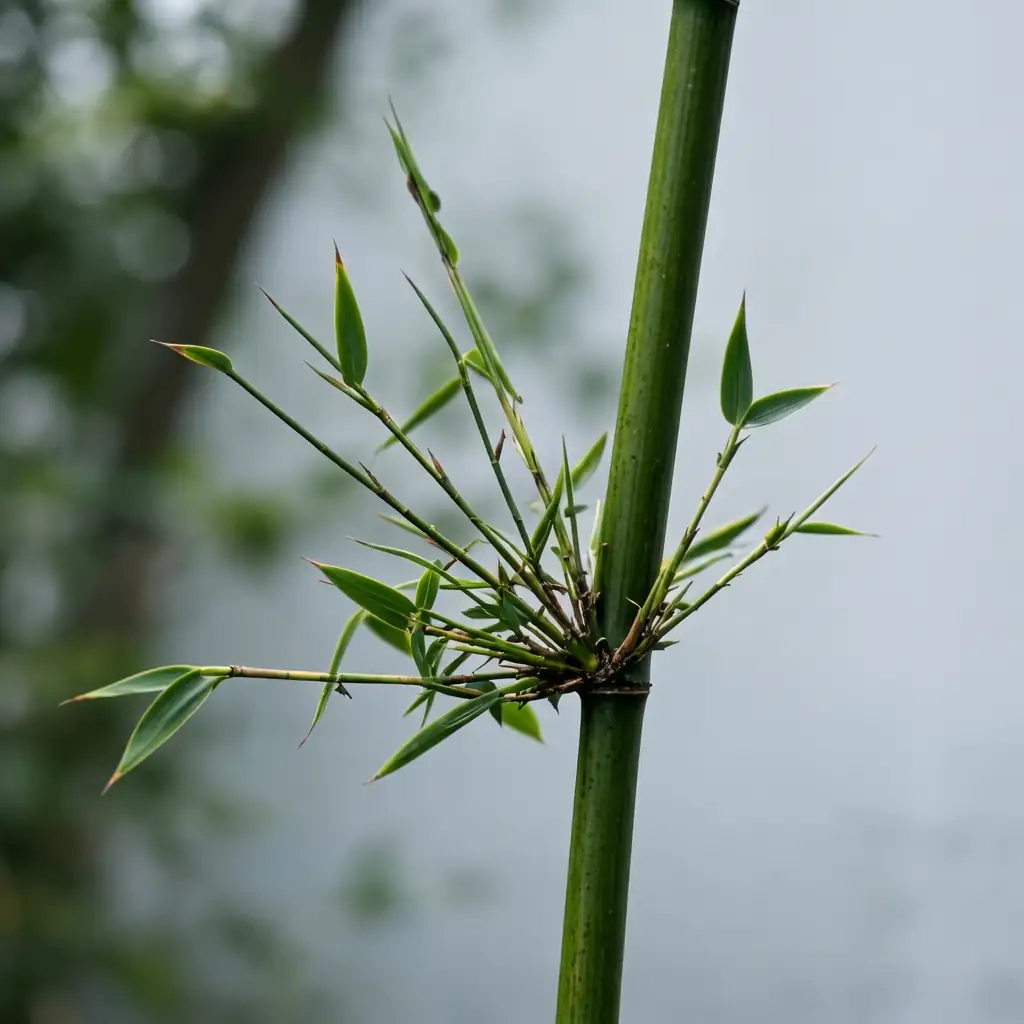
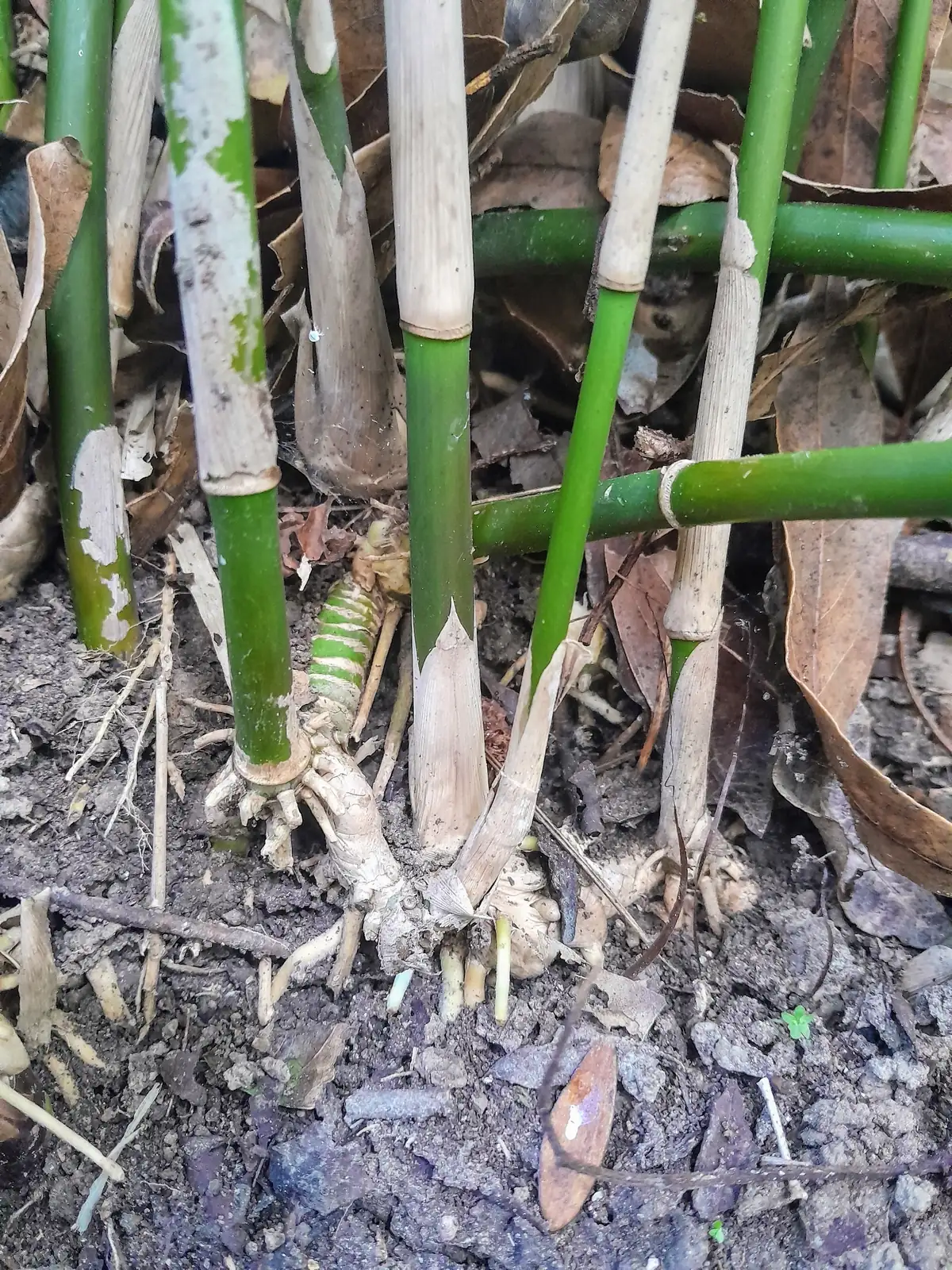
- Size: Typically 4–7 m (13–23 ft) tall; culms about 0.5–2.2 cm (0.2–0.9 in) in diameter.
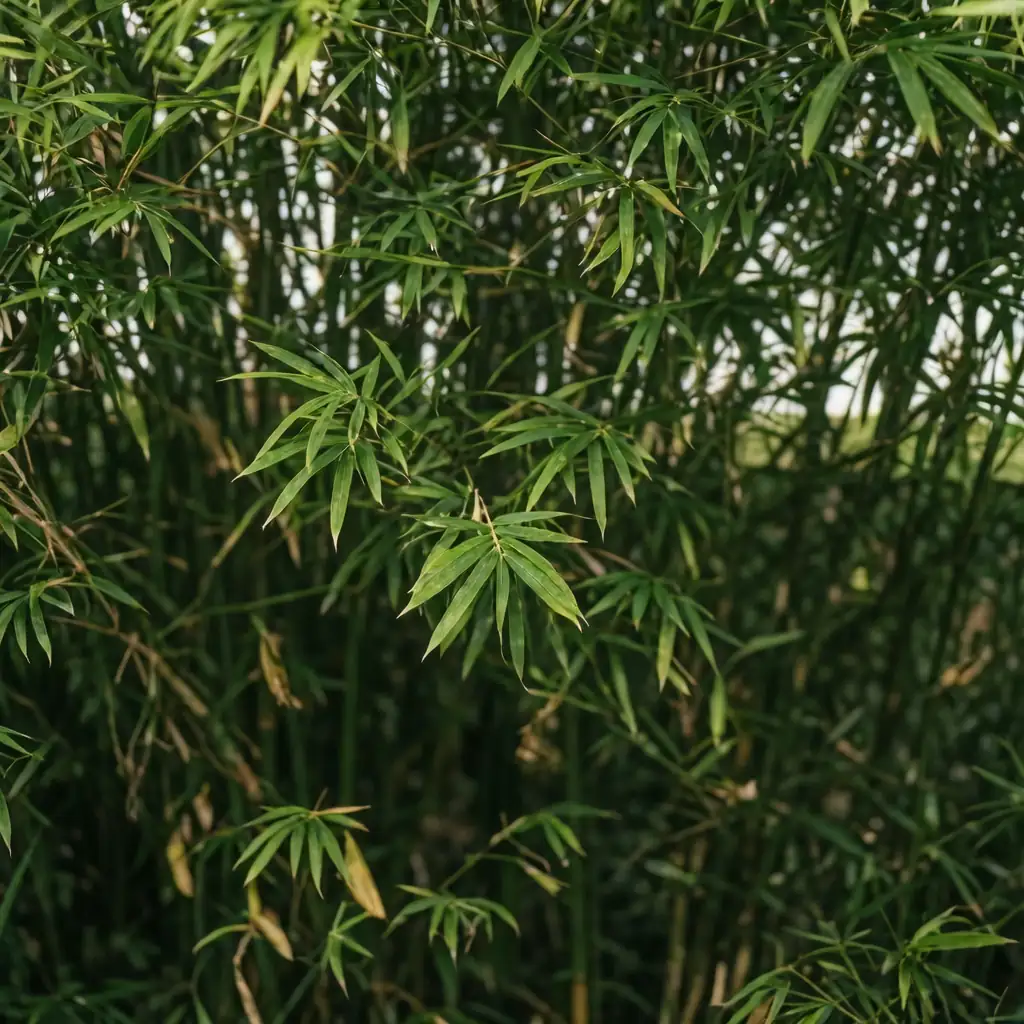
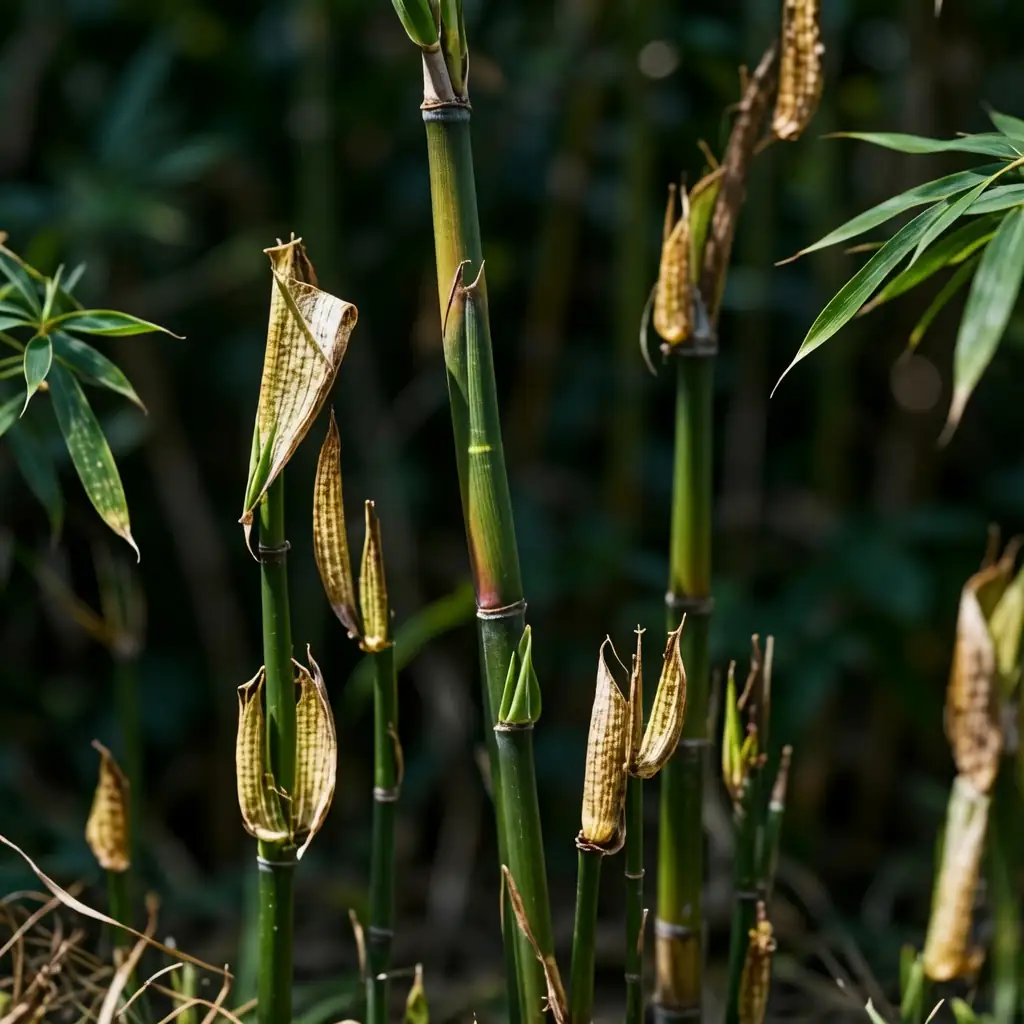
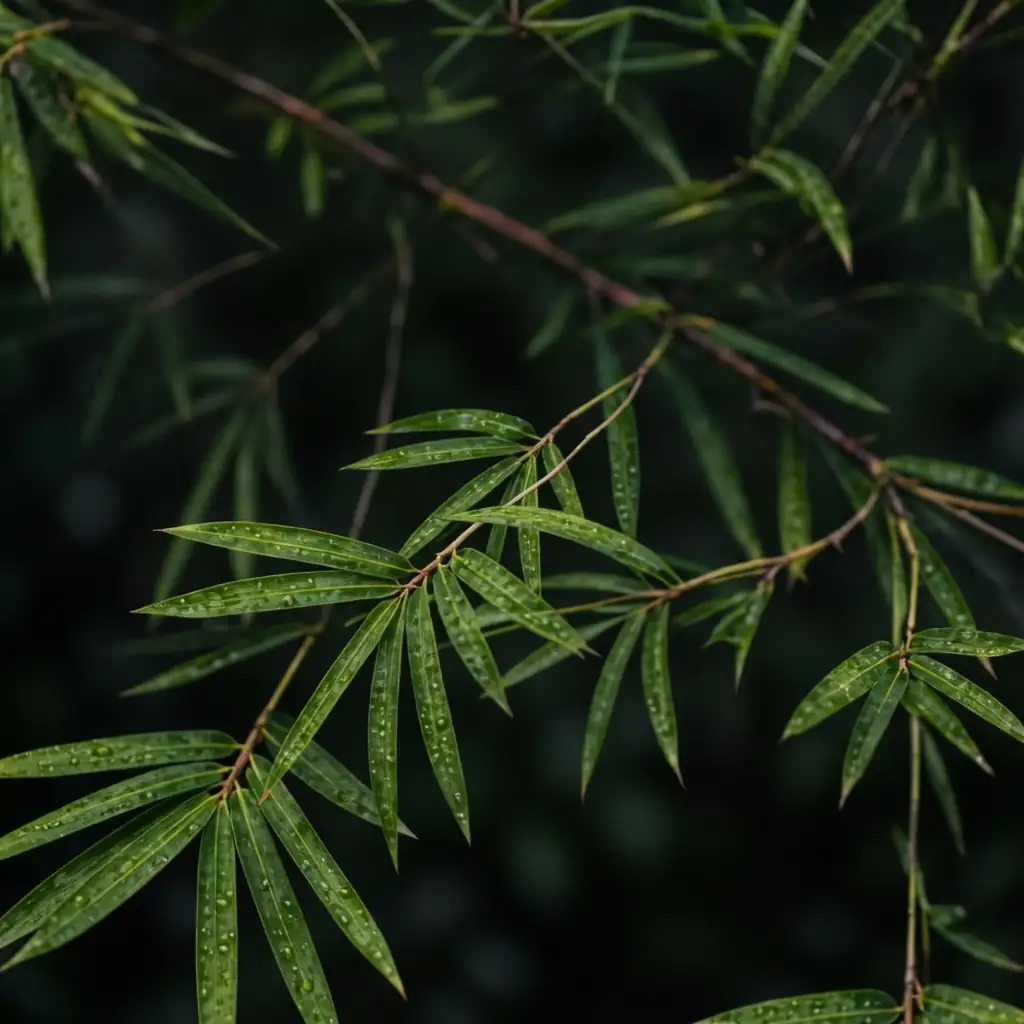
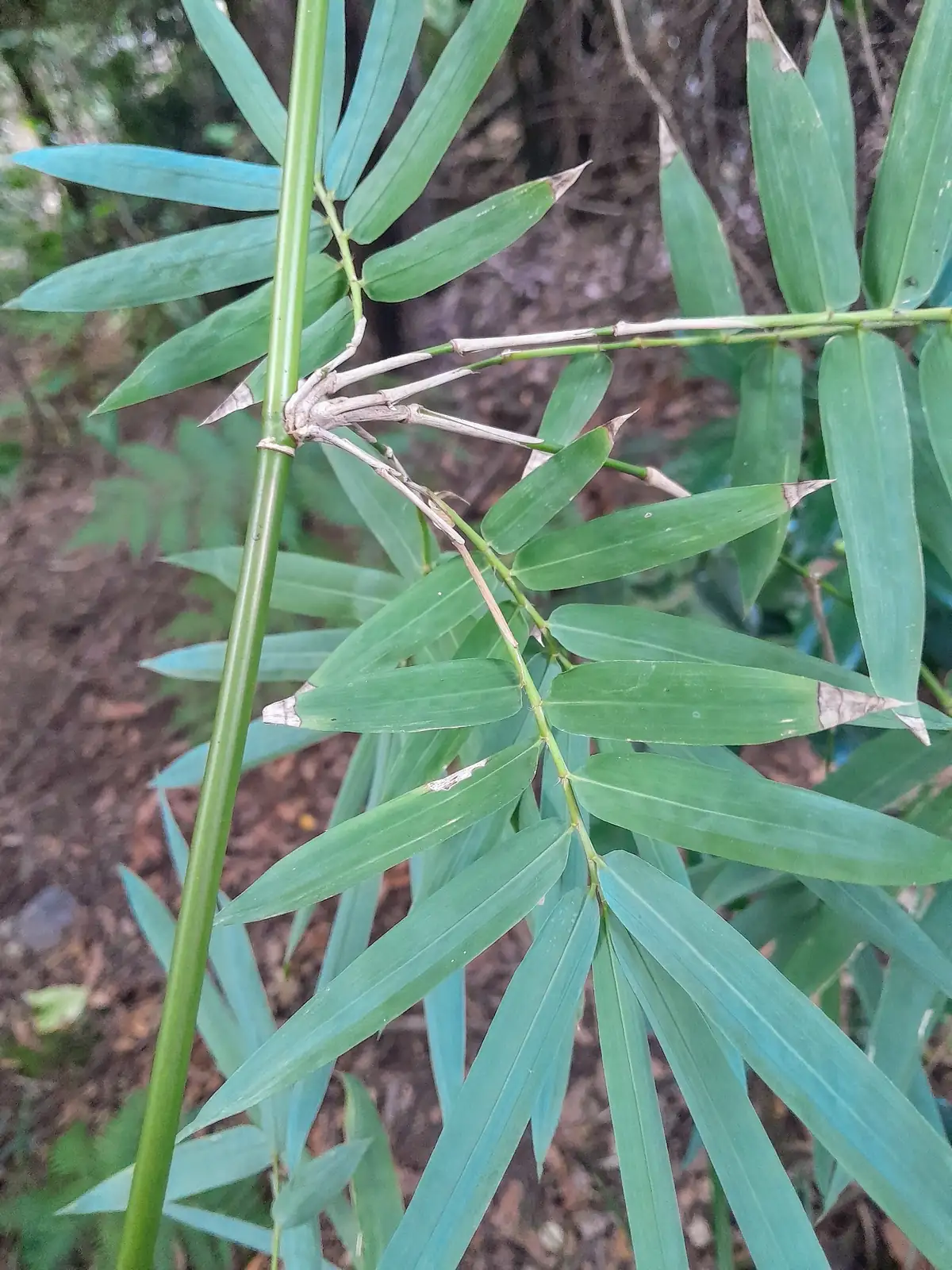
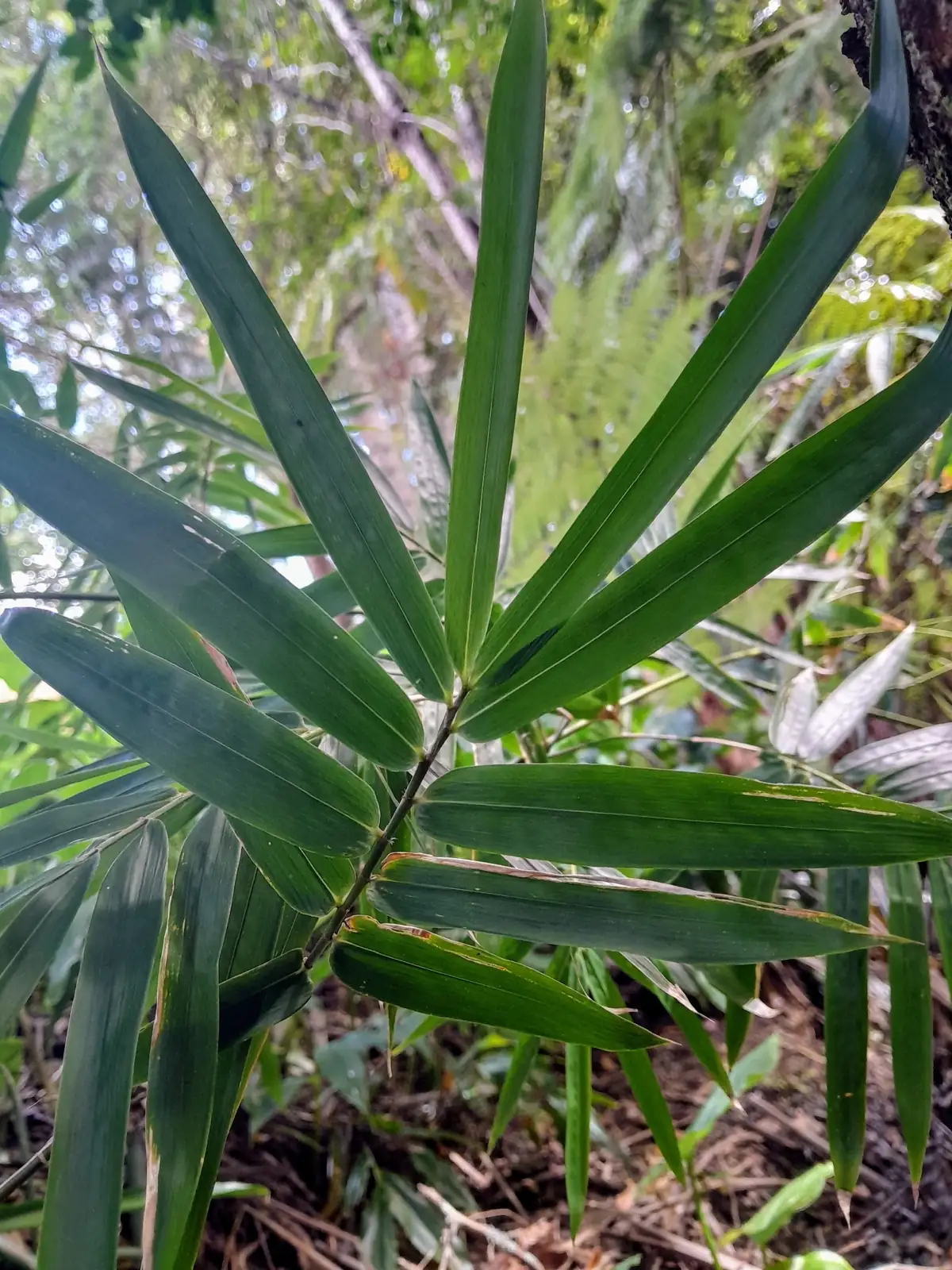
- Foliage: Short side branches usually carry about 5–9 leaves. Leaves are narrow, lance-shaped, and arranged in two ranks, giving the plant a compact, feathery, fern-like look. Young culms may show a light whitish bloom; the upper part of the internodes can have white to brown bristles. Culm sheaths are thin, leathery, and brittle, with a very small ligule around 1 mm (0.04 in).
- Flower: Flowering is rarely seen in cultivation. Like many bamboos, it may flower infrequently and irregularly, so it’s mainly grown for its foliage and screening effect rather than blooms.
- Flowering Season: July–September
- Growth Habit: Clumping, non-running bamboo forming dense tufts; upright to slightly arching.
Environment
Sunlight
Full sun to partial shade. It grows densest in brighter light; in very hot climates, a bit of afternoon shade can help prevent stress.
Temperature
Prefers warm, humid conditions. Best growth around 18–30°C (64–86°F). Tolerates cooler weather but should be protected from prolonged hard freezes.
Humidity
Moderate to high humidity is ideal; appreciates regular moisture when air is dry.
Soil
Moist but well-drained soil. Tolerates a range of soil types if drainage is good; mulching helps keep the root zone evenly moist.
Placement
Best outdoors as hedges, privacy screens, and boundary plantings; also attractive as a specimen clump in courtyards, along paths, or near water features.
Hardiness
USDA Zones 8–11 (cold tolerance varies with local conditions); protect from severe frost.
Care Guide
Difficulty
Easy to moderate—quite dependable once established, but it looks its best with steady moisture and occasional feeding.
Buying Guide
Pick plants with multiple healthy culms and fresh green leaves. Check for spider mites or scale, and avoid pots that are extremely root-bound or have sour, waterlogged soil.
Watering
Water deeply after planting and keep evenly moist during establishment. Once established, water when the top 3–5 cm (1–2 in) of soil dries; avoid keeping the roots constantly soggy.
Fertilization
Feed in spring and again in mid-summer with a balanced slow-release fertilizer (or a lightly applied, nitrogen-forward “lawn-type” feed). Reduce or stop fertilizing in late summer to avoid tender growth going into cold weather.
Pruning
Thin by removing weak, dead, or crowded culms at the base to improve airflow. Tip-prune or lightly shear for hedge shape; avoid cutting hard back into leafless sections if you want quick regrowth.
Propagation
Division is best: split a clump with roots and several culms attached in spring or early summer. Keep divisions shaded and consistently moist until re-established.
Repotting
In containers, repot or root-prune every 1–2 years. Move up one pot size or divide when roots circle densely; use a sturdy, well-drained mix.
📅 Seasonal Care Calendar
Spring: plant/divide, start feeding, refresh mulch. Summer: water consistently, light shaping. Autumn: reduce feeding, tidy and thin culms. Winter: protect container plants from deep freezes; water sparingly but don’t let the root ball fully dry.
Pests, Diseases & Safety
Common Pests & Diseases
May get spider mites (especially in hot, dry conditions), plus scale insects and aphids. Boost airflow, rinse foliage to reduce mites, and remove dead culms to lower disease pressure. Poor drainage can lead to root problems.
Toxicity
Not commonly listed as toxic to people or pets. However, chewing large amounts of foliage may cause mild irritation, and sensitive individuals may experience minor mouth/skin irritation from leaves or culms.
Culture & Symbolism
Symbolism: Bamboo often symbolizes resilience, integrity, and flexibility. In gardens, dense clumping bamboos also carry a practical “protective” meaning—privacy, shelter, and a calm green boundary.
History & Legends: Long appreciated in East Asian gardens as an ornamental and functional screen. This fernleaf form is especially valued for its fine texture and dense clumping habit compared with more aggressive running bamboos.
Uses: Primarily used as a landscaping plant for hedges, privacy screens, and evergreen-looking boundaries, adding both strong vertical structure and a soft, feathery texture to plantings.
Fun Facts
- It’s a true clumper, forming dense tufts rather than running across the garden.
- Culms are slender—about 0.5–2.2 cm (0.2–0.9 in) thick—making it look delicate even when used as a hedge.
- Young culms can show a light whitish bloom, and the upper internodes may have white-to-brown bristles.
- Each short side branch commonly carries about 5–9 narrow, lance-shaped leaves arranged in two ranks.
- It’s often associated with warm, humid, streamside landscapes in southern China.


