Plant Features
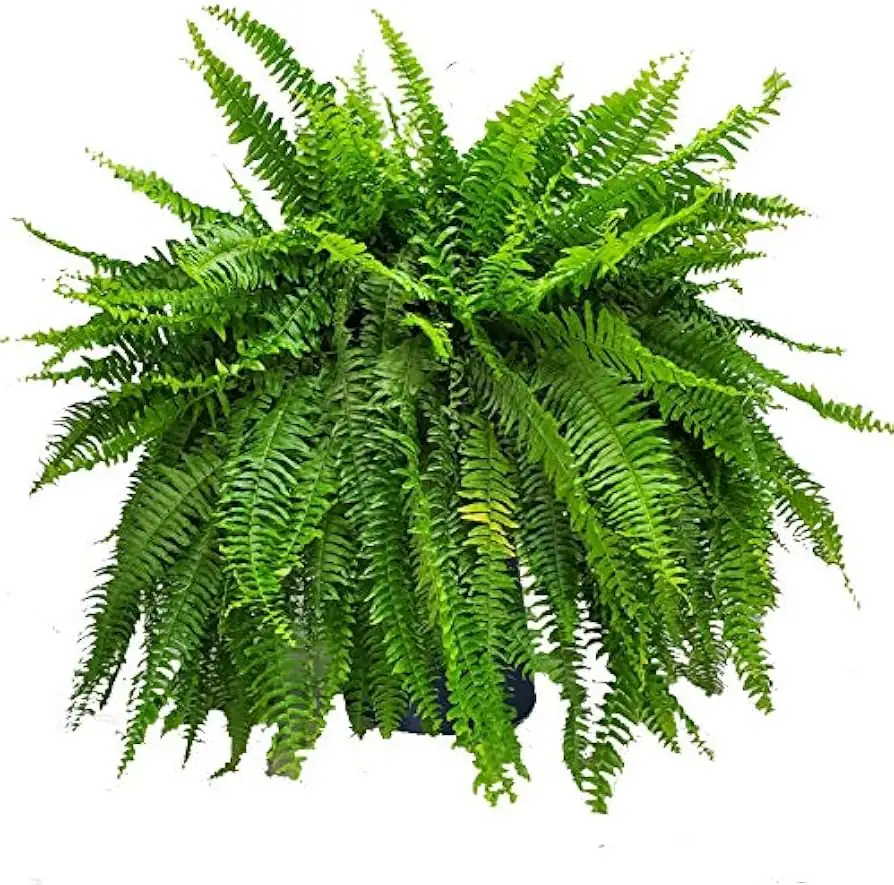
- Size: Ferns range widely in size: many are small, herbaceous plants just a few centimeters tall, while tree ferns can reach about 20 m (66 ft). Common indoor ferns (e.g., Boston fern types) typically grow around 30–60 cm (12–24 in) tall.
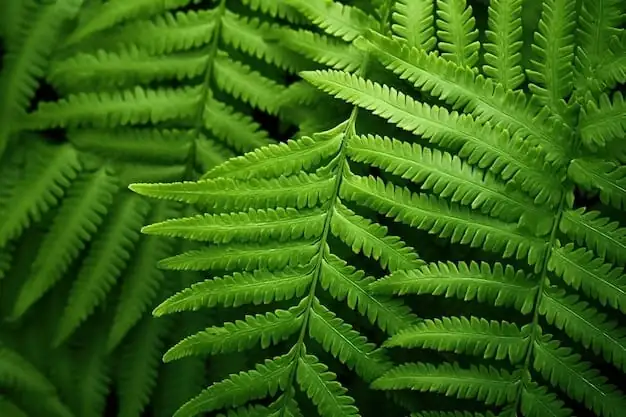
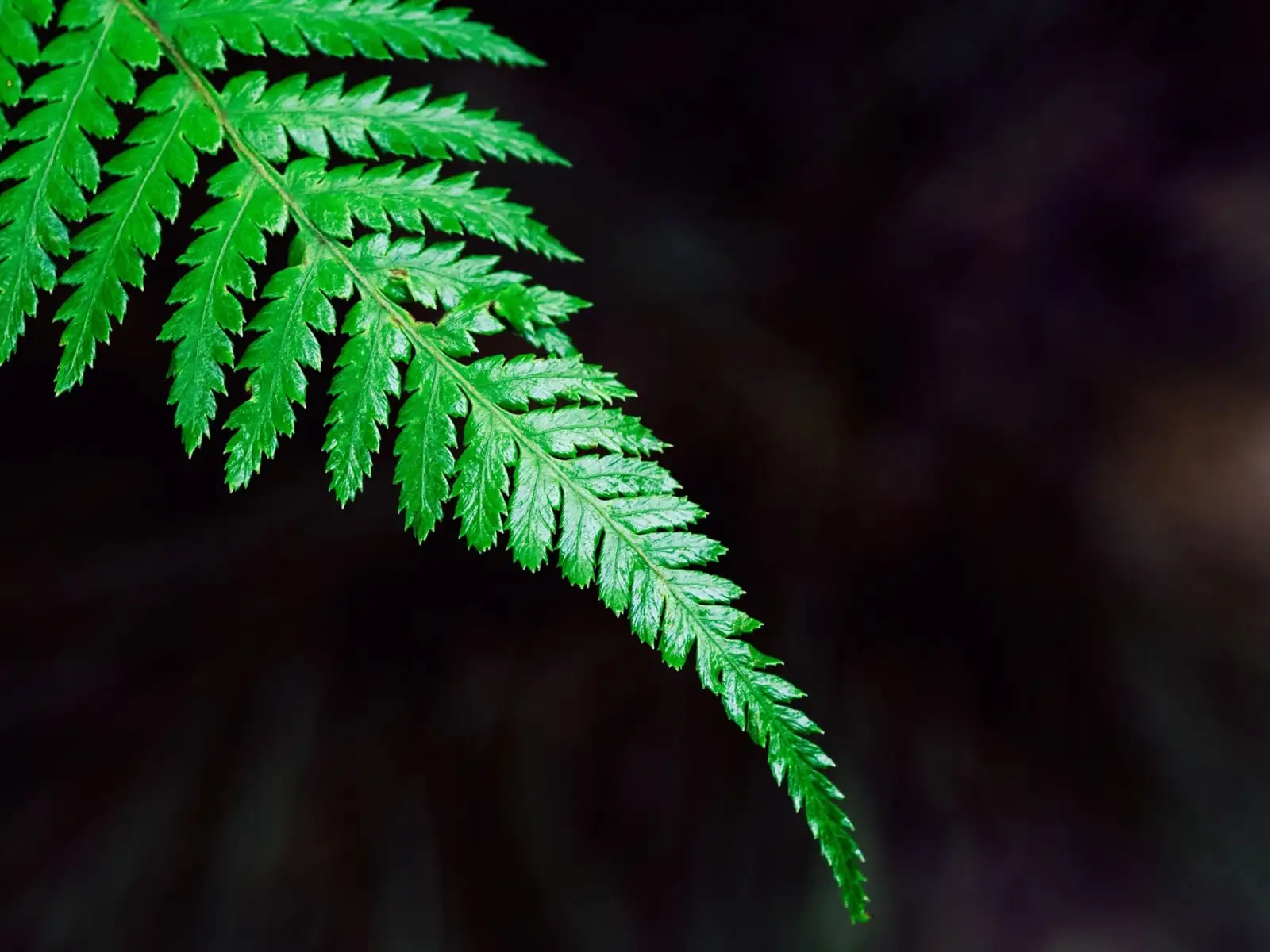
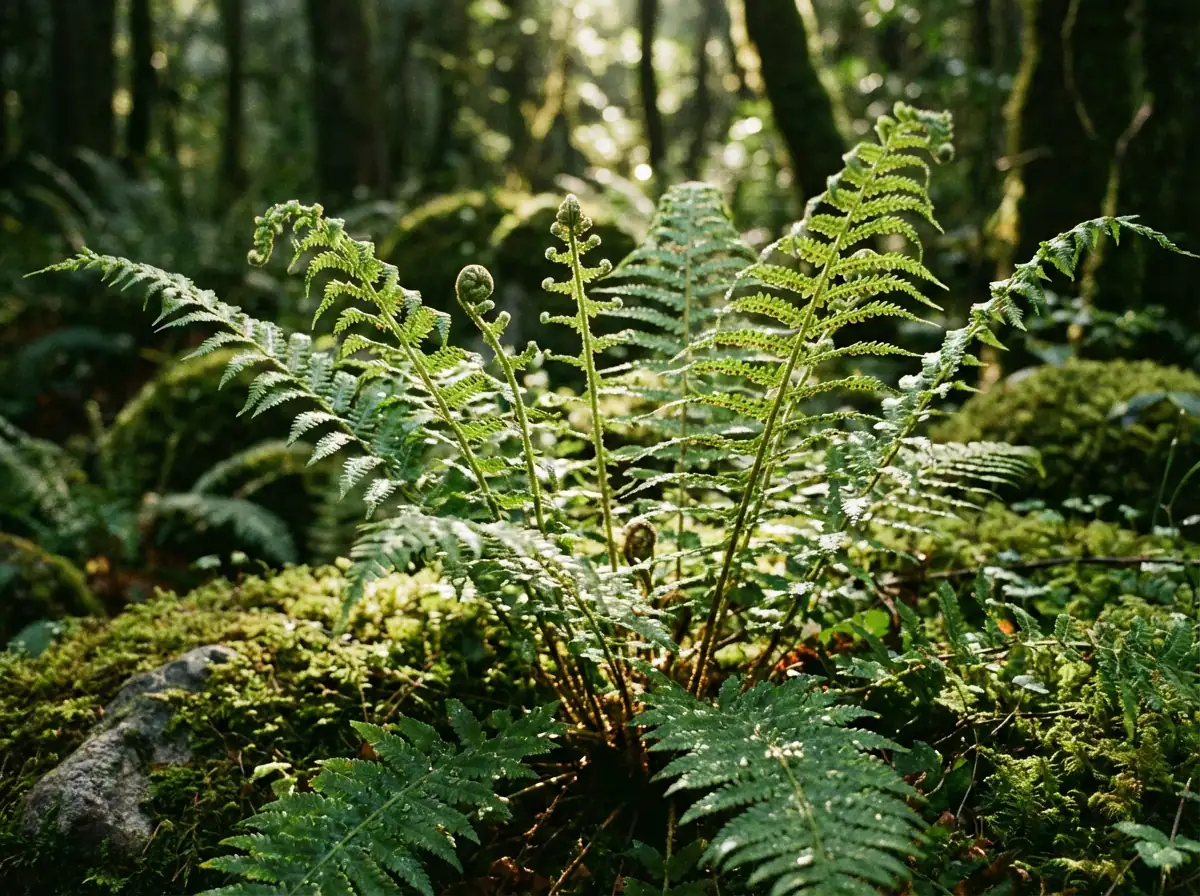
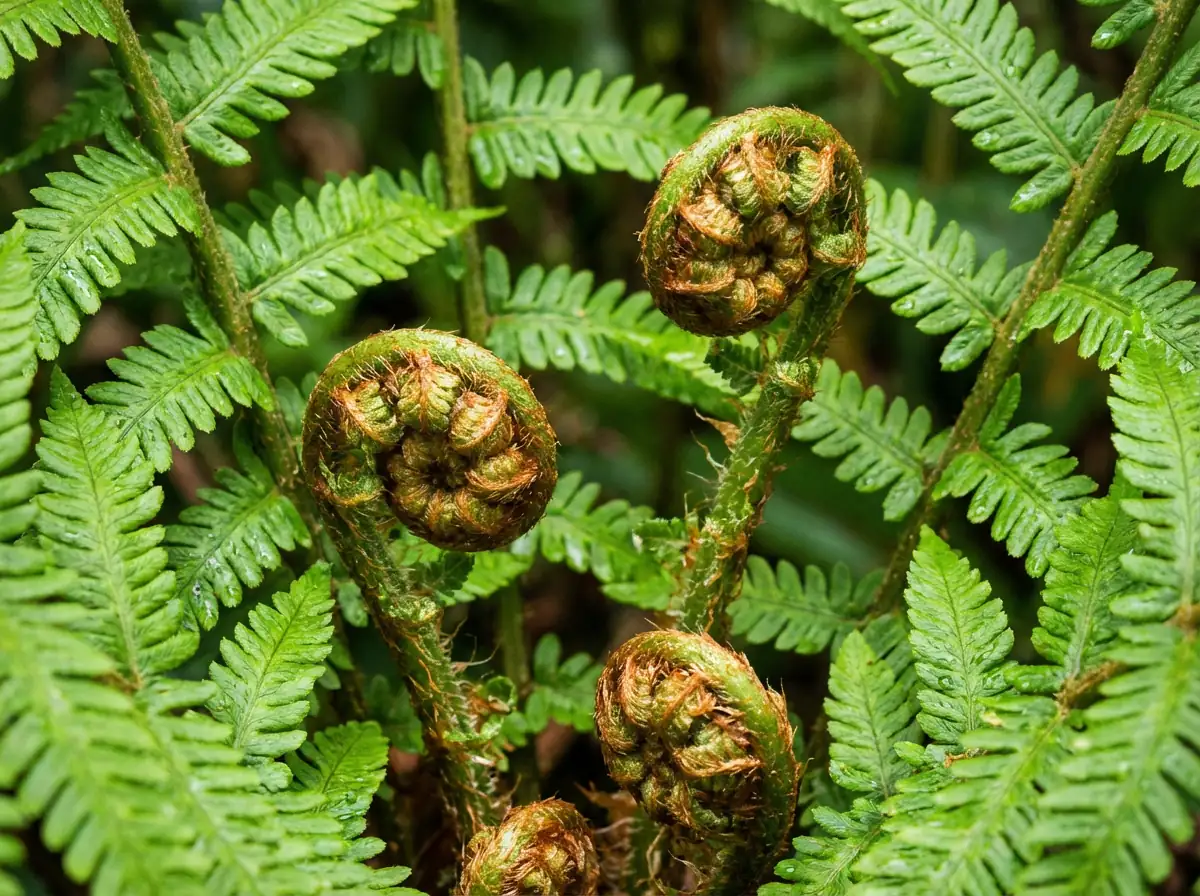
- Foliage: Fern “leaves” are called fronds and are often pinnate (feather-like) with a soft, delicate texture and arching, graceful curves. New fronds emerge as coiled fiddleheads that slowly unfurl. On the undersides, many species carry spore-producing structures (sporangia) arranged in clusters or patterns called sori.
- Flower: Ferns do not produce flowers or fruit. They reproduce via spores, usually produced in sporangia on the undersides of mature fronds.
- Flowering Season: No flowering season; spores typically mature in spring and summer.
- Growth Habit: Growth habits vary by type—some form tidy clumps while others creep and spread via rhizomes (often horizontal, underground stems). Many grow slowly but steadily, favoring shady, moist habitats.
Environment
Sunlight
Best in partial shade to bright indirect light. Avoid harsh direct sun, which can scorch fronds. Indoors, an east- or north-facing window with filtered light is ideal.
Temperature
Comfortable at 15–27°C (60–80°F). Tropical ferns generally prefer to stay above 10°C (50°F) in winter; some temperate ferns can tolerate down to about 5°C (40°F). Protect from cold drafts and sudden temperature swings.
Humidity
Likes high humidity—ideally 50%+ relative humidity. Support with a humidifier, pebble tray, grouping plants together, or gentle misting (especially in dry, heated rooms).
Soil
Loose, airy, organic-rich, slightly acidic, and well-draining. A common fern mix uses peat moss or leaf mold with perlite/coarse sand; bark or fern fiber can be added for extra aeration.
Placement
Great for bathrooms and kitchens where humidity is naturally higher. Also works in living rooms or bedrooms in bright shade. Many varieties shine in hanging baskets or on plant stands where fronds can arch freely.
Hardiness
Varies widely by species; many common house ferns are frost-tender and grown indoors. Some outdoor/temperate ferns can overwinter in frost-free or suitably hardy regions.
Care Guide
Difficulty
Moderate. Ferns are generally forgiving once you dial in two things: steady moisture and decent humidity (plus protection from hot sun and cold drafts).
Buying Guide
Pick plants with vibrant green fronds and minimal browning at the edges. Avoid specimens with lots of yellowing or crispy tips. Check frond undersides for pests, and choose a plant with a firm, healthy root system (no sour smell or mushy rot). Symmetrical, full growth usually signals good health.
Watering
Keep the potting mix consistently moist but never soggy. In spring and summer, water when the top 2–3 cm (about 1 in) feels slightly dry—often about 2–3 times per week depending on conditions. In fall and winter, reduce watering but don’t let the root ball fully dry out. Use room-temperature water (rainwater is great if available). Try not to soak the fronds repeatedly if it encourages spotting; focus water at the soil level.
Fertilization
Feed lightly in the growing season: about once a month in spring and summer with a diluted liquid houseplant fertilizer at half strength. Skip feeding in fall and winter. Gentle, regular feeding is safer than heavy doses (fern roots can burn).
Pruning
Snip yellowed, browned, or damaged fronds at the base using clean scissors. This tidies the plant and makes room for fresh new fronds. Avoid tearing fronds, which can stress the crown.
Propagation
Most home ferns are easiest to propagate by division. In spring, separate a clump so each piece has healthy roots and a few fronds, then pot up individually. Spore propagation is possible but slow and fiddly for most beginners.
Repotting
Repot every 1–2 years, ideally in spring. Many ferns prefer shallower pots because of relatively shallow root systems. Be gentle—keeping a bit of the old soil around the roots can reduce transplant shock.
📅 Seasonal Care Calendar
Spring (Mar–May): Strong growth—water more, begin feeding, and repot/divide if needed. Summer (Jun–Aug): Keep out of hot sun, maintain humidity, and watch for heat stress. Fall (Sep–Nov): Gradually reduce watering and stop fertilizing as growth slows. Winter (Dec–Feb): Water sparingly but don’t let the plant dry out completely; keep warm and away from drafts.
Pests, Diseases & Safety
Common Pests & Diseases
Common pests include scale, aphids, and spider mites. Treat early with insecticidal soap or horticultural oil; spider mites are less common when humidity is kept up. Common problems include leaf spot and anthracnose (brown/black spotting—improve airflow, avoid chronically wet foliage, and use appropriate fungicides if needed) and root rot (usually from overwatering—improve drainage and adjust watering). Regular inspection plus good air circulation prevents most issues.
Toxicity
Most commonly grown house ferns are considered non-toxic to people and pets. However, some ferns (notably bracken fern, Pteridium aquilinum) can be irritating or harmful if eaten in quantity. In very sensitive individuals, spores may cause mild respiratory irritation—good ventilation helps.
Culture & Symbolism
Symbolism: Ferns are often associated with new life, growth, resilience, fertility, and protection—fitting for a plant group that has survived and thrived since long before flowering plants appeared.
History & Legends: Ferns predate dinosaurs and were especially abundant during the Carboniferous period, when vast fern-like forests helped form many of today’s coal deposits. In Victorian Britain, fern collecting turned into a full-on craze called “Pteridomania,” influencing everything from garden design to jewelry motifs. Folklore in parts of Europe claims ferns bloom with a magical flower on Midsummer’s Eve, granting luck or hidden treasure to whoever finds it. In New Zealand, the silver underside of some fern fronds was traditionally used for navigation at night, and the silver fern became a national symbol tied to guidance, renewal, and identity.
Uses: Ornamental: popular as indoor foliage plants, hanging baskets, and shade-garden plants. Environmental: can improve perceived air freshness by boosting humidity; some species are noted for helping reduce certain indoor pollutants. Agricultural/ecological: Azolla (a water fern) is used as a biofertilizer thanks to its nitrogen-fixing partnership. Edible (limited): some species’ young fiddleheads are eaten after proper preparation. Traditional medicine: various ferns have been used regionally in folk remedies.
FAQ
Why are my fern’s leaf tips turning brown and crispy?
Most often it’s low humidity or too much direct light. Move it to bright indirect light, raise humidity (humidifier/pebble tray), and keep soil evenly moist.
Can ferns grow in complete darkness?
No—ferns tolerate shade, but they still need light to photosynthesize. In very low light they’ll become weak, pale, and stop growing well.
How often should I water my fern?
Use the soil as your guide: water when the top 2–3 cm (about 1 in) feels slightly dry. In warm months that may be every 2–3 days; in winter it’s often closer to once a week, depending on your home.
Why are my fern’s fronds wilting and drooping?
It can be either underwatering or root rot. Check the pot: if dry, water thoroughly and raise humidity; if soggy or smelly, reduce watering, improve drainage, and consider repotting.
Is it normal for my fern to lose some fronds?
Yes—older outer fronds naturally age and die as new ones emerge. Trim dead fronds at the base. Heavy or sudden leaf drop usually signals stress (dry air, drought, cold drafts, or pests).
Fun Facts
- Ferns are among the oldest vascular plants on Earth and appeared long before flowering plants.
- A single fern can release millions of microscopic spores from sori on the undersides of its fronds.
- There are roughly 10,560 known fern species worldwide, with the richest diversity in tropical rainforests.
- Tree ferns can reach about 20 m (66 ft), making them giants among spore-bearing plants.
- Ancient fern-rich ecosystems contributed to the formation of many coal deposits during the Carboniferous period.
- New Zealand’s silver fern is a powerful national symbol and appears in many cultural and sporting emblems.
- The Victorian “Pteridomania” fern craze made fern patterns fashionable in art, textiles, pottery, and jewelry.
- Azolla, a tiny floating water fern, can grow extremely fast and is used in some rice paddies as a natural fertilizer.