

Plant Features
- Size: Typically up to about 1 m (3.3 ft) tall in cultivation; spread varies with pruning and pot size.
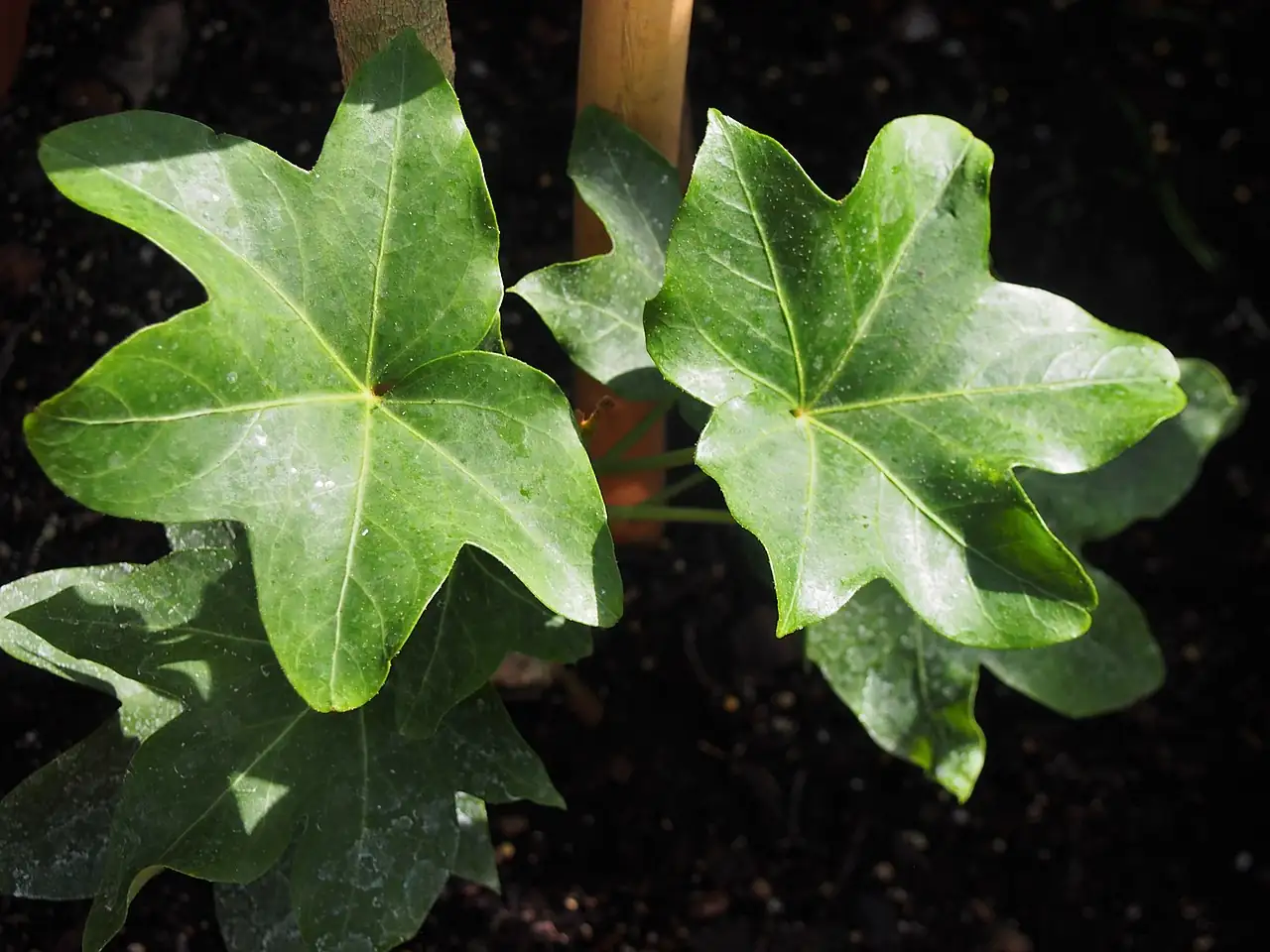
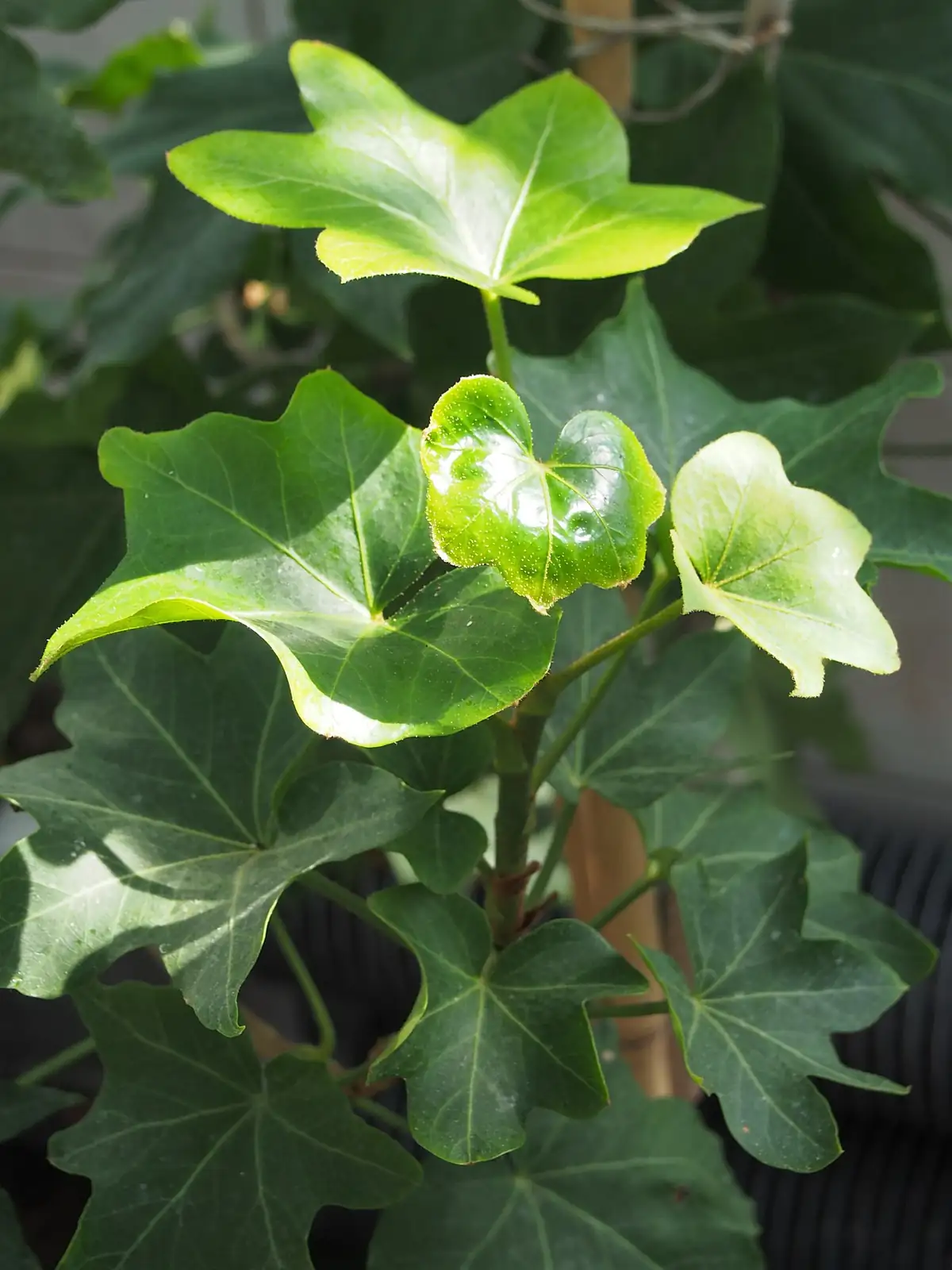
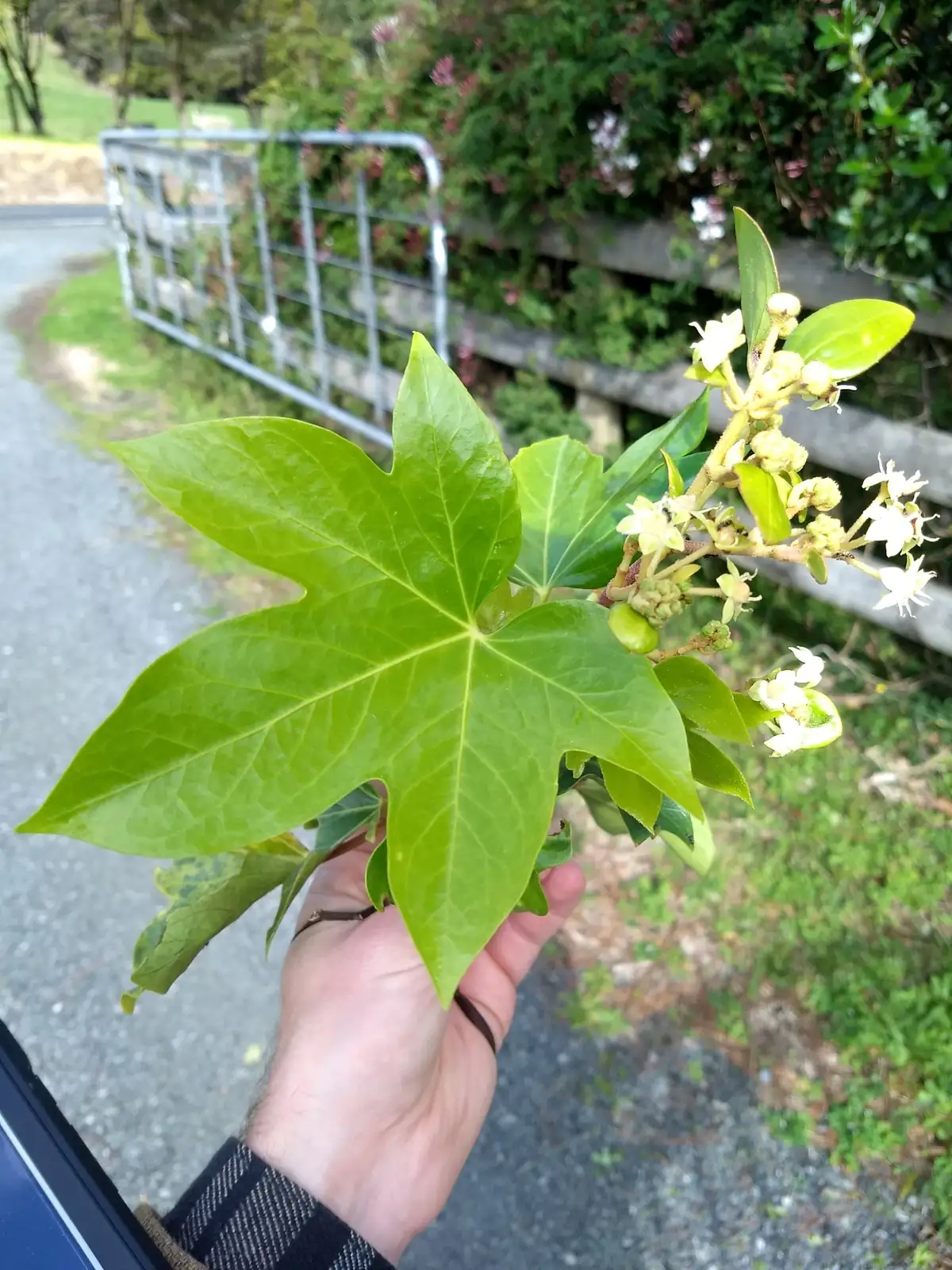
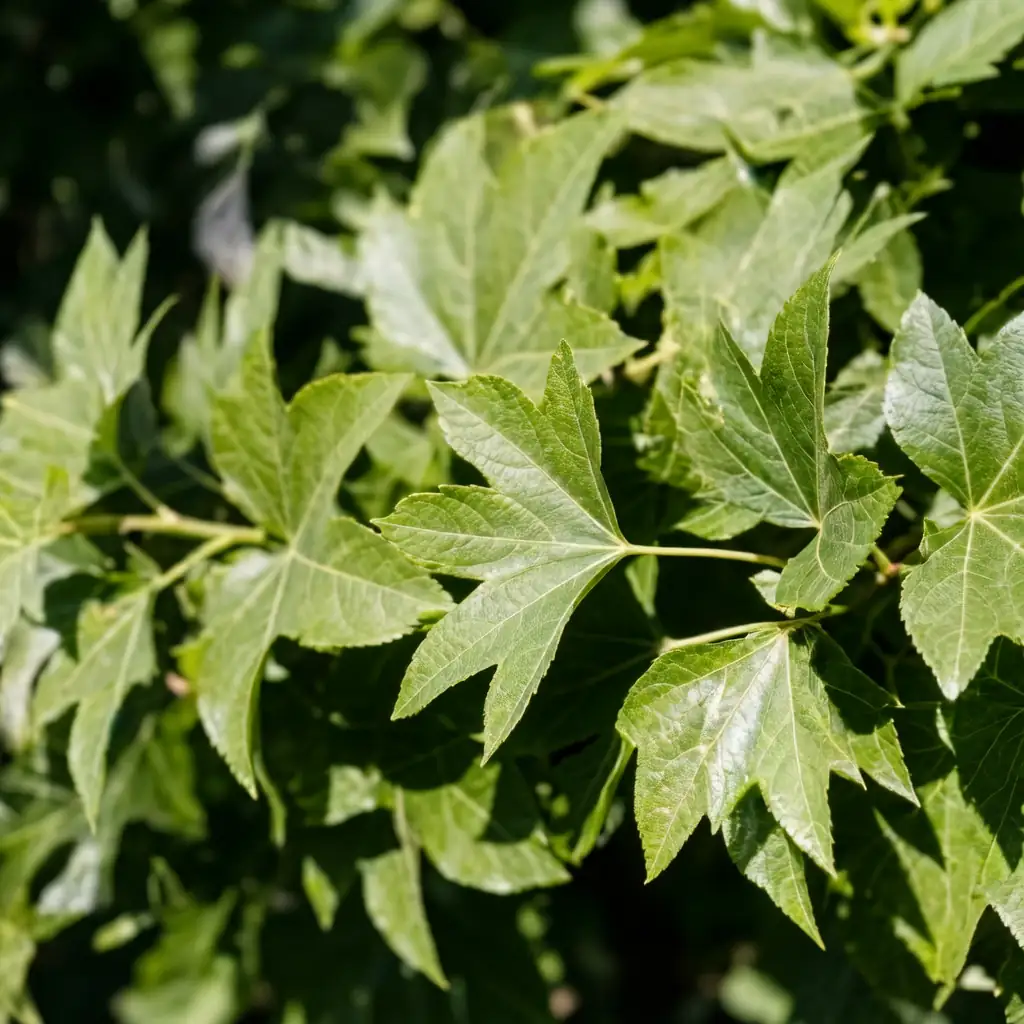
- Foliage: Leaves are alternate and single, with a palmately 5-lobed, hand-like outline. The lobe tips narrow to points and the leaf base is heart-shaped. Leaf blades are about 12–16 cm (4.7–6.3 in) wide. New leaves can be softly hairy, while older leaves mature into a deeper green with a glossy finish. Petioles are about 8–10 cm (3.1–3.9 in) long, and the base forms a sheath-like attachment to the stem.
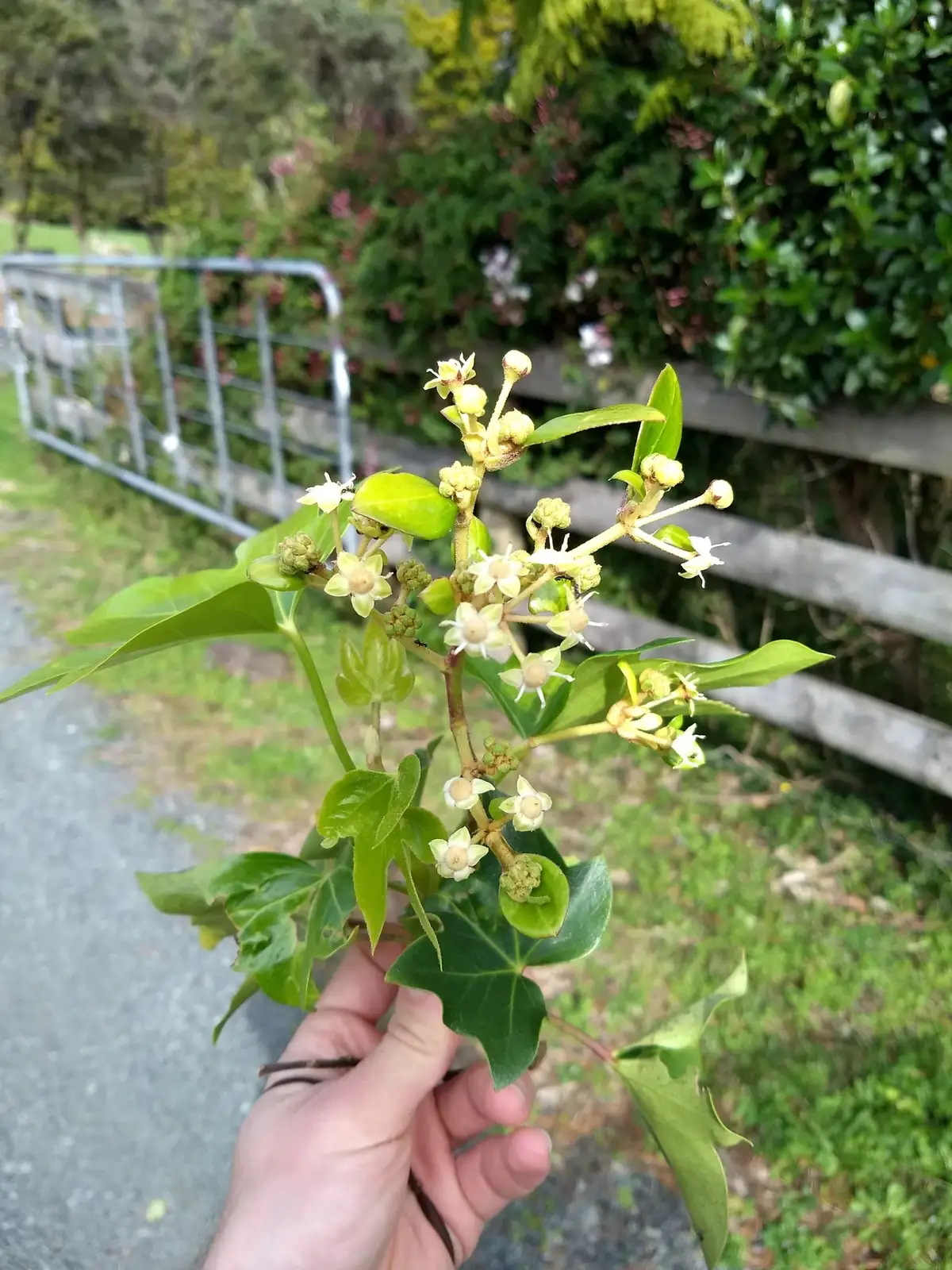
- Flower: On mature plants, small pale green flowers appear in autumn, typically held in clusters.
- Flowering Season: Autumn
- Growth Habit: An evergreen, shrub-like plant suited to sheltered shade; generally upright with loose branching. Noted for strong shade tolerance and a preference for a protected, humid environment; it has moderate cold tolerance when sheltered from harsh exposure.
Environment
Sunlight
Part shade to shade. Avoid harsh direct sun, which can yellow or scorch the leaves. Adapts well to low-light indoor positions (though growth is usually fuller with brighter filtered light).
Temperature
Prefers cool to mildly warm conditions, about 10–24°C (50–75°F). Protect from hard freezes; keep above about -3°C (27°F) when possible.
Humidity
Moderate to high humidity is ideal; aim for ~50%+ if possible. In very dry homes, a pebble tray or humidifier can help (especially to discourage spider mites).
Soil
Loose, well-drained yet moisture-retentive mix—an all-purpose potting soil amended with perlite and/or fine bark works well. Slightly acidic to neutral soil is suitable.
Placement
Indoors: bright shade/filtered light near an east- or north-facing window. Outdoors: sheltered shady borders, courtyards, under tree canopy, or in patio containers protected from hot afternoon sun and drying winds.
Hardiness
Moderately cold-tolerant; best around USDA Zone 8–11 (approx.), depending on wind, winter wetness, and shelter. Not reliably frost-hardy in colder zones.
Care Guide
Difficulty
Easy to moderate: very forgiving of low light, but dislikes hot sun and prolonged drought. The main “trick” is steady moisture with excellent drainage.
Buying Guide
Pick plants with firm stems and rich green foliage. Avoid widespread yellowing or crispy edges (often sun stress or inconsistent watering). Check for sticky residue or bumps on stems/leaves (possible scale), and inspect leaf undersides for pests before buying.
Watering
Water thoroughly when the top 2–5 cm (1–2 in) of soil feels dry, then let excess water drain away. Keep the mix evenly moist but never soggy. In winter, reduce watering as growth slows, and avoid leaving the plant cold and wet (a common cause of root issues).
Fertilization
Feed from spring through early autumn with a balanced liquid fertilizer at half strength every 2–4 weeks, or use a slow-release fertilizer according to label directions. Pause feeding in winter.
Pruning
Prune in spring to shape and encourage bushiness. Remove yellowing or damaged leaves by cutting at the base of the petiole. Pinch soft tips to control height and keep container plants compact.
Propagation
Most often propagated by semi-hardwood stem cuttings in late spring to summer. Take 10–15 cm (4–6 in) cuttings, remove lower leaves, and root in a humid, warm setup using a well-drained medium. Seed is uncommon for this hybrid.
Repotting
Repot every 1–2 years in spring, stepping up by about 2–5 cm (1–2 in) in pot width. If not repotting, refresh the top layer of potting mix annually to improve vigor.
📅 Seasonal Care Calendar
Spring: repot, prune, begin feeding. Summer: keep evenly moist, protect from strong sun, boost humidity if needed. Autumn: taper feeding; enjoy occasional flowers on mature plants. Winter: keep cooler and as bright as possible without direct sun; water sparingly and protect from frost.
Pests, Diseases & Safety
Common Pests & Diseases
Can attract spider mites in dry air, plus scale insects, mealybugs, and aphids on tender growth. Root rot is the big risk in heavy or waterlogged soil. Prevent problems with good drainage, sensible watering, and decent airflow; treat outbreaks with horticultural soap or oil as needed.
Toxicity
Toxicity is not well documented for this specific hybrid. As a sensible precaution, keep it away from pets and small children, avoid ingestion, and note that the sap may irritate sensitive skin.
Culture & Symbolism
Symbolism: Often linked with protection and resilience—its bold, hand-like leaves and ability to thrive in shade give it a “tough guardian” vibe in the plant world.
History & Legends: Grown mainly as an ornamental foliage plant and appreciated for thriving where many plants struggle—shady, sheltered spaces. It is reported as originating from Mexico and has been widely introduced into cultivation in parts of East Asia, including China’s Yangtze River region.
Uses: Primarily ornamental: popular for pots and interiorscapes, and for adding lush texture to shady gardens, courtyards, and underplantings.
FAQ
Why are the leaves turning yellow or getting scorched patches?
This is most commonly sun stress (too much direct light) or inconsistent watering. Move the plant to bright shade/filtered light and water when the top 2–5 cm (1–2 in) dries, keeping the soil evenly moist but well-drained.
Can it really live in low light indoors?
Yes—this plant is notably shade tolerant. It will survive in low light, but growth tends to be slower and leggier. For a fuller shape, give it brighter filtered light near an east or north window.
Why do I keep getting spider mites?
Spider mites thrive in hot, dry air. Raise humidity to around 50%+ if possible, rinse foliage occasionally, and treat early with insecticidal soap or horticultural oil.
Fun Facts
- Although noted as native to Mexico, it has been widely introduced and cultivated in the Yangtze River region of China.
- Mature plants can produce small, pale green flowers in autumn—an unexpected bonus for a foliage plant.
- New leaves may be softly hairy, while older leaves become deep green and glossy.
- The leaf stalk base forms a sheath-like attachment to the stem.


