

Plant Features
- Size: Typically 20–45 cm (8–18 in) tall and 30–60 cm (12–24 in) wide, depending on cultivar and growing conditions.
- Foliage: Evergreen to semi-evergreen in mild climates, with narrow to spoon-shaped, medium-green leaves that may be slightly toothed and sometimes lightly hairy.
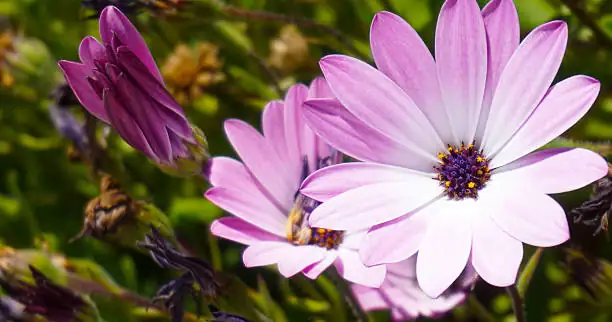
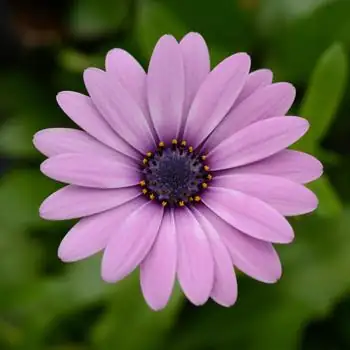
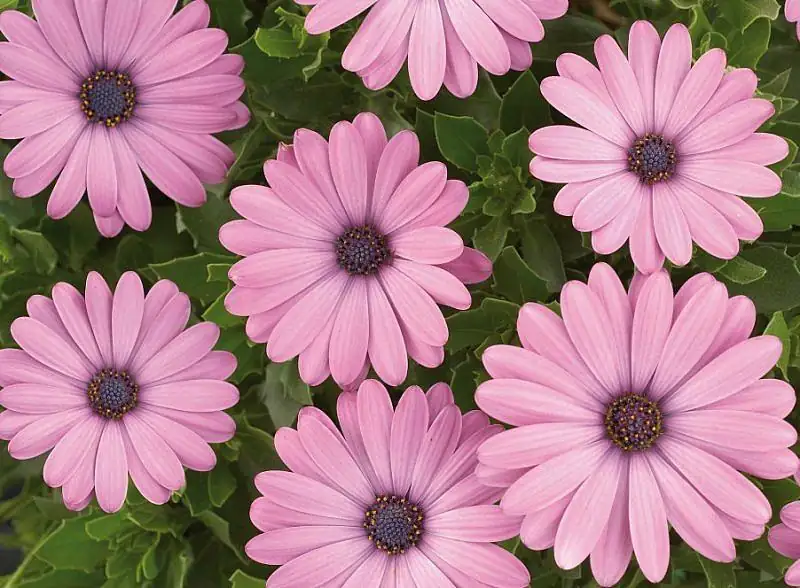
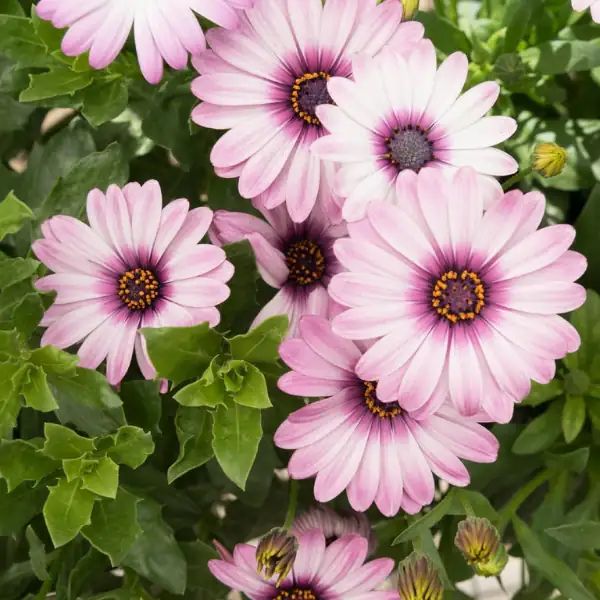
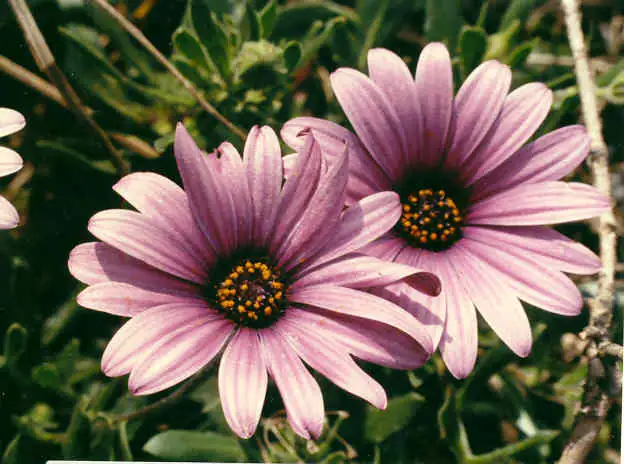
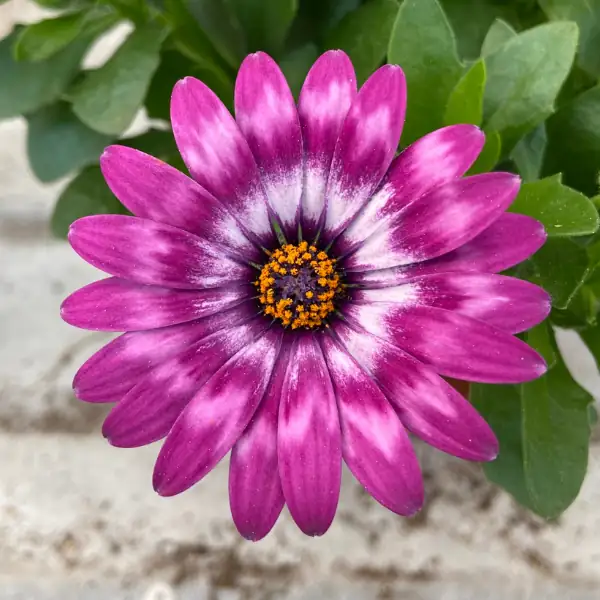
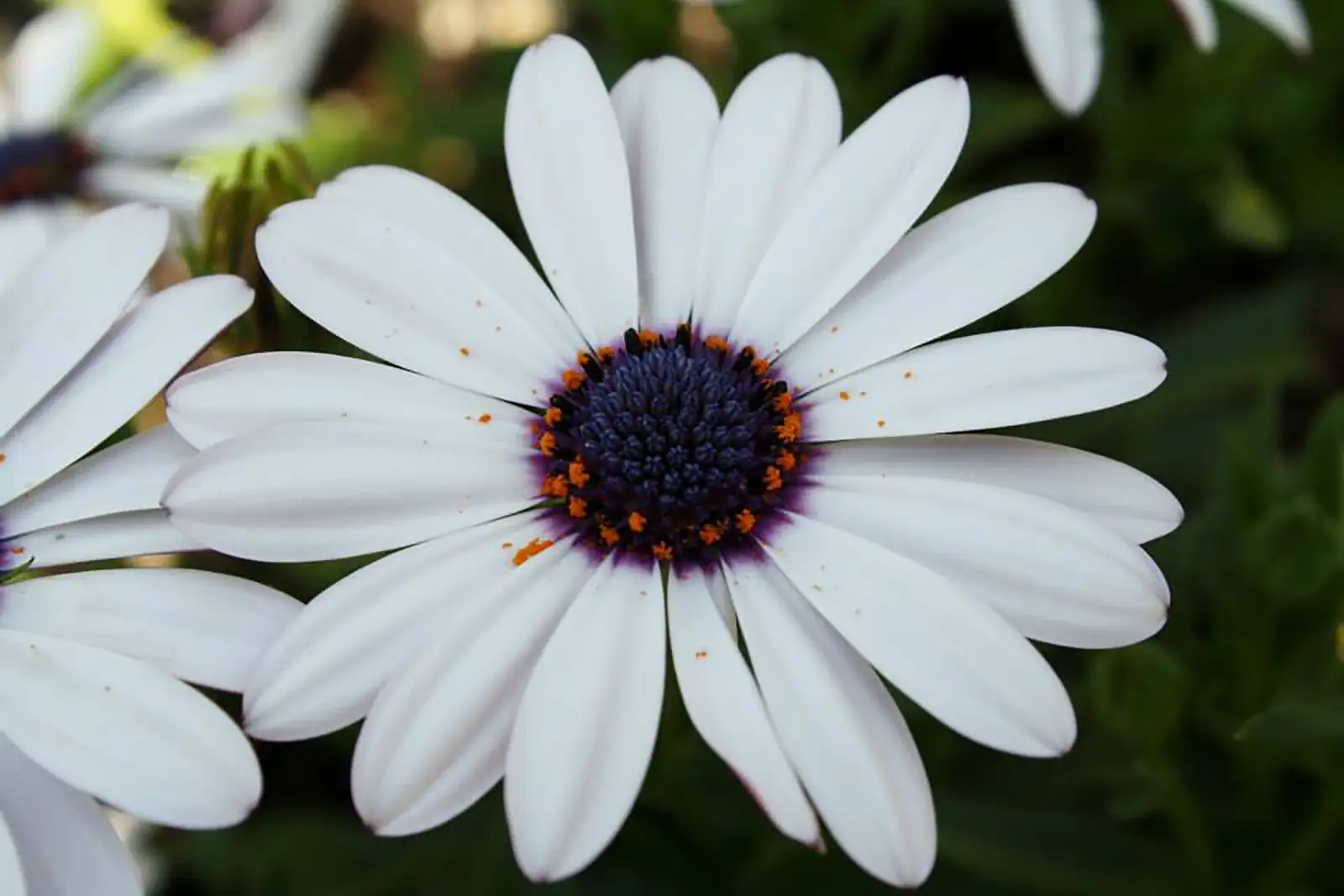
- Flower: Produces masses of small to medium, daisy-like flowers in pale to light blue shades, usually with a deeper-toned center. Flowers are most abundant in sun, and regular deadheading helps keep new buds coming.
- Flowering Season: Early spring through fall (often longest in cool-to-mild weather).
- Growth Habit: Compact, mounding to spreading; forms a low, bushy clump.
Environment
Sunlight
Full sun for best flowering; tolerates light shade but blooms less (aim for 6+ hours of sun daily).
Temperature
Best growth at 10–24°C (50–75°F). Protect from hard frost; brief light frosts may be tolerated, but prolonged freezing will damage plants.
Humidity
Does well in average humidity. Prefers good air circulation and dislikes persistently damp, stagnant conditions.
Soil
Well-drained, moderately fertile soil; sandy or loamy mixes are ideal. Avoid waterlogged soils to prevent root/crown problems.
Placement
Sunny balcony, patio containers, front-of-border beds, or any bright location with sharp drainage.
Hardiness
USDA Zone 9–11 (approximately). In colder zones, grow as an annual or overwinter indoors frost-free.
Care Guide
Difficulty
Easy to moderate: give it sun, fast drainage, and a little routine grooming, and it rewards you with continuous bloom.
Buying Guide
Pick compact plants with healthy green foliage and plenty of buds. Avoid specimens with yellowing leaves, soggy potting mix, or pests (check under leaves for aphids/whiteflies).
Watering
Water thoroughly, then allow the top 2–3 cm (about 1 in) of soil to dry before watering again. Containers dry faster in heat, but don’t let pots sit in water—steady moisture without sogginess is the goal.
Fertilization
Feed lightly in active growth: use a balanced liquid fertilizer at half strength every 2–4 weeks, or a slow-release fertilizer according to the label. Ease off during cool, low-light periods.
Pruning
Deadhead regularly to extend flowering. Pinch or trim leggy growth to keep plants compact; after a big flush, a slightly harder cutback can trigger fresh growth and another round of buds.
Propagation
Most reliable from softwood cuttings in spring or summer. Seed is possible, but named varieties may not come true from seed.
Repotting
Repot in spring into a fresh, free-draining mix. Move up just one size—about 2–5 cm (1–2 in) wider—to avoid excess wet soil around roots.
📅 Seasonal Care Calendar
Spring: plant out after frost risk; begin feeding and deadheading. Summer: water more often (especially in pots) but keep drainage excellent; trim after heavy flushes. Fall: keep deadheading; reduce fertilizer. Winter (cold areas): bring containers indoors to a bright, cool spot around 10–15°C (50–59°F) and water sparingly.
Pests, Diseases & Safety
Common Pests & Diseases
Common pests include aphids, whiteflies, spider mites, and thrips. Root and crown rot can occur in poorly drained or overwatered conditions. Prevent issues with strong light, airflow, and careful watering; treat pests with insecticidal soap or horticultural oil when needed.
Toxicity
Not widely reported as toxic to people or pets. As with many ornamentals, chewing or ingestion may cause mild stomach upset—best kept away from curious pets.
Culture & Symbolism
Symbolism: Often linked with cheerfulness and optimism—its starry, sky-toned blooms read like a little burst of good weather in flower form.
History & Legends: Osteospermum (Cape daisies) rose to global popularity as bedding and container plants thanks to their vivid colors and long flowering season, especially in Mediterranean-style and coastal gardens.
Uses: Mainly ornamental: ideal for containers, hanging baskets, edging, and mass planting for long-season color. Also appreciated for attracting pollinators.
FAQ
Why did my plant stop flowering in mid-summer?
Cape daisies often bloom best in cool-to-mild weather and may pause in intense heat. Keep it in full sun, water consistently (without waterlogging), deadhead often, and lightly trim after a flush—blooms usually return as temperatures ease.
Can I grow it indoors?
It’s best outdoors for flowering, but you can overwinter it indoors. Give it very bright light, keep it cool at about 10–15°C (50–59°F), and water sparingly to avoid rot.
Fun Facts
- Many Cape daisies open their flowers in bright sun and close them in low light or at night.
- In mild coastal climates, they can behave as short-lived perennials and bloom for months.


