Plant Features
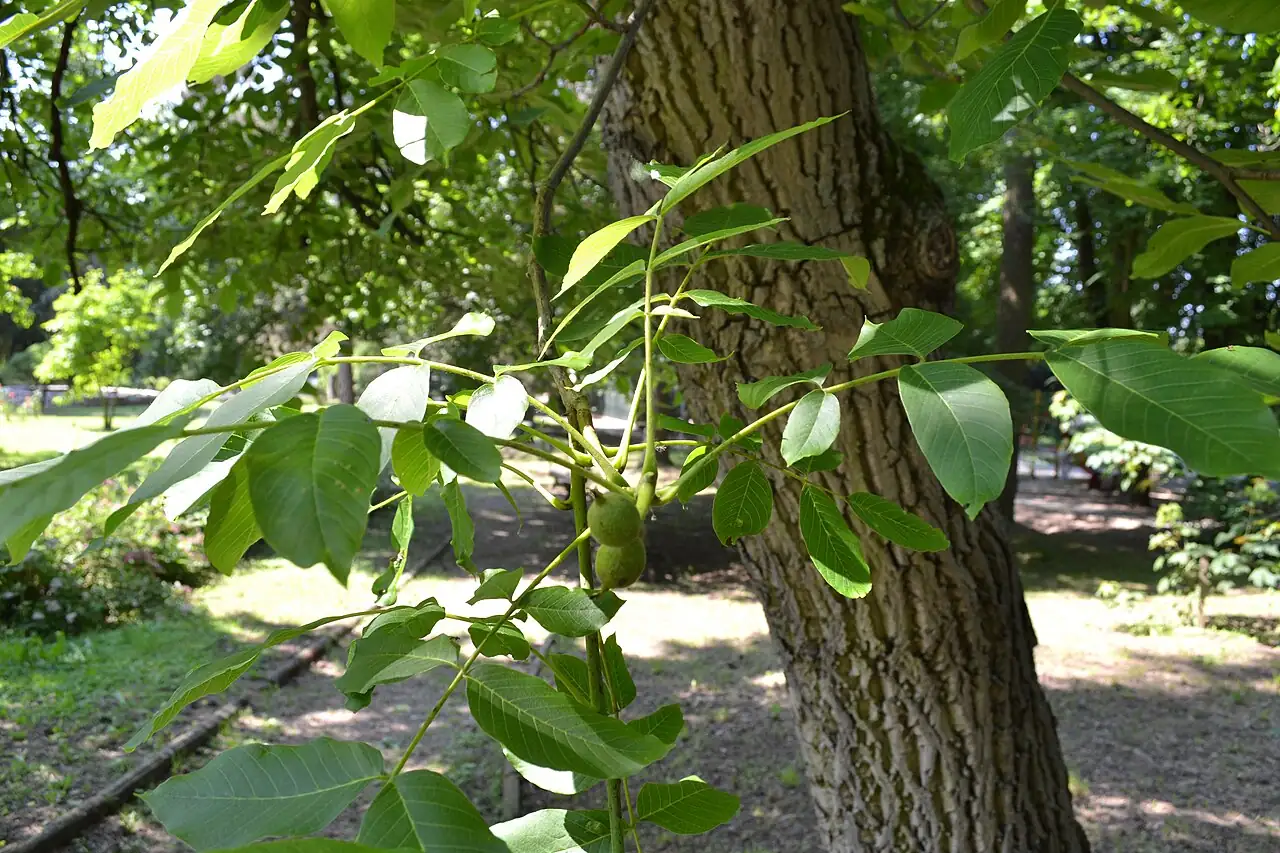
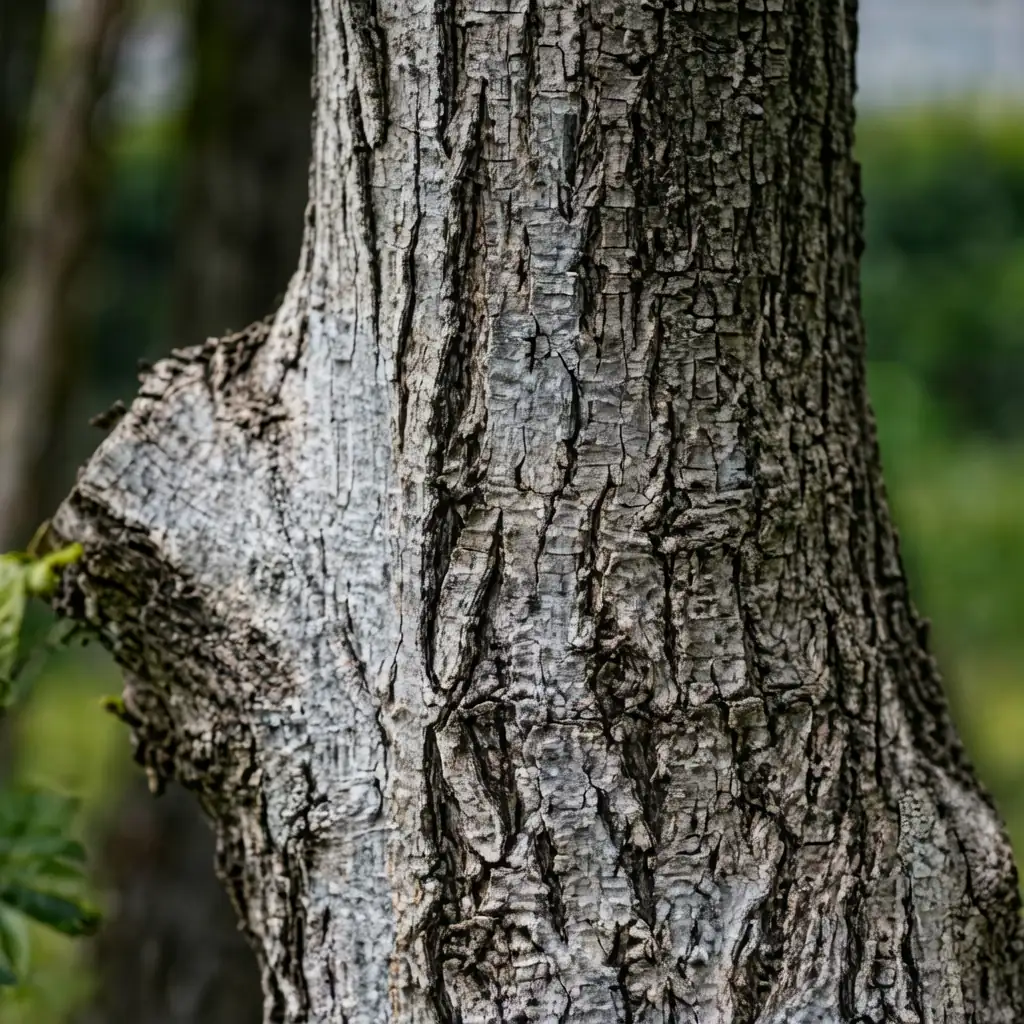
- Size: Typically 20–30 m (66–98 ft) tall with a broad, spreading crown (width varies by age and site).
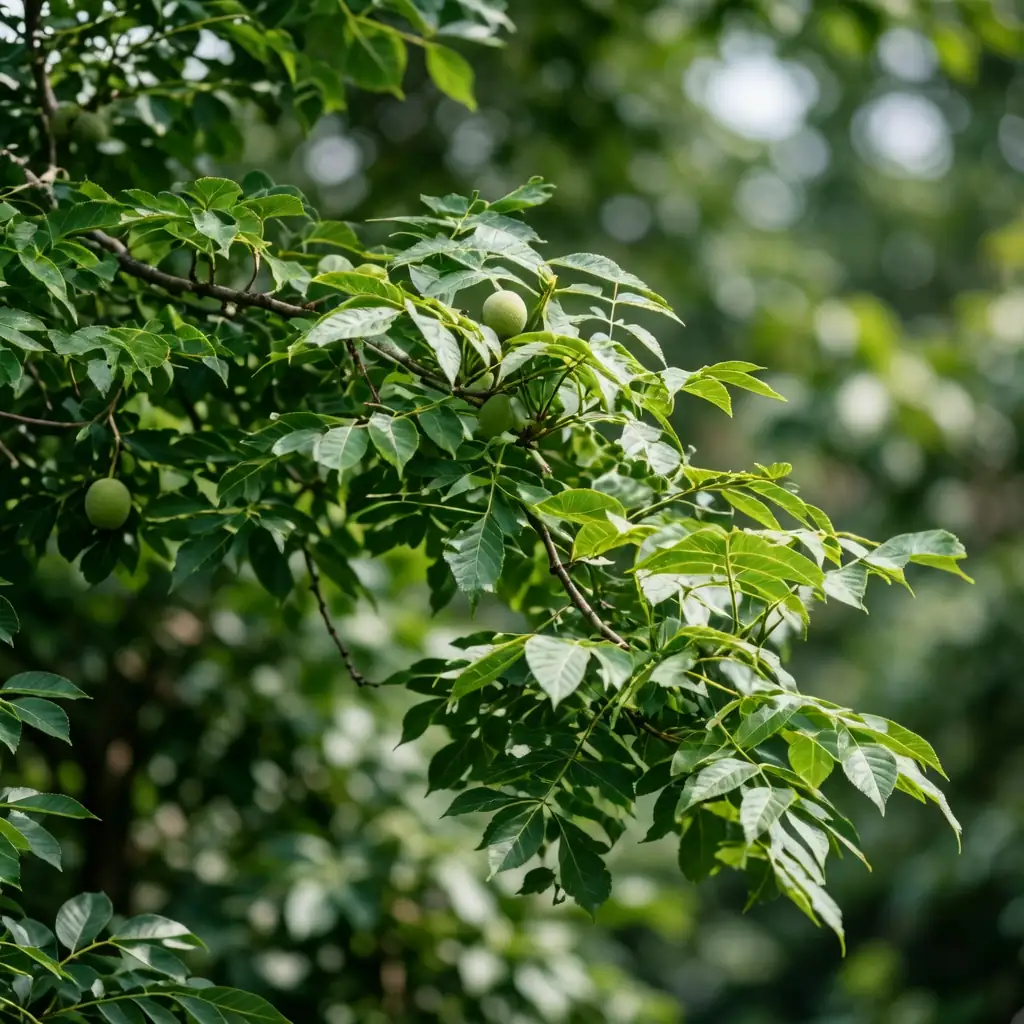
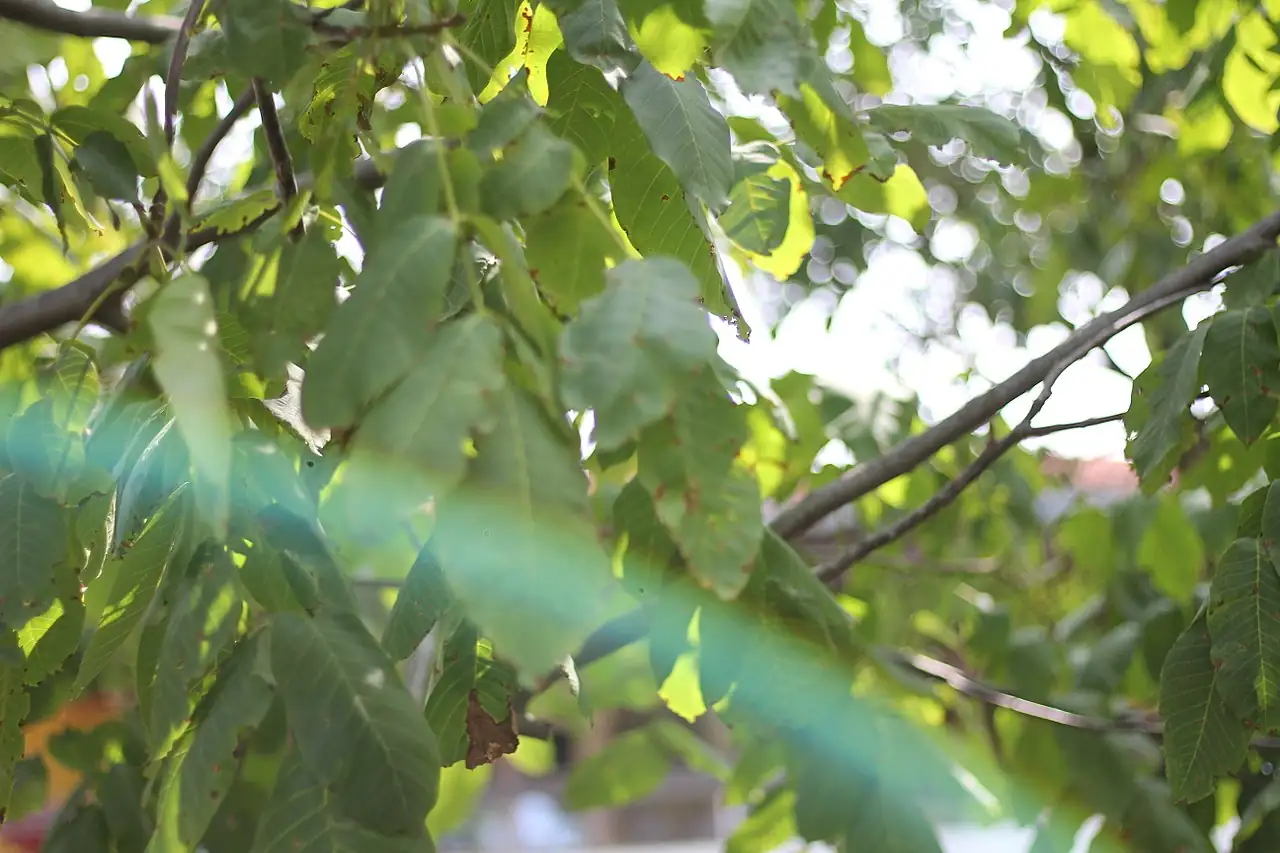
- Foliage: Leaves are pinnate (feather-like), usually with 5–9 oval to elliptic leaflets; the terminal leaflet is often the largest. The undersides may have fine pale-brown hairs where veins meet (in the vein axils).
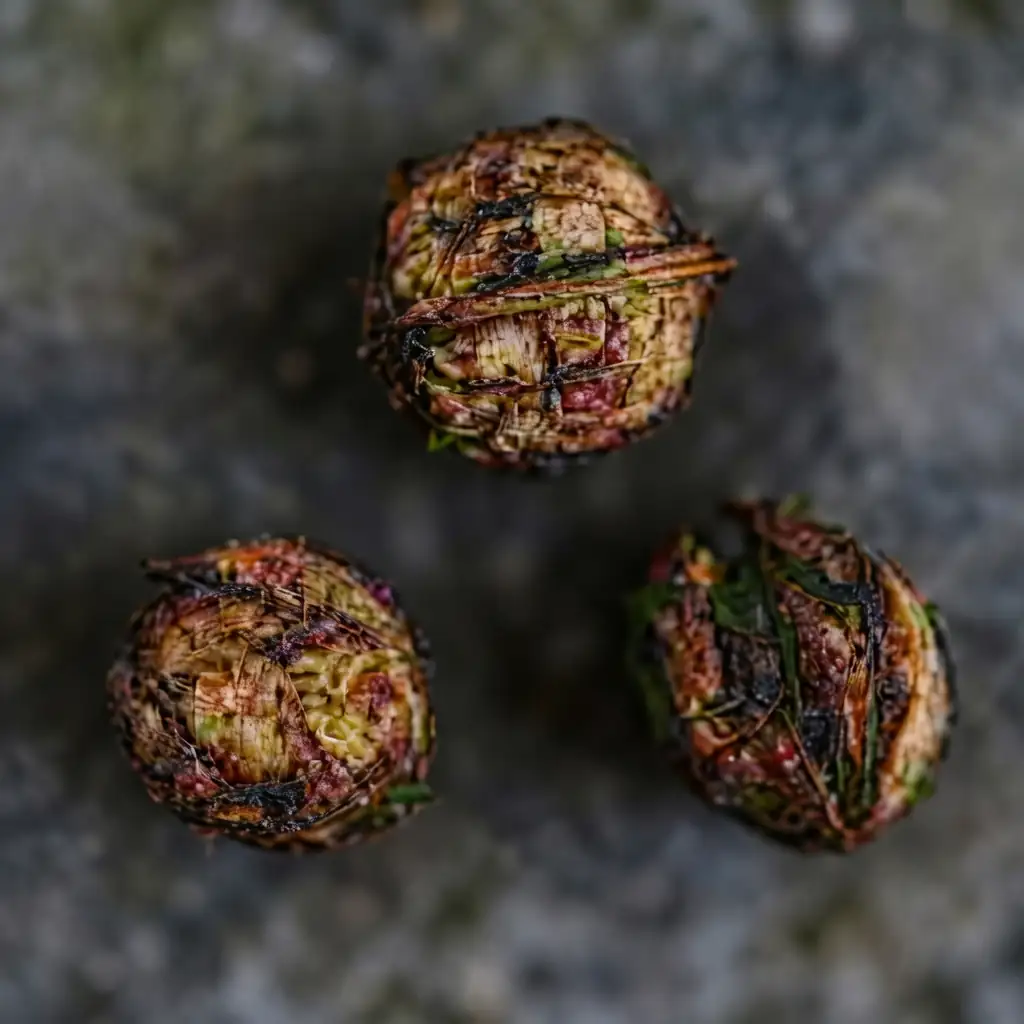
- Flower: Male flowers appear as drooping catkins, while female flowers form small clusters (often 1–3) near shoot tips. The fruit is a round, green-husked drupe about 4–5 cm (1.6–2.0 in) across; inside the husk is the familiar hard, woody shell containing the edible kernel.
- Flowering Season: April–May
- Growth Habit: A large, spreading deciduous tree with a strong, deep root system. It provides dense shade and is fairly wind-resistant, but it resents transplanting (due to fleshy, sensitive roots) and performs poorly in waterlogged soils.
Environment
Sunlight
Full sun for strongest growth and best nut production.
Temperature
Best in cool-temperate conditions; often performs well around 15–25°C (59–77°F). Established trees tolerate winter cold, but prolonged hot, humid weather above about 30°C (86°F) can reduce vigor and performance.
Humidity
Prefers moderate humidity and even moisture, with good air movement. Avoid persistently wet, stagnant conditions.
Soil
Deep, fertile, well-drained loam or clay-loam is ideal. Tolerates slightly acidic to slightly alkaline soils (about pH 6.0–7.5). Avoid heavy, poorly drained ground and extreme saline/alkaline conditions.
Placement
Outdoors with plenty of space—yards, parks, avenues, and lawns. Can be planted near water features only where drainage is excellent; appreciated in scenic plantings for its golden autumn color.
Hardiness
Commonly grown in USDA Zones 5–9. Sensitive to waterlogging and high heat; not tolerant of saline soils. Young trees are not very drought-tolerant until well established.
Care Guide
Difficulty
Moderate. Straightforward in temperate areas with deep, well-drained soil; trickier in hot/humid climates or poorly drained sites. Plan the planting spot carefully, because mature trees transplant poorly.
Buying Guide
Pick a vigorous, disease-free tree with a straight trunk and well-spaced scaffold branches. For reliable nut crops, choose a cultivar suited to your climate (chilling needs and late-frost risk) and avoid plants with damaged, circling, or pot-bound roots.
Watering
Water regularly during establishment, especially through spring and summer. Soak deeply, then allow the top layer of soil to start drying before watering again. Prevent standing water—poor drainage can quickly stress roots and lead to decline.
Fertilization
Feed in early spring with balanced slow-release fertilizer or well-rotted compost, ideally guided by a soil test. Don’t overdo nitrogen: it can push leafy growth at the expense of nuts and may increase disease problems.
Pruning
Prune in dormancy (late winter) to build a strong framework and remove crossing, damaged, or crowded branches. Walnuts can bleed sap if pruned too late in winter/early spring, so keep cuts minimal and timing sensible.
Propagation
Commonly grown from seed for rootstocks; named cultivars are usually propagated by grafting or budding to preserve nut quality and predictable performance.
Repotting
Not applicable for in-ground trees. If started in a container when young, plant out early to prevent root restriction; handle roots gently because transplanting is often poorly tolerated.
📅 Seasonal Care Calendar
Flowers: April–May. Nuts ripen: September–November. Harvest when husks split and nuts drop; dry and store in a cool, ventilated place. Enjoy the tree’s golden foliage in autumn.
Pests, Diseases & Safety
Common Pests & Diseases
Potential problems include walnut blight (bacterial), anthracnose/leaf spot, aphids, scale insects, caterpillars, and (in some regions) husk flies. Improve airflow, avoid overhead watering, remove fallen leaves and husks, and use region-appropriate integrated pest management when needed.
Toxicity
The nuts are edible for people, but are a common and sometimes severe allergen. The green husk and leaves can stain skin and surfaces. Keep nuts away from pets or people with known nut allergies.
Culture & Symbolism
Symbolism: Often linked with longevity, nourishment, and prosperity—fitting for a long-lived tree that produces nutritious nuts.
History & Legends: Cultivated for centuries across Eurasia as both a major nut crop and a prized timber tree; many cultures treated walnuts as an important “winter store” food and a symbol of abundance.
Uses: Edible walnuts (fresh, dried, baking, and oil), shade and ornamental planting (especially for golden fall color), and high-value wood used for carving, furniture, and decorative woodworking.
FAQ
Why is my walnut tree growing well but producing few nuts?
Common reasons include not enough sun, late spring frosts damaging flowers, incompatible pollination timing between cultivars, too much nitrogen, drought stress during flowering/nut fill, or a tree that’s still young. Aim for full sun, steady moisture during key periods, and a cultivar matched to your local climate.
Can I plant an English walnut in a hot, humid climate?
It may struggle with prolonged heat and humidity. If summers often exceed about 30°C (86°F), choose more heat-tolerant cultivars, ensure deep and well-drained soil with irrigation, and plant in a breezy site; in some areas, a different Juglans species may be a better fit.
Fun Facts
- A walnut is botanically a drupe: a green husk wraps a hard shell that protects the edible kernel.
- Fresh husks can strongly stain hands and surfaces during harvest.
- It’s prized as both a productive orchard tree and a handsome landscape tree with golden autumn foliage.
- Walnut wood is famous for fine furniture and carving thanks to its attractive grain and workability.
- Individual fruits are typically about 4–5 cm (1.6–2.0 in) across.