Plant Features
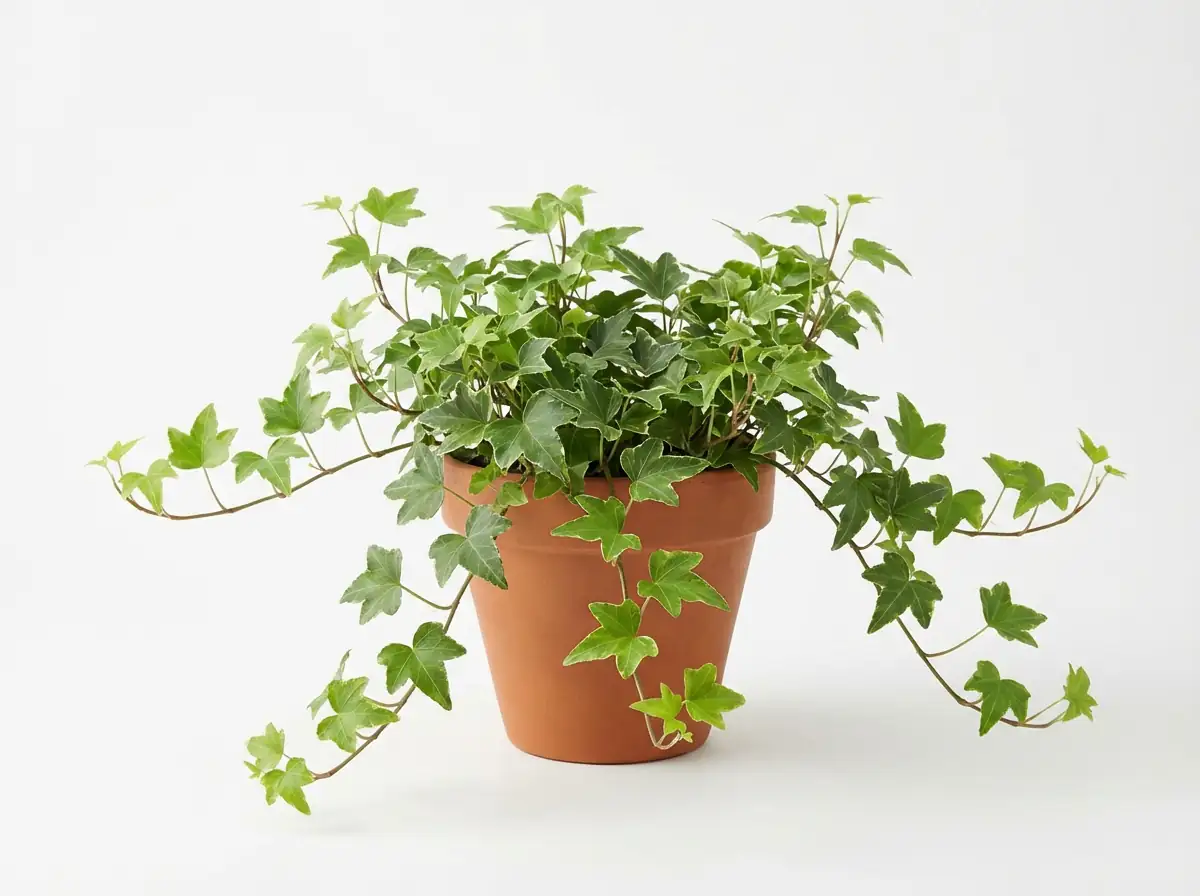
- Size: Outdoors, can climb about 20–30 m (66–98 ft) when given a suitable surface. Indoors it’s usually kept much smaller (often under 1 m/3.3 ft) by pruning. Commonly sold/grown in 15–20 cm (6–8 in) pots, often with 3–4 (sometimes 3–5) small plants per pot for a fuller look; in containers, vigor may decline after ~3–4 years and is often refreshed from cuttings.
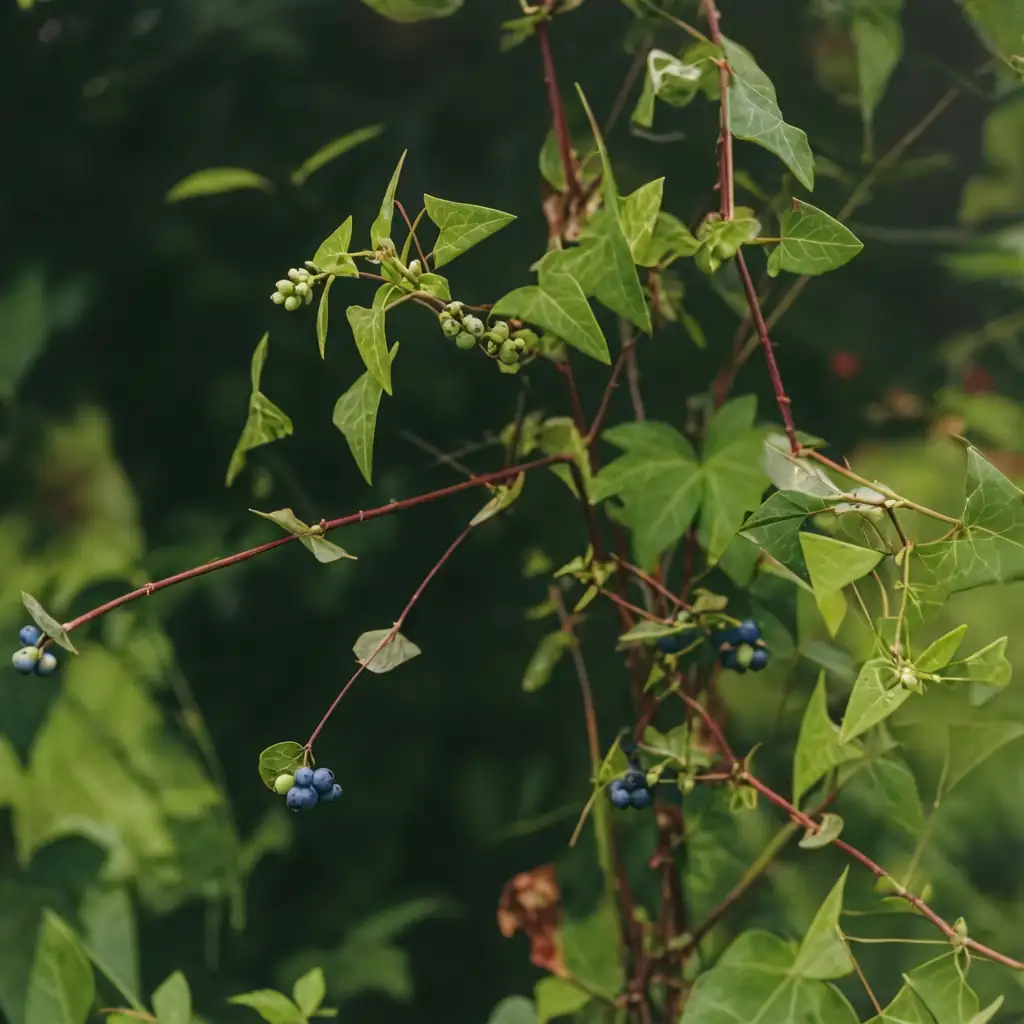
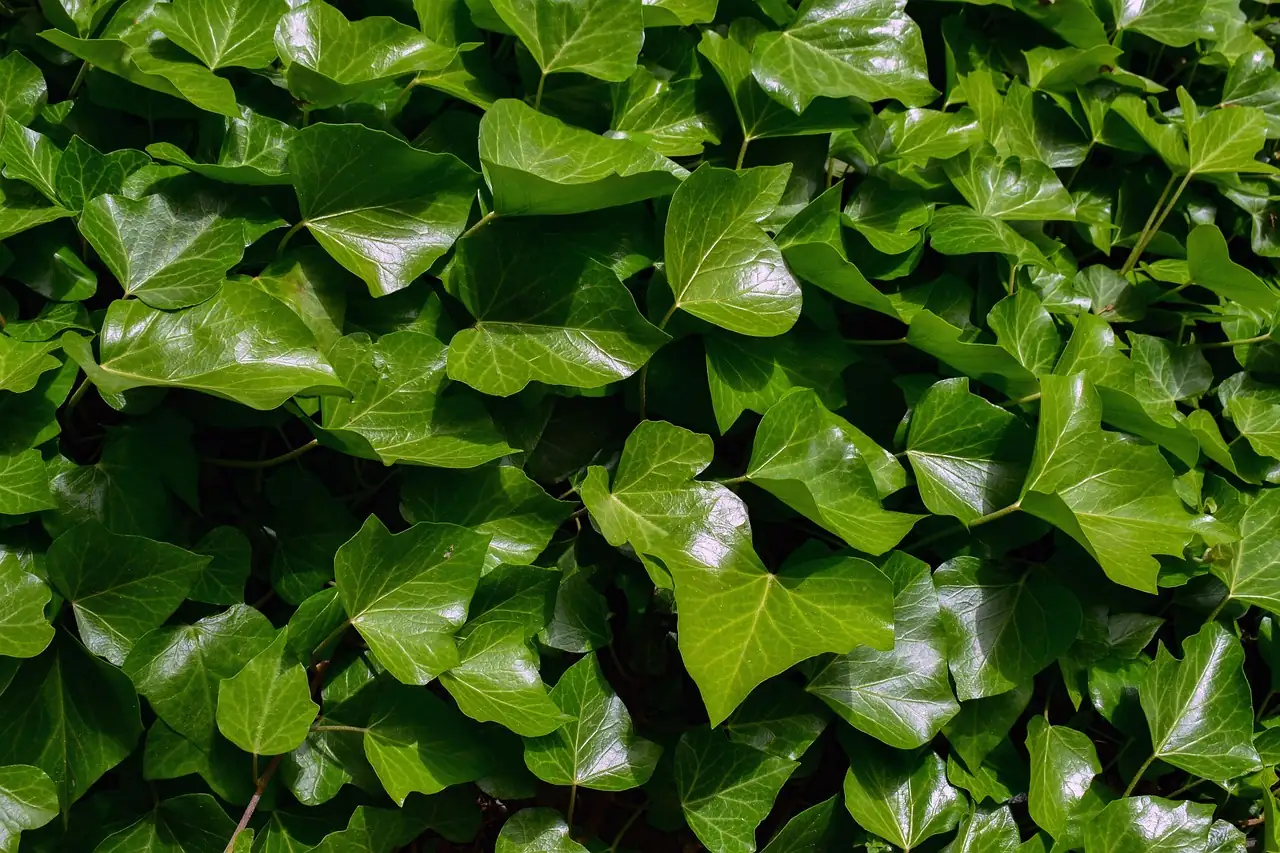
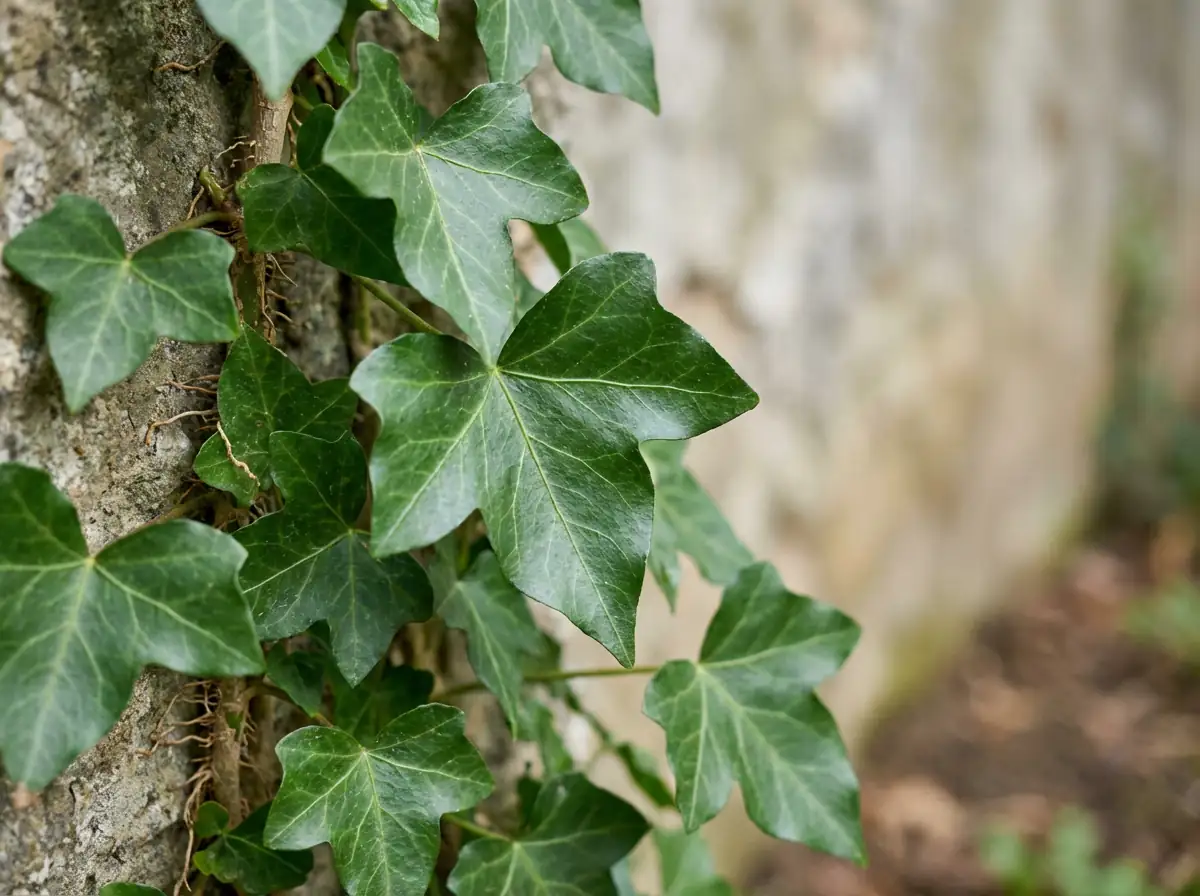
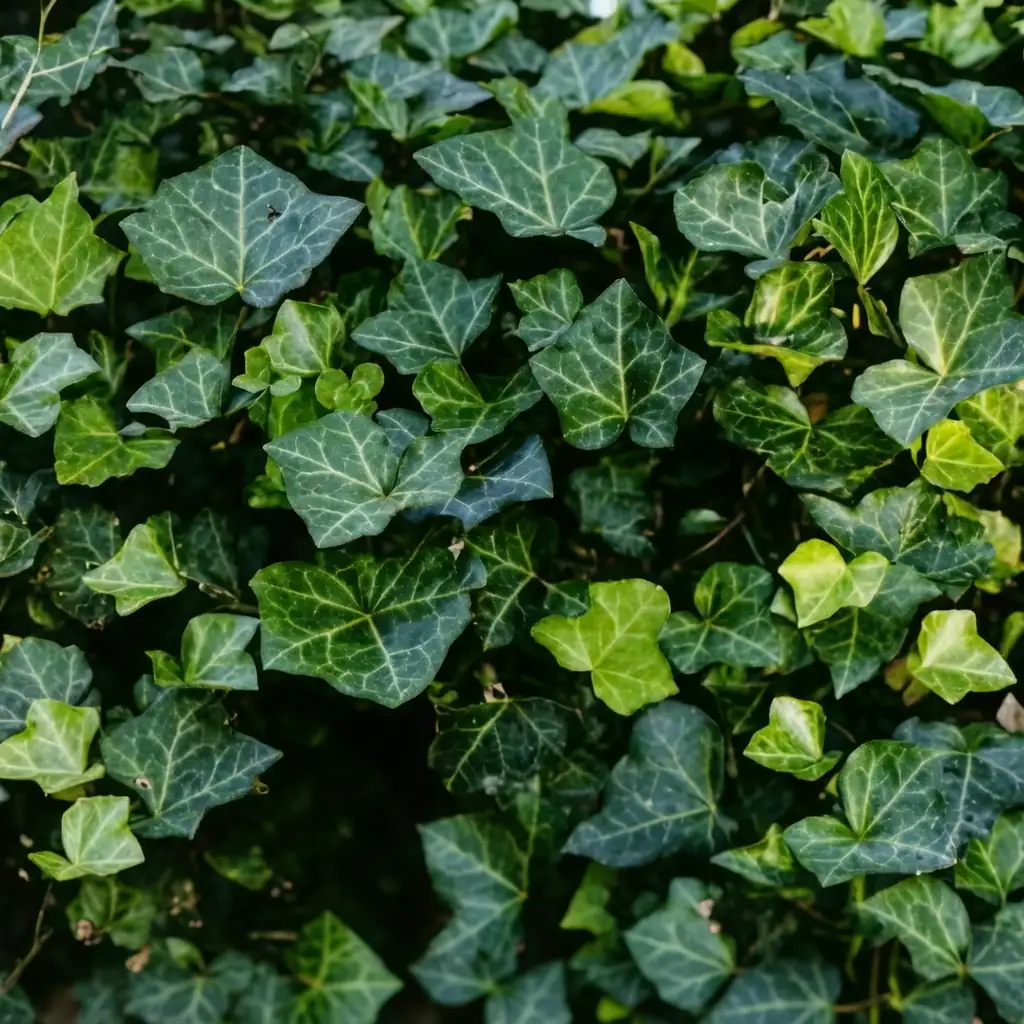
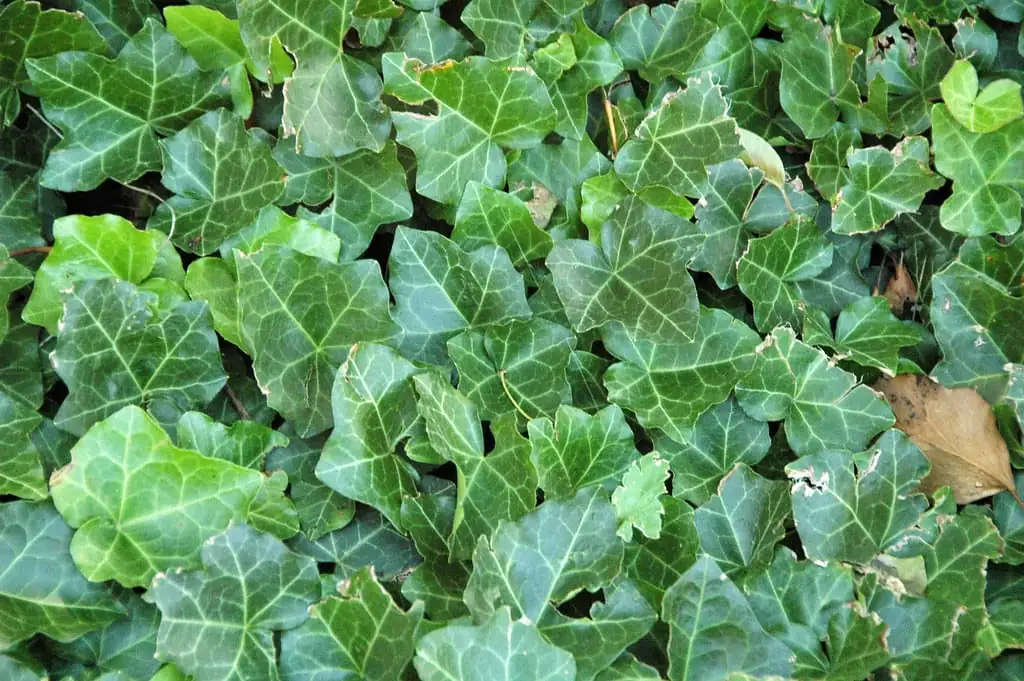
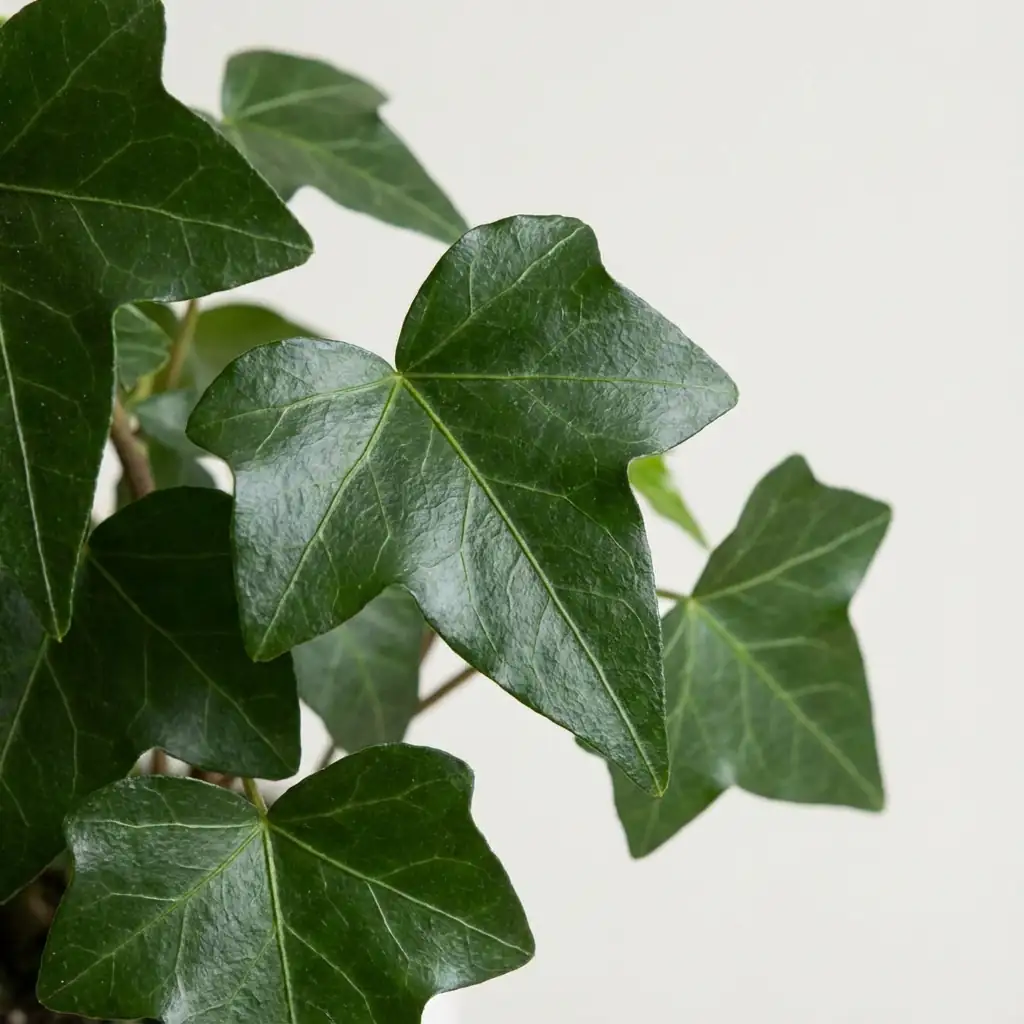
- Foliage: Dense, leafy vines with dark green, glossy, leathery leaves. Juvenile (climbing) shoots typically have 3–5 lobed leaves; mature flowering shoots tend to have unlobed, heart-shaped leaves. Many cultivars show strong veining or variegation (cream/yellow/white), but variegation can fade in low light and revert greener. Leaves may yellow or drop if kept too wet, allowed to get bone-dry, or exposed to very dry air or heat.
- Flower: Small, greenish to greenish-yellow flowers held in rounded clusters (umbels), rich in nectar but not showy. Blooming is mainly an outdoor/mature-plant feature and is uncommon indoors. Flowers are followed by small berries that ripen purple-black (sometimes described as orange-yellow at earlier stages), about 6–8 mm (0.24–0.31 in) across.
- Flowering Season: Autumn (fall), often late summer to late autumn (around September–November in many climates)
- Growth Habit: Evergreen woody vine that trails, climbs, or creeps as ground cover. It clings to surfaces with aerial rootlets and branches readily when tips are pinched, making it easy to shape into a neat cascade or trained up supports.
Environment
Sunlight
Best in bright, indirect light to partial shade. Tolerates lower light (especially green forms), but growth slows and variegation may fade. Avoid harsh direct sun, which can scorch leaves—outdoors, dappled shade or morning sun/afternoon shade is ideal.
Temperature
Indoors, it prefers cool-to-mild conditions: about 10–15°C (50–59°F) is often ideal for compact, steady growth. Growth may slow or stall above ~30°C (86°F), especially with dry air. In winter indoors, aim for about 8–10°C (46–50°F) if possible and avoid hot drafts from heaters. Outdoors, established English ivy can be quite cold-tolerant in many regions, but exact hardiness depends on local climate and cultivar.
Humidity
Prefers moderate to higher humidity (around 50–60% RH is a nice target). In dry homes or during heating season, occasional misting or a humidifier helps—pair humidity with good airflow to reduce leaf-spot problems.
Soil
Adaptable, but happiest in a fertile, loose, well-aerated, well-draining mix. For pots, use quality potting mix amended with compost/leaf mold plus perlite or coarse sand for drainage. Keep moisture even during active growth, but never waterlog.
Placement
Indoors: near an east- or north-facing window, or set back from a brighter window; great for hanging baskets, shelves, kitchens, and bathrooms if there’s enough light and airflow. Outdoors (where permitted): shaded walls, fences, entryways, tree bases, and as ground cover—check invasiveness status locally before planting in the ground.
Hardiness
Generally hardy outdoors in temperate climates (often cited around USDA Zone 4–9/10 for Hedera helix, depending on selection and exposure). Not frost-safe for all container situations; protect potted plants from hard freezes and from hot, dry conditions.
Care Guide
Difficulty
Easy to moderate. It’s forgiving and fast to propagate, but looks best when you keep it out of hot, dry air, avoid harsh sun, and maintain steady (not soggy) moisture with decent humidity and airflow.
Buying Guide
Choose a plant that looks full and well-shaped, with firm stems and clean leaves—glossy deep green or crisp, clear variegation. Avoid plants with brown edges, heavy yellowing, leaf spots, webbing, sticky residue, or visible scale/mealybugs. After bringing it home, give it bright, indirect light and good ventilation; mist lightly if your air is dry. If vines are overly long or crowded, prune and reshape; wait for fresh new growth before feeding heavily. For water-grown (hydro) ivy, keep water fresh and use an appropriate nutrient solution.
Watering
Aim for “evenly moist, never soggy.” During active growth, water when the top 2–3 cm (about 1 in) feels dry; in many homes that’s roughly every 6–10 days in summer and every 10–14 days in winter, but adjust to light, pot size, and temperature. In cooler setups, some growers water about 1–2 times per week during strong growth—use the soil feel as your guide. Avoid waterlogging (a common cause of root rot), and don’t let it swing between drought and flood. Extra tip: yellowing and leaf drop can come from overwatering, underwatering, or very dry air—check all three.
Fertilization
Feed during spring through early autumn. A practical routine is a balanced houseplant fertilizer at half-strength every 2–4 weeks (or about once per month). Some growers use a balanced formula (e.g., 20-20-20) while others prefer slightly higher potassium; either works if you don’t overdo it. Too much fertilizer can make vines long and weak, and heavy nitrogen can reduce variegation (plants may turn greener). Pause feeding in winter or whenever growth slows.
Pruning
Prune and pinch freely—ivy responds beautifully. Pinch growing tips during active growth for a bushier, fuller basket. Trim back overly long trails and remove crowded, crossing, dead, or damaged stems anytime. A stronger spring prune can rejuvenate older plants and keep growth evenly distributed around the pot.
Propagation
Very easy from stem cuttings. Take 10–20 cm (4–8 in) cuttings in spring or autumn, ideally with a node (and any tiny aerial roots if present). Root in water or in a moist, airy mix with nodes tucked in about 5 cm (2 in). With warmth around 15–20°C (59–68°F), roots often form in ~3–4 weeks (sometimes ~20 days in good conditions). Layering is also excellent: pin a section of vine (about 30–40 cm/12–16 in) onto moist medium so nodes contact the surface; once rooted, cut and pot up. (Cultivar plants are sometimes grafted onto ivy rootstock in production.)
Repotting
Repot in spring. Small plants can be refreshed yearly; larger, established pots every 1–2 years, or when roots fill the container. Use fresh, well-draining mix and a pot about 5 cm (2 in) wider if upsizing. Many indoor pots lose vigor after ~3–4 years—at that point, it’s common to restart from cuttings for a fresh, lush look.
📅 Seasonal Care Calendar
Spring: repot, prune/pinch for fullness, begin regular feeding; a great time for cuttings. Summer: protect from strong sun and heat; keep moisture steady, raise humidity with airflow; if above 30°C (86°F) growth may pause. Autumn: continue steady care; outdoor plants may flower; cuttings also root well. Winter: brighter indoor spot, cooler if possible (around 8–10°C/46–50°F); water less (let the surface dry slightly), stop or greatly reduce fertilizing, and avoid hot, dry air from heaters.
Pests, Diseases & Safety
Common Pests & Diseases
Common pests: spider mites (especially in hot, dry air), scale, mealybugs, and aphids. Rinse foliage, then treat with insecticidal soap or horticultural oil/neem; repeat weekly for several weeks to catch hatchlings. Common diseases: leaf spot (often encouraged by warm, humid, stagnant air) and root rot (from overwatering). Improve airflow, avoid keeping foliage wet late in the day, remove affected leaves, and fix drainage/watering habits.
Toxicity
Toxic if ingested by people or pets (including cats and dogs); can cause drooling, nausea, vomiting, diarrhea, and mouth/throat irritation. Sap may also trigger skin irritation/contact dermatitis in sensitive individuals—wear gloves if you react easily, and keep plants out of reach of kids and pets.
Culture & Symbolism
Symbolism: Often associated with fidelity, devotion, friendship, and enduring love—fitting for a plant that clings tightly and stays green through the seasons.
History & Legends: Ivy has a long cultural life in Europe. In Greek and Roman tradition it was linked to Dionysus/Bacchus, and ivy wreaths were said to ward off drunkenness. It later became a symbol of eternal life in Christian imagery. The phrase “Ivy League” traces back to ivy-covered college buildings in the U.S., echoing the plant’s timeless, old-world feel.
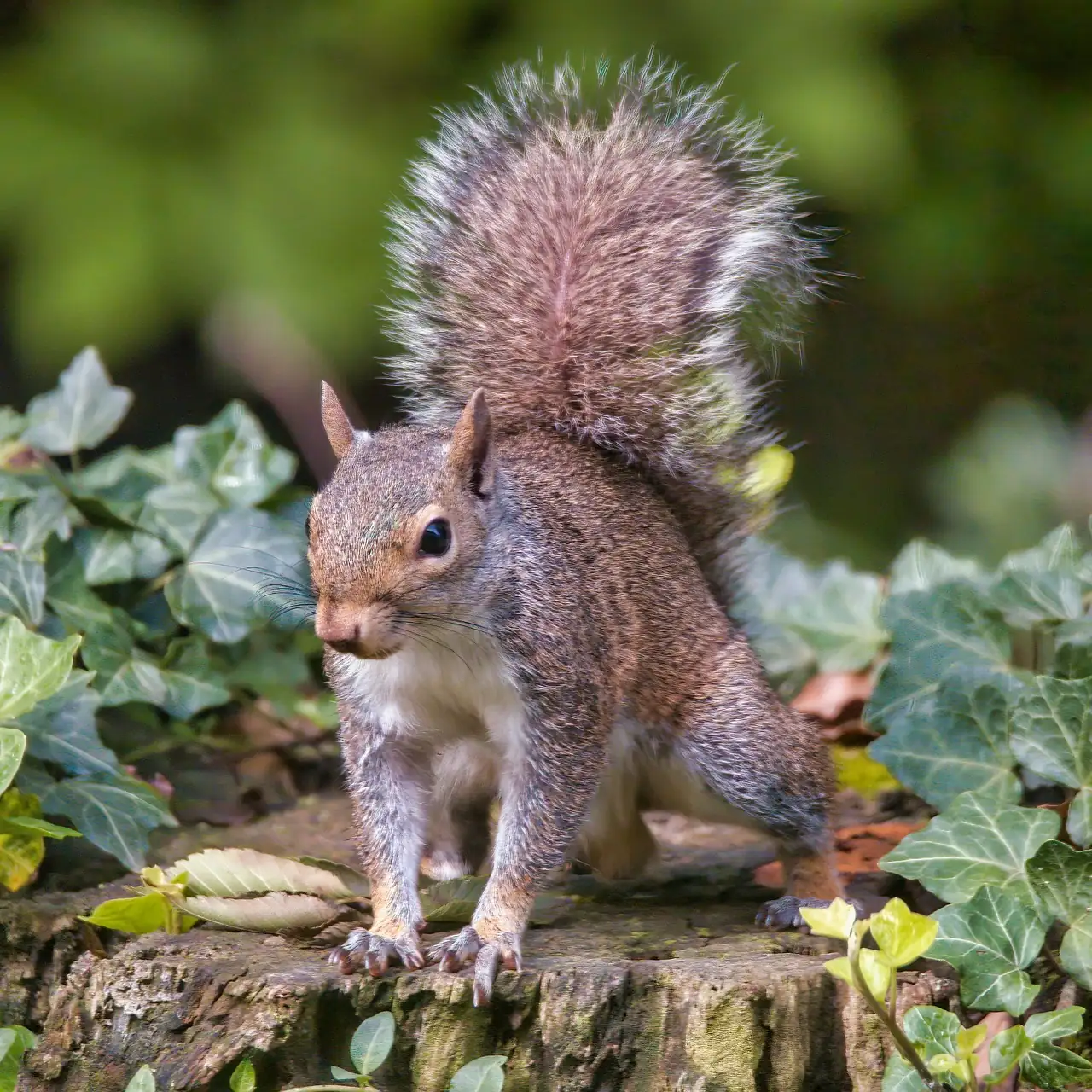
Uses: Ornamental: a favorite for hanging baskets, shelves, and training on supports indoors; outdoors it’s used as ground cover and for softening walls and fences in mild climates. Ecological (outdoors): provides shelter and late-season nectar for pollinators when in bloom. Air-quality notes: it’s often marketed as an “air-purifying” plant and can reduce certain pollutants in controlled studies, but real-home impact is usually modest compared with ventilation. Medicinal: extracts of ivy leaves are used in some cough syrups as expectorants (use prepared products; do not self-medicate with raw plant material).
FAQ
Why are my ivy leaves turning yellow or dropping?
The most common triggers are watering stress (too wet/too dry), hot dry air, or poor airflow—sometimes leading to root rot. Let the top 2–3 cm (1 in) of mix dry before watering again, ensure the pot drains well, move it away from heaters, raise humidity gently, and check for pests like spider mites.
Can English ivy grow indoors?
Yes. Give it bright, indirect light, steady moisture (not soggy), and decent humidity with airflow. Pinch tips to keep it full and trailing instead of long and sparse.
Is English ivy invasive outdoors?
In many regions it can be invasive and may smother native plants or climb trees. If you want to grow it outdoors, check local regulations and consider keeping it in containers or choosing non-invasive alternatives.
Does English ivy really clean indoor air?
It can reduce some pollutants in lab-style tests, but in real rooms the effect is usually small compared with good ventilation and reducing pollution sources. Enjoy it as a beautiful foliage plant first, and consider any air benefit a bonus.
Fun Facts
- Ivy has two distinct “looks”: juvenile climbing stems usually have lobed leaves, while mature flowering stems tend to have unlobed, heart-shaped leaves.
- It can root wherever stems touch a moist surface—one reason it’s so easy to propagate by layering.
- English ivy is one of the relatively few plants that can flower in autumn, offering valuable late-season nectar outdoors.
- Variegated forms often need brighter (but still indirect) light to keep their patterns; in low light they commonly revert greener.