Plant Features
- Size: Outdoors it can climb up to about 24 m (80 ft) or spread widely as groundcover; indoors it’s more commonly kept around 0.9–1.8 m (3–6 ft) long as a trailing or trained vine.
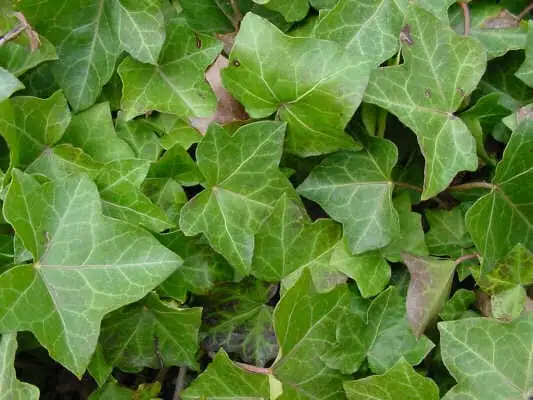
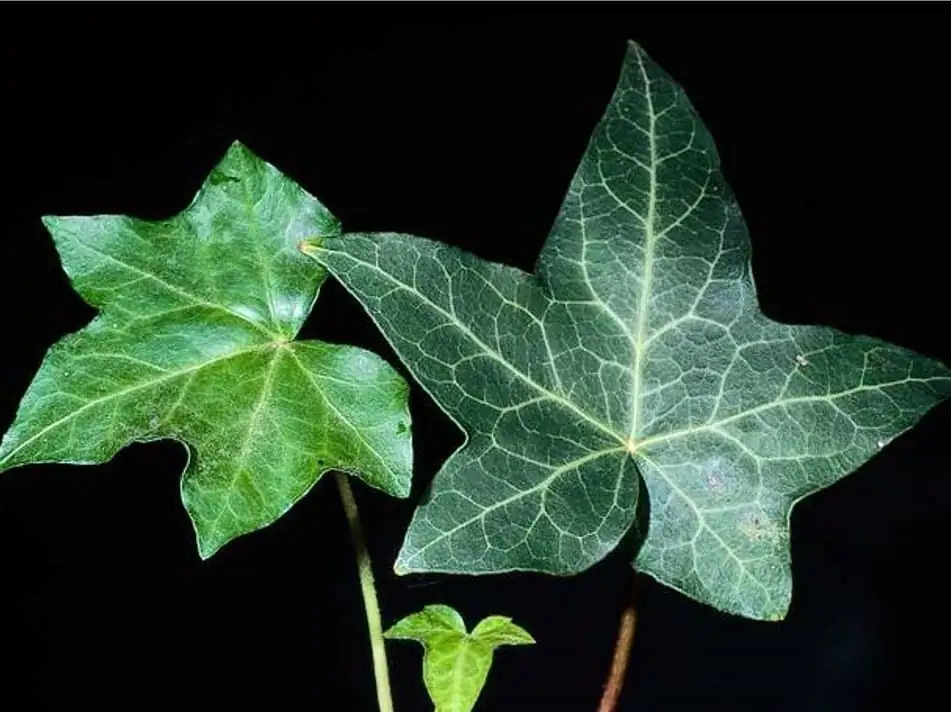
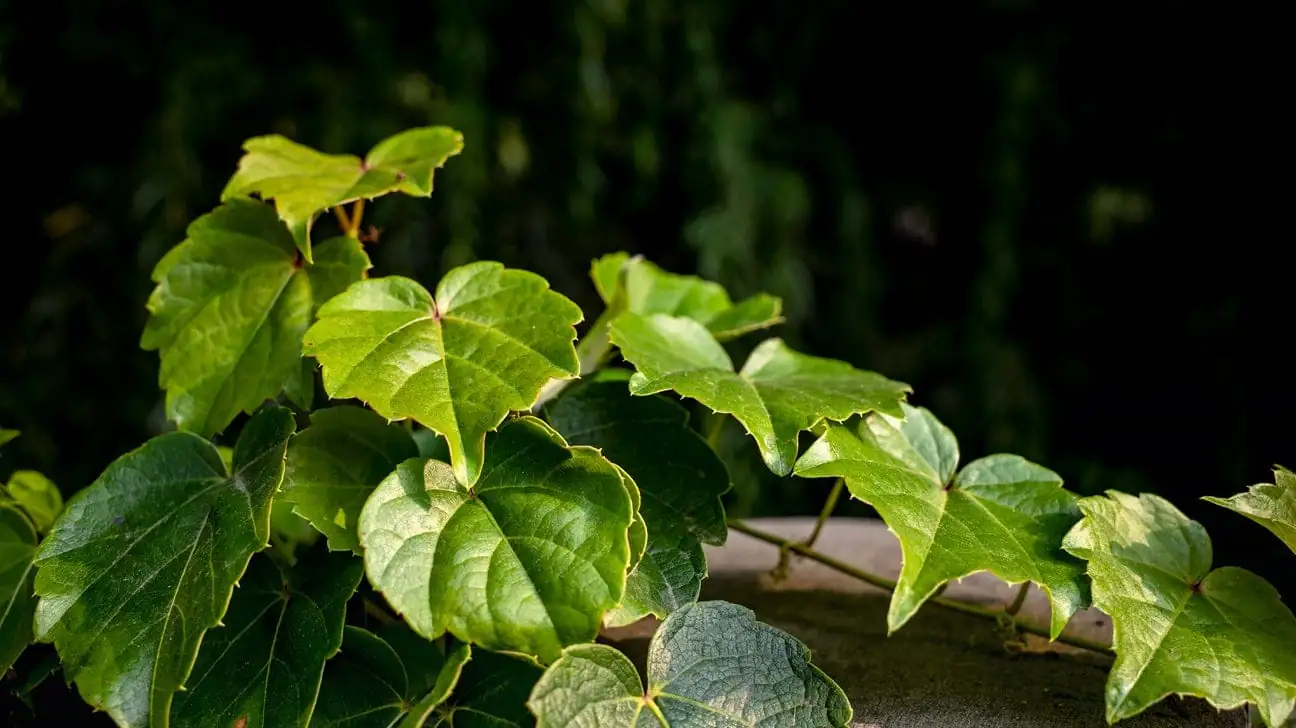
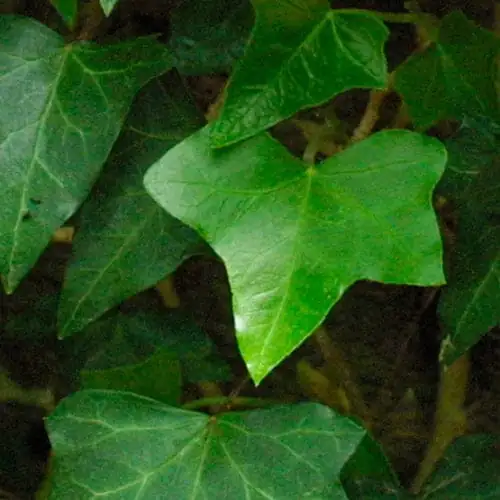
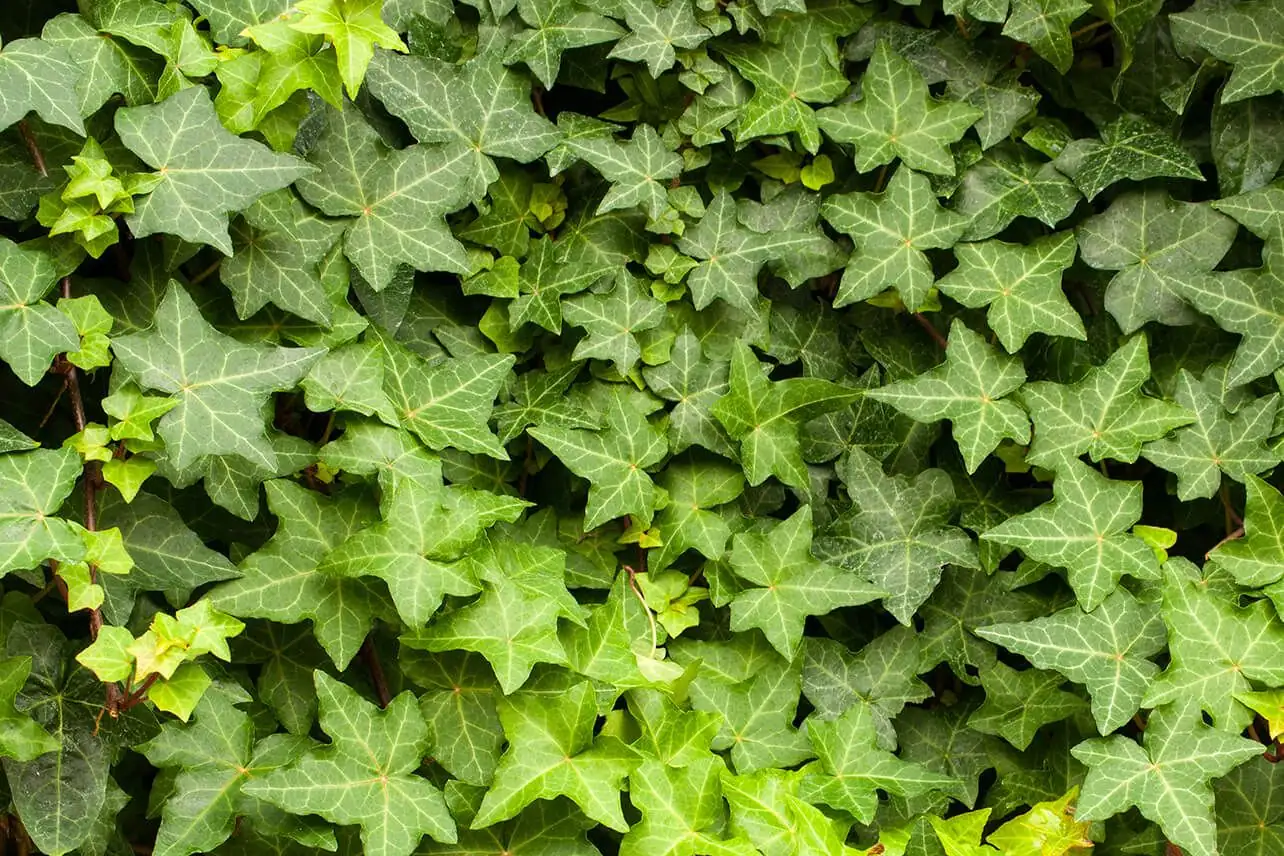
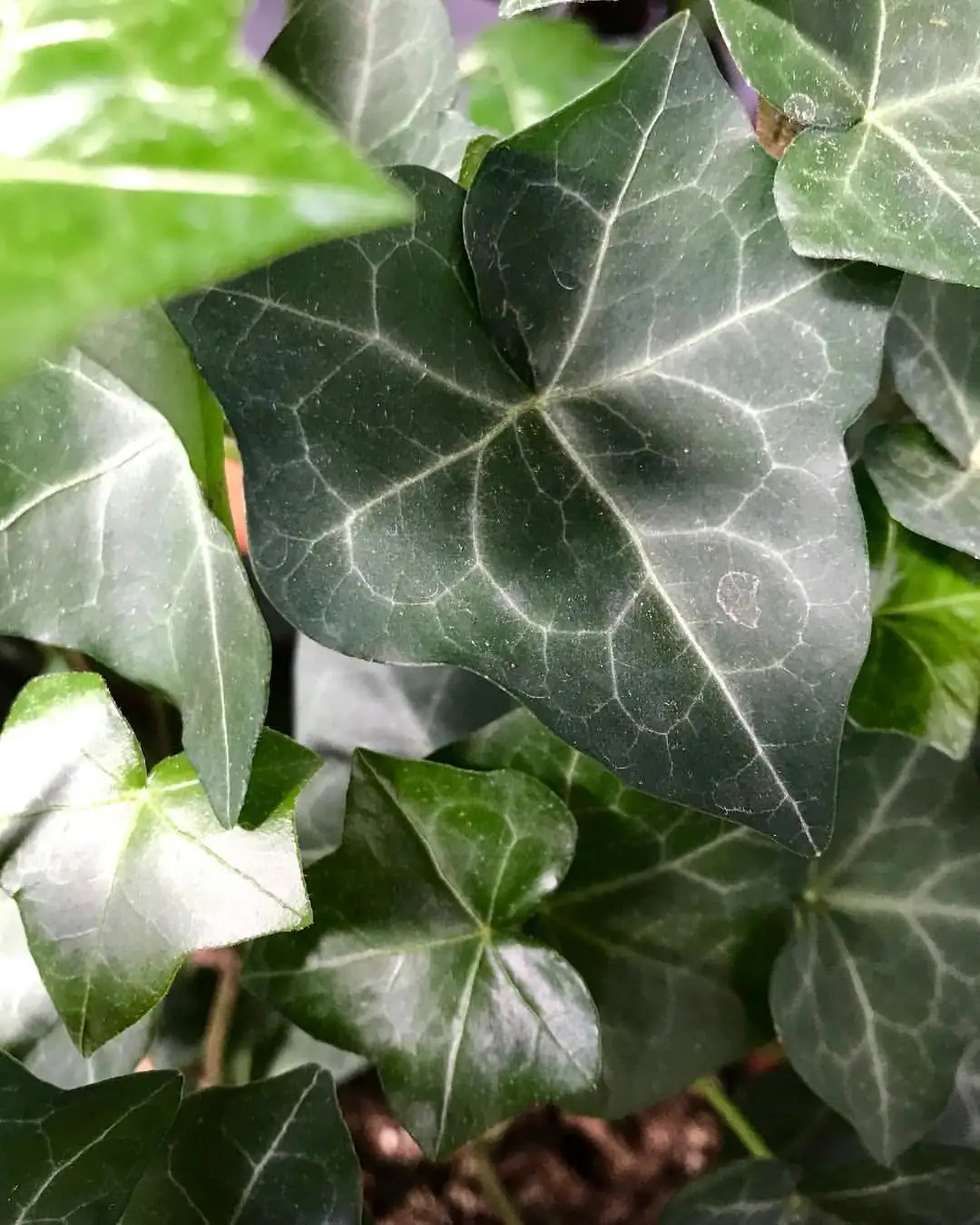
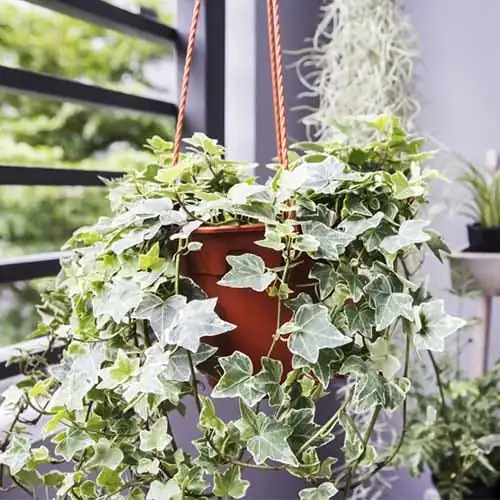
- Foliage: Leaves are dark green, glossy/waxy, and arranged alternately along the stems. Juvenile growth typically has 3–5 lobes with a heart-shaped base; mature flowering growth produces ovate to rhombic leaves that are generally entire (unlobed). Variegated forms show white, cream, or yellow markings and usually need brighter light to hold their color.
- Flower: Small, greenish-white to greenish-yellow flowers held in rounded clusters (umbels) or short panicles. They’re not showy, but they can be nectar-rich for insects where the plant is allowed to mature and bloom.
- Flowering Season: Fall
- Growth Habit: Evergreen woody vine that climbs using aerial rootlets; also spreads horizontally as a dense groundcover and readily roots where stems touch soil.
Environment
Sunlight
Part shade to full shade is ideal. It tolerates brighter light indoors and some gentle sun, but avoid hot afternoon sun. Variegated types typically need more light than solid green forms to prevent reverting to green.
Temperature
Grows best around 21–32°C (70–90°F). It’s cold-hardy outdoors in many climates (commonly cited down to USDA Zone 4), but as a houseplant it prefers cooler nights and should be protected from drafts and freezing conditions. Prolonged heat above 32°C (90°F) can slow growth and stress the plant.
Humidity
Prefers medium to high humidity; in dry indoor air it benefits from occasional misting and/or a humidity tray. Low humidity often encourages spider mites.
Soil
Prefers fertile, moisture-retentive but well-drained soil. Performs well in average loams around pH 6.0–7.5. Indoors, use a loose, well-draining potting mix and a pot with drainage holes to avoid soggy roots.
Placement
Indoors: near an east- or north-facing window, or any bright spot with filtered light; great for shelves, hanging baskets, and training on a small trellis. Outdoors: partial to full shade as groundcover, on shaded walls, or as a screen—check local guidance first because it can be invasive in some regions.
Hardiness
USDA Hardiness Zones 4–13 (varies by cultivar and local conditions); generally not troubled by cold once established outdoors, but indoor plants are best kept above 10°C (50°F).
Care Guide
Difficulty
Easy to moderate: tough and forgiving outdoors, but indoors it can be a little picky about steady moisture, cooler temperatures, and decent humidity.
Buying Guide
Choose plants with dense, vibrant foliage and firm stems. Avoid pots with lots of yellowing leaves, black spots, webbing (spider mites), sticky residue (aphids/scale), or a sour smell in the soil (possible rot).
Watering
Aim for evenly moist—not soggy—soil. Let the top ~2.5 cm (1 in) dry before watering again, then water thoroughly and drain excess. Indoors this often works out to roughly twice per week in active growth, less in winter. Outdoor/in-ground ivy typically does well with about 1.3–2.5 cm (0.5–1 in) of water per week depending on rainfall and heat. Overwatering is a common cause of root/stem rot; underwatering and dry air can cause crispy edges and spider mites.
Fertilization
Feed in spring and summer about every 2 weeks with a balanced fertilizer such as 20-20-20 (or an organic equivalent like 2-2-2). Pause feeding during winter dormancy or during stress (very hot, very cold, or very dry conditions). Avoid fertilizing in extreme heat and watch for salt buildup in pots.
Pruning
Prune in spring to control size and shape, and pinch tips to encourage a fuller, bushier plant. You can trim stray runners anytime. For outdoor groundcover, heavy spring trimming (or mowing on the highest setting) helps keep it neat. Remove dead or damaged leaves regularly for airflow and appearance.
Propagation
Very easy from stem cuttings: take a healthy 10–13 cm (4–5 in) cutting, remove lower leaves, and root in water or a moist propagation mix. Roots typically form in about 2–4 weeks, after which you can pot up. Layering is also simple—stems often root naturally when they touch soil. Spring and fall are especially good times to propagate.
Repotting
Repot small plants about once a year and larger plants every 2 years, or sooner if they dry out very fast, become root-bound, or get top-heavy. Move up one pot size, refresh the mix, and keep the plant slightly shaded and evenly moist while it settles in.
📅 Seasonal Care Calendar
Spring: prune, repot, and propagate; resume feeding. Summer: protect from hot sun and heat, water a bit more, boost humidity, and pause fertilizer during heat waves. Fall: steady care continues; another good propagation window. Winter: reduce watering, stop fertilizing, and keep indoor plants above 10°C (50°F) and away from cold drafts.
Pests, Diseases & Safety
Common Pests & Diseases
Common pests include spider mites (especially in dry air), aphids, scale, and mealybugs. First steps: rinse the plant, improve humidity/airflow, and treat with insecticidal soap or neem oil. Diseases are often linked to wet, poorly drained soil or stale air: root/stem rot, bacterial leaf spot, anthracnose, fungal leaf spots, sooty mold (from sap-sucking pests), and powdery mildew. Improve drainage, avoid constantly wet leaves, and use appropriate fungicides (e.g., copper-based) when needed.
Toxicity
Toxic to humans and pets. Leaves, berries, and sap can cause stomach upset if eaten; sap may also irritate skin (contact dermatitis). Keep out of reach of children, cats, dogs, and grazing animals; never treat the berries as edible.
Culture & Symbolism
Symbolism: Often associated with fidelity, devotion, friendship, and enduring love—because it clings and stays green through the seasons. In Victorian flower language, ivy famously stood for marriage and faithfulness.
History & Legends: Ivy has deep roots in European culture. In Greek and Roman tradition it was sacred to Dionysus/Bacchus, and ivy wreaths appeared in celebrations connected to wine and revelry. Celtic traditions linked ivy with eternity and the soul’s immortality. In British Christmas customs, ivy was paired with holly in symbolic contrast, and historically it even played a role in brewing before hops became dominant in the 16th century.
Uses: Mostly grown as an ornamental—trailing from baskets, carpeting shady ground, climbing walls, and even trained into topiary. Indoors it’s also valued as an air-quality helper in widely cited houseplant studies. In herbal traditions, ivy leaf preparations have been used for respiratory complaints (for example, to help loosen mucus), though medicinal use should follow reputable guidance and be handled carefully due to toxicity.
FAQ
How often should I water English Ivy?
Water when the top 2.5 cm (1 in) of soil feels dry. Then water thoroughly and let excess drain. In active growth this is often around twice weekly indoors, but always adjust to your light, temperature, and pot size; reduce watering in winter.
Why are my English Ivy leaves turning brown?
Common causes include overwatering (leading to root stress/rot), low humidity (crispy edges and spider mites), too much direct sun (scorch), or fertilizer/mineral buildup. Check roots and drainage, raise humidity, move to bright indirect light, and flush the potting mix occasionally with clean water.
Is English Ivy good for indoor growing?
Yes—it’s a popular trailing houseplant that tolerates lower light and looks great on shelves or in hanging pots. For best results give bright, indirect light, steady but not soggy moisture, and moderate humidity. Keep it away from children and pets because it’s toxic if ingested.
Is English Ivy invasive?
It can be highly invasive in many areas outside its native range, where it may smother native plants and climb trees or structures. If you want it outdoors, check local invasive-plant guidance and consider keeping it contained or choosing a non-invasive alternative.
Fun Facts
- The species has two very different ‘looks’: juvenile shoots with lobed leaves, and mature flowering shoots with unlobed leaves.
- The name “helix” refers to twisting/turning growth—fitting for a plant that loves to climb and roam.
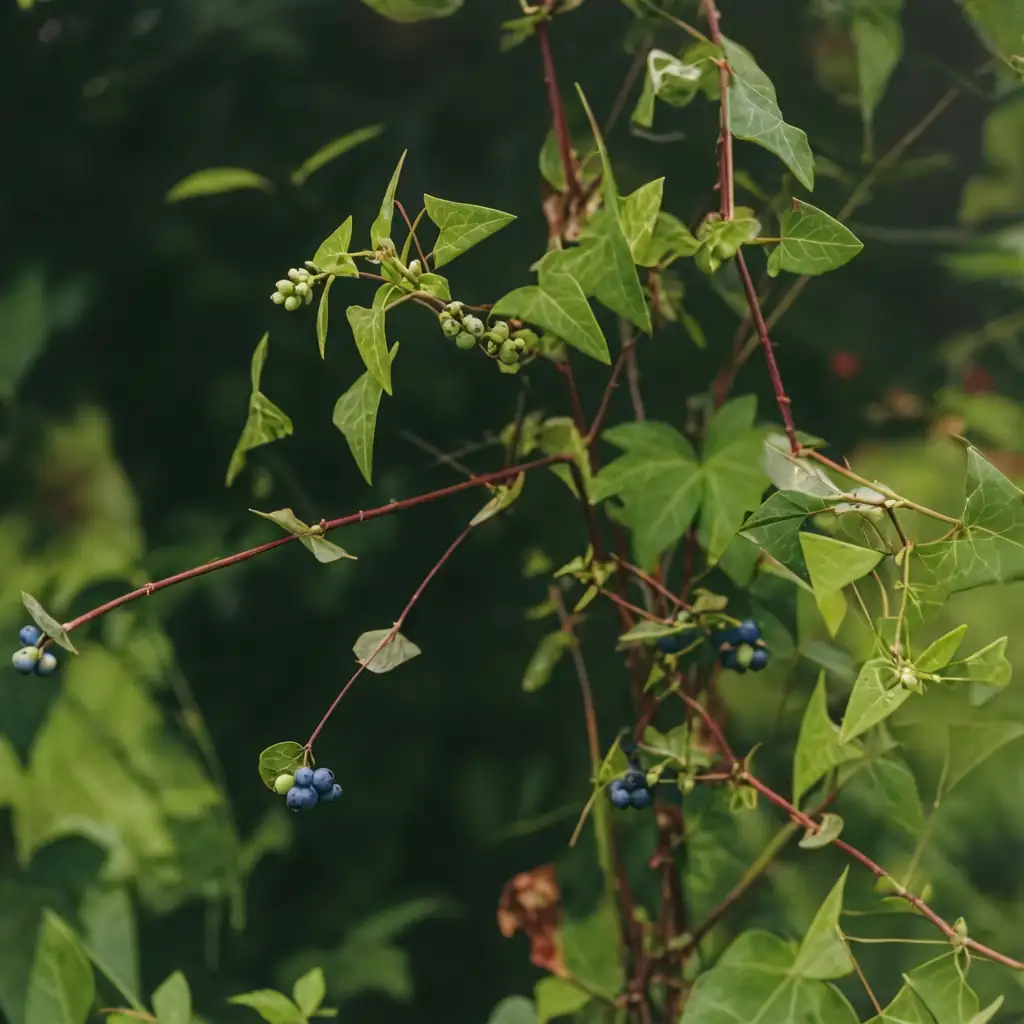
- Birds may eat and disperse the berries, but those berries are toxic to people.
- Ivy-covered walls have historically been credited with helping buffer building temperatures—cooler in summer, warmer in winter.
- There are hundreds of cultivated forms, especially prized for leaf shape and variegation.