

Plant Features
- Size:15–80 cm (6–31 in) tall
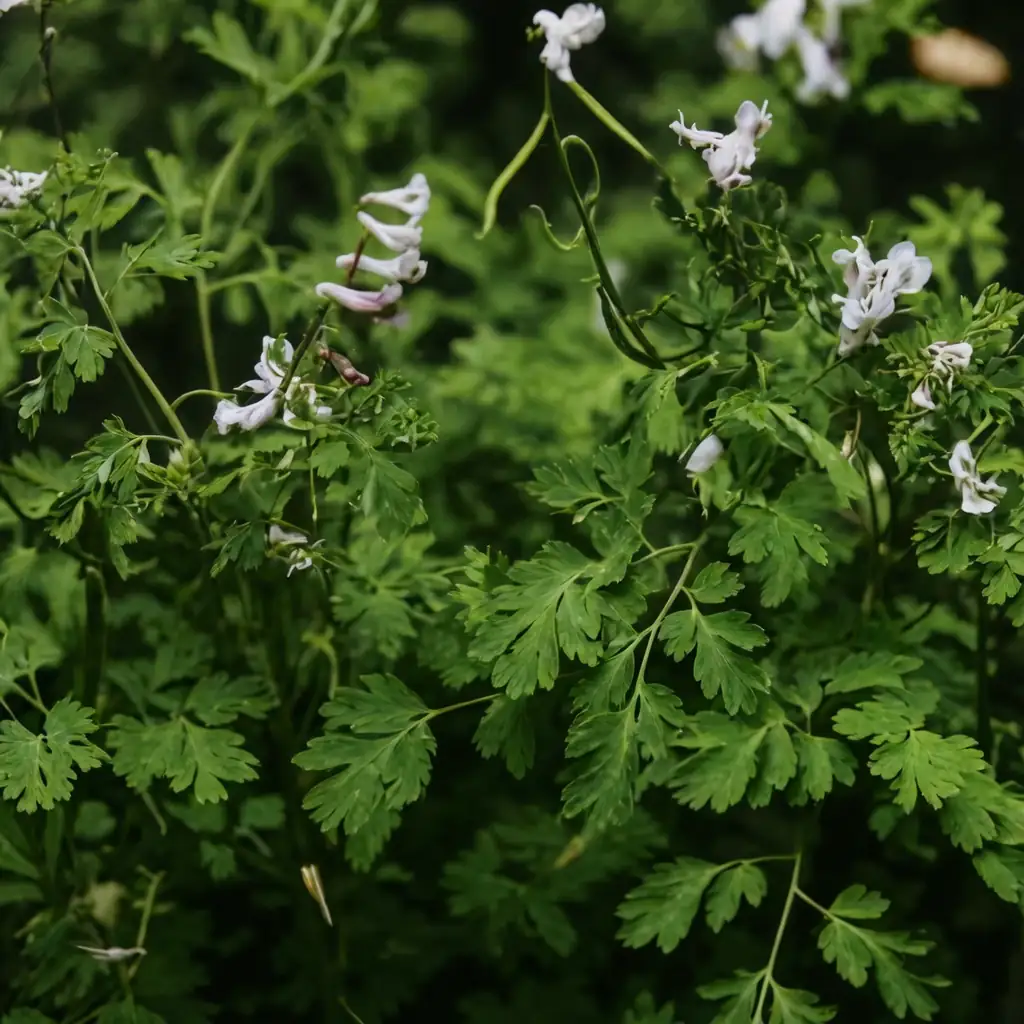
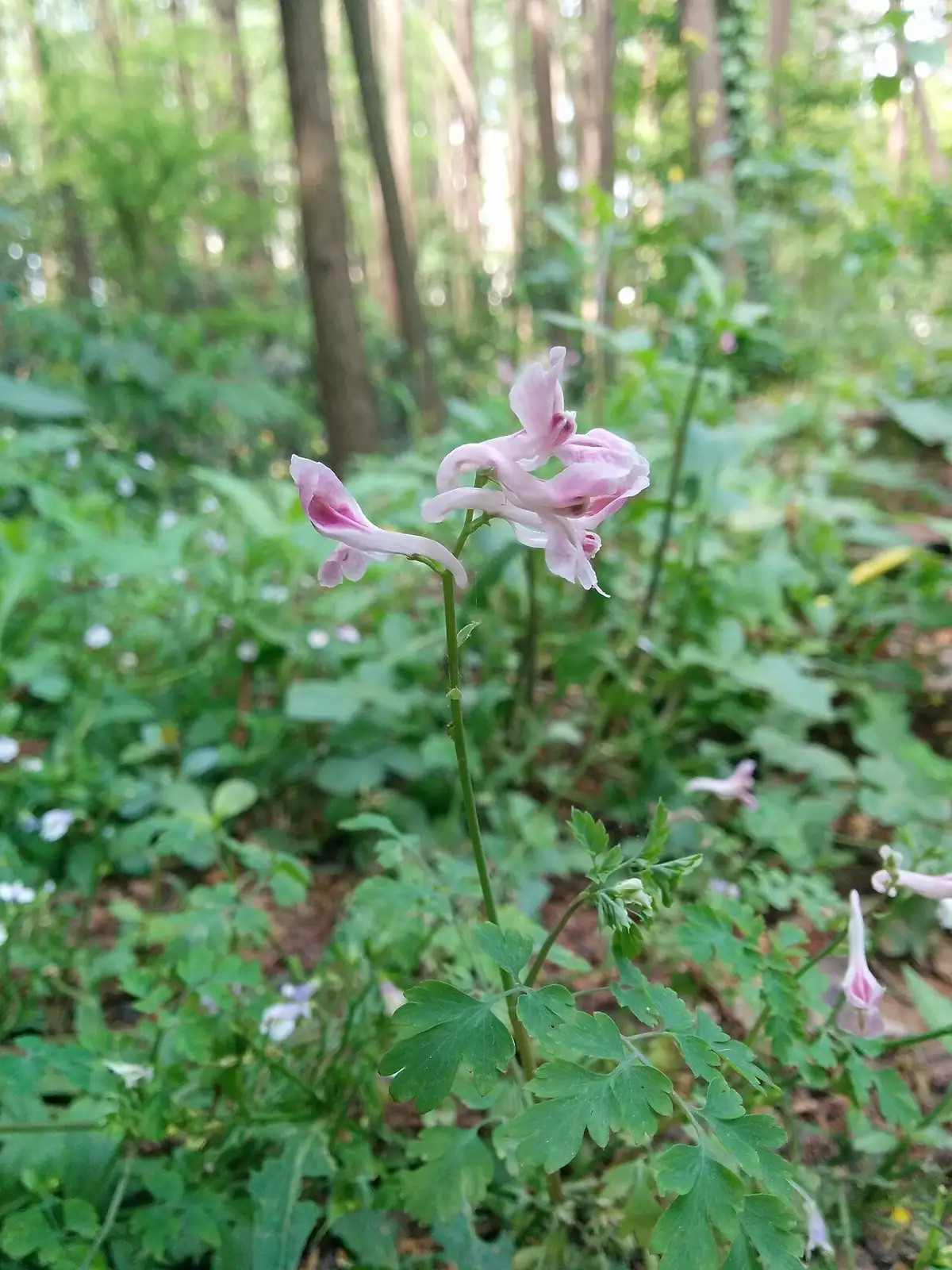
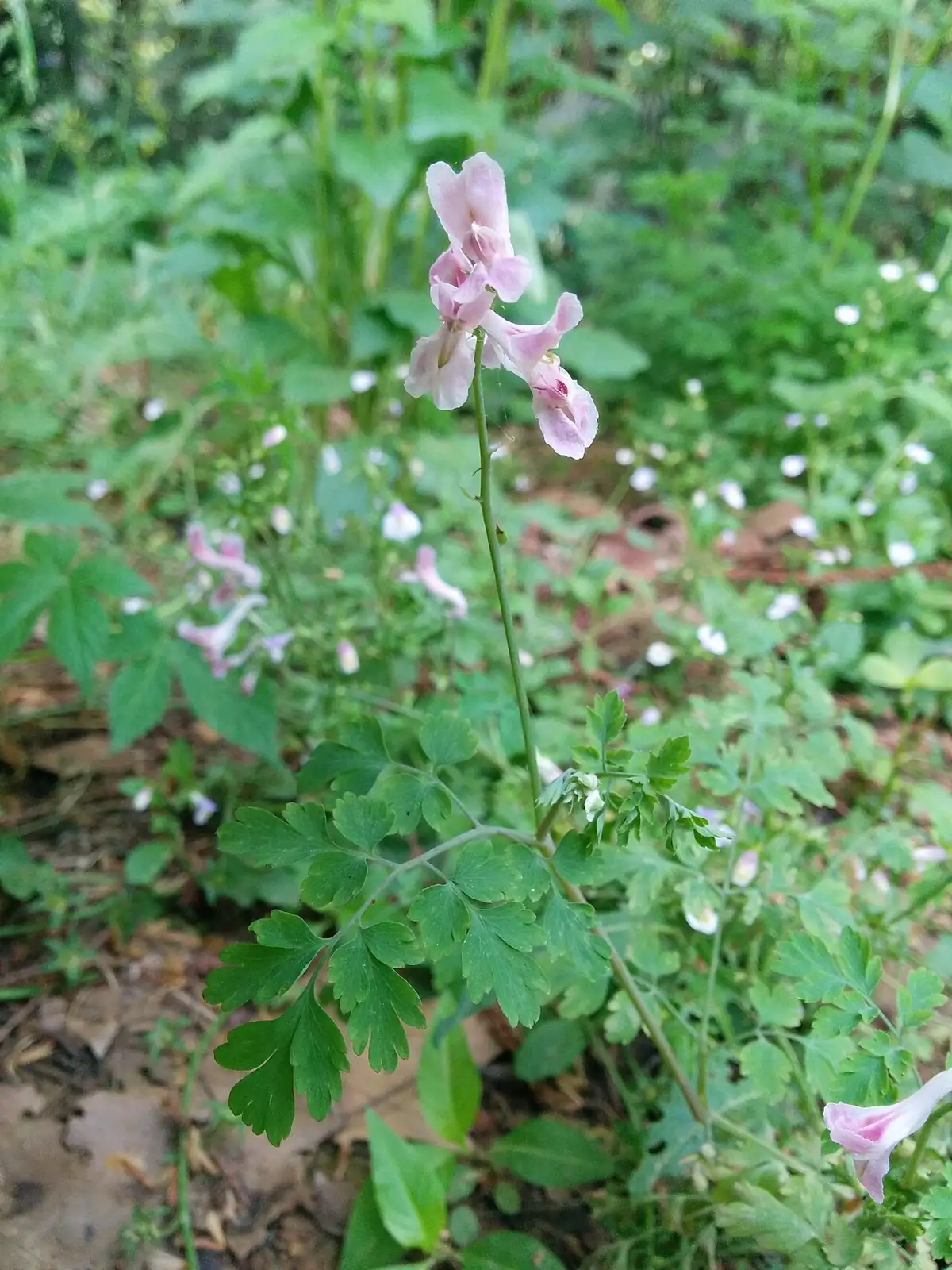
- Foliage: An annual herb with a noticeable grey-green cast. Leaves are roughly triangular in outline and deeply pinnately divided; the upper surface is green while the underside is paler. The narrow segments are oval to narrowly egg-shaped with blunt tips, and the basal and stem leaves are similar in overall form.
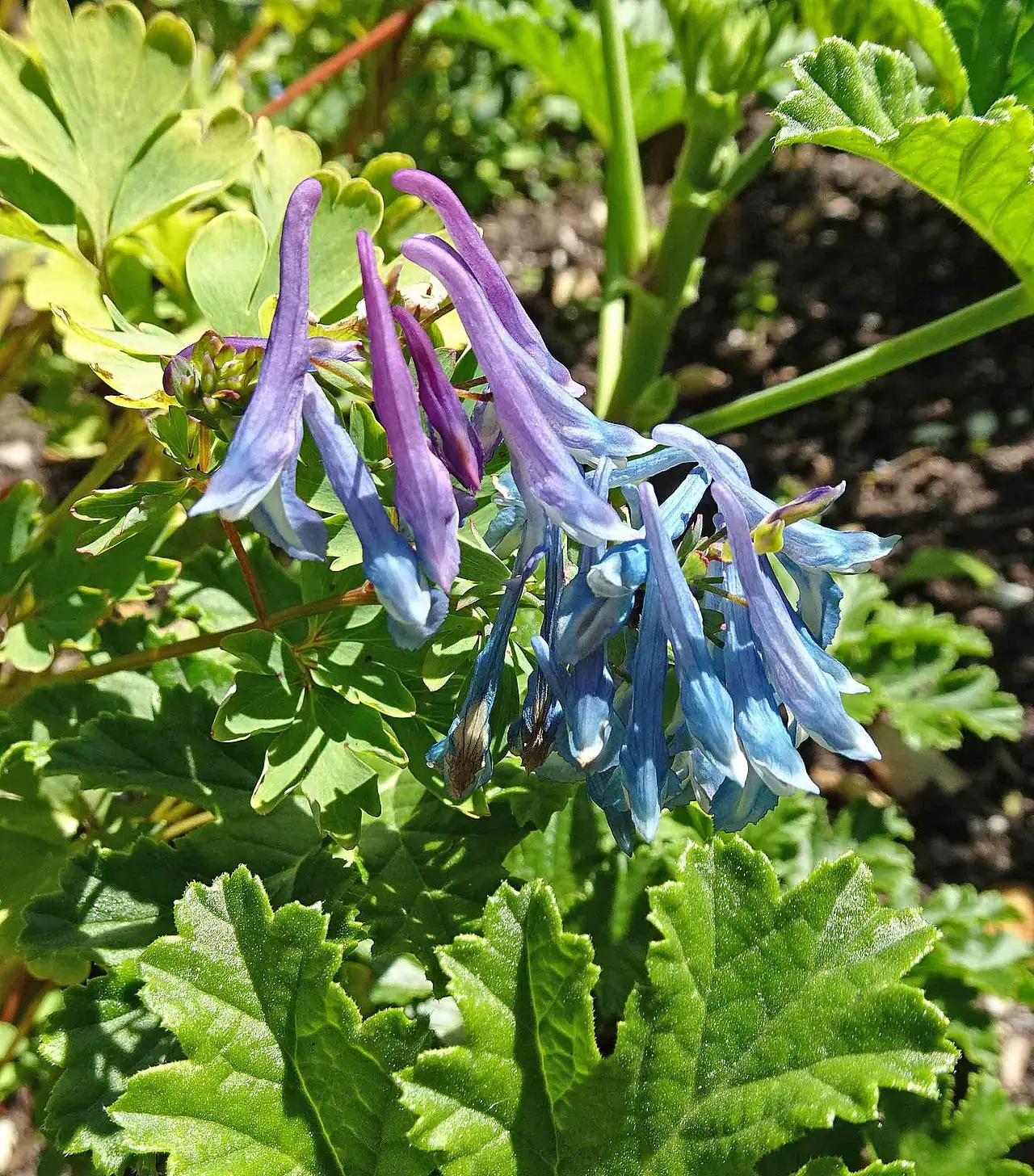
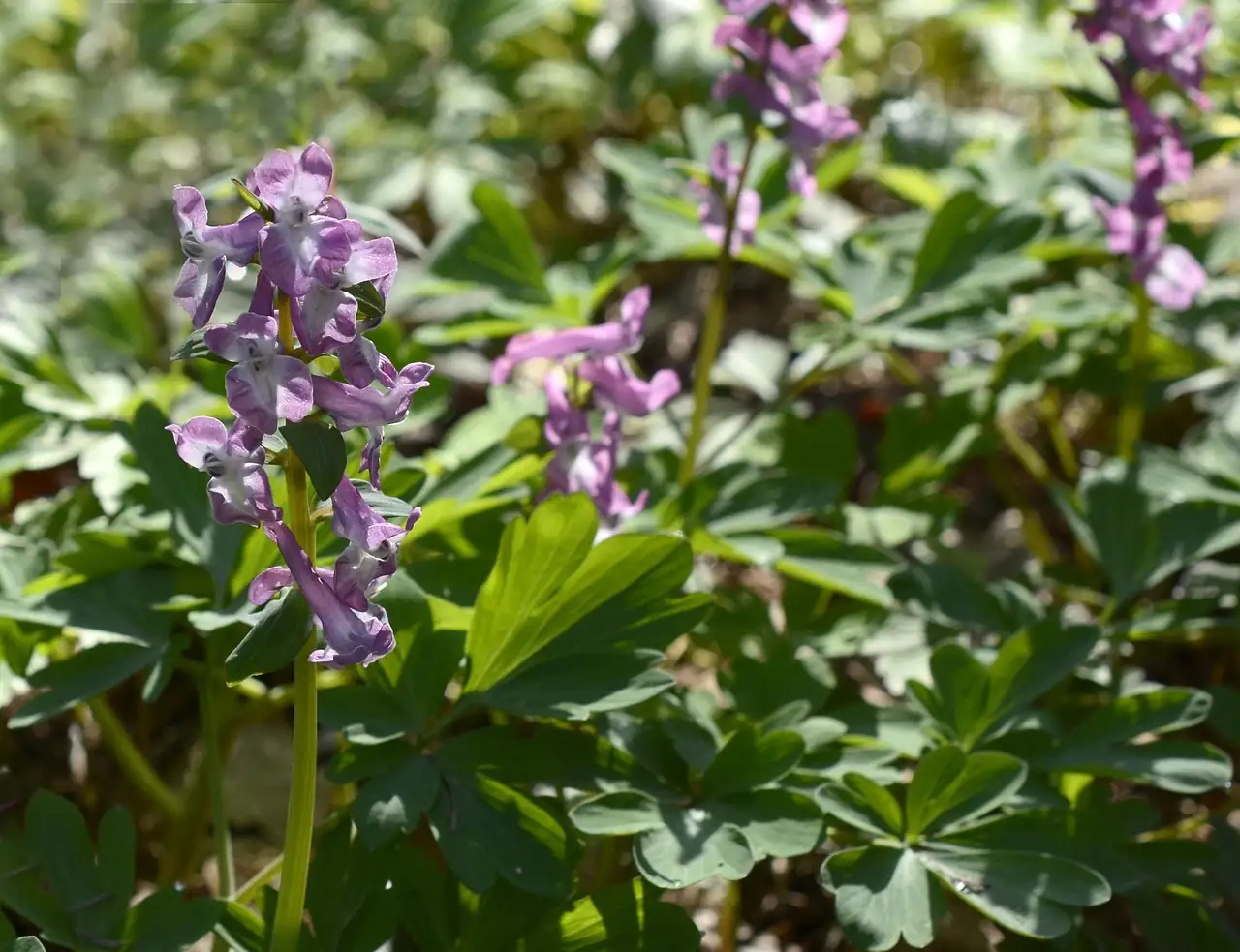
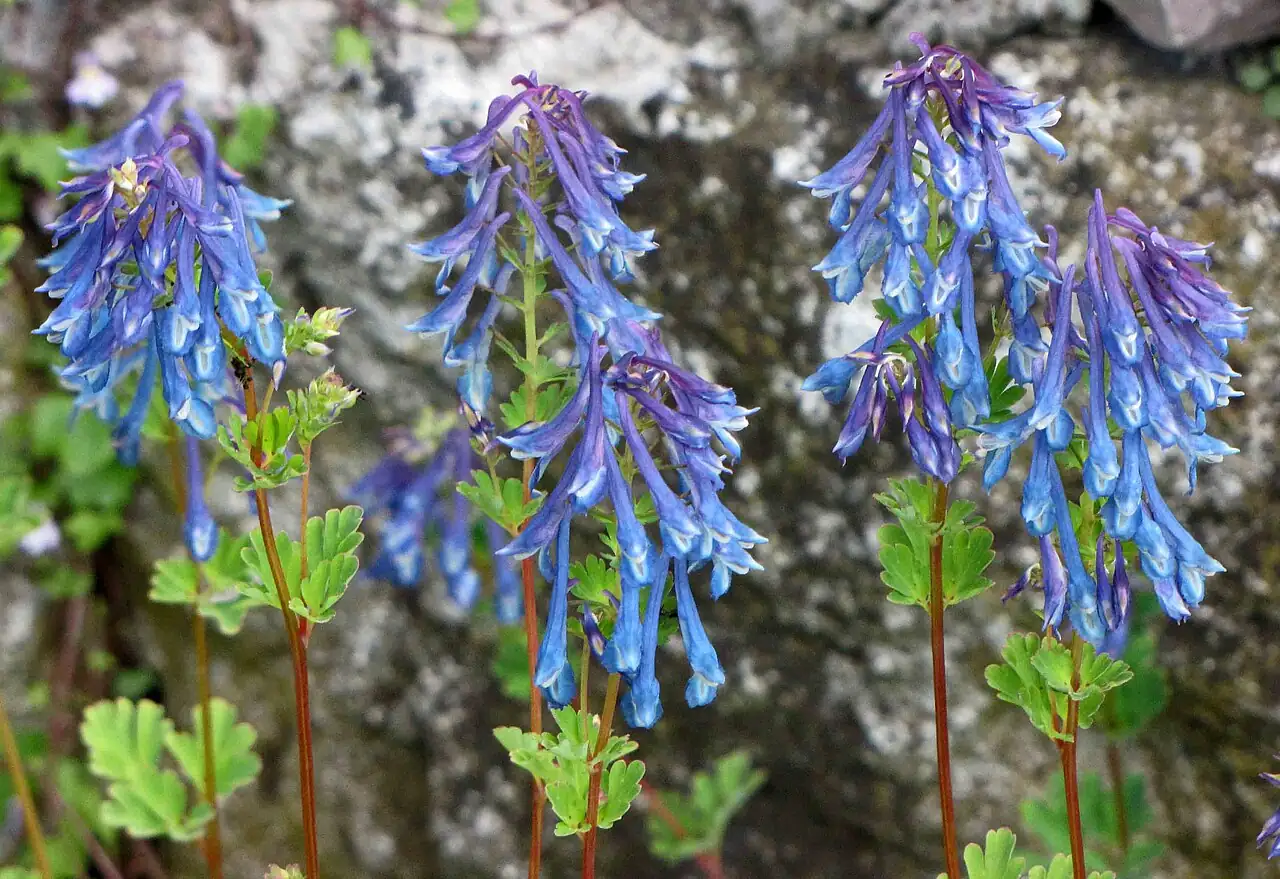
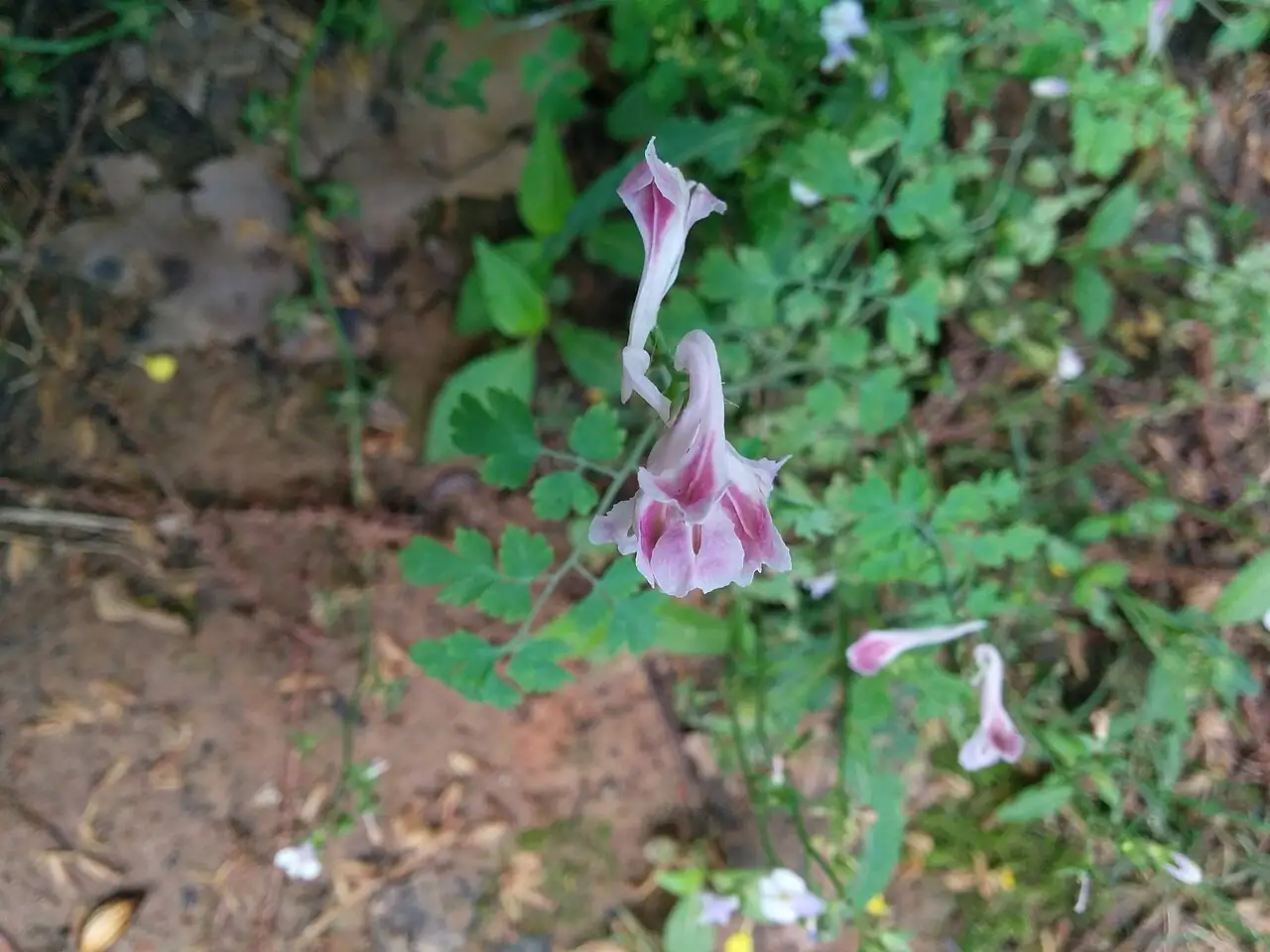
- Flower: Produces racemes (clusters) of small flowers in shades of pink to purplish red. After flowering, it develops a slender, linear capsule that often hangs downward. Seeds are distinctive—densely marked with ring-like, shallow pitted patterns.
- Flowering Season: March–April
- Growth Habit: Annual herbaceous plant
Environment
Sunlight
Full sun to partial shade. In warmer or more exposed spots, light afternoon shade helps prevent stress and keeps the plant fresher for longer.
Temperature
Prefers mild to warm conditions during active growth, roughly 10–25°C (50–77°F).
Humidity
Moderate to high humidity is helpful. Avoid prolonged dry air and drought, which can shorten the display and weaken plants.
Soil
Fertile, well-drained sandy loam that still holds steady moisture. Aim for “moist but airy”: avoid waterlogging, yet don’t let the soil fully dry out.
Placement
Garden beds, borders, and containers. It can be especially happy tucked among slightly taller companions that provide light shade and help conserve soil moisture.
Hardiness
Not drought-tolerant. Avoid repeated planting in the same spot year after year (rotation recommended) to reduce disease and soil fatigue.
Care Guide
Difficulty
Moderate: quite manageable as long as moisture is consistent. The main challenges are drought stress and problems that can build up if it’s grown repeatedly in the same soil without rotation.
Buying Guide
When shopping, choose sturdy plants (or fresh seed) with healthy, grey-green foliage and no signs of wilting. Avoid plants with soft, collapsing stems or yellowing leaves, which can hint at root stress or poor watering history.
Watering
Keep the soil consistently moist but not soggy. Water thoroughly, then let excess drain away. In containers, check more often during warm spring spells—don’t allow the potting mix to fully dry out.
Fertilization
In reasonably fertile soil, a light feeding is enough. Mix in compost at planting, or use a balanced fertilizer at a low rate early in the season; overly rich feeding can encourage soft growth and reduce resilience.
Pruning
No major pruning needed. Snip off spent flower stalks for a tidier look, or leave them to mature if you’d like to collect seed or allow self-seeding where appropriate.
Propagation
Primarily grown from seed. Sow when temperatures are mild; keep the seedbed evenly moist. Allowing some pods to ripen can also lead to natural reseeding in suitable garden conditions.
Repotting
For container growing, refresh the potting mix annually to maintain fertility and reduce disease buildup. Ensure the pot has good drainage and use a moisture-retentive but well-aerated mix.
📅 Seasonal Care Calendar
Flowering: March–April. Fruiting: April–May. In early spring, prioritize steady moisture; as pods form, continue moderate watering but avoid waterlogging. After seed set, plants typically finish their annual cycle.
Pests, Diseases & Safety
Common Pests & Diseases
Keep an eye out for aphids on soft new growth. In overly wet, stagnant conditions, fungal problems can appear—give plants airflow, avoid crowding, and don’t let soil stay waterlogged. If grown in the same place repeatedly, disease pressure may increase, so rotation and fresh soil are helpful.
Toxicity
Many Corydalis species contain bioactive alkaloids. Avoid casual ingestion and keep plants away from pets and children unless edibility and safe use are confirmed by a reliable local reference for this exact species.
Culture & Symbolism
Symbolism: Often appreciated as a symbol of gentle spring renewal—delicate flowers that arrive early and brighten the garden before many summer plants wake up.
History & Legends: Not provided.
Uses: Primarily ornamental, prized for its finely cut foliage and soft-toned spring flowers. Works well in beds, borders, and containers, especially where soil moisture can be kept steady.
FAQ
When does it flower?
Typically March–April.
When does it set fruit?
Usually April–May, forming slender, often drooping seed capsules.
How tall does it grow?
About 15–80 cm (6–31 in) tall, depending on conditions.
What growing conditions does it like?
Mild to warm, moist conditions; fertile, moisture-retentive but well-drained soil; full sun to partial shade (with light afternoon shade in hot sites). It dislikes drought and benefits from rotation rather than being planted repeatedly in the same spot.
Where is it found naturally?
Across many regions of China, commonly on hillsides, along gullies/ditches, and in rocky places.
Can I grow it in a pot?
Yes—containers work well as long as the mix drains freely and you water often enough to keep it evenly moist.
Fun Facts
- Its seed pods are slender and often droop, and the seeds have distinctive ring-like pitted markings.
- It can look delicate, but it’s a surprisingly reliable spring performer when moisture is consistent.
- It naturally occurs across a wide range of habitats in China, from rocky slopes to ditch-sides.


