

Plant Features
- Size: Typically 10–20 cm (4–8 in) tall; rosettes about 10–25 cm (4–10 in) wide. Flower stalks can reach 20–50 cm (8–20 in) depending on variety and conditions.
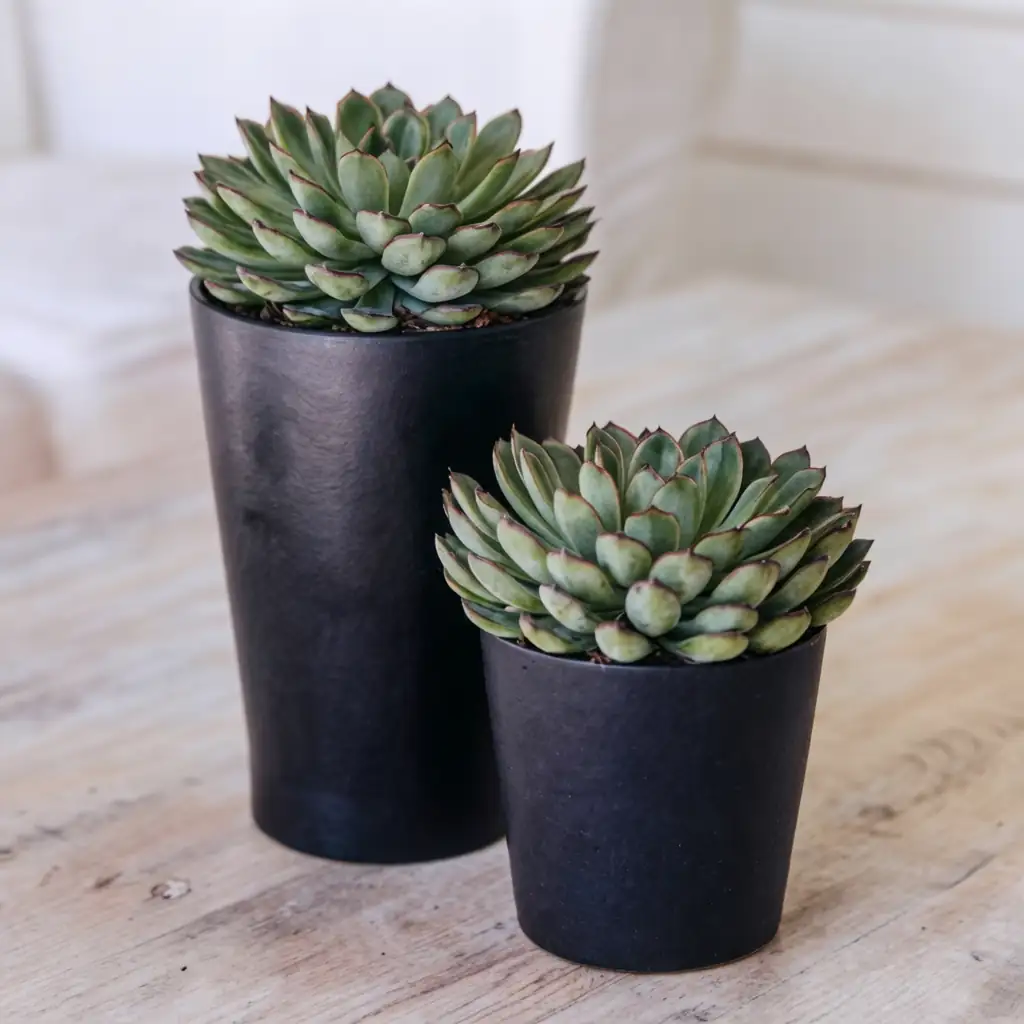
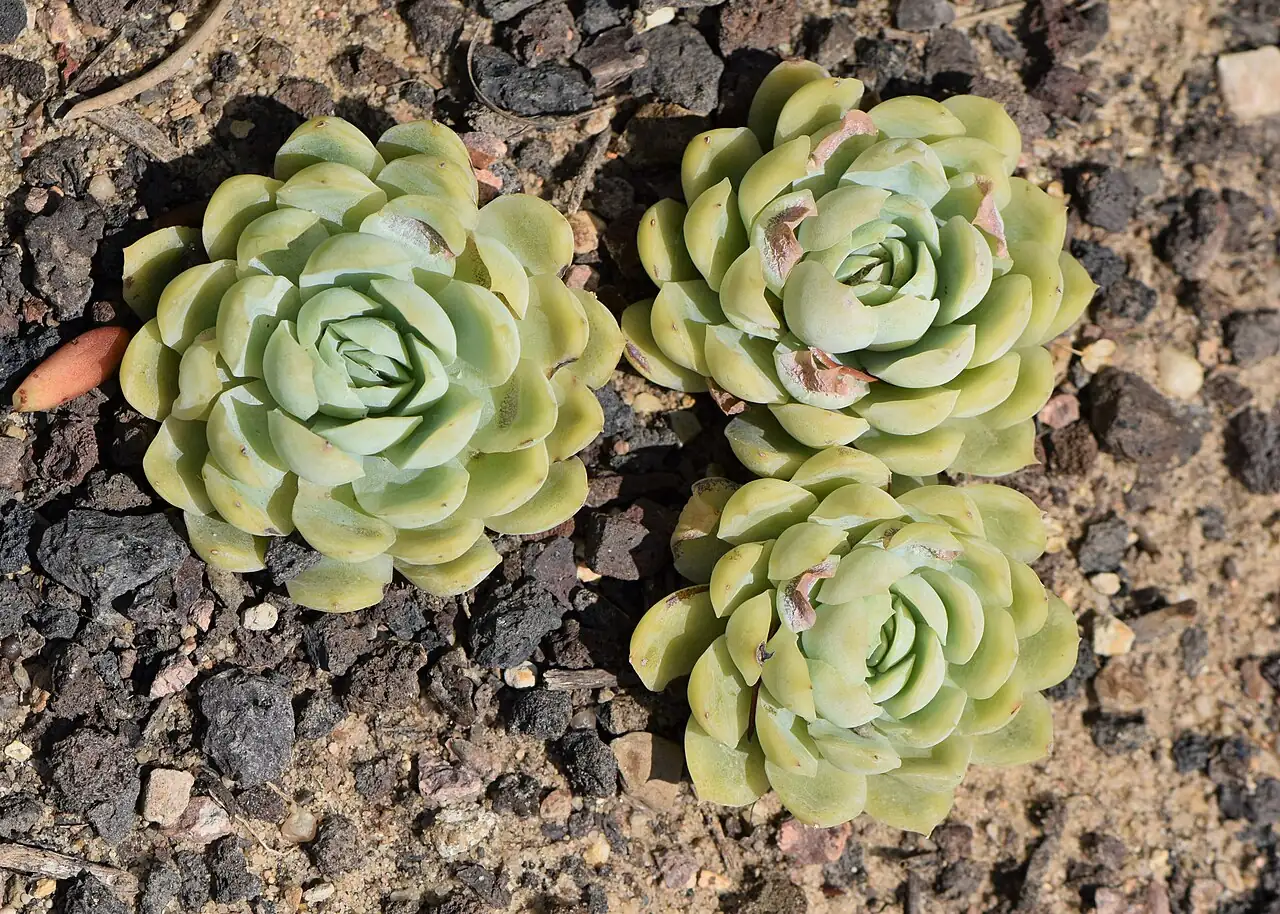
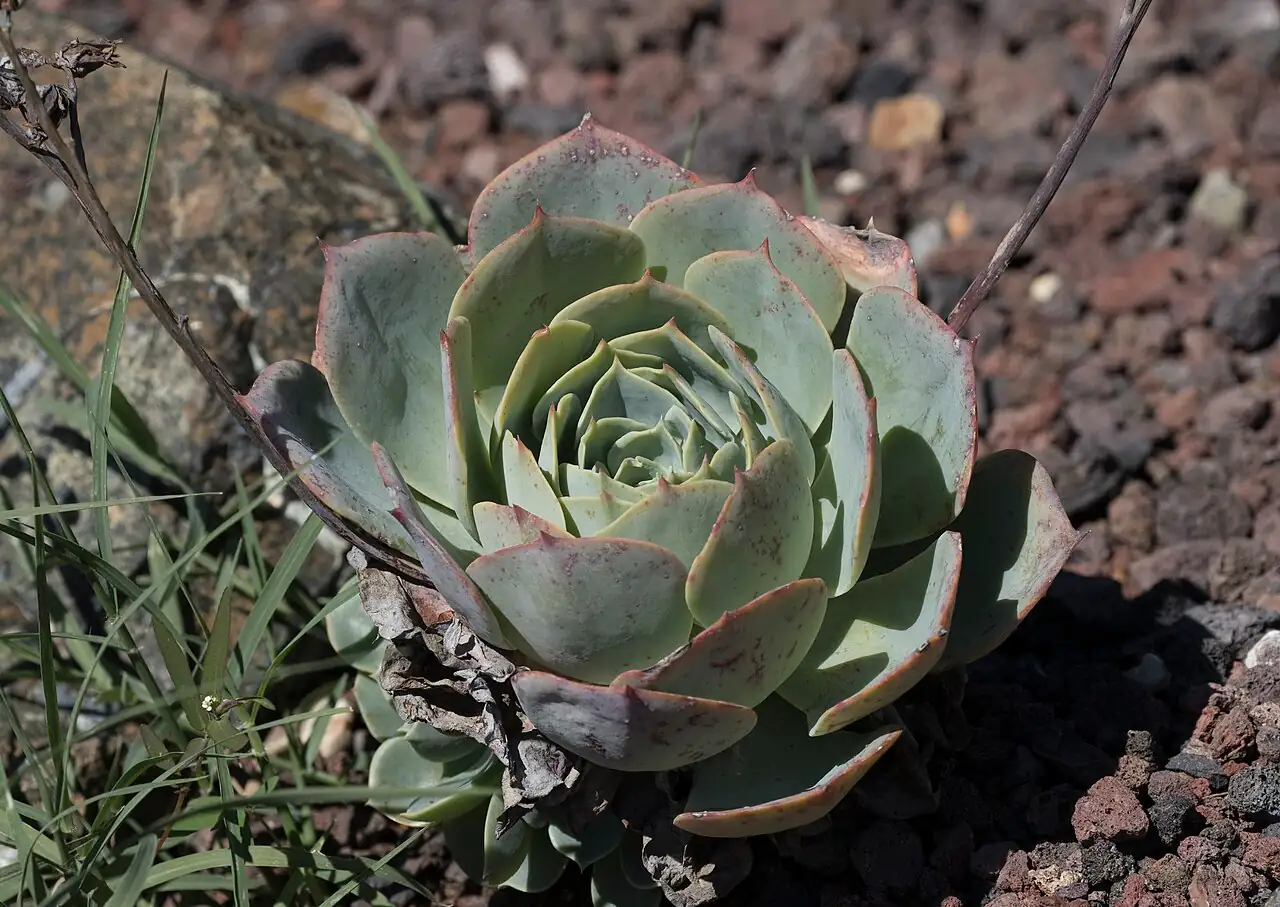
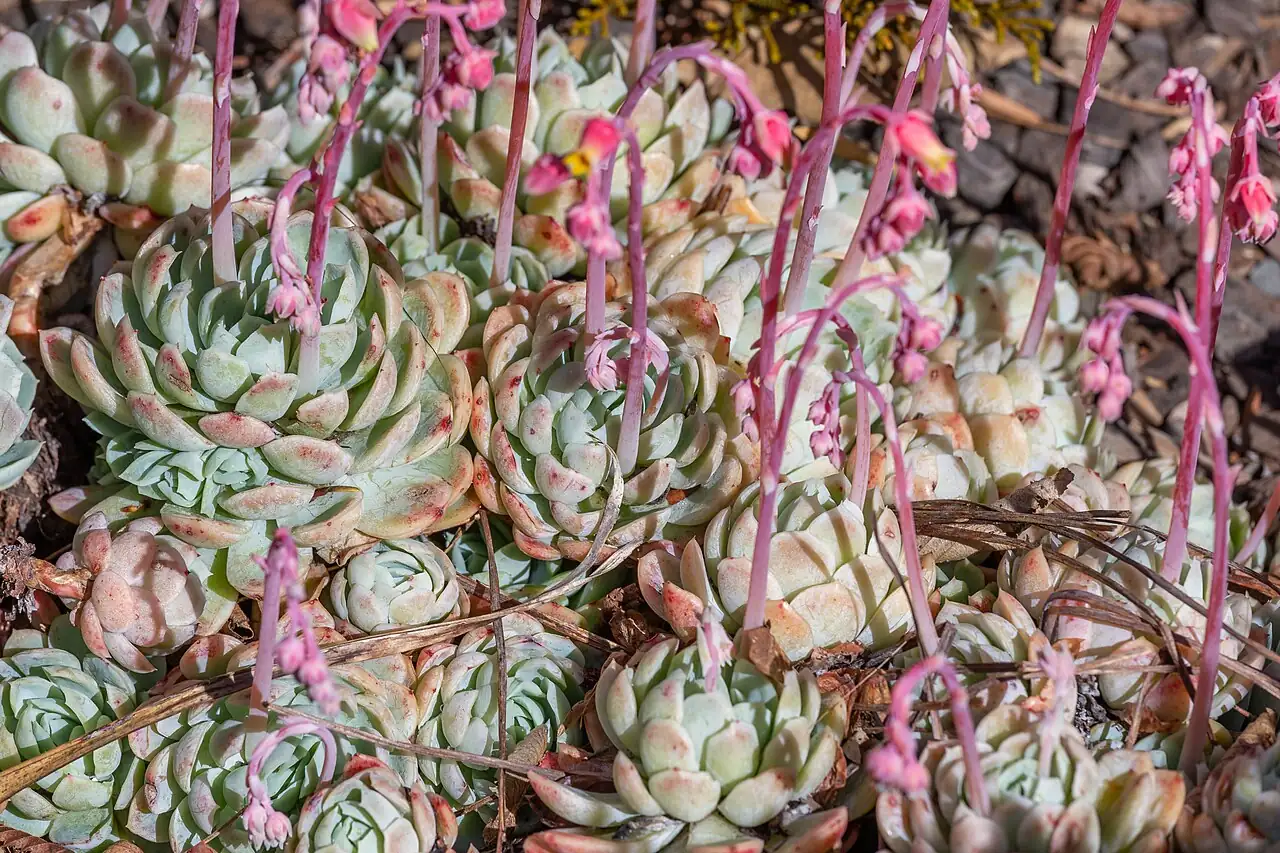
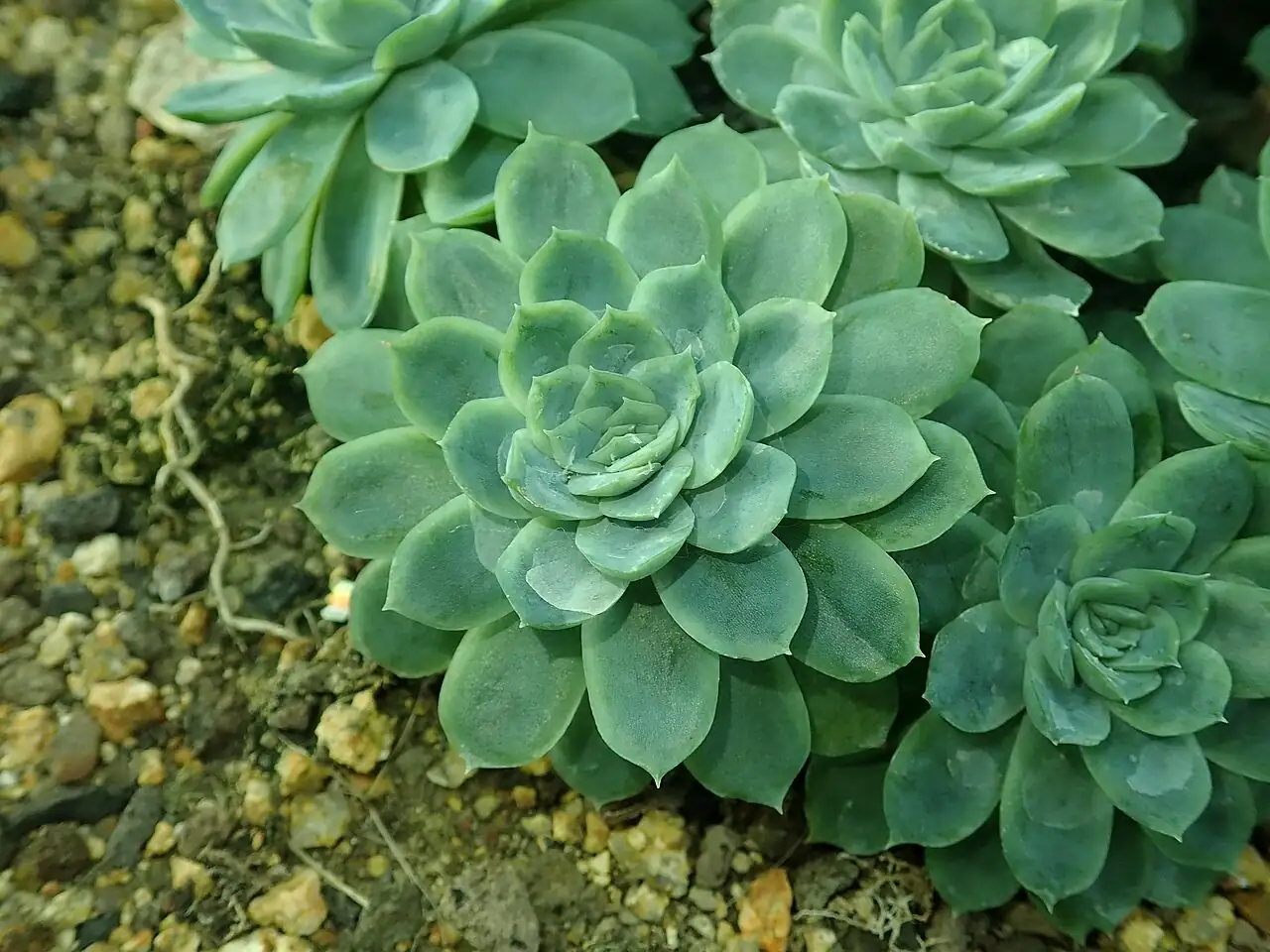
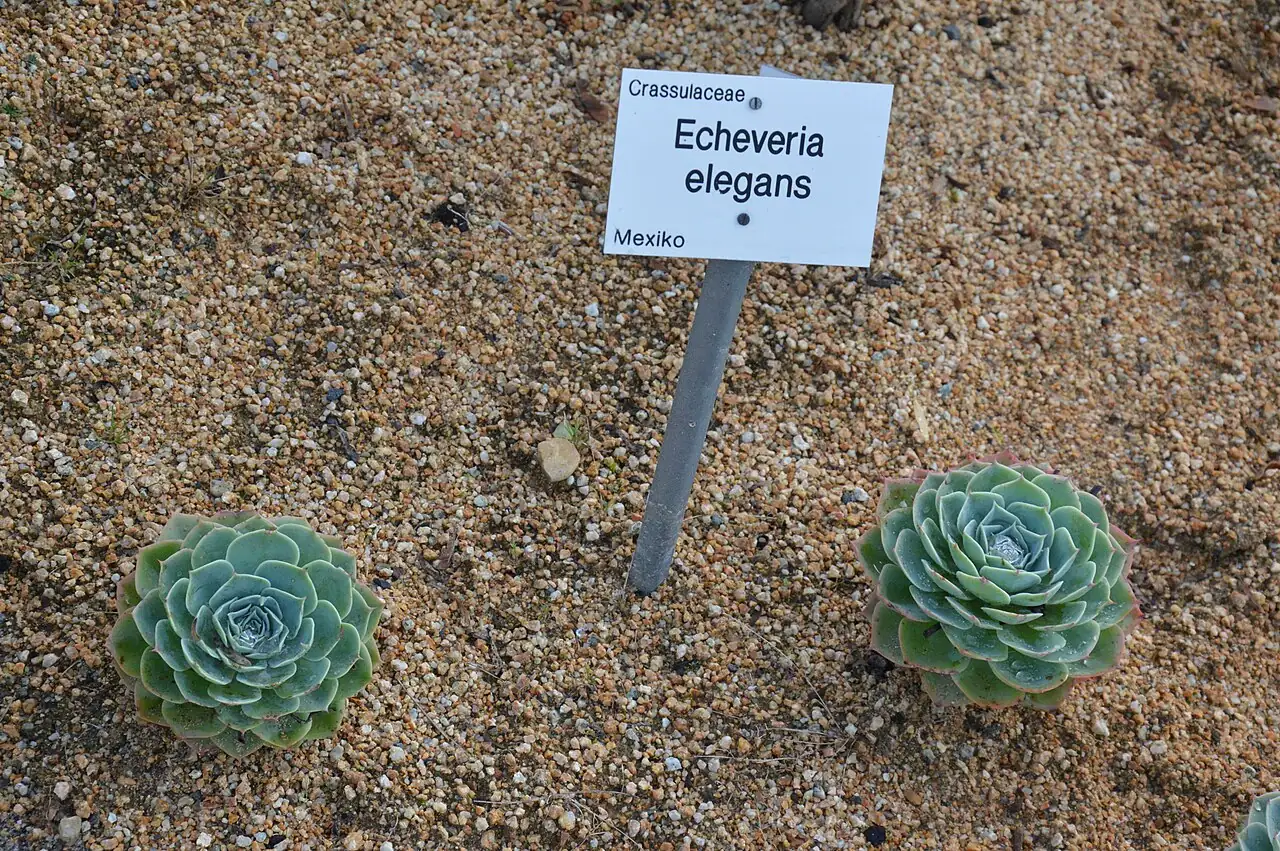
- Foliage: Blue‑green, fleshy leaves arranged in a tight rosette. Under strong light the leaf edges often blush burgundy to wine-red. Some plants may carry a powdery, waxy coating (farina) that helps protect leaves—try not to rub it off.
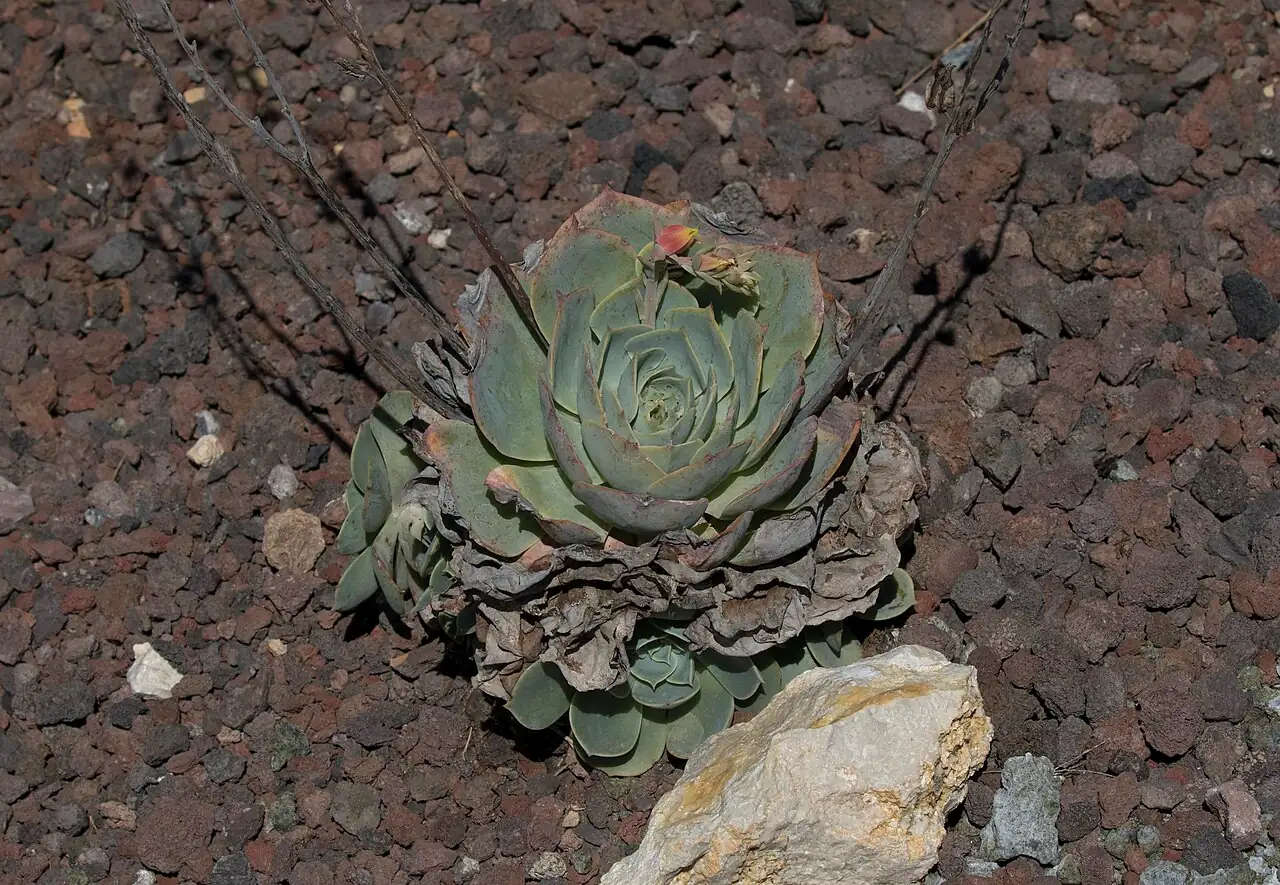
- Flower: Tall, sometimes arching pink flower stems carry clusters of small, bell-shaped blooms, typically pink on the outside with a yellow to yellow‑orange interior.
- Flowering Season: Summer
- Growth Habit: Rosette-forming succulent; often stays compact and may slowly form clumps/offsets over time, though some forms remain solitary.
Environment
Sunlight
Bright light to full sun for best shape and color. Aim for 4–6+ hours of sun daily if possible. Indoors, place at the brightest window (south- or west-facing in the Northern Hemisphere) or under strong grow lights with good airflow.
Temperature
Best growth at 15–27°C (59–81°F). Protect from frost; keep above 5°C (41°F) for most Echeveria. In extreme heat, provide ventilation and consider light shade at midday to prevent scorching.
Humidity
Prefers low to average humidity. Avoid persistently humid, stagnant air, which increases the risk of rot and pest issues.
Soil
A very fast-draining cactus/succulent mix. Improve drainage further with mineral components like pumice or perlite; a gritty mix helps the roots breathe and dry evenly.
Placement
Sunny windowsill, bright balcony/patio, or under grow lights with airflow. Outdoors in mild climates, shelter from prolonged rain to prevent soggy soil and rot.
Hardiness
Approx. USDA Zone 9–11; generally not frost-hardy and best protected from prolonged cold or winter wet.
Care Guide
Difficulty
Easy to moderate. Echeveria is forgiving once you nail two things: strong light and a thorough dry-down between waterings. Most failures come from low light + too much water.
Buying Guide
Pick a compact, symmetrical rosette with firm leaves. Avoid translucent spots, a mushy stem, or any blackened/soft base (possible rot). Check leaf joints and the underside for white, cottony mealybug residue before buying.
Watering
Use the “soak and dry” method: water thoroughly, then let the potting mix dry out completely before watering again. In warm, bright conditions, that’s often every 7–14 days; in winter or low light, reduce to about every 3–5 weeks. Keep water out of the rosette center and never let the pot sit in water.
Fertilization
Feed lightly in spring and summer with a diluted, low-nitrogen cactus/succulent fertilizer at 1/4–1/2 strength about once every 4–6 weeks. Skip fertilizing in winter.
Pruning
Remove spent flower stalks after blooming. Gently peel away dead lower leaves to improve airflow and reduce hiding places for pests (but don’t tug at firm, healthy leaves).
Propagation
Leaf cuttings (let the leaf callus 2–5 days, then lay on dry mix and mist sparingly), offsets (when present), or stem cuttings/“beheading” to rejuvenate leggy plants and re-root the rosette.
Repotting
Repot every 1–2 years or when crowded. Use a pot with drainage; terracotta can help the mix dry faster. After repotting, wait 3–7 days before watering so any root damage can callus.
📅 Seasonal Care Calendar
Spring: increase light and watering; begin light feeding. Summer: protect from extreme heat and heavy rain; acclimate gradually to stronger sun to avoid sunburn. Autumn: reduce watering as temperatures drop. Winter: keep bright and cooler if possible, water sparingly, and protect from frost.
Pests, Diseases & Safety
Common Pests & Diseases
Common pests include mealybugs (often tucked into leaf joints), aphids on flower stalks, and spider mites in hot, dry indoor conditions. The most common disease issue is root/stem rot from soggy soil, low light, and poor airflow. Treat pests with cotton swabs dipped in alcohol, insecticidal soap, or horticultural oil, and correct care (more light, faster-draining soil, better ventilation) to prevent repeat infestations.
Toxicity
Generally considered non-toxic to people and pets, though chewing or ingesting may still cause mild stomach upset. Keep away from pets that like to nibble plants.
Culture & Symbolism
Symbolism: Often linked with enduring love and resilience—its plump leaves store water and stay attractive through dry spells.
History & Legends: Echeveria is a New World genus named for Mexican botanical illustrator Atanasio Echeverría y Godoy. Many plants sold in cultivation are hybrids or unnamed selections, so exact colors and flower details can vary.
Uses: Primarily ornamental: great for bright windowsills, dish gardens, succulent arrangements, and rock gardens. In mild climates it’s also used in drought-tolerant landscaping (especially where winter cold and rain are limited).
FAQ
Why are the leaves stretching and the rosette opening up?
That’s etiolation from insufficient light. Move it to a brighter spot gradually (to avoid sunburn) or use a strong grow light. If the stem has become long, you can behead the rosette and re-root it.
Why are the bottom leaves wrinkling or dropping?
A little lower-leaf loss is normal as it grows. If many leaves shrivel quickly, it may be underwatering. If leaves turn translucent or mushy, it’s usually overwatering or rot—let the mix dry fully, improve drainage, and increase light/airflow.
How do I keep the burgundy leaf edges strong?
Give brighter light (including some direct sun), use a fast-draining mix, and let the soil dry completely between waterings. Color is typically best with strong light and mild, non-damaging stress.
Fun Facts
- Many Echeveria sold under trade names are hybrids, so flower size and color can vary from plant to plant.
- The powdery leaf coating (farina) helps protect against sun and water loss—once rubbed off, it usually doesn’t return on the same leaf.


