Plant Features
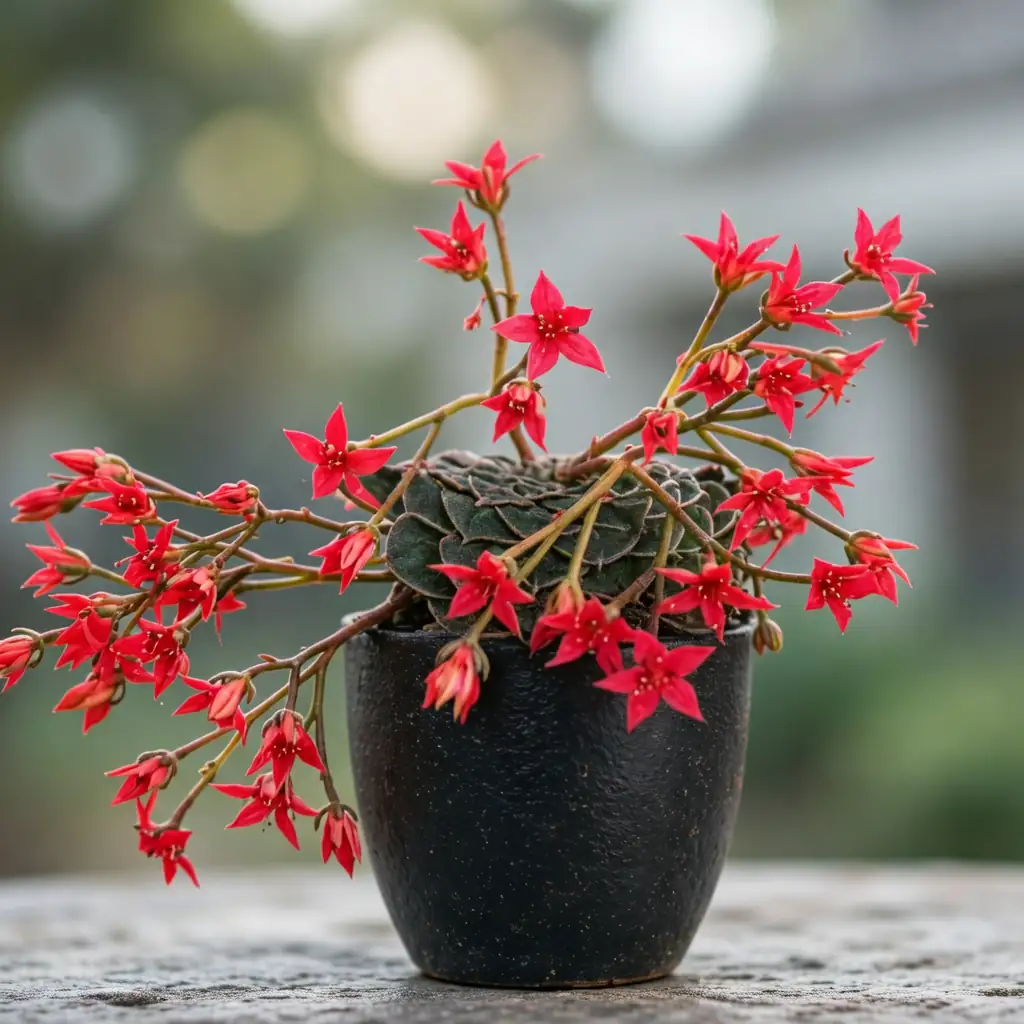
- Size: Approx. 15 × 10 cm (6 × 4 in) (height × spread); flower stalks can rise several times taller than the rosette.
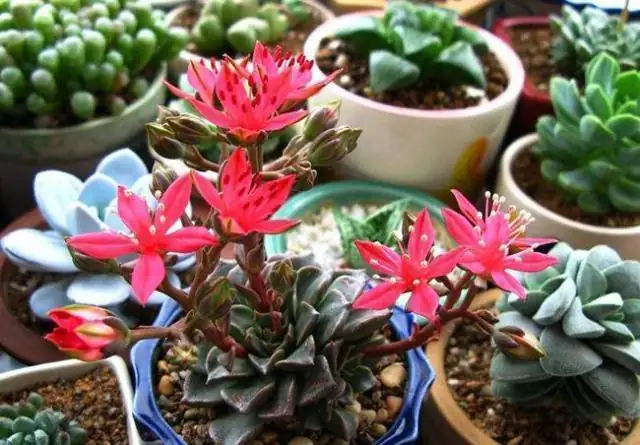
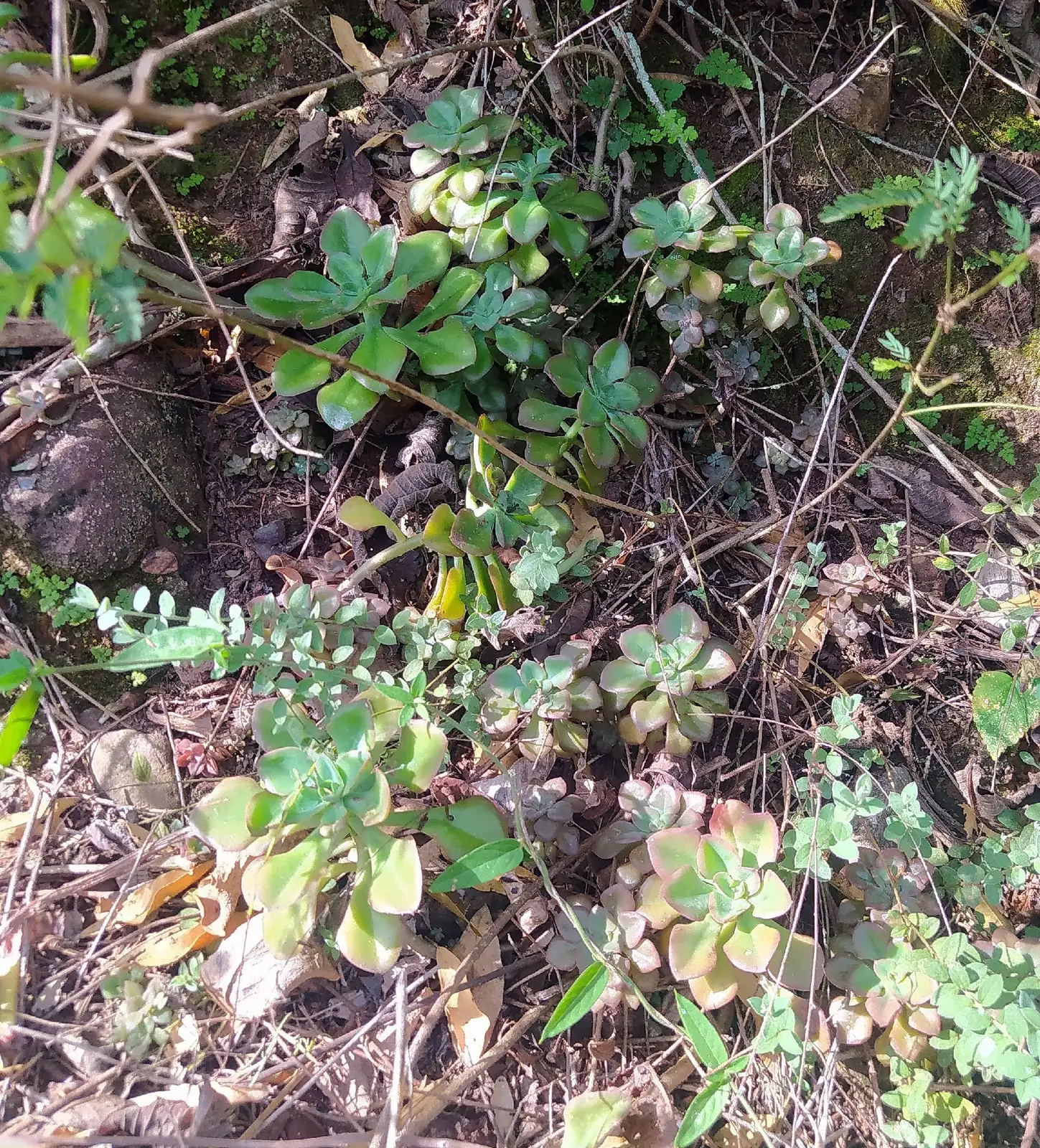
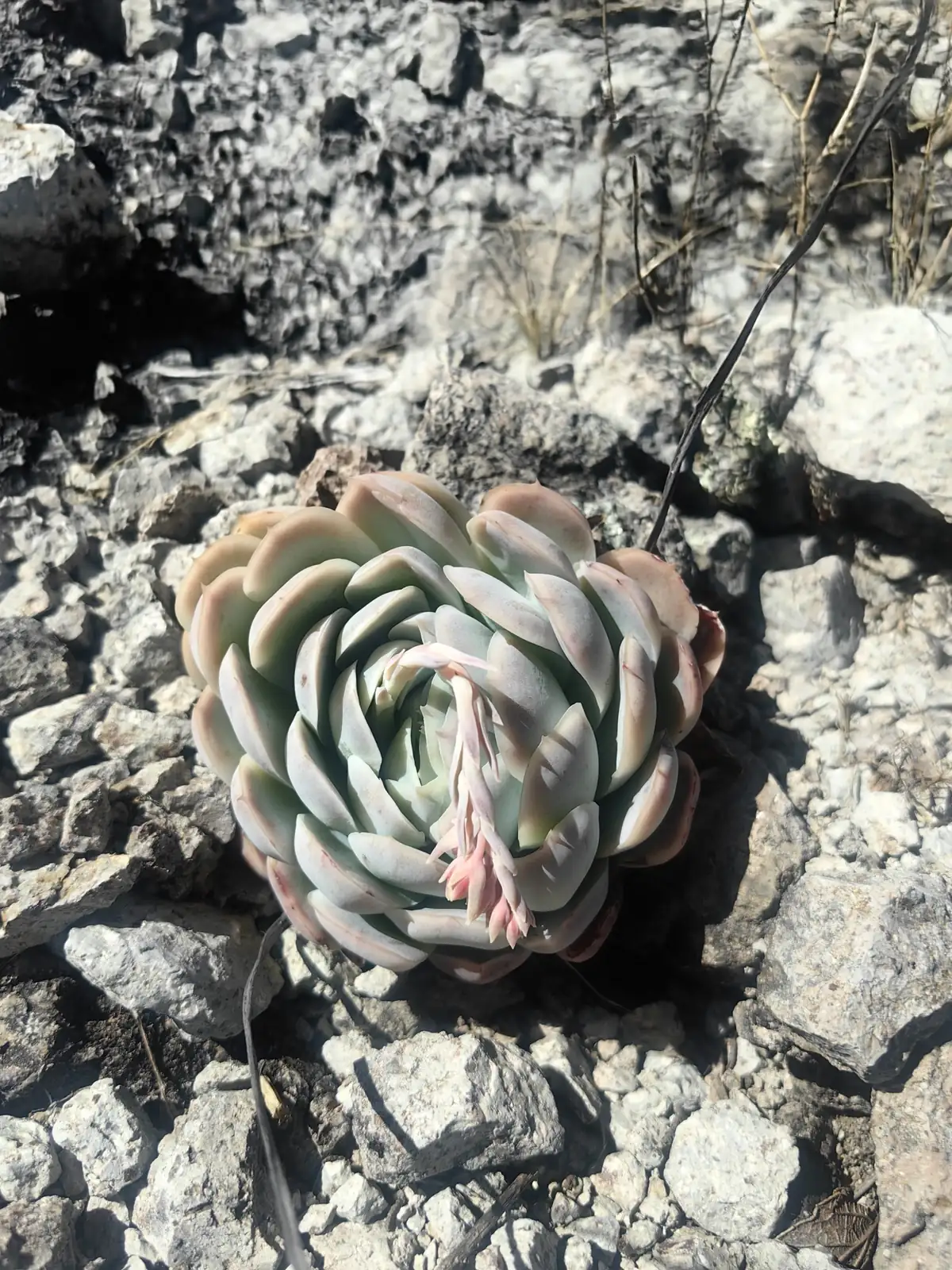
- Foliage: A tight, symmetrical rosette of thick, fleshy leaves in gray to dark gray tones, often finished with lighter/paler edges. Color typically deepens in stronger light.
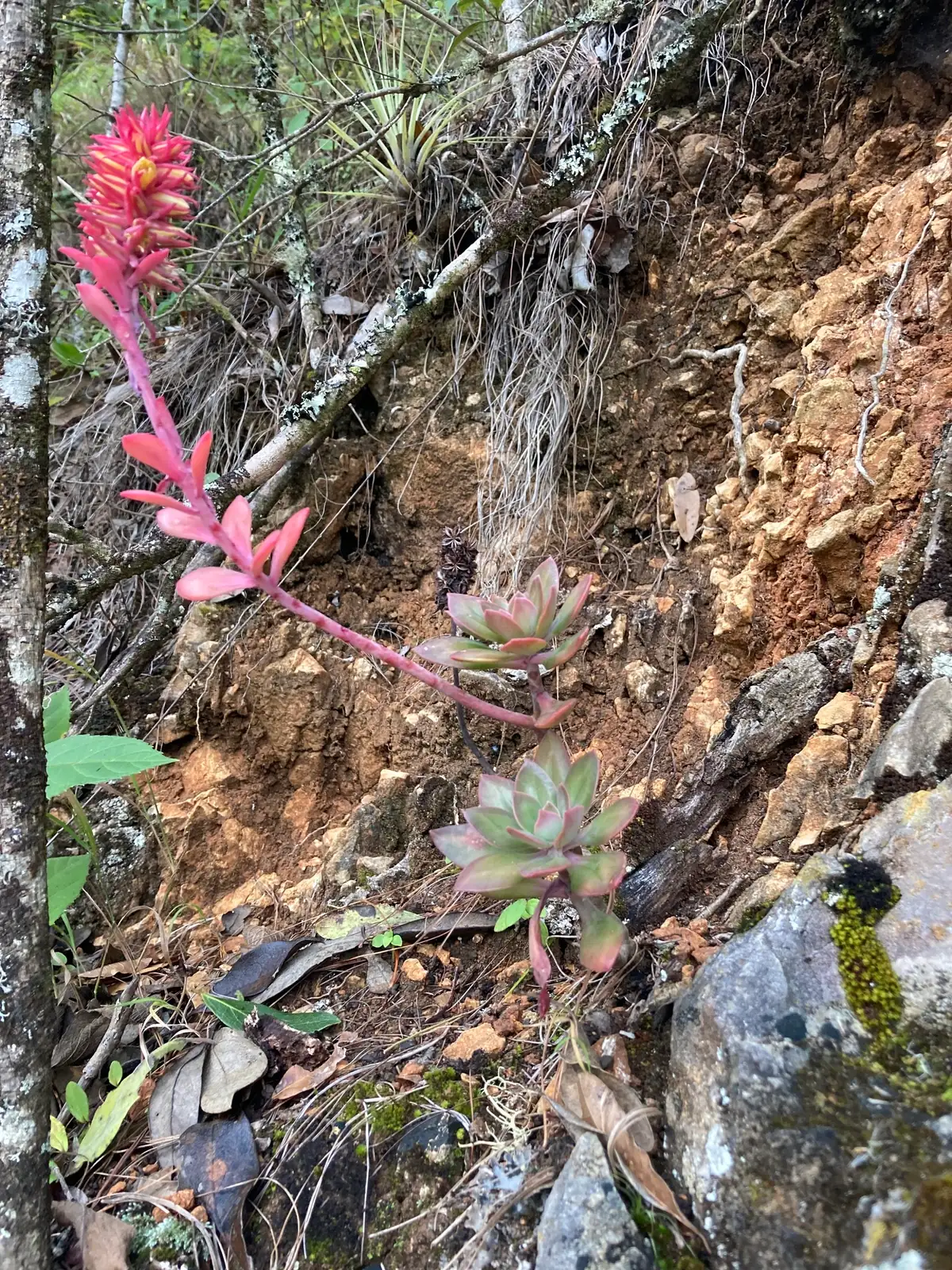
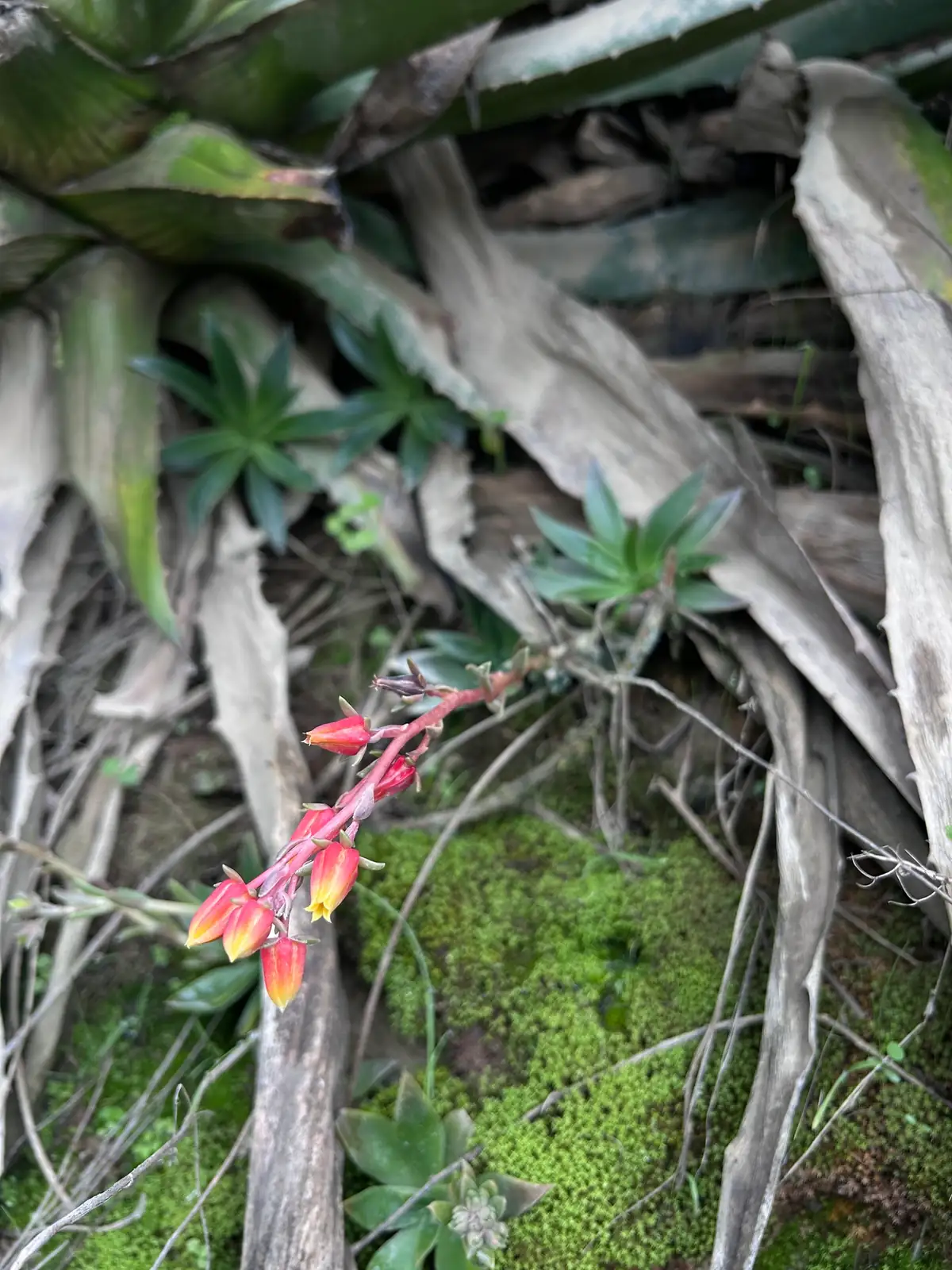
- Flower: Bright pink to red, star-shaped flowers held in clusters on long, branched stalks emerging from the rosette center; the overall effect is airy and “firework-like” above the plant.
- Flowering Season: Typically spring to early summer (best with strong light).
- Growth Habit: Compact, rosette-forming succulent; slow-growing.
Environment
Sunlight
Full sun to bright partial sun. Higher light usually brings deeper leaf color and better flowering; acclimate gradually to avoid sun scorch.
Temperature
Prefers 10–27°C (50–81°F). Keep warmer and brighter during growth; cooler and drier in winter.
Humidity
Low humidity is ideal; prefers dry air and good airflow.
Soil
Very well-draining cactus/succulent mix. Regular potting soil can work if heavily amended with grit, pumice, or coarse sand to prevent soggy roots.
Placement
Indoors on a very bright windowsill (south- or west-facing is often best) or outdoors in a sunny, warm spot. Looks especially nice grouped in small containers or succulent arrangements.
Hardiness
Frost-tender; best outdoors year-round only in USDA Zones 10–11. Protect from frost/freezing temperatures.
Care Guide
Difficulty
Easy overall: drought-tolerant and forgiving of missed waterings, but sensitive to overwatering and poor drainage.
Buying Guide
Choose a plant with a firm, symmetrical rosette and tightly arranged leaves. Avoid any softness at the base, black spots, mushy leaves, or visible pests (especially mealybugs).
Watering
Water deeply, then let the mix dry out completely before watering again. Spring–autumn: water only after full dry-down. Winter: water very sparingly—just enough to prevent extreme shriveling. Avoid leaving water sitting in the rosette to reduce rot risk.
Fertilization
During active growth (spring to autumn), feed 2–3 times with a balanced liquid fertilizer diluted to 1/2 strength (or use a low-nitrogen succulent fertilizer). Do not fertilize in winter dormancy.
Pruning
Usually not needed. Snip off spent flower stalks after blooming to keep the plant tidy and to reduce energy drain.
Propagation
Leaf cuttings or offsets (if the plant produces them). Let cut surfaces callus before placing on dry, well-draining mix; water lightly only after roots begin to form.
Repotting
Repot only when root-bound, typically every 2–3 years. Use a very fast-draining mix and a small pot around 10–12.5 cm (4–5 in) wide; ensure drainage holes are present.
📅 Seasonal Care Calendar
Spring–autumn: bright light, soak-and-dry watering, and light feeding a few times. Winter: keep cooler, brighter if possible, and much drier; resume regular watering when new growth restarts.
Pests, Diseases & Safety
Common Pests & Diseases
Most common issues are mealybugs and scale insects, plus root rot from overwatering or dense soil. Treat pests with cotton swabs dipped in alcohol or an appropriate insecticidal soap; prevent rot with strong light, airflow, and a fast-draining mix.
Toxicity
Generally considered non-toxic, though sap may cause mild skin irritation for sensitive people. It’s still wise to keep nibbling pets and small children from chewing the leaves.
Culture & Symbolism
Symbolism: Often linked with resilience, calm balance, and a quiet kind of beauty—simple at first glance, then surprisingly dramatic when it flowers.
History & Legends: Echeveria has been cherished as an ornamental since the 19th century. The genus honors Atanasio Echeverría y Godoy, a Mexican botanical illustrator whose work helped document the region’s rich plant life.
Uses: Mainly ornamental—perfect for bright windowsills, small pots, dish gardens, and mixed succulent arrangements where its rosette shape and colorful blooms can shine.
FAQ
Why are my leaves turning soft or dropping from the bottom?
A few old leaves shedding is normal, but widespread softness or sudden leaf drop usually points to overwatering or poor drainage. Let the soil dry fully, improve airflow, and repot into a grittier succulent mix if needed.
How can I get better color and flowers?
Increase light gradually to bright sun/very bright conditions, keep watering on a soak-and-dry schedule, and avoid heavy fertilizer. Strong light is the biggest driver of deeper leaf color and reliable blooming.
Fun Facts
- The flower stalks can grow several times taller than the rosette, creating a “floating bouquet” effect.
- Leaf color often deepens under strong light, so the plant can look its most dramatic right before flowering.